
Destinations
Discover the most iconic destinations across Chile and Argentina — granite spires, glaciers, and the wildest road on Earth.
Patagonia Destinations
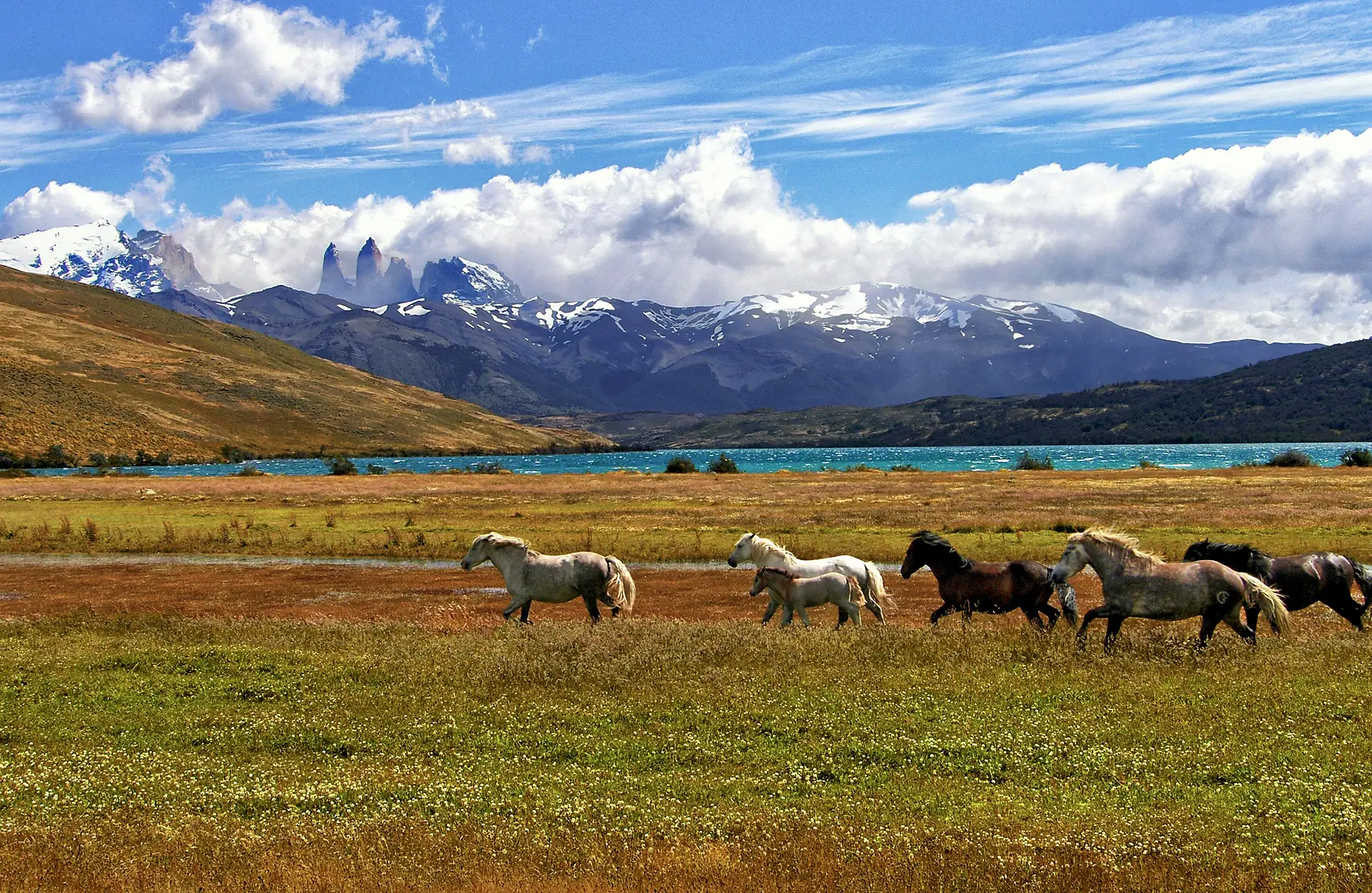
Patagonia is not a single destination but a vast wilderness spanning nearly one million square kilometres across Chile and Argentina. For most travellers, the best places to visit are the "Big Three" hubs: Torres del Paine in Chile, and El Chaltén and El Calafate in Argentina.
Choosing where to go depends on whether you seek high-altitude trekking, luxury lakeside retreats, or remote road trips through temperate rainforests. Because of the immense distances involved, visualising the layout is the first step in building a functional itinerary.
Patagonia At A Glance
- Total Area Approximately 1,043,000 square kilometres
- Primary Gateways Punta Arenas (Chile), El Calafate (Argentina), Bariloche (Argentina)
- Peak Season December to March
- Top Activities Trekking, glacier tours, wildlife watching, road trips
- Accommodation Remote campsites to world-class luxury lodges
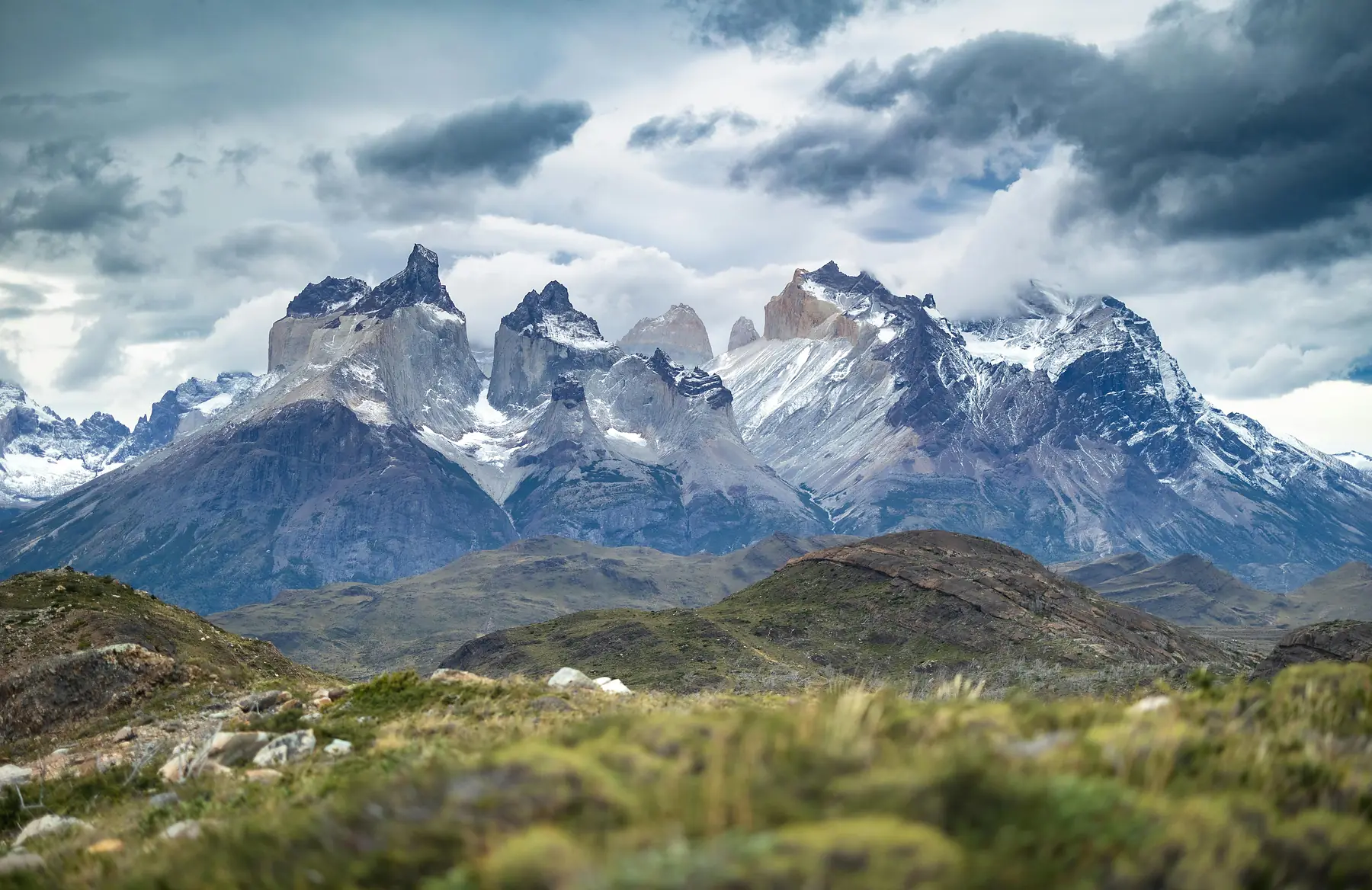
Torres del Paine
Patagonia's crown jewel — granite towers, turquoise lakes, and world-class trekking.
Explore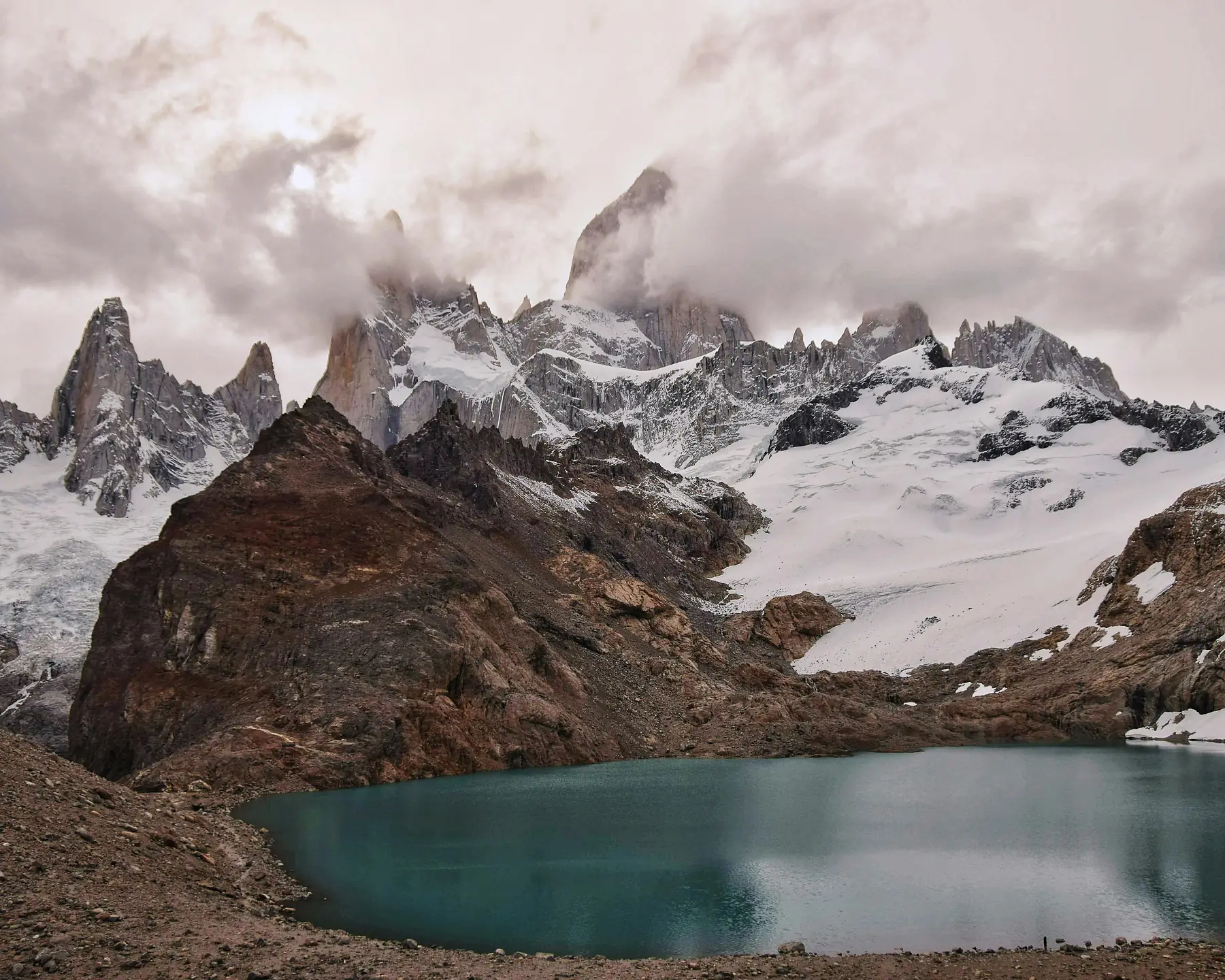
El Chaltén
Argentina's trekking capital beneath the jagged spires of Mount Fitz Roy.
Explore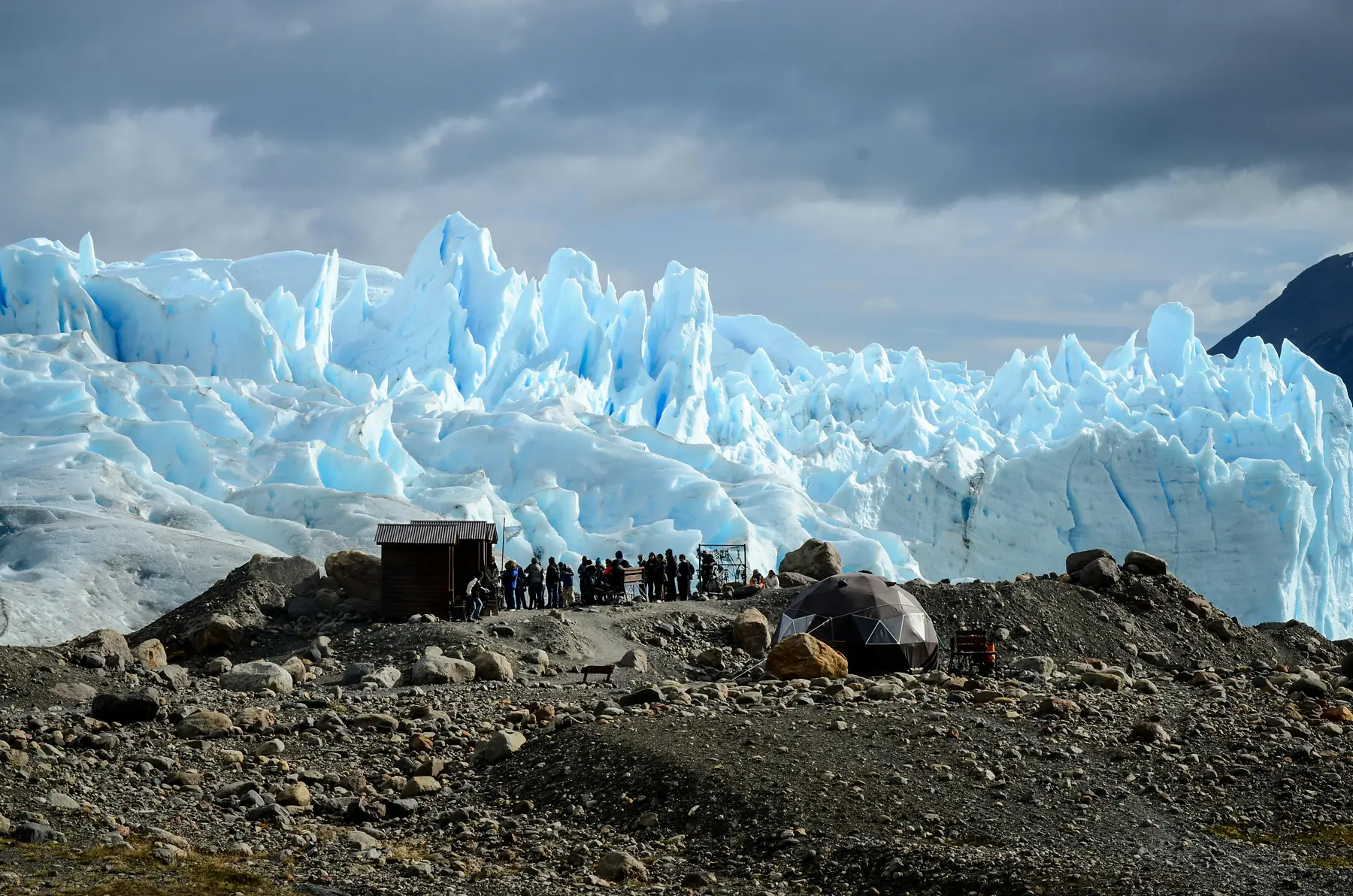
El Calafate
Home to the mighty Perito Moreno Glacier and the shores of Lago Argentino.
Explore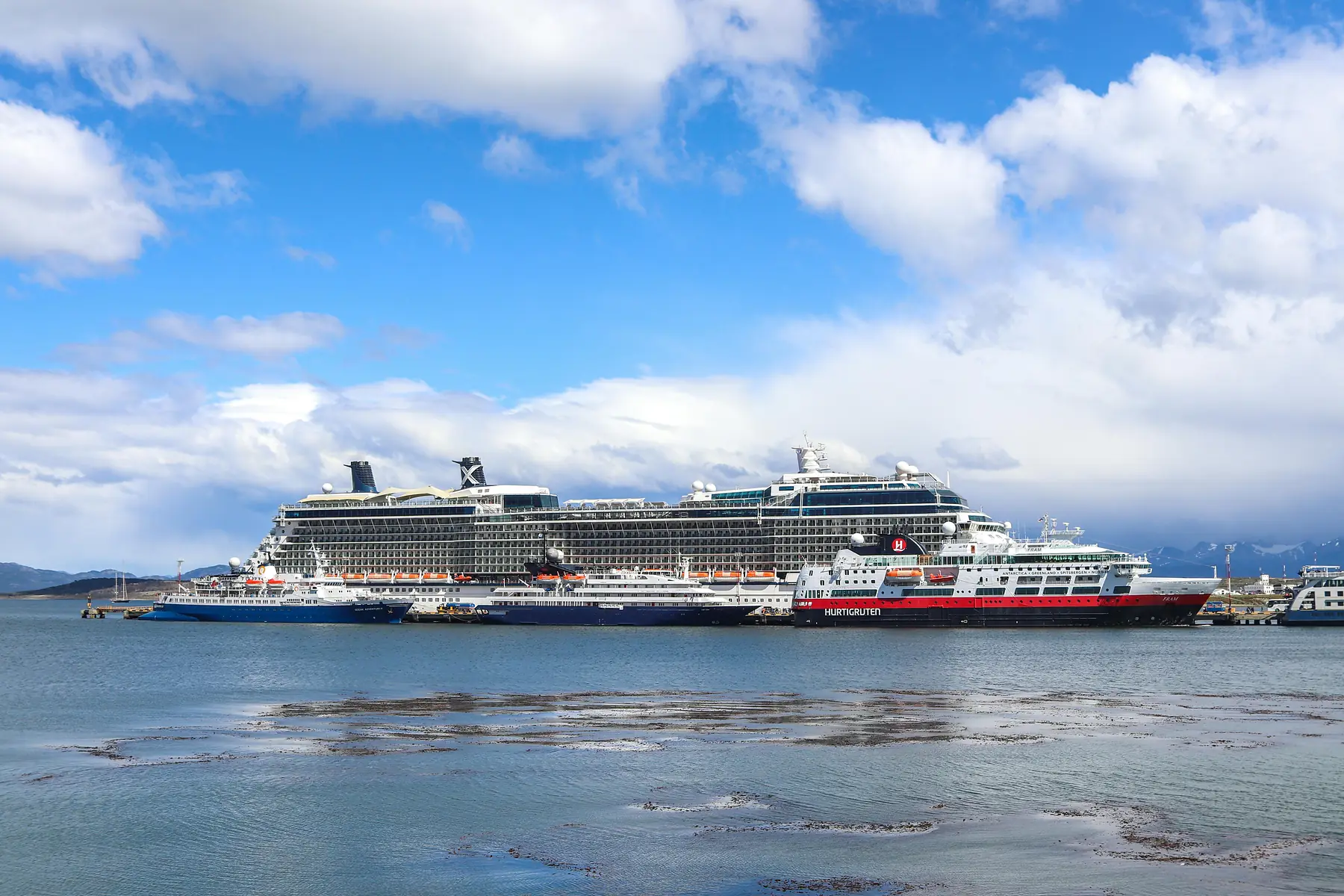
Ushuaia
The southernmost city in the world — glaciers, mountains, and the Beagle Channel.
Explore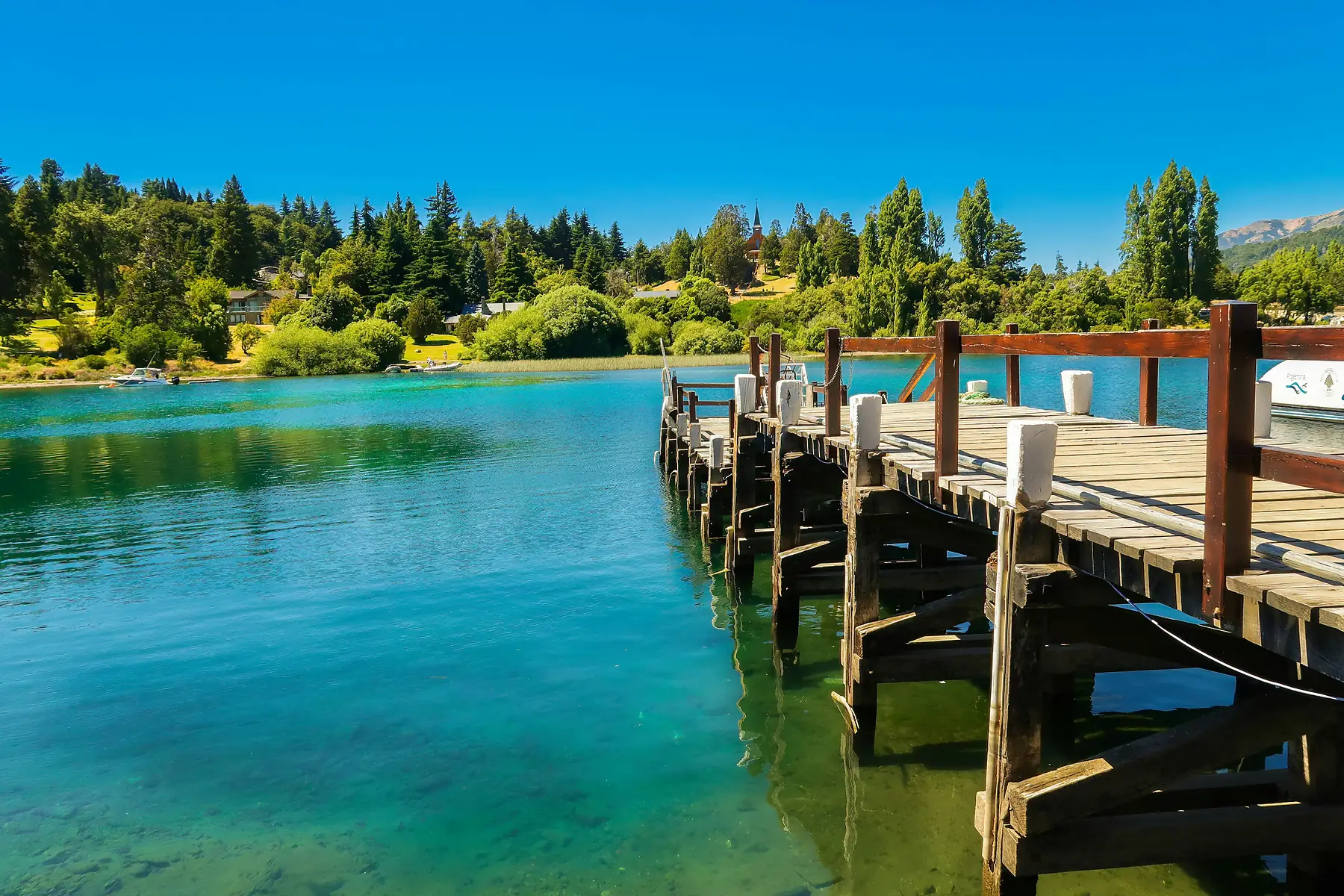
Bariloche & Lake District
Alpine scenery, chocolate shops, and year-round adventure in the northern Lake District.
Explore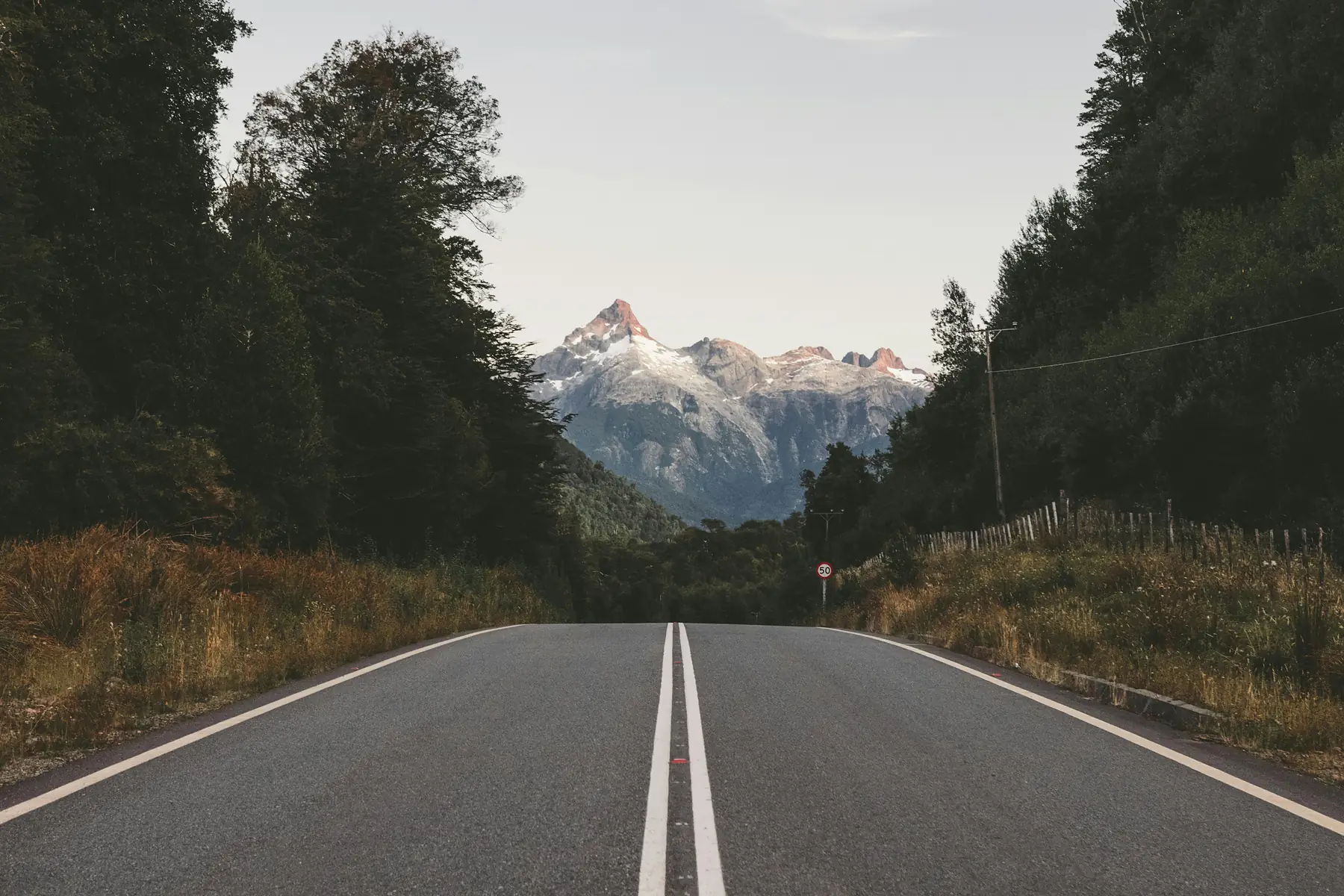
Carretera Austral
Chile's wildest road — 1,240 km through rainforests, hanging glaciers, and fjords.
ExploreTorres del Paine: The Crown Jewel of Chile
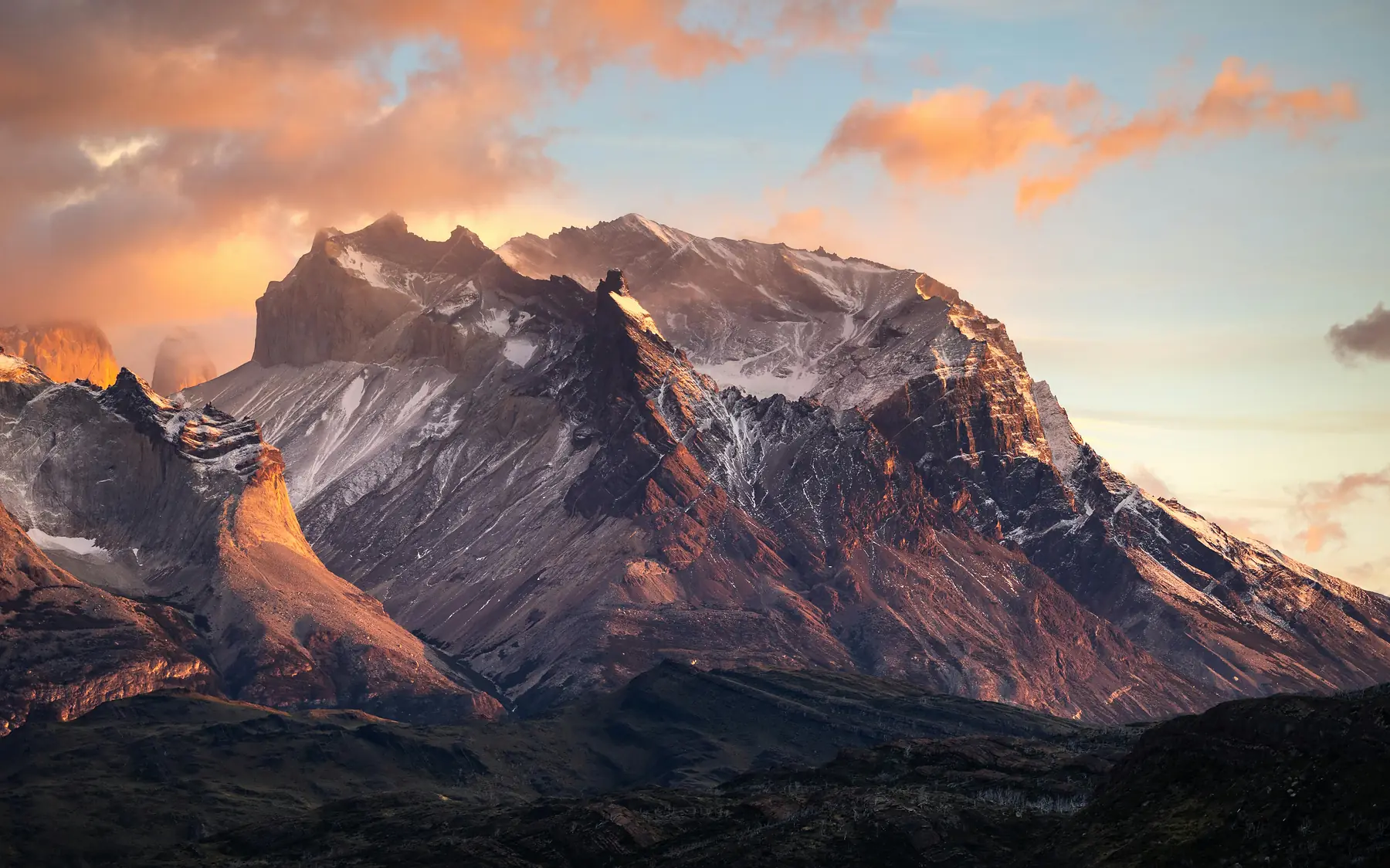
Torres del Paine National Park is the most iconic destination in Chilean Patagonia and the primary reason many travellers visit the region. It is home to the world-famous W Trek and the more demanding O Circuit, both winding through a landscape defined by granite towers, the massive Grey Glacier, and turquoise lakes fed by the Southern Patagonian Ice Field.
The park is located approximately 80 km from the gateway town of Puerto Natales. While famous for multi-day trekking, it is also highly accessible for day hikes or luxury lodge stays with van-based excursions.
El Chaltén: Argentina's Trekking Capital
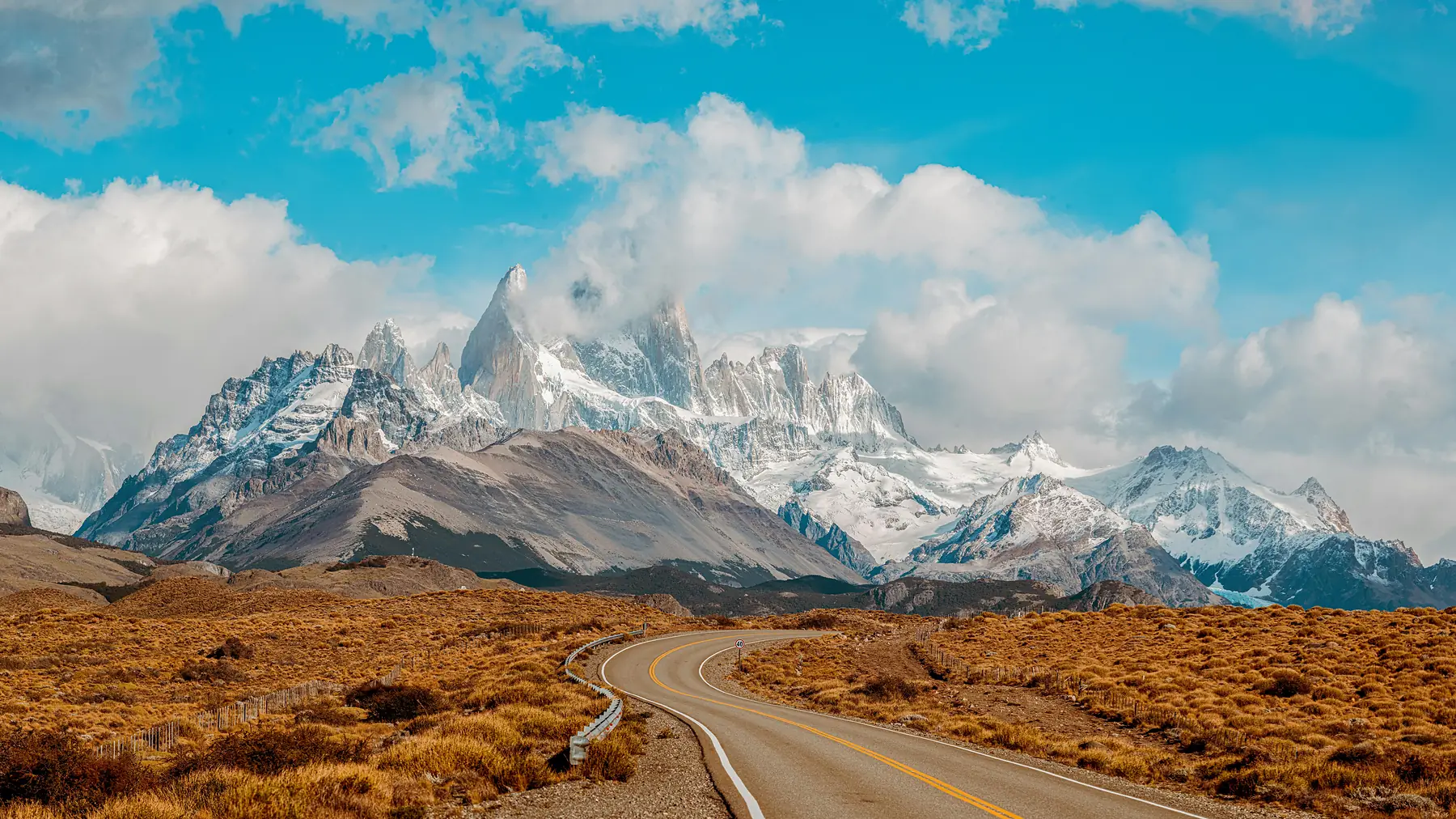
El Chaltén is Argentina's premier destination for hikers, distinguished by its unique "walk from town" trail system. Unlike Torres del Paine, where shuttles or catamarans are needed to reach trailheads, the major routes — including paths to Mount Fitz Roy and Cerro Torre — start directly from the edge of the village.
The trails are well-marked and free to access, making it the most budget-friendly trekking destination in the region. On clear days, the granite spires of Fitz Roy provide one of the most spectacular backdrops in the Andes.
El Calafate: Gateway to the Glaciers
El Calafate is the essential hub for anyone wishing to see the Southern Patagonian Ice Field. Its primary draw is the Perito Moreno Glacier, one of the few advancing glaciers in the world. Beyond the famous walkways, the town offers boat tours to the Upsala and Spegazzini glaciers.
It serves as a major transport junction, with most travellers passing through here to reach El Chaltén via a 3-hour bus ride.
Ushuaia & Tierra del Fuego
Ushuaia is the southernmost city in the world and the primary gateway for Antarctic cruises. The landscape here is distinct — sub-antarctic forests, peat bogs, and the dark waters of the Beagle Channel.
Tierra del Fuego National Park provides coastal hiking trails where the Andes meet the sea, and boat tours allow close encounters with sea lions and penguin colonies.
Bariloche & The Lake District
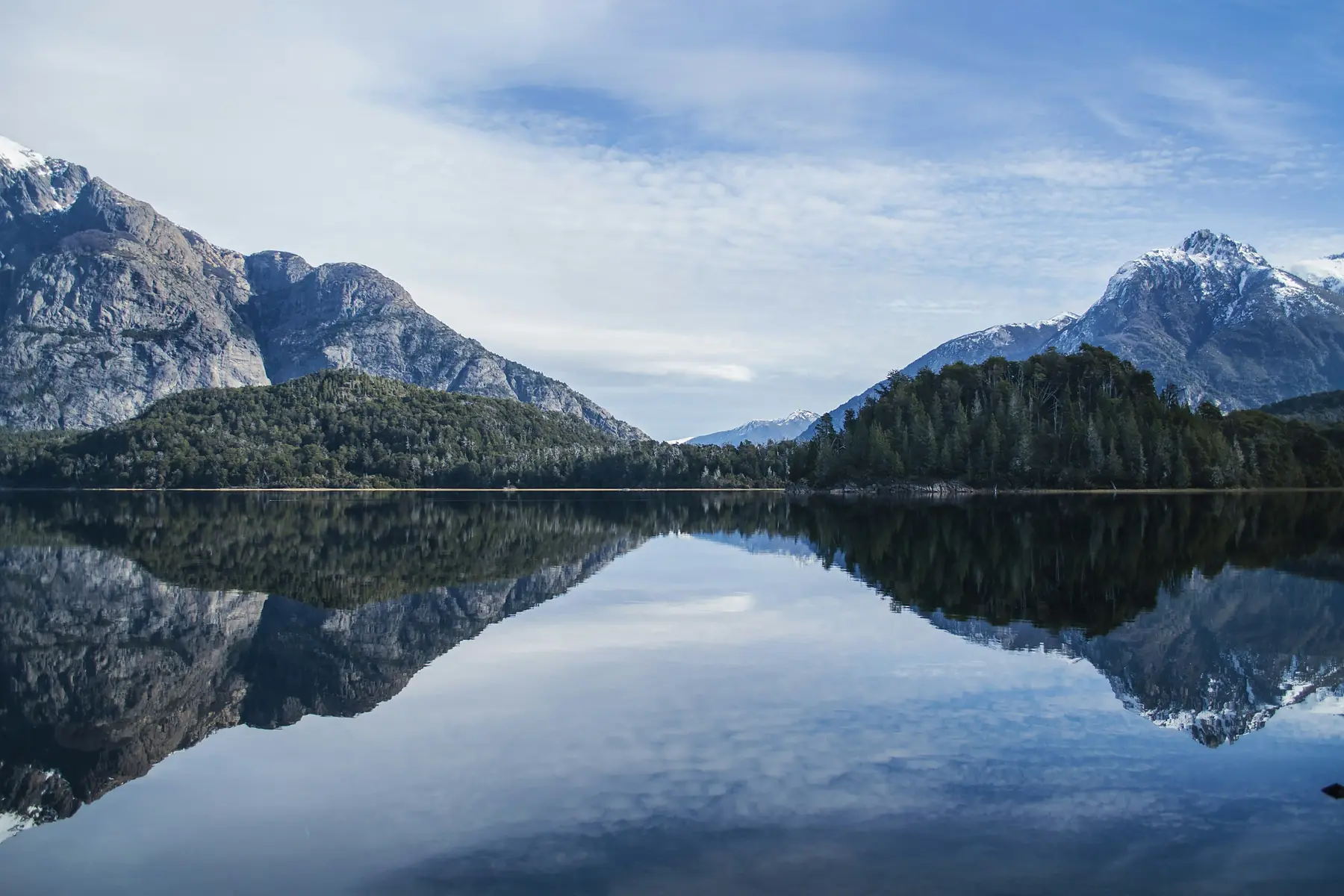
Bariloche is the heart of the northern Lake District and offers a completely different "Alpine" side of Patagonia. The region is characterised by deep blue lakes, lush coihue forests, and European-style architecture reflecting Swiss and German heritage.
This is the best destination for families and travellers seeking "adventure-lite" options. The terrain is gentler than the southern fjords, with a focus on scenic drives like the Seven Lakes Route, kayaking, and world-class chocolate shops.
Choosing Your Region
Verdict
The south draws the most headlines, but the north and Atlantic coast offer entirely different ecosystems and experiences worth exploring.
The Carretera Austral
The Carretera Austral is a 1,240 km road stretching through the remote heart of Chilean Patagonia. This is the ultimate road trip destination — temperate rainforests, the Marble Caves of General Carrera Lake, and the Queulat Hanging Glacier.
The route involves multiple ferry crossings and long stretches of unpaved road. It is significantly less crowded than Torres del Paine.
The Atlantic Coast
The Atlantic side of Patagonia, centred around Puerto Madryn, is a UNESCO World Heritage site renowned for marine life. Peninsula Valdés is the premier spot for wildlife watching in South America.
Depending on the season, you can see Southern Right Whales (peak: June to December), orcas, elephant seals, and massive colonies of Magellanic penguins.
Gateway Cities & Niche Stops
The logistical anchors and hidden gems that round out your Patagonia itinerary.
Puerto Natales
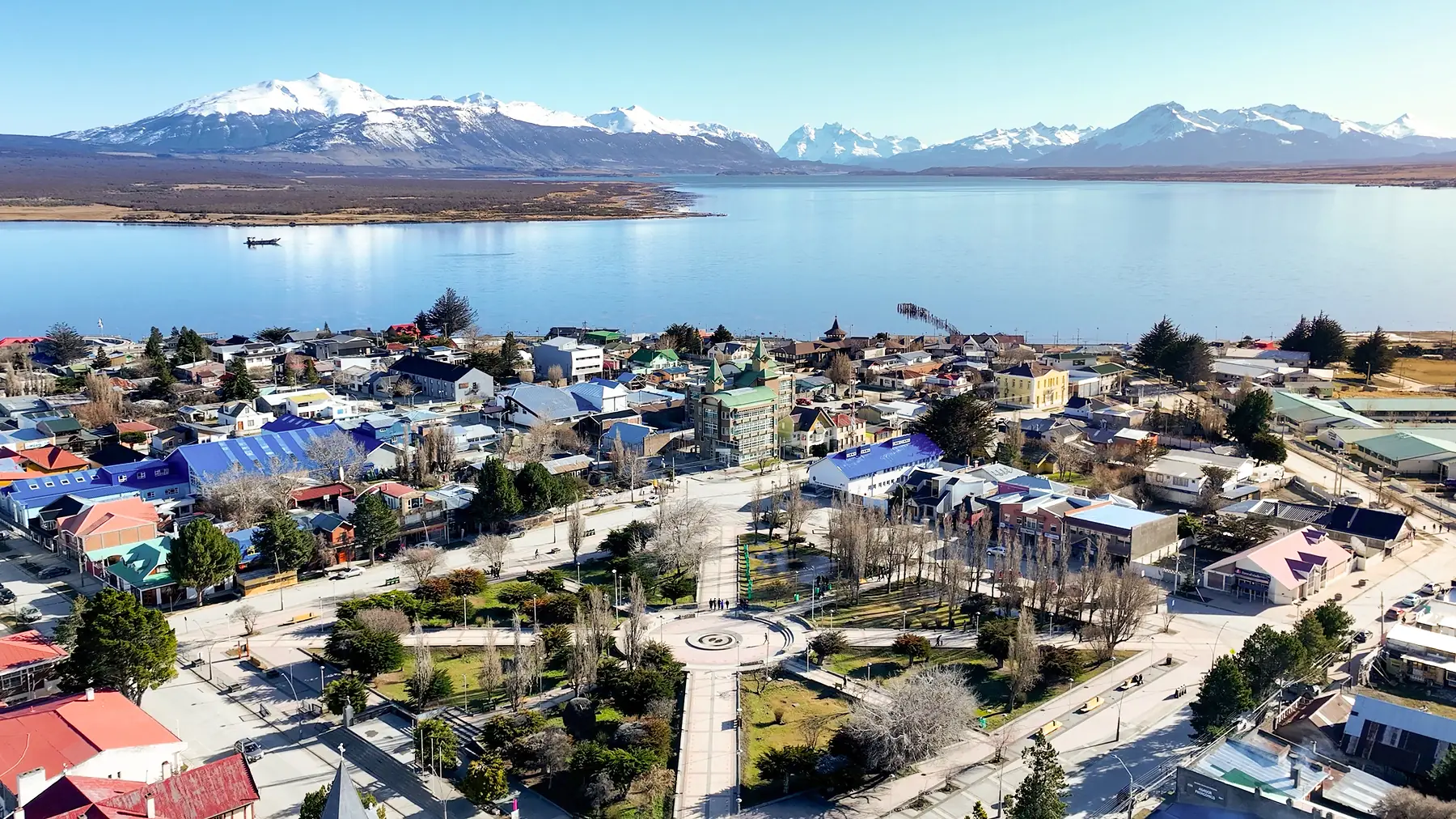
The mandatory basecamp for Torres del Paine — gear rentals, supplies, and local dining.
Punta Arenas
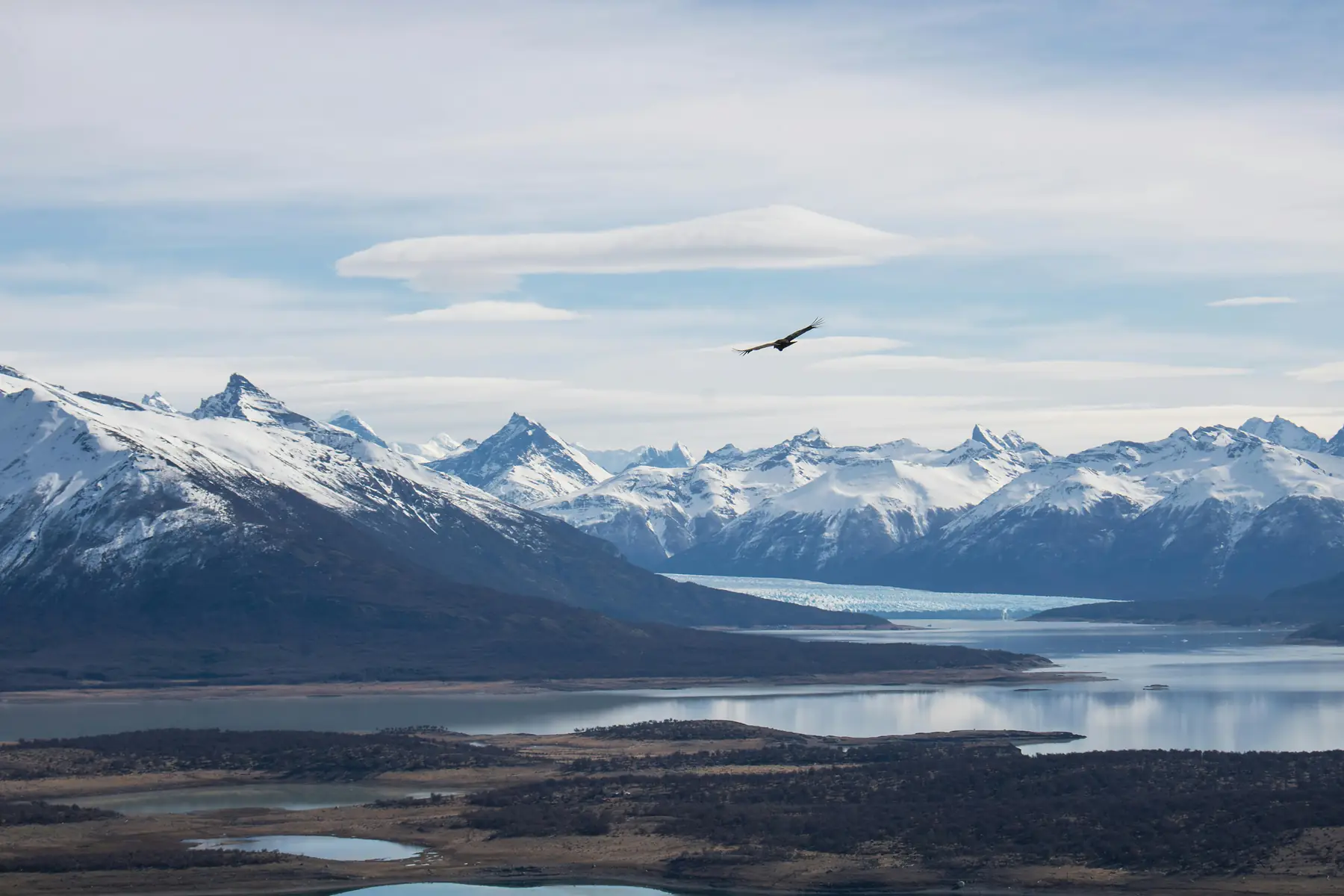
Historic port city on the Strait of Magellan, gateway to penguins and Antarctica.
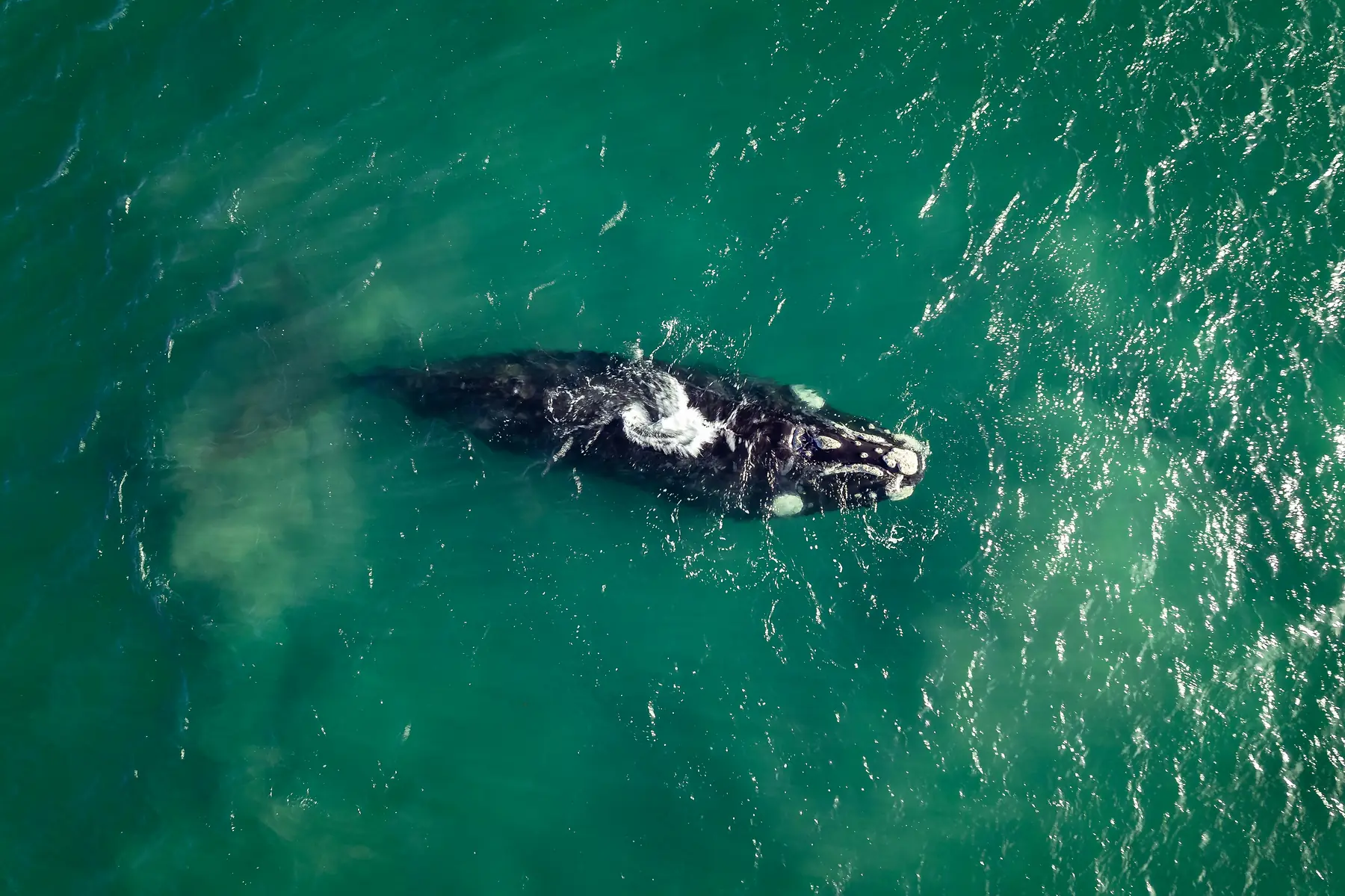
Puerto Madryn
Whale watching capital and gateway to the Peninsula Valdés wildlife reserves.
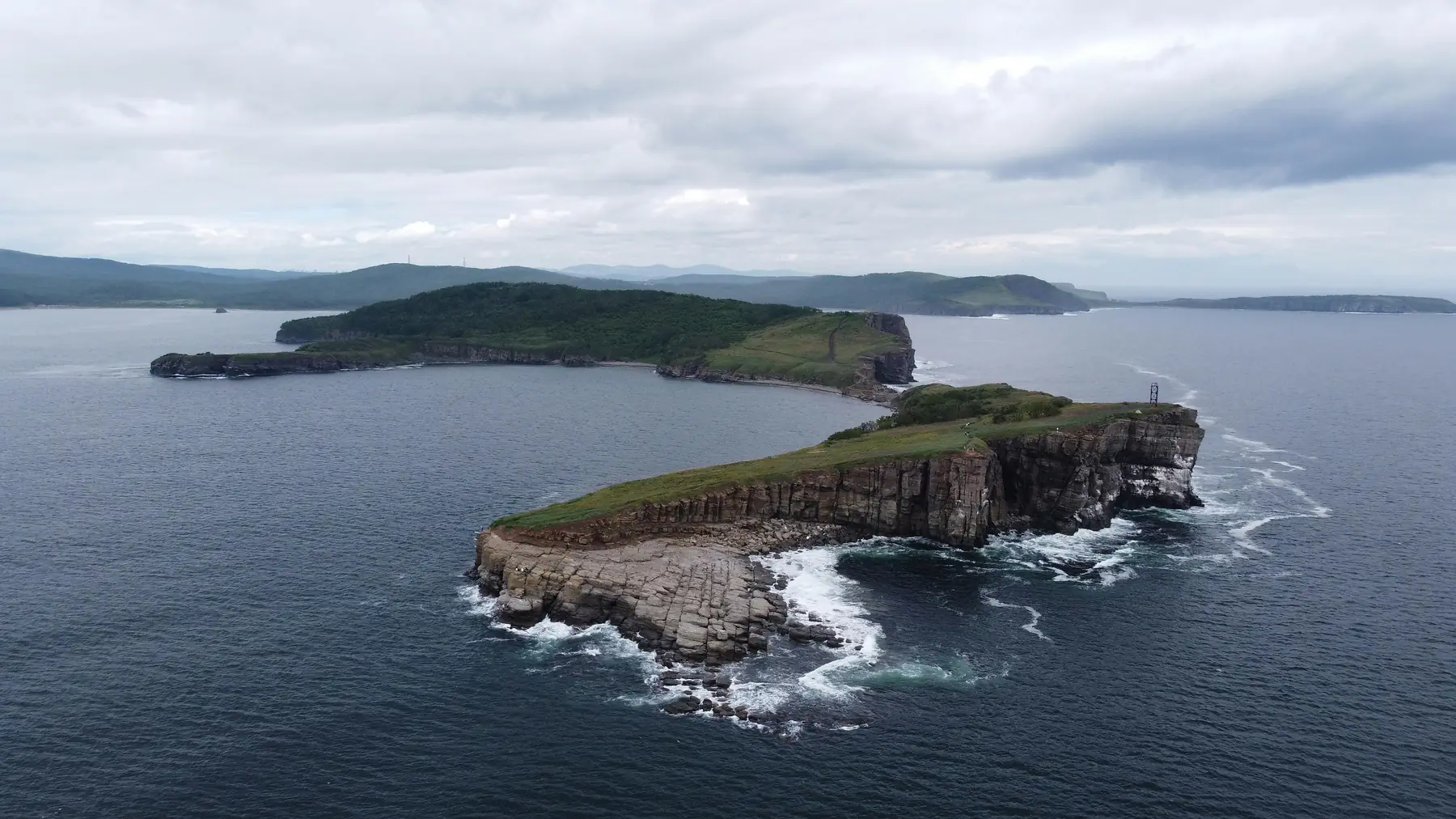
Cape Horn
Sail to the southernmost tip of South America — the iconic monument at the end of the world.
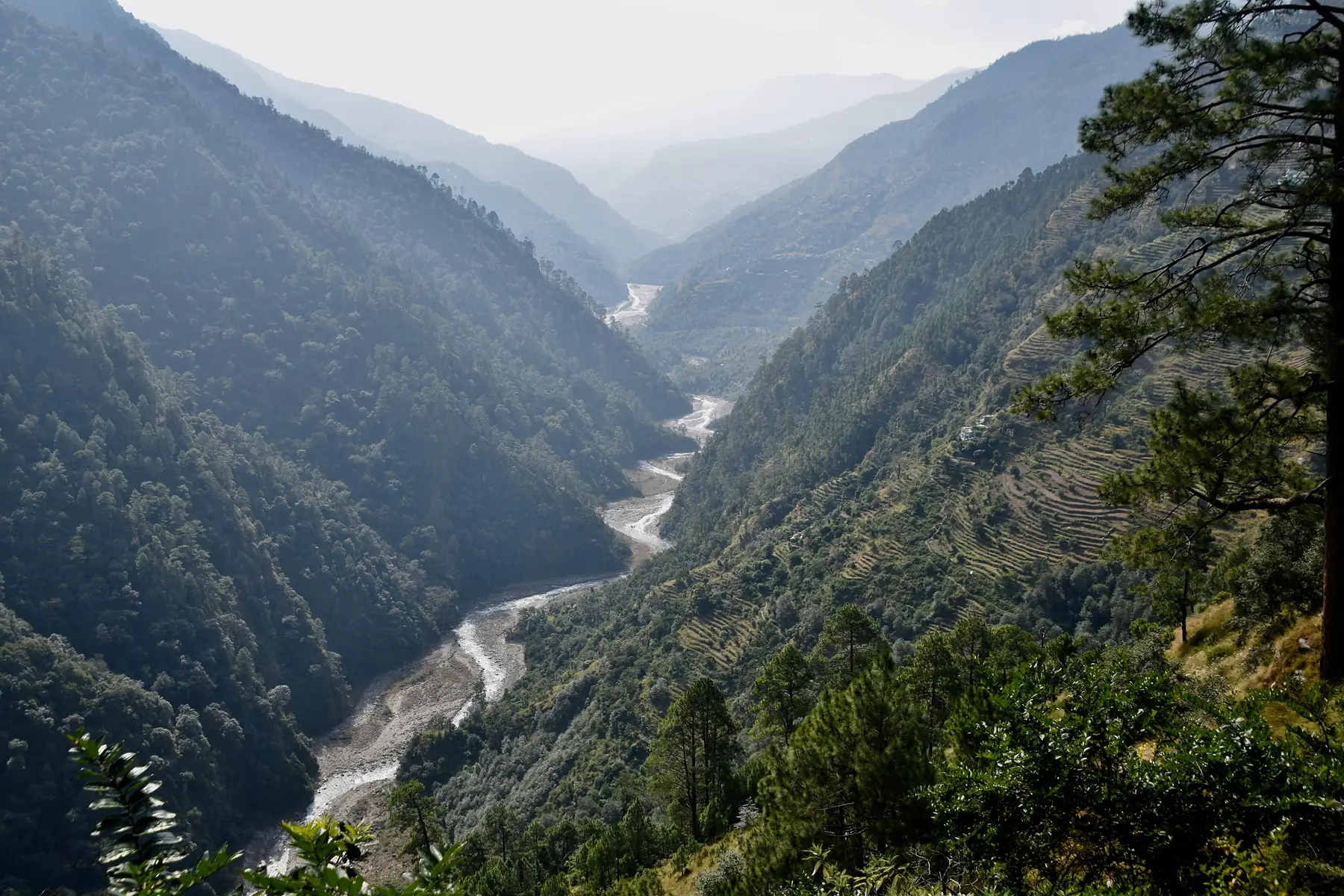
Chaitén
Patagonia's northern gateway — volcanic trails, Pumalín National Park, and sea kayaking.
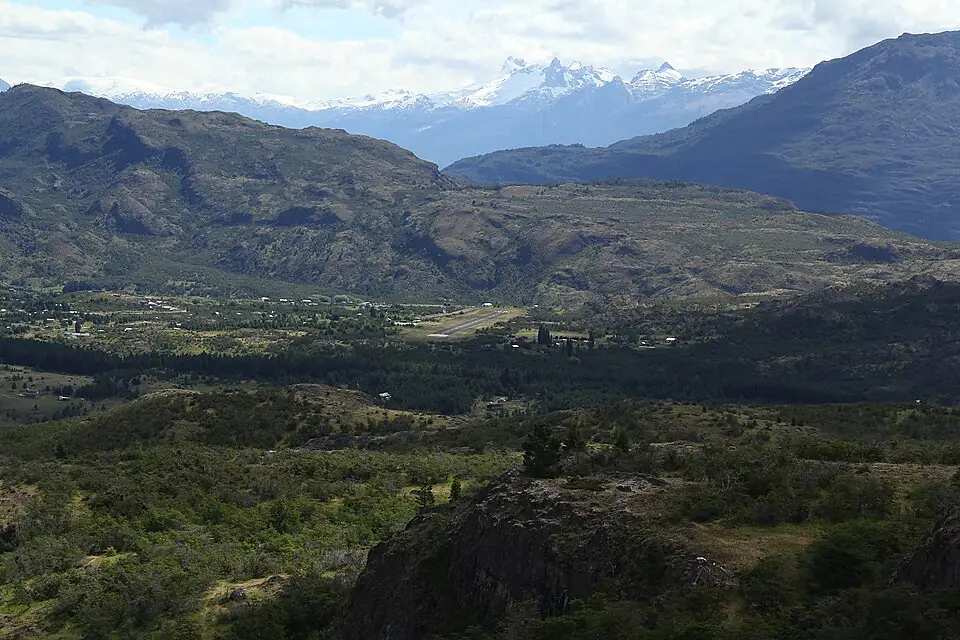
Cochrane
Rugged backcountry trekking hub and gateway to Patagonia National Park on the Carretera Austral.
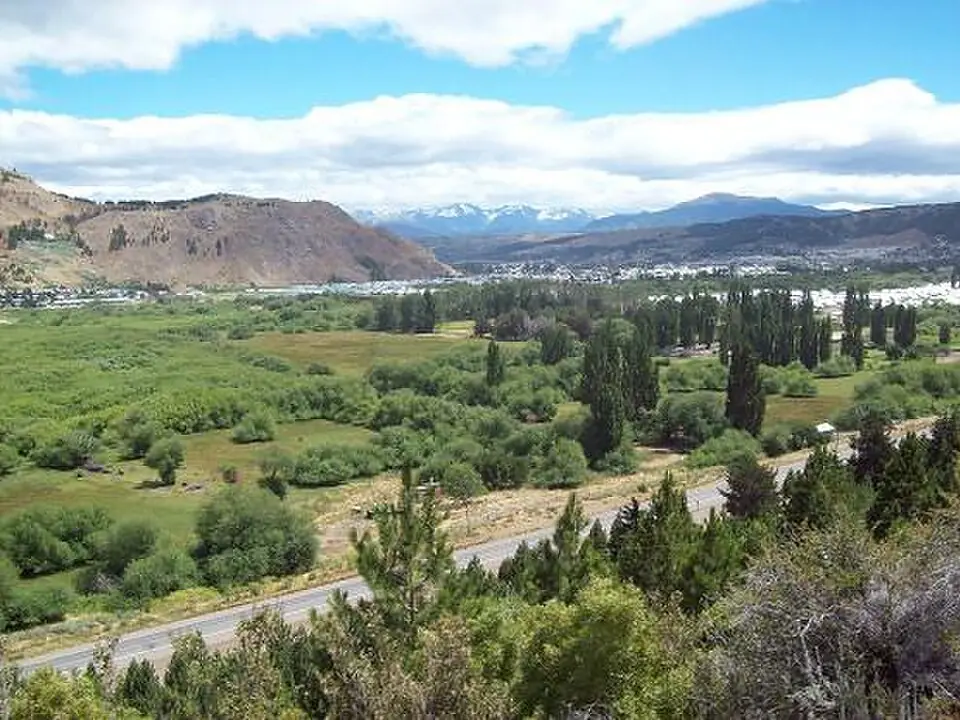
Esquel
Ride the historic Old Patagonian Express steam train on the edge of the Patagonian steppe.
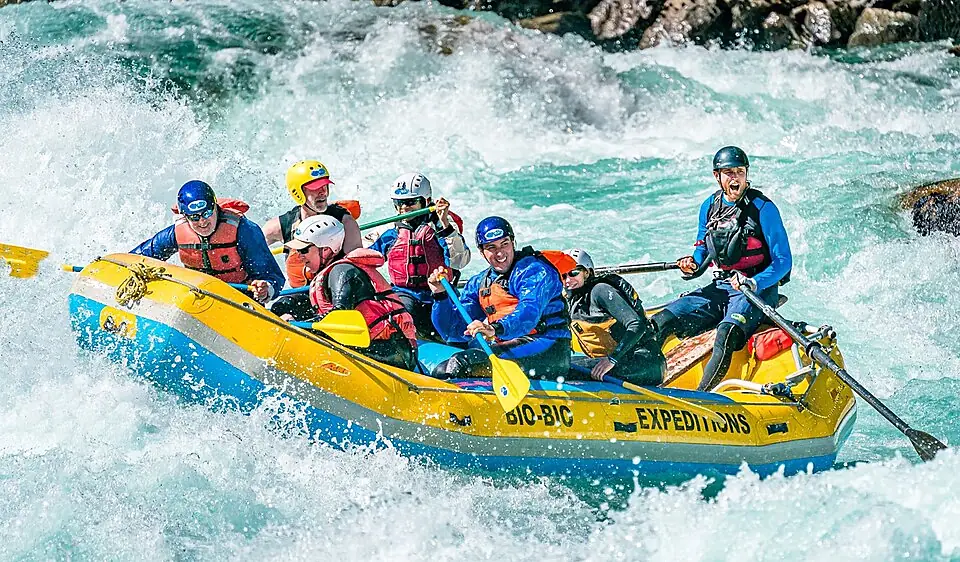
Futaleufú
World-class whitewater rafting, wilderness fly fishing, and pristine river canyon hikes.
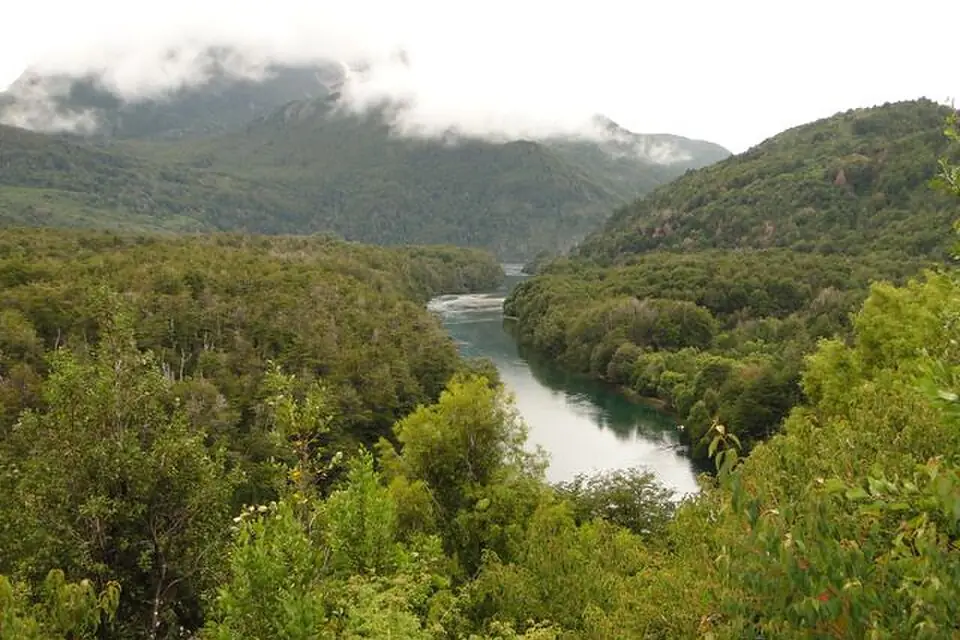
Los Alerces National Park
UNESCO-listed ancient alerce forests, crystalline lakes, and quiet campsites.
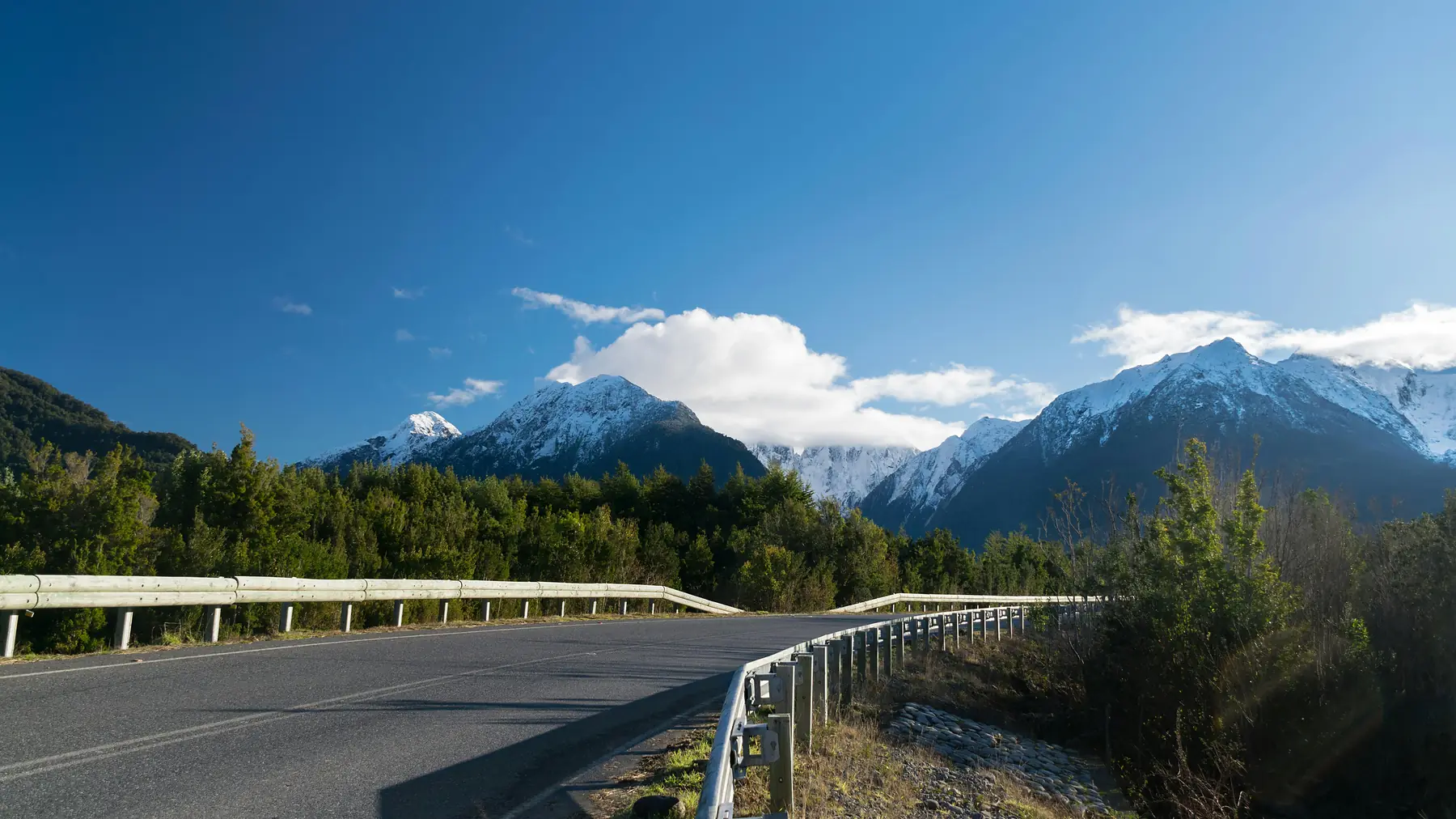
Patagonia National Park
Chile's ambitious rewilding project — uncrowded trails and wildlife spotting.
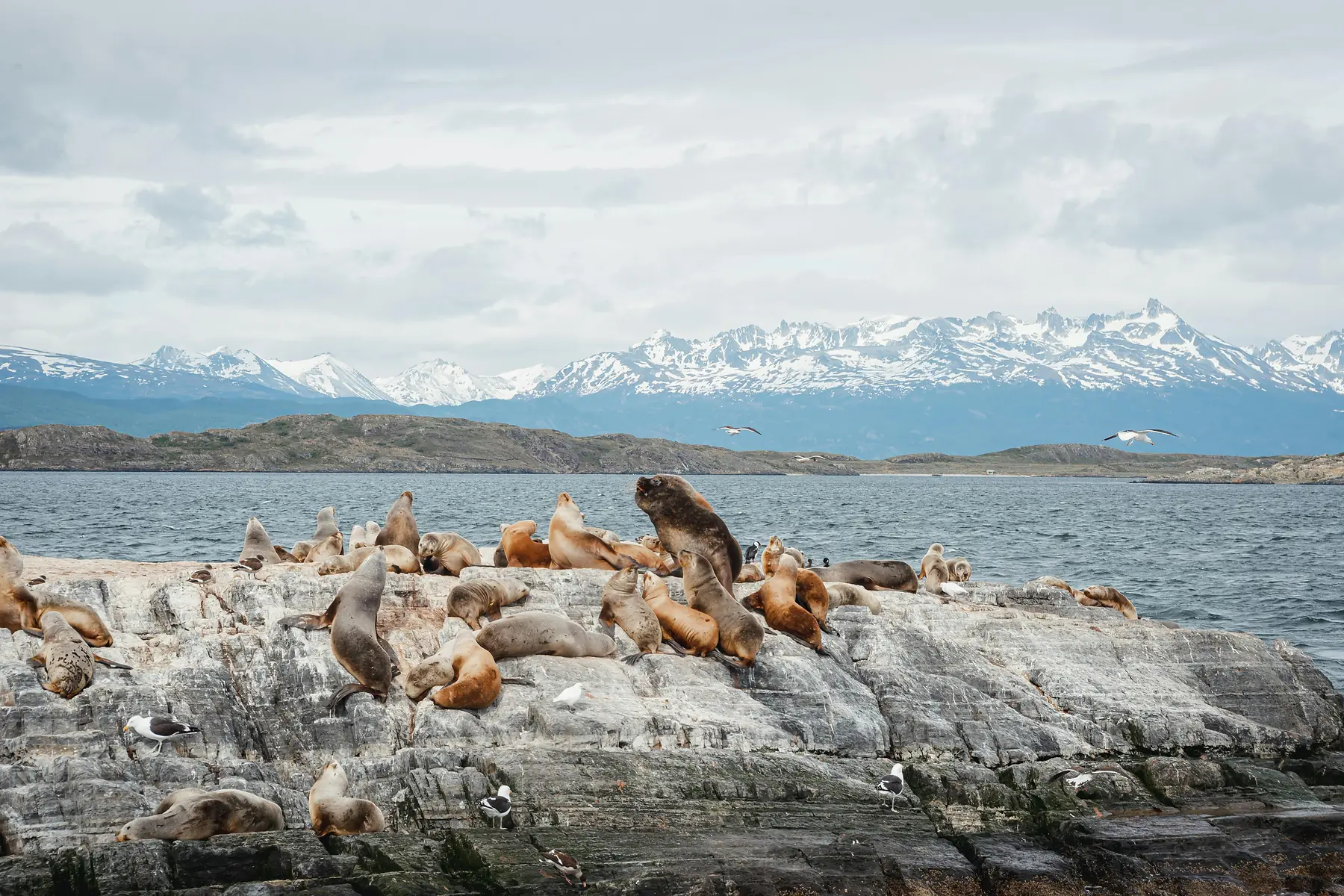
Peninsula Valdés
Atlantic coast wildlife haven — orcas, southern right whales, and penguin colonies.
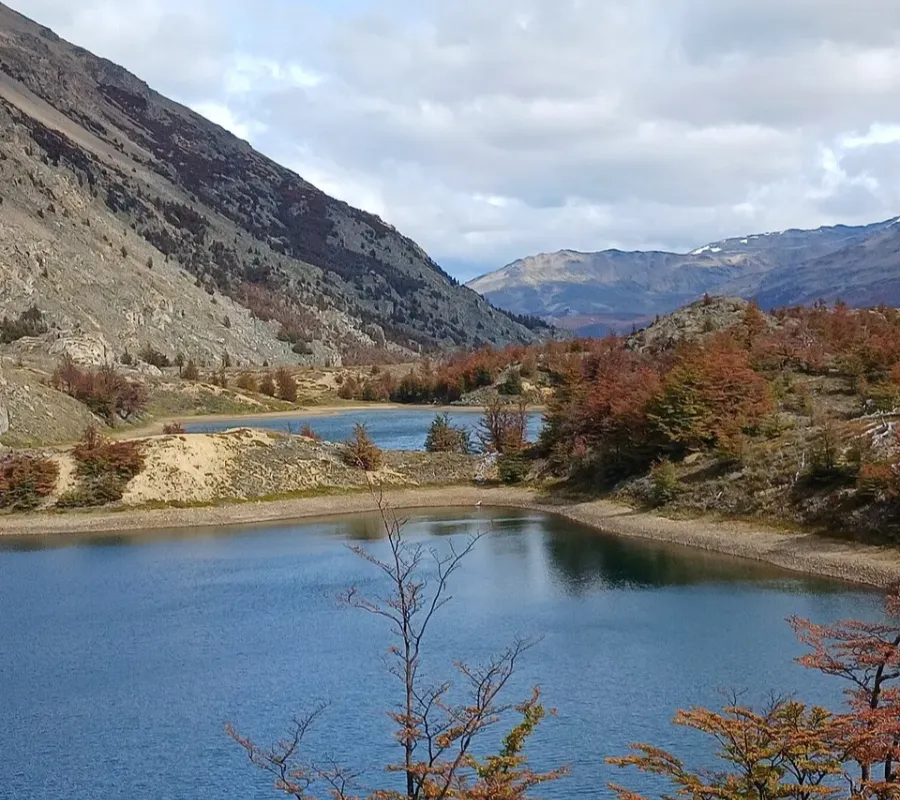
Perito Moreno National Park
Remote wilderness with turquoise lakes and wild hiking — not to be confused with the glacier.
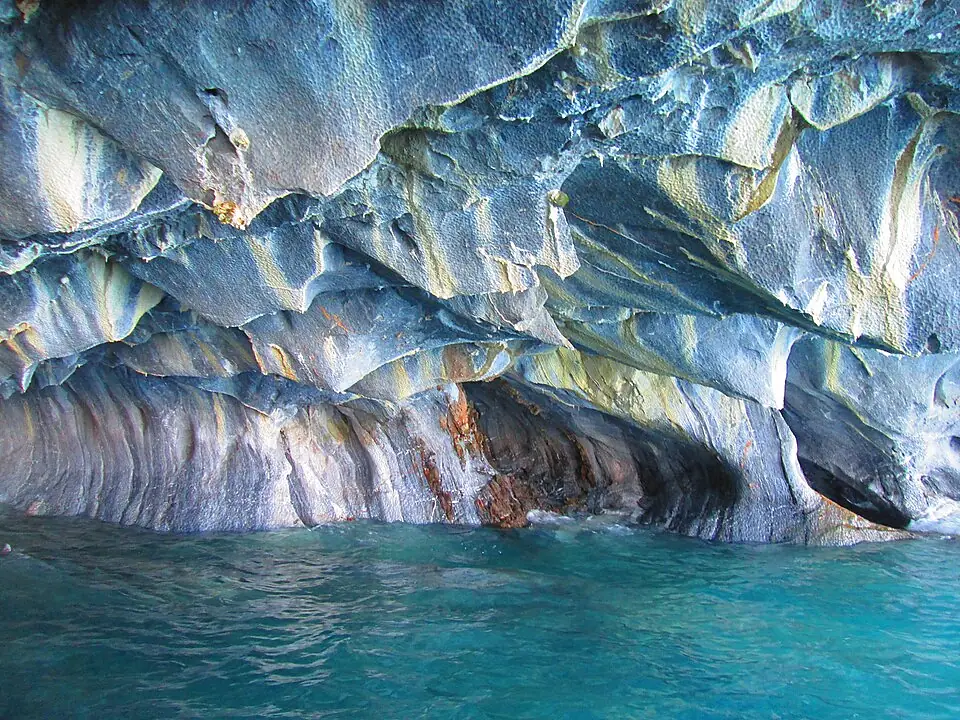
Puerto Río Tranquilo
Kayak the breathtaking Marble Caves on the Carretera Austral.
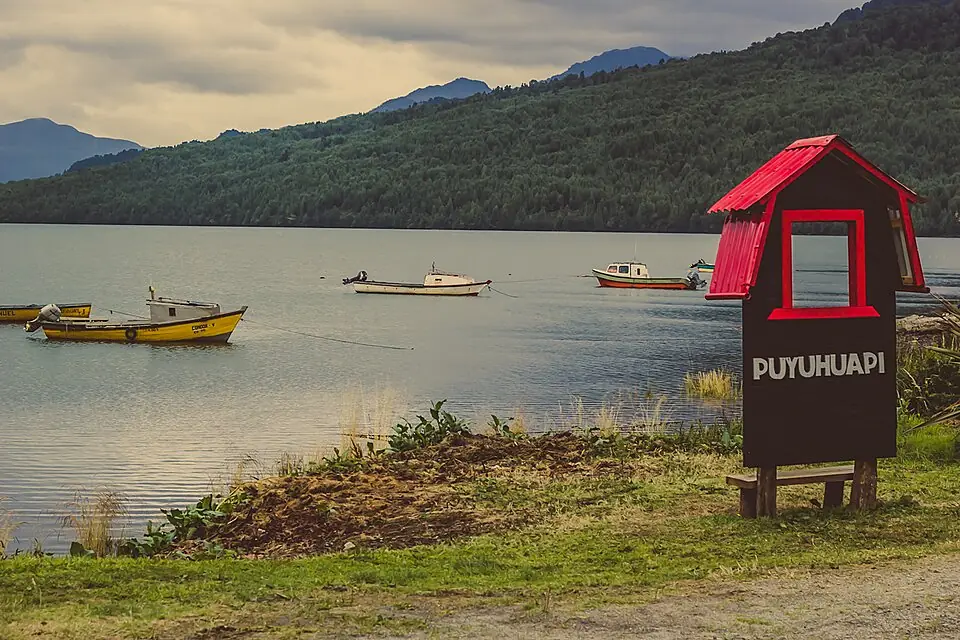
Puyuhuapi
Hot springs, fjord views, and rainforest walks on the Carretera Austral.
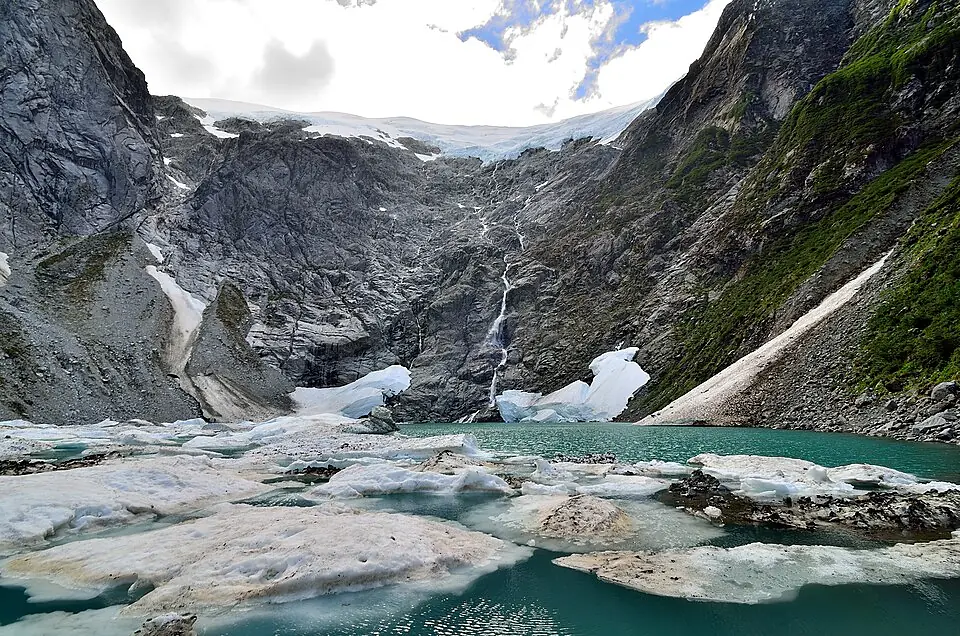
Queulat National Park
Home to the stunning Queulat Hanging Glacier — one of Patagonia's most dramatic sights.
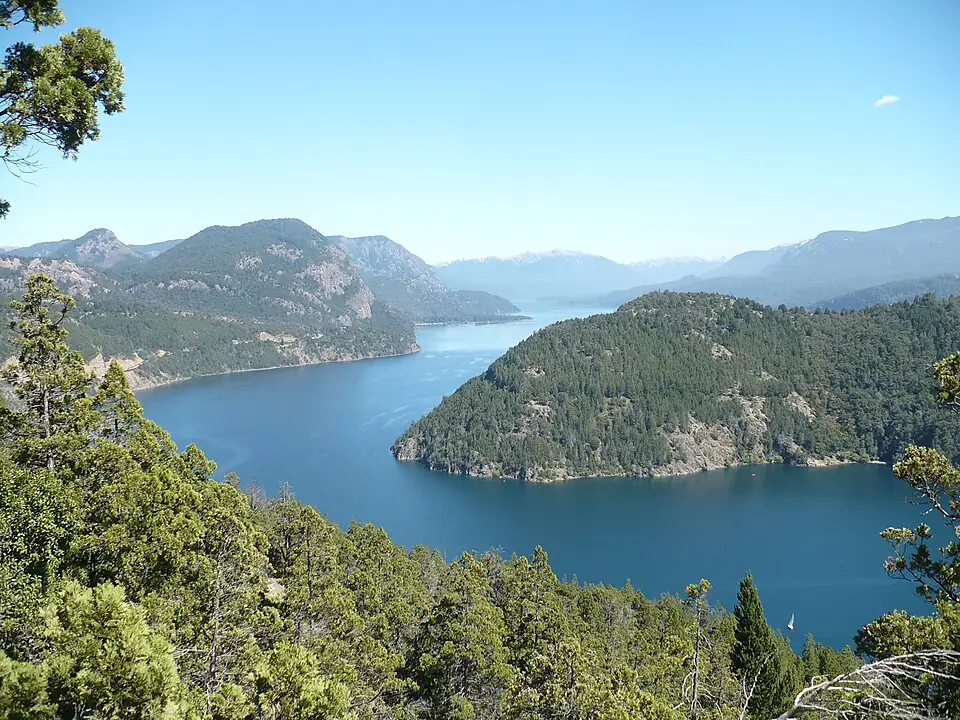
San Martín de los Andes
Argentina's beautiful northern lake town — the Seven Lakes Route and Lanín National Park.
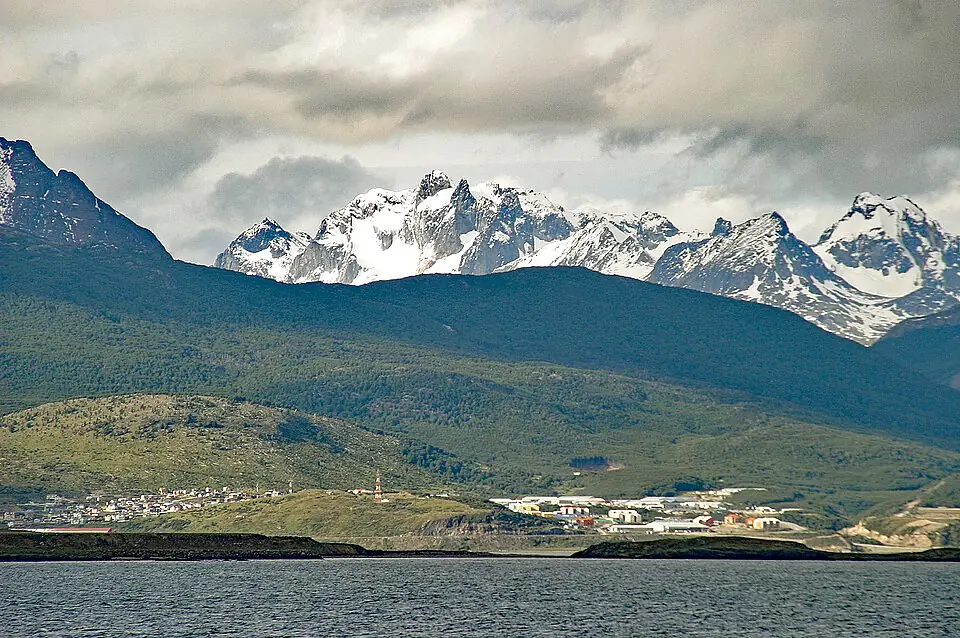
Tierra del Fuego National Park
Coastal hikes, wildlife spotting, and camping near the Beagle Channel at the End of the World.
Frequently Asked Questions
What are the must-see Patagonia destinations for first-time visitors?
The most iconic route for first-timers includes the "Big Three": Torres del Paine in Chile, and El Calafate and El Chaltén in Argentina. These three locations provide the highest density of world-class scenery and are well-connected by bus and air.
Which Patagonia destinations are best for wildlife watching?
Peninsula Valdés is the top destination for whales and orcas, while Punta Arenas and Ushuaia offer the best access to penguin colonies. For land-based wildlife like guanacos and rheas, Torres del Paine is an excellent place for sightings.
What are the best Patagonia destinations for families?
Bariloche and the Lake District are ideal for families due to better infrastructure, gentler activities, and shorter travel distances between sights. The region offers many "adventure-lite" options like easy boat trips and chocolate tasting.
Which Patagonia destinations are in Chile vs. Argentina?
Chilean highlights include Torres del Paine, the Carretera Austral, and Chiloé Island. Argentina is home to El Chaltén, El Calafate, Bariloche, Ushuaia, and the Atlantic coast (Peninsula Valdés).
How do I decide between the northern and southern destinations?
Choose the south if your priority is seeing the most dramatic mountain peaks and glaciers. Choose the north if you prefer lush forests, lake-based activities, and a more relaxed pace with better dining and lodging options.
Ready to Start Planning?
Use our itineraries to piece together the perfect route across Patagonia.