
Cochrane Chile: The Ultimate 2026 Guide to Patagonia’s Hiking Hub
Cochrane is the beating heart of the southern Carretera Austral, serving as the essential base for explorers venturing into the wild landscapes of the Aysén region. Known as the “Land of Pioneers,” this town provides a rare combination of rugged frontier culture and world-class hiking access, most notably as the primary gateway to the Tamango Sector of Patagonia National Park and the crystalline waters of the Rio Cochrane.
For travelers moving south from Puerto Río Tranquilo, Cochrane represents a shift in the Patagonian experience. It is where the lush, temperate rainforest begins to give way to the vast Patagonian steppe and the towering peaks of the Northern Ice Field. Whether you are here to track the endangered huemul deer, kayak on water so clear it looks like liquid glass, or resupply before the final push to Villa O’Higgins, Cochrane is a mandatory stop that rewards those who stay longer than a single night.
Cochrane at a Glance
- Region: Aysén Province, Chile (Southern Carretera Austral)
- Primary Access: Route 7 (Carretera Austral) or Paso Rodolfo Roballos
- Best For: Hiking, wildlife photography, river activities, and pioneer culture
- Highlight: The Tamango Sector of Patagonia National Park (4km from town)
- 2026 Season: Peak travel occurs from November to March
Is Cochrane Worth Visiting?
Cochrane is absolutely worth visiting if you value authentic Patagonian culture and high-quality hiking without the suffocating crowds of Torres del Paine or El Chaltén. While many travelers use it only as a quick fuel stop, those who spend three to four days here discover a “hiking hub” that rivals the more famous destinations in the south for sheer natural beauty and biological diversity.
The town sits at a unique ecological crossroads. To the east, the arid winds of the Argentine steppe shape the landscape of Valle Chacabuco; to the west, the ice-chilled rivers and dense forests of the Tamango sector provide a refuge for the huemul, Chile’s national animal. This confluence of ecosystems makes it one of the best places in the world for wildlife spotting.
Compared to other stops on the Carretera Austral, Cochrane offers a higher level of infrastructure than remote outposts like Caleta Tortel or Villa O’Higgins, making it the ideal place to “reset.” You will find reliable supermarkets, a functioning ATM, and a variety of specialized tour operators, all while maintaining the quiet, unhurried atmosphere of a pioneer settlement. If you are deciding whether to continue south from the Marble Caves of Puerto Río Tranquilo, the answer is yes: the landscapes around Cochrane are the reason the Carretera Austral was built.
Essential Logistics: Getting to Cochrane
Reaching Cochrane involves navigating the “last mile” of the southern Carretera Austral, where the pavement often ends and the true wilderness begins. The journey is defined by dramatic river views and winding mountain passes that require careful attention from drivers and patience from bus passengers.
If you are driving south from Puerto Río Tranquilo, the 115-kilometer journey typically takes 2.5 to 3 hours. While the road is being progressively improved, expect significant unpaved sections that can be dusty in summer and muddy after rain. For those coming from the south, Caleta Tortel is approximately 125 kilometers away, a drive of roughly 3 hours through some of the most rugged terrain in the region.
The road conditions between Puerto Río Tranquilo and Cochrane are subject to frequent maintenance. As of the 2026 season, expect “pare y siga” (stop and go) delays during weekdays. Always check the current status at the COPEC station before departing.
For travelers relying on public transport, Cochrane is well-connected to the regional capital, Coyhaique, and the surrounding villages. Two primary bus companies, Acuario 13 and Don Carlos, operate routes that pass through Cochrane. The Terminal de Buses is located near the town center, and it is highly recommended to purchase tickets at least 24 hours in advance during the peak 2026/27 season, as these small buses fill up quickly with both locals and tourists.
If you are entering from Argentina, the Paso Rodolfo Roballos (Route X-83) provides a spectacular, albeit remote, entry point. This border crossing leads directly into the Valle Chacabuco sector of Patagonia National Park before reaching Cochrane. Ensure your vehicle authorization is in order for international crossings and be prepared for a long stretch without services or fuel on the Argentine side.
For a broader look at reaching this remote part of the world, including flight and ferry connections, see our comprehensive guide to the region’s transport.
How to get to the Carretera Austral
Things to Do in Cochrane: The Gateway to the Wild
Cochrane serves as a base camp for a diverse array of activities that range from high-adrenaline ice trekking to serene boat tours on the clearest rivers in Patagonia. The town’s layout allows for easy access to several major landmarks, some of which are reachable on foot.
Patagonia National Park (Tamango Sector)
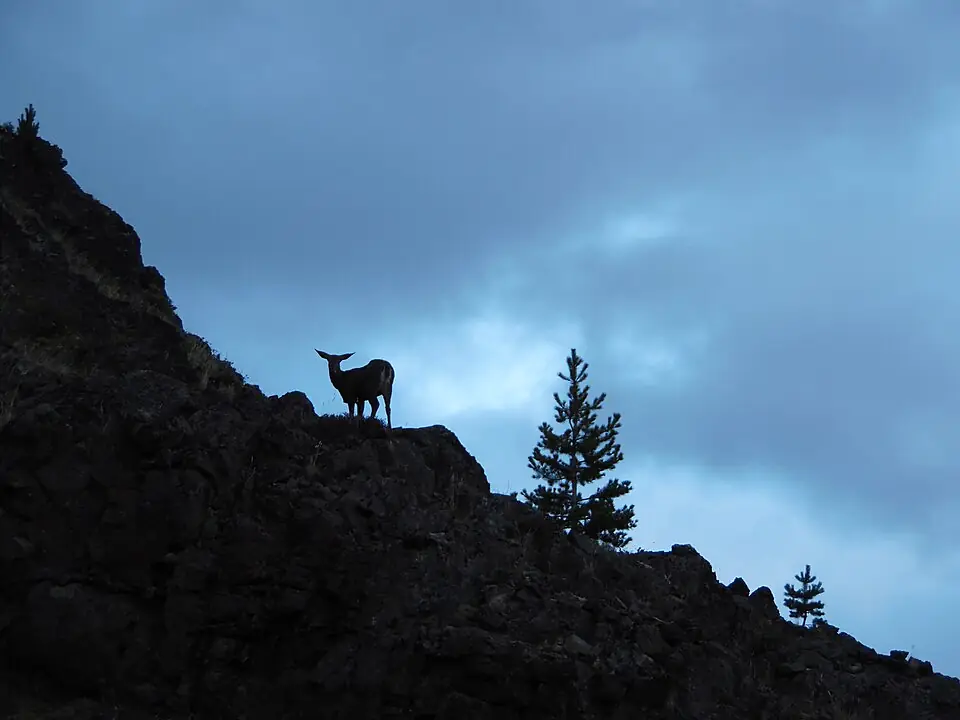
Located just 4 kilometers from the town square, the Tamango Sector is Cochrane’s greatest asset. This was formerly the Reserva Nacional Tamango before being incorporated into the larger Patagonia National Park. The Los Carpinteros trail is the highlight here, offering a moderate hike through lenga and coihue forests. This sector is famous for its huemul deer population; it is not uncommon to encounter these endangered animals grazing near the trail, seemingly indifferent to quiet hikers.
Rio Cochrane Activities
The Rio Cochrane is legendary among travelers for its transparency. The water is so clear that you can often see the riverbed at depths of over 10 meters. Local operators like Descubriendo Cochrane offer kayaking trips and even snorkeling tours for the brave. If you prefer to stay dry, boat tours depart from the end of the access road near the Tamango ranger station, providing a peaceful way to see the mountain reflections in the still water.
Glaciar Calluqueo
For those seeking the dramatic scale of the Northern Ice Field, Glaciar Calluqueo is a must-visit. Located about 34 kilometers southeast of Cochrane, the glacier spills down from the slopes of Cerro San Lorenzo, the second-highest peak in Patagonia. You can drive to a spectacular viewpoint at the edge of the glacial lagoon, or book a guided excursion for ice trekking.
- Cost: Free (plus fuel) vs. $190-280 USD (as of 2026/27 season)
- Time: 2-3 hours vs. Full day (8-10 hours)
- Difficulty: Easy (drive + short walk) vs. Challenging (crampon use required)
- Access: High-clearance vehicle recommended vs. Transportation usually included
The independent drive is perfect for photographers and those on a budget, but the guided trek is essential for those who want to experience the true scale of the Northern Ice Field.
Baker and Neff Confluence
About 35 kilometers north of Cochrane, the Rio Baker (Chile’s largest river by volume) meets the Rio Neff. The sight of the milky, glacial-fed Neff crashing into the deep turquoise of the Baker is one of the most iconic images of the Carretera Austral. A short, well-marked trail leads from the highway to the confluence. It is a mandatory stop for anyone driving the route.
Local History and Culture
To understand the people who built this town, visit the Museo Municipal near the plaza. It documents the “pioneer” era when families arrived on horseback to settle this rugged frontier. For a deeper look back in time, the Alero Baker archaeological site, located north of town, contains rock paintings and evidence of human habitation dating back over 7,700 years.
Exploring Patagonia National Park from Cochrane
It is important to distinguish between the different sectors of Patagonia National Park to plan your time effectively. While Cochrane is the closest town to the park, the park itself is massive and divided into distinct geographical areas.
The Tamango Sector is effectively a suburb of Cochrane. You can walk or take a very short taxi ride to the entrance. This sector is characterized by its riverside trails and forested hills. It is the best place for a half-day or full-day hike if you want to return to town for a hot meal and a comfortable bed.
In contrast, the Valle Chacabuco Sector is the heart of the park’s conservation story, located about 30 kilometers north of Cochrane. This is where you will find the vast grasslands, the park’s main visitor center, and the more famous long-distance trails like the Avilés Loop. While it is possible to day-trip to Valle Chacabuco from Cochrane, you will need your own vehicle or a pre-arranged shuttle.
If you do not have a rental car, contact Nacion Patagonia in Cochrane. They operate seasonal shuttles to the Valle Chacabuco visitor center and key trailheads, which is often more cost-effective than a private taxi for solo travelers.
For those planning to spend multiple days exploring the deeper reaches of the park, including the multi-day treks, we recommend visiting our dedicated guide to the park’s trails and logistics.
Patagonia National Park Hiking Guide
Where to Stay: Hostels, Cabins, and Camping
Cochrane offers a range of accommodation that reflects its status as a regional hub. However, there is one critical rule that every traveler must know: the “No Street Camping” municipal ordinance.
As of the 2026 season, it is strictly forbidden to sleep in vans or campers on the streets of Cochrane. The local municipality enforces this to protect the town’s small-town character and ensure proper waste management. If you are traveling in a camper, you must stay at a registered campsite.
Fines for street camping in Cochrane are strictly enforced by municipal inspectors. Always use an authorized campsite or hospedaje to avoid a penalty of up to 330,000 CLP (5 UTM).
Top-Rated Options
For those seeking comfort, Kalfu Patagonia is a boutique hotel that offers a modern take on Patagonian architecture with excellent views and a high-quality breakfast. Hotel Ultimo Paraiso is another reliable choice, known for its warm hospitality and central location. If you prefer self-catering, Cabañas Brellenthin provides well-equipped cabins that are ideal for families or small groups.
Budget and Riverside Stays
Camping y Hostal Cochrane is the go-to for backpackers, offering a social atmosphere and clean facilities. However, for the best experience, head slightly out of the town center to the banks of the river. Camping Aquasol offers riverside sites that allow you to wake up next to the turquoise waters of the Rio Cochrane. The peace and quiet here are worth the 10-minute drive from the plaza.
To compare these options with other stops along your route, see our curated list of accommodation in the Aysén region.
Where to stay on the Carretera Austral
Dining and Supplies: The Best Empanadas in Patagonia
Cochrane is the last major town for travelers heading south, making it the essential place to restock your pantry and enjoy a “civilized” meal before entering the more remote sections of the Carretera.
The culinary crown jewel of Cochrane is undoubtedly Sabina (Sabores de la Patagonia). Known throughout the region, Sabina serves what many consider the best empanadas and papa rellenas in Chile. They are large, fried to order, and incredibly filling—perfect fuel for a day of hiking.
For evening relaxation, Cervecería Tehuelche is the local social hub. This craft brewery produces excellent ales and serves as a meeting point for guides, locals, and travelers. If you are looking for high-quality coffee and a place to work or read, Café Tero and La Oveja Negra offer “proper” espresso and homemade cakes that wouldn’t be out of place in Santiago.
For those cooking their own meals, Supermercado Reina Catalina is the largest and best-stocked grocery store in town. It carries everything from fresh produce to camping gas canisters.
The best restaurants on the Carretera Austral
Practical Amenities and Traveler Tips
Planning a smooth visit to Cochrane requires understanding the local infrastructure, which can be limited during peak periods.
Cash and Connectivity
There is a BancoEstado ATM located on the main plaza. While generally reliable, it has a withdrawal limit (typically 200,000 CLP per transaction for foreign cards) and can occasionally run out of cash during busy festival weekends or if the internet connection to the town is interrupted. Always carry enough backup cash to cover at least two days of expenses.
Regarding mobile signal, Entel generally offers the best coverage in the town and surrounding areas for the 2026 season. Movistar works well in the center but drops off quickly once you leave the town limits. Most hostels and hotels offer Wi-Fi, though speeds are rarely sufficient for heavy video streaming.
Fuel and Maintenance
The COPEC station in Cochrane is more than just a gas station; it is a vital resource. It offers water refills, tire air, and a small shop. During the height of summer, there can be queues for diesel, so try to fuel up in the evening or early morning.
The Best Time to Visit
While the hiking season runs from October to April, February is a particularly special time to visit. This is when Cochrane hosts the Encuentro Costumbrista, the oldest and largest traditional festival in the Aysén region. It is a celebration of gaucho culture, featuring rodeo events, traditional music, and plenty of “asado de cordero” (spit-roasted lamb). If you plan to visit during this time, book your accommodation months in advance.
Who was Lord Cochrane?
You may wonder why a town in deep Patagonia bears a British name. It is named after Thomas Cochrane, the 10th Earl of Dundonald, a daring British naval officer who was invited to lead the Chilean Navy during the War of Independence against Spain. His naval victories were instrumental in securing Chile’s freedom, and his legacy is honored in place names throughout the country.
FAQ
Is Cochrane Chile safe for solo travelers? Cochrane is exceptionally safe with a low crime rate and a welcoming, small-town community typical of the Aysén region. Solo travelers should feel comfortable walking the streets at night and hiking the well-marked trails in the Tamango sector.
Can you drink the tap water in Cochrane Chile? Yes, the tap water in Cochrane is safe to drink and often comes directly from pristine glacial sources, though always confirm with your specific accommodation. Most hikers also drink directly from the rivers in the national park, though using a filter is always the safest practice.
What is the best time to visit Cochrane Chile? The best time to visit is from November to March for optimal hiking weather, though February is ideal for those wanting to experience the local Gaucho festivals. Early autumn (April) offers stunning fall colors in the lenga forests, though some services may begin to close.
Do I need a 4x4 to drive to Cochrane Chile? While a 4x4 is not strictly necessary for the main highway into Cochrane, a high-clearance vehicle is strongly recommended for the unpaved sections and side roads like those leading to Glaciar Calluqueo. Small economy cars can make the trip but require very slow and careful driving.
Are there ATMs in Cochrane Chile? Yes, there is a BancoEstado ATM in the center of Cochrane, though it is wise to carry backup cash as machines can occasionally run out during peak tourist weekends. The ATM is located right on the main plaza.
How far is Cochrane Chile from Puerto Río Tranquilo? Cochrane is approximately 115 kilometers (71 miles) south of Puerto Río Tranquilo, a drive that typically takes 2.5 to 3 hours depending on road conditions. The scenery along the Rio Baker during this drive is some of the finest in Patagonia.