
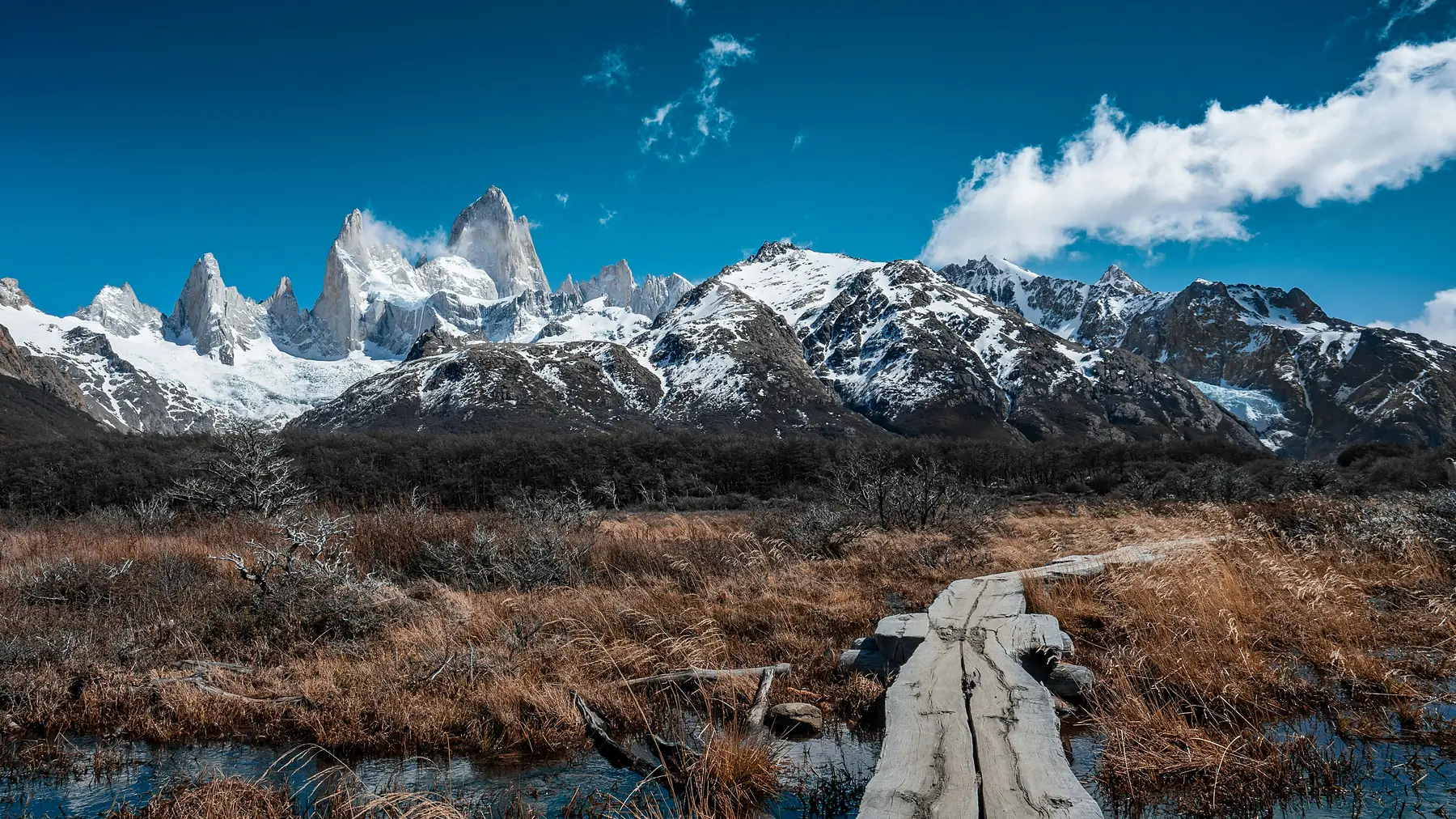
Itineraries
5 days to 1 month — choose a duration framework and we'll show you the best route.
Patagonia Itinerary: Choose Your Perfect Route
Patagonia is a vast wilderness covering over one million square kilometres, making it larger than most European nations. Because the distances between major landmarks are immense, your choice of itinerary is the single most important factor in determining the success of your trip.
Whether you have five days for a high-intensity sprint or a full month for a deep-south expedition, these routes help you maximise time on the ground and minimise time in transit.
Itinerary Planning At A Glance
- Minimum Trip 5 days (single hub only)
- Sweet Spot 14–18 days for the classic highlights
- Deep Dive 3+ weeks to include remote regions
- Most Popular Route El Calafate → El Chaltén → Torres del Paine
No itineraries match your filters. Try broadening your selection.
10-Day Classic vs. 14-Day Extended
Verdict
Choose 14 days if you want to include the Lake District or Tierra del Fuego without feeling rushed.
The Classic Highlights Loop
The most popular Patagonia route follows the "Holy Trinity," connecting the glaciers of El Calafate, the spires of El Chaltén, and the massifs of Torres del Paine. This route maximises "landmark density," ensuring you see the region's most famous vistas with efficient transport links.
Most travellers begin by flying into El Calafate, take a 3-hour bus to El Chaltén for world-class hiking, then return through Calafate to cross the border into Torres del Paine.
Short on Time: 5–7 Day Sprints
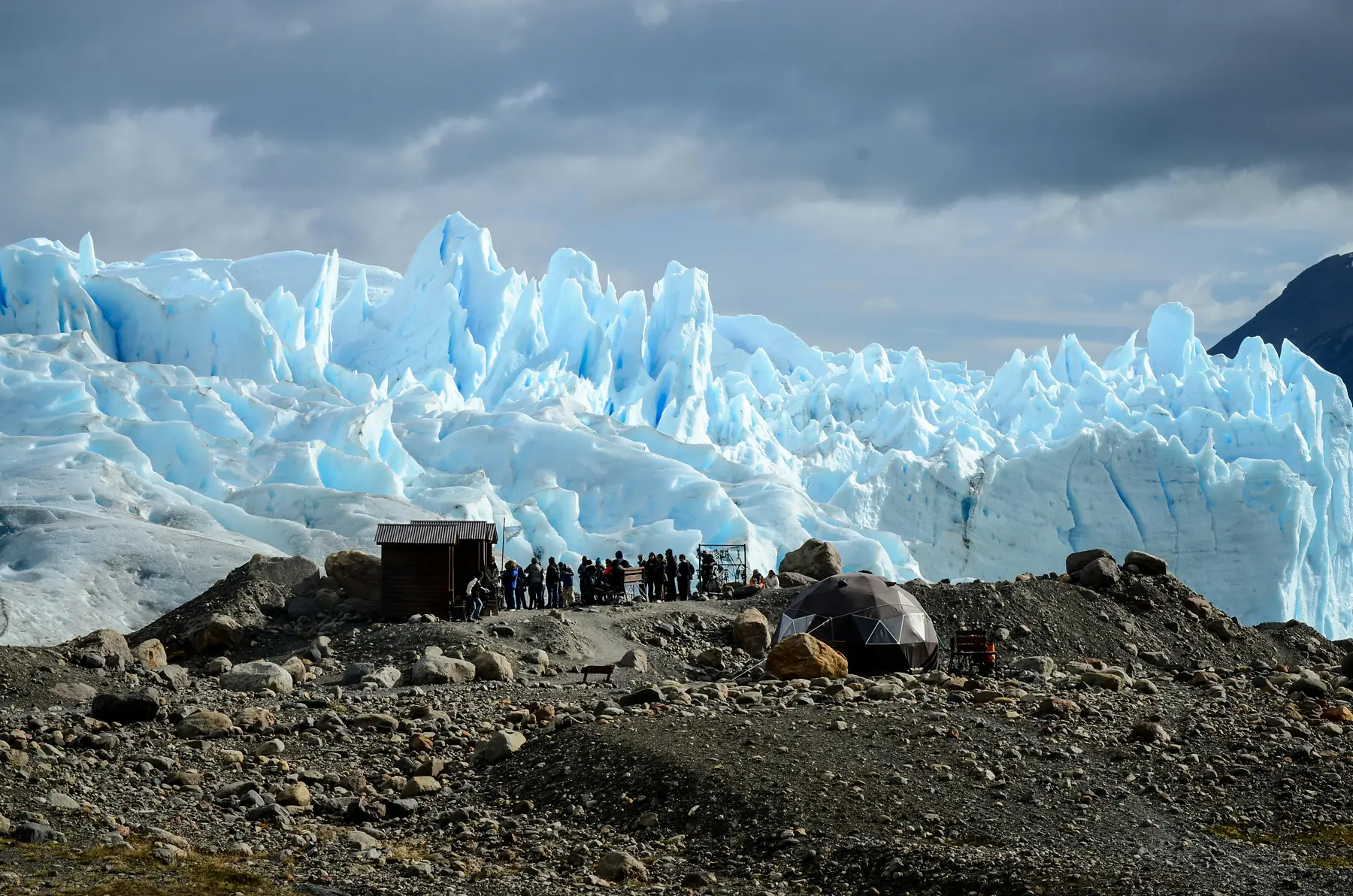
If you only have five to seven days, focus on a "Single Country" itinerary to avoid border crossings. For an Argentine focus, fly to El Calafate for Perito Moreno before heading to El Chaltén. For Chile, fly into Puerto Natales to spend your entire window in Torres del Paine.
The Slow Travel Epic: 3+ Weeks
Travellers with three weeks or more can connect the Northern Lake District to the Southern Glaciers, creating a true "End to End" Patagonia experience. This timeframe allows you to include remote stops like the Valdés Peninsula or the secluded parks of the Aysén region.
The greatest benefit of a month-long trip is the ability to schedule rest days and wait out Patagonia's unpredictable storms.
The Trekker's Itinerary
A trekking-focused itinerary prioritises nights in backcountry camps or refugios rather than hotels, trading transit time for maximum trail hours. The primary focus is the W Trek (5 days) or the more demanding O Circuit (8–9 days).
With two weeks, you can combine a Torres del Paine loop with the multi-day backcountry treks of El Chaltén, including the Huemul Circuit for rare views of the Southern Patagonian Ice Field.
Road Trips: Route 40 vs. Carretera Austral
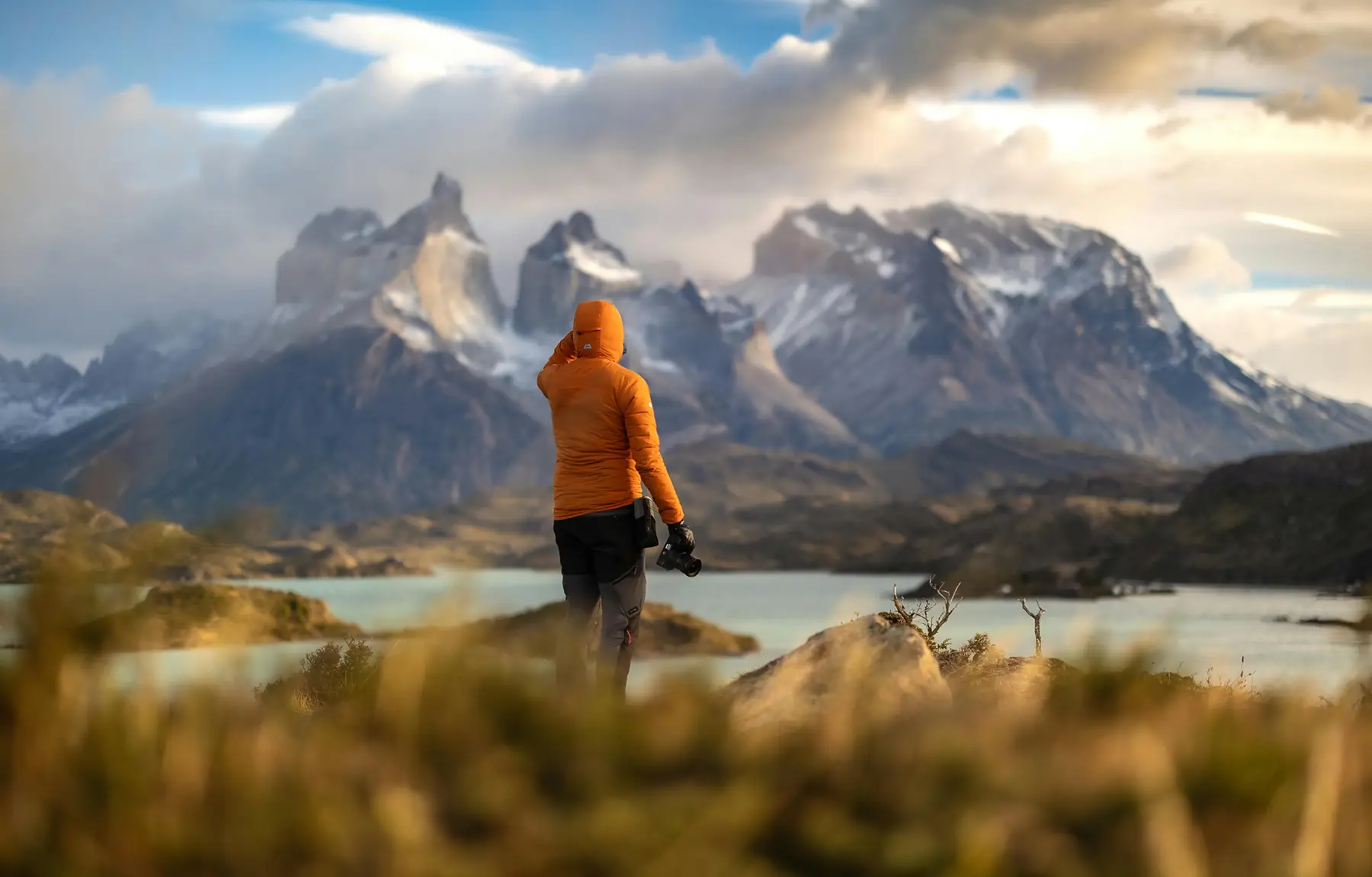
Argentina's Route 40 is a journey of scale, crossing the golden steppes between the Lake District and the southern glaciers. Chile's Carretera Austral is its aesthetic opposite: 1,240 km through temperate rainforests, hanging glaciers, and fjords.
Luxury & Family Routes
A luxury itinerary shifts the focus from public buses and hostels to private transfers and high-end adventure lodges. These routes centre on all-inclusive properties in Torres del Paine or the Lake District.
Family-focused routes emphasise shorter "reward-heavy" hikes, boat tours to glacier faces, and stays at traditional estancias where kids can learn about Patagonian horse culture.
Frequently Asked Questions
How many days should I spend on a Patagonia itinerary?
You need at least 10 days for a classic itinerary covering the highlights of both Chile and Argentina. This allows for transit time between major hubs like El Calafate and Torres del Paine.
Is 7 days enough for a Patagonia trip?
A 7-day itinerary is enough to see one major region thoroughly, such as Torres del Paine in Chile or the glaciers around El Calafate. Attempting both in one week often results in excessive travel time.
Can I see both Chile and Argentina on a 10-day route?
Yes, a 10-day route can successfully combine El Calafate and El Chaltén in Argentina with Torres del Paine in Chile using efficient bus transfers. This is the most common highlights route for first-time visitors.
What is the best itinerary for first-time travellers?
The 10-to-14-day "Highlights Loop" starting in El Calafate and ending in Puerto Natales covers the Perito Moreno Glacier, Fitz Roy, and the W Trek massifs.
Do I need a car for a Patagonia itinerary?
Most classic routes are easily completed using the region's excellent public bus network. Driving is best reserved for exploring the Carretera Austral or Route 40.
When should I start booking my Patagonia trek itinerary?
For any itinerary involving the W Trek or O Circuit, you should book accommodation at least 6 months in advance for the 2026/27 season. Popular refugios sell out the moment bookings open.
Ready to Build Your Route?
Check the booking timeline to secure your spot for the 2026/27 season.