
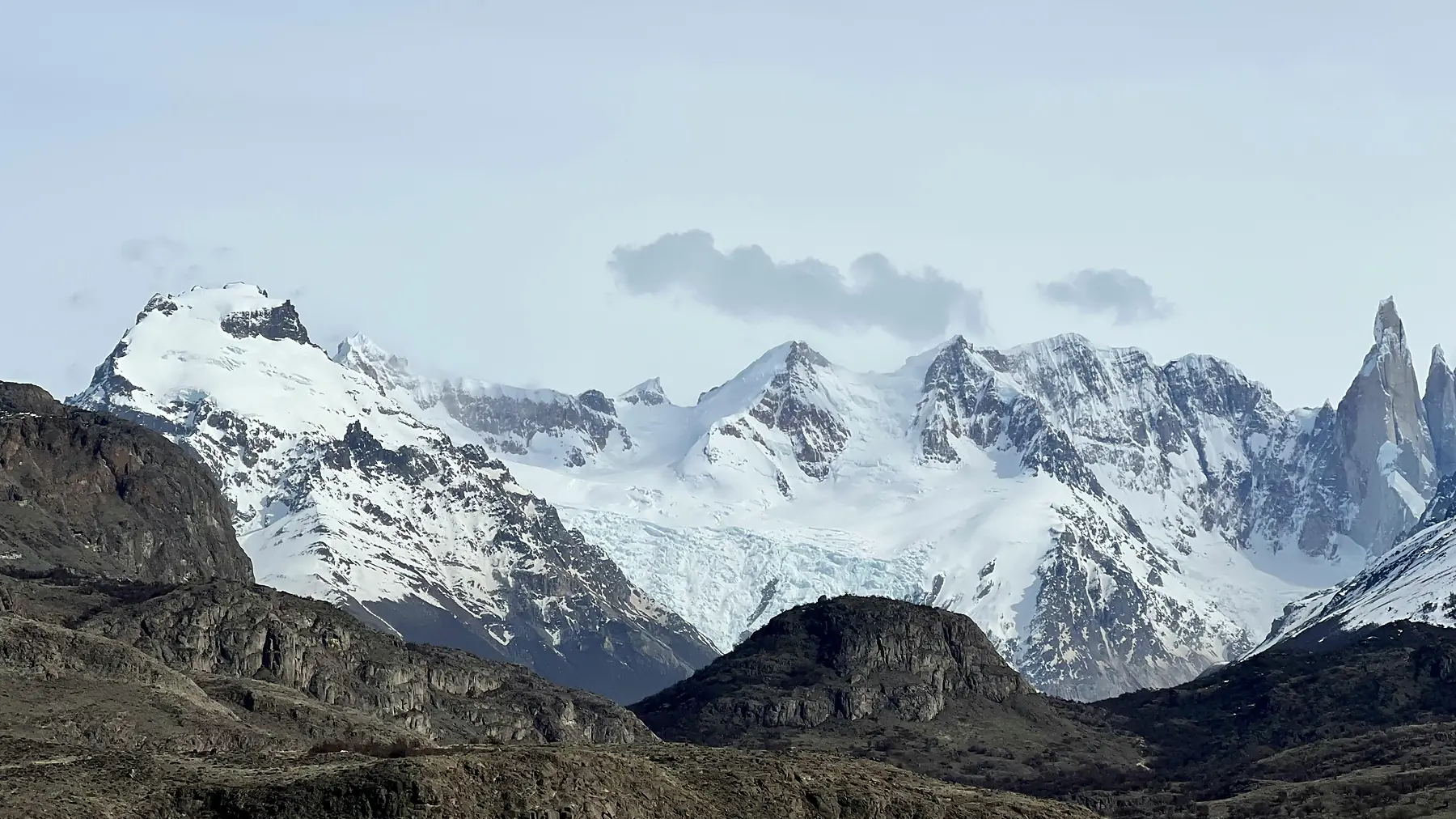
Chile vs Argentina Patagonia: Which Side is Better? (2026)
The best side of Patagonia depends on your priority: choose Chile for iconic multi-day circuit treks and world-class luxury lodges, or choose Argentina for flexible day hiking, accessible glaciers, and lower costs. While both sides share the same dramatic mountain DNA, the logistical reality of visiting them is vastly different.
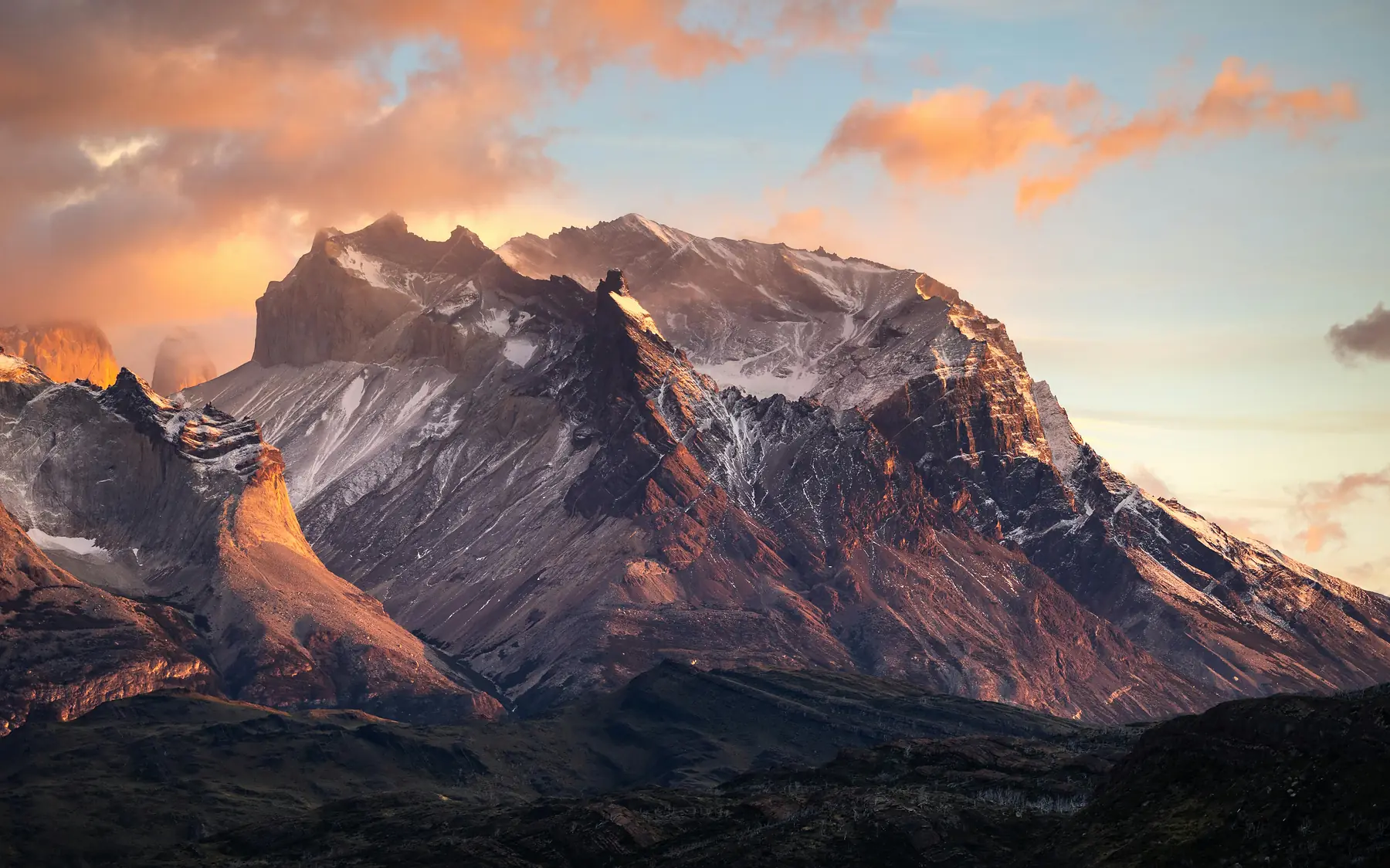
Patagonia is not a single destination but a region split by the high peaks of the Andes. This border creates two distinct worlds. On the western Chilean side, the Pacific Ocean crashes into a labyrinth of fjords, temperate rainforests, and vertical granite towers. On the eastern Argentine side, the mountains drop abruptly into the vast, arid Atlantic steppe, where massive glaciers like Perito Moreno flow into turquoise lakes. Planning a trip requires choosing the infrastructure that matches your travel style.
Patagonia Geography: The Great Divide
The Andes Mountains act as a weather block and a political boundary, dictating the landscape of each country. Chilean Patagonia is the “wet” side, defined by high precipitation that feeds lush forests and the intricate coastline of the Aysén and Magallanes regions. To explore the north, travelers head to the Carretera Austral, a remote road winding through marble caves and hanging glaciers.
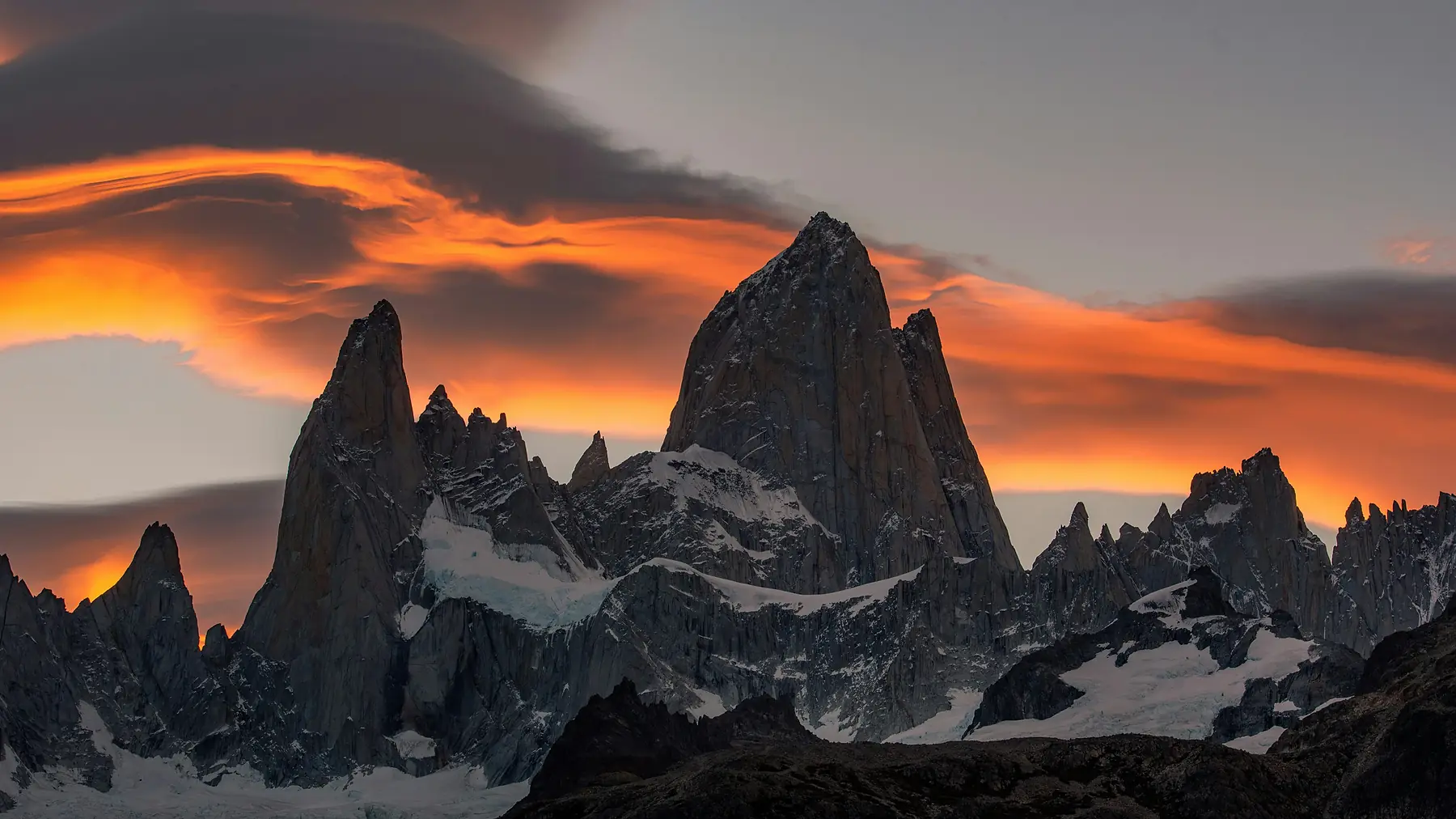
Argentine Patagonia is significantly larger and generally drier. The landscape is dominated by the “pampa” - a high-altitude desert that stretches for thousands of kilometers. However, the narrow strip where the steppe meets the Andes contains some of the continent’s most famous scenery, including the Fitz Roy massif and the southern city of Ushuaia, the gateway to Tierra del Fuego and Antarctica.
Comparison at a Glance: Chile vs. Argentina
For most travelers, the choice comes down to how much time you want to spend in a tent versus how much you want to spend in a town.
- Landscapes: Fjords, granite towers, and dense rainforests (Chilean Patagonia)
- Landscapes: Glacial lakes, jagged peaks, and vast desert steppes (Argentine Patagonia)
- Primary Hubs: Torres del Paine and Puerto Natales (Chilean Patagonia)
- Primary Hubs: El Chaltén and El Calafate (Argentine Patagonia)
- Hiking Style: Multi-day circuits (W and O treks) requiring advanced booking (Chilean Patagonia)
- Hiking Style: World-class day hikes accessible directly from town (Argentine Patagonia)
- Infrastructure: Managed park systems with refugios and high-end all-inclusive lodges (Chilean Patagonia)
- Infrastructure: Town-based hotels, hostels, and free backcountry camping (Argentine Patagonia)
Choose Chile for the definitive 'Big Trek' experience; choose Argentina for flexibility and ease of access to glaciers.
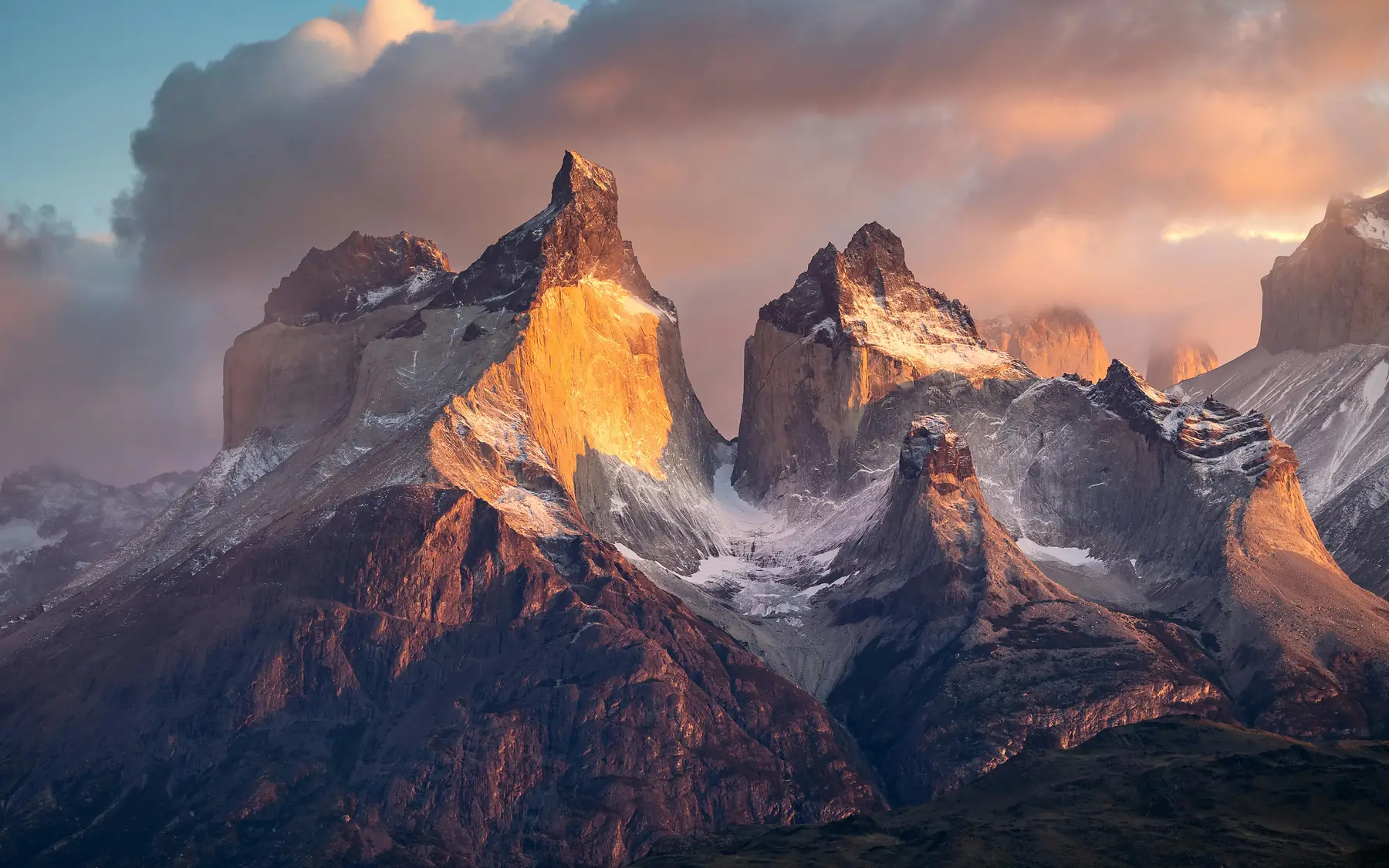
The Battle of the Icons: Torres del Paine vs. El Chaltén
The core of the “Chile vs Argentina” debate usually centers on two specific locations: Torres del Paine National Park in Chile and El Chaltén in Argentina.
Torres del Paine is a highly managed environment. To hike the famous W Trek or the full O Circuit, you must book your campsites or refugio bunks months in advance through two separate private operators: Las Torres Patagonia and Vértice Patagonia. As of the 2026/27 and 2026/27 seasons, these operators manage different sectors of the trails, and reservations typically open between April and June for the following season. It is an immersive, wilderness experience where you stay inside the park boundaries for the duration of your trek.
In contrast, El Chaltén is known as the “Trekking Capital of Argentina” because it offers a “hub and spoke” model. You can stay in a comfortable hotel in town, eat at a different restaurant every night, and simply walk to the end of the main street to reach the trailheads for Fitz Roy or Laguna Torre.
If you plan to hike the W Trek in Chile during the peak months of December through February, you should aim to book your accommodation at least six to eight months in advance. The system is rigid, and showing up without a reservation often results in being turned away at the park gates.
Costs and Budgeting: Which Side is Cheaper?
Historically, Argentina has been the more budget-friendly option, but the country’s volatile economy makes this a moving target. While food and local transport can be cheaper in Argentina - especially for those using foreign currency - high inflation means prices for 2026 may fluctuate significantly. For a deep dive into managing your funds, see our guide on Patagonia currency and money.
Chile offers more price stability but a higher baseline cost. The “all-inclusive” nature of many Chilean experiences, where lodges provide meals, guides, and transport, means you pay a premium for convenience. National park fees also differ: for the 2026/27 season, Torres del Paine park entry costs CLP 48,500 for a multi-day pass or CLP 32,400 for a day pass (purchased via pasesparques.cl), while Los Glaciares National Park in Argentina charges approximately $45,000 ARS for international visitors.
Overall, if you are a budget-conscious traveler, the ability to do free day hikes and use free campsites in El Chaltén makes Argentina the clear winner for keeping Patagonia costs down.
Infrastructure and Accommodation Styles
The “vibe” of your trip will change depending on which side of the border you sleep on. Chile has perfected the luxury wilderness lodge. Brands like Explora and Awasi offer architecturally stunning bases where the focus is on secluded, high-end service. The park’s refugio system provides a middle ground: shared dorms and hot meals for trekkers who don’t want to carry a tent.
Argentina leans more toward the “Estancia” (ranch) culture and boutique town hotels. Staying on a working sheep estancia provides a cultural window into the life of the gaucho that is harder to find on the Chilean side. Trail maintenance also differs: Chilean trails in Torres del Paine are heavily regulated and clearly marked, while Argentine trails feel slightly more rugged and frontier-like, though still very safe for solo hikers.
Accessibility and the “Both” Strategy
Most international travelers fly into Santiago for Chile or Buenos Aires for Argentina. From there, you take a domestic flight south - to Punta Arenas or Puerto Natales for Chile, or to El Calafate for Argentina.
If you have at least 10 to 14 days, you don’t have to choose. The most common way to combine both countries is the bus route between El Calafate (Argentina) and Puerto Natales (Chile).
- The Journey: The bus takes approximately 5 - 6 hours, depending on the speed of the border crossing and seasonal traffic.
- The Border: You will physically exit one country, drive across “no man’s land,” and enter the other.
- Requirements: Most Western travelers (including US, UK, EU, and Canadian citizens) do not need a pre-arranged visa for short stays in either country for the 2026 season, but you must have a valid passport and check for any updated entry requirements or reciprocity fees before travel.
Do not bring fresh fruit, honey, or unsealed dairy products across the border from Argentina into Chile. Chilean agricultural border checks (SAG) are extremely strict, and dogs will find that apple in your backpack, resulting in a fine of several hundred dollars.
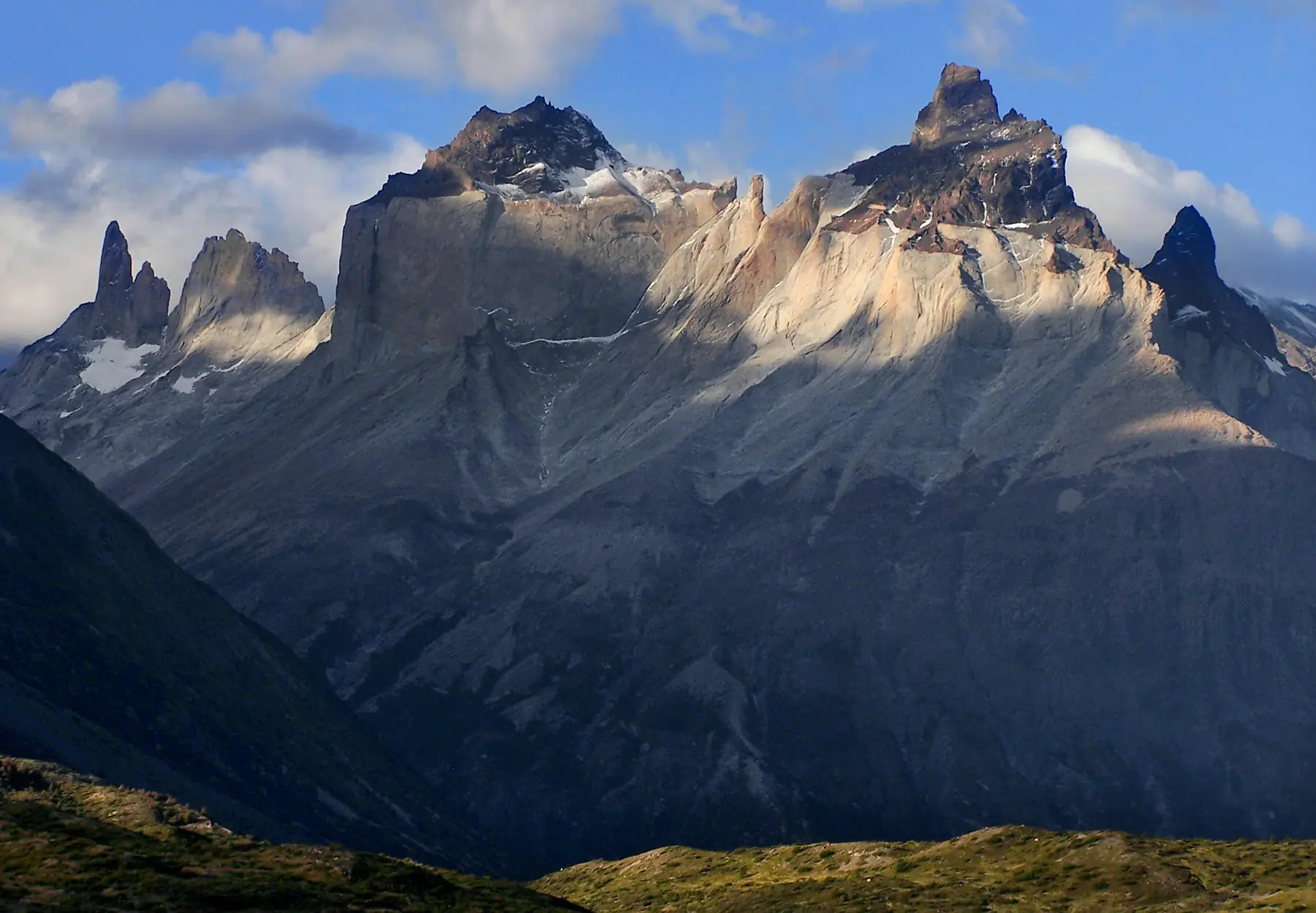
Landscapes and Wildlife: Beyond the Granite Peaks
While both sides offer mountains, the planning implications of their landscapes differ. Chile’s geography is dominated by water. To see the best of the Chilean fjords or reach the face of Grey Glacier, you will likely need to factor in ferry schedules and boat transfers. This adds a layer of logistical complexity but rewards you with some of the most dramatic maritime scenery on Earth.
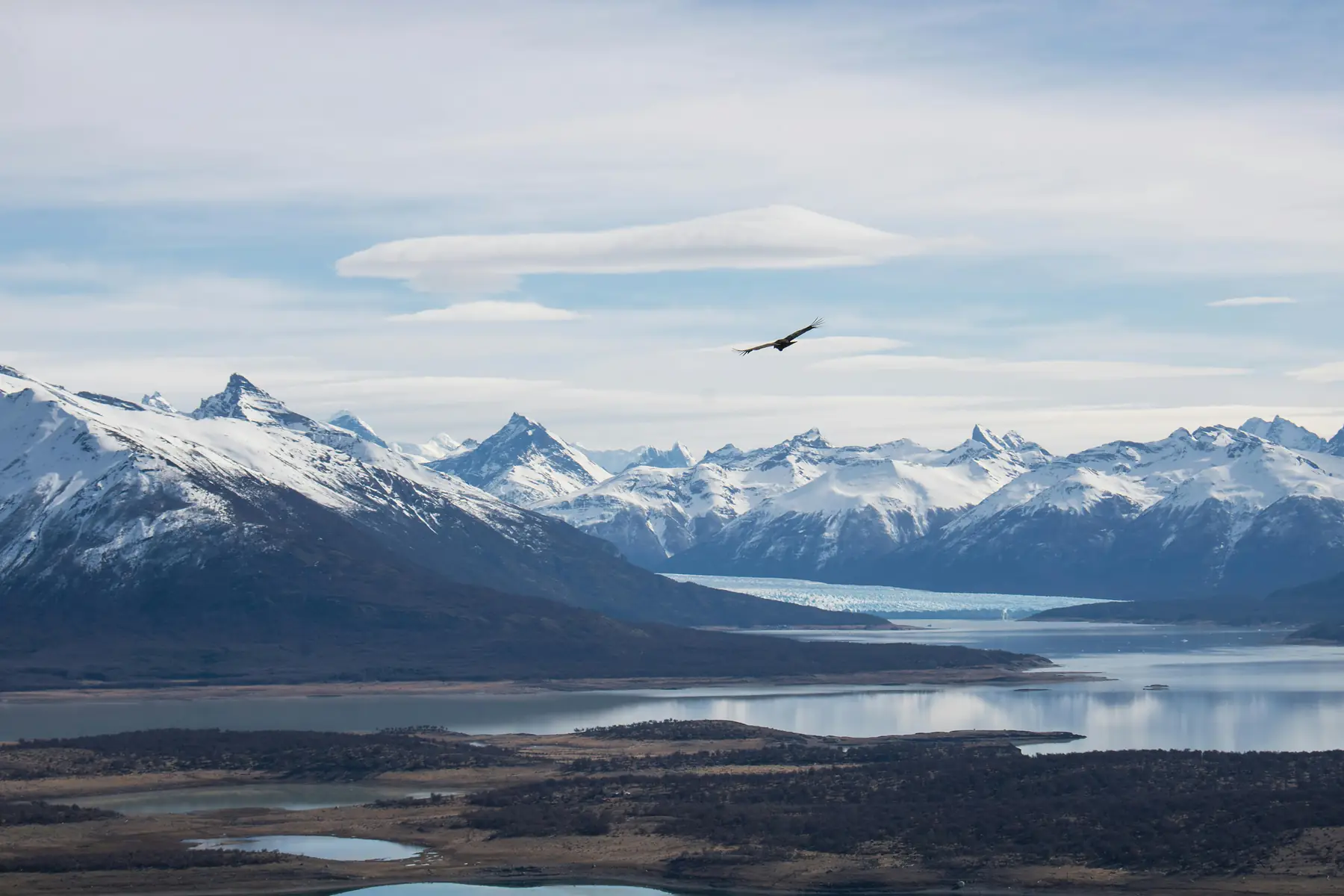
Argentina’s landscape is about scale and accessibility. The Perito Moreno Glacier, located near El Calafate, is one of the few glaciers in the world that remains relatively stable rather than in rapid retreat. Unlike many Chilean glaciers that require a boat or a long trek to see, you can reach the Perito Moreno boardwalks via a simple 90-minute bus ride from town. For those interested in seeing Pumas, both sides offer opportunities, though the area surrounding Torres del Paine is widely considered the best place to see pumas in the wild.
The Verdict: How to Choose
If you are still undecided, look at your calendar and your fitness level. Chile rewards the planner who wants a definitive, world-famous multi-day challenge. Argentina rewards the spontaneous traveler who wants high-quality hiking without the stress of rigid booking windows.
To help you take the next step, choose the pathway that best describes your travel style:
Related planning guides
FAQ
Is it better to visit the Chile or Argentina side of Patagonia for first-timers?
Argentina is often easier for first-timers due to the town-based infrastructure in El Chaltén, whereas Chile’s Torres del Paine requires complex campsite bookings months in advance.
Is Argentina or Chile Patagonia cheaper for travelers?
Argentina is generally cheaper for food and accommodation if you are using foreign currency, though Chile offers more predictable pricing for luxury all-inclusive stays.
Can I visit both the Chilean and Argentine sides of Patagonia in one trip?
Yes, most travelers combine the two by taking a 5 - 6 hour bus between El Calafate (Argentina) and Puerto Natales (Chile).
Which side of Patagonia is better for hiking and trekking?
Chile is better for famous multi-day circuit treks like the W or O, while Argentina is the best for high-quality, free day hikes accessible directly from town.
Do I need a visa to cross the border between Chile and Argentina Patagonia?
Most Western tourists (US, UK, EU, Canada) do not need a visa for short stays in either country as of 2026, but you must have your passport ready for the land border crossings.
Which side of Patagonia has the best glaciers to visit?
Argentina is home to the most accessible and impressive glacier, Perito Moreno, while Chile offers dramatic glacial fjords accessible primarily by boat or the Grey Glacier trek.