
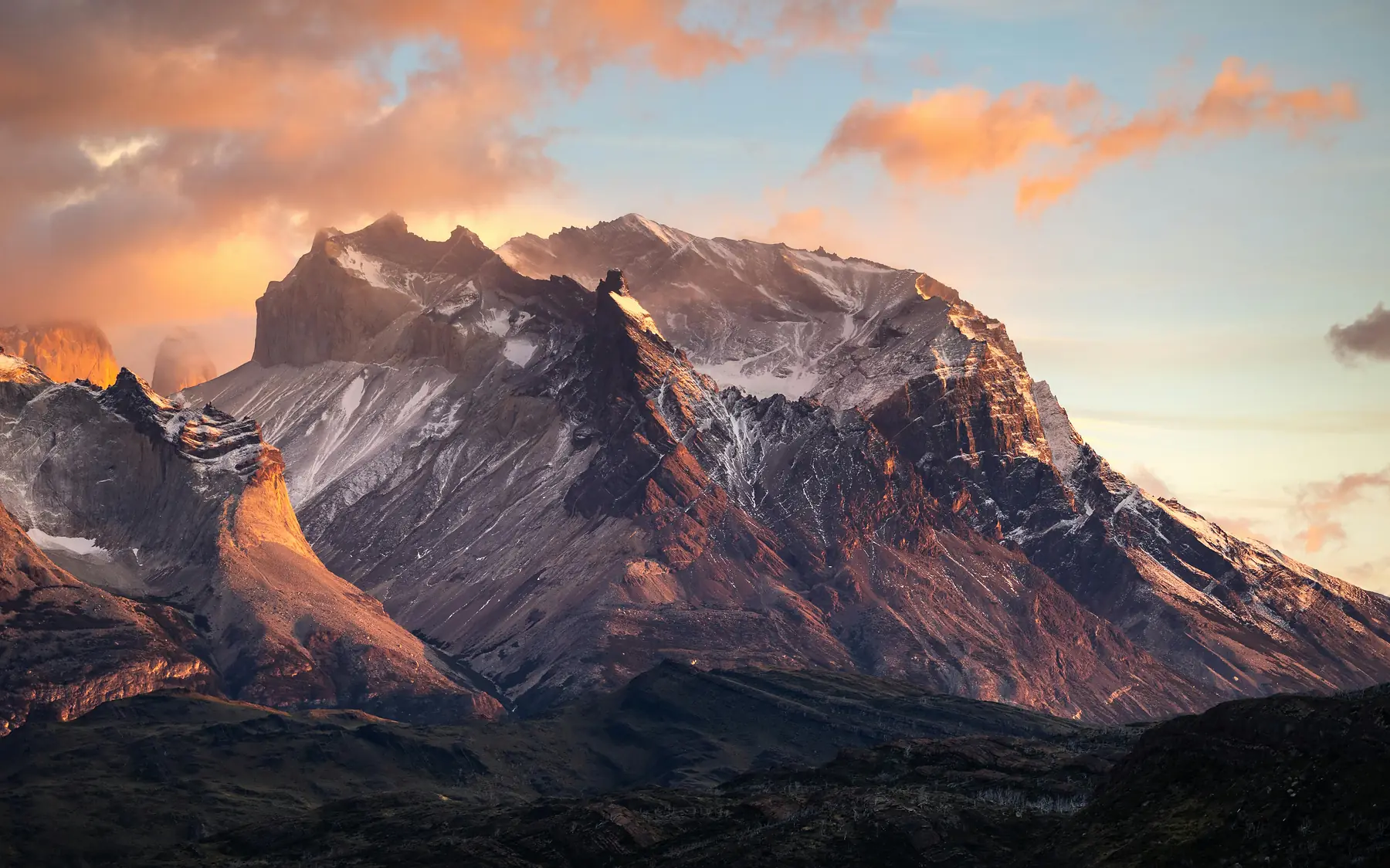
Torres del Paine
Patagonia's crown jewel — a UNESCO Biosphere Reserve of granite spires, glaciers, and golden pampas.
Torres del Paine Guide: 2026/27 Season
Torres del Paine National Park is the definitive highlight of Chilean Patagonia, a 181,414-hectare wilderness of granite spires, calving glaciers, and turquoise lakes. For most travelers, it is the primary reason for visiting the region, offering a range of experiences from world-class multi-day treks like the W and O circuits to luxury lodges and accessible day tours.
This guide serves as your central hub for navigating the park. Whether you are planning a self-supported backpacking trip or a high-end photography safari, you will find the essential logistics, seasonal advice, and activity overviews here to begin your planning.
Torres del Paine At A Glance
- Location Magallanes Region, Southern Chile
- Gateway City Puerto Natales (approx. 2 hours away)
- Primary Attractions The Paine Massif, Grey Glacier, French Valley
- Best Time to Visit October to April (Southern Spring and Summer)
- Required Bookings Park entrance (Pase Ticket) and all overnight accommodation
- Status UNESCO Biosphere Reserve
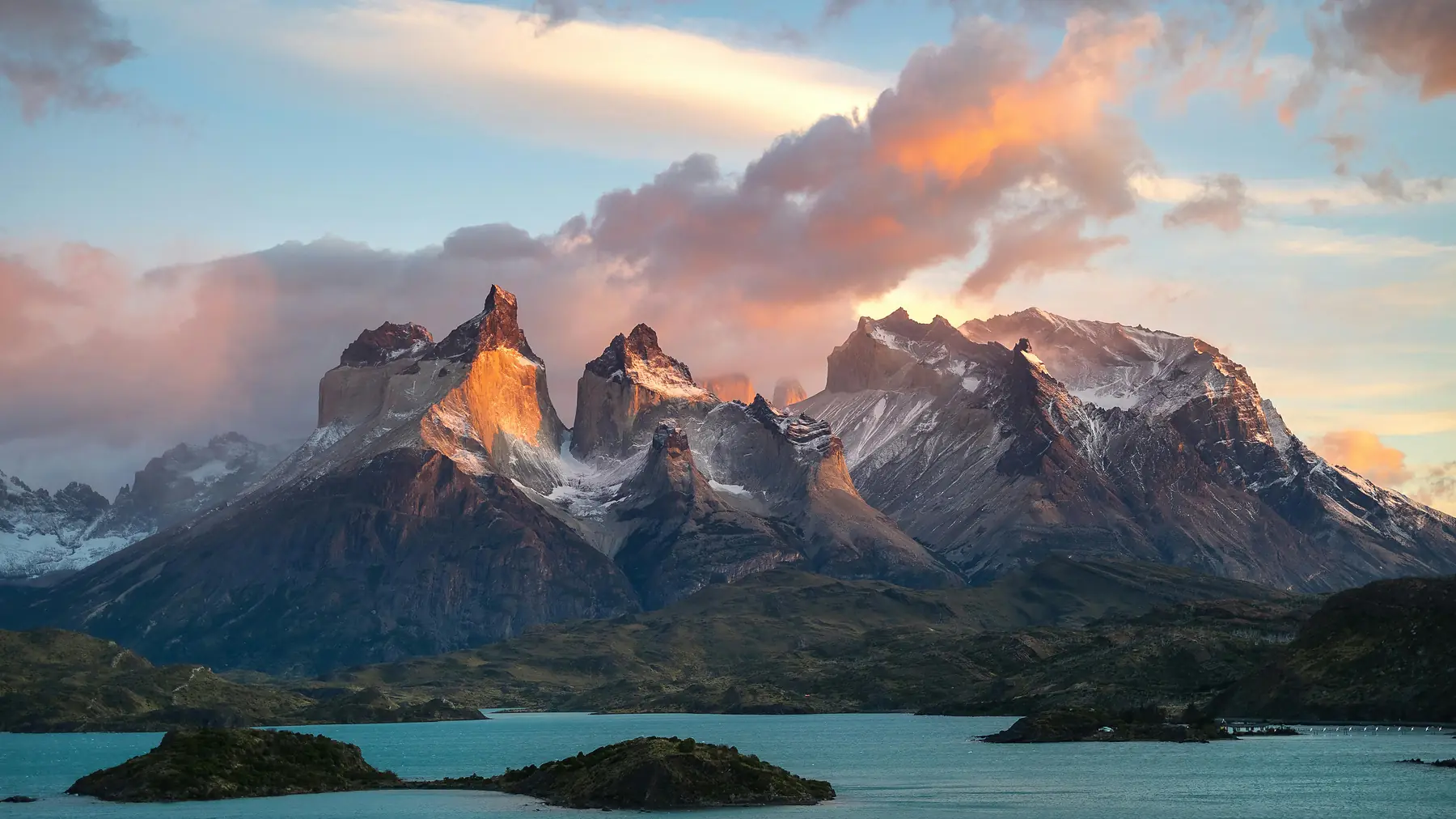
The W Trek
The quintessential 4–5 day route covering the park's most iconic landmarks.
Read Guide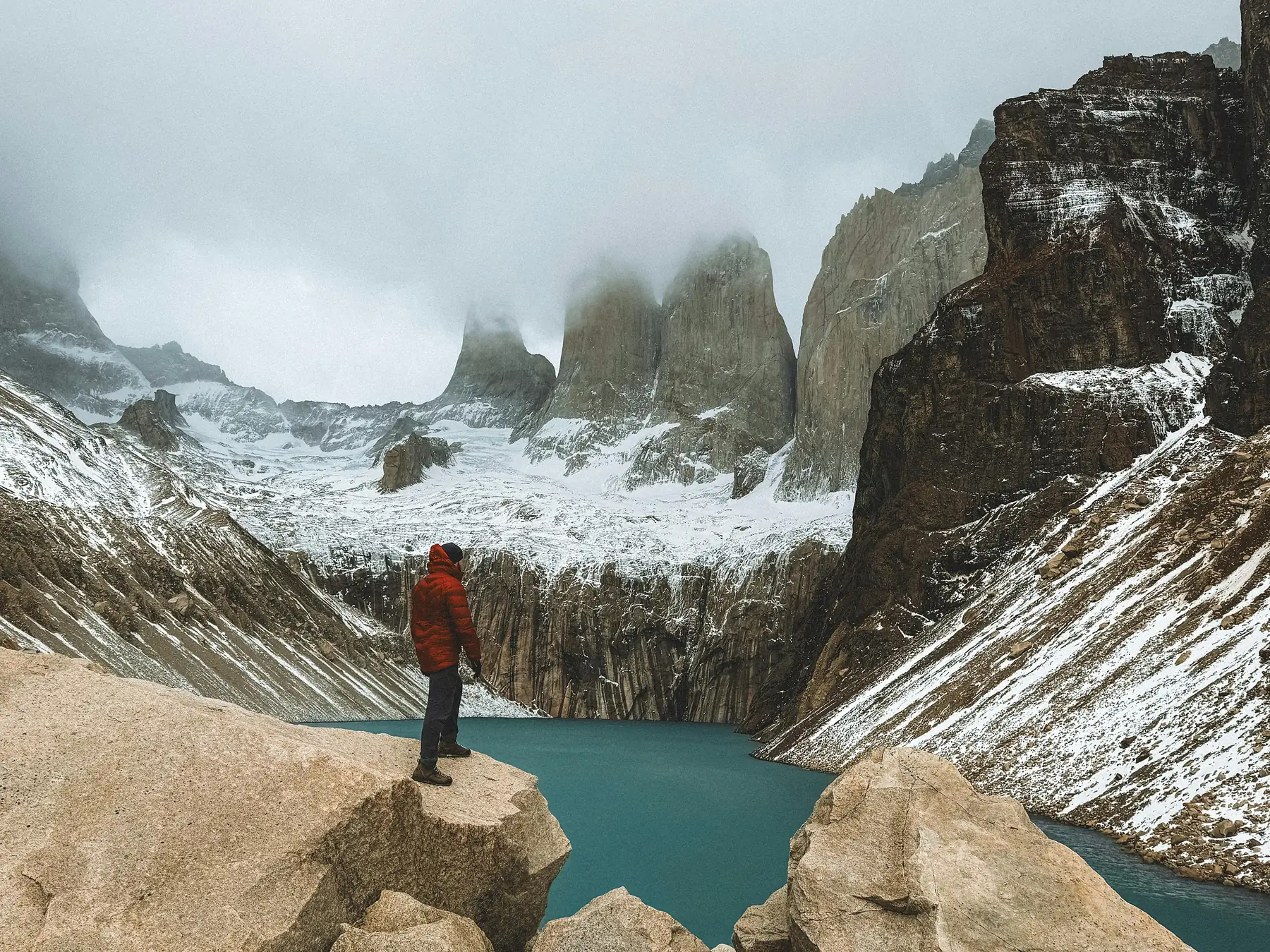
The O Circuit
The full 7–9 day loop for a deeper, remote wilderness experience.
Read Guide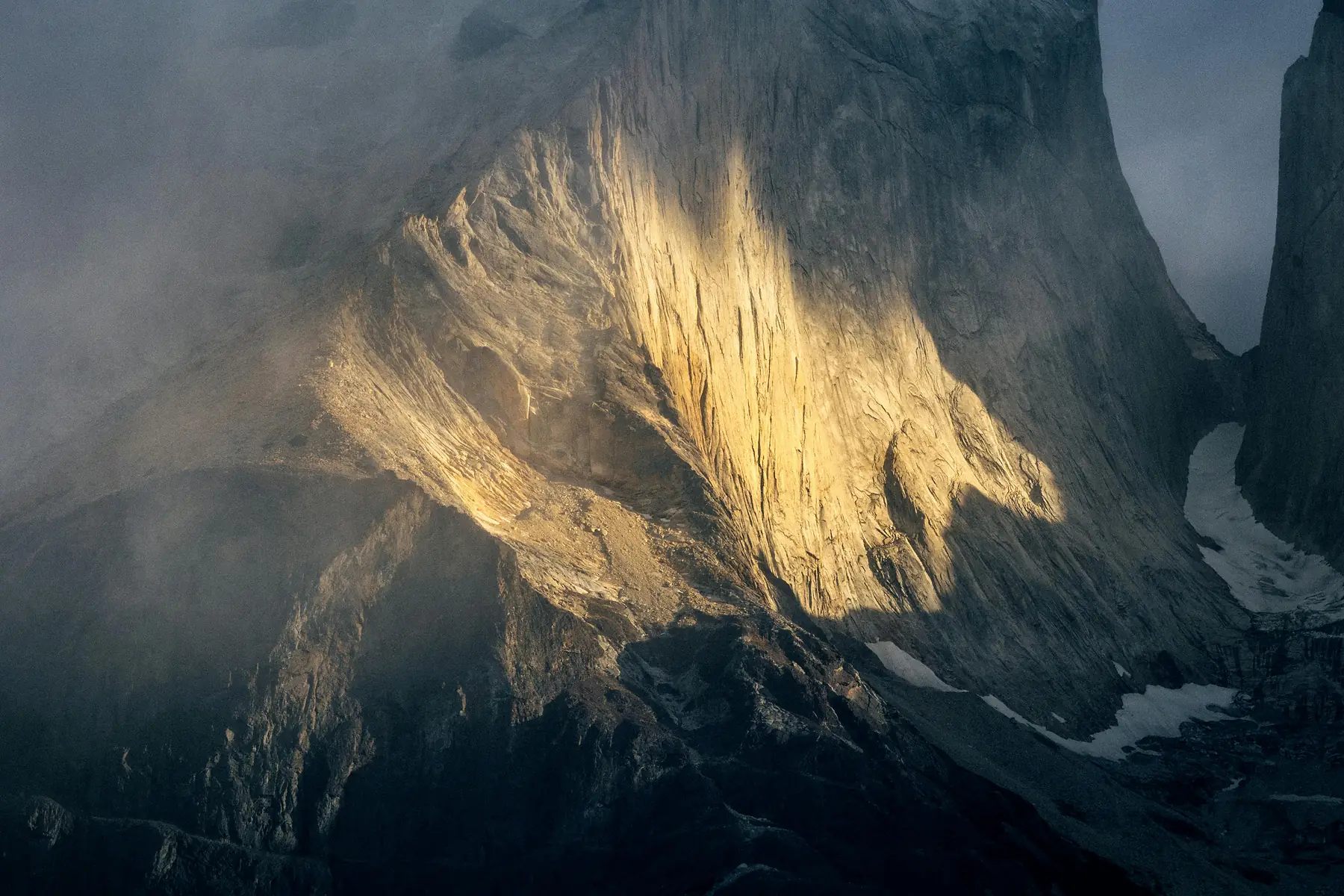
Where to Stay
Luxury lodges, refugios, and camping for every budget.
Read Guide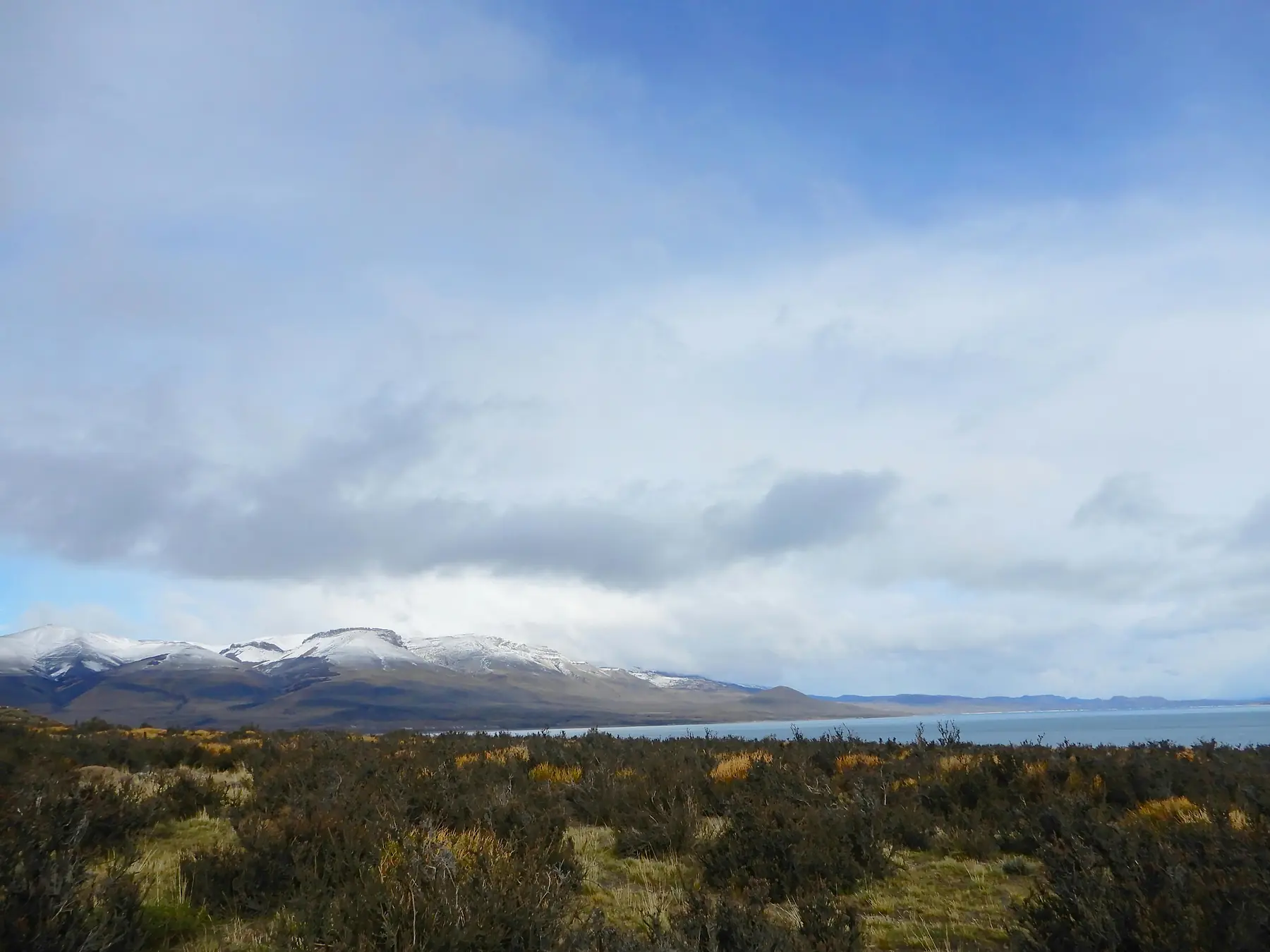
Things to Do
Day hikes, boat tours, horseback riding, and puma tracking.
Read Guide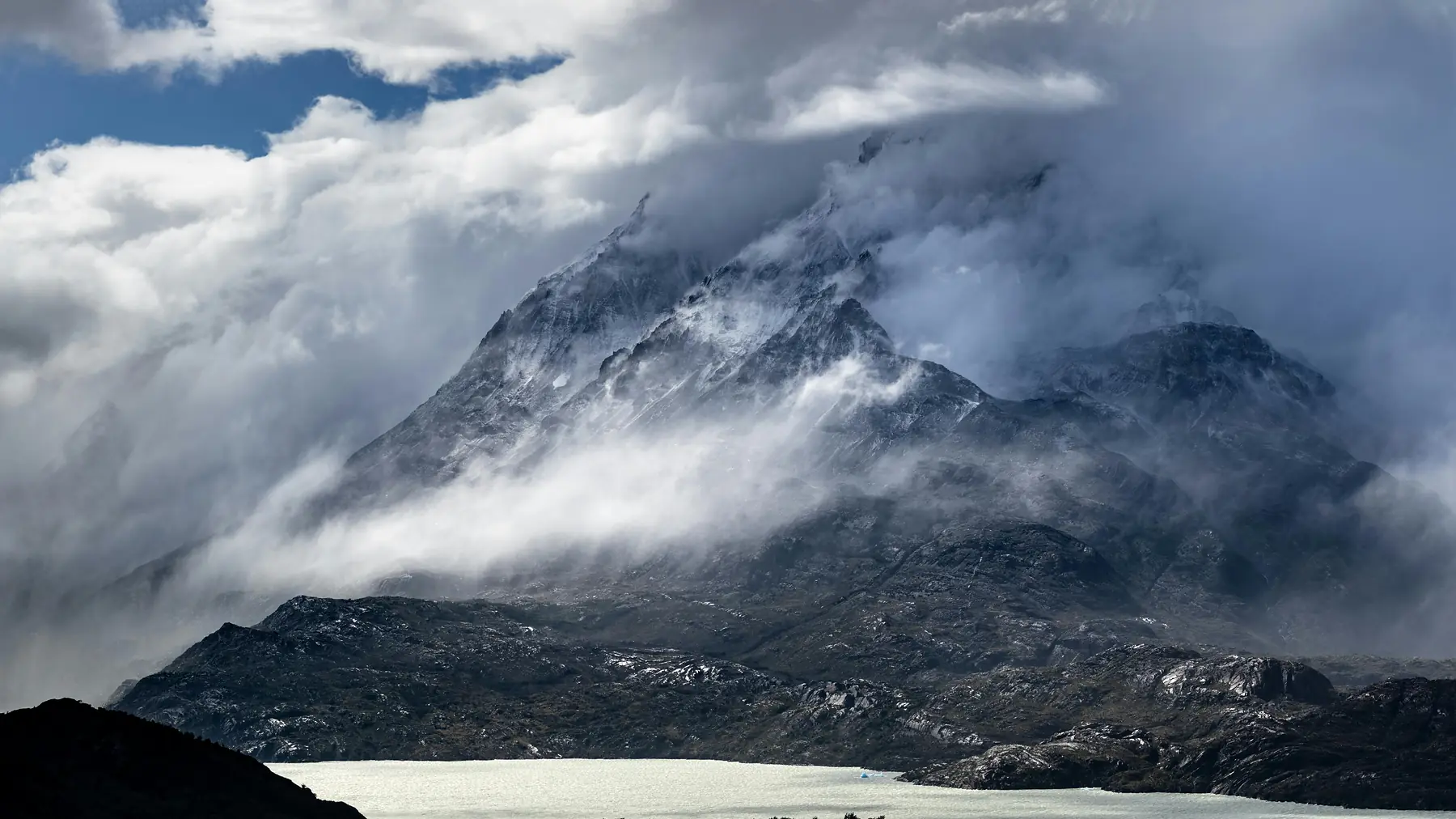
Weather & Seasons
Month-by-month conditions and what to pack for the trail.
Read Guide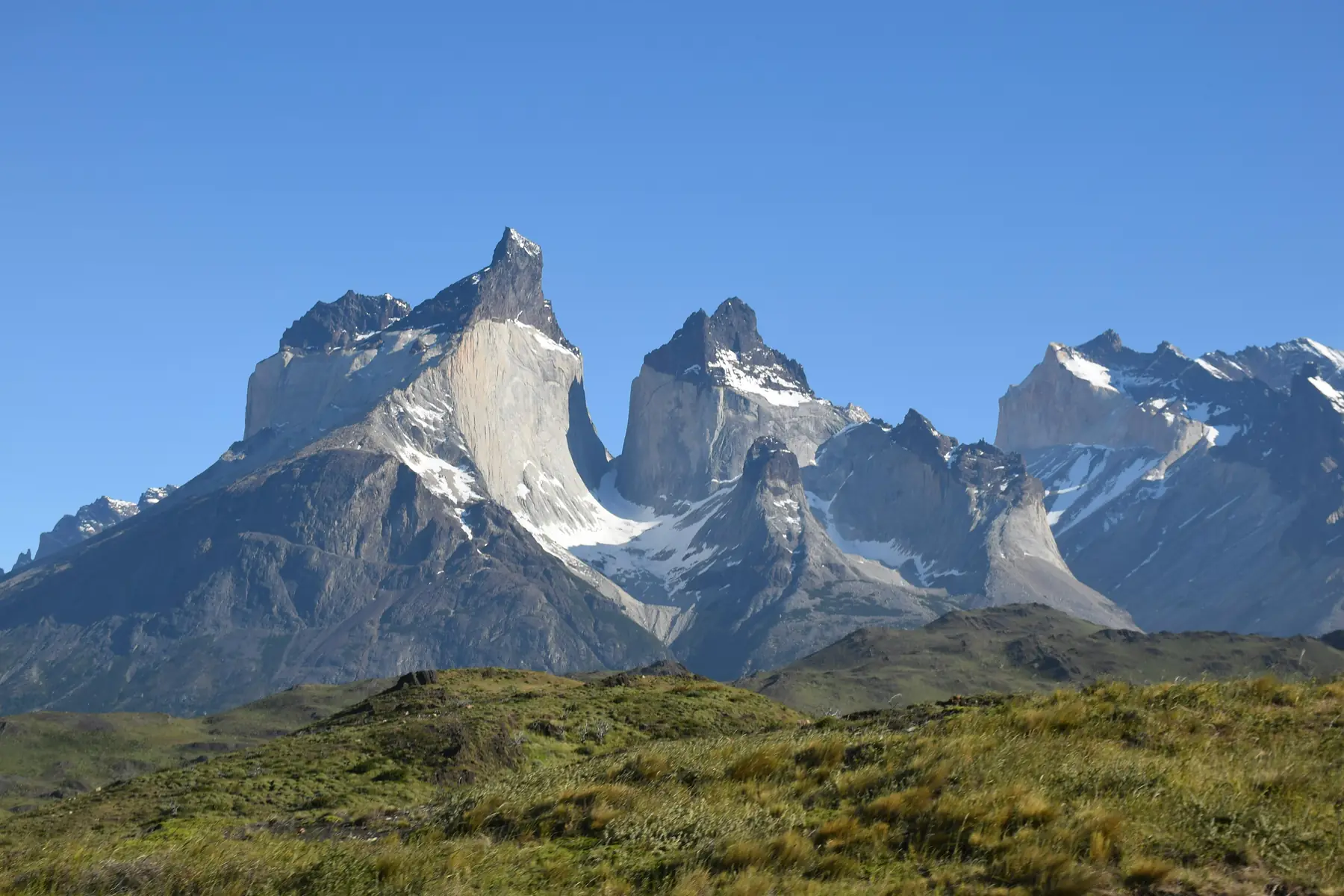
Transport Guide
Flights, buses from Puerto Natales, and internal park shuttles.
Read GuideWhat is Torres del Paine National Park?
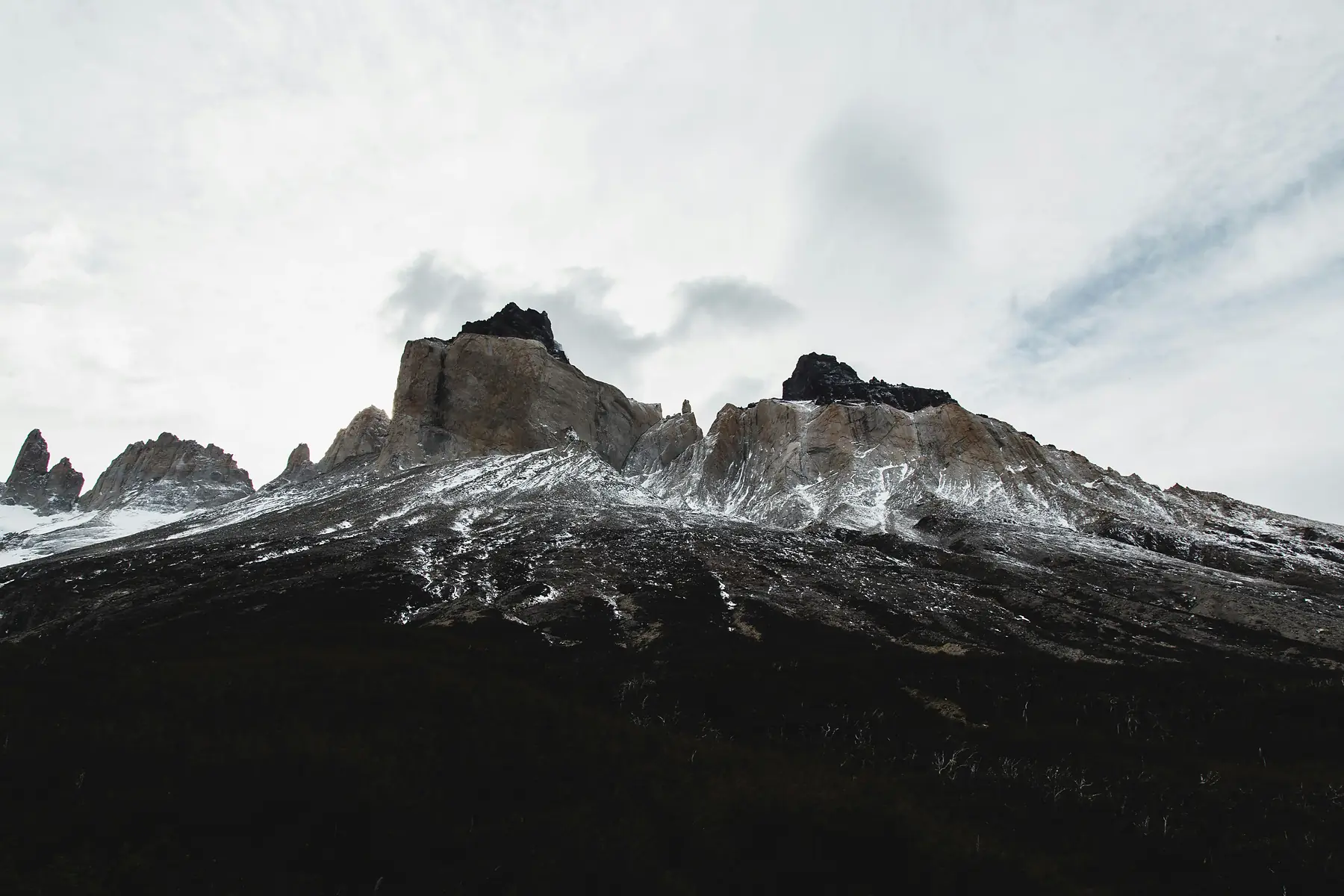
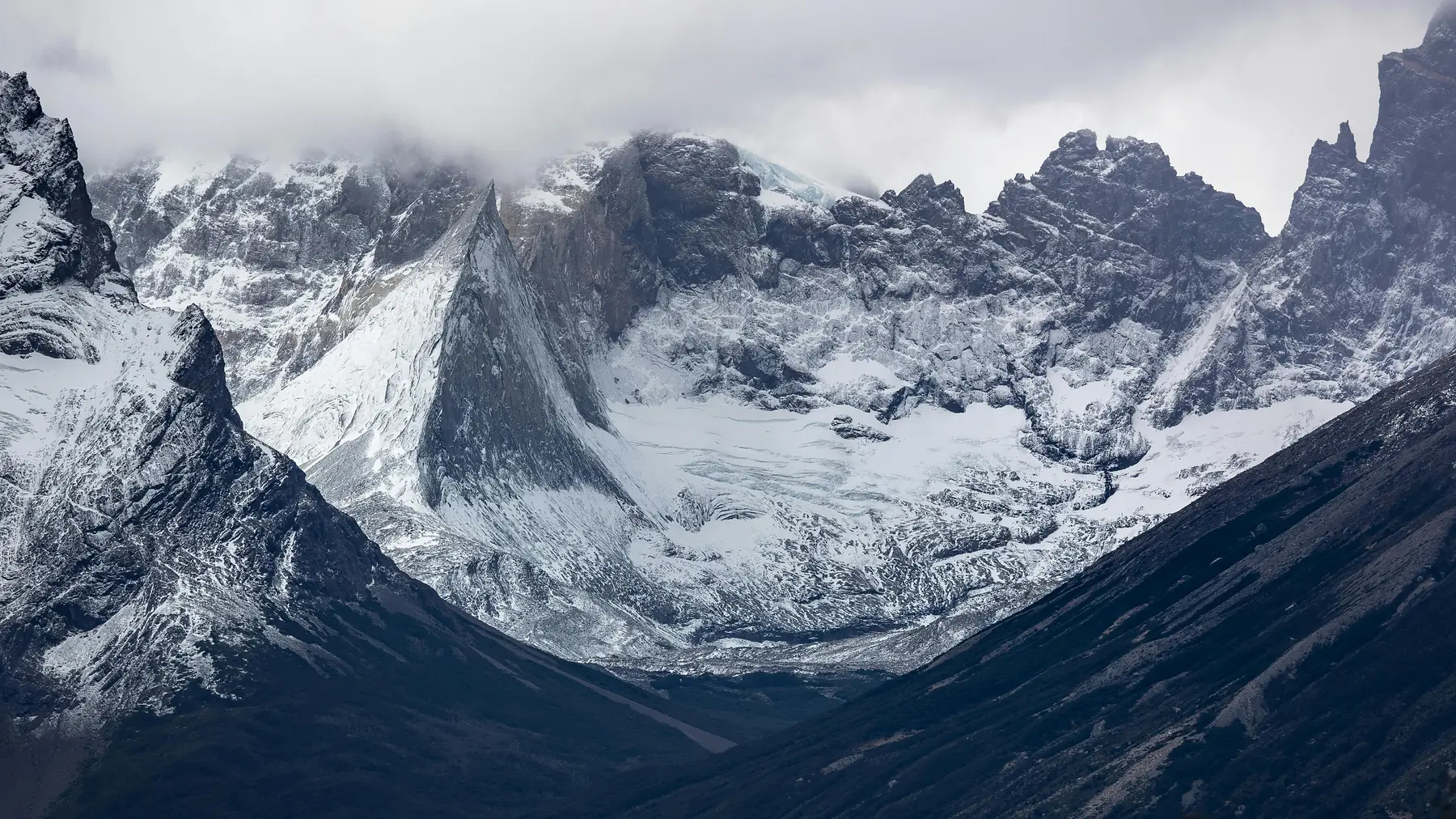
Torres del Paine is a protected wilderness area in the Magallanes Region of southern Chile, roughly 2,500 kilometers south of Santiago. It is defined by the Paine Massif, a spectacular group of granite peaks that rise abruptly from the Patagonian steppe, separate from the main chain of the Andes.
The park spans approximately 181,414 hectares and was designated a UNESCO Biosphere Reserve in 1978. Its landscape is a complex mosaic of ecosystems, including pre-Andean shrubland, Magellanic subpolar forests, and the massive ice fields of the Southern Patagonian Ice Cap. For travelers, it represents the most developed and accessible high-alpine wilderness in South America.
Is Torres del Paine Worth It?
Torres del Paine is absolutely worth the visit for anyone who values dramatic mountain scenery, but it requires a higher level of planning and budget than almost any other destination in South America. The park is famous for "four seasons in one day" weather, where sustained winds of 60–80 km/h can occur alongside bright sunshine.
If you are deciding between the Argentine and Chilean sides, our Torres del Paine vs El Chaltén comparison breaks down the differences. While Torres del Paine is more crowded and expensive, the sheer scale of the Paine Massif makes it the premier choice for a first-time Patagonian expedition.
Iconic Treks: The W and the O
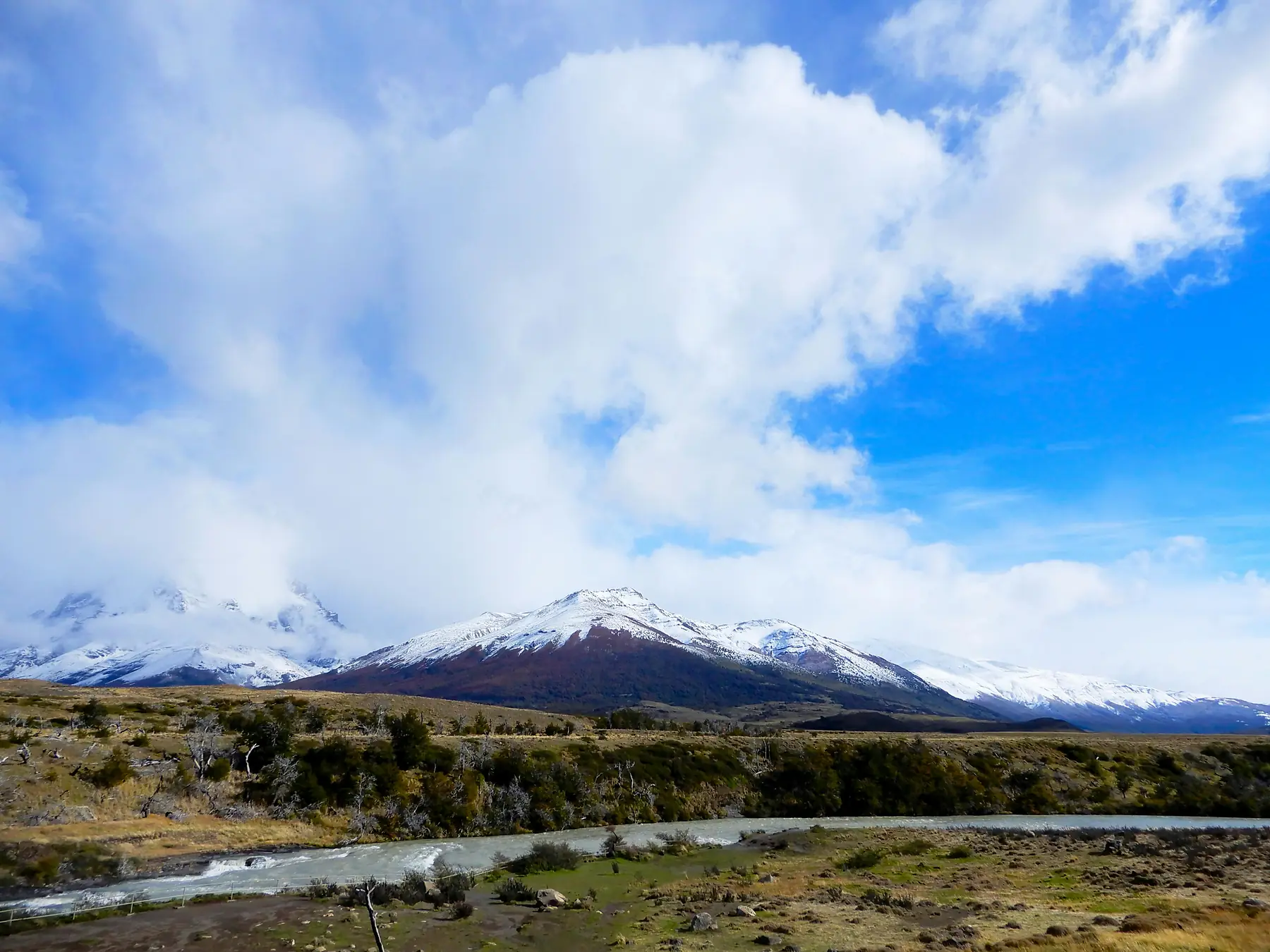
The W Trek (4–5 days) follows the southern edge of the Paine Massif into three valleys: the Base of the Towers, the French Valley, and Grey Glacier. The O Circuit (7–9 days) adds the remote "back side" featuring the John Gardner Pass and views of the Southern Patagonian Ice Field.
See our W Trek guide and O Circuit guide for detailed planning.
Day Hikes and Alternative Activities
The premier day hike is the trek to Mirador Las Torres (18–22km round trip). For less strenuous options, Grey Glacier boat tours get you within metres of the ice without a long hike. Viewpoints along Lago Nordenskjöld and Salto Grande offer spectacular photography opportunities with minimal walking.
See our things to do and best day hikes guides.
Where to Stay: Hotels, Refugios, and Camping
Accommodation falls into three distinct categories, each offering a very different version of the Patagonian experience.
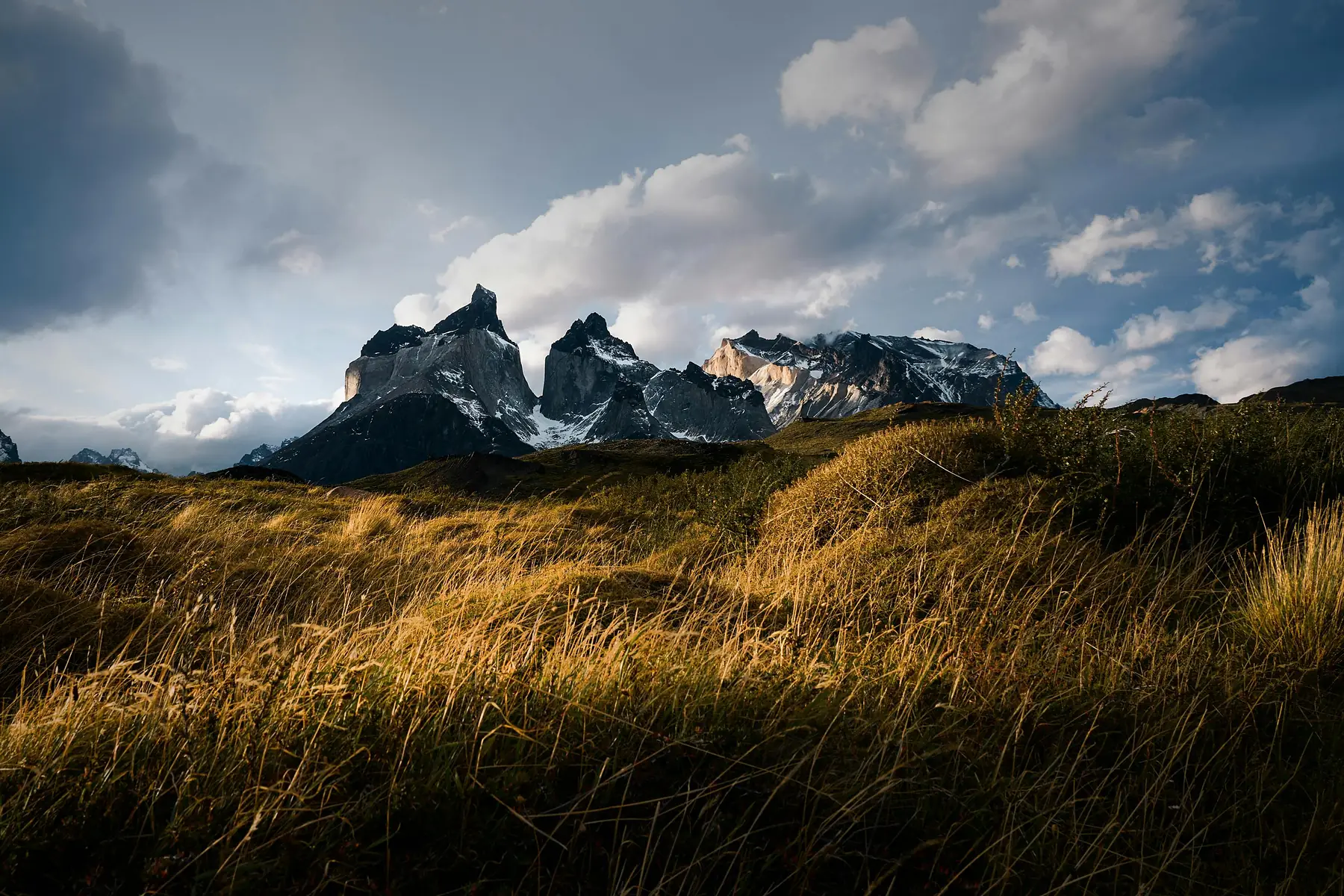
Luxury Lodges
All-inclusive hotels like Explora, Tierra Patagonia, and Hotel Las Torres with guided excursions and gourmet dining.
Refugios
Mountain hostels on the W and O trails with bunk beds, hot showers, and prepared meals.
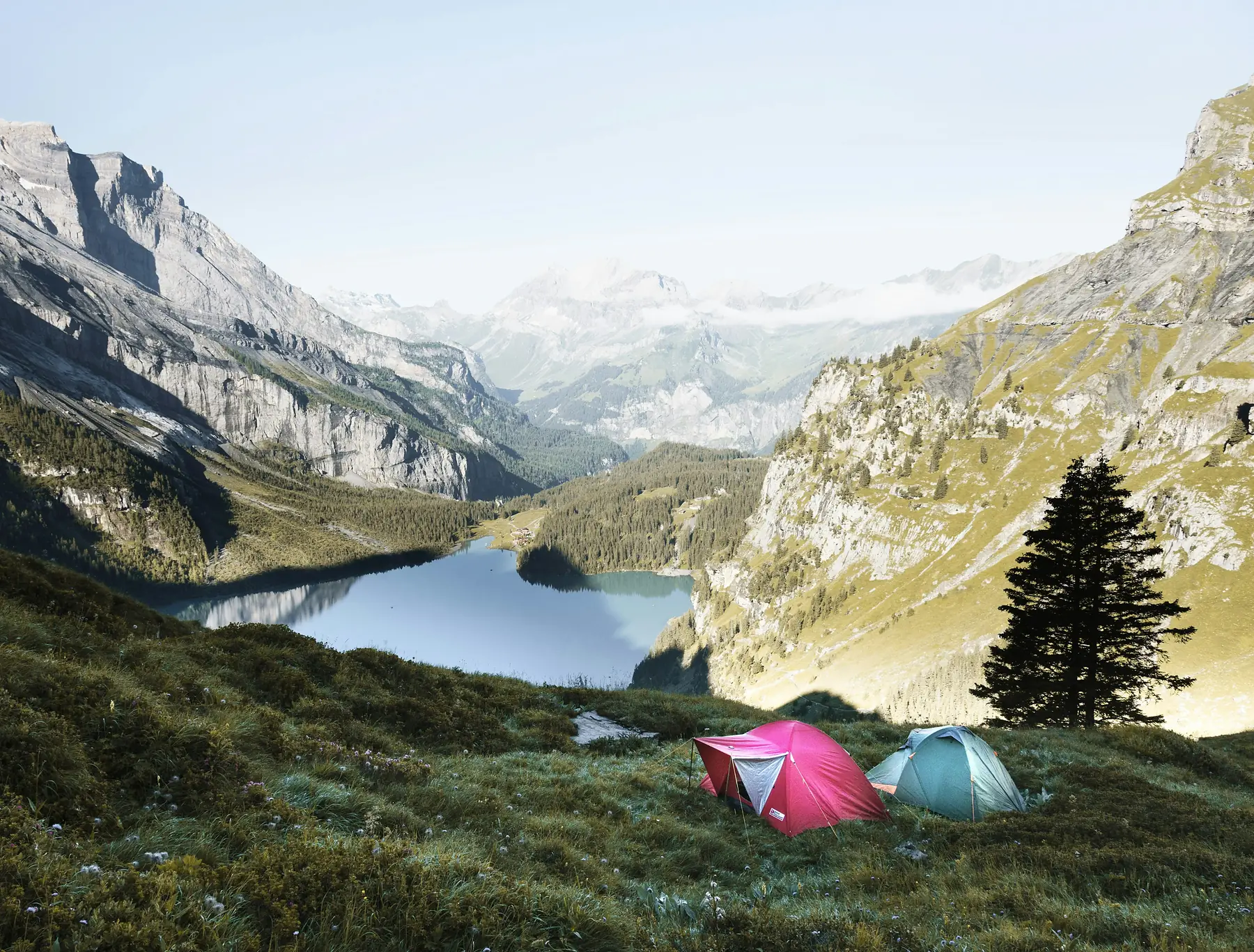
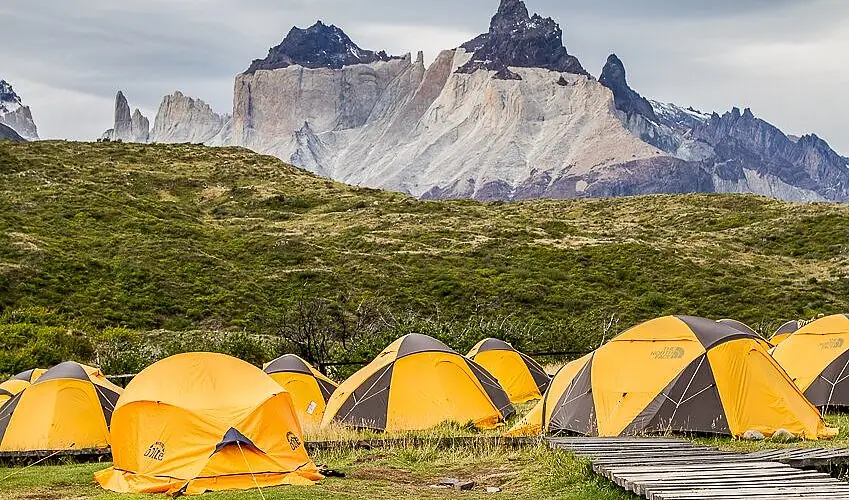
Camping
The most budget-friendly option — bring your own gear or rent fully-equipped tents pre-set at campsites.
Wildlife of the Park: Pumas and Guanacos
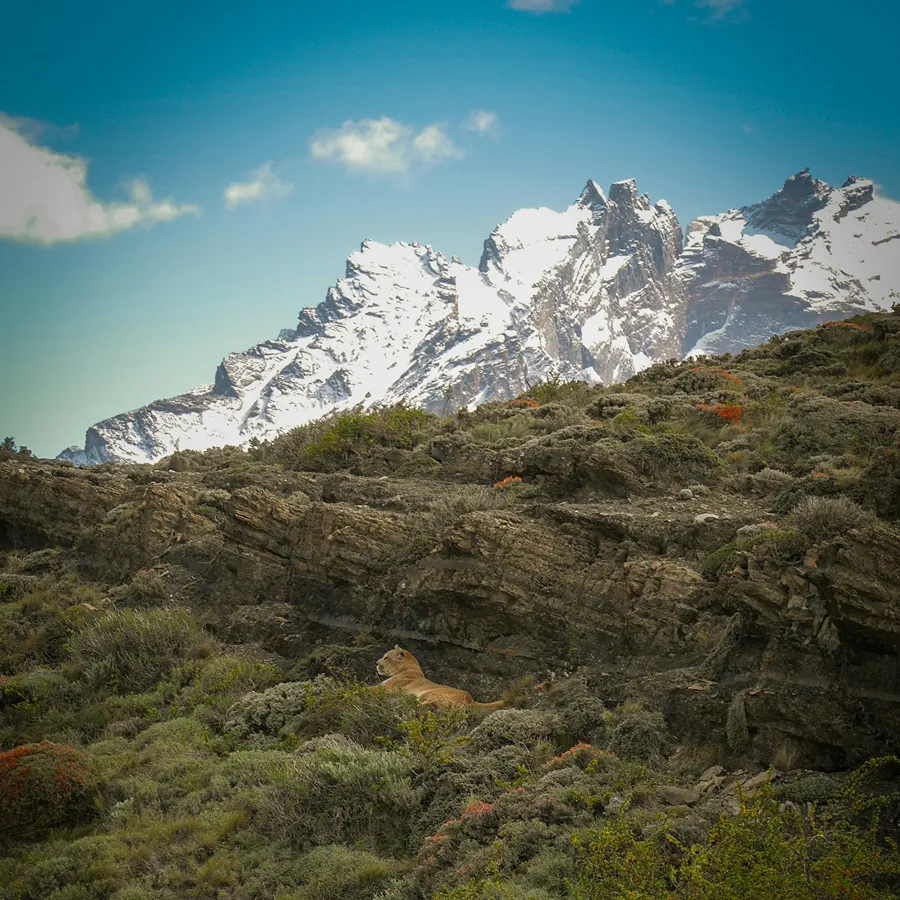
As a UNESCO Biosphere Reserve, the park is a sanctuary for diverse Patagonian wildlife. It is widely considered one of the best places on Earth to see Pumas in the wild. You are almost guaranteed to see Guanacos grazing on the steppe, and Andean Condors soaring on thermals above the peaks.
If your primary goal is wildlife photography, we recommend booking a dedicated puma tracking tour. You can also read more about the broader Wildlife of Patagonia.
Park Entry and the Booking System
Entering Torres del Paine requires a "Pase Ticket," which must be purchased online before arrival. There are no cash or card sales at the ranger stations. The booking system is strictly enforced — you must have confirmed accommodation for every night before starting the W or O circuits.
For current ticket prices and the official portal link, visit our logistics and fees page.
Frequently Asked Questions
Is the water in Torres del Paine safe to drink?
Yes, the water in the streams and at the refugios is generally safe to drink, though many hikers use a filter for extra precaution near high-traffic campsites.
Do I need a guide for the W Trek?
No, the W Trek is well-marked and can be done independently, though many travelers hire a guide for logistics, safety, and local insights.
How much is the Torres del Paine entrance fee for 2026?
As of 2026/27, foreign adult tickets are approximately $31,200 CLP (up to 3 days) and $44,500 CLP (more than 3 days). Prices for 2026/27 are subject to annual adjustment by CONAF.
Can I see pumas in Torres del Paine without a tour?
While pumas can occasionally be spotted from the road or trails, your chances are significantly higher on a dedicated puma tracking tour in the eastern sector of the park.
Is there cell service or Wi-Fi in Torres del Paine?
Cell service is almost non-existent inside the park; however, most hotels and some refugios offer paid satellite Wi-Fi in common areas.
Do I need to book campsites in advance?
Yes, booking campsites or refugios months in advance is mandatory for anyone hiking the W or O circuits. Rangers check reservations at entry points.
Ready to Trek Torres del Paine?
Start building your itinerary with our step-by-step planning tools.