
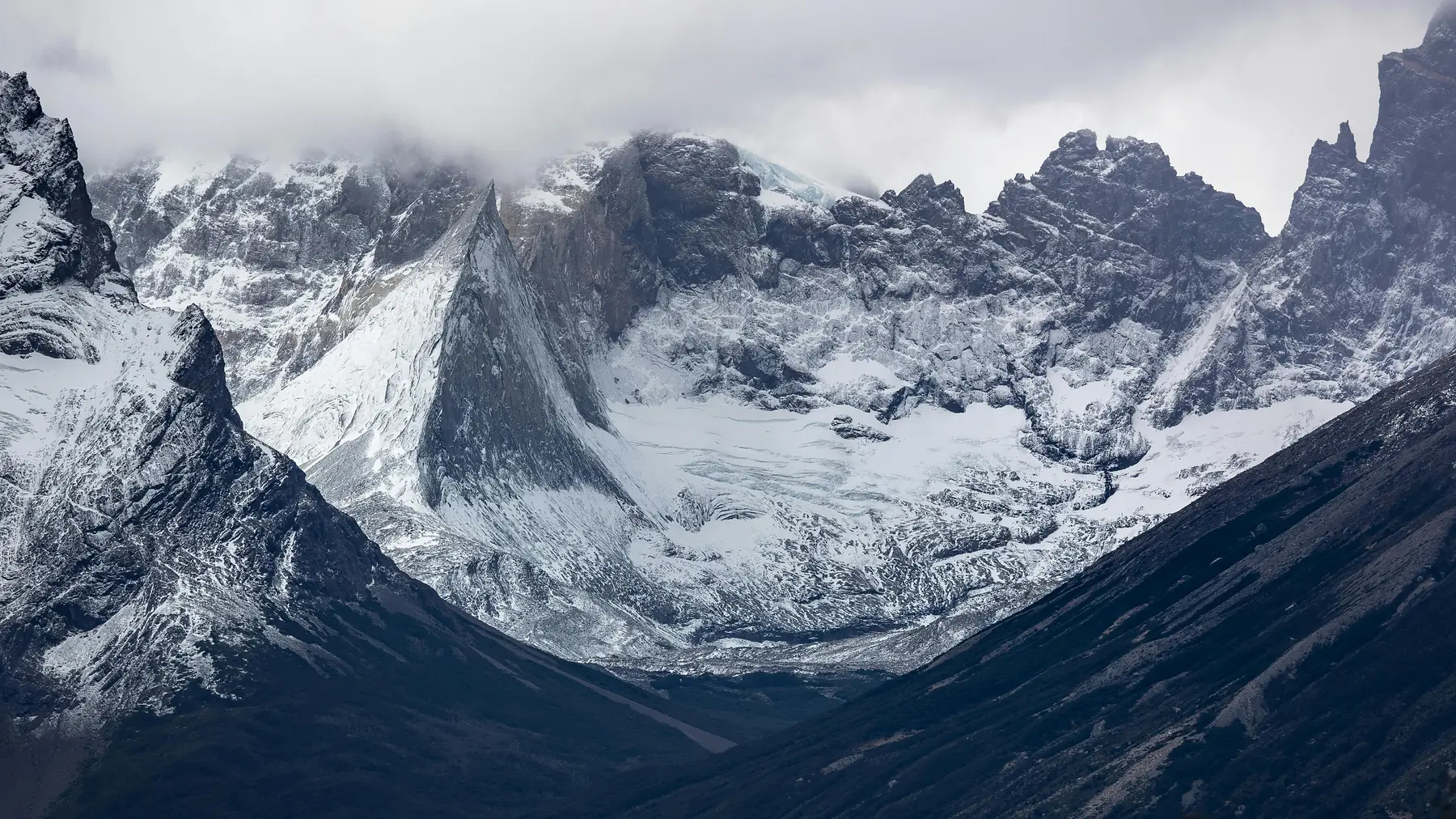
15 Best Things to Do in Torres del Paine: 2026 Guide
The best things to do in Torres del Paine for the 2026 season involve a mix of iconic day hikes like the Base of the Towers, wildlife tracking for Patagonian pumas, and boat navigations to the massive face of Glacier Grey. While the multi-day W and O treks often dominate the conversation, the park is a premier multi-sport destination where you can experience granite spires, calving glaciers, and turquoise lakes without ever carrying a 60-liter pack or sleeping in a tent.
Torres del Paine at a Glance
- Top Activity: Hiking to Mirador Base de las Torres
- Best for Wildlife: Puma tracking on the eastern steppe
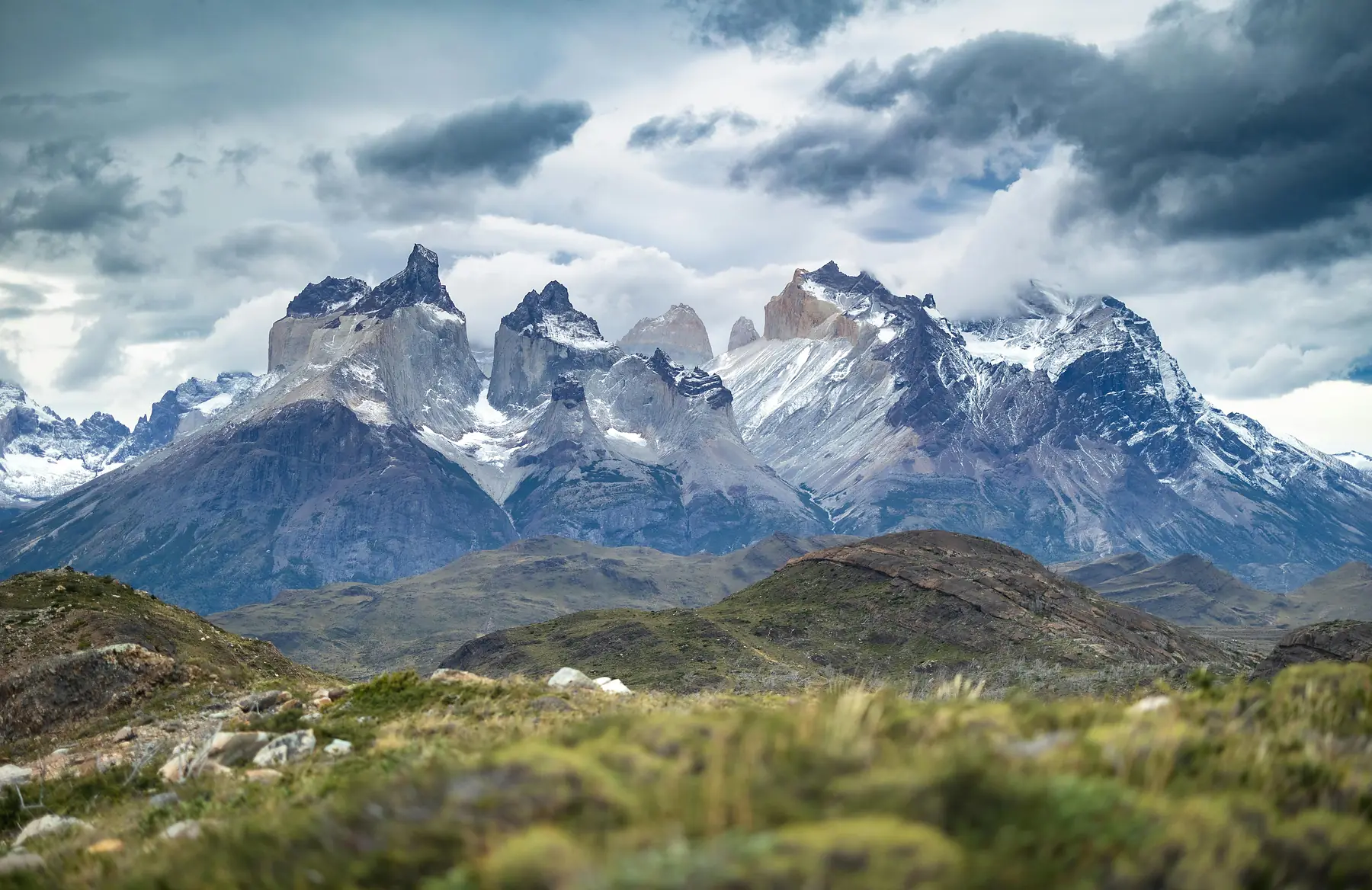
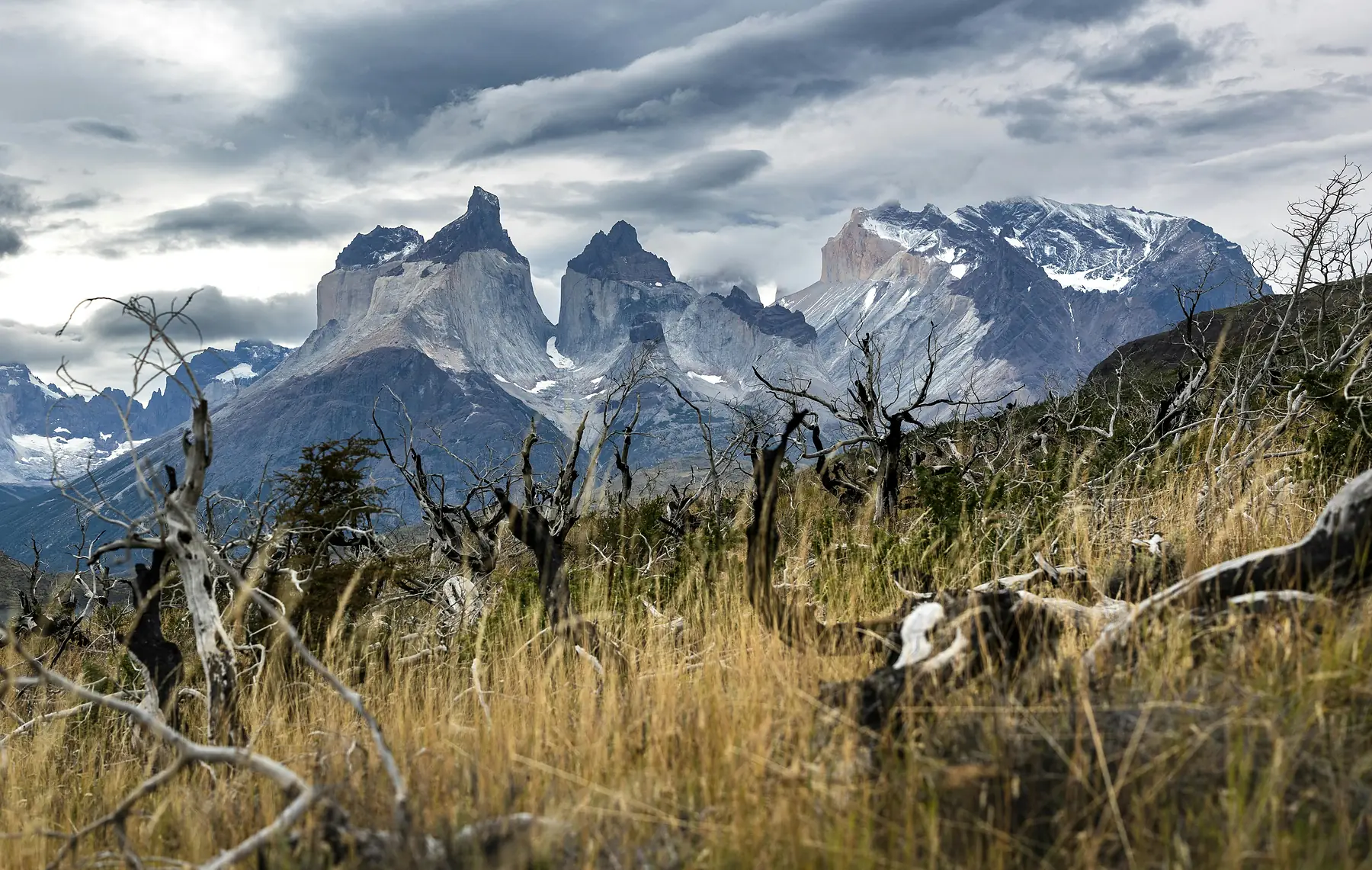
- Must-See Landmark: Los Cuernos (The Horns) from Lake Pehoé
- 2026 Entry Requirement: Pre-booked online tickets via the PasesParques portal
- Recommended Stay: 3 - 5 days to cover major highlights
For travelers who found that W Trek campsites were fully booked months in advance, do not be discouraged. The park’s most dramatic scenery is almost entirely accessible via day trips from Puerto Natales or by staying in one of the luxury lodges located inside the park boundaries. This guide covers the best ways to maximize your time in the 2026 season, from high-adrenaline ice hiking to quiet photography at the park’s most famous roadside lookouts.
The Best Day Hikes in Torres del Paine
Day hiking in Torres del Paine offers the park’s most iconic views without the logistical burden of a multi-day trek. For those based in Puerto Natales or park hotels, these trails provide the highest “scenic ROI” by focusing on the specific viewpoints that make the region world-famous.
The most sought-after trail is the Mirador Base de las Torres, a challenging 18-kilometer trek that leads to the base of the three granite towers. In 2026, it remains the park’s primary “bucket list” hike, but it requires significant physical effort and an early start to beat the midday crowds. If you are looking for a lower-effort alternative with equally dramatic views, the Cuernos Lookout (Mirador Cuernos) is a flat, two-hour walk starting near the Pudeto ranger station that offers panoramic views of the French Valley and Lake Nordenskjöld.
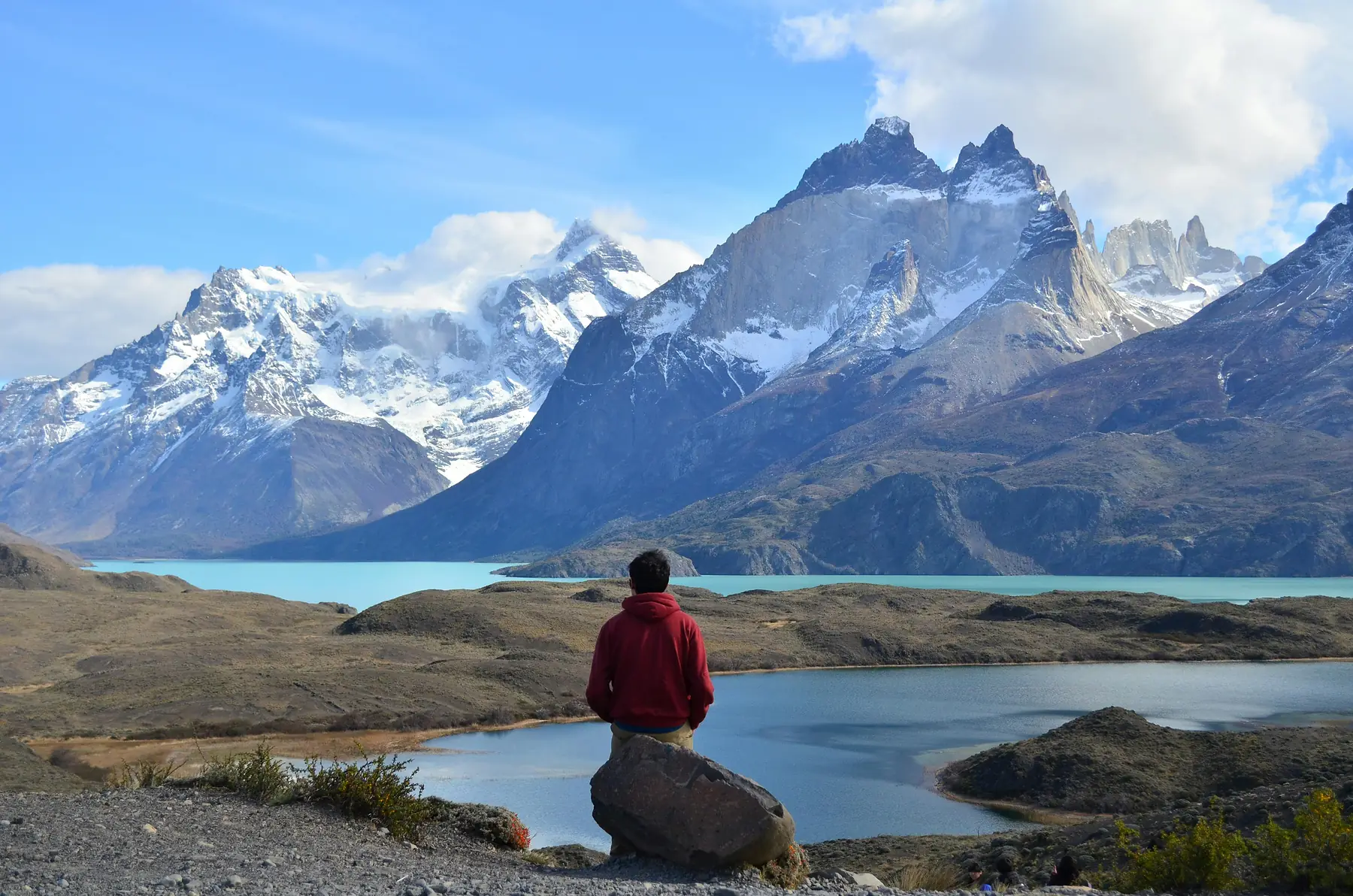
For those who want to escape the crowds, the Ferrier Viewpoint is a steep, wind-exposed climb that rewards hikers with a bird’s-eye view of the Southern Patagonian Ice Field and multiple glacial lakes. Conversely, families or those with limited mobility should head to Laguna Azul on the park’s eastern side. This area offers a stunning view of the towers from a distance with virtually no elevation gain, making it the best spot for a relaxed afternoon. Finally, no visit is complete without the short walk to Salto Grande, a powerful waterfall where the turquoise waters of Lake Nordenskjöld thunder into Lake Pehoé.
The shuttle bus from the Laguna Amarga park entrance to the Las Torres Hotel trailhead is essential for day-trippers. For the 2026 season, the shuttle costs 4,000 CLP (approx. $4.50 USD) per person each way. Ensure you have small denominations of Chilean Pesos, as the shuttle operates on a cash-only basis. Departures from Laguna Amarga typically align with the arrival of the main buses from Puerto Natales at 9:00 AM and 2:30 PM.
If you are planning to focus your trip on trekking, our dedicated hiking guide provides a much deeper look at trail conditions, difficulty ratings, and elevation profiles.
To see the full breakdown of every trail in the park, visit our comprehensive guide:
Glacier Grey Adventures: Boats, Kayaks, and Ice
Experiencing Glacier Grey is best done from the water or the ice itself, as the sheer scale of this 6-kilometer-wide glacier is difficult to grasp from the shore. As a major arm of the Southern Patagonian Ice Field, Glacier Grey provides the most accessible “ice experience” in the park for the 2026 season.
The most popular way to see the ice is the Grey III Navigation, a three-hour boat tour that sails right up to the glacier’s towering blue face. Passengers can watch for calving ice from the deck while enjoying a pisco sour chilled with ancient glacial ice. For a more intimate encounter, kayaking tours allow you to paddle through the “iceberg graveyard” in Lago Grey, where massive chunks of blue ice drift toward the shore. If you want to actually set foot on the glacier, ice hiking tours depart from the Refugio Grey area. These technical excursions provide crampons and ice axes, allowing you to explore crevasses and moulins with a professional guide.
- Physical Effort: Low (Boat) vs. Moderate (Kayak) vs. High (Ice Hike)
- Time Required: 3 hours vs. 2.5 hours vs. 5 hours
- Minimum Age: No limit (Boat) vs. 14 years (Kayak) vs. 15 years (Ice Hike)
- Cost (2026/27): ~$110 USD (Boat) vs. ~$145 USD (Kayak) vs. ~$230 USD (Ice Hike)
The Boat Tour is best for families and photographers, while Ice Hiking offers the most unique, high-adrenaline perspective for fit adventurers.
Choosing the right way to see the ice depends on your budget and your appetite for the elements. While the boat offers a warm cabin, the kayak and ice hiking tours will expose you to the park’s famous winds and spray.
If you are interested in booking one of these water-based excursions, you can find more details on our tours page:
Wildlife Tracking: Pumas, Guanacos, and Condors
Torres del Paine is arguably the best place in the world to see pumas in the wild, particularly along the eastern edge of the park where the mountains meet the steppe. Successful wildlife viewing in 2026 requires a mix of patience, the right timing, and, for certain species, a specialized guide.
Puma tracking has become a major draw for international photographers. These elusive cats are most active at dawn and dusk, often found hunting guanacos near the Laguna Amarga and Sarmiento sectors. While you can occasionally spot a puma from the road, hiring a specialist guide is mandatory for tracking them on private lands adjacent to the park, where sightings are much more frequent and safe. For most visitors, the park’s “Big Three” are easier to find: herds of guanacos are everywhere on the eastern plains, Andean Condors can be seen soaring near the “Condor Lookout” (Mirador Cóndor), and rheas (flightless birds similar to ostriches) often wander near the park entrances.
When observing wildlife, remember that the park’s ecosystem is fragile. Maintain a distance of at least 50 meters from guanacos and never attempt to approach a puma without a professional guide.
Do not attempt to track pumas alone off-trail. Not only is it dangerous, but park rangers strictly enforce stay-on-trail rules to protect the habitat. For a successful and ethical experience, always book through a certified outfitter.
For those serious about photography or seeing the park’s predators, our wildlife hub has more information on specialized tours:
Horseback Riding and Estancia Culture
To understand the soul of Patagonia, you must spend time with the “Baqueanos” (local cowboys) who have worked this land for generations. Horseback riding is not just a tourist activity here; it is the traditional mode of transport and a window into the region’s rugged ranching heritage.
Many of the best riding experiences take place on working sheep farms, or estancias, located just outside or on the edge of the park. Estancia Cerro Guido and Estancia Lazo offer authentic glimpses into rural life, complete with traditional “asados” (lamb barbecues). A highlight for riders is the trail from Estancia Lazo to the Sarmiento Lookout, a route that offers a perspective of the three towers and the Paine Massif that hikers on the main trails rarely see. These rides can range from two-hour introductory trots through the lenga forests to full-day expeditions that reach remote glacial lookouts.
The horses used by the baqueanos are typically “Criollo” mixes, known for their sure-footedness and calm temperament in the face of Patagonia’s intense winds. Even if you have never been on a horse, the local guides are experts at matching riders with the right mount for the terrain.
Photography and Scenic Viewpoints for Non-Hikers
You do not need to hike 20 kilometers to capture the most famous images of Torres del Paine. The park’s road network was designed to showcase the Massif, and many of the most iconic viewpoints are located within a five-minute walk of a parking area.
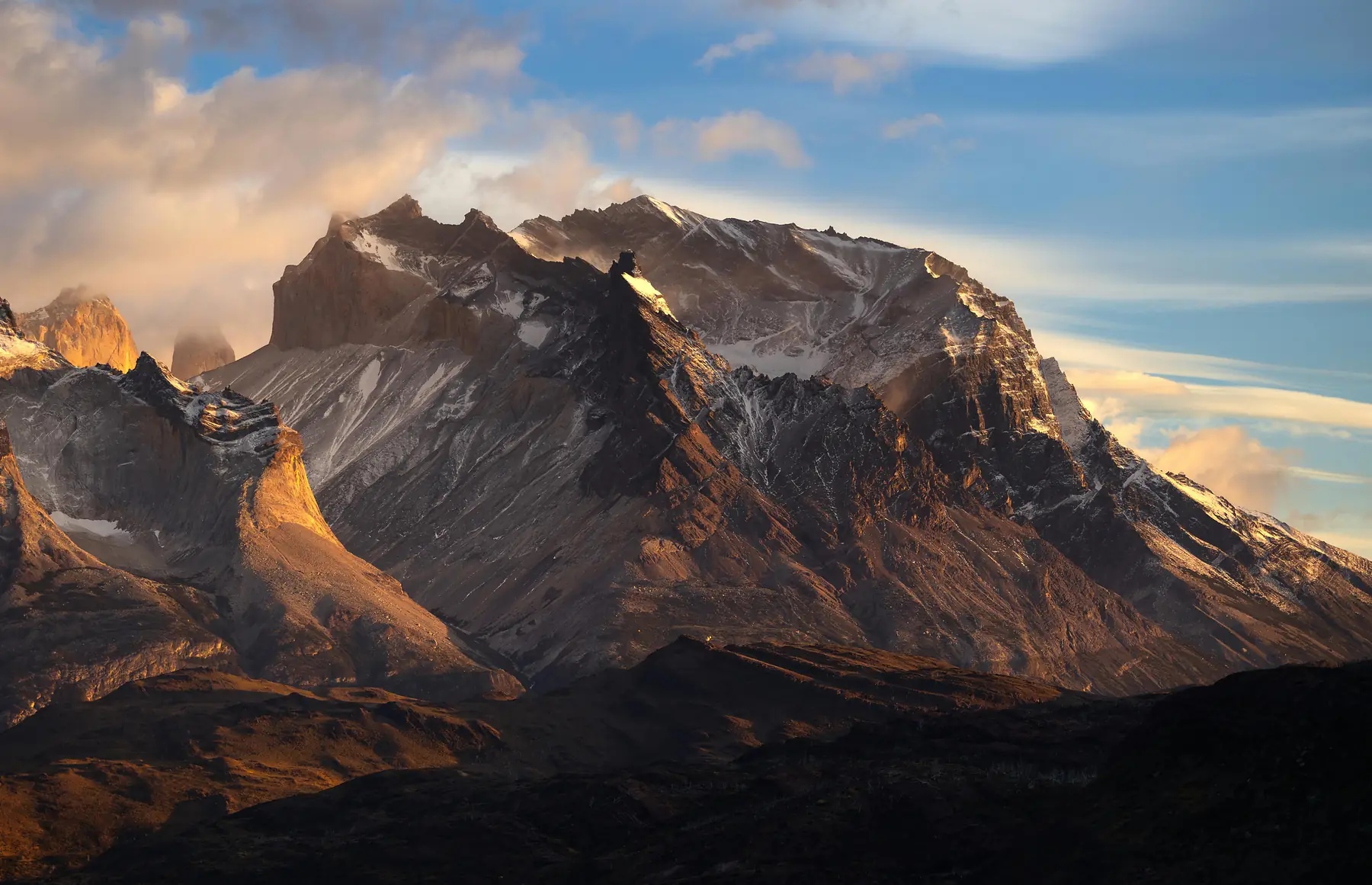
The “Full Paine” route is the classic driving circuit that hits the park’s greatest hits in a single day. Key stops include the Laguna Amarga entrance for the classic “towers over the water” shot and the Nordenskjöld Lookout, where the wind often whips the lake into whitecaps beneath the towering Cuernos. For the best sunset photography, head to the small bridge over the Rio Paine or the island where Hosteria Pehoé is located. The way the light hits the granite peaks during the “golden hour” is why professional photographers spend weeks in this specific corner of the park.
The Rio Paine Bridge
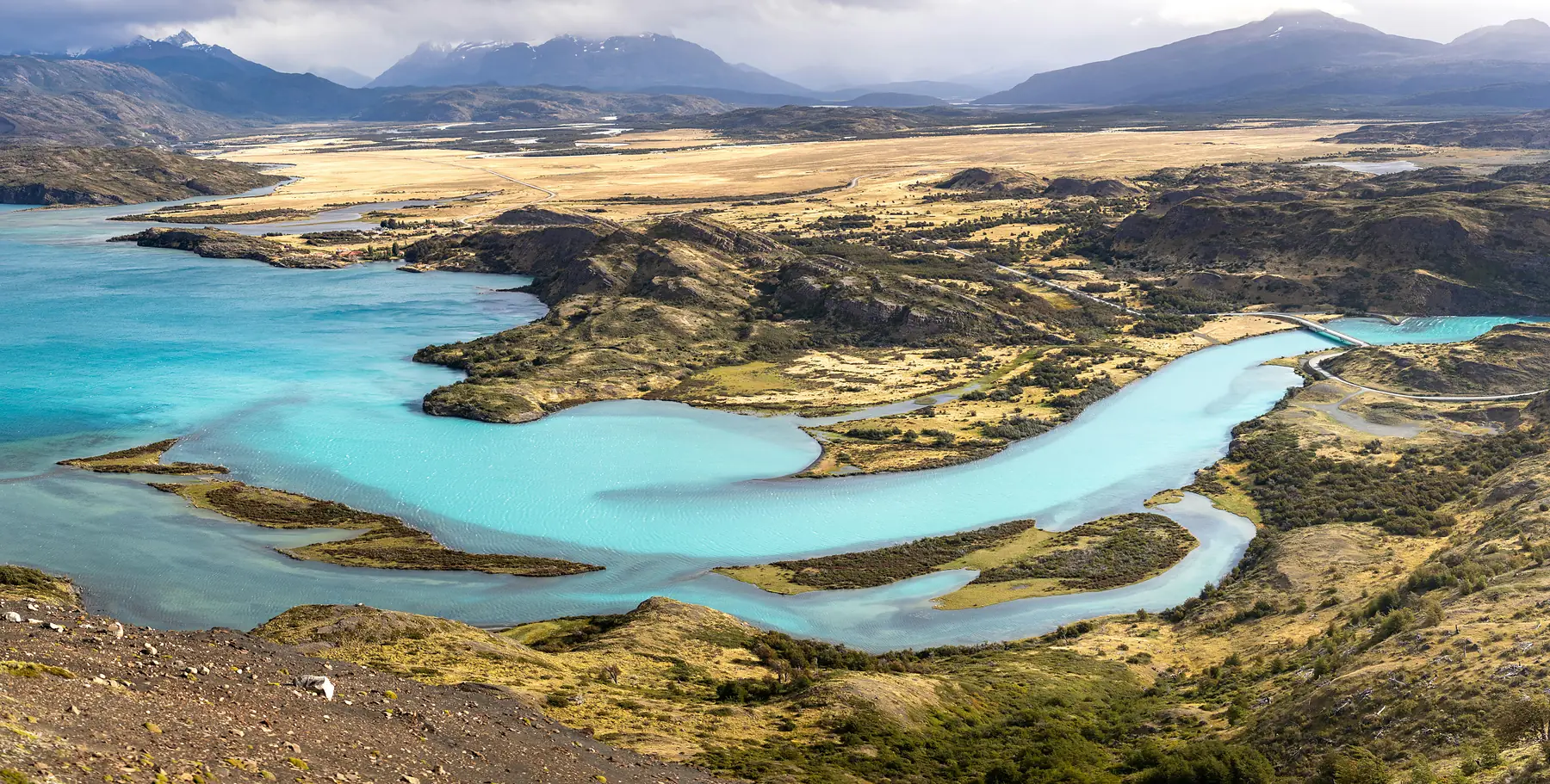
Stop at the bridge near the Serrano entrance (GPS: -51.225, -72.975) for a perfectly framed shot of the entire Massif reflecting in the river.
Nordenskjöld Lookout
Pull over at the designated bay on the Y-290 road (near the Salto Grande trailhead) to see the intense turquoise of the lake contrasted against the dark sedimentary “caps” of the Cuernos.
Lake Pehoé Sunset
Position yourself near the shores of Lake Pehoé or the Mirador Condor trailhead as the sun sets behind the mountains, turning the granite walls deep shades of orange and red.
Adventure Sports: Mountain Biking and Fly Fishing
For those who have already seen the main viewpoints and want a different way to engage with the landscape, Torres del Paine offers high-quality mountain biking and world-class fly fishing. These activities are more regulated than hiking, so planning ahead is essential.
Mountain biking is permitted in specific sectors to prevent erosion, primarily around Laguna Azul and the Rio Serrano area. These trails offer wide-open views and a faster pace than hiking, though you should be prepared for the challenge of pedaling against sustained head-winds. Fly fishing is another hidden gem, with the Rio Serrano and its tributaries hosting healthy populations of Chinook salmon and brown trout. The 2026/27 fishing season runs from mid-October to mid-April, and you must secure a Sernapesca permit (approx. $55 USD for foreigners for one month) before casting a line.
If you are looking for these more specialized adventures, it is best to coordinate with an outfitter in Puerto Natales who can provide the necessary gear and permits.
To find operators who specialize in these niche activities, see our day tours breakdown:
Practical Logistics for Day-Trippers
Executing a successful day trip to Torres del Paine requires understanding the 2026 entry systems and transport timelines. Because the park is roughly two hours from the nearest town, Puerto Natales, your logistics will determine how much of the “things to do” list you actually complete.
The most important requirement for 2026 is the mandatory online ticket purchase via PasesParques.cl. You can no longer buy entrance tickets at the park gates. For the 2026/27 season, foreign visitors must choose between a 3-day pass ($35 USD) or a pass for more than 3 days ($49 USD). These must be presented as a QR code (digital or printed) at the ranger station. If you are driving a rental car, aim to arrive at the park gates by 7:30 AM to beat the large tour buses and secure parking at popular trailheads like Las Torres or Pudeto.
If you are visiting for just one day and want to see as much as possible, a “Full Paine” guided tour is often more efficient than a rental car. Guides know exactly where the wildlife is that morning and can navigate the park’s gravel roads safely, allowing you to focus on the views.
While this page focuses on activities, your choice of where to stay will heavily influence your experience. Staying inside the park allows for sunrise photography and early trail starts, while Puerto Natales offers more dining options and lower costs.
For a full breakdown of how to get to the park and move between these activities, check our transport guide:
FAQ
QUESTION: What are the best things to do in Torres del Paine if I’m not hiking? ANSWER: You can take a boat tour to Grey Glacier, go puma tracking with a professional guide, enjoy a photography tour of the park’s scenic lookouts, or go horseback riding with local baqueanos. These activities offer spectacular views of the park’s highlights with minimal physical exertion.
QUESTION: Can I see the highlights of Torres del Paine in one day? ANSWER: Yes, a “Full Paine” tour from Puerto Natales covers the major viewpoints, including Salto Grande, Lake Pehoé, and the Cuernos lookout, in approximately 10 - 12 hours. It is the most efficient way to see the park’s geography if you are short on time.
QUESTION: Is the hike to the Base of the Towers in Torres del Paine too hard for beginners? ANSWER: It is a demanding 18km (11-mile) round-trip hike with a steep final ascent over boulders; while doable for fit beginners, it requires 8 - 10 hours of strenuous effort. Proper footwear and trekking poles are highly recommended for the final rocky section.
QUESTION: Do I need a guide for activities in Torres del Paine? ANSWER: While hiking the main trails is safe for independent travelers, activities like puma tracking, kayaking, and ice hiking require a certified guide for safety and success. Park regulations often mandate guides for technical activities to protect both visitors and the environment.
QUESTION: Can I go kayaking in Torres del Paine? ANSWER: Yes, kayaking is a popular activity on Grey Lake and the Serrano River, offering unique views of the Southern Patagonian Ice Field and floating icebergs. These tours usually include all necessary cold-weather gear and depart from near Refugio Grey or Rio Serrano.
QUESTION: What wildlife can I see in Torres del Paine? ANSWER: Visitors commonly see guanacos, Andean condors, and rheas; with a specialized guide, you can also track the elusive Patagonian puma. The eastern side of the park is the most productive area for wildlife spotting due to its open terrain.