

When to Book Patagonia: 2026/27 Planning Timeline
Don't miss out on top stays and trails. Map out your trip booking window with our definitive planning checklist and reservation timeline.
To secure your preferred trekking dates and the best accommodation in Patagonia, you should begin booking your trip 9 to 12 months in advance. While some elements can be finalized closer to your departure, the region’s limited infrastructure and short summer season create a “bottleneck” effect that rewards early planners and penalizes those who wait.
Planning a trip to the southern tip of the Andes is a logistical puzzle where the order of operations matters as much as the timing itself. You cannot simply book a flight and hope for the best; in Patagonia, you must secure your “anchor” dates—usually a multi-day trek or a remote lodge—before committing to international airfare. This guide provides a chronological framework to move you from the dreaming phase to a confirmed itinerary for the 2026/27 season.
Before diving into the timeline, it is important to distinguish between when you should visit and when you should actually pull the trigger on reservations.
- Focus: Weather, wildlife, and trail conditions. (When to Go)
- Focus: Availability, pricing, and permit windows. (When to Book)
- Peak: December to February (warmest, busiest). (When to Go)
- Peak: Book 10-12 months out. (When to Book)
- Shoulder: October/November and March/April. (When to Go)
- Shoulder: Book 6-9 months out. (When to Book)
- Primary Concern: Is the weather good for hiking? (When to Go)
- Primary Concern: Is there a bed or campsite available? (When to Book)
Decide your 'When to Go' first, then use this timeline to work backward from your target dates.
For a deep dive into weather patterns, wind speeds, and seasonal highlights, see our guide on the best time to visit Patagonia.
The Patagonia Booking Mental Model
The most common mistake travelers make is booking flights before securing their park accommodation. In Patagonia, the primary constraint is not transport, but the fixed capacity of the national parks. Whether you are eyeing a bunk in a mountain refugio or a suite in a luxury eco-lodge, these beds are the finite resource that dictates your entire schedule.
Think of your trip as a sequence of dependencies. The “anchors”—the W Trek, the O Circuit, or high-end lodges like EcoCamp—must be secured first. Once these dates are locked, you can build the rest of your trip around them, including domestic flights, car rentals, and gateway city stays. If you flip this order, you may find yourself with a flight to Puerto Natales but no place to sleep within Torres del Paine National Park.
The booking window also shifts depending on your tolerance for crowds and cost. If you are aiming for the peak window between Christmas and late January, the 12-month rule is non-negotiable. If you are targeting the shoulder seasons of October or April, you can often find flexibility 6 months out, though the most popular trail-side accommodations will still be competitive.

12+ Months Out: The Dream & High-Demand Phase
Booking a full year in advance is necessary for the “bucket list” items that have no viable alternatives. This phase is about securing the rare and the remote. If your heart is set on being in the mountains for Christmas or New Year, you are competing with global demand for a very small number of beds.
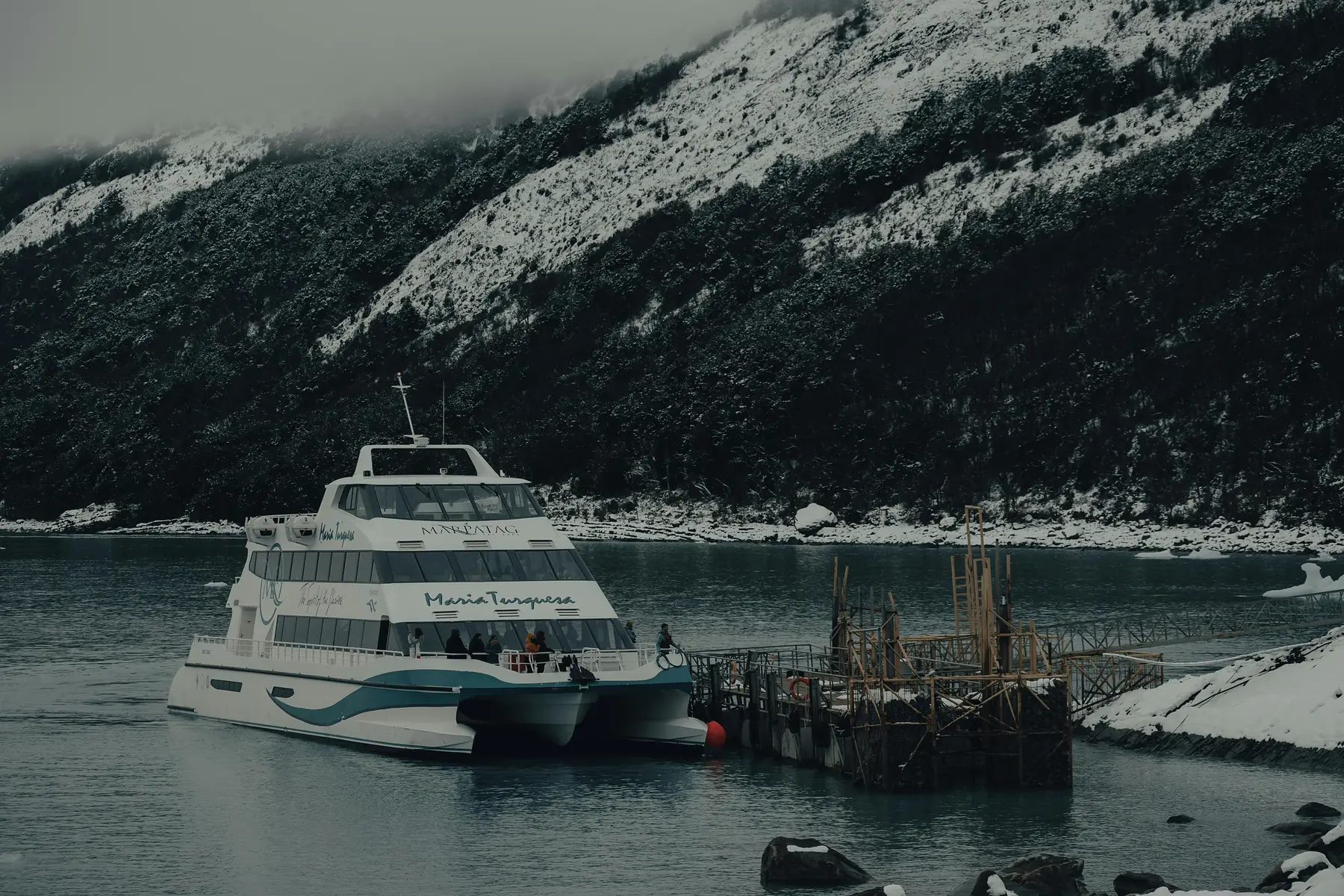
Boutique experiences, such as the Australis Cruises that navigate the fjords of Tierra del Fuego, often release their itineraries 12 to 18 months in advance. Because these vessels carry fewer than 200 passengers and operate on fixed weekly schedules, the most desirable cabins and peak-season dates vanish early. Similarly, specialized photography workshops or puma-tracking tours in Torres del Paine often have permits limited to just a few groups per week, requiring a massive lead time.
To learn more about navigating the southern fjords and glaciers by ship, explore our detailed breakdown of boutique cruising.
9-10 Months Out: The Critical Anchor (W Trek & Refugios)
For the majority of travelers, the 9-10 month mark is the most stressful and important window. This is when the “anchor” of your trip—the W Trek or O Circuit—is typically decided. You cannot move forward with regional logistics until you know exactly which nights you will be on the trail.
The two main operators in Torres del Paine, Las Torres and Vertice, usually open their booking systems between April and June for the following season (which runs from October to April). This means if you want to hike in January 2027, you need to be ready to book as early as April or May 2026. These systems are notorious for high traffic and occasional technical glitches during the first 48 hours of opening.
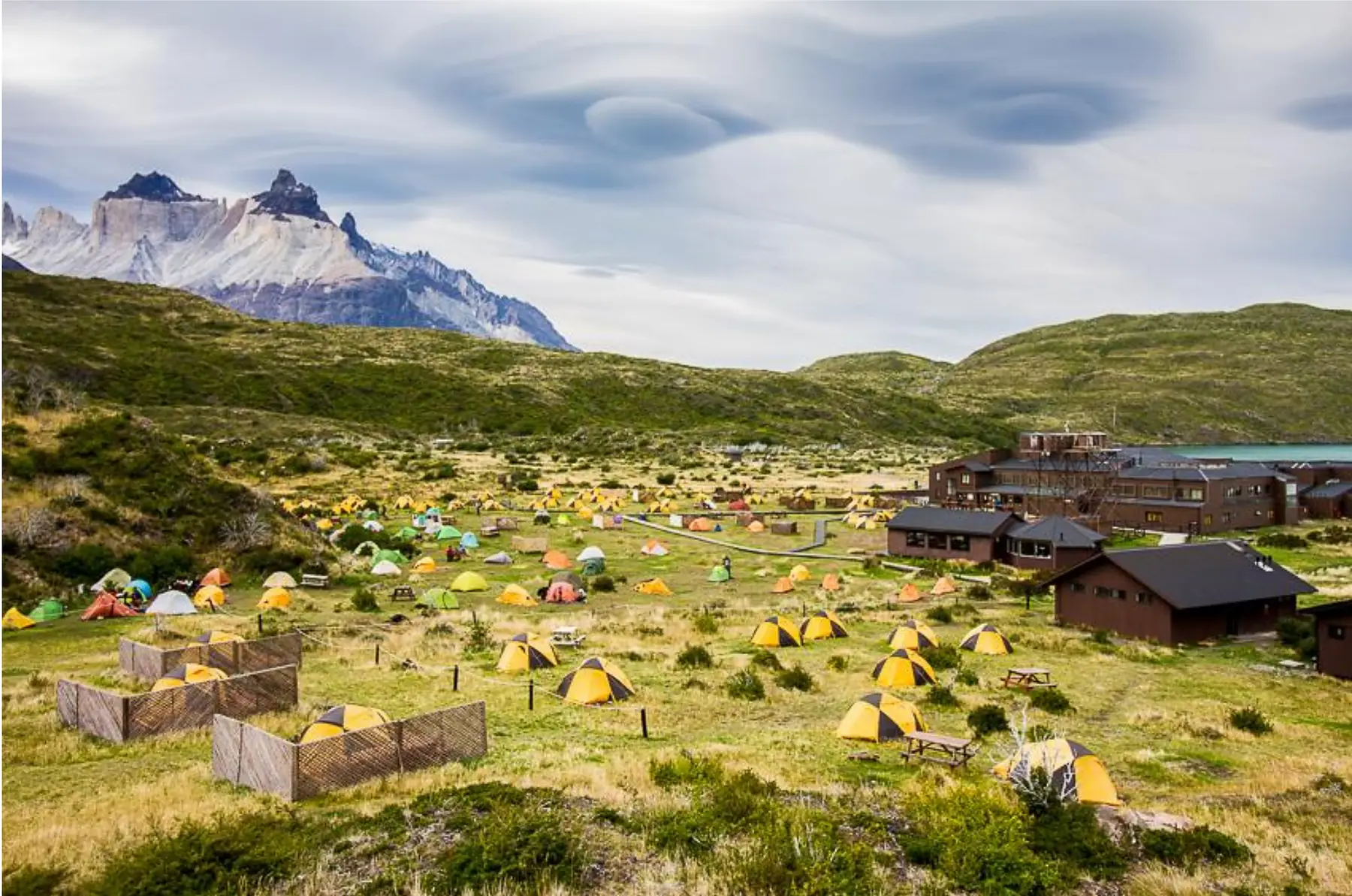
Securing a campsite is generally easier than securing a bunk in a refugio, but even then, the most popular sites like Refugio Chileno or Refugio Grey fill up months in advance. If you miss this window, you may be forced to hike the trail in an illogical order or rely on expensive last-minute cancellations.
For the specific dates the booking engines are expected to open for the 2026/27 season, refer to our dedicated W Trek booking timeline. If you are ready to navigate the reservation platforms now, see our step-by-step guide on how to book the W Trek.
6-7 Months Out: Flights and Regional Logistics
Once your park accommodation is confirmed, your next priority is transport. The 6-7 month window is the sweet spot for balancing price and availability for both international and domestic flights.
International flights to Santiago (SCL) or Buenos Aires (EZE) should be monitored for price drops starting at this stage. However, it is the domestic legs—the flights from Santiago to Puerto Natales or Punta Arenas—that require urgent attention. Airlines like LATAM and Sky Airline operate these routes with limited frequency. As the planes fill up, the prices for the remaining seats do not just rise; they often triple.
Car rentals also become a factor here. If you plan to drive the Carretera Austral or need an automatic 4x4 in El Calafate, you are dealing with a very limited fleet.
For a deeper dive into timing your airfare purchases to save on regional costs, visit our guide on when to book flights. If you are planning a road trip, see our advice on Patagonia car rentals.

3-5 Months Out: Filling the Gaps
With your anchors and flights secured, the 3-5 month window is for finalizing the secondary details that make the trip seamless. This includes gateway city hotels, day tours, and inter-city bus transfers.
Gateway cities like Puerto Natales and El Calafate have a much higher hotel capacity than the national parks, but the best-value mid-range boutique hotels still fill up. This is also the time to book high-demand day activities, such as the “Big Ice” trek on the Perito Moreno Glacier, which has a strict age limit of 18 to 50 years old and small group sizes.
Secondary Booking Windows
- Gateway Hotels: 4-5 months out for the best boutique options.
- Glacier Trekking: 3-4 months out for Perito Moreno “Big Ice” tours (Ages 18-50).
- Bus Transfers: 3-6 months out for major routes like Bus-Sur (tickets often released 180+ days in advance).
- Estancia Visits: 2-4 months out for overnight stays or traditional asados.
Bus transfers between major hubs, such as the route from El Calafate to Puerto Natales, are essential for cross-border trips. While you can often find seats a few weeks out, booking 3 months in advance ensures you get your preferred departure time, which is critical if you have a tight connection to a park shuttle.
For a curated list of where to stay in the gateway cities, see our Patagonia accommodation guide.

Last-Minute Planning: What’s Possible 1-2 Months Out?
If you are reading this and your trip is only 8 weeks away, do not panic, but do prepare to be flexible. Planning a last-minute Patagonia trip is a game of “triage.” You will likely find that the W Trek refugios are fully booked, and car rental prices are at their peak.
The best strategy for late-comers is to pivot away from the most famous “bottlenecks.” Instead of fighting for a bed in Torres del Paine, consider exploring the Aysén region or Northern Patagonia, where the crowds are thinner and the booking windows are more forgiving. Alternatively, you can base yourself in Puerto Natales and take full-day tours into the park, though this involves 4-5 hours of commuting each day.
Another “hacker” strategy is the 60-day cancellation window. Many tour operators and refugios have a 60-day or 30-day full-refund policy. If you check the booking engines daily exactly 61 days before your target date, you can often snag a spot from someone who just cancelled.
For a full “rescue” strategy for late planners, including alternative routes and cancellation-hunting tips, see our guide to last-minute Patagonia planning.

The Ultimate Patagonia Booking Checklist (Chronological)
Use this checklist as your master schedule to ensure no deadline passes you by.
12 Months Out: The Foundation
Define your budget and identify your “must-do” experiences. If you want a boutique cruise or a Christmas-week stay at a luxury lodge, book it now.
9-10 Months Out: The Anchor
Secure your W Trek or O Circuit reservations the moment the booking engines open (typically April-June). Do not book anything else until these dates are confirmed.
6-7 Months Out: Transport
Book your international flights and domestic regional connections. Reserve your 4x4 vehicle if you plan on driving the Carretera Austral or exploring remote areas.
3-5 Months Out: The Details
Book your hotels in Puerto Natales, El Calafate, and Ushuaia. Secure spots on high-demand day tours like Perito Moreno trekking or puma-tracking.
2 Months Out: Logistics & Gear
Purchase your bus tickets (e.g., Bus-Sur) and finalize your gear list. As of the 2026/27 season, ensure you have purchased your park entry ticket at pasesparques.cl (CLP 48,500 for a multi-day pass, CLP 32,400 for a day pass).

QUESTION: How far in advance should I book my Patagonia trip for the peak season?
ANSWER: For travel in December or January, you should book refugios as soon as operator booking windows open (typically March–June for the following season). Luxury lodges should be booked 9 to 12 months out. The most popular refugios fill up within weeks of going on sale.
QUESTION: When do Patagonia W Trek bookings open for the 2026/27 season?
ANSWER: For the 2026/27 season, major operators (Las Torres and Vertice) are expected to open their booking systems between April and June 2026. You should monitor their official websites or our W Trek timeline page starting in March to catch the exact opening date.
QUESTION: Can I book a Patagonia trip last minute?
ANSWER: While possible, last-minute Patagonia trips often require staying outside the national parks and taking day trips, or choosing less-crowded regions like Aysén instead of Torres del Paine. You may also need to rely on checking for cancellations within the 30-60 day window before your trip.
QUESTION: When is the best time to book flights to Patagonia?
ANSWER: You should book international flights to Santiago or Buenos Aires 6-7 months out, and domestic flights to Patagonia hubs as soon as your park accommodation is confirmed. Domestic prices spike significantly as the limited seats on regional planes are filled.
QUESTION: Do I need to book car rentals in Patagonia in advance?
ANSWER: Yes, 4x4 vehicles and automatic transmissions are in limited supply in Patagonia; booking at least 6 months in advance is recommended for the best selection and price. Manual transmission cars are more common but still sell out during the peak summer months.
QUESTION: Is it necessary to book Patagonia bus transfers ahead of time?
ANSWER: During the peak summer months, popular bus routes between El Calafate and Puerto Natales can sell out. For the 2026/27 season, major operators like Bus-Sur often release tickets up to 6 months in advance; booking at least 2-3 months out is advised to secure preferred departure times.