
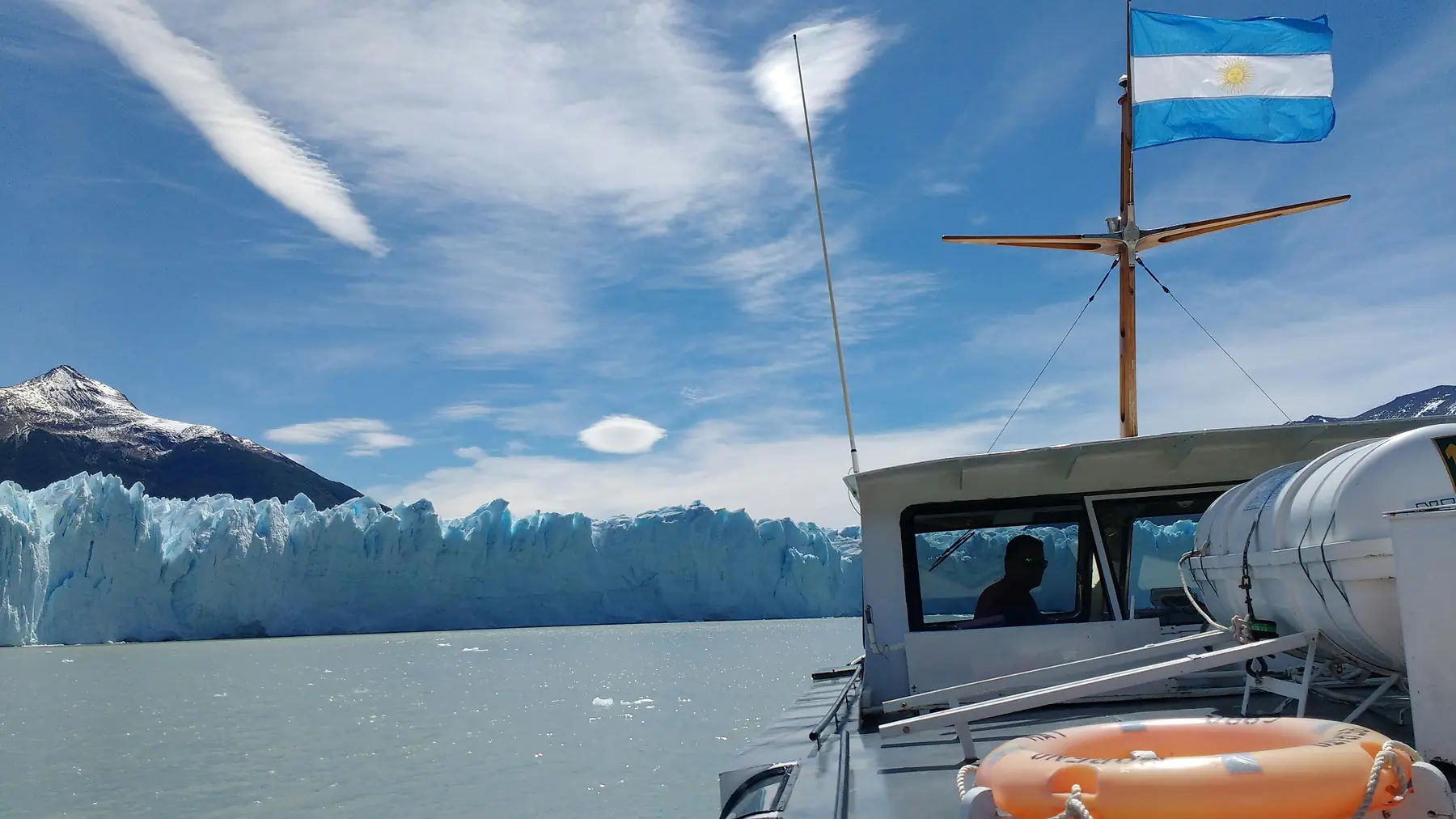
El Calafate
Argentina's glacier capital — gateway to Perito Moreno, Lago Argentino, and the Southern Patagonian Ice Field.
El Calafate Guide: Gateway to Perito Moreno (2026/27)
El Calafate is the undisputed glacier capital of Argentina and the essential base for exploring the frozen landscapes of Los Glaciares National Park. Located on the southern shore of Lago Argentino, this town serves as the primary gateway to the Perito Moreno Glacier, one of the most dynamic and visually spectacular glaciers on Earth and a cornerstone of any Patagonian itinerary.
While the town itself is a bustling service hub designed for travelers, its true value lies in its proximity to the ice. From here, you can transition from a boutique hotel in the morning to trekking across an ancient ice field by noon. Whether you are using it as a launchpad for the hiking trails of El Chaltén or as a final stop before crossing into Chile, El Calafate provides the infrastructure and access required to experience the scale of the Southern Patagonian Ice Field.
El Calafate At A Glance
- Primary Draw Perito Moreno Glacier and Lago Argentino
- Location Santa Cruz Province, Argentina (Southern Patagonia)
- Best Time to Visit October to April for glacier trekking
- Recommended Stay 3 to 4 days
- Main Airport Comandante Armando Tola International Airport (FTE)
- Top Dish Cordero Patagónico (Patagonian Lamb)
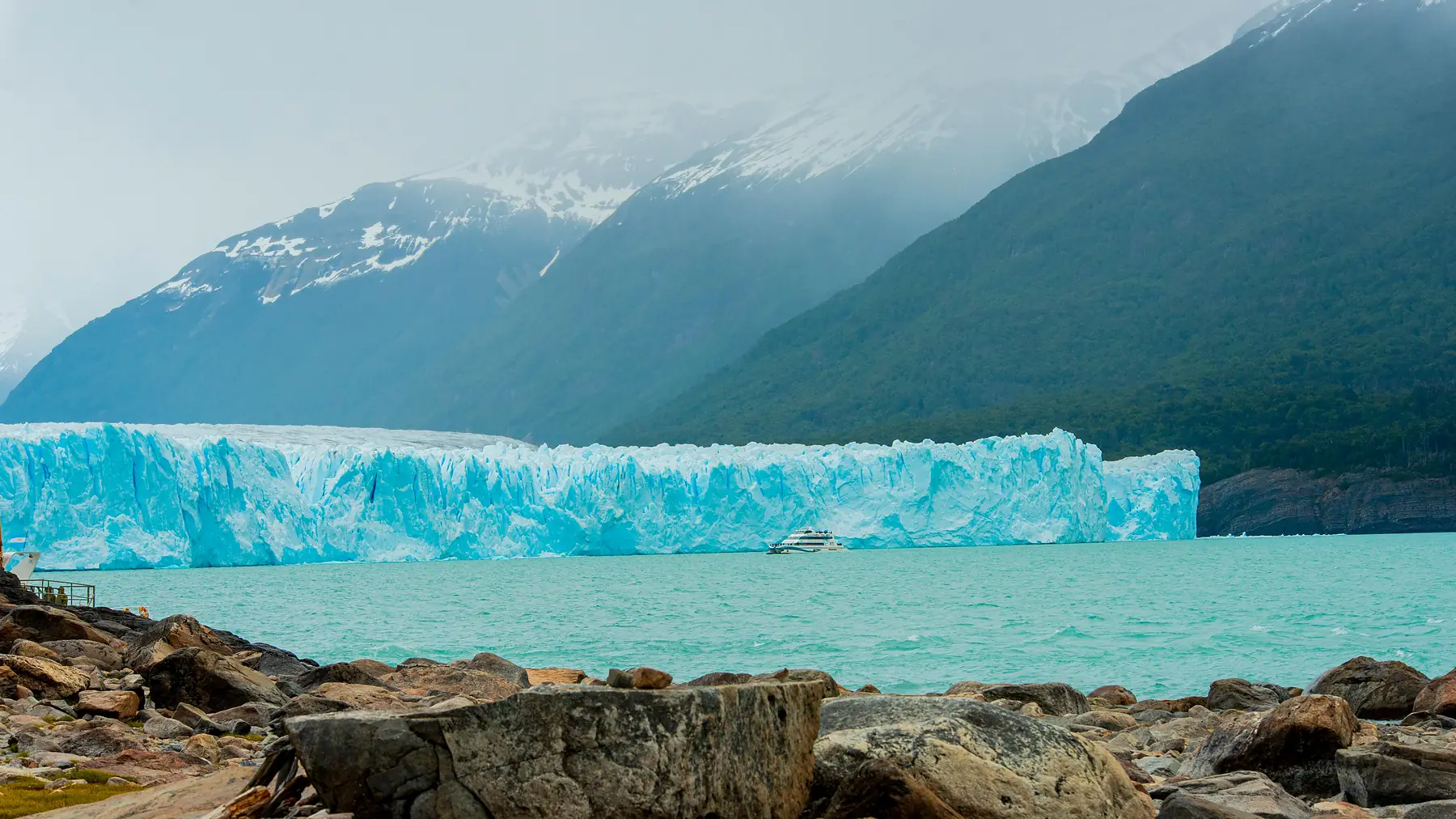
Tours & Excursions
Compare glacier boat tours, ice trekking options, and estancia day trips.
Read Guide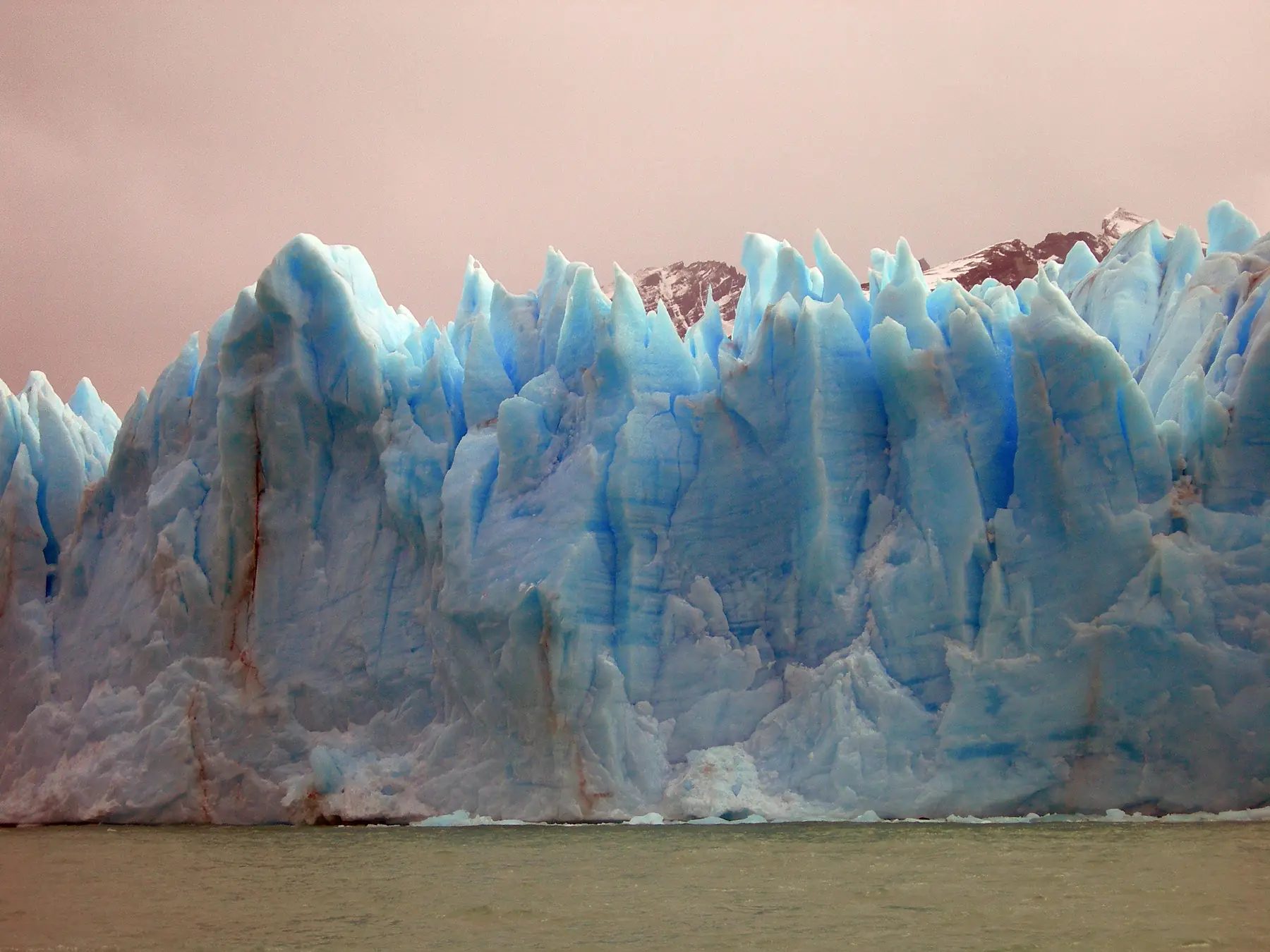
Accommodation
From budget hostels and boutique hotels to remote glacier-view estancias.
Read Guide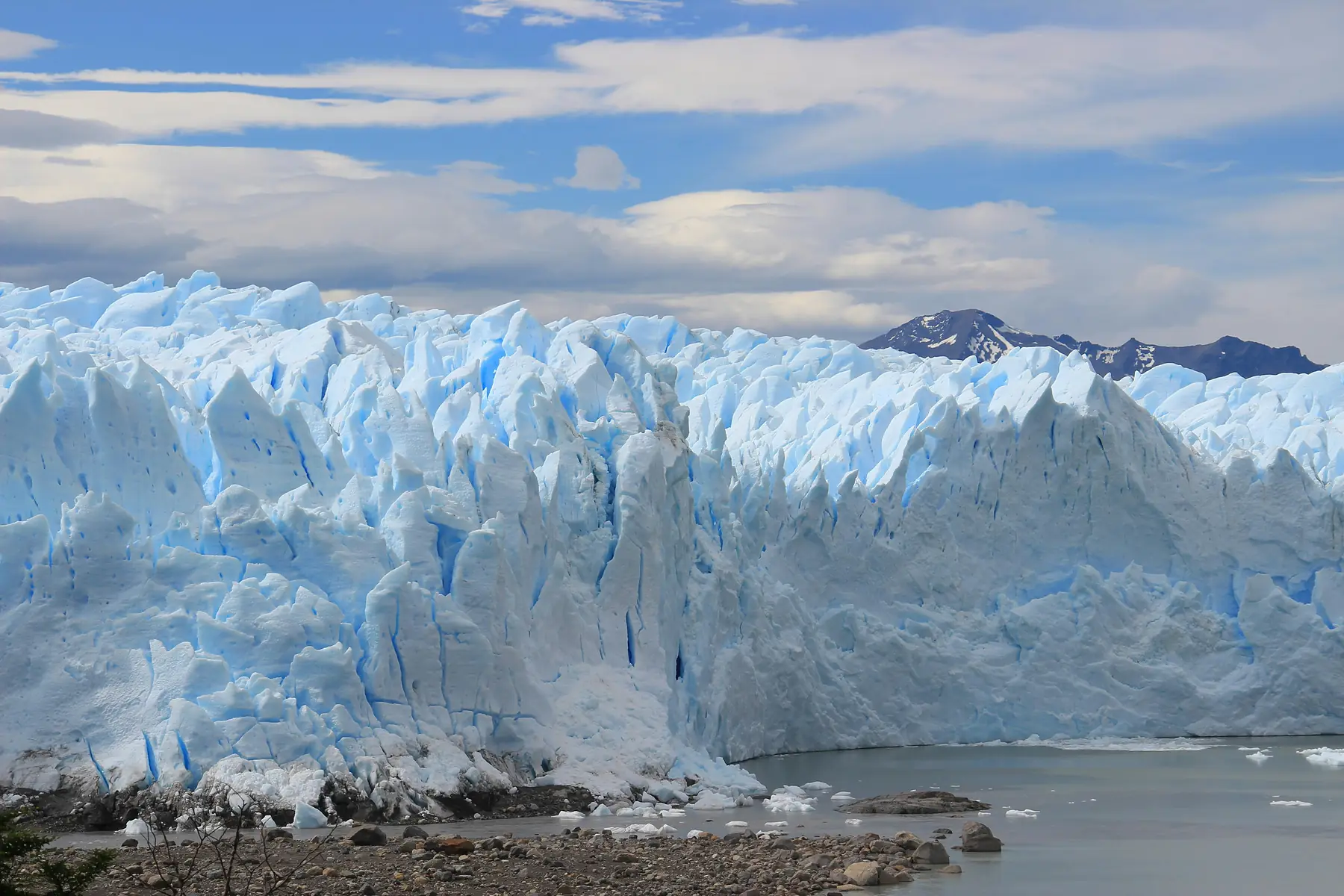
Dining & Food
Where to find the best Patagonian lamb and local craft beer in town.
Read Guide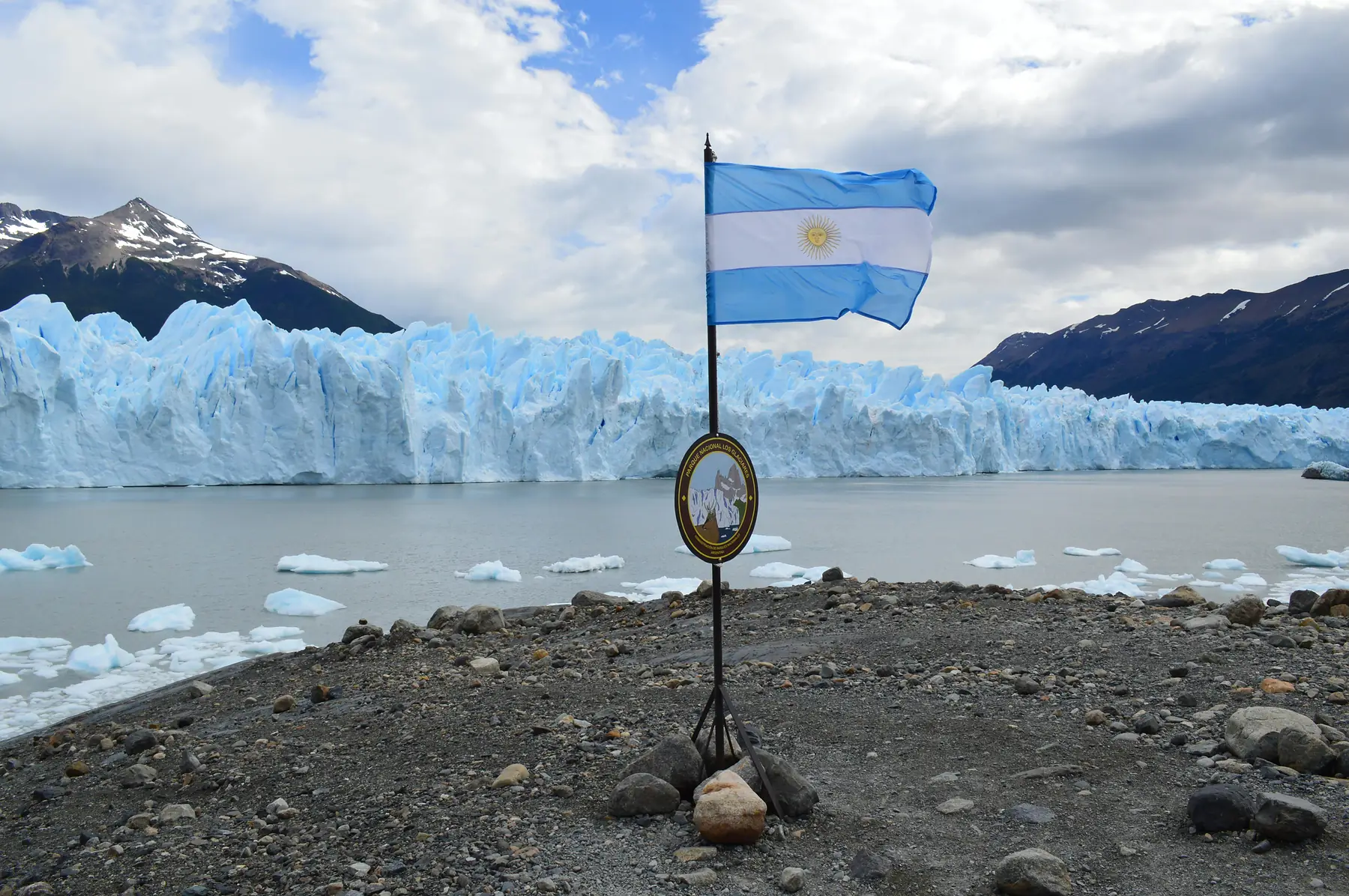
Weather & Seasonality
Month-by-month conditions and the best time to visit the glacier capital.
Read Guide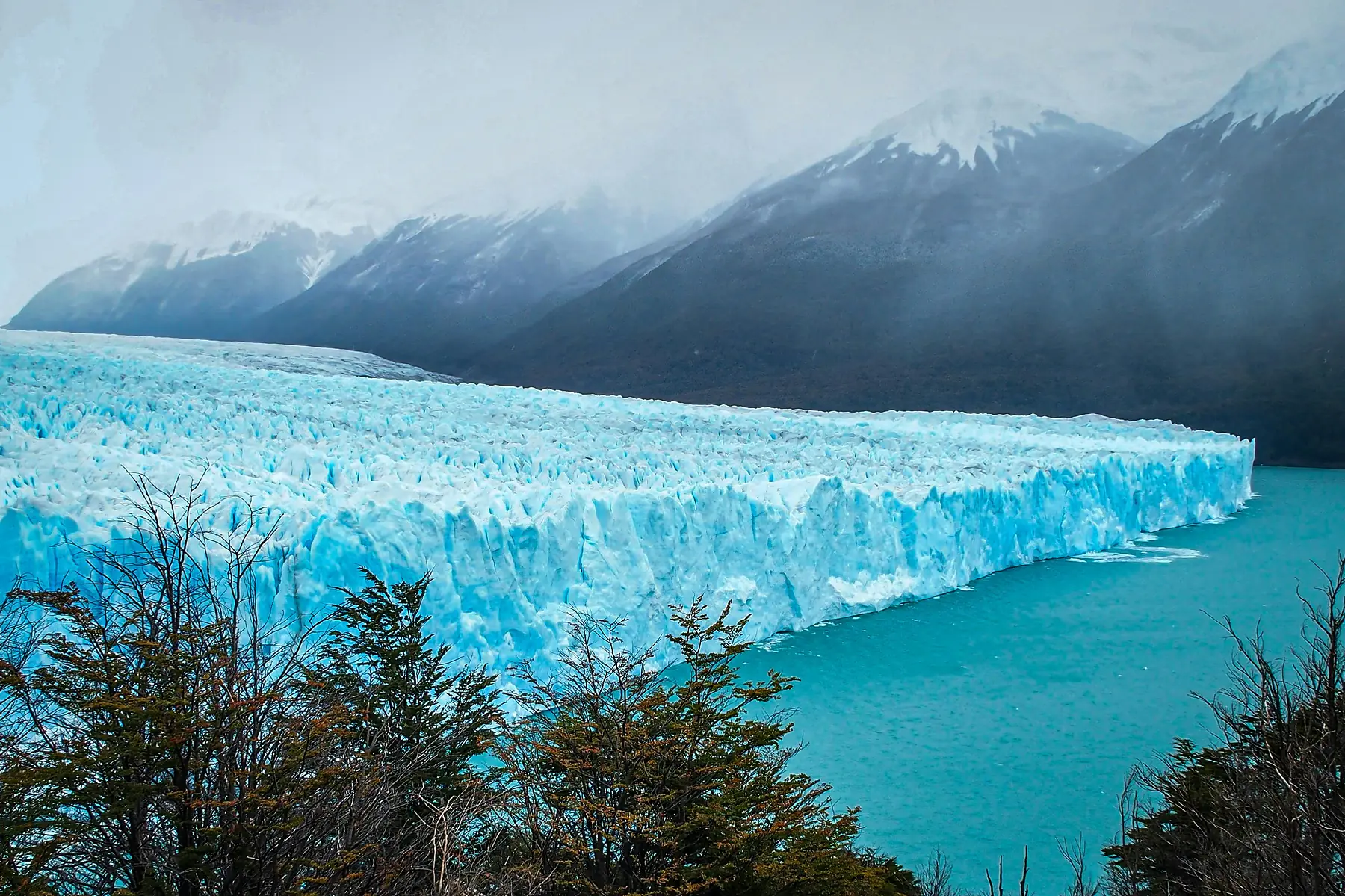
Transport Guide
Flights, buses, and airport transfers for getting to and around El Calafate.
Read Guide
Things to Do
Laguna Nimez, the Glaciarium, Walichu Caves, and local hiking trails.
Read GuideWhy El Calafate is the Gateway to Argentine Patagonia
El Calafate is the strategic heart of southern Argentina, functioning as the central node that connects the jagged spires of El Chaltén with the granite towers of Torres del Paine. It is a town built on the edge of the high desert steppe, offering a high-end contrast to the rugged wilderness that surrounds it.
Travelers visit El Calafate because it provides the most reliable access to the ice. As the gateway to a UNESCO World Heritage site (Los Glaciares National Park), the town has evolved from a remote sheep-trading outpost into a sophisticated destination with reliable Wi-Fi, diverse dining, and a wide range of transport links. While it is more expensive than northern Patagonian towns, it is an essential stop for anyone wanting to witness the calving of ancient ice into the turquoise waters of Lago Argentino.
To decide if this hub fits your travel style, explore our full assessment of the region.
Seeing the Perito Moreno Glacier
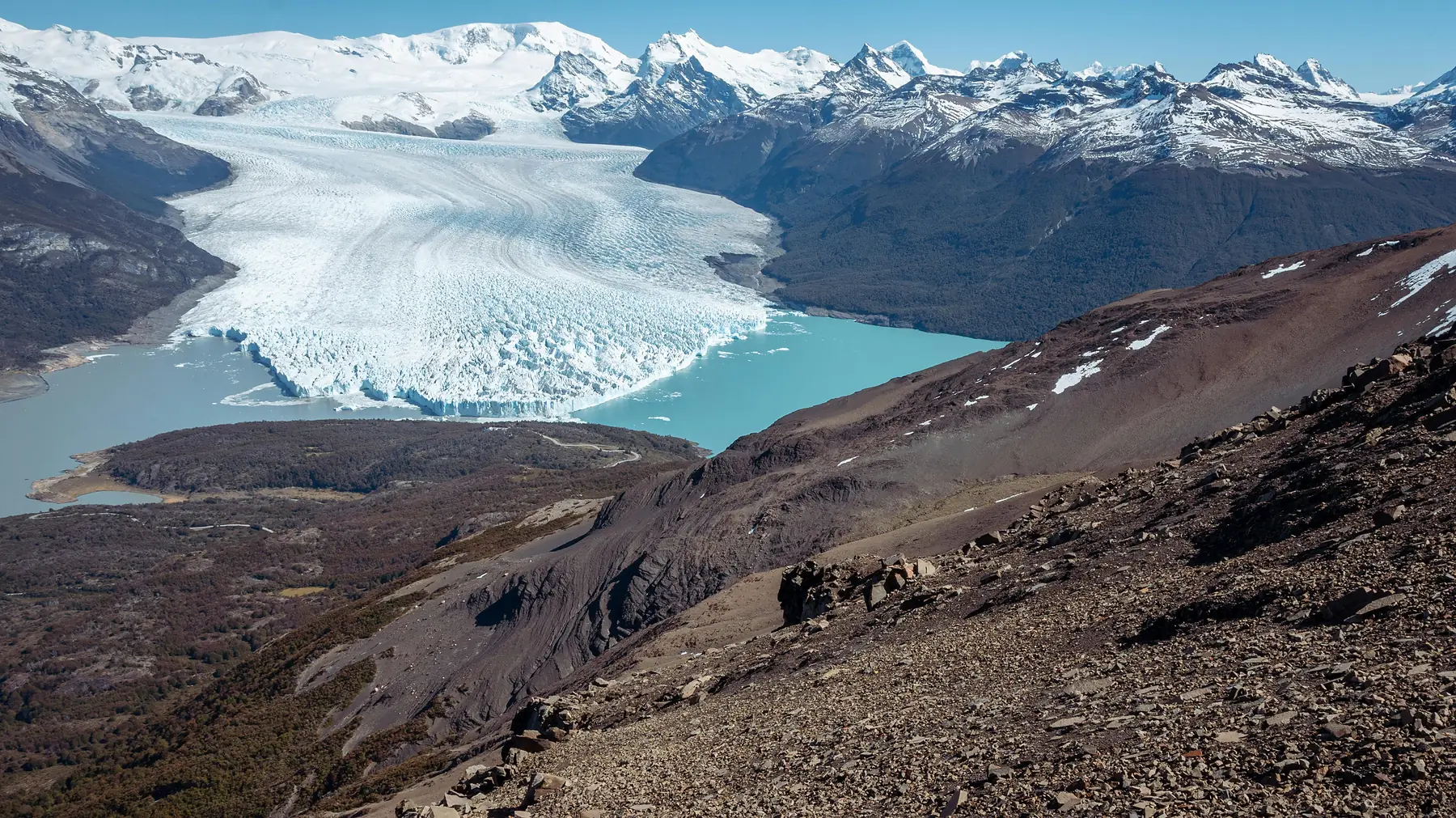
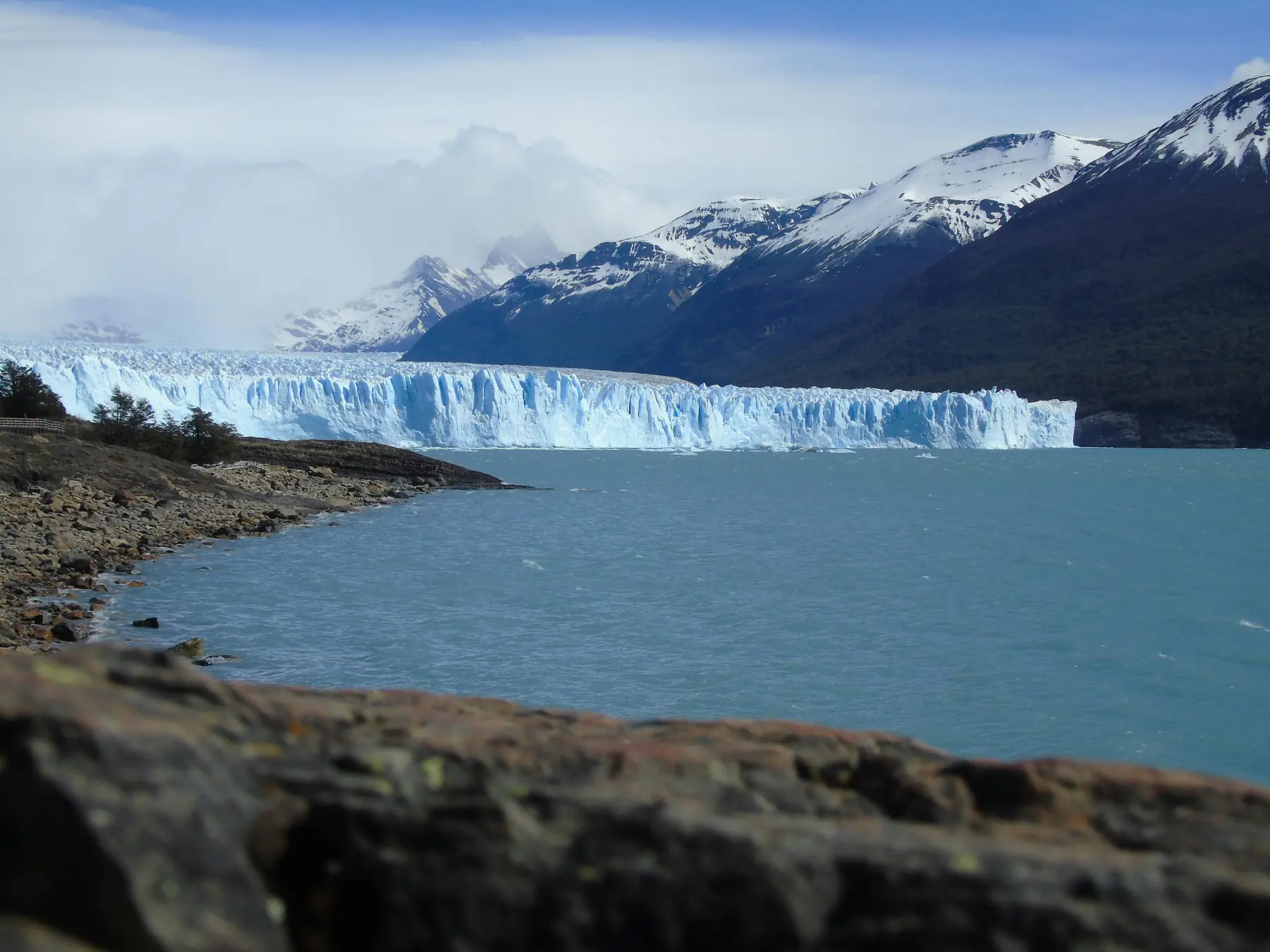
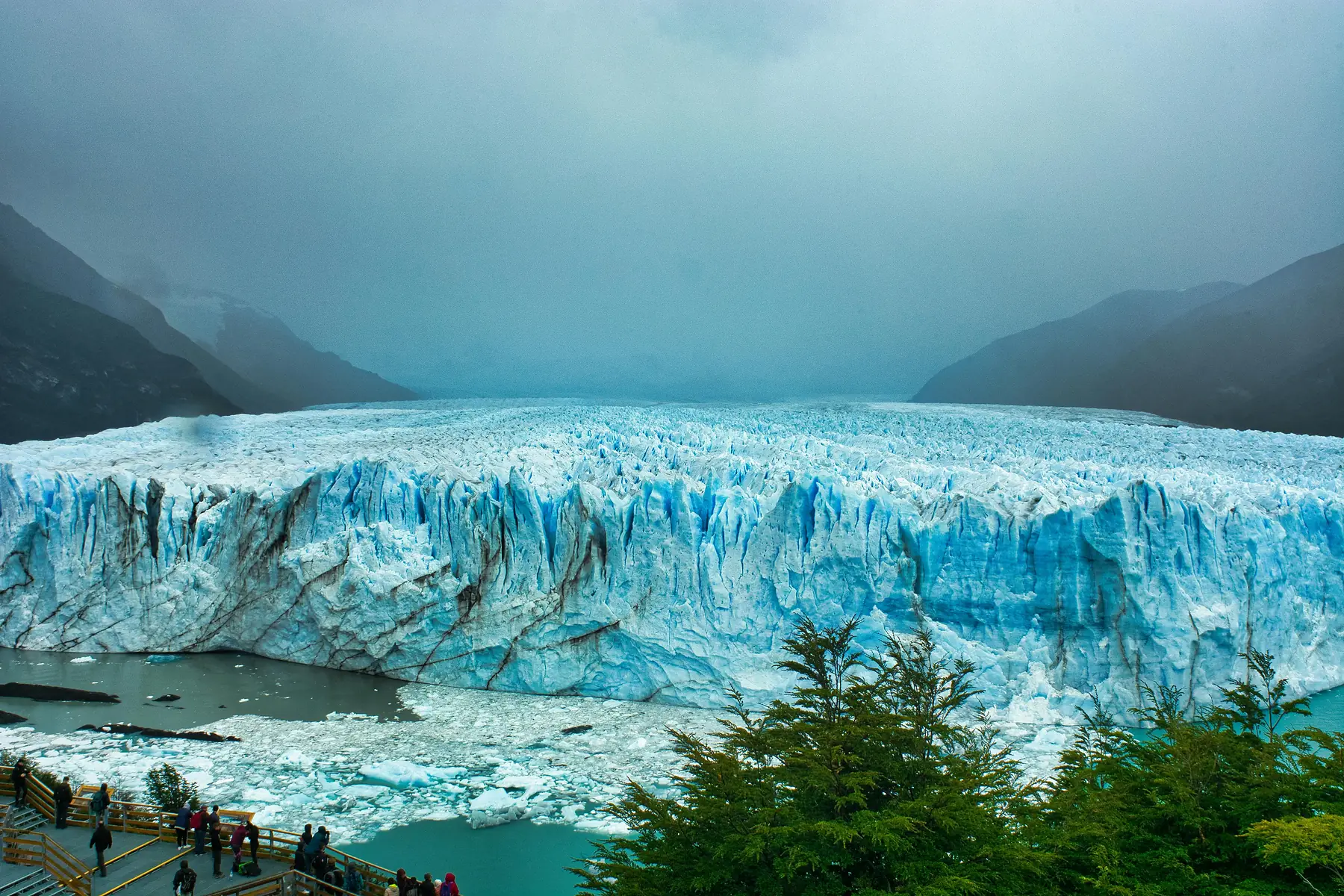
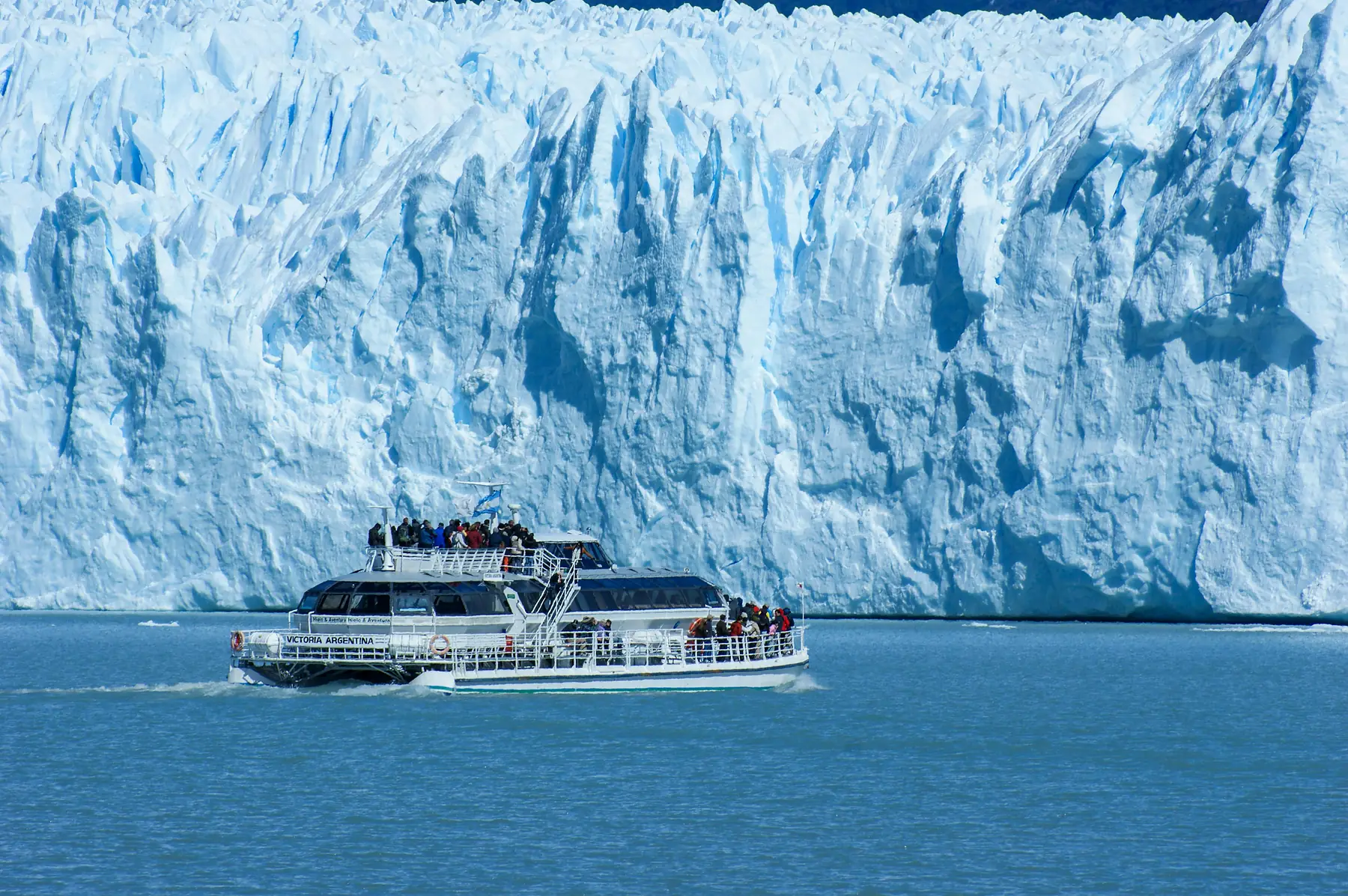
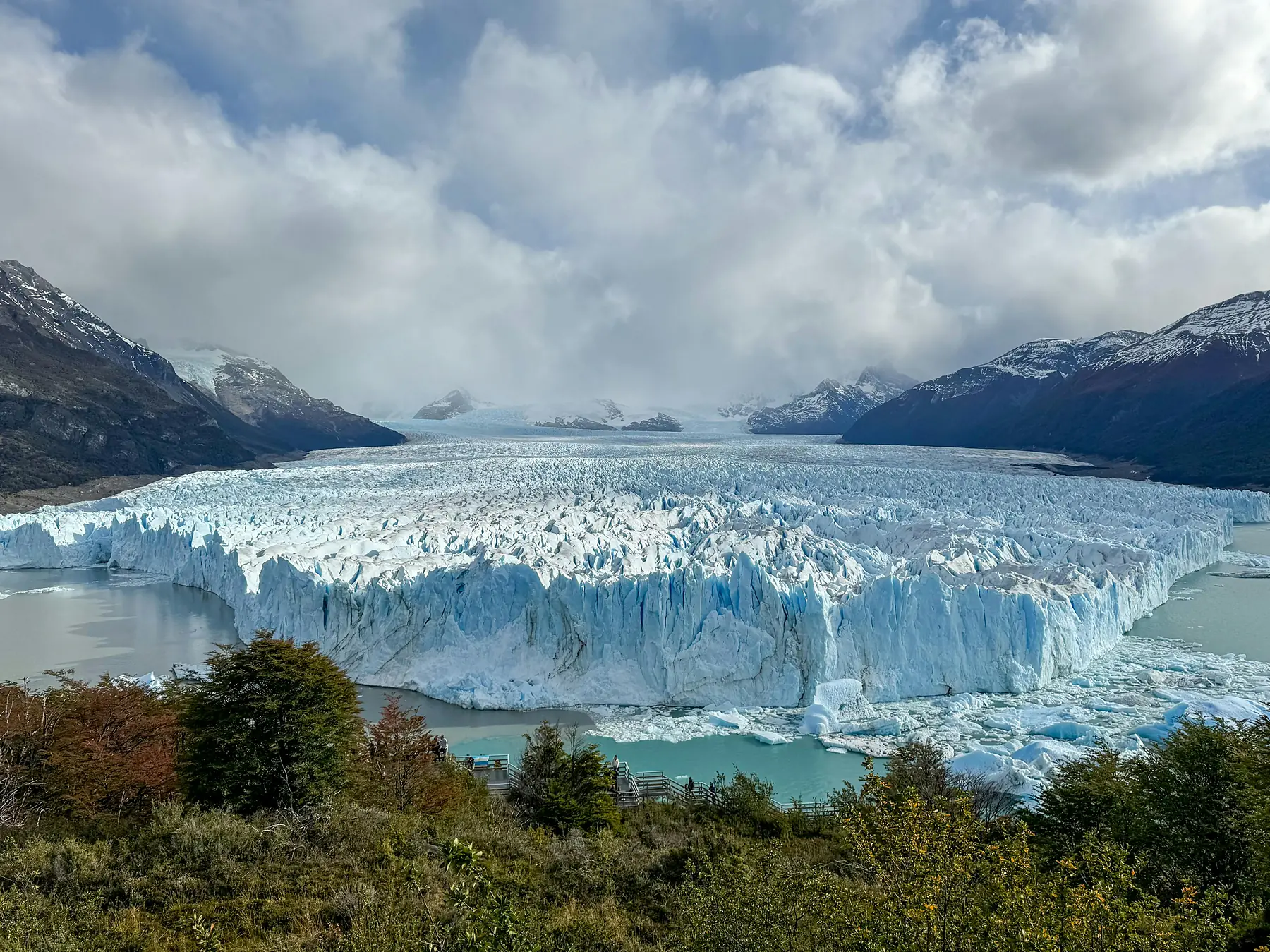
The Perito Moreno Glacier is the primary reason for El Calafate's existence as a tourism hub, located approximately 80 kilometers (50 miles) from the town center. Most visitors allocate at least one full day to explore the glacier via its extensive network of steel walkways, which offer multiple panoramic perspectives of the 70-meter-high ice face.
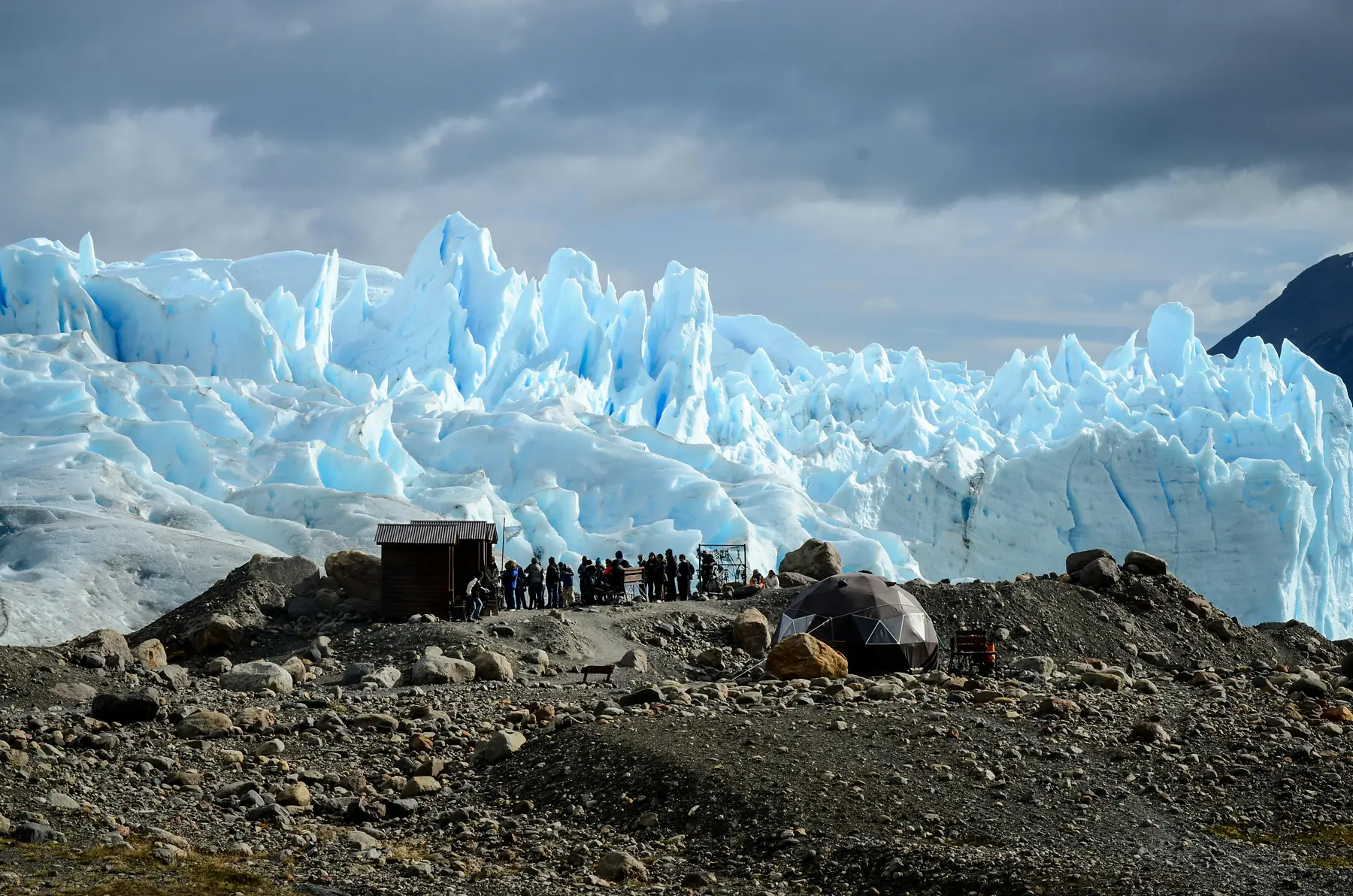
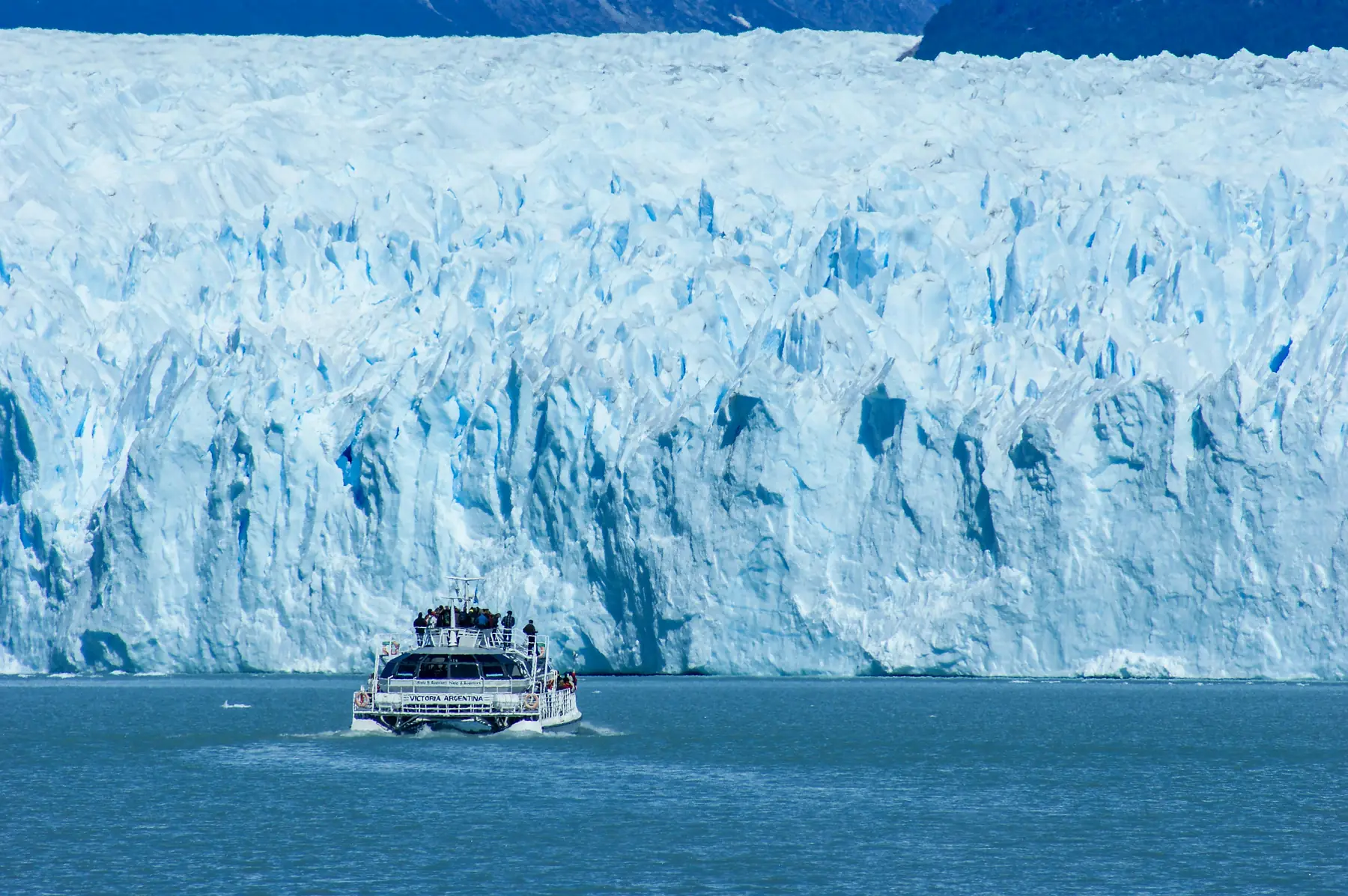
Beyond the walkways, you can experience the glacier through boat navigations that approach the southern wall or by donning crampons for ice trekking excursions directly on the glacier's surface. For the 2026/27 season, visitors should note that national park entrance fees are tiered based on residency (with significant discounts for Argentine residents) and must be paid to enter the Los Glaciares National Park sector.
If you are looking for the remote national park rather than the glacier, you can find our guide here: Perito Moreno National Park. For everything related to the ice, see our complete Perito Moreno Glacier guide.
Navigating Lago Argentino: Beyond Perito Moreno
Lago Argentino is the largest freshwater lake in Argentina, and its remote reaches hold glaciers that are often more massive than Perito Moreno. While Perito Moreno is the most famous, boat expeditions to the Spegazzini and Upsala glaciers offer a sense of scale and isolation that land-based visits cannot match.
The "Todo Glaciares" expeditions are the most common way to see these giants, taking you through the Boca del Diablo (the narrowest part of the lake) to see icebergs that have calved from the Upsala Glacier. Because the Upsala is currently retreating, boat access to the front of the glacier is frequently restricted by high concentrations of icebergs, meaning these tours often view the glacier from a safe distance in the Upsala Channel.
To compare the different water-based perspectives of the park, see our tour breakdown or browse our top day excursions.
The Estancia Experience: Patagonian Ranch Life
The cultural history of El Calafate is rooted in the "estancia" (ranching) lifestyle, which defined life on the steppe long before the first tourists arrived. Visiting a historic sheep ranch like Nibepo Aike or Estancia Cristina allows you to step back into the era of the pioneers while enjoying traditional Patagonian hospitality.
These estancias offer a mix of cultural immersion and outdoor activity, including sheep-shearing demonstrations, horseback riding through the foothills of the Andes, and traditional "asados" (lamb barbecues). You can visit these ranches as a day trip or stay overnight for a more profound sense of the region's vast silence and rural heritage.
For a curated list of the best ranch experiences near town, visit our accommodation guide.
Things to Do in El Calafate Town
While the glaciers are the main event, the town of El Calafate offers several worthwhile attractions for arrival days or "down days" between major excursions. The town is surprisingly green compared to the surrounding desert, with a main strip full of artisan shops and chocolate houses.
Laguna Nimez Reserve
A short walk from the town center, this wetland reserve is home to over 80 bird species, including Chilean flamingos.
The Glaciarium
A world-class ice museum about 6km from town that explains the science of the Southern Patagonian Ice Field.
Walichu Caves & Local Trails
Archaeological rock art sites along the lake shore and scenic trails on the Meseta del Calafate.
Where to Stay: Town Center vs. Remote Estancias
Choosing where to stay in El Calafate depends on whether you value convenience and dining options or silence and scenery. The town center is packed with hotels, hostels, and guesthouses, all within walking distance of the main dining strip on Avenida del Libertador.
Staying in town is the most practical choice for those relying on public transport or those who want to explore different restaurants each night. However, for a more "authentic" Patagonian feel, several high-end lodges and estancias are located 15 to 30 minutes outside of town, offering panoramic views of Lago Argentino.
For our top recommendations across all budget levels, see our El Calafate accommodation guide.
Post-Hike Fuel: Restaurants & Craft Beer
Dining in El Calafate is centered around the flavors of the Patagonian steppe, with a particular focus on high-quality meats and local berries. The must-try dish is Cordero Patagónico (Patagonian Lamb), traditionally slow-roasted over an open fire "a la cruz."
For dessert, look for anything featuring the Calafate berry — a small, dark fruit native to the region. Legend says that anyone who eats the berry is destined to return to Patagonia. The town also has a thriving craft beer scene with several local breweries.
See our restaurant directory for the best spots.
Planning Your Itinerary: How Many Days?
Most travelers find that 3 days is the "sweet spot" for El Calafate. This allows one full day for the Perito Moreno Glacier, one day for a boat tour or estancia visit, and a half-day to enjoy the town and Laguna Nimez upon arrival or departure.
If you are an avid photographer or want to do both the "Big Ice" trek and a full-day navigation of the lake, you should extend your stay to 4 days. We strongly advise against using El Calafate as a day-trip base for El Chaltén; while buses do run the route, you will spend six hours on the road, leaving very little time for actual hiking. It is far better to spend at least two nights in El Chaltén itself.
Verdict
4 days is recommended if you want to include both ice trekking and a remote estancia visit.
For detailed day-by-day plans, see our El Calafate itinerary page.
Logistics: How to Get There and Around
El Calafate is well-connected to the rest of Argentina and neighboring Chile, making it a primary entry point for southern Patagonia. The town is served by the Comandante Armando Tola International Airport (FTE), which receives daily flights from Buenos Aires, Ushuaia, and Bariloche.
- Flights: Daily services from Buenos Aires (AEP/EZE), Ushuaia, and Bariloche. The airport is approximately 20 minutes from the town center.
- Buses: A three-hour journey to El Chaltén and a five-to-six-hour trip to Puerto Natales in Chile, the gateway to Torres del Paine.
- Airport Transfers: The official Ves Patagonia shuttle and private taxis provide reliable transfers. There is no public city bus.
For current schedules and booking details, see our complete transport guide.
Frequently Asked Questions
How many days should I spend in El Calafate?
Most travelers find 3 days ideal to visit Perito Moreno, take a boat tour of Lago Argentino, and enjoy the town's restaurants. This allows for one primary glacier day and one day for a secondary activity like an estancia visit.
Is El Calafate safe for solo travelers?
Yes, El Calafate is considered one of the safest towns in Argentina, with a low crime rate and a very walkable town center. The tourism-focused nature of the town means locals are accustomed to helping international visitors.
How do I get from El Calafate airport to the town center?
You can take the official Ves Patagonia shuttle, a private taxi, or a remis; the journey takes approximately 20 minutes. The airport is located 21km east of the town center.
Can I see Perito Moreno Glacier without a tour?
Yes, you can take a public bus from the El Calafate bus station or rent a car to explore the glacier's walkways independently. However, if you want to trek on the ice or take a specific boat tour, you must book with an authorized operator.
Is the water in El Calafate safe to drink?
Yes, the tap water in El Calafate is generally safe to drink, though many travelers prefer the taste of bottled or filtered water. The water comes from glacial sources and is treated to national standards.
What is the best month to visit El Calafate?
December through February offers the warmest weather and longest days, though October and April are excellent for avoiding the largest crowds. Spring (October–November) is particularly good for birdwatching at Laguna Nimez.
Ready to Explore El Calafate?
Start building your itinerary with our step-by-step planning tools.