
Perito Moreno Glacier Guide: 2026 Visiting Tips
Everything you need to know about visiting Argentina's grandest glacier. Access boardwalk maps, bus schedules, boat details, and entry fee advice.
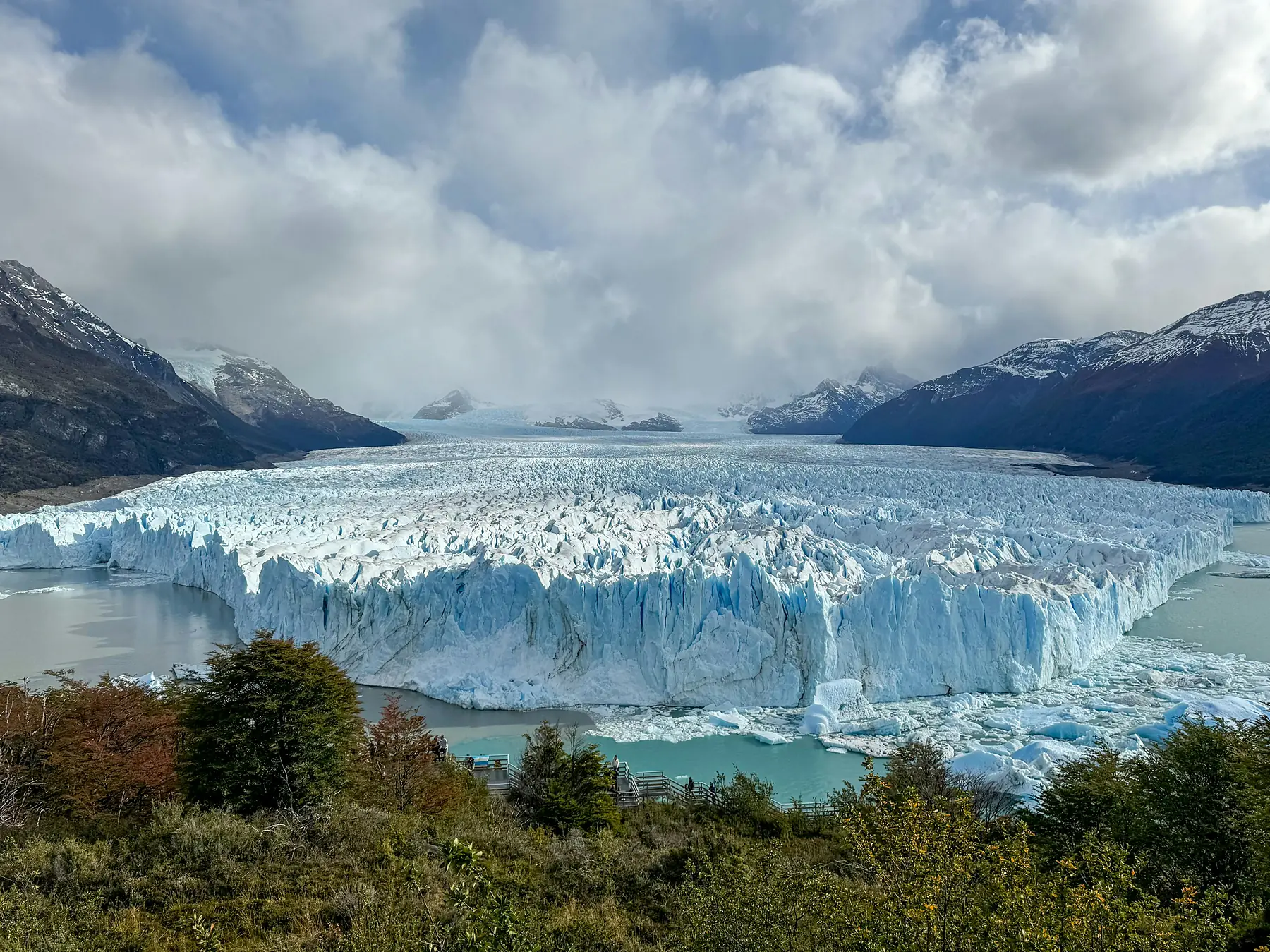
The Perito Moreno Glacier is Patagonia’s most accessible and dramatic ice field, located 80km from El Calafate within Los Glaciares National Park. Unlike almost every other glacier on Earth, Perito Moreno is currently in a state of equilibrium, meaning it is not retreating, which provides visitors with a rare front-row seat to the constant, thunderous process of ice calving.
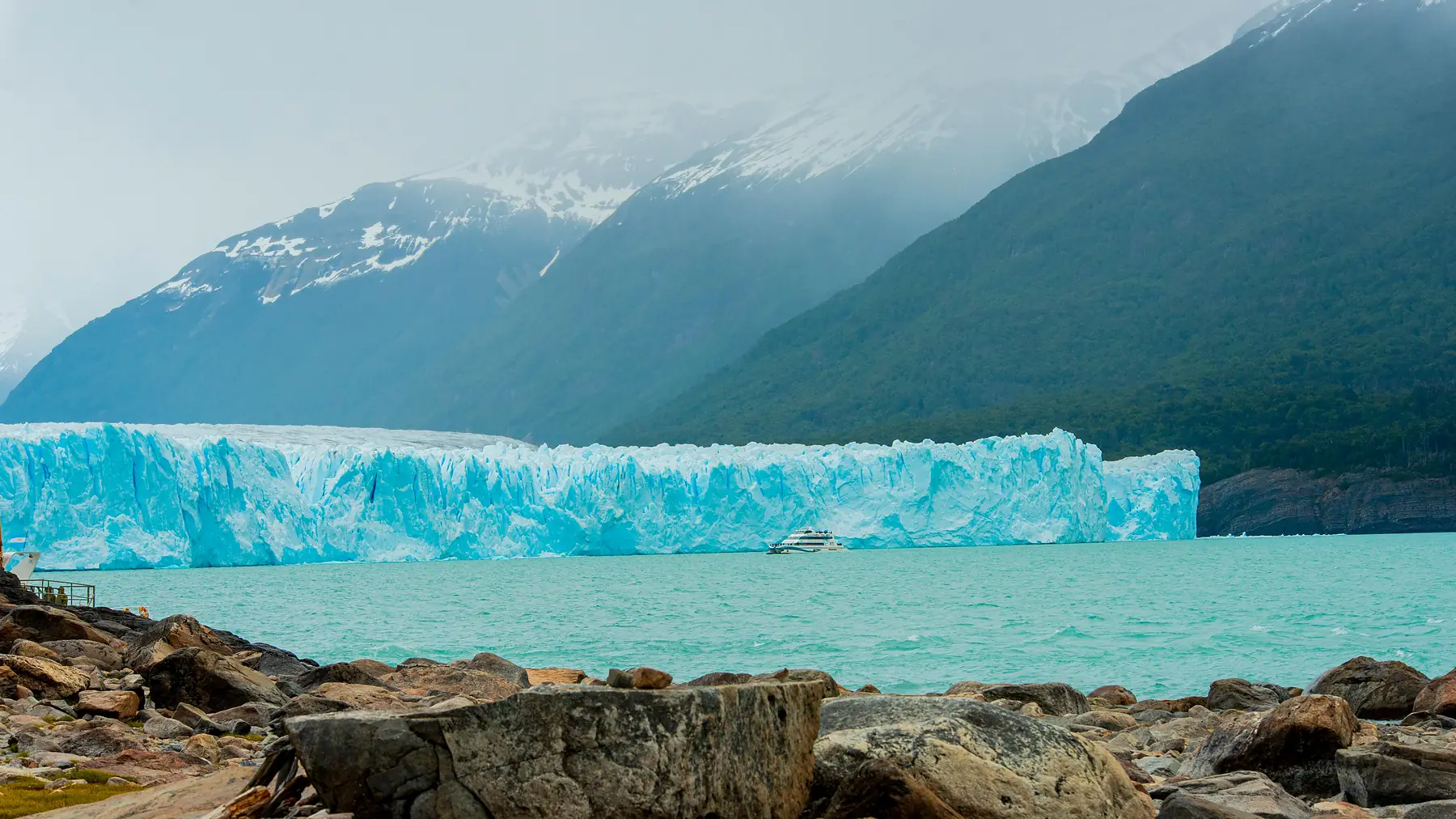
Whether you choose to view the 70-meter ice walls from the extensive walkway system, take a boat to the glacier’s face, or strap on crampons for a trek across the ice itself, the experience is defined by the “white thunder” - the sound of ancient ice cracking and crashing into the turquoise waters of Lago Argentino. This guide provides the framework for planning your visit in 2026, ensuring you choose the right experience for your physical ability and budget.
Why the Perito Moreno Glacier is Unique
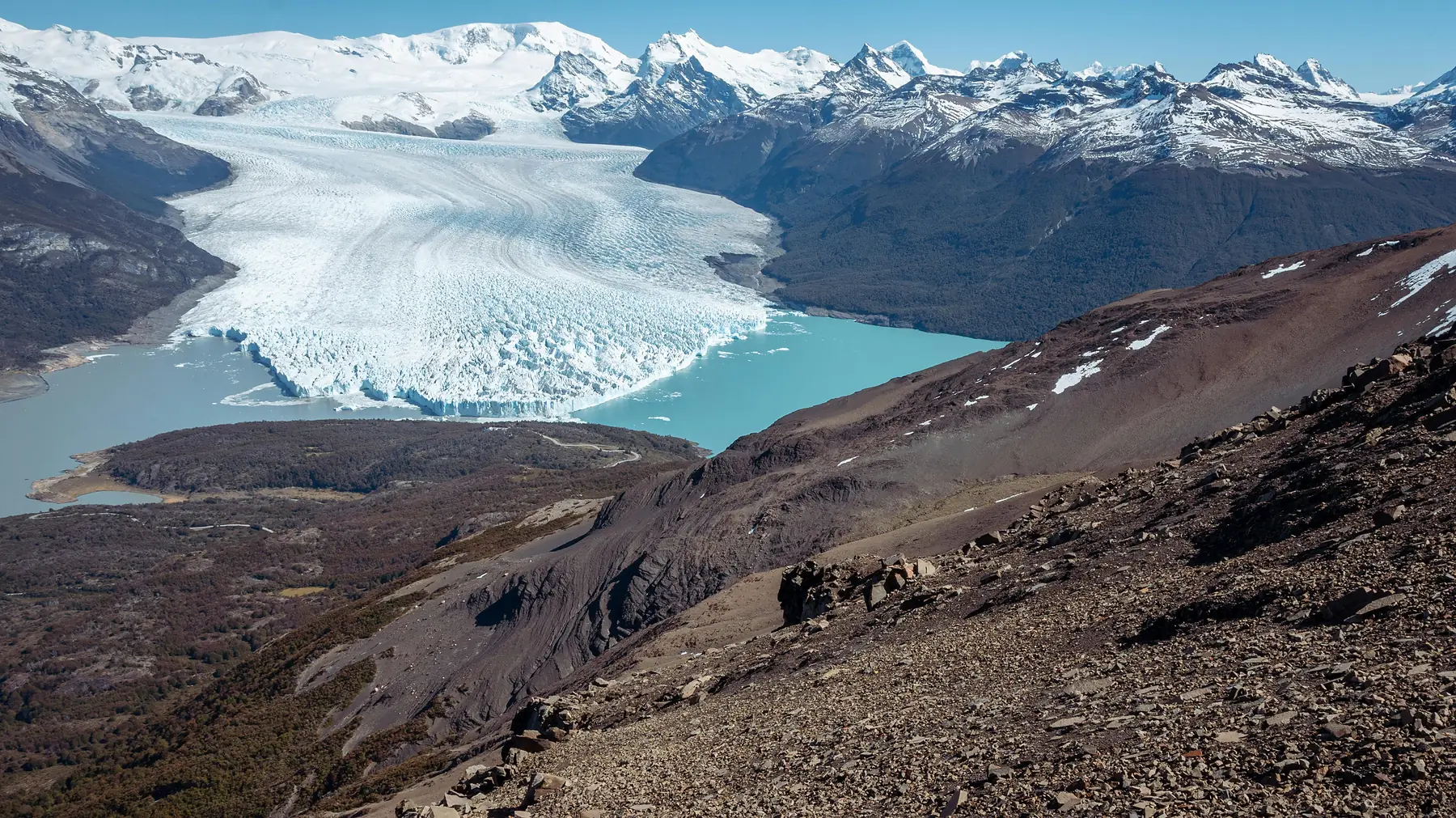
The Perito Moreno Glacier is one of the few glaciers in the world that is not retreating. While most of the world’s ice fields are shrinking due to rising temperatures, this approximately 250-square-kilometer mass of ice remains stable, advancing just enough to offset the ice it loses at its face. This geological phenomenon makes it a living classroom for glaciology and a centerpiece of the UNESCO World Heritage listed Los Glaciares National Park.
One of the most spectacular events associated with the glacier is the “Ruptura” (Rupture). As the glacier advances, it eventually reaches the Magallanes Peninsula, forming a massive ice dam that cuts off the Brazo Rico arm of Lago Argentino from the rest of the lake. The water level on one side can rise as much as 30 meters above the main lake level, creating immense pressure. Eventually, the water carves a tunnel through the ice, which grows until the entire ice bridge collapses in a multi-day spectacle of destruction. While these ruptures are unpredictable and can happen years apart, the daily “mini-calvings” are guaranteed to provide a similar sense of awe.
The glacier is a primary outlet of the Southern Patagonian Ice Field, the world’s third-largest reserve of fresh water after Antarctica and Greenland. Its accessibility is what truly sets it apart. While other major glaciers in the region, such as Grey Glacier in Torres del Paine, require significant trekking or expensive boat journeys to reach, you can reach the face of Perito Moreno via a paved road and a short walk.
Choosing Your Experience: The Three Ways to See the Ice
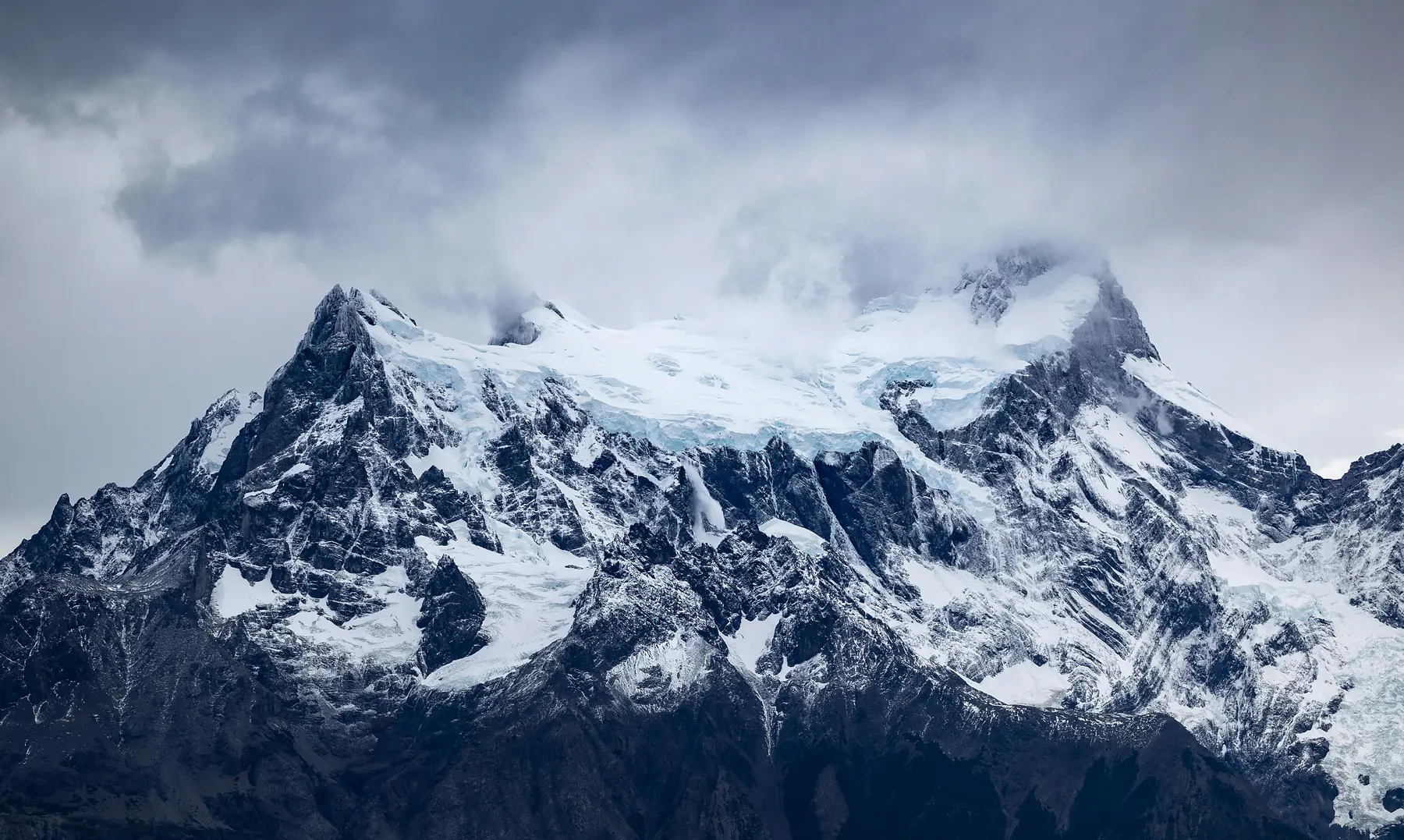
Planning a visit to Perito Moreno involves a choice between three distinct perspectives. Most travelers find that a combination of the walkways and a short boat navigation provides the most comprehensive view of the glacier’s scale.
The walkways, or pasarelas, offer the classic panoramic view. They allow you to look down on the glacier from various heights and angles, providing the best vantage point for photography and for witnessing the massive ice chunks falling into the water. For those who want to feel the scale of the 70-meter walls from below, boat navigations depart regularly from the nearby ports and take you within 300 meters of the southern or northern faces.
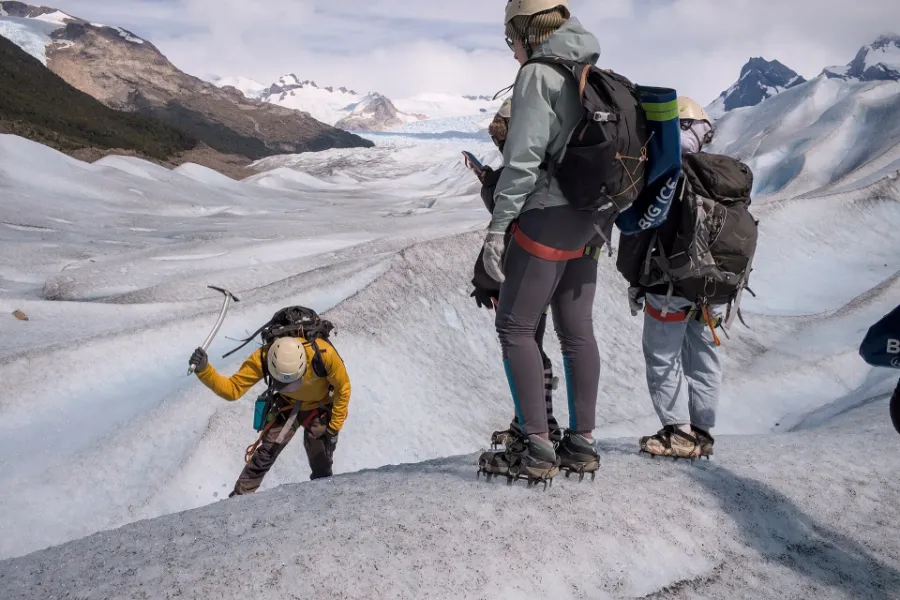
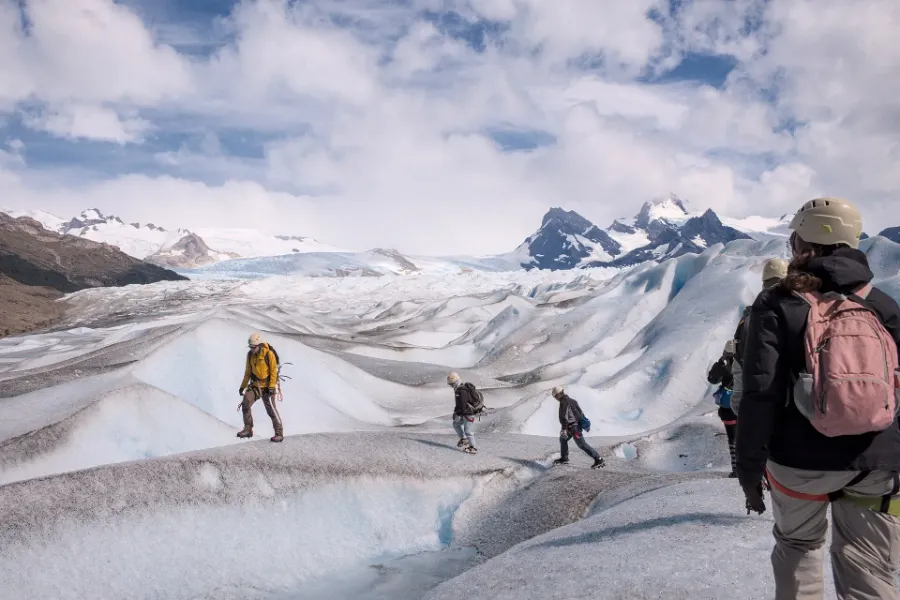
For the more adventurous, ice trekking is the only way to physically touch the glacier. These tours take you onto the ice itself, where you can peer into deep blue crevasses and see glacial lagoons that look like liquid sapphire. Regardless of which you choose, the “Perfect Day” typically involves taking an early bus to the park, spending three hours on the walkways, and adding a one-hour boat tour in the afternoon when the calving is most active.
Choosing the right experience depends on your mobility and how much time you want to spend on the ice. Use the comparison below to help decide:
- Best for: Panoramic views and photography. (The Walkways)
- Best for: Feeling the height of the ice walls. (Boat Navigation)
- Best for: Physical contact with the glacier. (Ice Trekking)
- Difficulty: Easy to Moderate (stairs). (The Walkways)
- Difficulty: Very Easy. (Boat Navigation)
- Difficulty: Moderate to High. (Ice Trekking)
- Time Needed: 2 to 4 hours. (The Walkways)
- Time Needed: 1 to 1.5 hours. (Boat Navigation)
- Time Needed: 6 to 9 hours. (Ice Trekking)
- Accessibility: High (elevator available). (The Walkways)
- Accessibility: High. (Boat Navigation)
- Accessibility: Low (age and fitness limits). (Ice Trekking)
The Walkways are essential for everyone; add a Boat Navigation for scale, or choose Ice Trekking for a once-in-a-lifetime adventure.
Navigating the Walkways (Pasarelas)
The walkway system at Perito Moreno is a marvel of engineering, consisting of several kilometers of steel boardwalks that weave through the lenga forest and across the face of the glacier. The paths are color-coded, making it easy to navigate even without a guide.
The Central Circuit (Yellow) is the most popular, as it leads to the primary balconies directly in front of the glacier’s face. If you have limited time, this is the one to prioritize. The Lower Circuit (Red) takes you closer to the water level and offers a more intimate view of the ice walls, though it involves more stairs. For those seeking a quieter experience, the Forest Circuit (Green) and the Coast Circuit (Blue) offer different perspectives and are generally less crowded.
The “Afternoon Strategy” is the best way to see the glacier calving. Plan to be on the walkways between 2:00 PM and 5:00 PM. As the sun warms the ice face throughout the day, the internal pressure increases, making dramatic ice falls much more frequent than in the cooler morning hours.
Accessibility has been significantly improved in recent years. There is an elevator that provides access to the main balconies for those with limited mobility, which is generally operational during the 2026/27 season, allowing everyone to reach the most iconic “face-on” angles for photography. If you are a serious photographer, the balconies at the junction of the Yellow and Red circuits offer the most balanced composition of the ice face and the surrounding mountains.
Ice Trekking: Minitrekking vs. Big Ice
There are two primary ways to walk on the Perito Moreno Glacier, both operated exclusively by the company Hielo y Aventura. Both tours include a short boat crossing to reach the glacier’s edge and provide all necessary equipment, including crampons and harnesses.
Minitrekking is the more accessible option. It involves approximately 1.5 hours of walking on the ice and is suitable for anyone with a moderate level of fitness. The age limits for the 2026/27 season are 8 to 65 years old. You will walk over relatively level ice, seeing small cracks and drains, and usually end the trek with a glass of whiskey chilled with ancient glacial ice.
Big Ice is a significantly more demanding and rewarding experience. This tour takes you deeper into the center of the glacier, involving about 3.5 hours of trekking on the ice. You will see much larger features, including deep blue lagoons, ice caves, and massive crevasses. Because of the physical demands, the age limit is strictly enforced, typically between 18 and 50 years old.
Logistics from El Calafate: Getting to the Park
The journey from El Calafate to the glacier takes about 1.5 hours along a well-paved 80km road (Provincial Route 11). The drive itself is scenic, passing through the arid Patagonian steppe before entering the lush, sub-antarctic forest as you approach the park.
The most common way to visit is by bus. Several companies, including CalTur, Chaltén Travel, and Marga Taqsa, run daily services departing from the El Calafate bus terminal. These typically leave around 8:00 AM or 9:00 AM and return in the late afternoon. A round-trip ticket costs approximately $40-55 USD (as of the 2024/25 season).
For more flexibility, consider a private transfer or a taxi (remis). This is particularly beneficial for photographers who want to arrive exactly when the park opens at 8:00 AM to beat the tour buses, or for those who want to stay late for the afternoon calving. If you choose to drive yourself, there is a large “Lower Parking” (Inferior) area where you must leave your car; a free shuttle bus runs regularly from there to the “Upper Parking” area where the walkways begin.
Do not confuse the Perito Moreno Glacier with the town of Perito Moreno or Perito Moreno National Park. The glacier is located in Los Glaciares National Park near El Calafate. The town and the national park of the same name are located 500km to the north and do not contain this glacier.
Entrance Fees and Park Rules
Entering the glacier area requires a National Park fee, which is separate from any tour or bus costs. As of the 2024/25 season, the fee for international visitors is 45,000 ARS (approximately $45-50 USD depending on the exchange rate) and must be paid each time you enter the park.
You can purchase tickets online at the official portal (tickets.parquesnacionales.gob.ar) or at the park entrance. While the park is increasingly moving toward digital payments, it is highly recommended to carry enough cash in Argentine Pesos (ARS) to cover the fee, as internet connectivity at the gate can be unreliable.
If you plan to visit the glacier two days in a row, you can get a 50 percent discount on your second day’s entrance fee. You must purchase the second-day ticket at the park gate or online within 72 hours of your first visit and present your original ticket.
Park rules are strictly enforced to protect the environment. Drones are absolutely forbidden throughout the park. Additionally, you are not allowed to eat on the walkways themselves to prevent litter and wildlife disturbance; food must be consumed in the designated service areas near the parking lots.
Best Time to Visit and Weather Realities
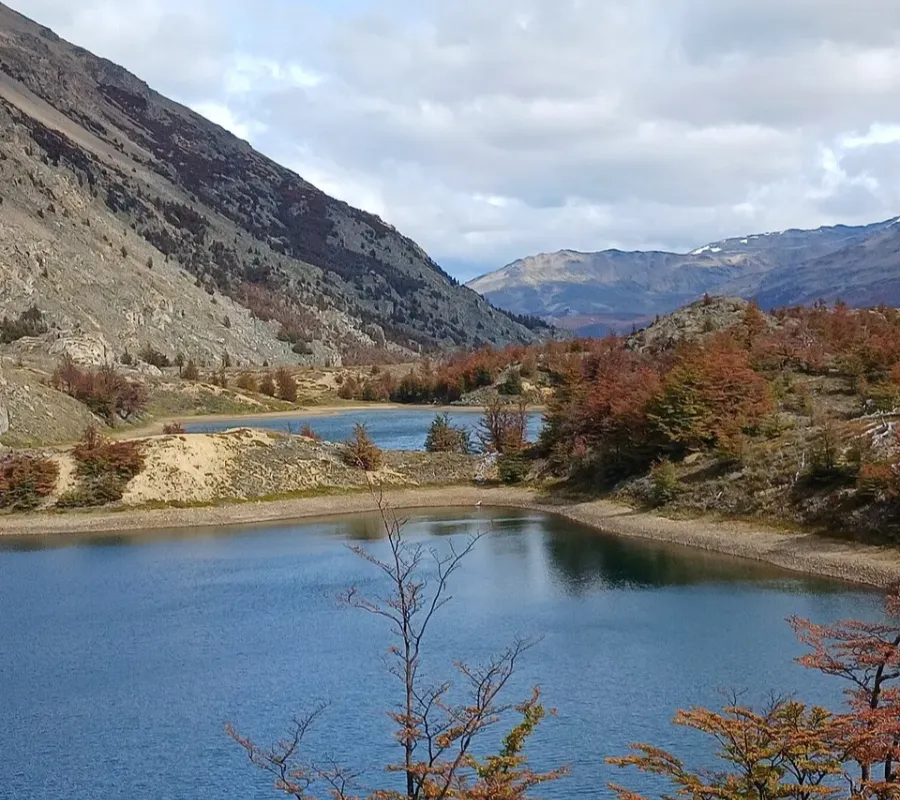
The Perito Moreno Glacier is a year-round destination, but the experience changes significantly with the seasons. The high season from November to March offers the longest daylight hours and the warmest temperatures, but it also brings the largest crowds.
Shoulder seasons in October and April are often considered the best time to visit. The weather is still relatively stable, and the walkways are much quieter, allowing you to hear the subtle groans and cracks of the ice without the background noise of large groups. During the winter months (June to August), the park remains open and the ice takes on a deeper, more intense blue hue, though trekking tours are usually unavailable during this time.
Weather in this part of Patagonia is defined by wind. Strong gusts can occasionally lead to the cancellation of boat navigations, and the wind chill can make the temperature feel 5-10 degrees colder than the forecast suggests.
Where to Stay and Eat Near the Glacier
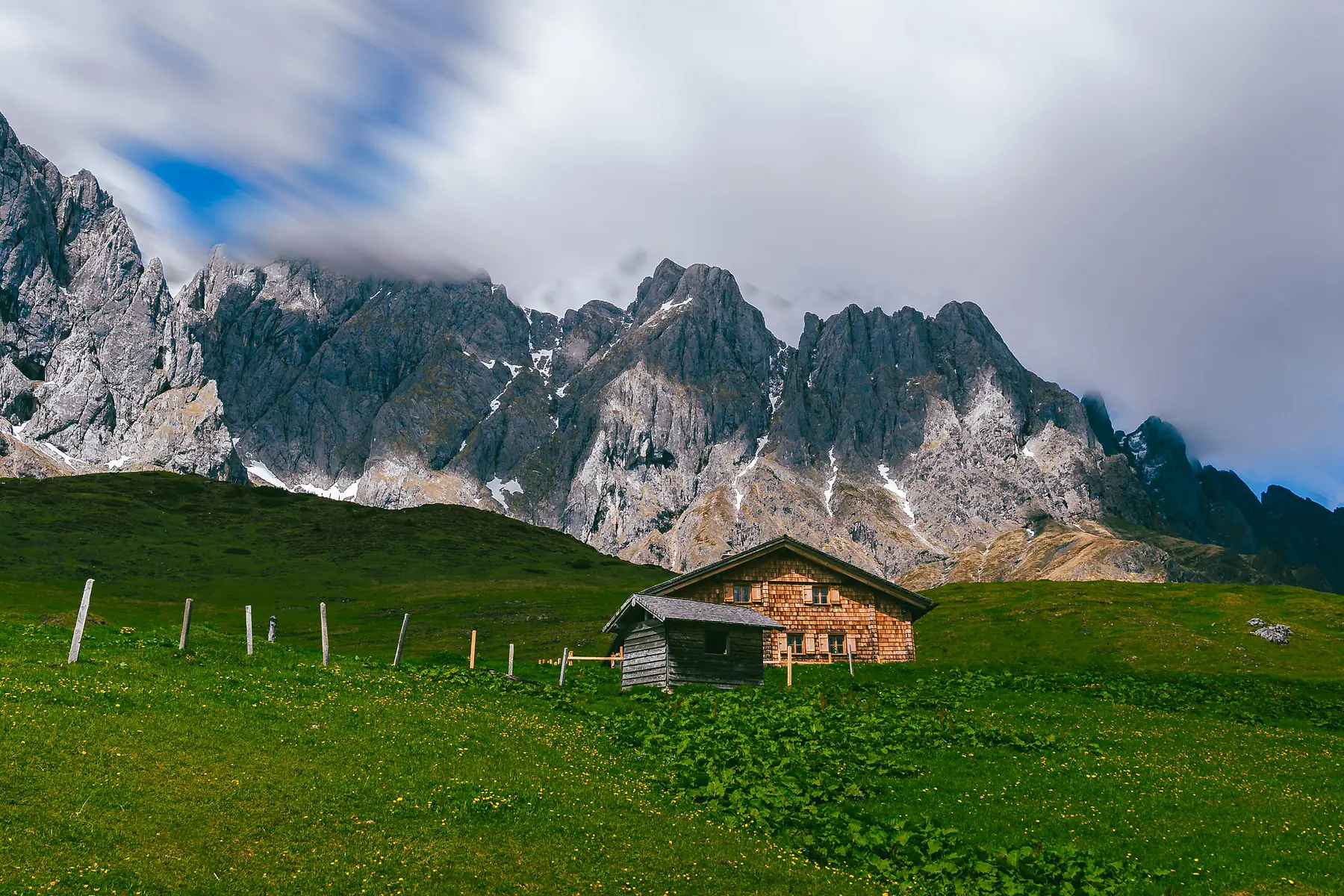
While 95 percent of visitors stay in the town of El Calafate, there are a few unique options for those who want to be closer to the ice. Staying at a luxury estancia on the road to the glacier provides a much more immersive Patagonian experience than staying in the town center.
Properties like Eolo and Nibepo Aike are located on the way to the park and offer stunning views of the surrounding mountains and Lago Argentino. These estancias allow you to enjoy the landscape in silence, away from the bustle of the town’s main street. If you prefer to stay in town to be close to restaurants and shops, you can find our full list of recommendations here:
When it comes to food at the glacier, your options are limited. There is a large service area near the upper parking lot called “Nativos” which includes a snack bar and a more formal restaurant. While convenient, it can be expensive and crowded during peak hours. Most experienced travelers recommend bringing a packed lunch from El Calafate to enjoy at the designated picnic areas near the balconies, allowing you to eat while watching the ice.
QUESTION: How much time do you need to visit Perito Moreno Glacier?
ANSWER: Most visitors spend 4 to 6 hours at the glacier, which allows enough time to walk all the circuits of the boardwalk and take a one-hour boat tour.
QUESTION: Can you visit Perito Moreno Glacier without a tour?
ANSWER: Yes, you can visit Perito Moreno Glacier independently by taking a public bus from the El Calafate terminal or renting a car, then paying the park entrance fee at the gate.
QUESTION: What is the best month to visit the Perito Moreno Glacier?
ANSWER: The best months are November through March for warmer weather, though February is ideal for seeing the most calving action as the summer sun warms the ice face.
QUESTION: Is there an entrance fee for Perito Moreno Glacier in 2026?
ANSWER: Yes, all international visitors must pay a National Park entrance fee. As of the 2024/25 season, this is 45,000 ARS, but rates are subject to frequent adjustment due to inflation.
QUESTION: Can you walk on the Perito Moreno Glacier?
ANSWER: You can only walk on the Perito Moreno Glacier by booking a guided Minitrekking or Big Ice tour, as independent walking on the ice is strictly prohibited for safety.
QUESTION: Are there bathrooms and food at the Perito Moreno Glacier?
ANSWER: Yes, there is a large service area near the upper parking lot with bathrooms and a restaurant, as well as smaller facilities located near the lower walkway entrance.