
El Calafate Weather: Month-by-Month Guide (2026/27)
El Calafate weather is defined by its dry, semi-arid steppe climate, featuring cool summers, cold winters, and persistent winds that shape every aspect of a trip to Los Glaciares National Park. While the town itself receives very little rainfall, its proximity to the Southern Patagonian Ice Field means conditions can shift from sun to sleet in minutes, particularly when visiting the nearby glaciers.
As the primary gateway to Los Glaciares National Park, El Calafate serves as your base for exploring some of the world’s most accessible ice formations. For the 2026/27 season, travelers should prepare for a landscape where the weather in town rarely matches the weather at the ice. Understanding these microclimates is the difference between a comfortable day on the catwalks and a freezing, wind-whipped experience.
El Calafate Weather at a Glance
- Warmest Month: January (Avg High 18°C / 64°F)
- Coldest Month: July (Avg High 4°C / 39°F)
- Windiest Season: November to February
- Annual Rainfall: ~200mm (Semi-arid desert)
- Peak Daylight: Nearly 17 hours (December)
- Minimum Daylight: ~8 hours (June)
El Calafate Climate: The High Desert vs. The Ice
The climate in El Calafate is classified as “Cool Semi-Arid,” a result of the powerful rain shadow effect created by the Andes Mountains. As moist air travels from the Pacific Ocean, it hits the mountain range and drops its precipitation on the Chilean side and the western edge of the ice field. By the time the air reaches El Calafate, it is dry and often moving at high speeds.
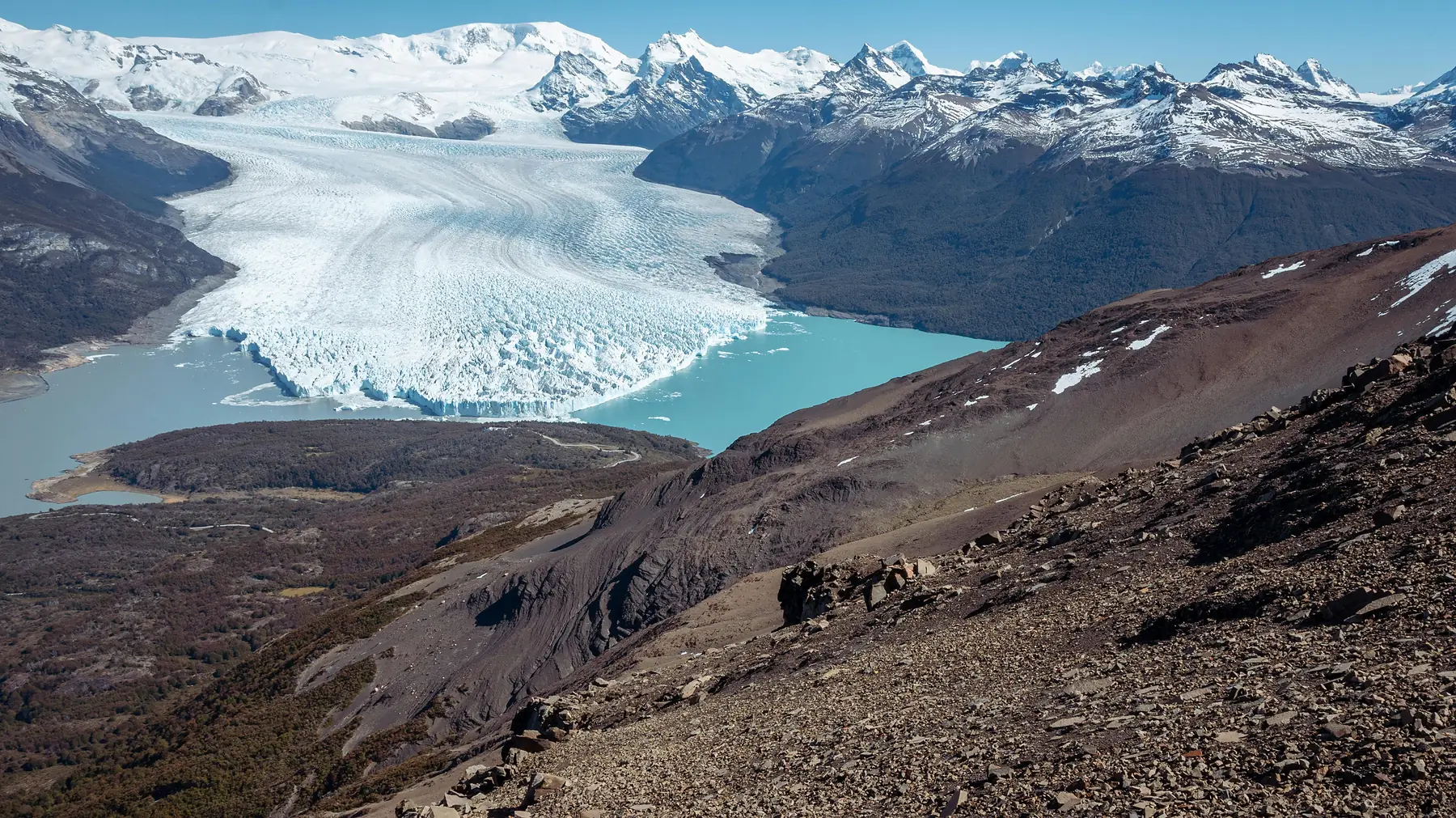
This geographical setup creates a stark contrast between the town and the national park. Lago Argentino acts as a massive temperature stabilizer for the town, preventing the extreme heat found further north, but it also provides the moisture for the sudden “Glacier Microclimate” you encounter as you move west. While the town sits in a dusty, yellow-grass steppe, the area surrounding the Perito Moreno Glacier 80km away is a lush, temperate rainforest that receives significantly more moisture and remains several degrees colder year-round.
El Calafate Weather by Month: A Detailed Reference
Planning a trip requires looking past the averages to understand the seasonal shifts in light and wind. Each season in El Calafate offers a distinct trade-off between temperature and crowds.
Spring (September - November)
Spring is a season of awakening and increasing intensity. In September, the winter chill still lingers, but by October, the calafate bushes begin to bloom with yellow flowers. This is a transitional period where daytime highs climb from 10°C to 15°C (50°F to 59°F). The most notable change is the wind, which begins to pick up speed in November as the atmosphere stabilizes for summer.
Summer (December - February)
This is the peak travel season, offering the warmest temperatures and the longest days. In December, the sun doesn’t fully set until after 22:00, providing nearly 17 hours of light for exploration. While highs can reach 18-20°C (64-68°F), this is also the windiest time of year. Sustained winds are common, and the cooling effect of the breeze means you will rarely feel “hot.”
Autumn (March - May)
Many experienced travelers consider autumn the best time to visit. By late March, the fierce summer winds begin to die down, and the air becomes crisp and still. The lenga forests surrounding the glaciers turn vibrant shades of red and orange, peaking in mid-to-late April. Temperatures drop quickly in May, with highs hovering around 8°C (46°F), signaling the approach of the first frosts.
Winter (June - August)
Winter transforms El Calafate into a quiet, frozen landscape. Daylight is scarce, with the sun rising after 09:50 and setting by 17:45. Temperatures frequently sit between -2°C and 4°C (28°F to 39°F). While many hotels close for the season, the town remains functional, and the Bahía Redonda often freezes enough to allow for outdoor ice skating.
The Patagonian Wind: What to Expect in El Calafate
Wind is the most dominant weather factor in El Calafate, particularly from November through February. These winds are caused by the pressure differential between the Pacific and Atlantic oceans, funneled through the mountain gaps of the Andes.
You should expect sustained winds of 40-60 km/h during the summer, with gusts occasionally exceeding 100 km/h. This isn’t just a matter of comfort; it has a direct impact on logistics. High winds can lead to the closure of the “Puerto Bandera” port, which means boat tours to the Upsala and Spegazzini glaciers may be delayed or cancelled at short notice.
- Wind Speed: Frequent 60-80 km/h gusts vs. Occasional 20 km/h breezes
- Tour Reliability: Higher risk of port closures vs. Very low risk of weather delays
- Temperature: 15-18°C vs. 5-10°C
- Crowds: Peak capacity vs. Moderate to low
Choose Autumn if your primary goal is photography or boat-based glacier tours, as the calmer air leads to fewer cancellations and perfect reflections on the water.
If a high-wind forecast threatens your scheduled boat excursion, it is worth checking alternative day tours in El Calafate that stay on land, such as 4x4 estancia visits or trekking, which are less likely to be cancelled.
Weather at Perito Moreno Glacier vs. El Calafate Town
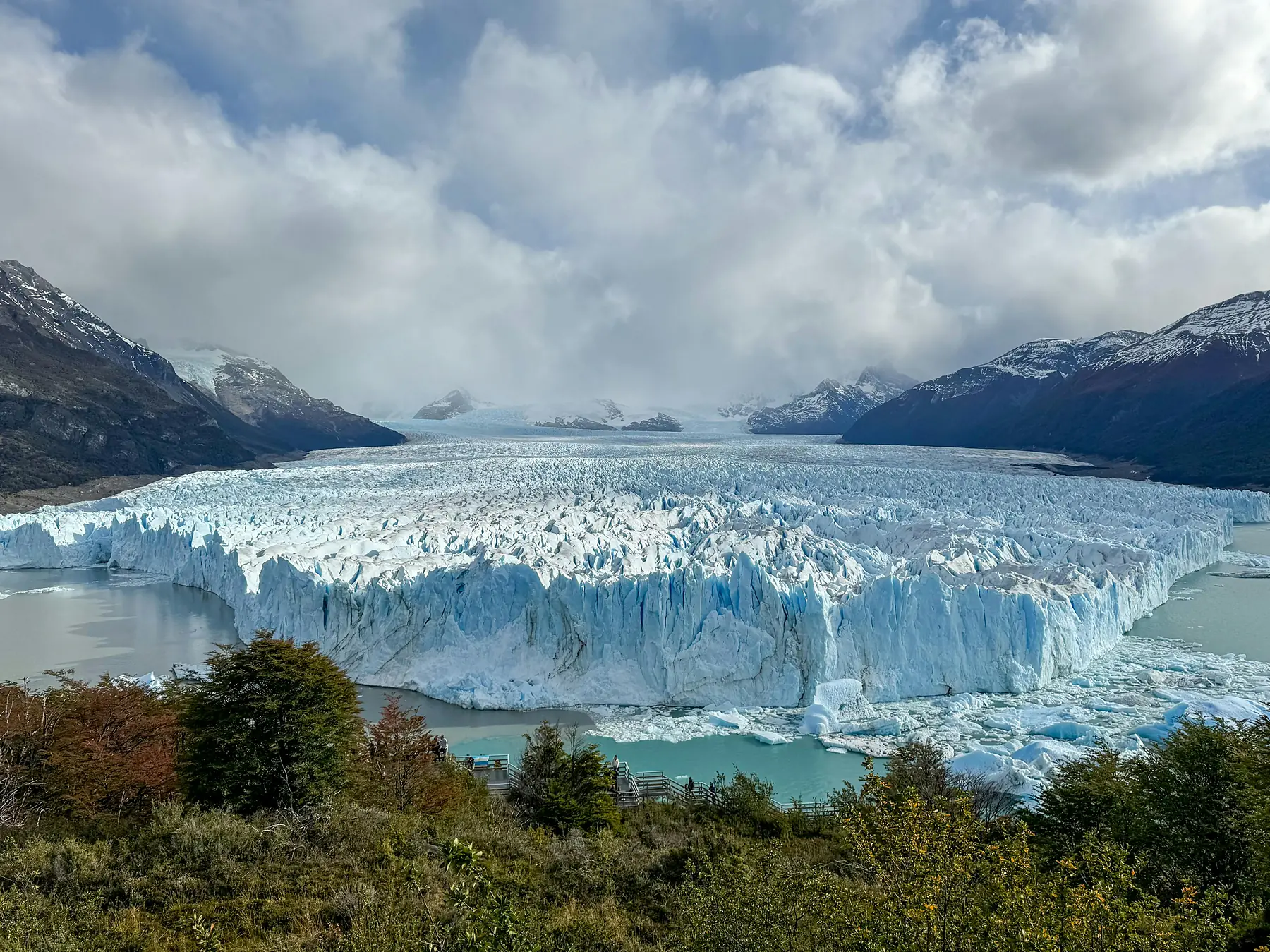
One of the most common mistakes travelers make is dressing for the weather they see out their hotel window in town. The Perito Moreno Glacier is located roughly 80km west of El Calafate, and that distance represents a significant climatic shift.
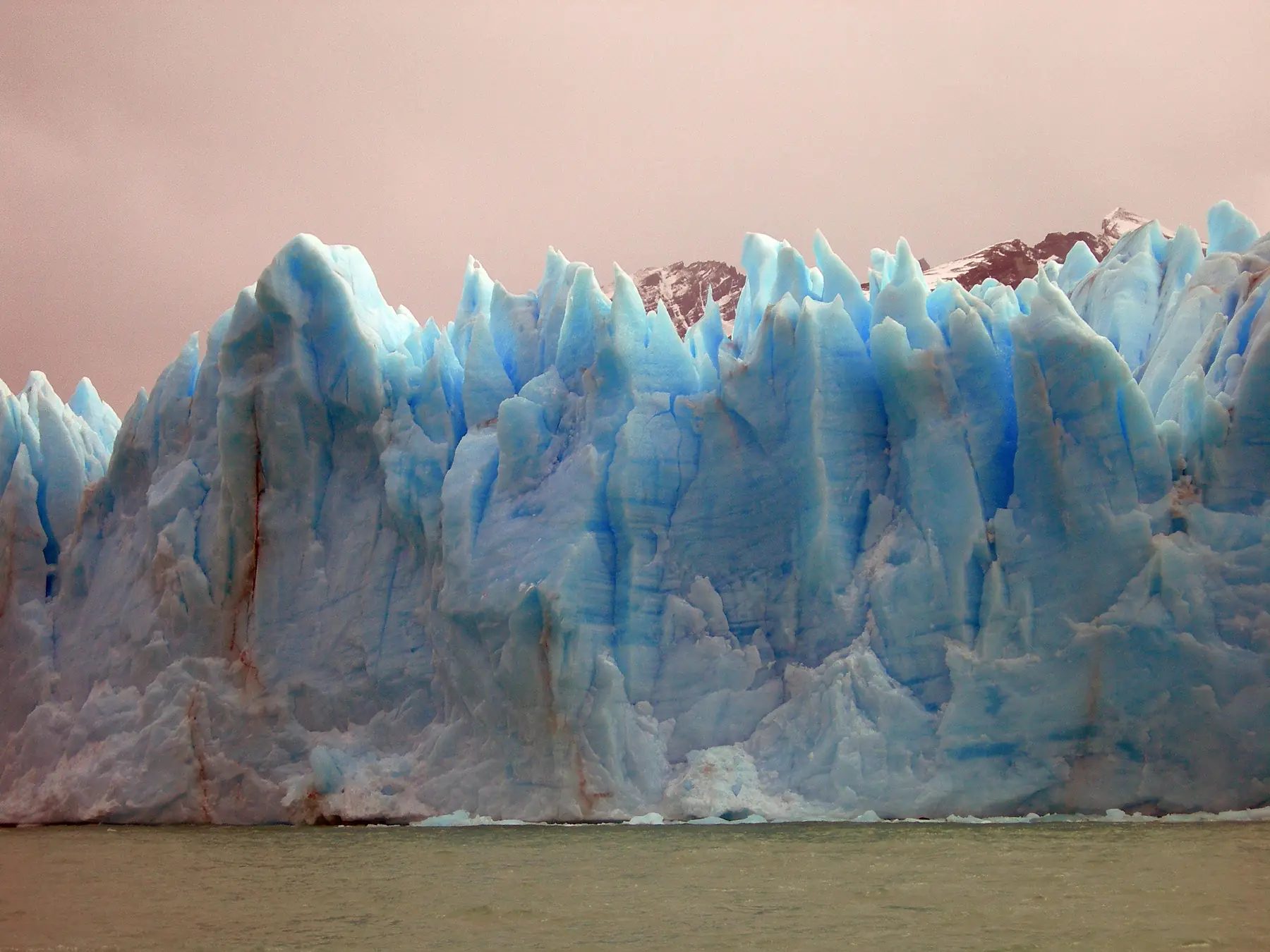
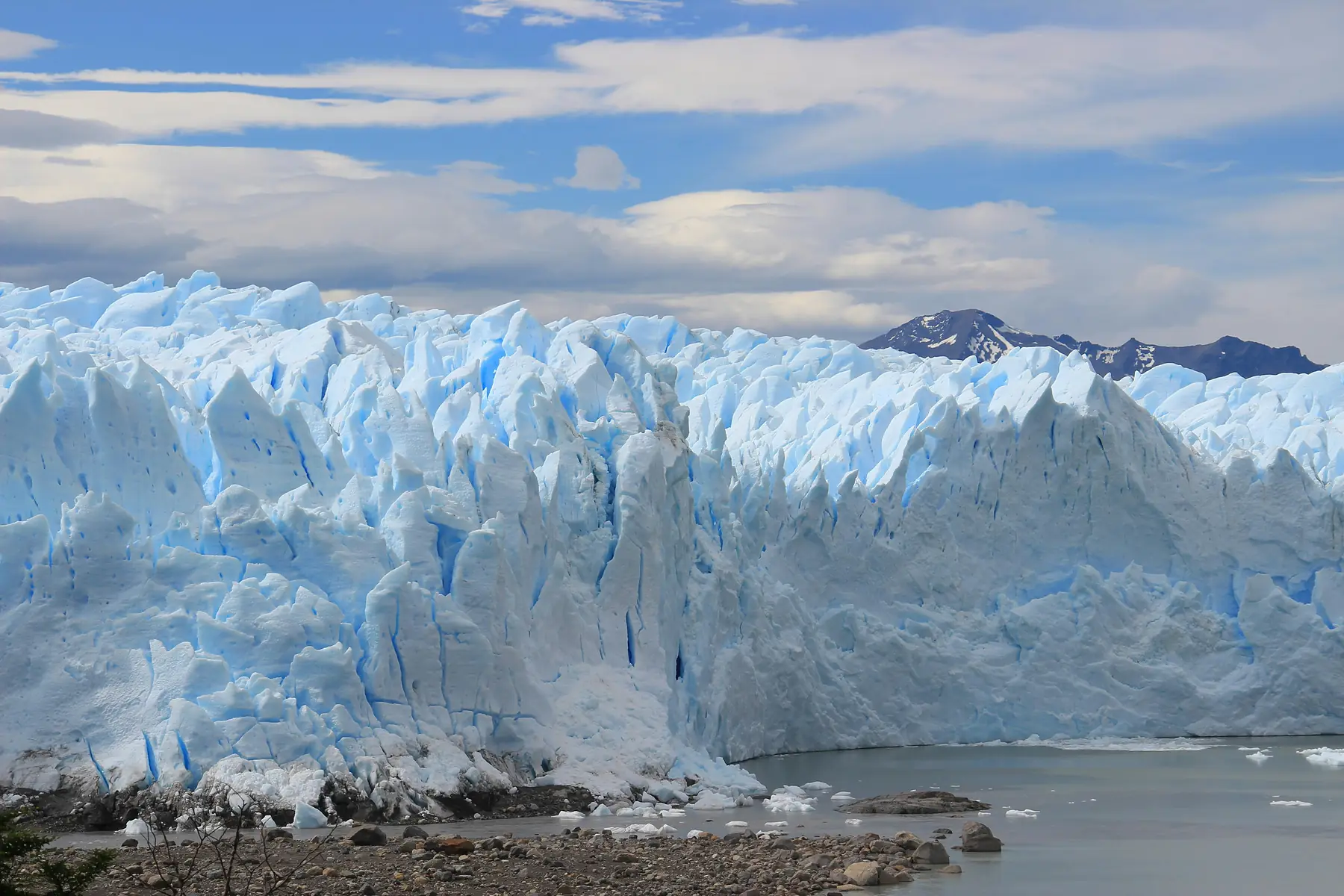
Because the glacier sits closer to the Andes and the ice field, it creates its own weather. You should expect the temperature at the glacier catwalks to be at least 3-5°C colder than in El Calafate. Additionally, the glacier produces “katabatic winds” - cold, dense air that flows off the ice and down the mountain slopes. Even on a sunny day in town, the air standing in front of the 70-meter ice wall will feel frigid.
When planning your visit, consult our Perito Moreno Glacier guide to understand how these temperature drops affect different activities, from the viewing balconies to ice trekking.
Precipitation and Snowfall in El Calafate
El Calafate is remarkably dry, with an annual precipitation average of only about 200mm to 250mm. To put that in perspective, it is technically a desert. Rain in town is usually a light drizzle that passes quickly, rather than sustained downpours.
Snow is common from June to August, but because the air is so dry, it rarely accumulates to great depths in the town center. However, it can make the roads to the airport and the national park slick.
For travelers arriving during a winter storm, it is wise to monitor transportation logistics and airport status as heavy snow in the surrounding hills can occasionally cause flight delays at Armando Tola International Airport (FTE).
Daylight Hours and Seasonal Experience
The extreme southern latitude of El Calafate (50°S) means the amount of available daylight swings dramatically throughout the year. This dictates the operating hours for almost all tours in the region.
- Summer Solstice (December 21): Sunrise at approximately 05:30, Sunset at approximately 22:10. This allows for “Sunset at the Glacier” tours and long evening walks.
- Winter Solstice (June 21): Sunrise at approximately 09:50, Sunset at approximately 17:45. Most tours start later and the window for seeing the glacier in good light is narrow.
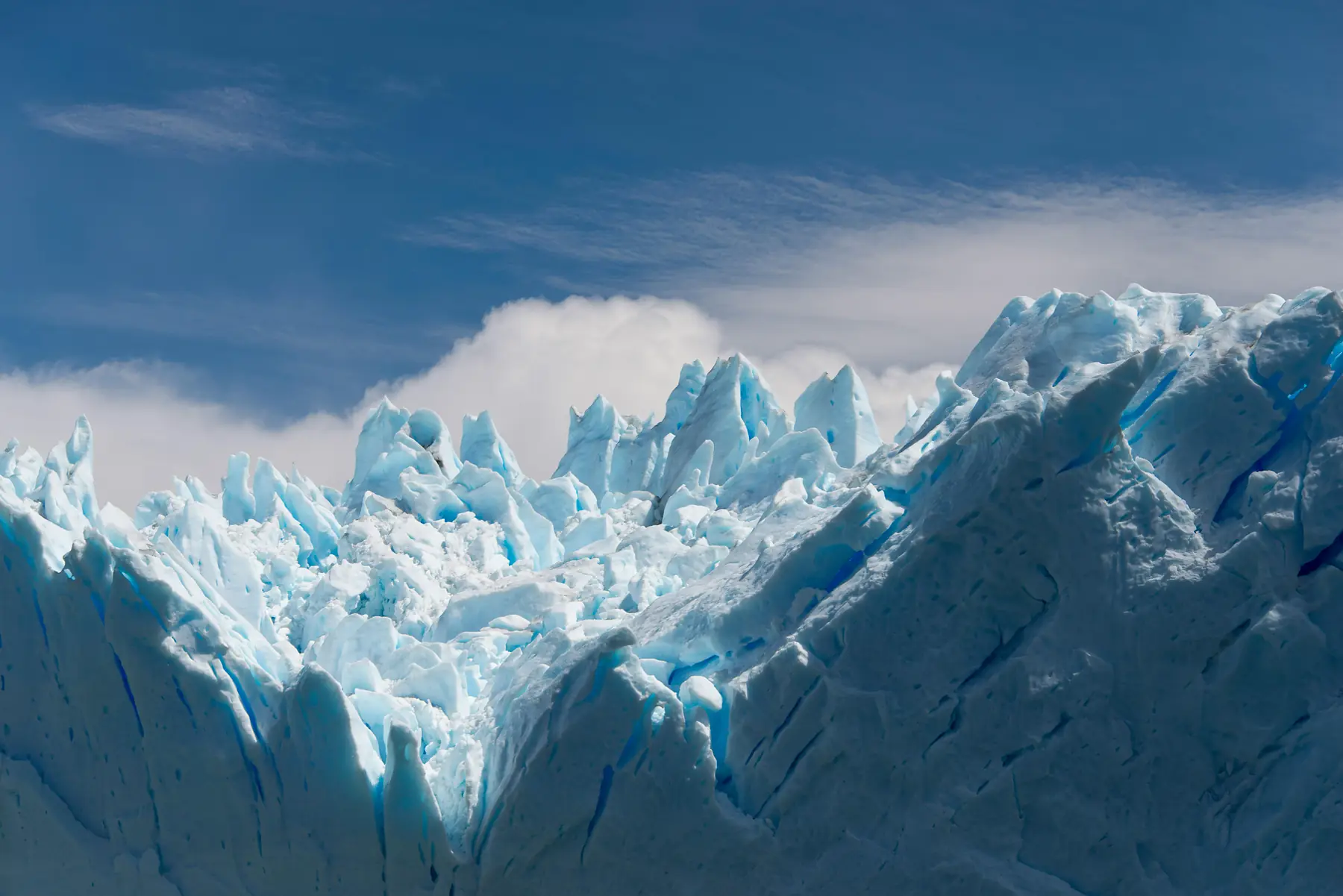
The “Golden Hour” for photography at the glacier is particularly long in the summer, often lasting for two hours before sunset, casting a deep blue hue over the ice. In contrast, winter light remains low and soft all day, which is excellent for photography but requires much warmer gear to withstand the lack of solar heat. To see how these hours affect specific activities, refer to our guide on things to do in El Calafate.
Packing for El Calafate: A Weather-Based Strategy
In El Calafate, your clothing isn’t about looking good; it’s about managing the wind and the temperature delta between the sun and the shade. The sun at this latitude is exceptionally strong, but the moment you step into the shadow of a mountain or the wind picks up, the temperature feels like it has dropped 10 degrees.
The most critical item in your bag is a high-quality windproof shell. A heavy, bulky parka is often less useful than a versatile layering system because you will be constantly moving between a heated bus, a windy boat deck, and a sheltered trekking trail.
For a complete breakdown of the specific gear required for the region, including footwear recommendations for the glacier catwalks vs. the town’s gravel streets, see our comprehensive Patagonia packing list.
To go deeper into planning your El Calafate trip:
FAQ
What is the warmest month in El Calafate? January is typically the warmest month in El Calafate, with average daytime highs reaching 18°C (64°F), though sunshine can make it feel significantly warmer.
Does it rain a lot in El Calafate? No, El Calafate is located in a semi-arid steppe and receives very little annual rainfall (approx. 200mm), though the nearby Perito Moreno Glacier receives much more precipitation.
When is the windiest time to visit El Calafate? The windiest months in El Calafate are during the peak summer season, from November through February, when gusts can occasionally disrupt boat tours.
Can I visit the Perito Moreno Glacier in winter weather? Yes, the Perito Moreno Glacier is accessible year-round, though winter visits (June–August) feature much shorter daylight hours and colder temperatures.
Does El Calafate get snow in the winter? El Calafate receives occasional snowfall from June to August, which can turn the surrounding hills white and allow for ice skating on Bahía Redonda.
What should I wear for El Calafate weather in October? In October, you should wear layers including a windproof jacket and a fleece, as spring weather in El Calafate is highly unpredictable and often windy.