Best El Calafate Restaurants: 2026/27 Dining & Food Guide
El Calafate’s best restaurants are defined by the tradition of cordero al asador (spit-roasted lamb), with La Tablita and Pura Vida standing out as the essential stops for traditional and budget-friendly meals respectively. While many travelers view this town simply as a basecamp for exploring the Southern Patagonian Ice Field, it has evolved into a legitimate culinary hub where Andean flavors and ranch culture meet.
As you walk down Avenida del Libertador, the town’s main artery, the scent of slow-roasting meat over ñire or lenga wood fires dominates the air. Whether you are looking for a $10 empanada to eat on the go or a multi-course “closed-door” dining experience, the local food scene is designed to reward the high-energy demands of glacial trekking. This guide covers the essential stops, from legendary parrillas to the best spots for a post-hike recovery meal.
El Calafate Dining at a Glance
- Primary Specialty: Cordero Patagónico (Patagonian Lamb)
- Typical Dinner Hour: 9:00 PM - 10:30 PM
- Booking Requirement: High (Essential for top-tier parrillas)
- Average Mid-Range Meal: $35 - $50 USD per person (as of 2026/27 season)
- Post-Glacier Strategy: Look for “continuous service” cafes between 3:00 PM and 7:00 PM
Essential Dining Tips for El Calafate
Understanding the local “dinner clock” is the first step to a successful meal. In Argentina, dining is a late-night social event; if you arrive at a restaurant when it opens (typically 7:00 PM or 7:30 PM), you will likely be dining alone or with other tourists. Locals rarely sit down before 9:00 PM, and the atmosphere in the most popular spots doesn’t peak until well after 10:00 PM.
The park tour schedules often drop travelers back in town around 5:30 PM or 6:00 PM. Most traditional restaurant kitchens close after lunch (around 3:00 PM) and do not reopen until 7:00 PM. To avoid the “hunger gap,” head to a brewery or a cafe like Borges y Alvarez Librobar which offers continuous food service throughout the afternoon.
Reservations are no longer optional in El Calafate during the peak season (October through March). The most famous institutions, such as La Tablita, often book out three to four days in advance. If you haven’t booked ahead, your best strategy is to arrive 15 minutes before the evening opening time (usually 7:00 PM) to secure a spot on the walk-in list.
Regarding payment, the economic landscape in Argentina remains dynamic. As of the 2026 season, using a foreign credit or debit card automatically triggers the MEP exchange rate, which is significantly more favorable than the official rate and closely tracks the unofficial “Blue Dollar.” However, carrying some cash is still recommended for smaller empanada shops or for leaving a 10% propina (tip), which is the standard etiquette for good service.
The Patagonian Plate: Must-Try Foods in El Calafate
Before choosing a table, it helps to understand the ingredients that define Patagonian cuisine. The regional diet is heavily influenced by the harsh climate and the vast ranching estates (estancias) that surround the town.
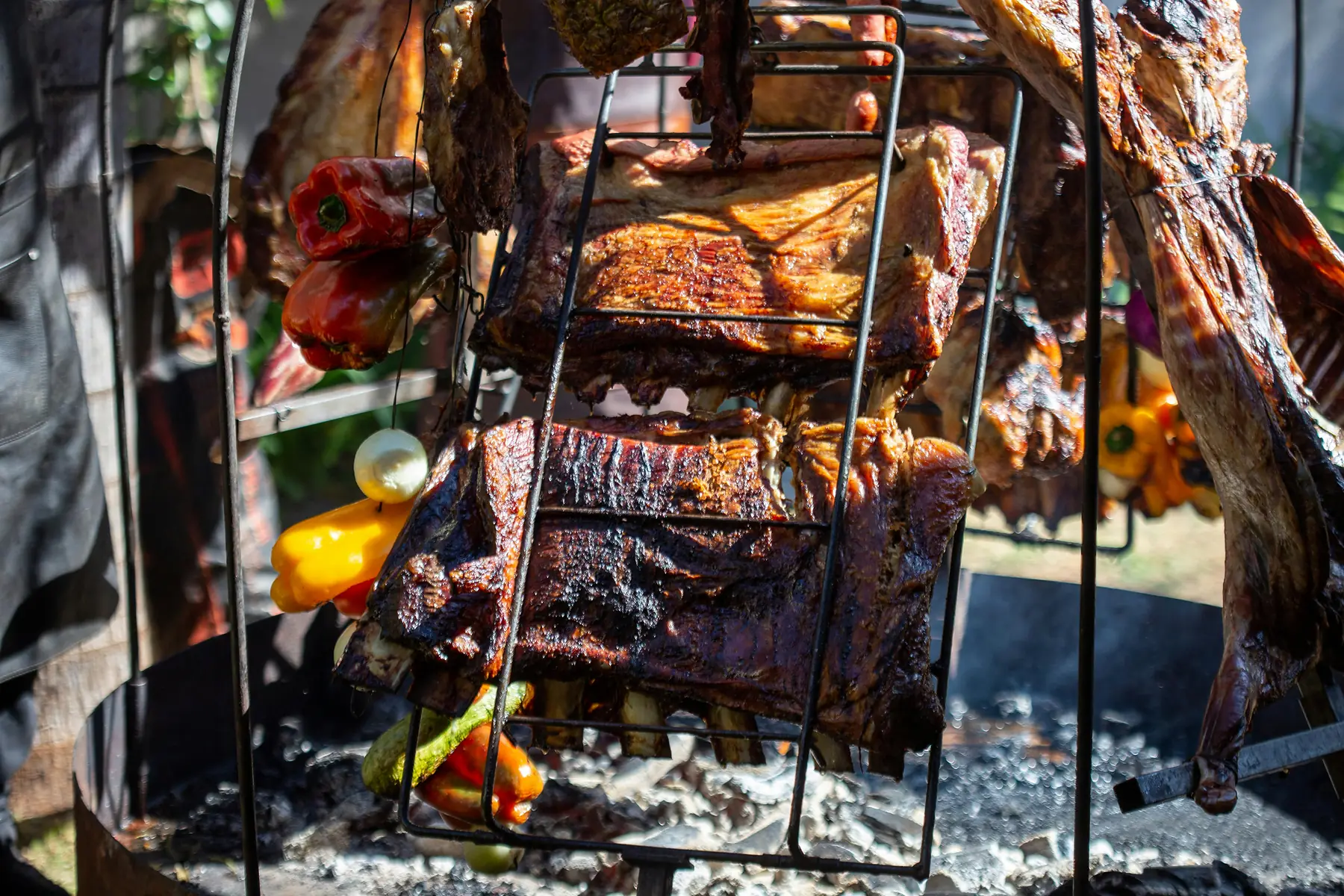
- Cordero Patagónico (Patagonian Lamb): This is the undisputed king of the local menu. Unlike the lamb found in the Northern Hemisphere, Patagonian lamb is lean and low in fat because the animals graze on wild, wind-swept shrubs. The traditional preparation is al asador - splayed on a cross-shaped spit and slow-roasted over an open fire for several hours.
- Guanaco: A wild relative of the llama, guanaco meat is a rare specialty you won’t easily find in Buenos Aires. It is extremely lean and high in protein, with a flavor profile similar to venison but slightly more delicate. It is best enjoyed as a slow-cooked stew or a tenderloin steak.
- The Calafate Berry: Legend says that anyone who eats this dark blue berry is destined to return to Patagonia. It has a tart, slightly sweet flavor similar to a wild blueberry or barberry and appears in everything from lamb reduction sauces to artisanal gelato.
- Trucha (Lake Trout): Sourced from the cold, oxygen-rich waters of Lago Argentino and nearby glacial lakes, the trout here is firm-fleshed and often served pan-seared or smoked.
The Icons: Best Traditional Parrillas & Lamb
For many, a trip to El Calafate is a pilgrimage for steak and lamb. The town’s parrillas (steakhouses) range from refined dining rooms with extensive wine cellars to boisterous local favorites where the portions are designed for sharing.
La Tablita is the town’s oldest and most prestigious parrilla. Located just across the bridge from the main center, it is famous for its dedicated lamb service. When you order the lamb here, you aren’t just getting a chop; you are getting expertly carved sections of a spit-roasted animal that has been cooking since the afternoon. Their wine cellar is one of the best in the province, focusing heavily on Malbecs from Mendoza and Pinot Noirs from Neuquén.
Casimiro Biguá offers a slightly more polished, central experience. It is a reliable choice for those who want high-quality grilled meats without the longer walk to La Tablita. Their grill is visible from the street, providing a vivid introduction to the asador style.
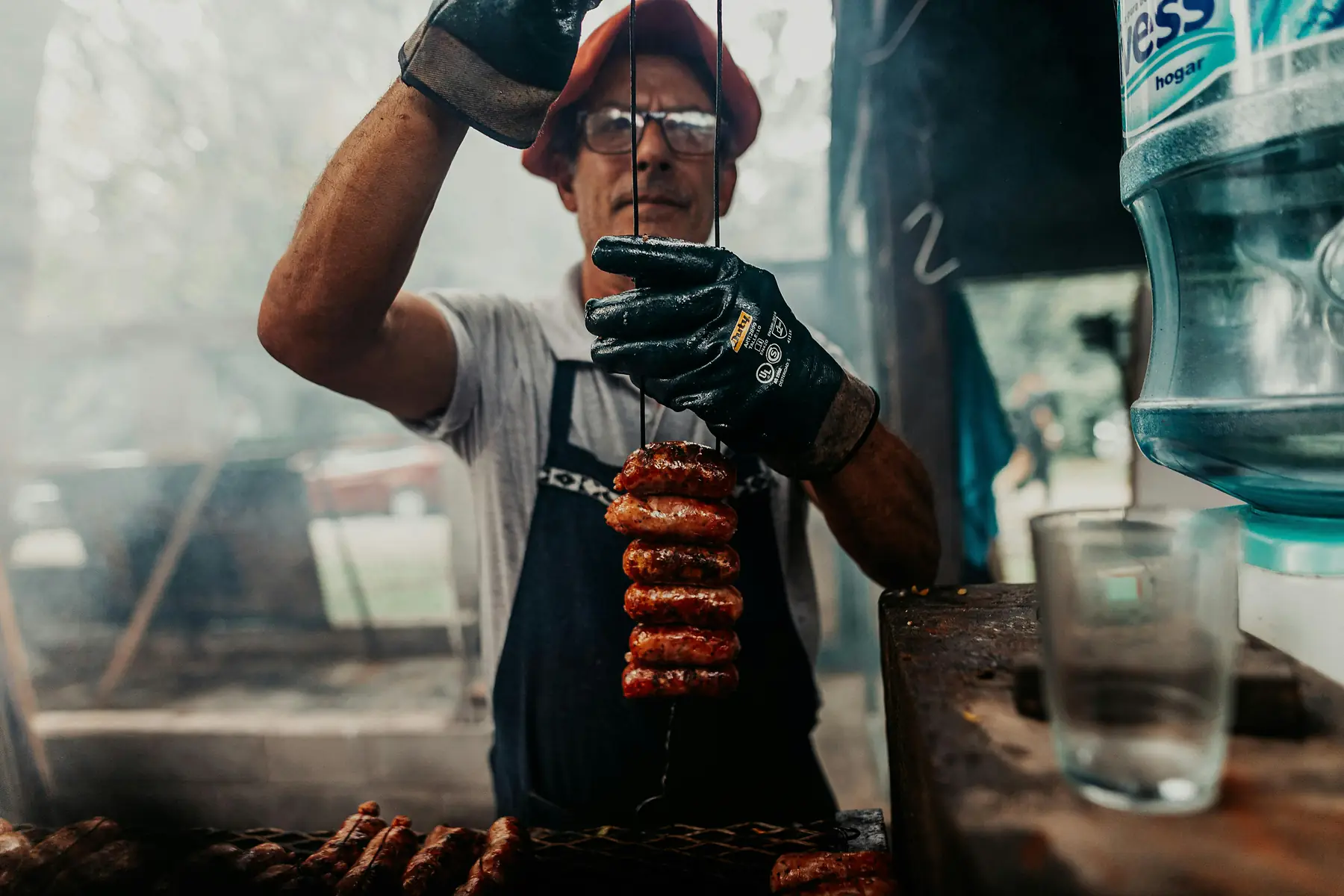
El Boliche de Alberto is a legend imported from Bariloche. It operates on a “no reservations” policy, which creates a nightly scrum at the door. The draw here is the simplicity: you choose your cut of beef, tell the grill-master how you want it cooked, and pair it with a mountain of hand-cut fries.
- Cooking Style: Traditional al asador lamb vs. a la parrilla steaks
- Reservation Policy: Essential (booked 2-4 days in advance) vs. No reservations (first-come, first-served)
- Vibe: Upscale, traditional, white tablecloth vs. Boisterous, fast-paced, rustic
- Best For: Regional specialties and fine wine vs. Large portions of beef and local atmosphere
Choose La Tablita for a refined, celebratory lamb dinner; choose Alberto for a casual, high-energy steak night with no frills.
If you want a more immersive experience, consider an Estancia Dining excursion. Several working ranches near town, such as Estancia 25 de Mayo or Nibepo Aike, offer evening “asado” tours where you can watch sheep-dog demonstrations before sitting down to a communal lamb feast in a historic shearing shed. These experiences provide the best context for how Patagonian food culture was built.
To see how to fit these iconic meals into your trip, see our guide on planning your time in town.
Hidden Gems & Intimate Dining Experiences
Beyond the smoke of the parrillas, El Calafate hides several intimate spots that focus on technique and personal service. These are often small-scale operations where the chef is also the owner.
Rancho Aparte is the most famous “closed-door” (puerta cerrada) restaurant in town. It operates out of a converted house and requires a reservation to even get the address. There is no menu; instead, you are served a fixed multi-course meal featuring local ingredients like guanaco or lamb stew in a setting that feels like a private dinner party. Maximum seating capacity is strictly limited to 12 people per night.
Mi Rancho is a cozy, wood-panelled space that consistently ranks as a favorite for those who find the large parrillas too loud. It is arguably the best place in town to try guanaco stew, which they prepare with a richness that tames the leanness of the meat.
Mako Fuegos y Vinos represents the “New Patagonian” style. The presentation is more modern, and the menu explores beyond just grilled meat, offering creative takes on trout and local vegetables, often sourced from their own organic farm.
For those staying in the town’s more exclusive quarters, some of the best dining is found within the hotels. High-end properties like EOLO offer destination-worthy restaurants that utilize their own organic gardens.
El Calafate Luxury Accommodation
The Best Cheap Eats in El Calafate
Eating well in El Calafate does not have to be expensive. While the high-end steakhouses grab the headlines, the town has a vibrant scene of “cheap eats” that are perfect for hikers looking to refuel without the $50 price tag.
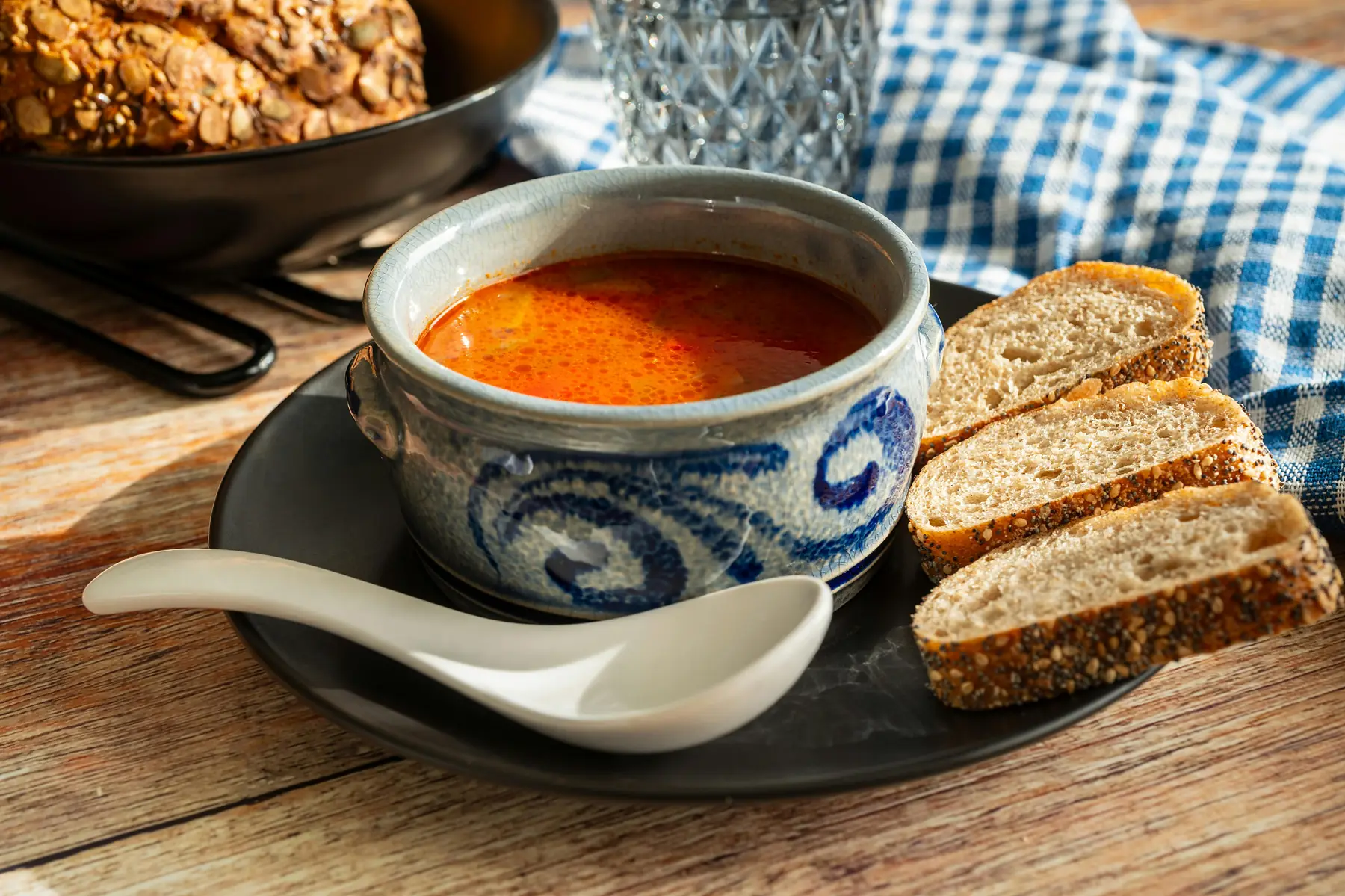
Pura Vida is the local champion of value. Their signature dish is a thick, hearty lamb or vegetable stew served inside a hollowed-out loaf of fresh bread or a roasted pumpkin (calabaza). It is one of the few places in town that offers genuinely excellent vegetarian and vegan options, such as lentil stews and vegetable pot pies. Expect to pay around $30 - $40 USD for a full meal including drinks as of the 2026 season.
La Zorra Taproom is the best spot for a “burger and a pint.” The atmosphere is relaxed, the music is good, and the prices are significantly lower than the sit-down restaurants on the main drag. It is a favorite for younger travelers and locals alike.
For a quick takeaway, head to Panaderia Don Luis or Don Luis Empanadas. These shops serve traditional Argentine empanadas - beef, spicy beef, ham and cheese, or humita (corn) - for a few dollars each. They are the perfect portable lunch for the bus ride to the glacier.
If you are staying in self-catering accommodation, the La Anónima supermarket on the edge of the town center is your primary resource. It gets very crowded between 6:00 PM and 8:00 PM when the tour buses return, so try to shop mid-morning if possible.
For more advice on managing your budget while visiting this region, check out our guide for budget-conscious travelers.
El Calafate Budget Travel Guide
Post-Glacier Dining: Where to Eat After Perito Moreno
The logistics of visiting the glaciers often create a dining challenge. Most tours to Perito Moreno return to El Calafate between 4:30 PM and 6:00 PM. This is the “dead zone” for Argentine dining - too late for lunch and too early for dinner.
If you have just spent six hours walking on ice or hiking the boardwalks, you will likely be starving. Borges y Alvarez Librobar is a fantastic “continuous service” spot located on the main street (Av. del Libertador 1015). It functions as a cafe, bar, and library, serving hot food all afternoon. It’s the perfect place to grab a locro (a thick, traditional corn and meat stew) and a coffee while you wait for the parrillas to open.
Alternatively, many of the craft breweries (cervecerías) open their doors by 5:00 PM and serve snacks or smaller plates that can bridge the gap until a late dinner.
If you need help navigating from the bus drop-off to these locations, our town map provides a clear layout of the dining districts.
El Calafate Town Map & Logistics
Sweets, Gelato & The Calafate Berry Experience
Argentina’s Italian heritage means that gelato is taken very seriously here, and El Calafate has some of the best in the country.
Ovejitas de la Patagonia is an institution. They have two main branches in town: the primary shop at Av. del Libertador 1197 and a second location at Calle Los Gauchos 1370. They offer a combination of artisanal chocolate and gelato. You must try the “Calafate” flavor; it is a deep purple, creamy gelato that captures the tartness of the berry perfectly.
Acuarela is another heavy hitter in the gelato scene. Locals often argue that Acuarela’s Calafate berry ice cream is superior because of its slightly higher acidity, which balances the sugar.
For a mid-afternoon break, visit a traditional panaderia (bakery) to try facturas (pastries) or alfajores (shortbread cookies filled with dulce de leche). This is also the best place to observe the local yerba mate culture, as you’ll see people filling their thermoses with hot water for their afternoon brew.
Nightlife: Craft Beer & Gin Bars
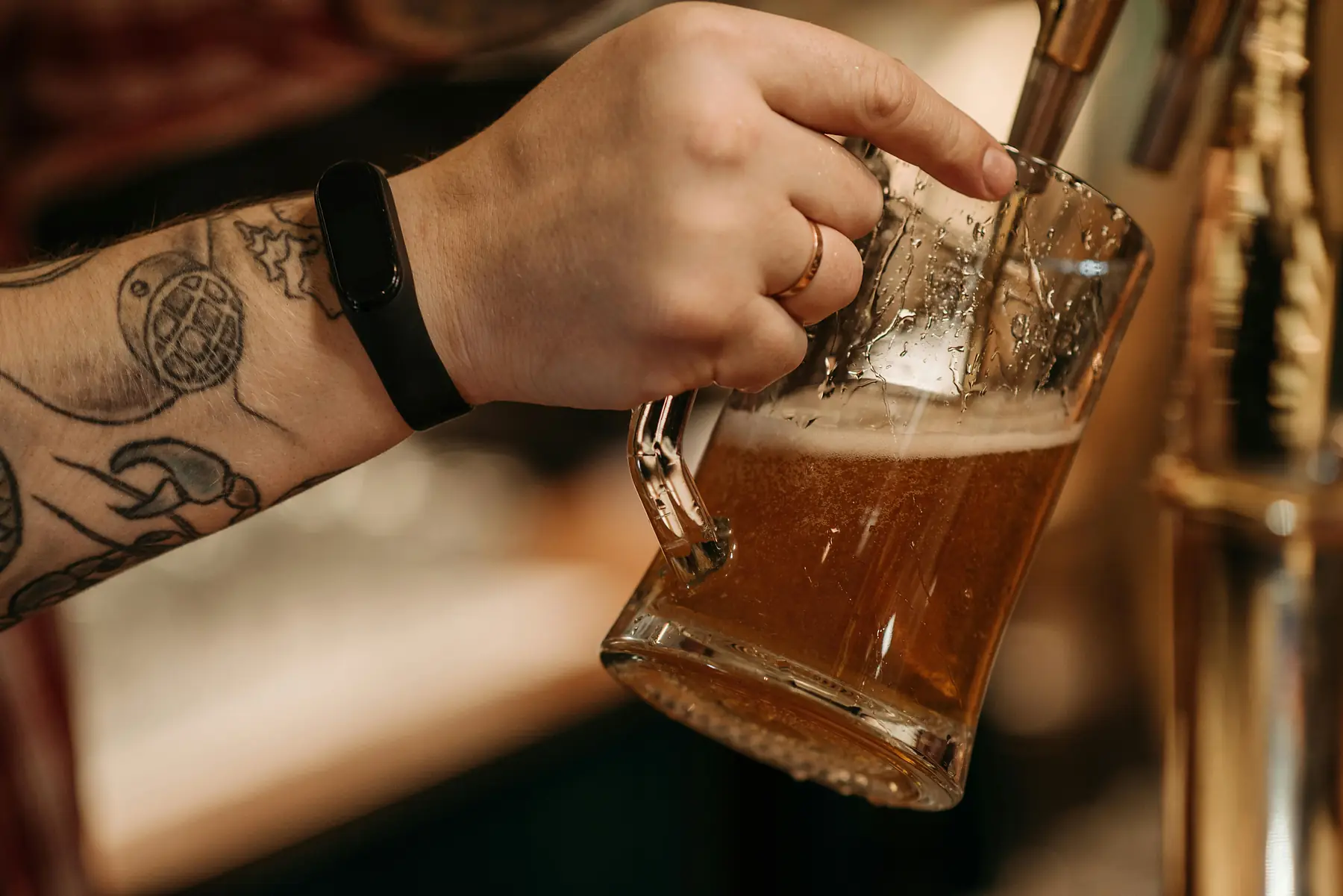
After dinner, the town’s social life shifts toward its craft breweries and specialized bars. The craft beer scene in Patagonia is booming, fueled by the pure glacial water available in the region.
La Zorra and Oveja Negra are the two main rivals in the brewery scene. Both offer a wide range of styles, from refreshing Golden Ales to heavy, chocolatey Stouts. Most breweries offer a “tasting flight” (una tabla de degustación), which is the best way to sample the local range.
For something more sophisticated, Shelby Mercado de gin y cervezas (located in the Galería de los Pájaros) is a dedicated bar that focuses on Argentine botanicals and an extensive collection of gins. Argentine gin has gained international acclaim recently, and Shelby is the best place in town to see why.
Finally, there is the Yeti Ice Bar. This is more of a “tourist experience” than a culinary one. You are given a heavy thermal coat and gloves before entering a room made entirely of ice - including the glasses you drink from. It’s a fun 25-minute novelty. While walk-ins are sometimes possible, advance booking is highly recommended during the high season to secure a specific time slot.
FAQ
What is the best restaurant for Patagonian lamb in El Calafate? La Tablita is widely considered the premier destination for traditional Patagonian lamb, though Casimiro Biguá is a fantastic alternative in the town center.
Where can I find cheap eats in El Calafate? Pura Vida offers great value with hearty stews, while La Zorra Taproom is the top choice for affordable burgers and craft beer.
Are there vegetarian-friendly restaurants in El Calafate? While the town is meat-centric, Pura Vida and Viva la Pepa offer excellent vegetarian stews, crepes, and salads.
Do I need to make restaurant reservations in El Calafate? Yes, for popular spots like La Tablita or Mi Rancho, booking 2-4 days in advance is essential during the October–March high season.
What time do restaurants in El Calafate open for dinner? Most traditional restaurants open for dinner at 7:00 PM or 7:30 PM, though the peak dining hour for locals is typically between 9:00 PM and 10:00 PM.
Can I try Guanaco meat at restaurants in El Calafate? Yes, Mi Rancho and Mako Fuegos y Vinos are well-known for serving Guanaco in stews or as grilled steaks.