
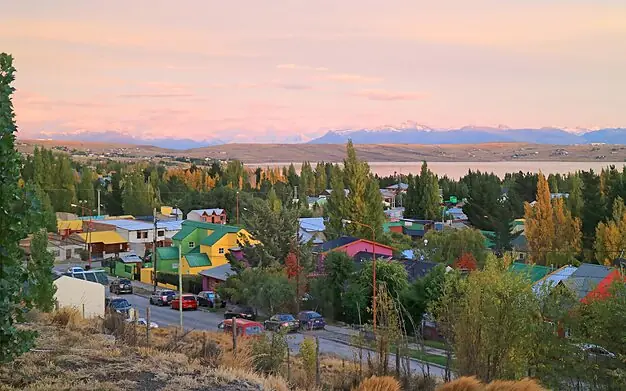
22 Best Things to Do in El Calafate: 2026 Adventure Guide
El Calafate is the world’s glacier capital, serving as the essential base for exploring the southern sector of Los Glaciares National Park and the massive Perito Moreno Glacier. While most travelers arrive specifically to see the ice, the town offers a surprisingly diverse range of activities, from traditional Patagonian estancia experiences and birdwatching to a thriving craft beer and culinary scene.
The experience here is defined by the scale of the landscape. You will hear the thunderous crack of calving ice long before you see the splash, and you’ll likely spend your evenings sharing stories over slow-roasted lamb and local malbec. This guide breaks down how to balance the famous “must-dos” with the quieter, local secrets that make a trip to Southern Patagonia feel complete.
El Calafate at a Glance
- Primary Draw: Perito Moreno Glacier and the Southern Patagonian Ice Field
- Recommended Stay: 3 - 4 days to cover the glacier, a boat tour, and an estancia
- Best Time for Wildlife: October to March for flamingos and birdlife
- Top Local Flavor: Cordero al Palo (spit - roasted lamb) and Calafate berry jam
- Transport Hub: Gateway to El Chaltén (3 hours) and Torres del Paine (5 hours)
The Absolute Must-Dos: El Calafate Top Attractions
If you only have 48 to 72 hours in El Calafate, your itinerary should focus on the “Big 7” attractions that define the region’s identity. These activities offer the highest “reward - to - effort” ratio and showcase the dramatic transition from the arid Patagonian steppe to the frozen peaks of the Andes.
The cornerstone of any visit is the Perito Moreno Glacier, followed by a full - day navigation of Lago Argentino to see the more remote ice walls of Upsala and Spegazzini. Beyond the ice, the essential cultural experience is a day at a traditional estancia like Nibepo Aike, where the region’s pioneering history comes to life. For a change of pace, the Laguna Nimez Reserve offers world - class birdwatching within walking distance of the town center, while the Glaciarium provides the scientific context for the frozen world you’ve just explored. Finally, no visit is complete without a traditional parrilla dinner and a stroll through the local artisan markets.
To help you decide which of these to prioritize, we have categorized the top experiences by the type of adventure they offer.
Perito Moreno Glacier: Multiple Ways to Experience the Ice
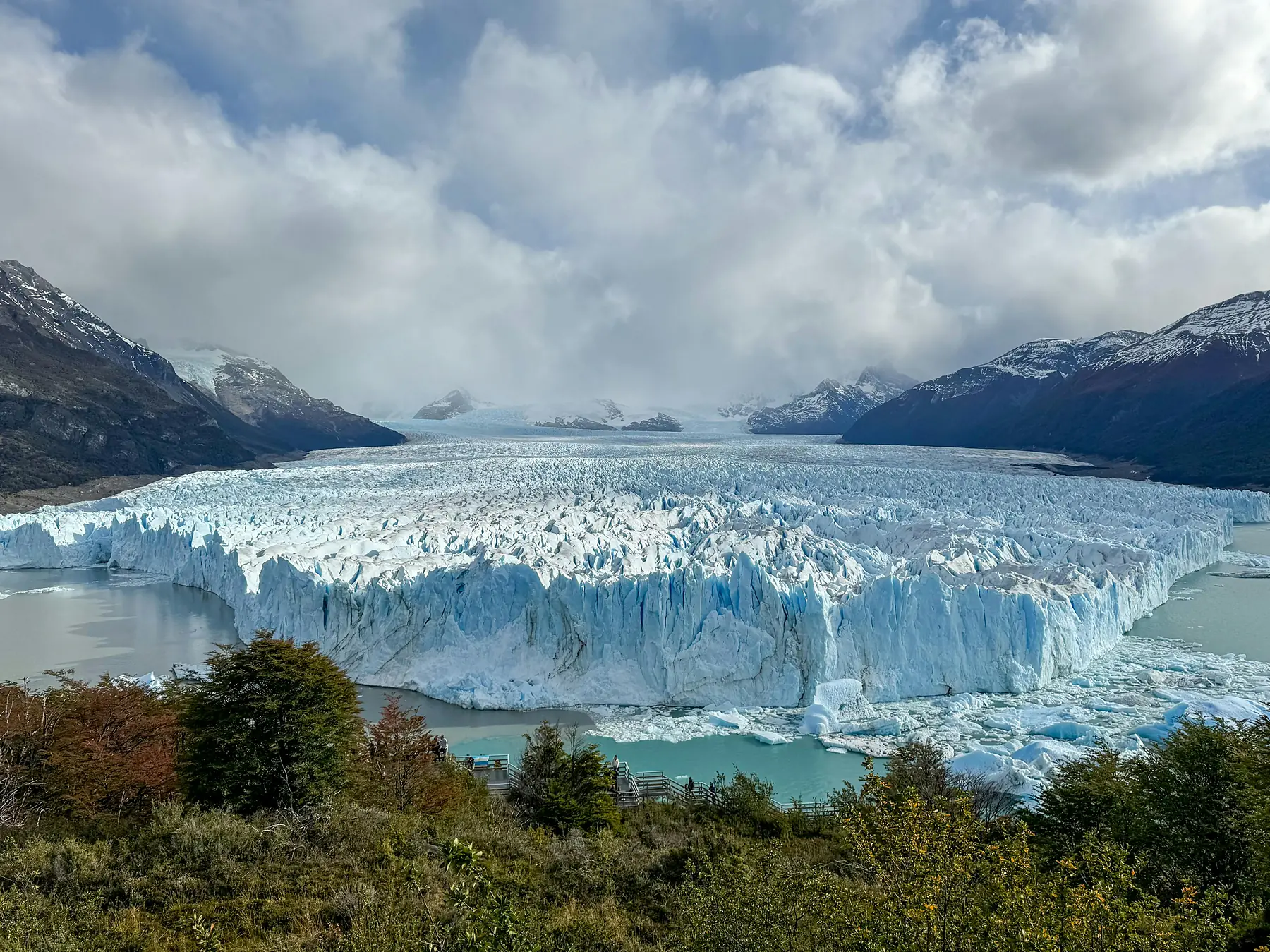
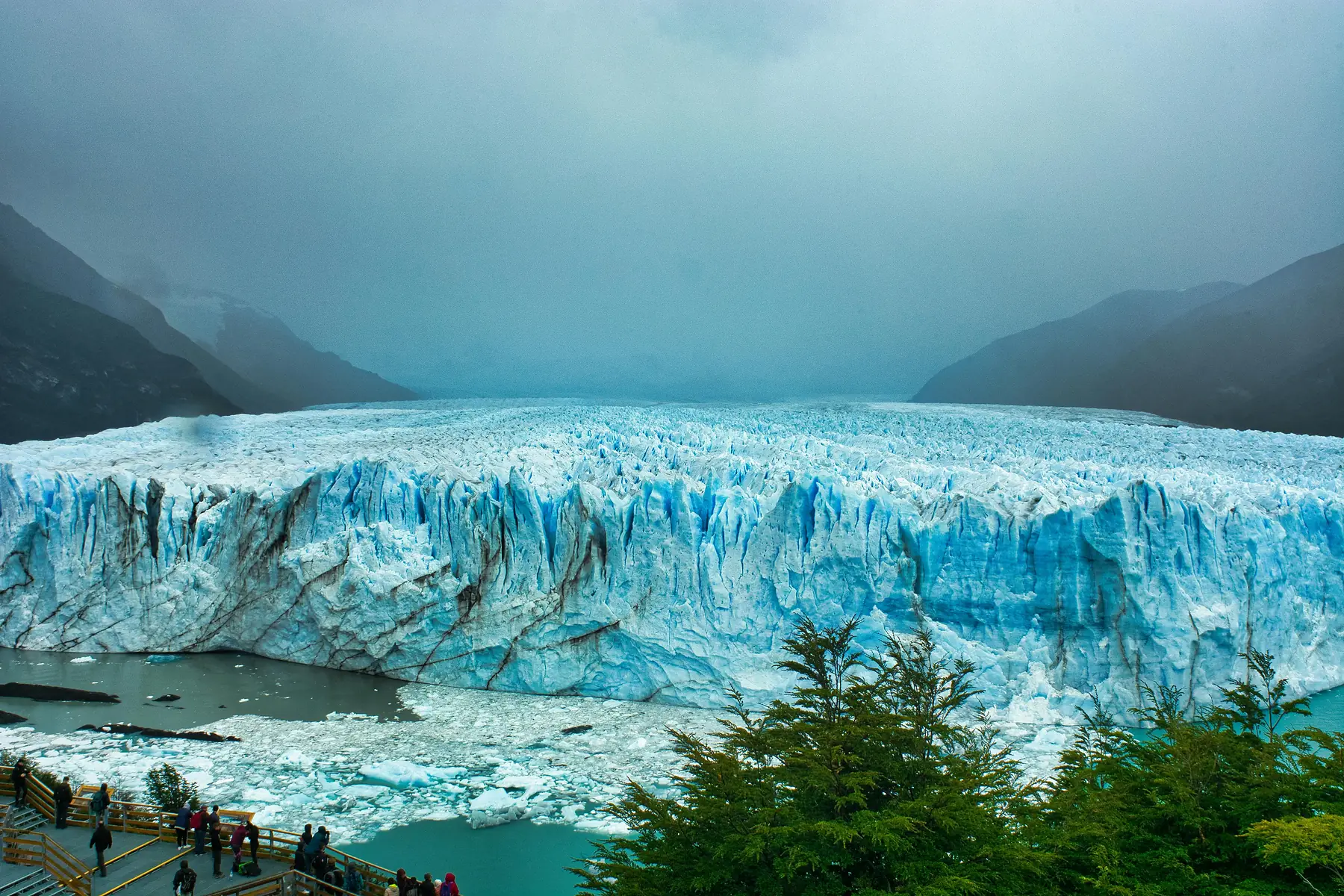
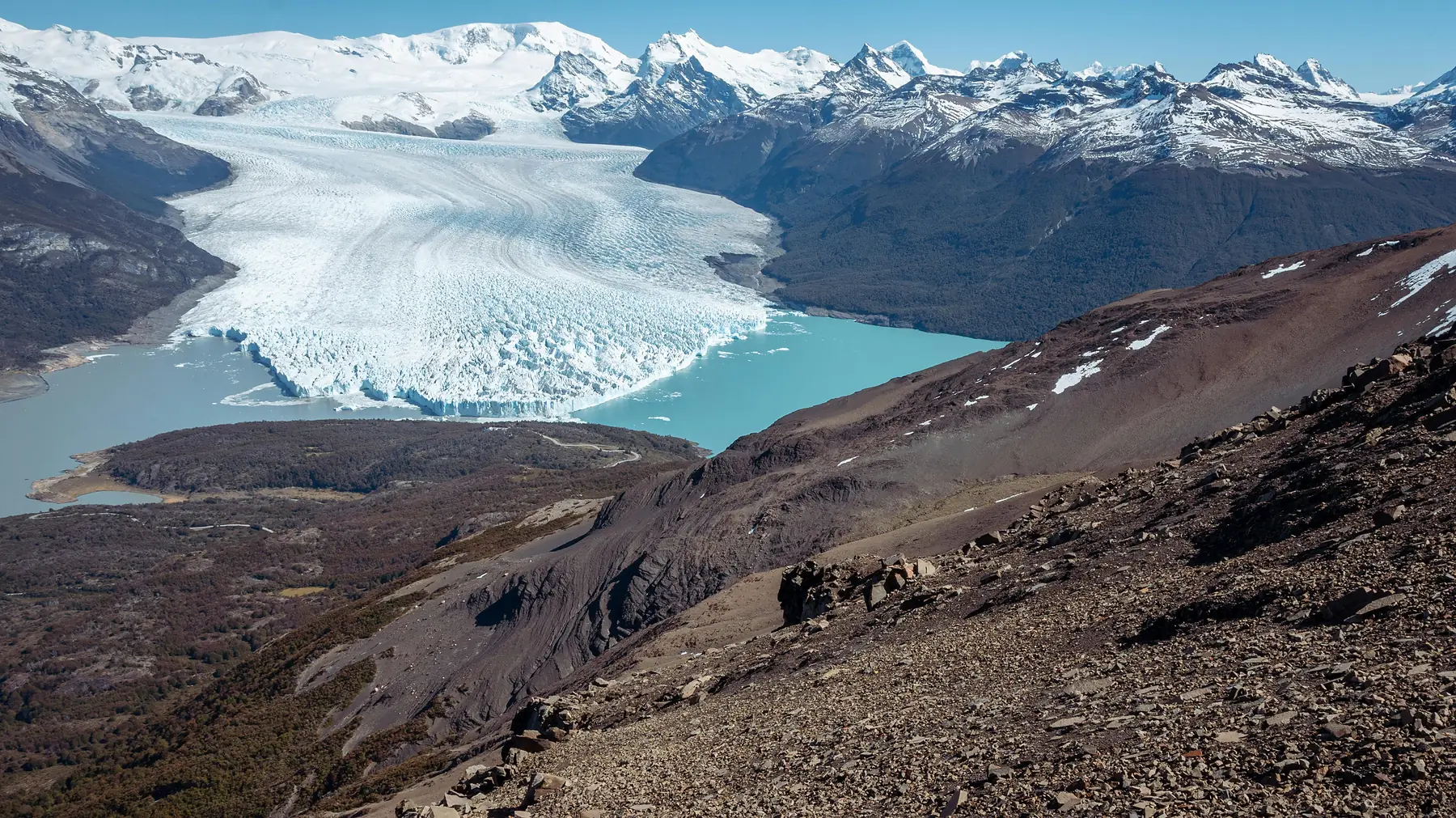
The Perito Moreno Glacier was long famous for being one of the few glaciers in the world in a state of equilibrium; however, recent scientific data shows it has entered a phase of retreat and thinning since 2018. Despite this shift, it remains a massive, 250-square-kilometer ice giant with 70-meter-high walls that visitors can experience in four distinct ways. Most visitors begin at the Walkways (Pasarelas), a multi - level network of steel boardwalks that offer panoramic views from various angles and heights, accessible to travelers of all fitness levels.
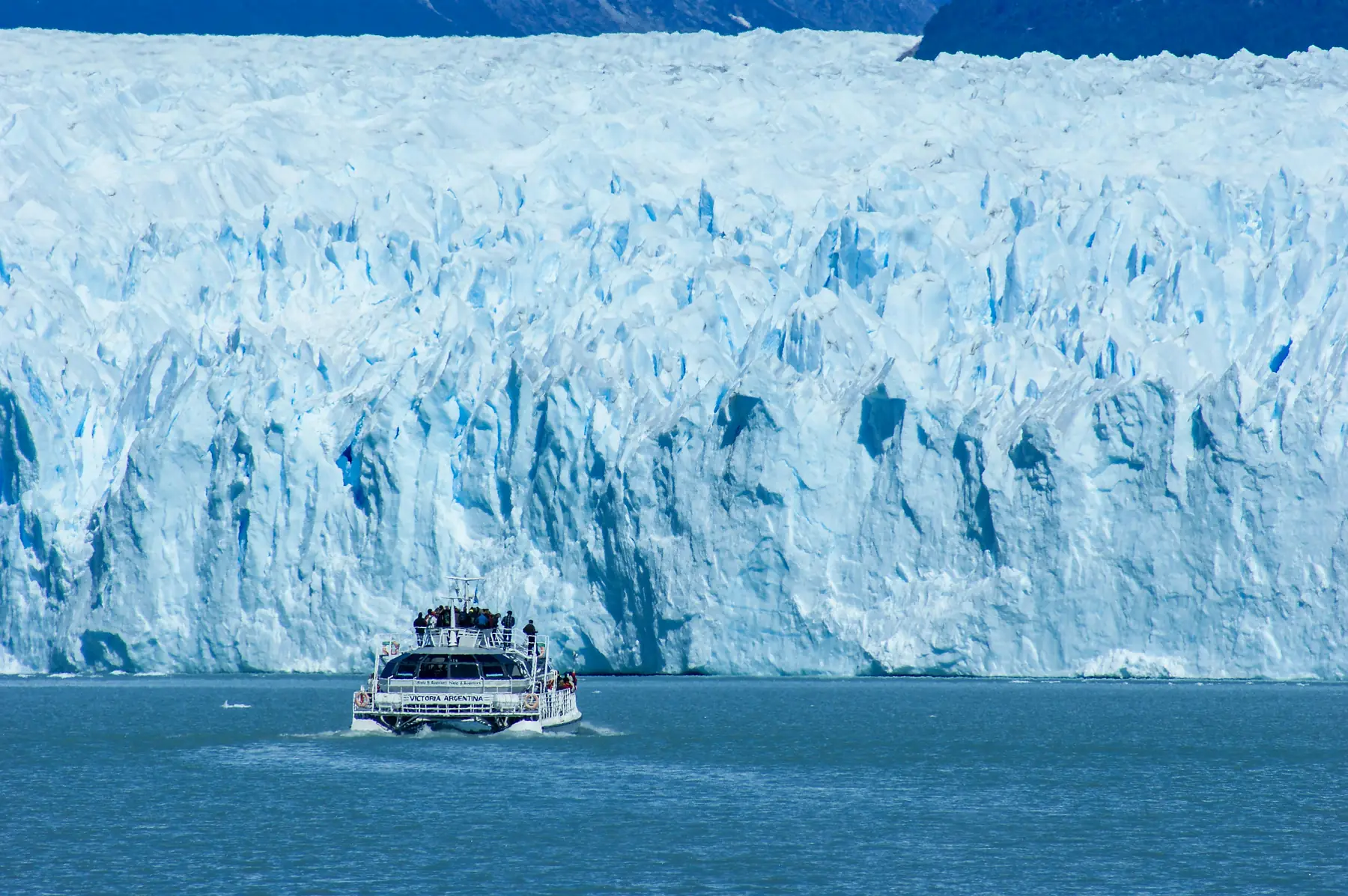
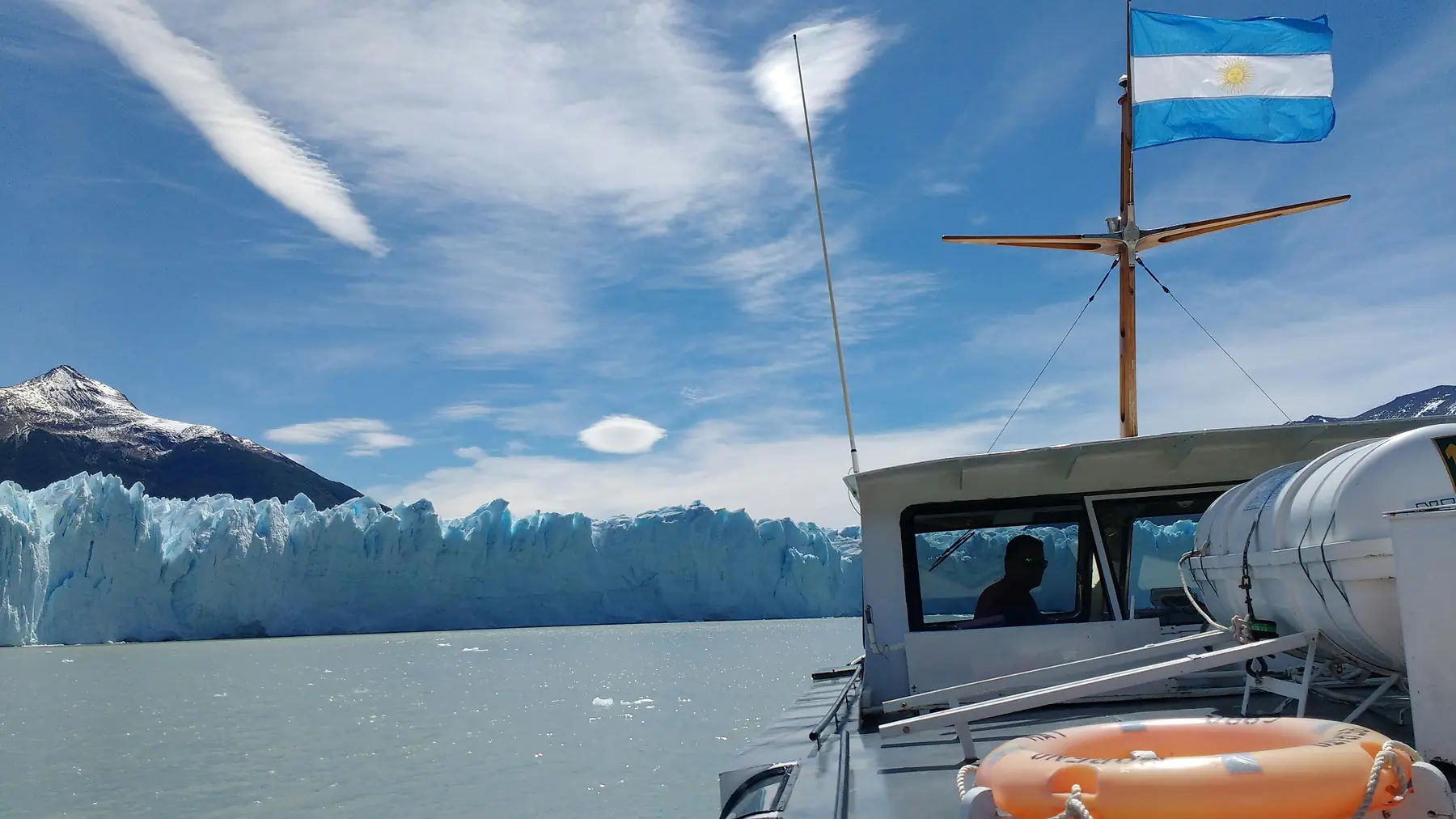
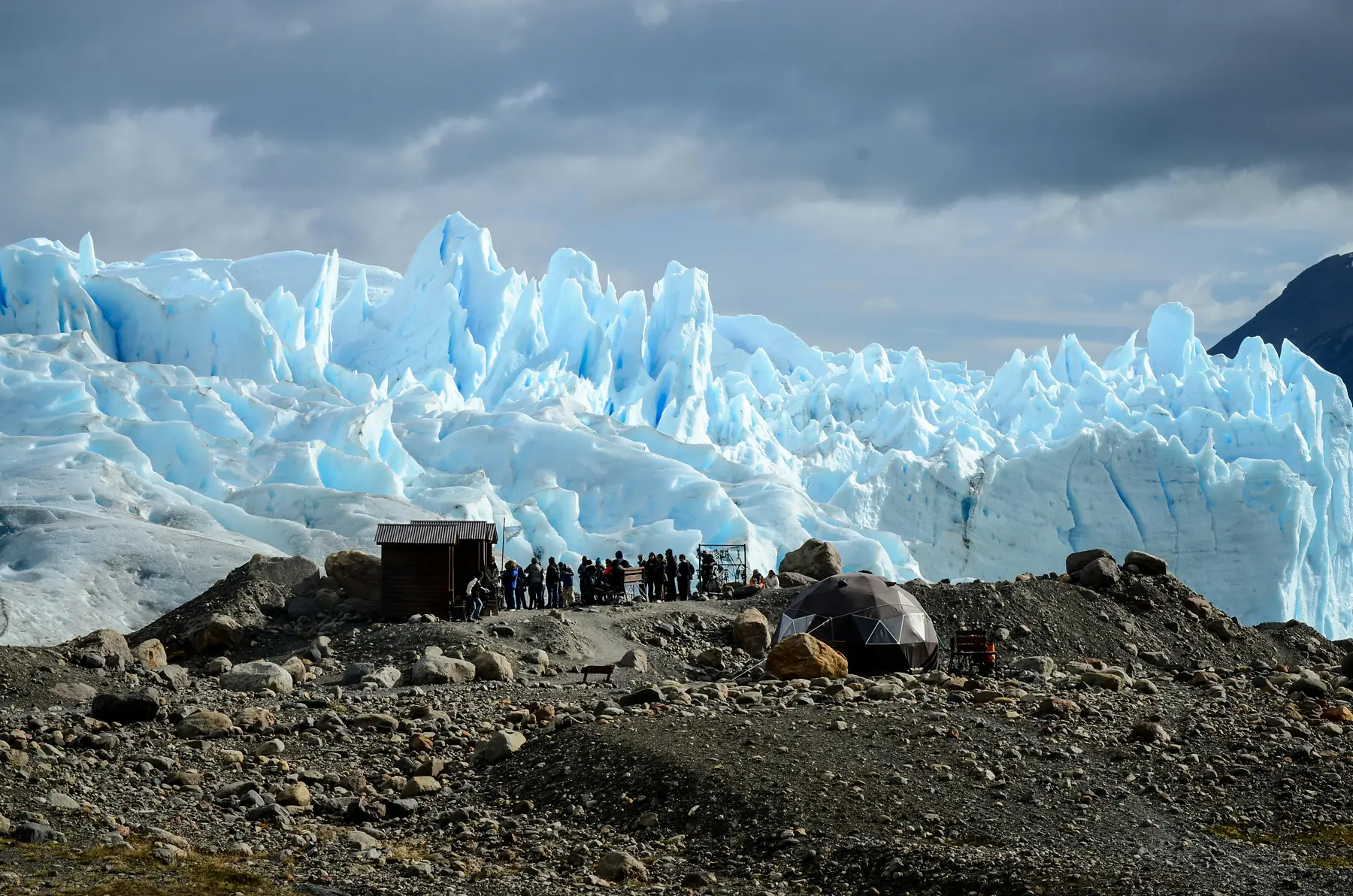
For those who want to feel the ice beneath their boots, trekking excursions are the premier choice. These range from the “Minitrekking,” which involves a short walk on the glacier’s edge, to the “Big Ice,” a more strenuous journey deep into the center of the glacier to see blue lagoons and deep crevasses. If you prefer to stay on the water, the “Nautical Safari” boat ride takes you within 300 meters of the southern wall, providing a sense of scale that is impossible to grasp from the shore. Recently, kayaking has become a popular alternative, allowing you to paddle through icebergs at the water line in near - silence.
- Physical Intensity: Moderate vs. Strenuous
- Time on Ice: Approximately 1.5 hours vs. 3.5 hours
- Terrain: Glacier edges and easy slopes vs. Deep glacier interior and moraines
- Focus: Introduction to glaciology vs. Immersive wilderness exploration
Choose Minitrekking for a taste of the ice with moderate effort; book Big Ice if you are physically fit and want to see the glacier's most dramatic interior features.
Beyond Perito Moreno: Navigating Lago Argentino
While Perito Moreno is the most famous, it is only one of many glaciers flowing from the Southern Patagonian Ice Field into Lago Argentino. To see the others, you must take a full - day boat tour, often referred to as the “Todo Glaciares” (All Glaciers) navigation. These tours depart from Punta Bandera, roughly 47km from town, and navigate the North Arm of the lake.
The primary targets for these cruises are the Spegazzini Glacier, which boasts the highest walls in the park (up to 135 meters), and the Upsala Glacier, a massive ice giant. Due to high iceberg density and safety regulations, boats currently maintain a distance of approximately 5km from the Upsala Glacier’s front, offering a panoramic view rather than a close-up approach. You will notice the water changing color as you move deeper into the lake, shifting to a milky, opaque turquoise caused by “glacial flour” - fine particles of rock ground down by the movement of the ice. For a more refined experience, premium “Gourmet Cruises” offer multi - course meals served on board while the ship idles in front of the ice walls.
Estancia Culture: Living the Patagonian Ranch Life
To understand El Calafate, you must understand the “Estancia” - the massive sheep ranches that were the backbone of the regional economy long before tourism arrived. Visiting an estancia is a full - day commitment that typically includes a demonstration of sheep shearing, horseback riding through the steppe, and a traditional asado (barbecue) lunch.
Estancia Nibepo Aike is perhaps the most authentic option, located within the national park boundaries and still maintaining its traditional ranching roots. Estancia Cristina, accessible only by boat, offers a more historical perspective; it was founded by the Masters family in 1914 and serves as the gateway to the Upsala Viewpoint via a rugged 4x4 trail. Note that Estancia Cristina operates seasonally, typically opening from October 15th through April 30th. For those who want a shorter experience closer to town, El Galpón del Glaciar offers excellent birdwatching and shearing demonstrations without the long travel times.
Town Exploration: Avenida del Libertador & Local Life
The heartbeat of El Calafate is Avenida del Libertador, a bustling main street lined with chocolate shops, outdoor gear stores, and restaurants. While it can feel touristy during the peak afternoon hours, it is the best place to get a feel for the local rhythm. One of the town’s most charming spots is the Paseo de Artesanos, a small market where local craftsmen sell high - quality leather goods, hand - knitted wool sweaters, and silver jewelry.
While walking through town, you will see the Calafate berry everywhere - in jams, ice cream, and even craft beer. Local legend dictates that anyone who eats the berry is destined to return to Patagonia. For a bit of history, visit the Intendencia Parque Nacional Los Glaciares at the west end of town, which features a beautiful historic garden and a small museum about the park’s founding.
If you want to find your way around the main street and locate the best shops, we have mapped out the key landmarks for you.
Dining in El Calafate: Parrillas, Berries, and Beer
Dining in El Calafate is an activity in its own right, centered heavily around the “Cordero al Palo” (spit - roasted lamb). You will see the carcasses splayed over open fires in the windows of the town’s many parrillas. The lamb here is unique because the animals graze on the shrubs of the Patagonian steppe, giving the meat a lean, slightly herbal flavor that is distinct from the grass - fed beef found in Buenos Aires.
The craft beer scene has also exploded in recent years. Several local breweries offer “Patagonian - style” ales, often using local ingredients like the Calafate berry or mountain honey. For dessert, a visit to one of the local heladerías (ice cream parlors) is mandatory. The Calafate berry ice cream is the signature flavor, but look for “Dulce de Leche” variations that incorporate local nuts or chocolate.

Nature & Wildlife: Flamingos at Laguna Nimez
One of the most underrated things to do in El Calafate is visiting the Laguna Nimez Nature Reserve. Located just a 15 - minute walk from the main street, this protected wetland is home to over 80 species of birds. The star of the show is the Chilean flamingo, which can often be seen in large groups, their pink feathers contrasting sharply against the turquoise water of Lago Argentino.
The reserve features a 2.5km interpretive trail that takes about 90 minutes to complete. It is an easy, flat walk with several bird hides (observatories) that allow you to get close to the wildlife without disturbing them. You can also expect to see upland geese, black - necked swans, and the Southern Lapwing. As of the 2025/2026 season, the entrance fee for foreign adults is approximately 12,000 ARS (payable in cash).
For more information on walking trails and viewpoints that don’t involve a boat or a bus, check out our guide to local hiking.
Museums & Interpretation Centers
El Calafate offers two excellent indoor options that are perfect for “rest days” or when the Patagonian weather turns sour. The Glaciarium is a world - class glaciology center located on the outskirts of town. It uses interactive exhibits to explain how the ice field was formed and how glaciers behave. It also houses the Glaciobar, where everything from the glasses to the furniture is made of glacier ice.
In the center of town, the Centro de Interpretación Histórica offers a deeper look at the region’s human and natural history. The exhibits cover everything from the dinosaurs that once roamed Patagonia to the indigenous Aonikenk people and the more recent history of the labor strikes in the 1920s. It is a dense, information - rich museum that provides essential context for the landscapes you are exploring.
If you are planning your trip around the weather, these indoor activities are your best insurance policy.
Off-the-Beaten-Path: Walichu Caves & La Leona
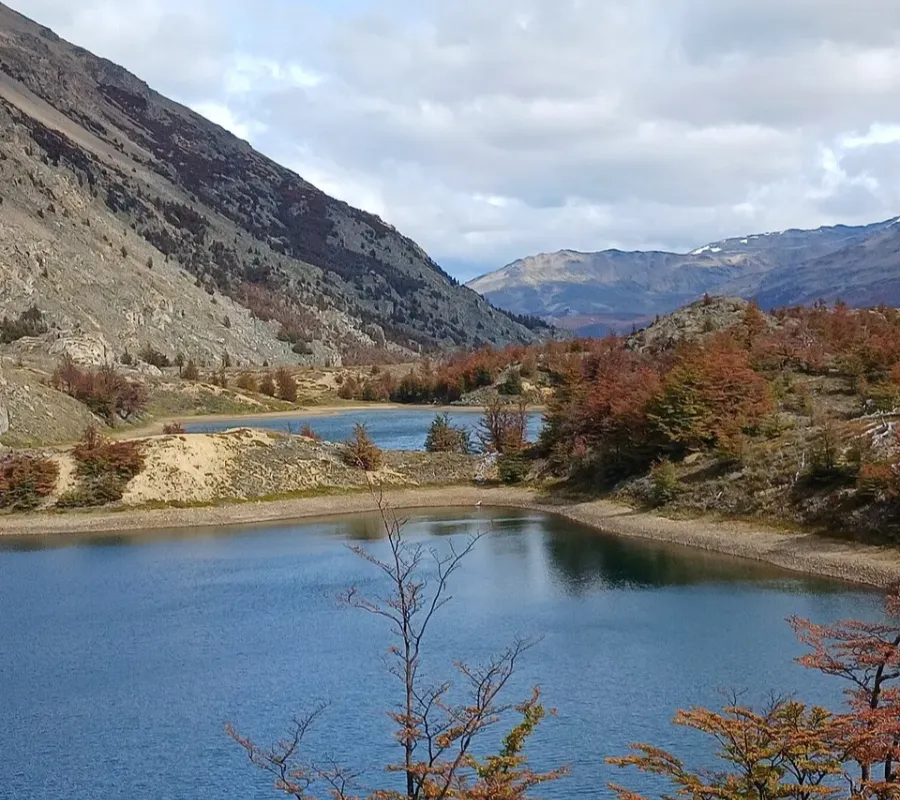
For those who want to escape the crowds, several lesser - known sites offer a different perspective on the region. The Walichu Caves, located on the shores of Lago Argentino about 8km from town, feature ancient rock paintings. While some are original and others are reproductions, the site offers a hauntingly beautiful view of the lake and a glimpse into the spiritual life of the region’s first inhabitants.
Further afield is the La Leona Petrified Forest. This “lunar” landscape is located on a private estancia halfway between El Calafate and El Chaltén. The wind and erosion have revealed massive petrified tree trunks and dinosaur fossils that are millions of years old. It is a stark, silent place that feels worlds away from the busy glacier walkways.
To learn more about the remote national park that shares the glacier’s name, see our dedicated guide.
The “Big” Day Trips: El Chaltén and Torres del Paine
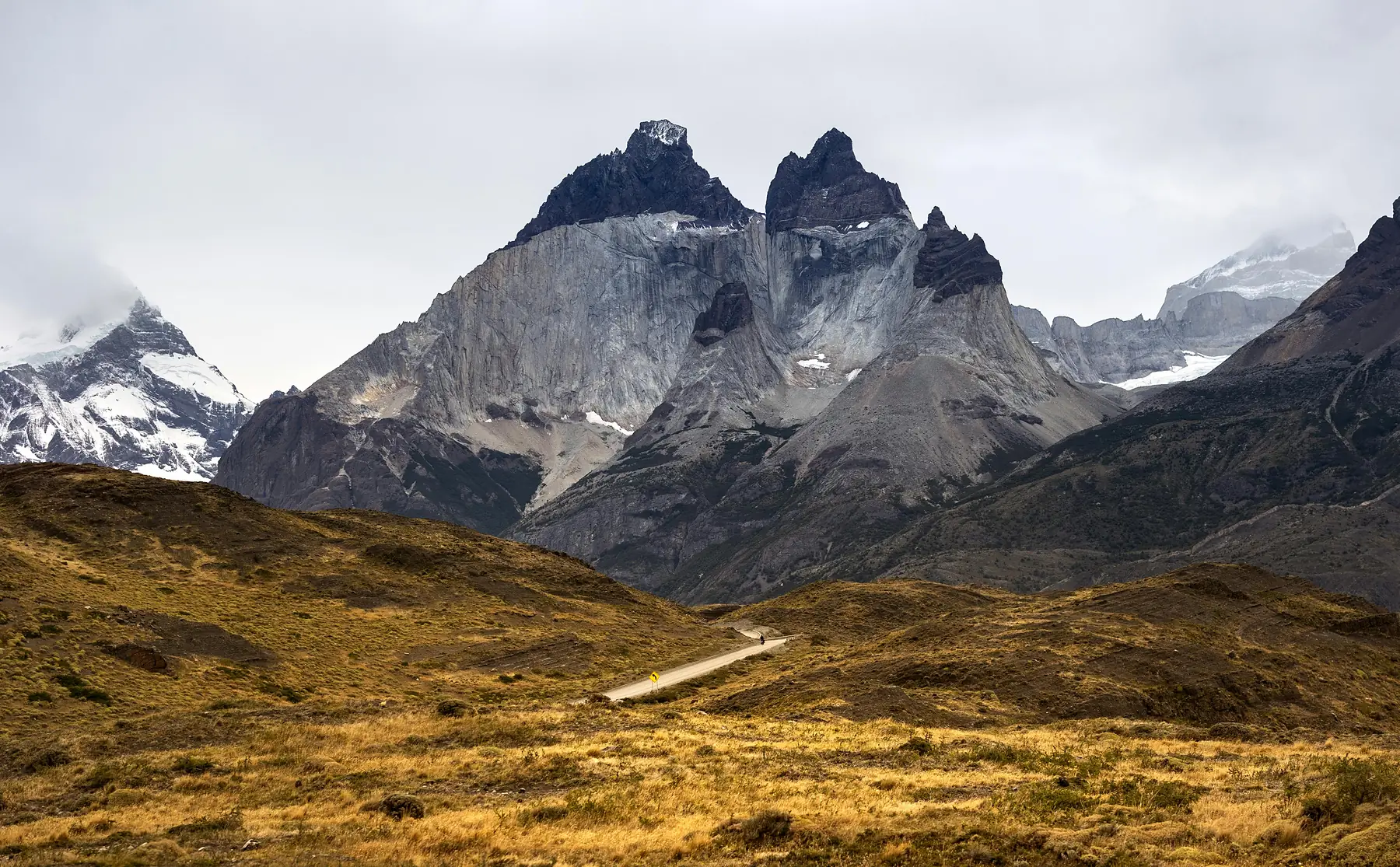
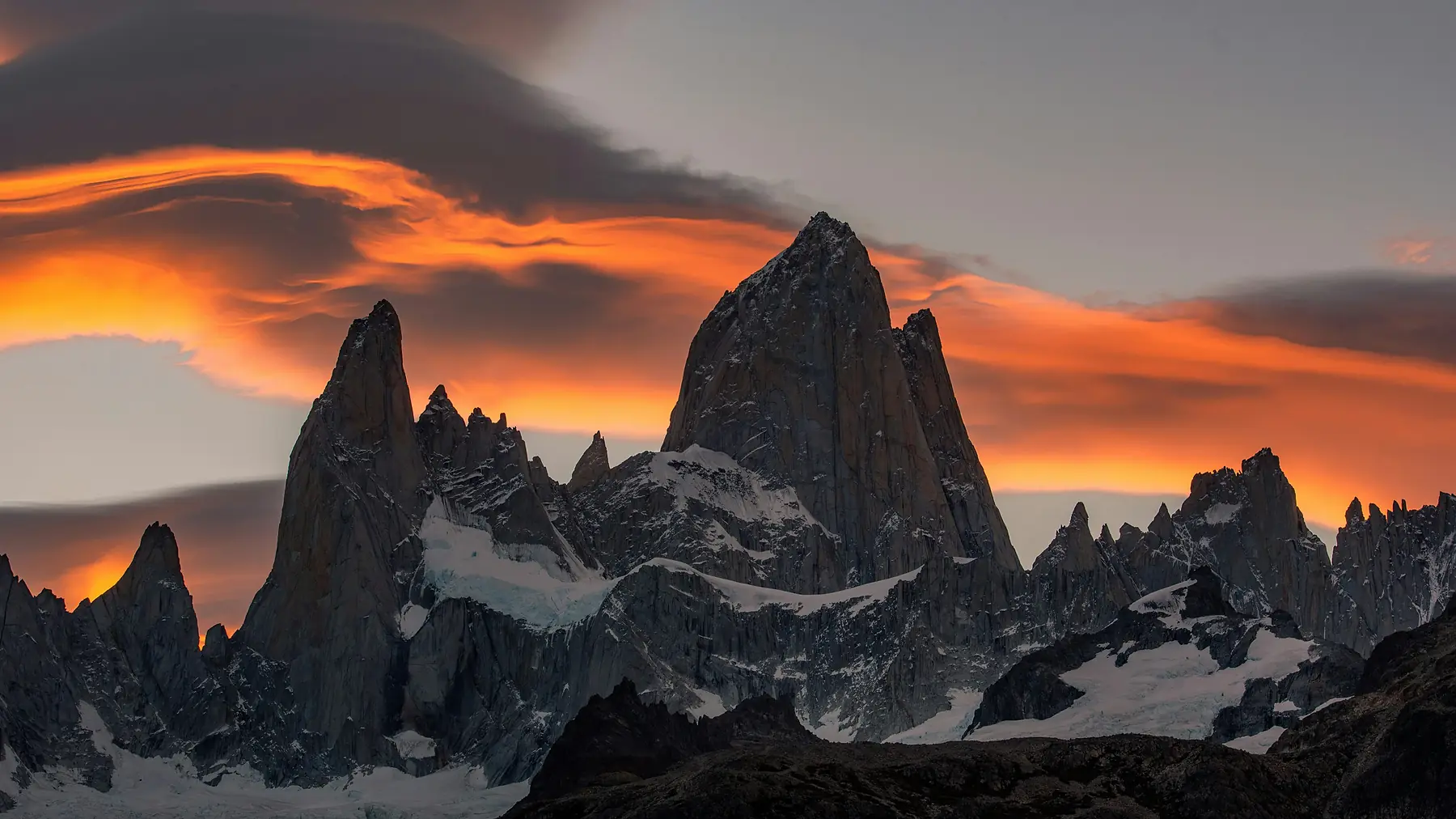
You will see many agencies in El Calafate offering “Full Day” trips to El Chaltén or Torres del Paine in Chile. While these are technically possible, they involve significant travel time. A day trip to El Chaltén involves at least 6 hours of round - trip driving, which leaves only enough time for a short walk to a viewpoint rather than the famous trek to Laguna de los Tres.
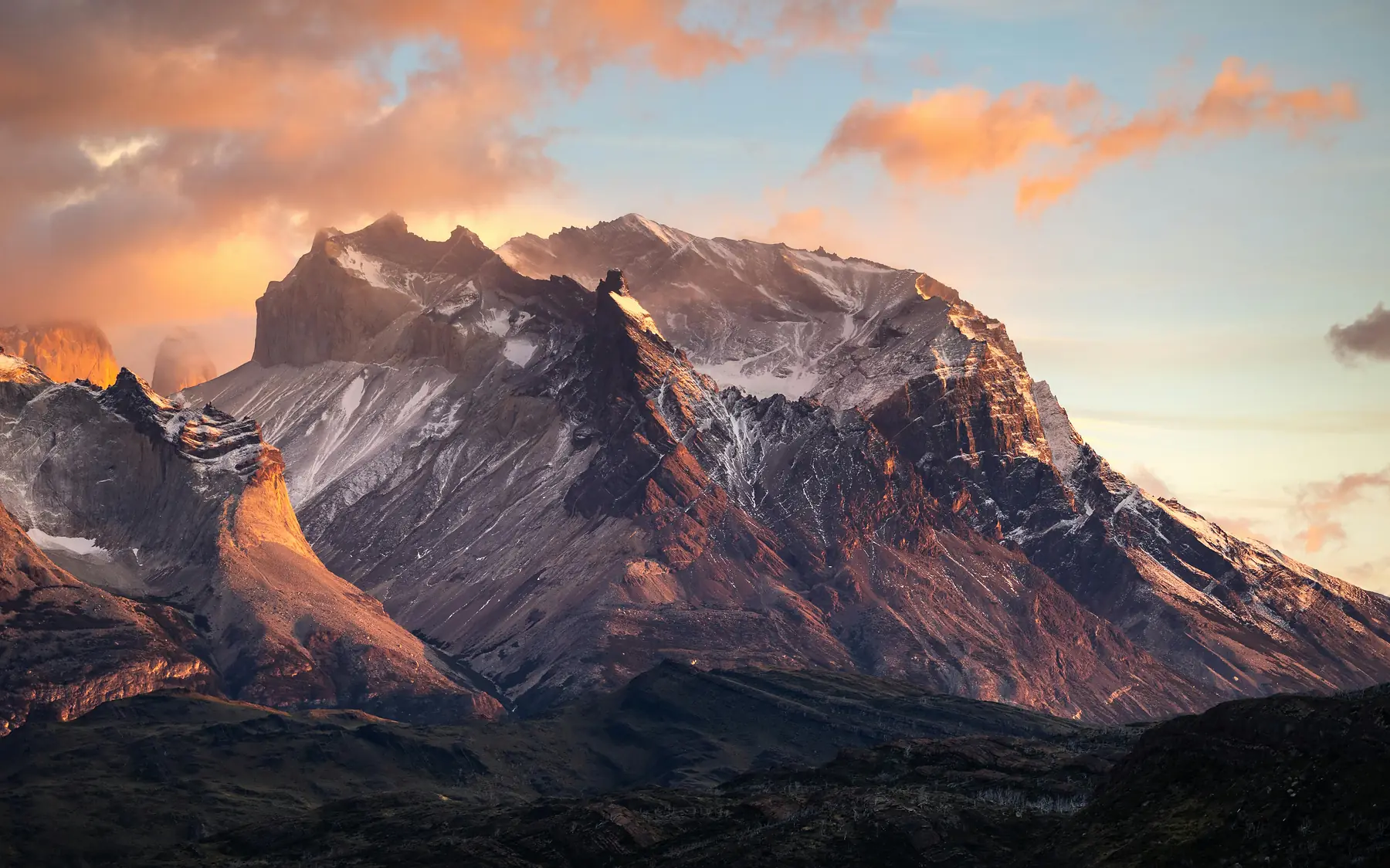
A day trip to Torres del Paine is even more grueling, often lasting 15 hours and involving two border crossings at the Cancha Carrera/Cerro Castillo pass. You will spend the vast majority of the day on a bus, and wait times at the Chilean border can be significant during peak season. We strongly recommend staying overnight in these locations if your schedule allows. However, if you are truly short on time and El Calafate is your only base, these tours provide a “highlights” reel of the granite spires and turquoise lakes that make those parks famous.
FAQ Section
What are the most popular things to do in El Calafate for first-time visitors? The top activities include visiting the Perito Moreno Glacier walkways, taking a boat cruise on Lago Argentino to see the Upsala Glacier, and enjoying a traditional Patagonian lamb dinner in town. These three experiences provide a comprehensive introduction to the region’s geography and culture.
Can I see the Perito Moreno Glacier in El Calafate without a guided tour? Yes, you can take a public bus or rental car to the Los Glaciares National Park walkways and explore the viewing platforms independently. The walkways are well - marked and easy to navigate without a guide, though you will need a tour if you want to walk on the ice.
Are there any free things to do in El Calafate? While most major attractions have fees, walking along the shores of Lago Argentino, exploring the main Avenida del Libertador, and visiting the historic park at the Intendencia are free activities in El Calafate. You can also hike to several viewpoints overlooking the town and the lake without a permit.
Is it possible to see flamingos in El Calafate? Yes, the Laguna Nimez Nature Reserve in El Calafate is a protected wetland where you can see Chilean flamingos and over 80 other bird species. The flamingos are most commonly seen between October and March, though some remain year - round.
How many days are needed to see the main attractions in El Calafate? Most travelers find that 2 to 3 full days are ideal to experience the Perito Moreno Glacier, a boat - based navigation, and a visit to a traditional Patagonian estancia. Adding a fourth day allows for a more relaxed pace or an additional activity like the Glaciarium.
What is the best thing to do in El Calafate when it rains? The Glaciarium (Glacier Museum) and the Historical Interpretation Center are excellent indoor activities in El Calafate that provide deep insight into the region’s geology and history. Both are fully enclosed and offer a great way to stay dry while still learning about Patagonia.