
Puerto Río Tranquilo Guide: Marble Caves & Glaciers (2026)
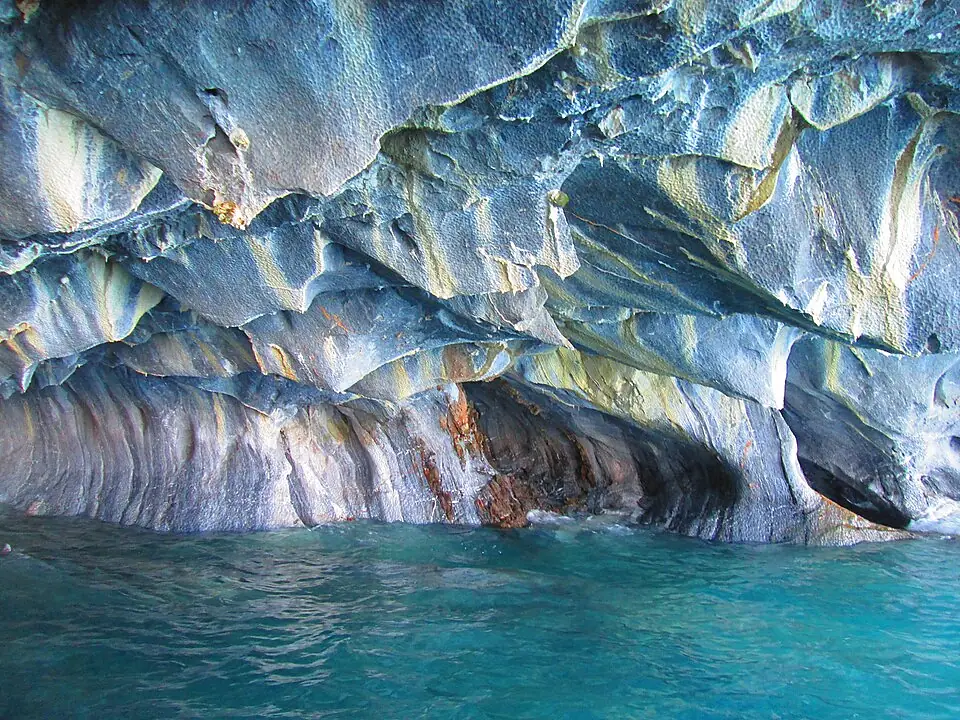
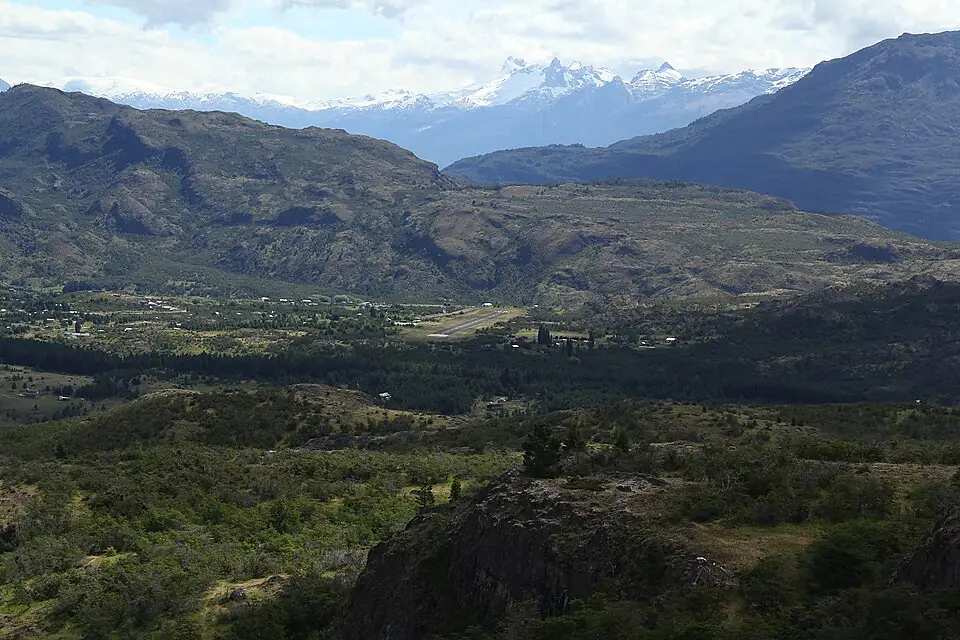
Puerto Río Tranquilo is the adventure capital of the central Carretera Austral. While the town itself is a small, functional outpost, it serves as the essential gateway to the surreal blue Marble Caves of Lago General Carrera and the massive glaciers of the Northern Icefields.
Most travelers arrive here as part of a larger road trip, drawn by the promise of the Cuevas de Mármol. However, those who stay for two or three nights discover that the town is also the best base for remote wilderness drives and exploring the edges of the icefields. Whether you are navigating the Carretera Austral by 4x4 or relying on local buses, this guide provides the logistical framework you need to plan your visit in 2026.
Puerto Río Tranquilo at a Glance
- Location: Western shore of Lago General Carrera, Aysén Region.
- Primary Draw: Marble Caves (Cuevas de Mármol) and Glaciar Exploradores mirador.
- Best Time to Visit: October to April for lake access and trekking.
- Atmosphere: Dusty, functional, and adventurous.
- Connectivity: Strong Entel signal; most hostels now use Starlink.
Is Puerto Río Tranquilo Worth Visiting?
Puerto Río Tranquilo is absolutely worth visiting for the excursions it provides, though the town itself is a dusty, unpaved outpost rather than a destination in its own right. You come here for what lies on the outskirts: the most famous marble formations in the world and the accessible tongues of the Northern Icefields.
For adventure seekers, photographers, and road trippers, it is a mandatory stop. The contrast between the milky turquoise water of the lake and the sculpted calcium carbonate of the caves is a highlight of any Patagonia itinerary. However, if you are looking for high-end luxury, manicured streets, or a “resort” feel, you may find the town’s rustic infrastructure challenging. Success here depends on viewing the town as a base camp for world-class activities rather than a place to linger for its charm.
Essential Logistics: ATMs, Fuel, and Supplies
Because Puerto Río Tranquilo is remote, your biggest hurdles will be cash and fuel. You should handle as many of your logistical needs as possible in Coyhaique or Cochrane before arriving, as the town’s infrastructure can struggle under the weight of the summer peak.
The sole ATM at the COPEC gas station is notoriously unreliable and frequently runs out of cash during the summer months. Many tour operators and smaller guesthouses only accept cash (Chilean Pesos). Always arrive with enough cash to cover your entire stay.
The COPEC gas station is the only fuel stop for a significant distance. While it is generally reliable, expect long lines during January and February. If you are driving, it is wise to top up here regardless of how much fuel you have left. Regarding connectivity, Entel remains the most reliable provider, while Movistar and WOM are spotty at best. Fortunately, many local businesses have adopted Starlink, making remote work or planning much easier than in previous years. Tap water in town is generally considered safe to drink, though those with sensitive stomachs may prefer to use a filter.
For a broader look at where to find services along your route, see our Carretera Austral map.
Visiting the Marble Caves (Cuevas de Mármol)
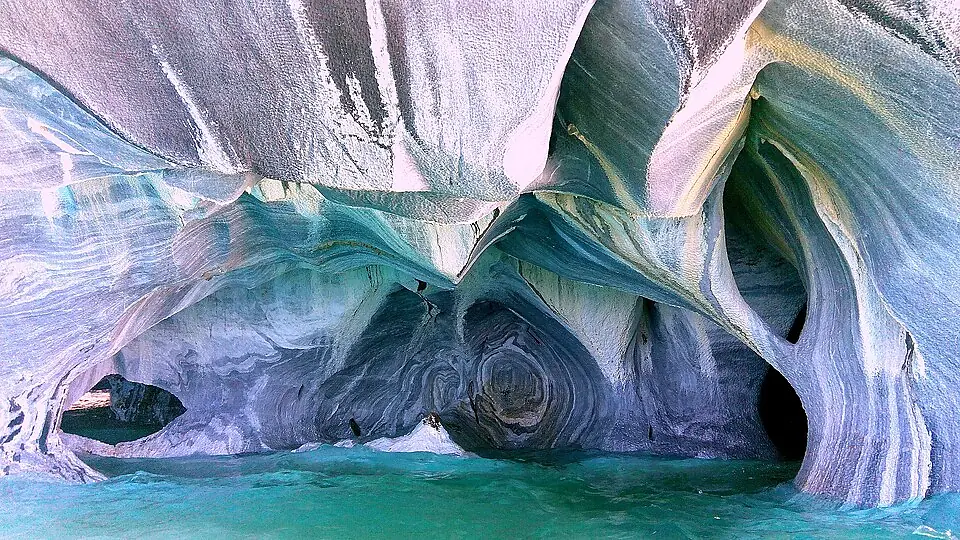
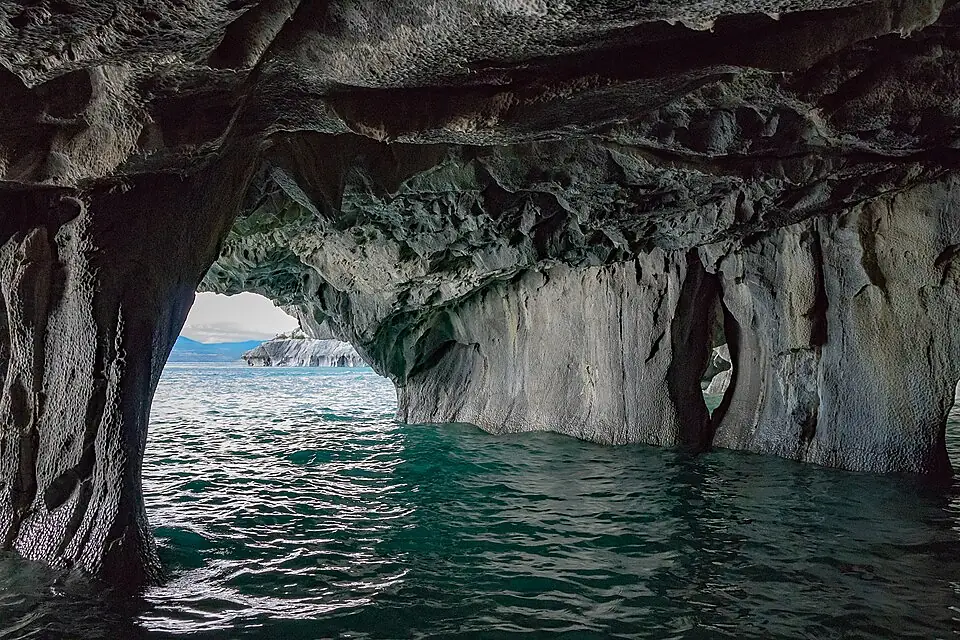
The Marble Caves are calcium carbonate formations carved by over 6,000 years of wave action on Lago General Carrera. The experience is divided into three primary formations: the Capilla (Chapel), the Catedral (Cathedral), and the Cuevas (Caves).
To see the most vibrant blue reflections, you must time your visit for the morning. Between 8:00 AM and 10:00 AM, the angle of the sun hits the water and reflects against the marble walls with the most intensity. As the day progresses, the wind typically picks up, making the lake choppier and the boat ride less comfortable. Checking the Carretera Austral weather before you head out is essential, as high winds can lead to the port being closed by the navy (Armada).
- Duration: 1.5 hours vs. 3.5-4 hours
- Physical Effort: Low vs. Moderate
- Access: Views from the edge vs. Paddling inside small tunnels
- Cost (2026/27): ~25,000 CLP vs. ~60,000 CLP
Kayaking offers the most intimate experience, but the boat tour is better for those short on time or traveling with family.
Most tours depart from the waterfront in the center of town. However, some operators depart from Bahía Mansa, a 10-minute drive south of town. Departing from Bahía Mansa results in a shorter boat ride across open water to reach the caves, which is a major advantage if the lake is choppy.
Morning of the Tour Checklist
Before you head to the docks, ensure you have the following ready to make the most of the light and the conditions:
Check the Wind
Layers and Shell
Sun Protection
Cash for the Guide
Ice Trekking and Glaciers: Laguna San Rafael National Park
Puerto Río Tranquilo is the primary jumping-off point for exploring the Northern Icefields via two very different experiences: Glaciar Exploradores and Glaciar San Rafael.
Important Note for 2026: As of the 2026/27 season, guided ice trekking (walking on the glacier surface) at Glaciar Exploradores remains prohibited by CONAF due to significant structural instability and geological risks. While you can no longer walk on the ice, the hike to the Glaciar Exploradores mirador (lookout) remains open and offers a staggering view of the icefall and Monte San Valentín, the highest peak in Patagonia.
For those who want to see massive calving events, the full-day tour to Glaciar San Rafael is the superior choice. This involves a 2.5-hour drive to Bahía Exploradores followed by a boat journey to the face of the glacier. It is a long, expensive day, but it is one of the few places in the world where you can see a glacier of this scale meeting the sea in such a remote setting.
If you are planning to head out on the ice, make sure you have the right layers by checking our Patagonia packing list. For help deciding between these two major excursions, see our guide to the best things to do on the Carretera Austral.
Driving to Puerto Río Tranquilo: Routes and Conditions
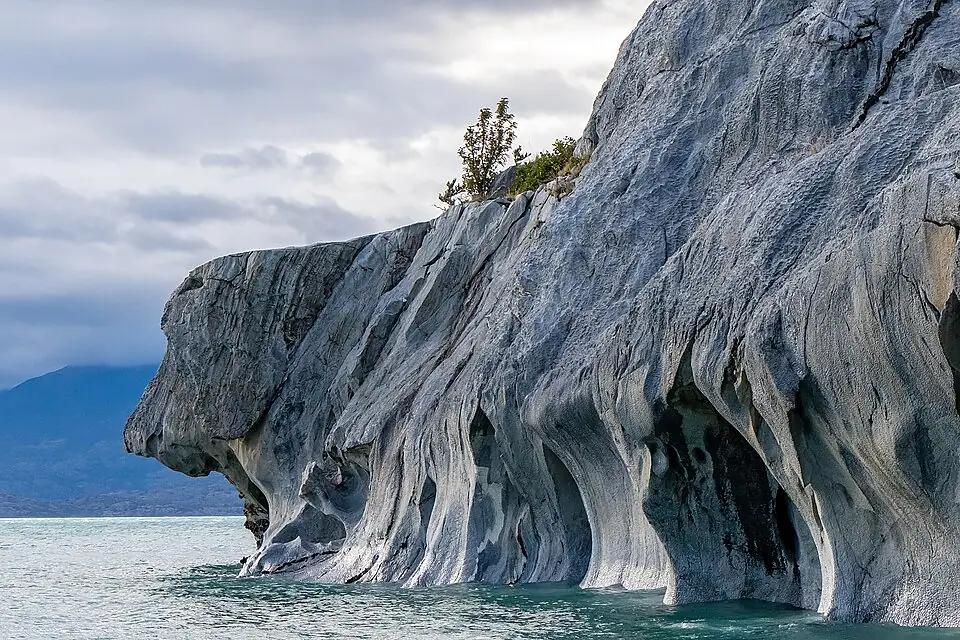
Reaching Puerto Río Tranquilo requires driving on some of the most scenic but challenging sections of the Carretera Austral. The road is almost entirely unpaved (gravel) in this region, and conditions can change rapidly based on rain and traffic volume.
If you are arriving from the north, the journey from Coyhaique takes approximately 4.5-5 hours. The pavement ends shortly after the village of Villa Cerro Castillo, transitioning into a winding gravel road that descends through the Bosque Muerto (Dead Forest). From the south, the drive from Cochrane takes about 2.5-3 hours and follows the vivid green waters of the Baker River.
Lower your tire pressure slightly for the “washboard” sections of the gravel road to improve traction and comfort, but ensure you have a portable pump to reinflate once you hit pavement again.
A high-clearance vehicle is strongly recommended for this stretch. While a 2WD car can make the journey if driven carefully, the “washboard” ripples and loose stones make for a punishing experience in a small vehicle. Always carry a full-sized spare tire and know how to change it, as sharp gravel can cause punctures even on new tires.
Public Transport: How to Get There Without a Car
You can reach Puerto Río Tranquilo by public bus from either the north or the south, though you must be prepared for a less flexible schedule than those with their own vehicles.
Buses run daily during the summer season (December to March) between Coyhaique and Puerto Río Tranquilo. Major operators include Buses Don Carlos, Buses Sao Paulo, and Buses Interlagos. While some tickets can be purchased via the “Kupos” website, many local operators still rely on WhatsApp or in-person bookings at the terminal. If you are coming from Argentina, you will likely cross the border at Los Antiguos into Chile Chico and then take a colectivo or a ferry/bus combination to reach PRT.
To see the most current schedules and booking contacts for the region, visit our guide on how to get around the Carretera Austral.
Where to Eat and Drink in Puerto Río Tranquilo
The dining scene in Puerto Río Tranquilo has evolved from basic empanada stands to include craft breweries and traditional asado spots. While options are still limited, the quality has improved significantly with the town’s growing popularity.
You will find a cluster of food trucks near the main plaza serving “completos” and quick snacks, which are perfect for a post-tour lunch. For a more formal meal, the town offers traditional Patagonian lamb and several surprisingly good pizzerias that cater to the trekking crowd. Because the town is small, the best spots can fill up quickly after the tour boats return in the afternoon.
For specific recommendations on where to find the best craft beer and the most authentic Patagonian lamb in town, see our guide to the best restaurants on the Carretera Austral.
Beyond the Town: The Valle Exploradores Drive
If you have your own vehicle and an afternoon to spare, the drive along Route X-783 into the Valle Exploradores is one of the most beautiful “free” activities in the area. This 50km gravel road dead-ends near the coast, but the journey there takes you past the Cascada La Nutria and offers hanging glacier views at every turn.
This route is also how you reach the CONAF office for the Glaciar Exploradores mirador trail. Even if you aren’t doing a guided trek, you can pay a small entrance fee at the ranger station to hike the self-guided path to the lookout. This trail is one of the best hikes on the Carretera Austral for its effort-to-reward ratio. Note that this is a return trip; you must drive back the same way to rejoin the Carretera Austral and continue your journey.
FAQ
How much do the Marble Caves in Puerto Río Tranquilo cost? As of the 2026/27 season, a standard boat tour costs approximately 20,000–30,000 CLP per person, while kayaking tours range from 50,000–60,000 CLP. Prices are typically higher for private tours or “Full” tours that visit more remote formations like Puerto Sánchez.
Can I visit the Marble Caves in Puerto Río Tranquilo without a tour? No, the marble formations are located in the middle of Lake General Carrera and are only accessible by water; you must join a boat or kayak tour. There is no land access to the caves.
Is there an ATM in Puerto Río Tranquilo? Yes, there is an ATM at the COPEC gas station (BCI network), but it is notoriously unreliable and often runs out of cash, so you should bring plenty of Chilean Pesos with you from Coyhaique or Cochrane.
How long should I stay in Puerto Río Tranquilo? Most travelers stay 2 nights, which allows one full day for the Marble Caves and one full day for either the Exploradores mirador or a boat trip to San Rafael. A third night is recommended if you want to explore the Valle Exploradores at a slower pace.
What is the best time of year to visit Puerto Río Tranquilo? The best time is from October to April, with the calmest lake conditions and best light typically occurring in the early morning during the summer months. Winter visits are difficult as many tour operators close.
Is the road to Puerto Río Tranquilo paved? No, the Carretera Austral is unpaved (gravel) both north and south of Puerto Río Tranquilo, requiring slow driving and a high-clearance vehicle for comfort. The only pavement in the area is a very short stretch within the town limits.