
Patagonia National Park Chile: The Ultimate 2026 Guide
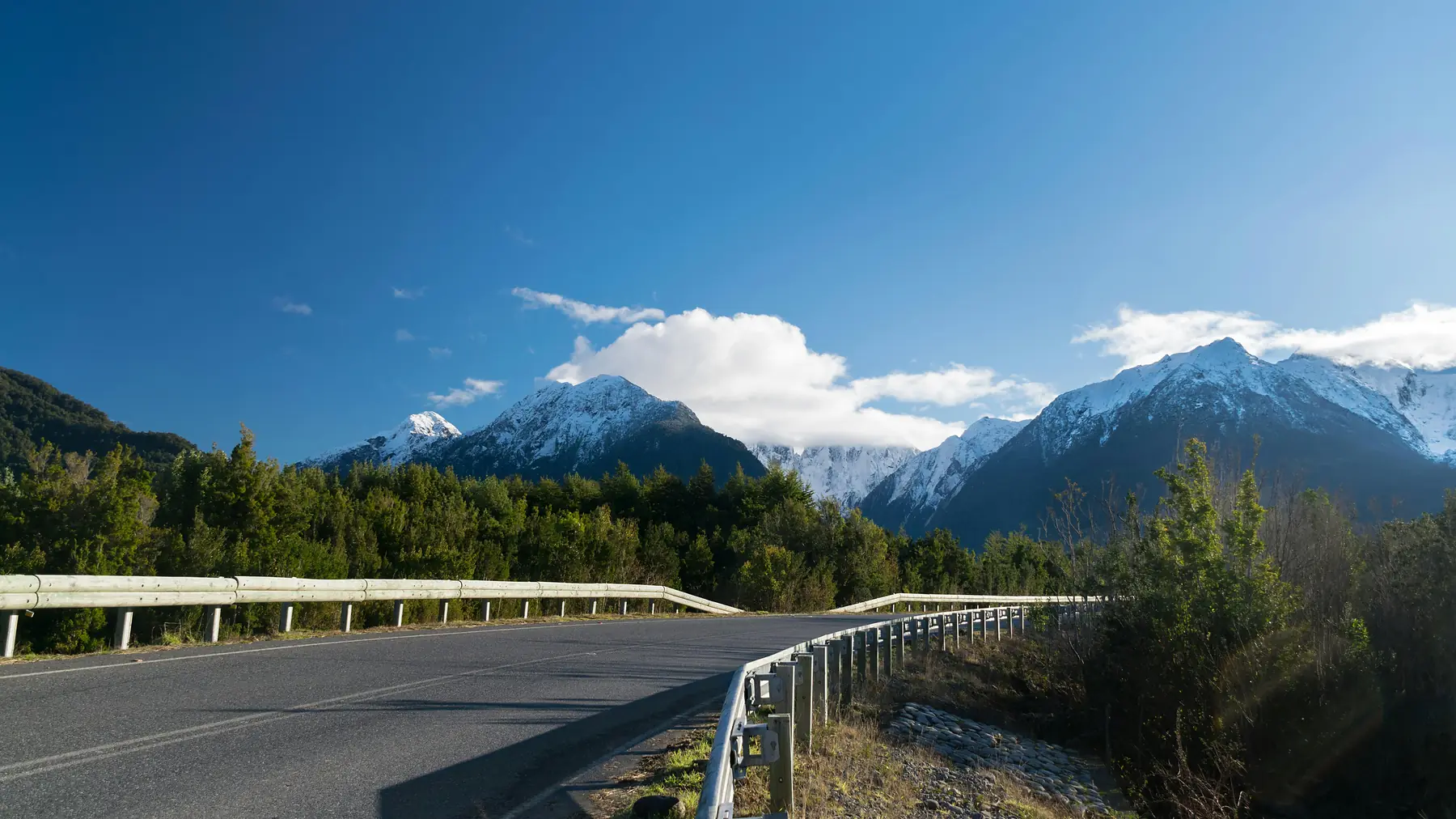
Patagonia National Park is Chile’s premier destination for wilderness solitude and a global flagship for rewilding and ecosystem restoration. Located in the Aysén Region, this 752,000-acre park offers a rugged alternative to more commercialized southern destinations, trading crowded trails for vast grasslands, recovering wildlife populations, and the dramatic peaks of the Chacabuco Valley.
For most travelers, the park represents the “new Patagonia” - a place where conservation takes precedence over mass tourism. Whether you are driving the Carretera Austral or seeking a deep-country trekking experience, Patagonia National Park provides a rare opportunity to see a landscape in the process of healing, from the return of the Darwin’s rhea to the recovery of ancient grasslands once overgrazed by millions of sheep.
Patagonia National Park at a Glance
- Location: Aysén Region, Chile (Gateways: Cochrane and Chile Chico)
- Total Area: Approximately 752,000 acres (304,527 hectares)
- Primary Landscape: Patagonian steppe, deciduous forests, and alpine lakes
- Top Activity: Wildlife tracking and high-altitude day hiking
- Best Season: Late October to April
- Entry Fee: 13,000 CLP for international visitors (as of the 2026/27 season)
What is Patagonia National Park (Parque Nacional Patagonia)?
Patagonia National Park is a massive conservation project that officially became part of Chile’s national park system in 2018. While many parks are formed from land that was always wild, this park is the result of an ambitious rewilding effort led by Douglas and Kristine Tompkins, who purchased the former Estancia Valle Chacabuco - a legendary sheep ranch - and began the painstaking process of removing fences and livestock to let the native ecosystem return.
Today, the park serves as a vital link in the Route of Parks, a 2,800-kilometer network of 17 national parks protecting Chile’s southern wilderness. While the heart of the park lies in the Chacabuco Valley, it also incorporates the former Jeinimeni and Tamango National Reserves, creating a diverse corridor that stretches from the arid, colorful plateaus near the Argentine border to the lush, temperate forests overlooking the turquoise waters of Lake Cochrane. It is part of a larger binational conservation effort, connecting with Argentina’s Parque Patagonia to protect one of the world’s most important wildlife corridors.
Patagonia National Park vs. Torres del Paine: Which is Right for You?
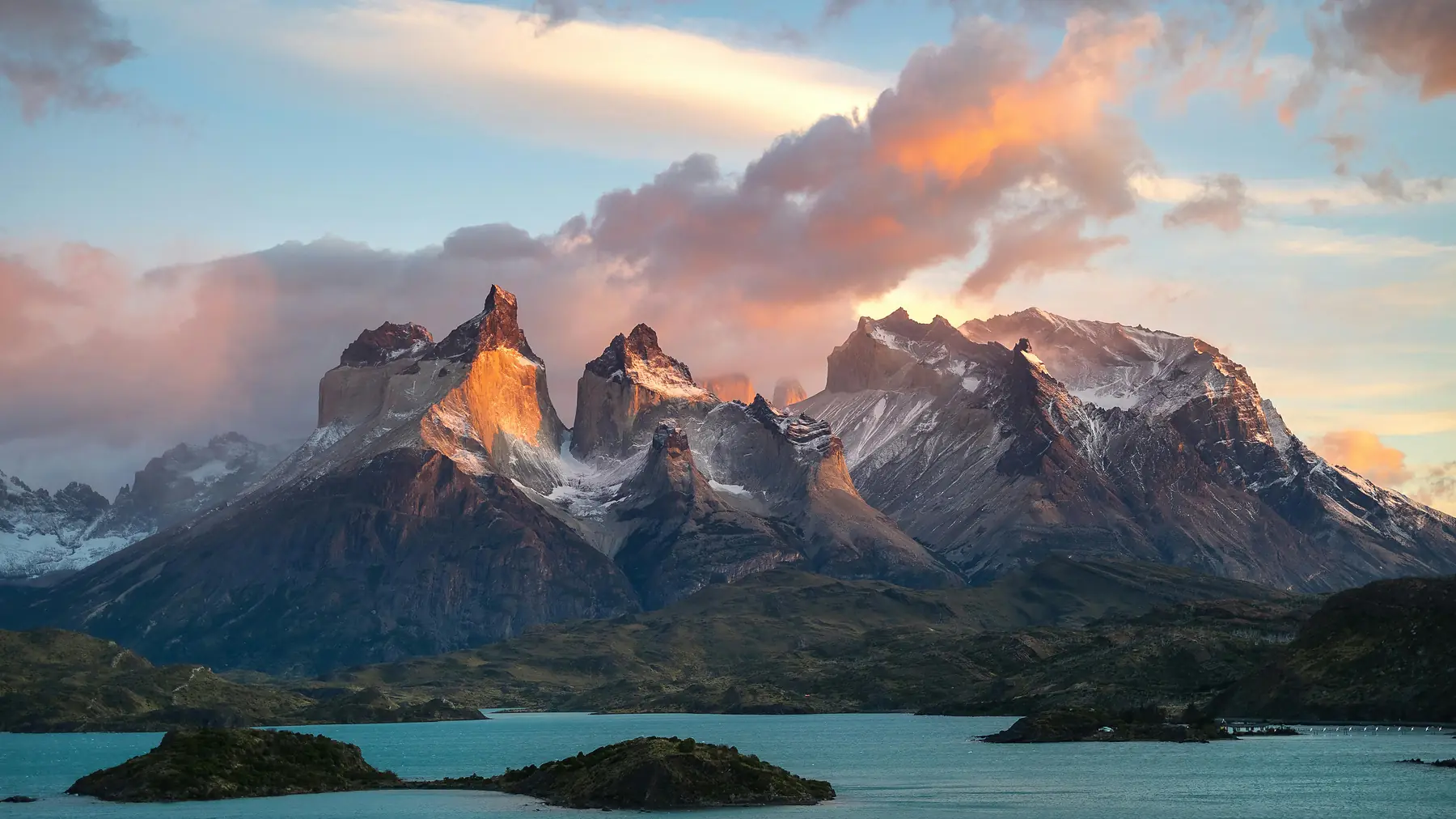
Choosing between Chile’s most famous park and its newest crown jewel depends entirely on your tolerance for crowds and your aesthetic preference. While Torres del Paine is defined by its iconic granite towers and massive glaciers, Patagonia National Park is defined by its sense of discovery and the vast, golden steppe of the Aysén interior.
The experience of visiting these two parks could not be more different. In Torres del Paine, you are following a well-trodden path with thousands of other hikers; in Patagonia National Park, you may spend an entire day on the Lagunas Altas trail without seeing another person.
- Landscape: Famous granite spires and massive calving glaciers vs. rolling steppe, colorful canyons, and recovering pampas.
- Crowds: High density; the W Trek requires booking months in advance vs. extreme solitude; no advance trail permits required.
- Wildlife: Guanacos are common; pumas are present but often elusive vs. world-class wildlife viewing; pumas, rheas, and huemul deer are increasingly visible.
- Infrastructure: Highly developed with luxury hotels and mountain refugios vs. remote camping focused; one luxury lodge (Explora) and basic but well-designed campsites.
Choose Torres del Paine for bucket-list granite peaks and developed infrastructure; choose Patagonia National Park for solitude, rewilding success stories, and a true 'off-the-grid' feel.
Exploring the Three Main Sectors
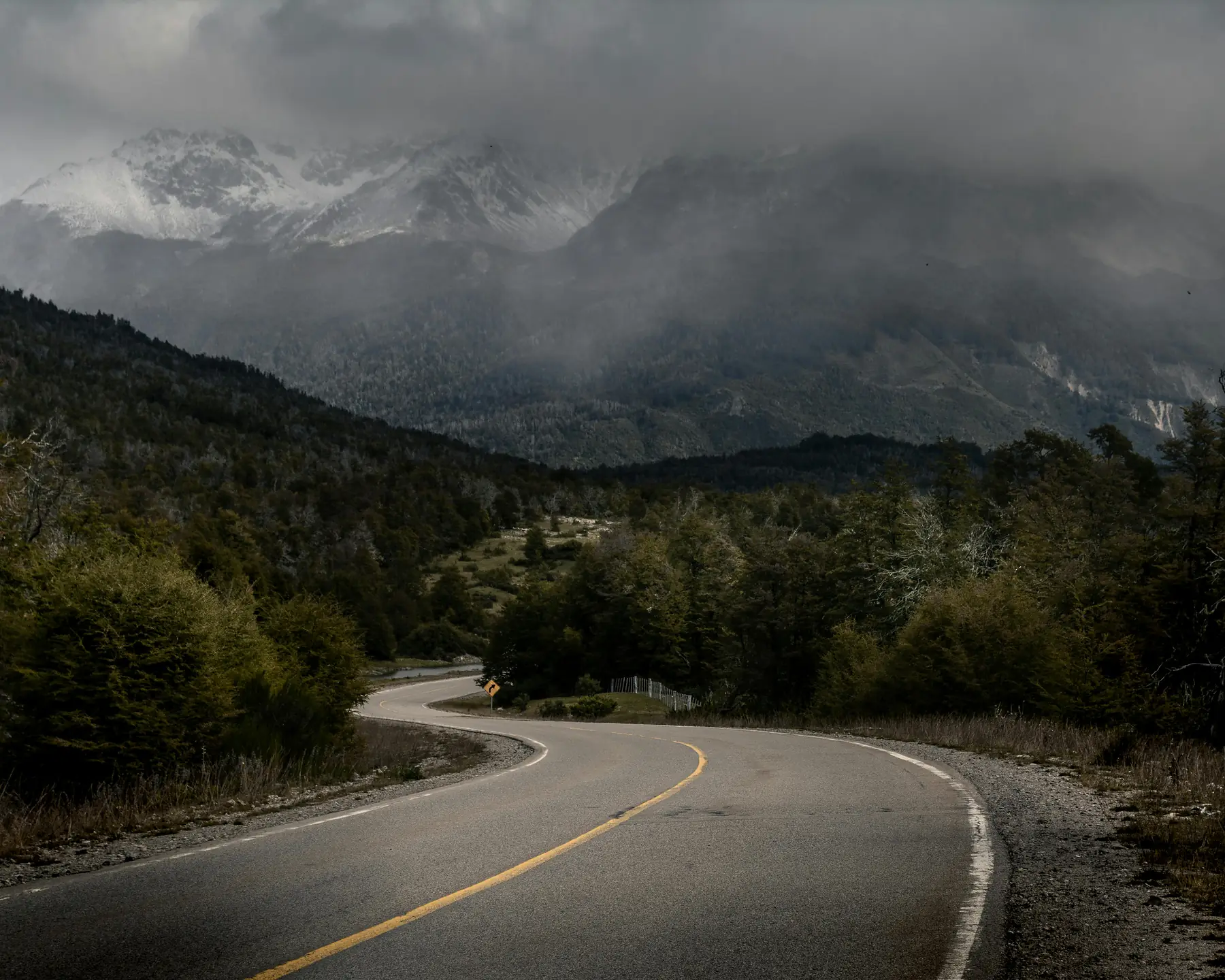
The park is divided into three distinct sectors, each offering a different climate and geological character. Understanding these zones is essential for planning your logistics, as they are separated by significant driving distances.
Valle Chacabuco (The Heart)
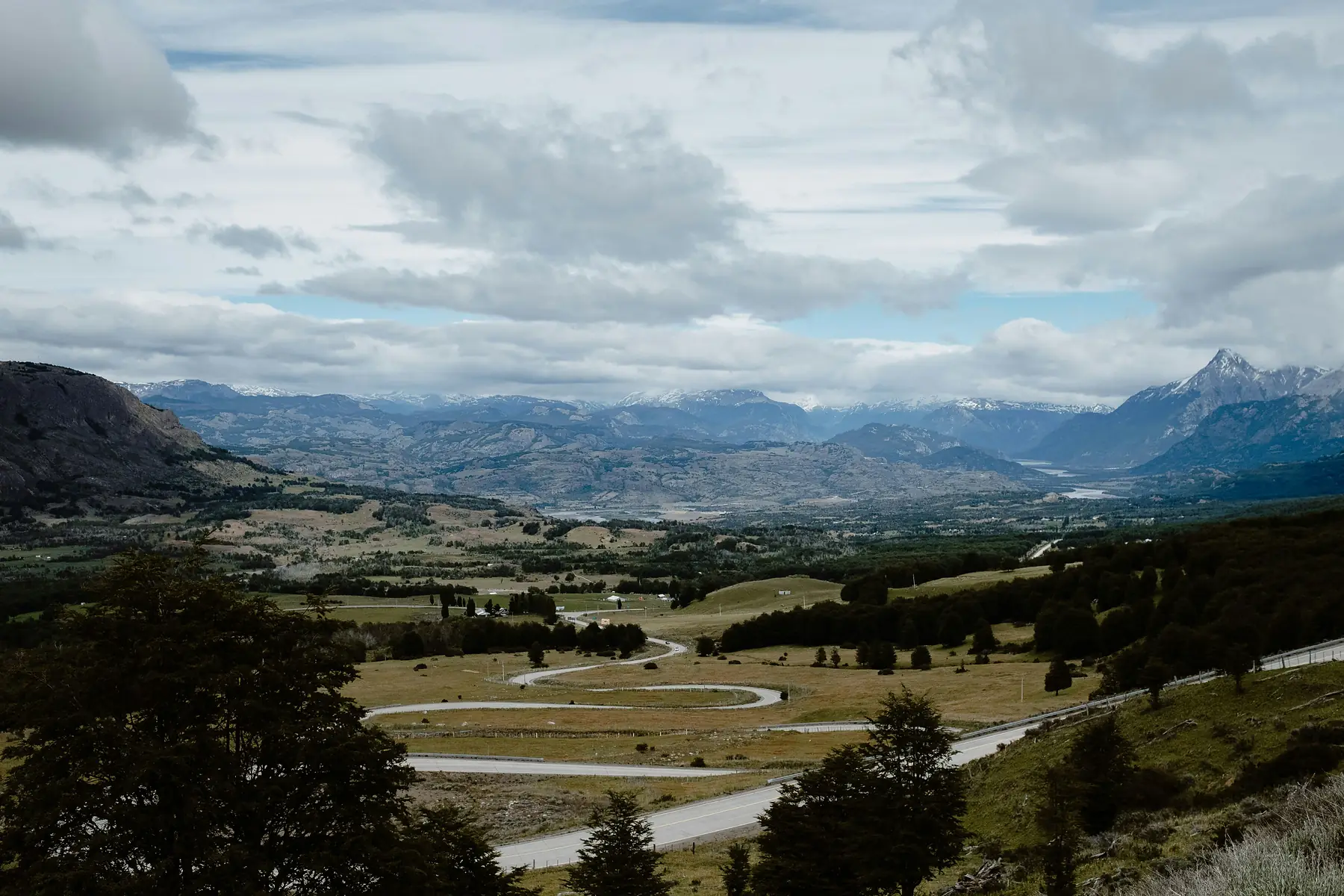
This is the most famous and accessible part of the park, containing the main visitor center, the museum, and the most iconic steppe landscapes. This is where the rewilding efforts are most visible, with thousands of guanacos roaming the valley floor. It is the primary entry point for those driving south from Coyhaique.
Tamango Sector (Cochrane)
Located just 5km from the town of Cochrane, the Tamango sector is a lush transition zone where the steppe meets the temperate forest. It is famous as one of the best places in the world to see the endangered huemul deer. This sector also provides access to the stunning Rio Baker confluence, where the milky blue waters of the Baker River meet the crystal-clear Neff River.
Jeinimeni Sector (Chile Chico)
The northernmost sector, accessed via Chile Chico, feels like a different planet. Often called the “Moon Valley” of Aysén, it features red rock formations, wind-sculpted pillars, and turquoise alpine lakes. The geology here is more closely related to the high plateaus of Argentina than the lush forests of the Chilean coast.
Best Hikes in Patagonia National Park
The trails here are designed to immerse you in the landscape rather than just lead you to a single viewpoint. These routes rank among the best hikes on the Carretera Austral for their sheer variety and lack of foot traffic.
The Lagunas Altas Trail is the park’s must-do hike. This challenging loop begins near the West Winds campground and climbs steeply onto a plateau dotted with high-altitude lakes. From the top, you can see the Northern Patagonian Ice Field to the west and the arid Argentine pampas to the east.
For those seeking a more remote experience, the Avilés Valley trail offers a dramatic suspension bridge and a deep dive into the mountains. This trail can be done as a day hike or as part of the multi-day Jeinimeni-Chacabuco traverse, a 4-5 day trek that remains open for the 2026 season but requires high self-sufficiency and registration with CONAF rangers due to its remote nature and potential for river crossings.
In the Jeinimeni sector, the Circuito Valle Lunar takes you past the Cueva de las Manos (Cave of Hands), which contains ancient indigenous rock art, and through a landscape of surreal geological formations. Meanwhile, the Los Carpinteros trail in the Tamango sector is a shorter, gentler option that winds through old-growth coihue forests and offers the highest probability of spotting a huemul deer.
Wildlife Watching: Pumas, Huemuls, and Rheas
The success of the rewilding project has made Patagonia National Park a premier destination for wildlife enthusiasts. Unlike other parks where animals may be skittish, the removal of fences and the cessation of hunting have allowed wildlife populations to rebound and become more habituated to human presence.
- Pumas: With the removal of livestock, the puma population has flourished. They are most frequently spotted in the eastern Chacabuco Valley, where they hunt the abundant guanaco herds. For the best chance of a sighting, consider booking a specialized tracking tour for pumas.
- Huemul Deer: This endangered Andean deer is the national animal of Chile, and the Tamango sector is its most critical sanctuary. To see them, you must move quietly through the forest trails of the Tamango sector early in the morning.
- Darwin’s Rhea: These flightless birds were nearly extinct in the region before the park was established. A dedicated breeding and reintroduction program has successfully released over 100 rheas back into the wild as of 2025, with the population now steadily growing in the Chacabuco Valley.
The best time for wildlife viewing is at dawn or dusk near the wetlands and lagoons of the Chacabuco Valley. Bring a pair of high-quality binoculars, as the scale of the valley is immense and many animals blend perfectly into the golden grass.
Practical Logistics: Getting There and Around
Visiting Patagonia National Park requires more planning than a trip to the southern hubs. There is no major airport nearby, and public transportation is limited.
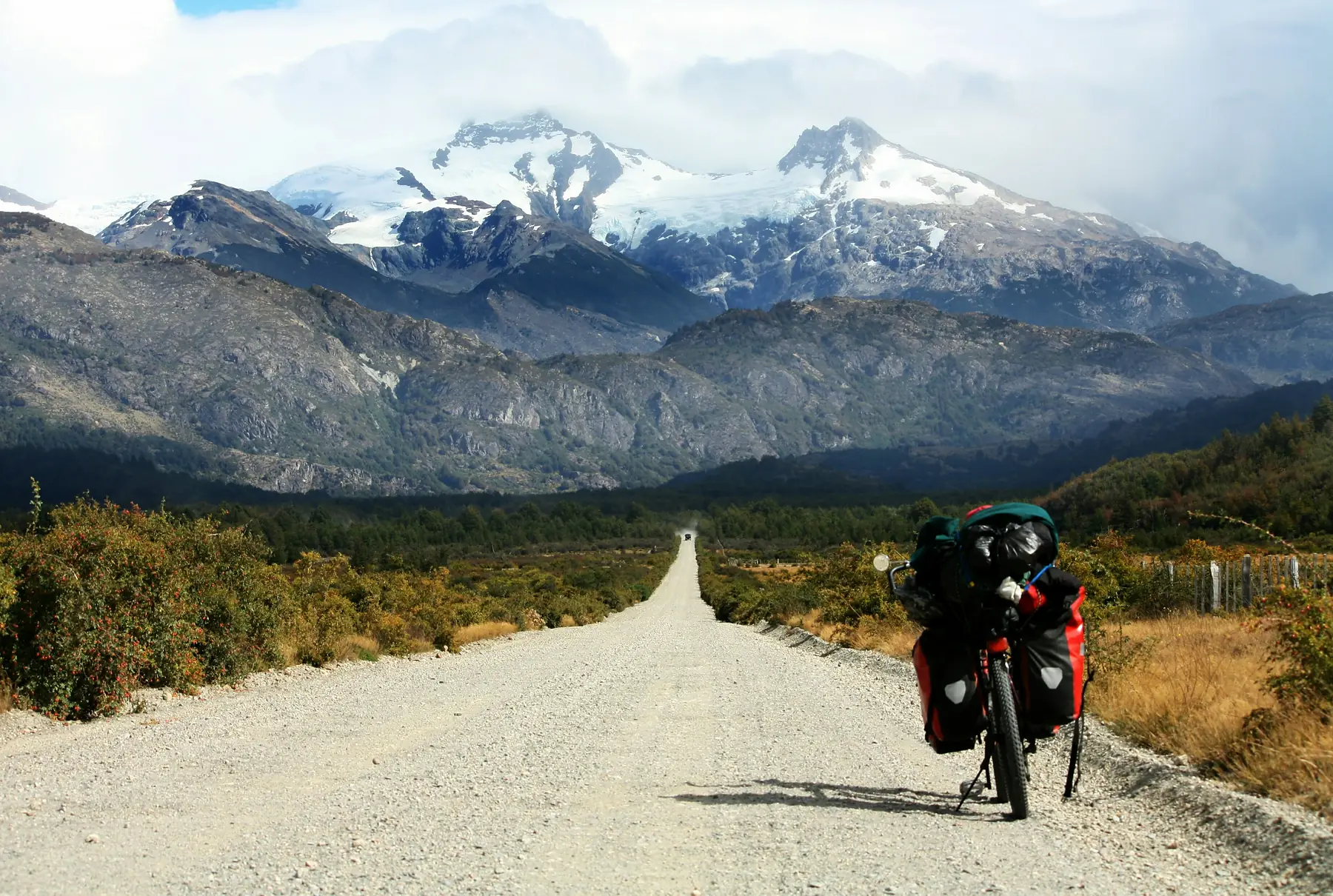
The most common way to arrive is by flying into Balmaceda (near Coyhaique) and renting a 4x4 vehicle. From there, it is a 7-8 hour drive south along the Carretera Austral. The final approach to the Chacabuco Valley involves turning east onto Route X-83, a gravel road that can be washboarded and dusty.
There is no fuel available within the park. You must fill your tank in Cochrane (to the south) or Chile Chico (to the north) before entering the Chacabuco Valley. A round trip from Cochrane to the heart of the park and back is roughly 120km, but you will want extra fuel for exploring the various trailheads.
For overlanders, the Paso Roballos border crossing provides a rugged but beautiful entry point from Argentina’s Ruta 40. This crossing is remote and typically only open during the summer months (November to April); always check current border status with the Chilean Gendarmerie before attempting this route.
Accommodation: From Luxury Lodges to Remote Camping
Where you stay in the park will dictate your experience. Options range from one of the most exclusive lodges in Chile to some of the most beautifully designed, yet basic, campgrounds in Patagonia.
- Explora Patagonia National Park: Formerly the lodge built by the Tompkins, this high-end accommodation offers all-inclusive stays with expert-led excursions. It is the only luxury option within the park boundaries and requires booking well in advance for the peak season.
- Park Camping: There are three main campgrounds in the Chacabuco Valley: West Winds (Ventisquero), Los Pumas, and Casa de Piedra. These sites feature iconic stone wind shelters and basic bathrooms with cold water. For the 2026/27 season, camping fees are approximately 10,000 CLP per person.
- Staying in Cochrane: If you prefer a real bed and hot showers without the Explora price tag, the town of Cochrane offers various hostals and cabins. It is a 45-minute drive to the Chacabuco Valley entrance, making it a viable base for day trips.
If you are planning to camp, ensure you are prepared for the region’s infamous winds. Our Patagonia camping guide covers the specific gear required for these exposed sites.
The Museum of the Patagonia
Even if you aren’t a “museum person,” the Museum of the Patagonia (Museo de la Patagonia) in the Chacabuco Valley is an essential stop. It is arguably the most sophisticated museum in Chile, designed to look like a traditional Patagonian estancia but filled with world-class exhibits.
The museum tells the story of the landscape from its geological formation through the era of the “Gaucho” sheep-ranching culture and finally to the modern rewilding mission. It provides the necessary context to understand why this land was worth saving and the immense effort required to transform a degraded ranch back into a thriving wilderness. The architecture alone, using local stone and wood, is a tribute to the craftsmanship of the Aysén region.
To plan your full journey through this region:
FAQ
- QUESTION: Do I need a reservation to visit Patagonia National Park Chile?
- ANSWER: Unlike Torres del Paine, day-use reservations are currently not required for Patagonia National Park, but camping sites and the Explora lodge should be booked in advance during the peak season (December-February).
- QUESTION: Is there cell service in Patagonia National Park Chile?
- ANSWER: There is virtually no cell service or Wi-Fi within the Chacabuco Valley or the Jeinimeni sectors; travelers should download offline maps and carry a satellite communication device for safety.
- QUESTION: What is the best time of year to visit Patagonia National Park Chile?
- ANSWER: The best time to visit is from late October to April, with November and March offering the best balance of manageable weather and fewer visitors.
- QUESTION: Can I see pumas in Patagonia National Park Chile?
- ANSWER: Yes, Patagonia National Park is one of the best places in Chile for puma sightings due to the removal of livestock and fences, particularly in the eastern Chacabuco Valley.
- QUESTION: How do I get from Cochrane to Patagonia National Park Chile?
- ANSWER: The Tamango sector is just 5km from Cochrane, while the main Chacabuco Valley entrance is approximately 30km north via the Carretera Austral and then east on Route X-83.
- QUESTION: Are there glaciers in Patagonia National Park Chile?
- ANSWER: While the park is famous for its steppe and mountains, there are small hanging glaciers visible in the Jeinimeni sector and the nearby Northern Patagonian Ice Field can be accessed from nearby towns.