
San Martín de los Andes Guide: 7 Lakes & Lanín (2026/27)
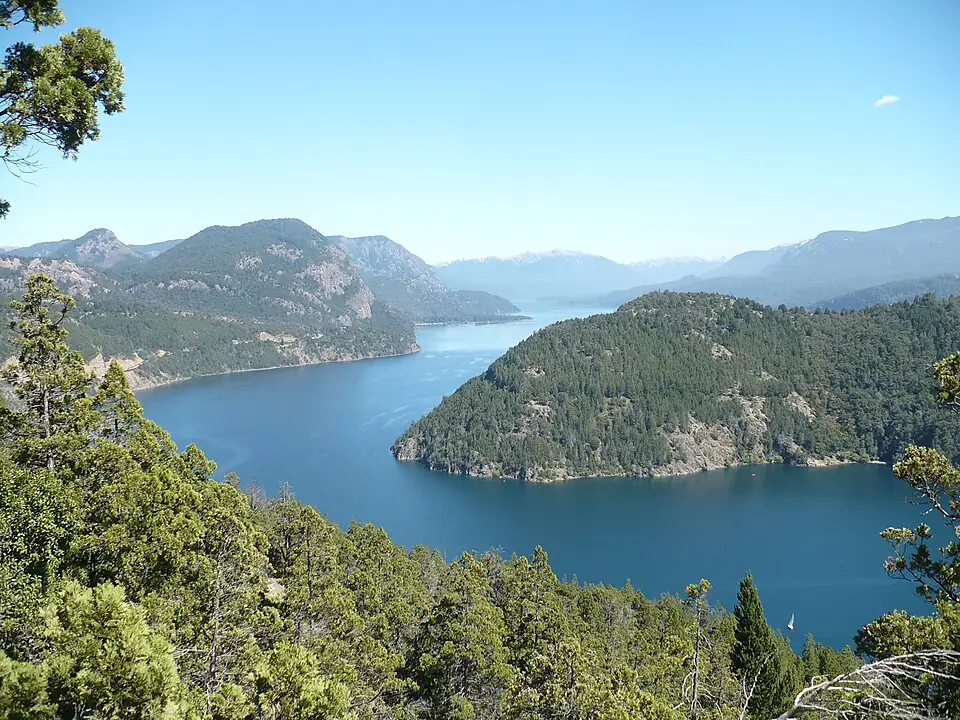
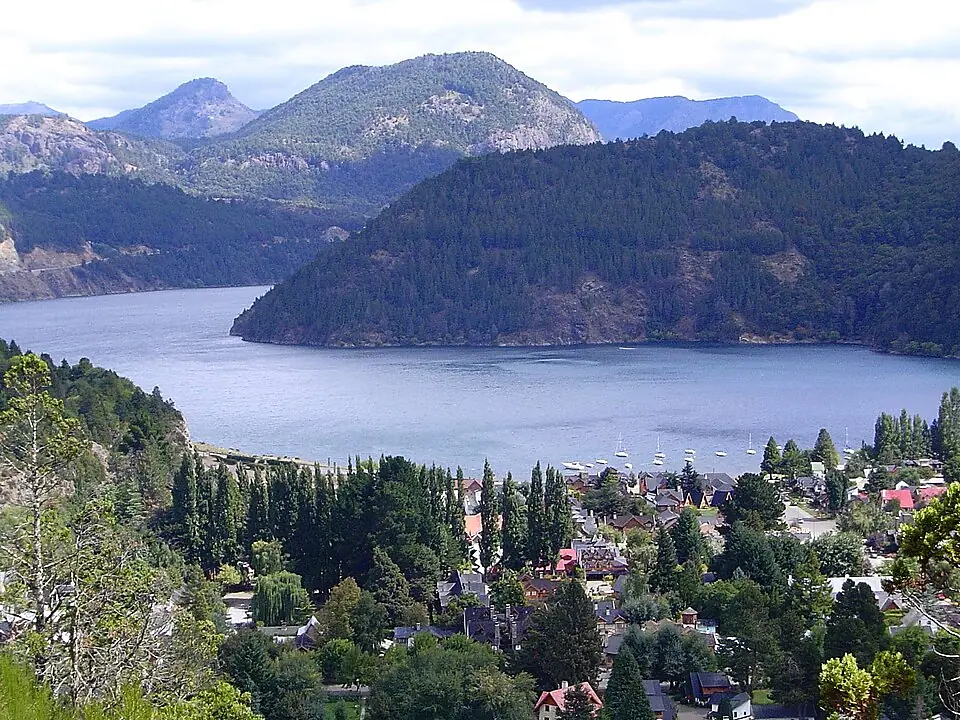
San Martín de los Andes is the refined, low-rise alternative to the bustling hub of Bariloche, serving as the quiet heart of Argentina’s northern Lake District. This mountain village is defined by its strict alpine architecture, its position at the northern terminus of the iconic Route of Seven Lakes, and its role as the primary gateway to the prehistoric landscapes of Lanín National Park.
While Bariloche offers the scale and energy of a major city, San Martín de los Andes maintains the atmosphere of an authentic mountain retreat. Here, the stone-and-wood buildings are capped by a mandatory height limit, ensuring that the views of Lago Lácar remain unobstructed from almost every corner of the town center. For travelers planning their 2026/27 season, San Martín represents the ideal base for those who prioritize immediate trail access, boutique dining, and a slower pace of life without sacrificing modern comforts.
San Martín de los Andes vs. Bariloche: Which Should You Choose?
Deciding between San Martín de los Andes and Bariloche is the most common dilemma for travelers visiting the Neuquén and Río Negro provinces. The two destinations are only 190 kilometers apart, yet they offer fundamentally different experiences of Patagonia.
Bariloche is a major urban center with a population exceeding 150,000, featuring high-rise hotels, a vibrant nightlife scene, and significant traffic during the peak summer months of January and February. In contrast, San Martín de los Andes is a walkable village of roughly 40,000 residents. It feels more exclusive and intentional, largely because it has resisted the large-scale commercial development seen further south.
- Vibe: Quiet, upscale mountain village with strict building codes. vs. Bustling, energetic city with diverse neighborhoods.
- Walkability: Highly walkable town center; most shops and the lakefront are within a 15-minute stroll. vs. Sprawling; requires a car or public bus to reach many trailheads and the famous “Circuito Chico.”
- Nature Access: Immediate proximity to Lanín National Park and the Route of Seven Lakes. vs. Gateway to Nahuel Huapi National Park with more developed tourist infrastructure.
- Crowds: Feels busy but never “overrun,” even in peak season. vs. Can feel congested in January/February, particularly at major viewpoints.
Choose San Martín de los Andes for a refined, walkable village feel and easier access to quiet nature; choose Bariloche for superior transport links, nightlife, and a big-city buzz.
For many, the best approach is not to choose one, but to link them via the Route of Seven Lakes. However, if your time is limited and you want a more intimate connection with the mountains, San Martín is almost always the superior choice.
Why San Martín de los Andes is Patagonia’s Best-Kept Secret
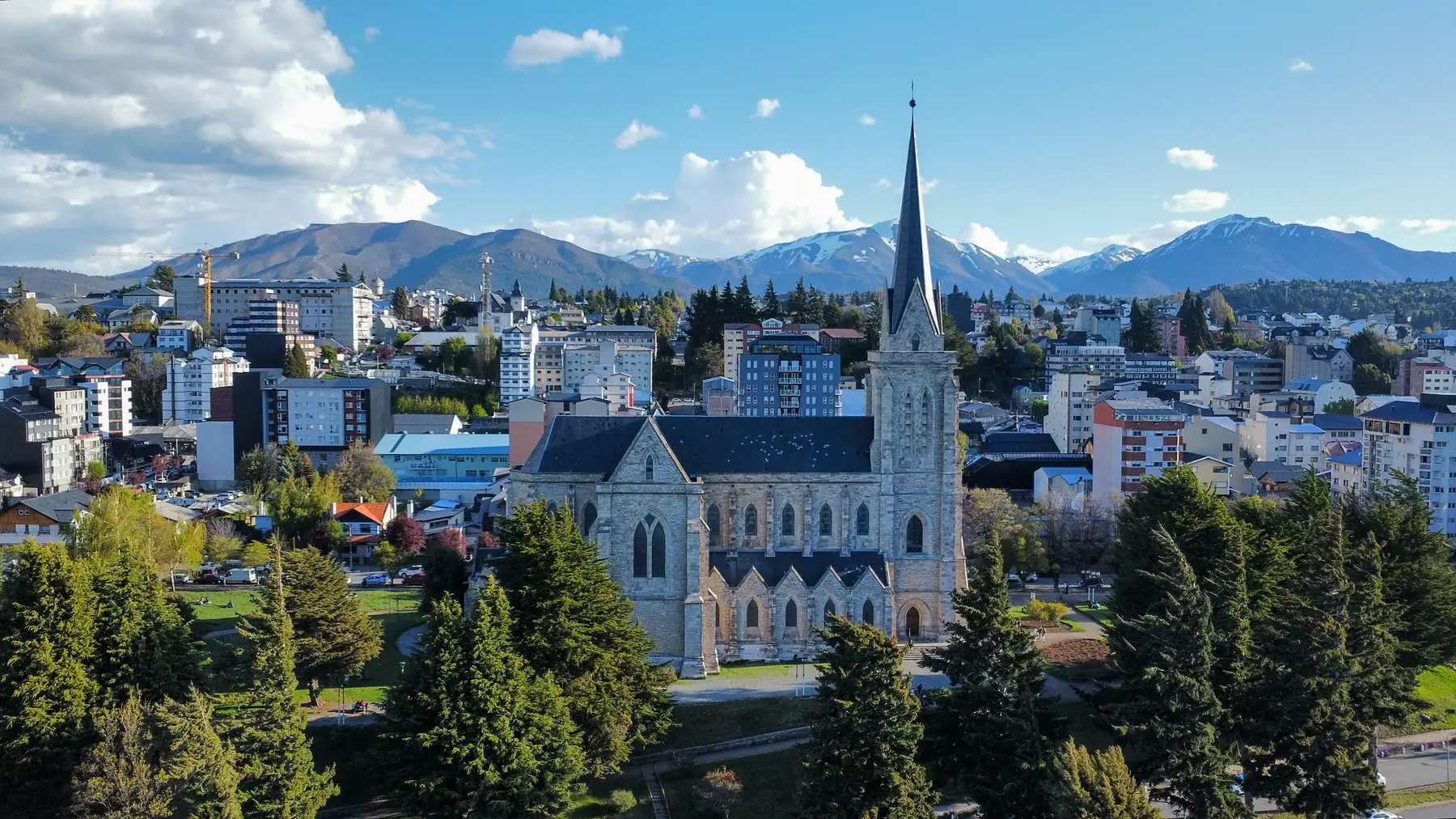
The enduring appeal of San Martín de los Andes lies in its aesthetic consistency. Since the 1970s, local ordinances have mandated that all new constructions in the town center utilize traditional materials: local stone and wood. This has prevented the architectural “mismatch” common in other Patagonian towns and preserved a cohesive, high-end mountain aesthetic that feels more like a Swiss hamlet than a South American frontier town.
Beyond the architecture, the town serves as a multi-sport capital with a distinct advantage over its neighbors: accessibility. You can walk from a world-class chocolate shop on the main street, Avenida San Martín, to the trailhead of Mirador Bandurrias in less than 20 minutes. This proximity to the wild is a recurring theme here. Whether you are kayaking the crystalline waters of Lago Lácar or mountain biking through the Pehuén forests of the surrounding hills, the transition from “town” to “wilderness” is nearly instantaneous.
The town also serves as the northern anchor of the Lake District’s most famous road trip. While many travelers visit as a day trip from the south, staying in San Martín allows you to experience the Route of Seven Lakes in reverse, often avoiding the bulk of the tour bus traffic that departs from Bariloche in the mornings.
Getting to San Martín de los Andes (2026/27 Logistics)
Reaching San Martín de los Andes has become significantly easier for the 2026/27 season due to increased flight frequencies and improved road infrastructure. Most international travelers will arrive via Buenos Aires, though land crossings from Chile offer a more adventurous entry point.
Flying to Chapelco Airport (CPC)
The Aviador Carlos Campos Airport, commonly known as Chapelco Airport, is located 23 kilometers (about 25 minutes) from the town center. For the 2026/27 season, Aerolíneas Argentinas maintains daily connections from Buenos Aires (AEP and EZE), with frequencies increasing to 15-20 flights per week during peak winter and summer months. JetSmart also operates seasonal routes, primarily from Buenos Aires.
During the winter ski season and peak summer months, flights to CPC sell out weeks in advance. If you cannot find a direct flight, book into Bariloche (BRC) and take a three-hour bus or private transfer north.
Driving and Bus Travel
The drive from Bariloche to San Martín de los Andes is one of the most scenic in the world. If you are taking the direct route via the paved Ruta 40, expect a 3-hour journey. Long-distance buses also connect San Martín to Neuquén (5-6 hours) and Buenos Aires (20-22 hours), with “Cama” (lie-flat) seats making the latter a surprisingly comfortable option for budget-conscious travelers.
The Border Crossing from Chile
The Paso Hua Hum is one of Patagonia’s most unique border crossings. It involves a ferry ride across Lago Pirihueico on the Chilean side. From the Chilean town of Puerto Fuy, you board the Barcaza Hua Hum ferry (which typically runs 3-4 times daily in summer; reservations are essential) to Puerto Pirihueico. After clearing Argentine customs at Hua Hum, you drive the final 45 kilometers—mostly gravel (RP 48)—into San Martín de los Andes.
For more details on navigating the wider region, including alternative routes and gateway cities, see our comprehensive guide to the Lake District.
The Route of the Seven Lakes (Ruta de los Siete Lagos)
The Route of the Seven Lakes is the definitive Patagonian road trip, covering 107 kilometers of Ruta 40 between San Martín de los Andes and Villa La Angostura. While the name suggests seven lakes, the route actually offers views of nearly a dozen, depending on which detours you take.
The Essential Lakes
Starting from San Martín and heading south, the primary lakes you will encounter include:
- Lago Lácar: The only lake in the chain that drains into the Pacific Ocean.
- Lago Machónico: Often the first stop, offering a mirrored surface on calm mornings.
- Lago Falkner: Notable for its wide sandy beaches and the impressive towers of Cerro Buque.
- Lago Villarino: Separated from Falkner by a narrow isthmus; a favorite for fly-fishing.
- Lago Espejo: Named “Mirror Lake” for its incredible reflections.
- Lago Correntoso: Known for its warmer waters and the shortest river in the world.
- Lago Nahuel Huapi: The massive, fjord-like giant that borders Villa La Angostura.
Pro Driving Tip: North to South
Most guided tours depart from Bariloche, meaning they hit the viewpoints from south to north between 10:00 and 14:00. By starting in San Martín de los Andes and driving south, you will often have the viewpoints to yourself in the morning. Furthermore, driving south keeps your vehicle on the lake side of the road, making it easier to pull into the scenic overlooks (miradores) safely.
While the entire 107km stretch is paved as of 2026, the road is winding and can be slippery after rain or early morning frost. Allow a minimum of a full day for the drive to account for stops; rushing this route is the most common mistake travelers make.
If you are planning to rent a vehicle for this journey, our guide to driving in the region covers everything from insurance to gravel road safety.
Exploring Lanín National Park
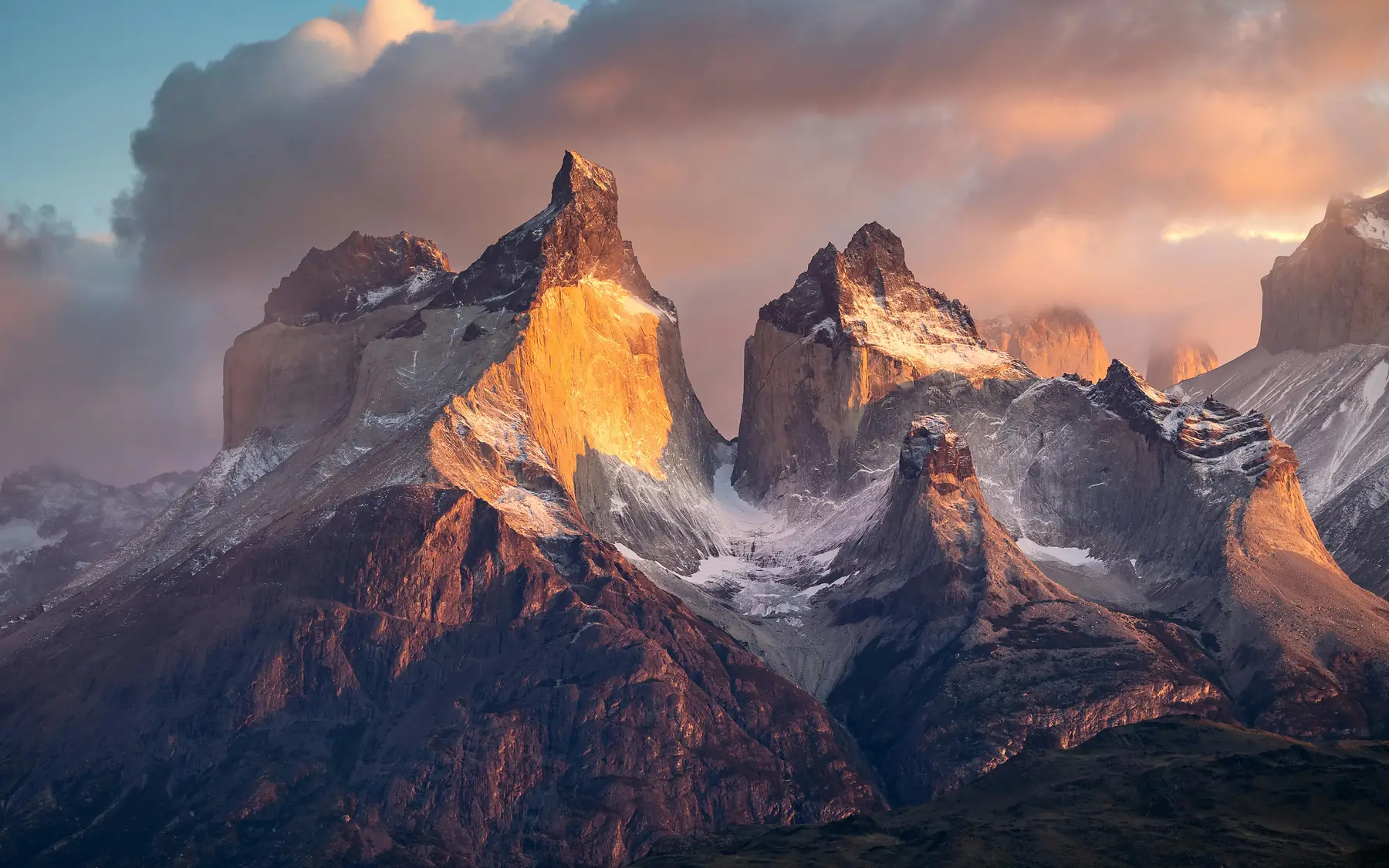
San Martín de los Andes is the primary hub for Lanín National Park, a 412,000-hectare reserve that protects one of Argentina’s most distinct ecosystems. The park is dominated by the symmetrical, snow-capped cone of Volcán Lanín, which rises to 3,776 meters.
The Pehuén Forests
The park’s most famous feature isn’t just the volcano, but the Araucaria (Monkey Puzzle) trees, known locally as Pehuén. These prehistoric conifers can live for over 1,000 years and are sacred to the local Mapuche people. The best place to see these “living fossils” is in the Tromen sector, near the base of the volcano.
Mapuche Cultural Integration
Unlike many other national parks, Lanín is home to several Mapuche communities, including the Curruhuinca and Cañicul. These communities manage various tourism initiatives, including campsites and artisan markets. Visiting the Quila Quina community (accessible by boat from the San Martín pier or via a 18km drive) offers a chance to buy authentic handmade textiles and wood carvings directly from the artisans.
As of the 2026/27 season, entry fees for foreign non-residents are approximately $15,000 - $20,000 ARS (roughly $15-$20 USD), though these are subject to frequent adjustment due to inflation. Always check the official Administración de Parques Nacionales (APN) website for the most current rates before your visit.
Top Things to Do in San Martín de los Andes
The activities in San Martín range from high-adrenaline mountain biking to refined gallery hopping. Here are the essential experiences:
Playa Yuco
Often called the “Caribbean of Patagonia,” Playa Yuco is a series of small, emerald-water bays surrounded by giant boulders and arrayán trees. It is located 28 kilometers from town on the road to the Hua Hum pass. The water here is incredibly clear, though, like all Patagonian lakes, it remains brisk even in mid-summer.
Mirador Bandurrias & La Islita
For the best view of the town and the length of Lago Lácar, hike the Bandurrias trail. The path winds through Mapuche land (a small access fee is usually collected by the community at the trailhead) and leads to a rocky outcrop overlooking the water. A further 20-minute walk takes you down to La Islita, a tiny white-sand beach perfect for a picnic.
Colección Georg
For a cultural break, visit the Colección Georg. This museum houses the works of the Miciu family, whose photography and paintings have defined the visual identity of Patagonia for decades. It is widely considered the best private art collection in the region.
Located on a hill overlooking the lake, this is the oldest tea house in the region (founded in 1939). Book a table for “té completo” roughly 90 minutes before sunset to witness the sky turn purple over Lago Lácar.
Winter in San Martín: Chapelco Ski Resort
From mid-June through September, San Martín transforms into a premier ski destination. Cerro Chapelco, located just 19 kilometers from the town center, is consistently voted the best ski resort in Argentina.
Chapelco is famous for its “forest skiing,” where runs are carved through ancient lenga forests that protect the slopes from the wind. It offers a more family-friendly and intimate vibe than the sprawling Cerro Catedral in Bariloche. The resort features a modern lift system, including a gondola and several high-speed quads. For the 2026 season, the resort has continued its “Chapelco Sustentable” initiative, focusing on renewable energy and waste reduction on the mountain.
For those who don’t ski, the resort offers dog-sledding through the forest and snowshoeing tours that end with a traditional mountain lunch in a log cabin.
To see how Chapelco compares to other major resorts in the Andes, visit our dedicated guide to skiing in Patagonia.
Where to Stay: Best Areas in San Martín
Choosing where to stay in San Martín de los Andes depends on whether you value walkability or secluded lake views.
In-Town (The Center)
Staying within the “grid” of the town center (between the lakefront and the mountain backdrop) allows you to walk to every restaurant, chocolate shop, and the pier. This is the best option for those without a rental car or those who want to enjoy the town’s evening atmosphere.
Lakefront and Ruta 40 (The Outskirts)
The road leading out of town toward the Seven Lakes is lined with high-end lodges and “apart-hotels.” These properties offer more space, private decks, and stunning views of the water. You will need a car or a reliable taxi (remis) service to get into town for dinner, but the trade-off is total silence and direct access to nature.
Quila Quina
For a truly remote experience, look for stays in the Quila Quina area. Located 18km from town, this area features some of the region’s most exclusive private residences and a few boutique lodges nestled within the Mapuche community lands.
Dining and Shopping: The Flavors of San Martín
The culinary scene in San Martín is a sophisticated mix of Central European influence and Patagonian ingredients. The town is particularly famous for its “ahumados” (smoked meats) and high-altitude berries.
- Regional Specialties: Look for wild boar (jabalí), stag (ciervo), and lake trout (trucha) on the menus. These are often prepared as stews or grilled over open flames.
- The Chocolate Trail: While Bariloche is the “Chocolate Capital,” San Martín’s Mamusia is the region’s original artisan shop, famous for its pine-nut chocolates. La Vieja Aldea is another local favorite for hand-dipped truffles.
- Top Eateries: For handmade pasta, Ulises is an institution. For the best empanadas in town, head to Nonino.
The Artisan Market in Plaza San Martín runs most evenings in the summer. It is the best place to find high-quality, hand-tooled silver and leather goods that are significantly cheaper than the boutiques on the main street.
Sample 3-Day San Martín Itinerary
To help you structure your visit, this sample 3-day plan covers the essential highlights of the region.
View 3-Day Itinerary
Day 1: Town and Lake Views
- Morning: Hike to Mirador Bandurrias and descend to La Islita for a swim.
- Afternoon: Visit the Colección Georg and explore the artisan market in the plaza.
- Evening: Sunset tea at Arrayán Tea House followed by dinner at Ulises.
Day 2: The Route of Seven Lakes
- Full Day: Rent a car and drive south toward Villa La Angostura. Stop at Lago Machónico, Falkner, and Espejo.
- Lunch: Pack a picnic to eat on the shores of Lago Falkner.
- Evening: Return to San Martín for chocolate shopping and a relaxed dinner in town.
Day 3: Lanín National Park or Playa Yuco
- Option A: Drive to the Tromen sector of Lanín National Park to see the volcano and Pehuén forests.
- Option B: Spend a full day at Playa Yuco and continue to the Chachín waterfall for a short rainforest hike.
- Evening: Farewell dinner featuring regional stag or trout.
To go deeper
If you are planning to extend your trip further south into the Lake District, our guide to the neighboring village offers the perfect next step for your planning.
FAQ
QUESTION: Is San Martín de los Andes worth visiting compared to Bariloche? ANSWER: Yes, San Martín de los Andes is worth visiting if you prefer a quieter, more walkable mountain village atmosphere with easier access to pristine nature than the larger city of Bariloche.
QUESTION: What is the best time of year to visit San Martín de los Andes? ANSWER: The best time to visit San Martín de los Andes is from December to March for hiking and lake activities, or July to September for skiing at Cerro Chapelco.
QUESTION: How many days should I spend in San Martín de los Andes? ANSWER: You should spend at least 3 to 4 days in San Martín de los Andes to cover the town, the Route of Seven Lakes, and a full day in Lanín National Park.
QUESTION: Can you drive the Route of Seven Lakes in one day from San Martín de los Andes? ANSWER: Yes, you can drive the Route of Seven Lakes in a single day, as the 107km stretch to Villa La Angostura takes about 2-3 hours without stops, though we recommend a full day to enjoy the viewpoints.
QUESTION: Is there an airport in San Martín de los Andes? ANSWER: Yes, San Martín de los Andes is served by the Aviador Carlos Campos Airport (Chapelco Airport), located about 25 minutes from the town center.
QUESTION: Is the water in Lago Lácar safe for swimming? ANSWER: Yes, the water in Lago Lácar at San Martín de los Andes is safe and crystal clear for swimming, though it remains quite cold even in the peak of summer.