Bariloche
Northern Patagonia's Lake District — glacial lakes, ancient forests, and Argentina's chocolate capital.
Bariloche Guide: The Lake District (2026/27)
San Carlos de Bariloche is the northern gateway to Argentine Patagonia, a region where Swiss-influenced architecture meets a vast wilderness of glacial lakes and ancient forests. While the town is famous as Argentina's "Chocolate Capital," its primary appeal for travelers is its role as the base for exploring Nahuel Huapi National Park, the country's oldest protected area.
This guide serves as your central hub for navigating the region, from planning your first mountain trek to choosing the right neighborhood for your stay.
Bariloche At A Glance
- Location Río Negro Province, Northern Patagonia
- Primary Hub San Carlos de Bariloche (Town)
- National Park Nahuel Huapi (established 1934)
- Top Activities Trekking, Skiing, Chocolate Tasting, Sailing
- Best For Outdoor enthusiasts, families, and foodies
Things to Do
Circuito Chico, Cerro Campanario, boat tours, and the region's top experiences.
Read Guide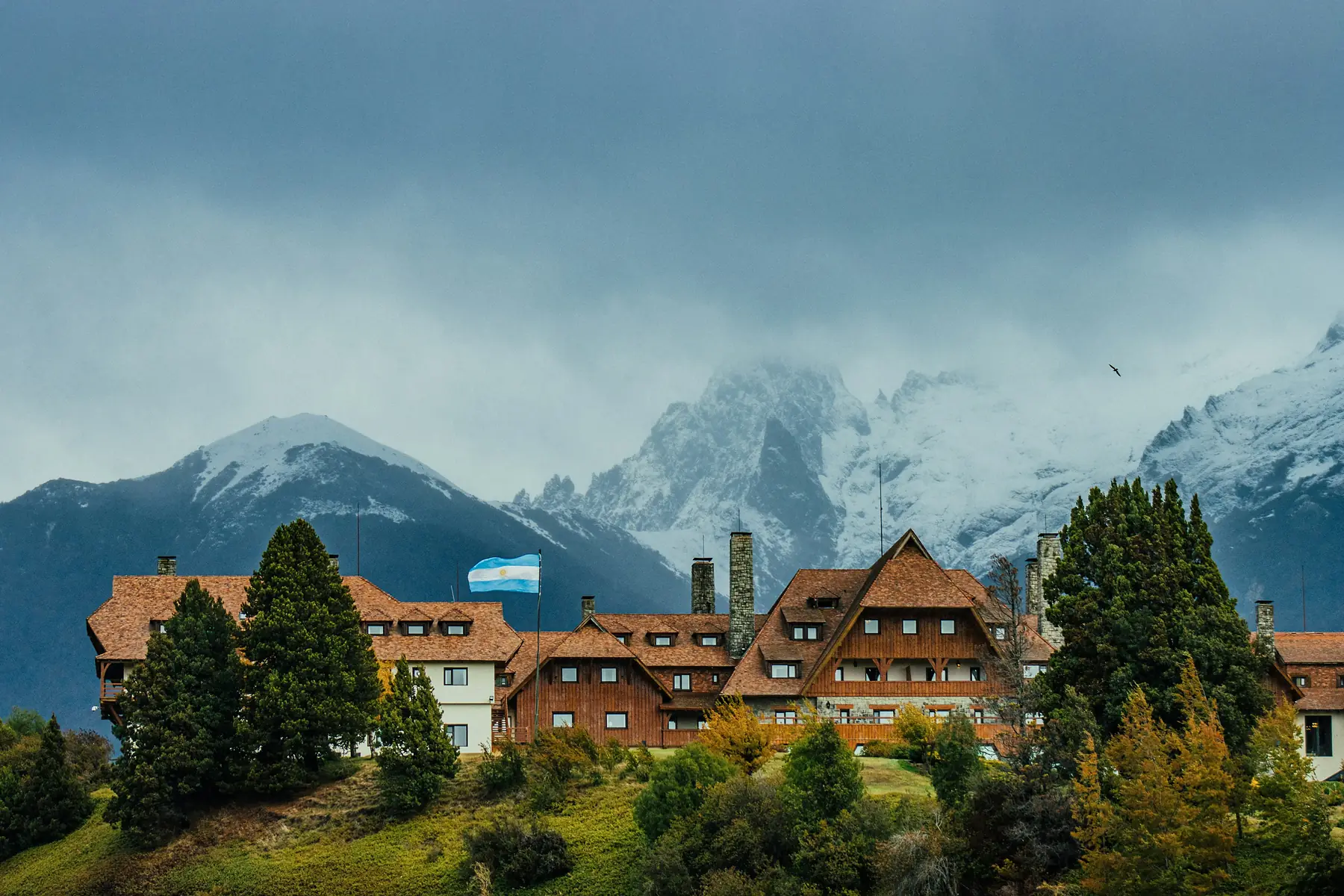
Hiking & Refugios
Trail maps and elevation profiles for Refugio Frey and the backcountry hut network.
Read Guide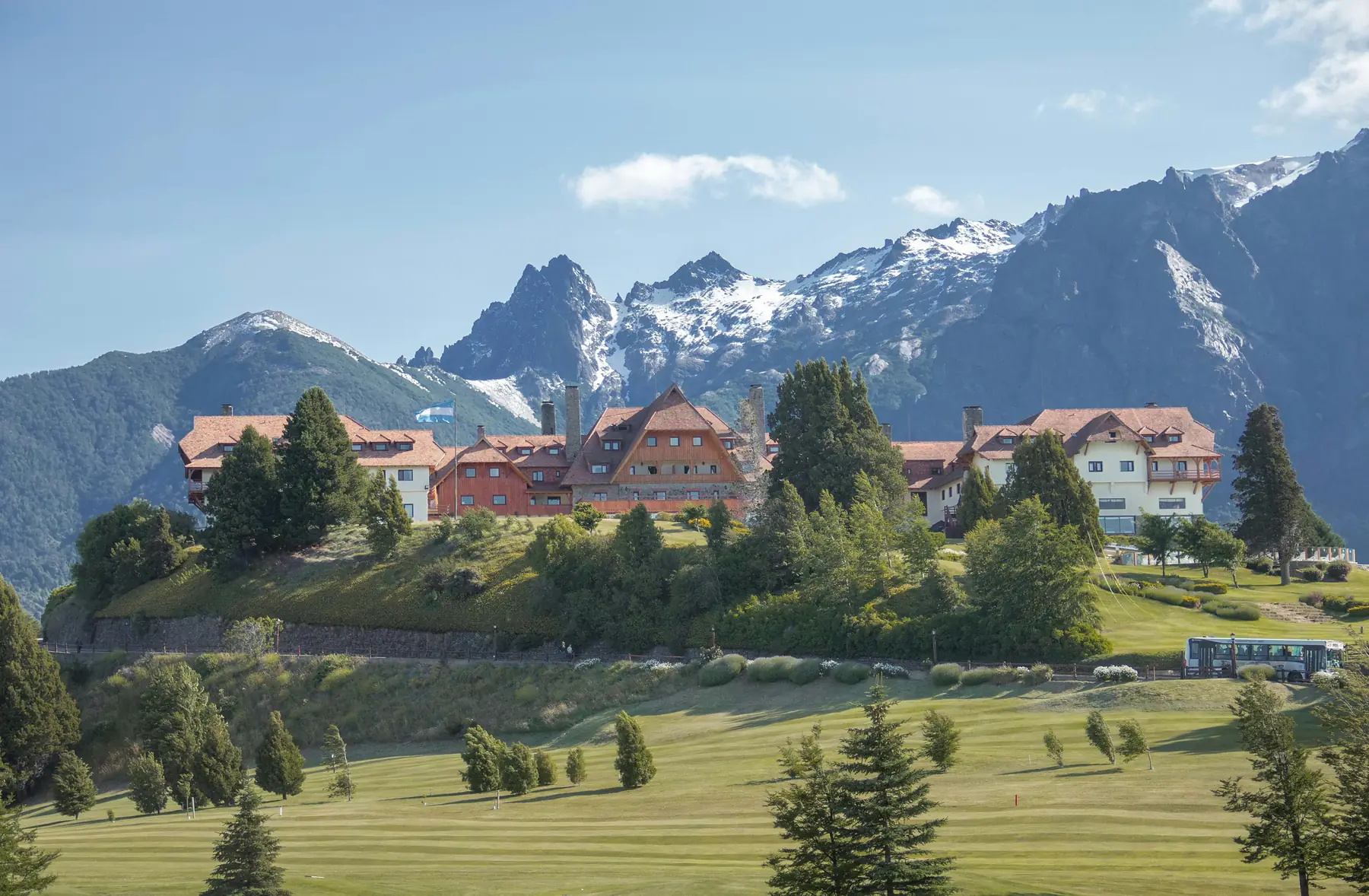
Accommodation
Downtown hotels, lakefront lodges, and backcountry refugios for every budget.
Read Guide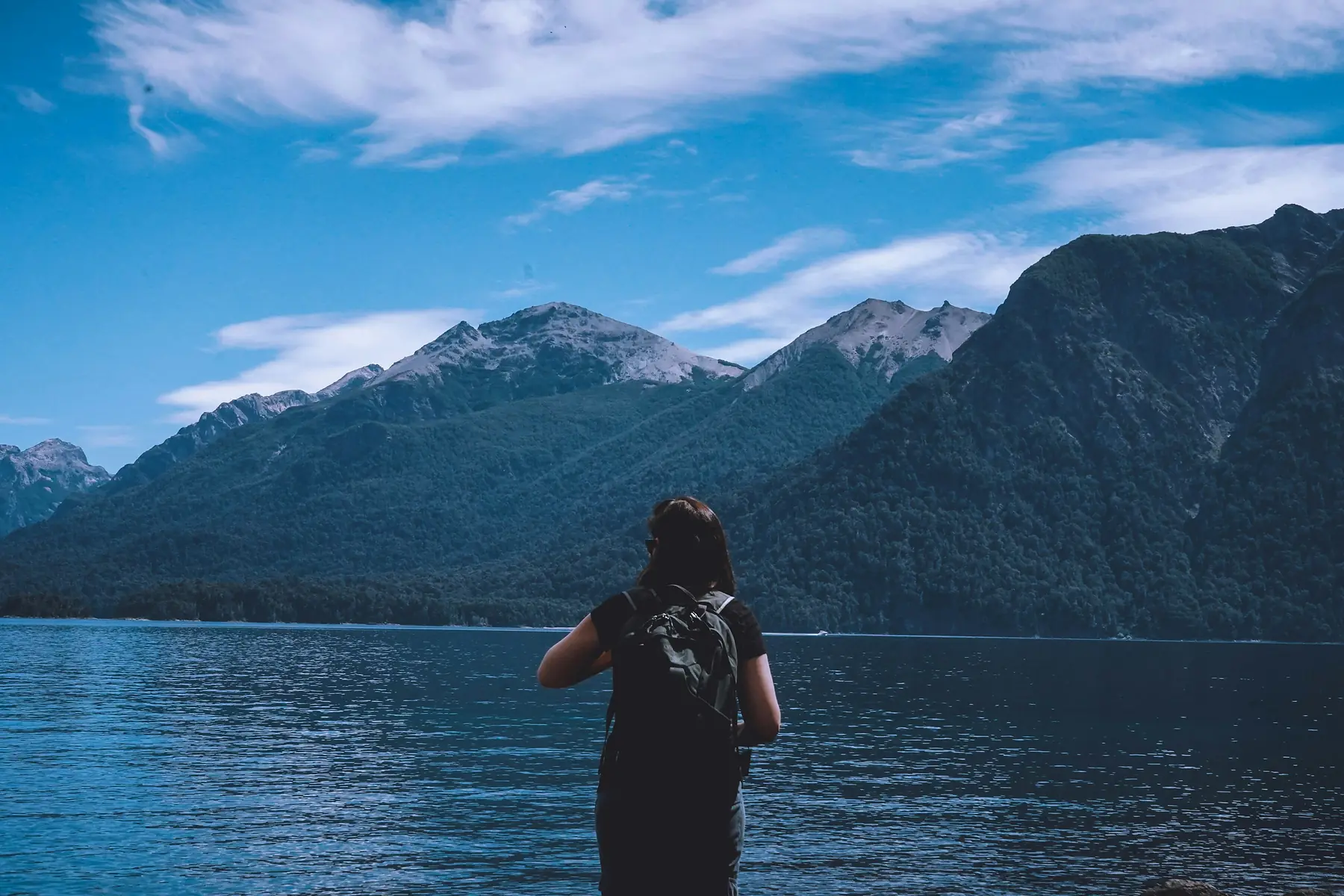
Dining & Chocolate
Patagonian lamb, craft beer, and the best chocolate shops in the Lake District.
Read Guide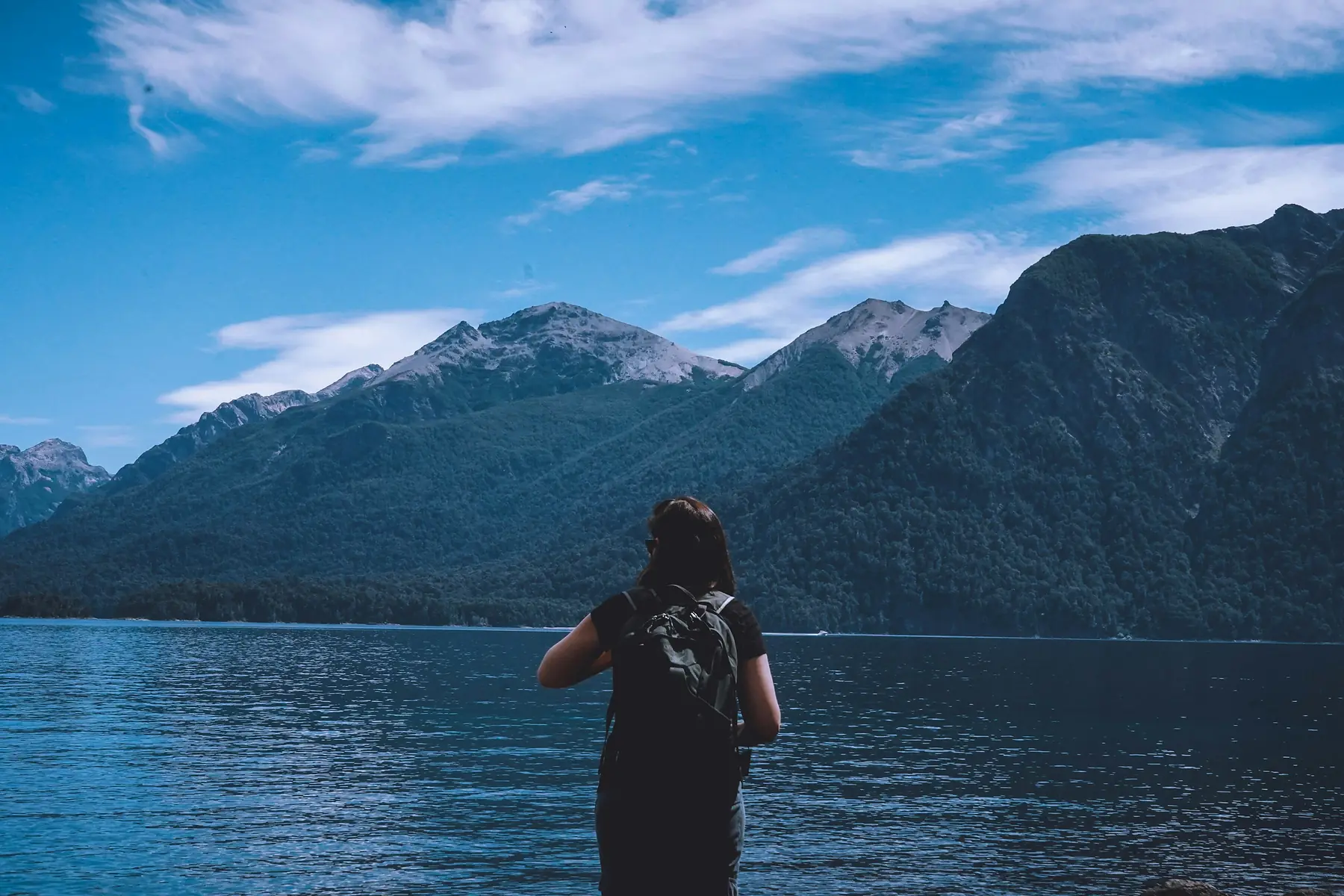
Weather & Seasons
Four distinct seasons, from summer trekking to winter skiing at Cerro Catedral.
Read Guide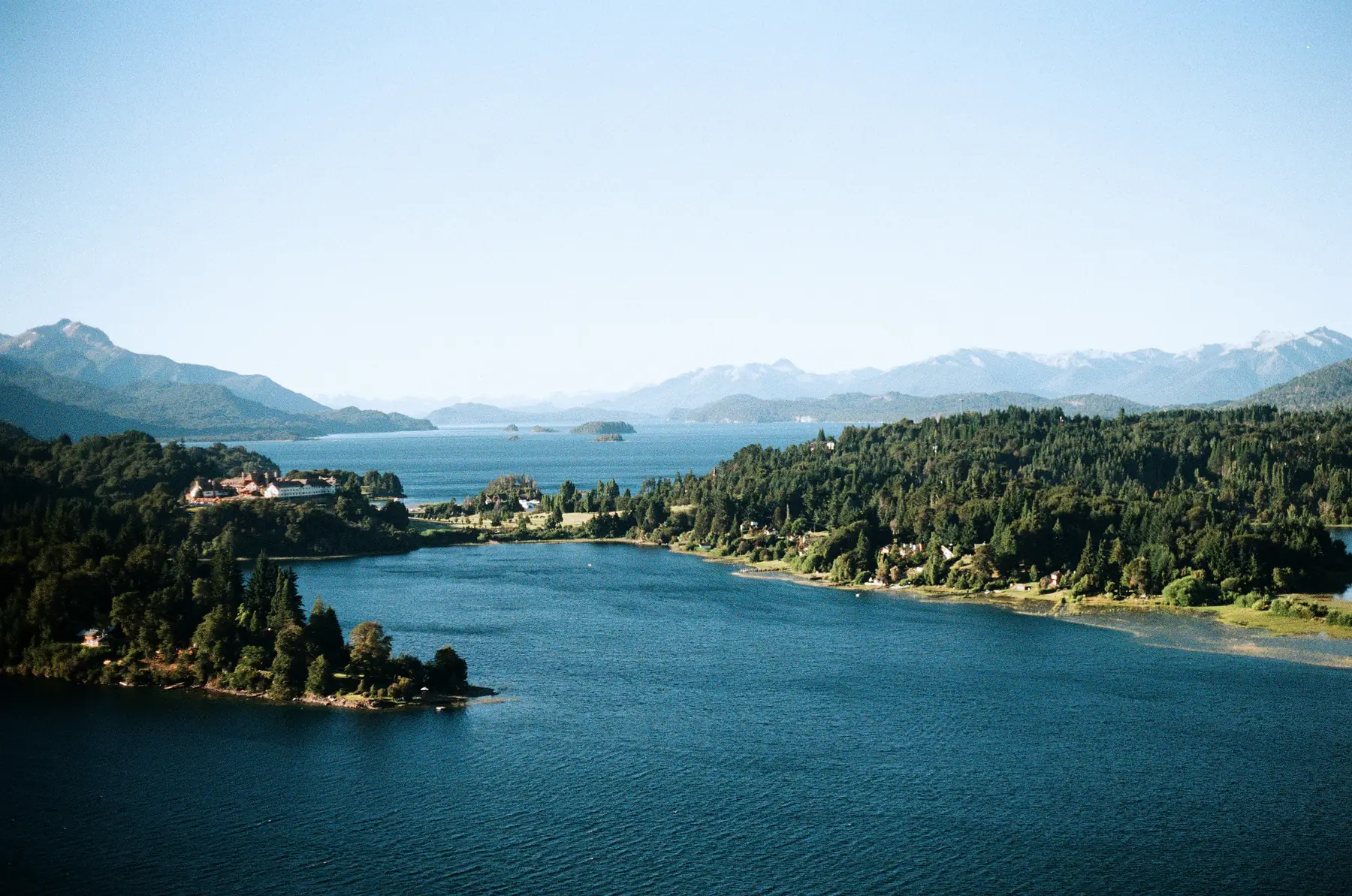
Transport Guide
Flights from Buenos Aires, the Seven Lakes Route, and getting around the region.
Read GuideIs Bariloche in Patagonia? Understanding the Lake District
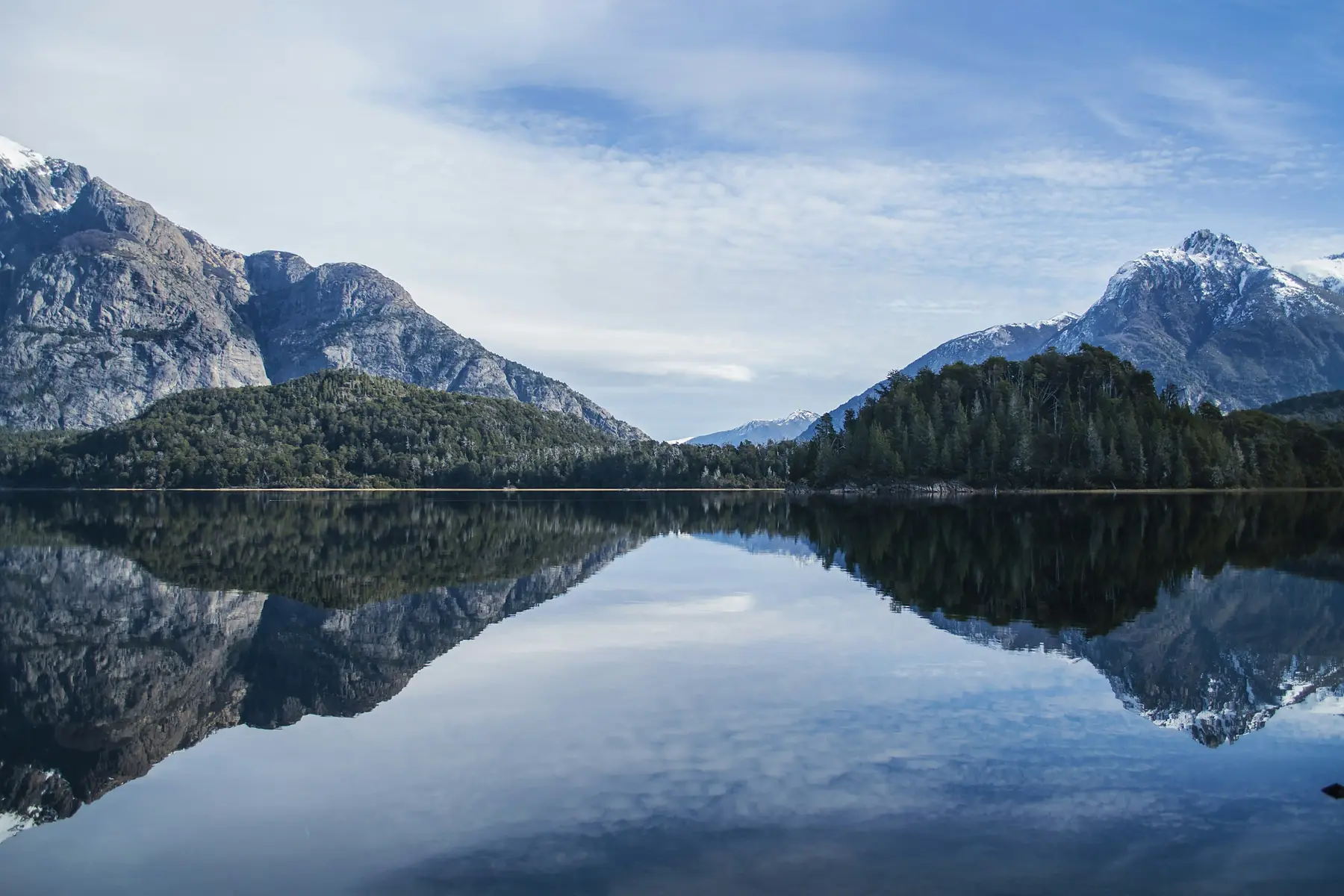
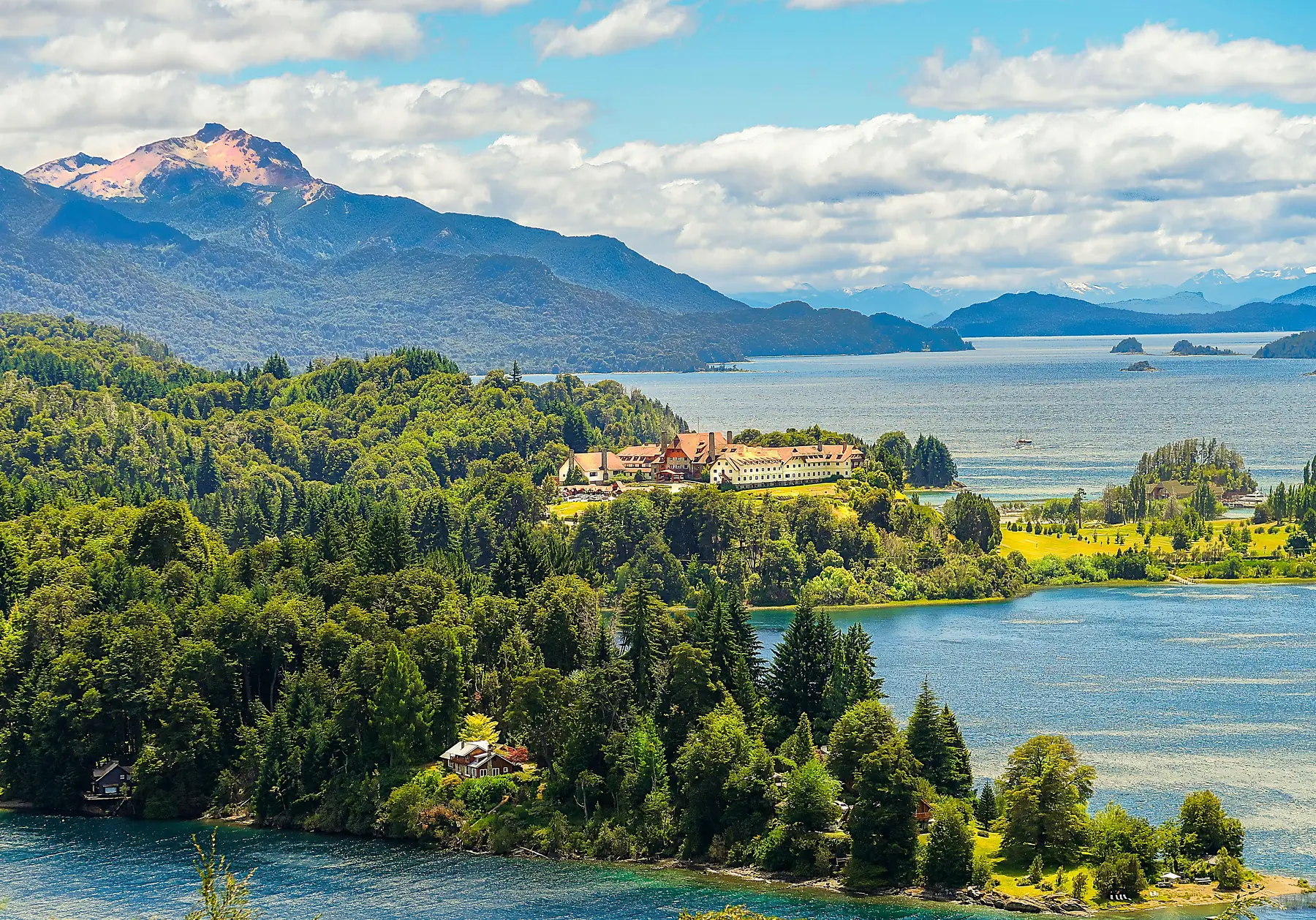
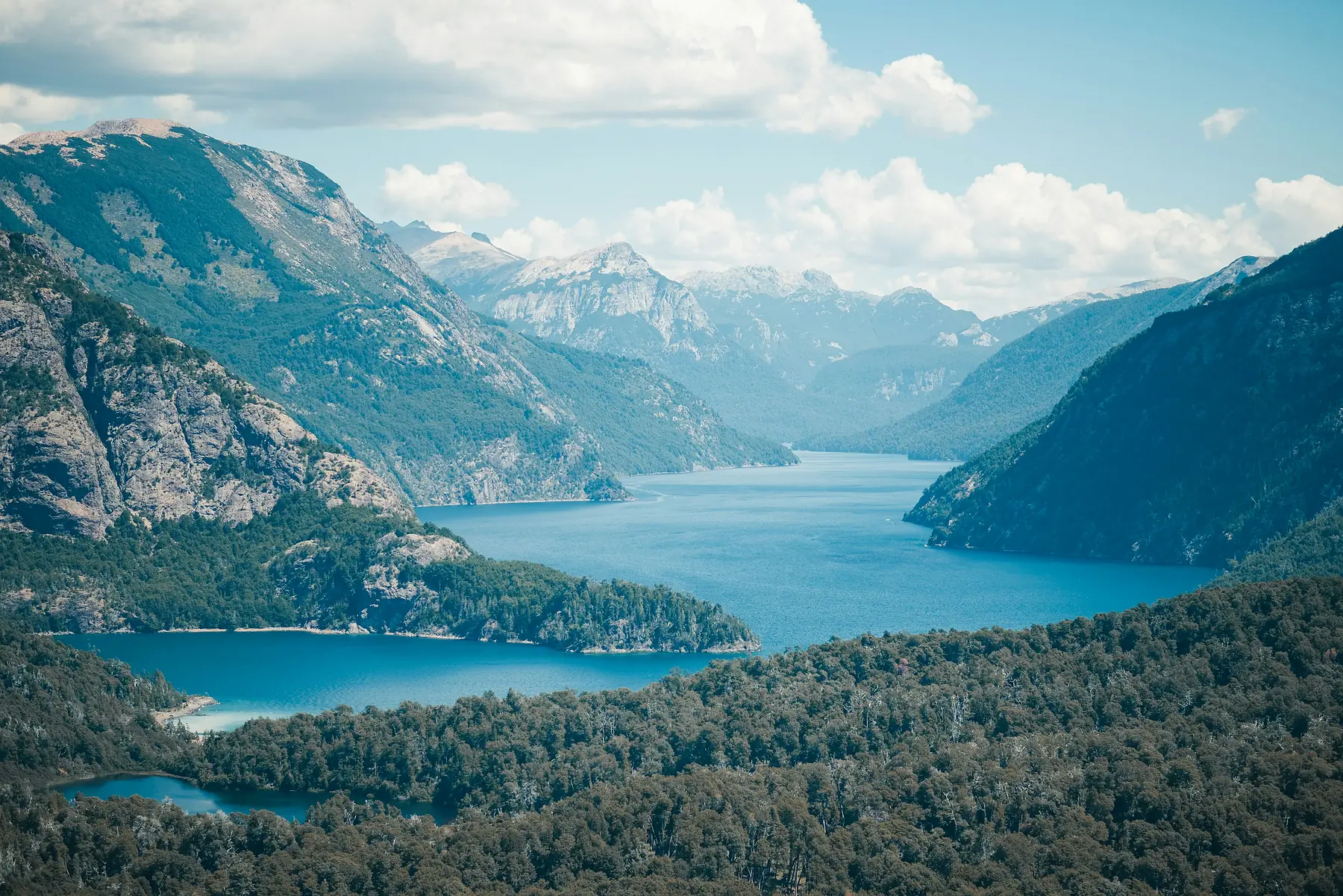
Yes, San Carlos de Bariloche is located in the Río Negro province and serves as the primary entry point for Northern Patagonia. However, the landscape here differs significantly from the arid steppes and massive glaciers of Southern Patagonia. This region is known as the Lake District (Distrito de los Lagos), characterized by lush Valdivian forests, massive freshwater lakes, and jagged volcanic peaks.
While southern destinations like El Calafate focus on the ice of the Perito Moreno Glacier, Bariloche is defined by its greenery and its extensive network of mountain huts. It acts as the northern anchor for the Patagonian Andes, providing a softer, more forested introduction to the mountain range. For a broader look at how this region fits into the continent, see our Patagonia destinations overview.
The Character of San Carlos de Bariloche
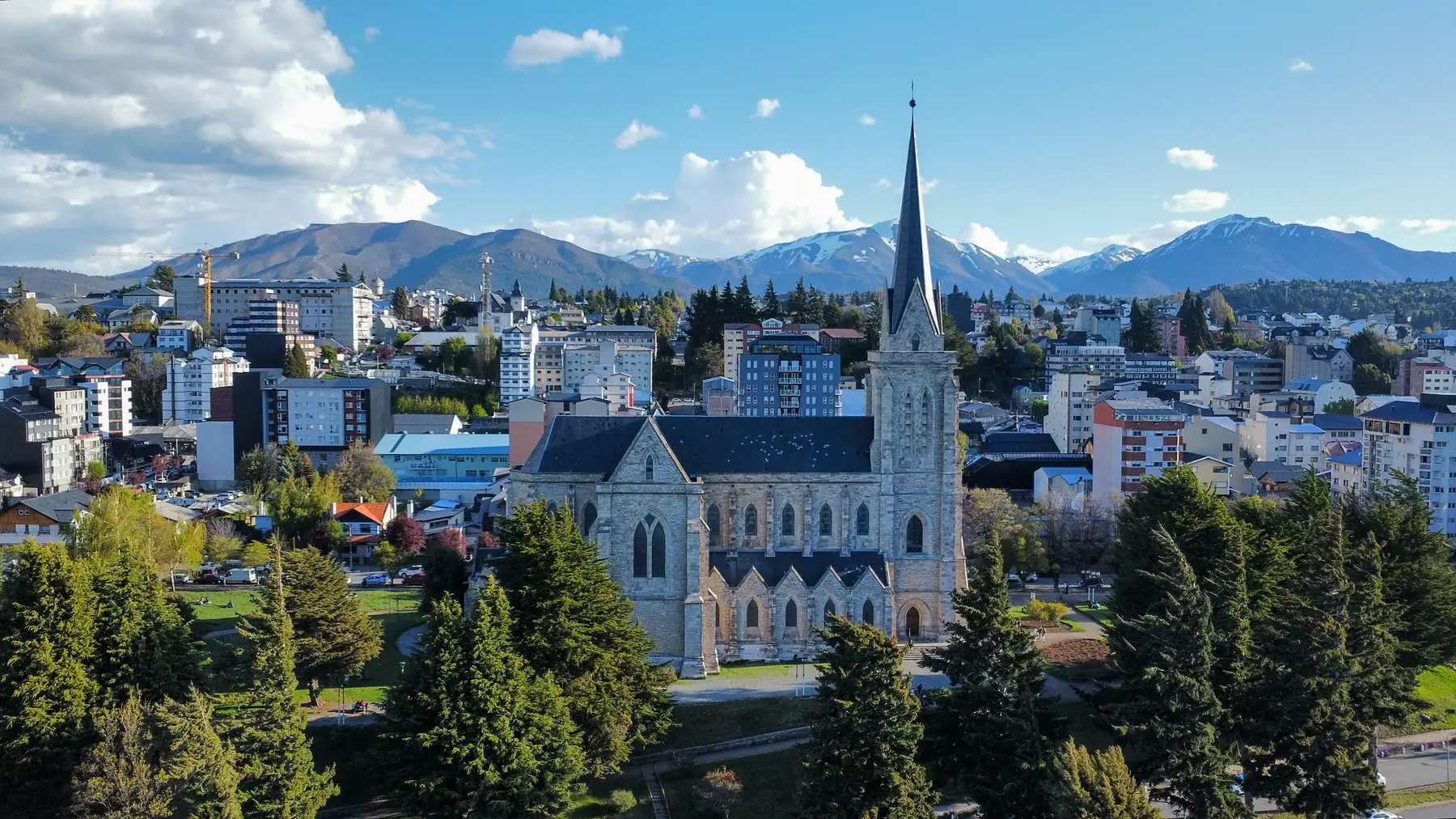
The town of Bariloche is defined by a unique fusion of Andean nature and European masonry. Following a wave of Swiss and German immigration in the early 20th century, the town center was designed with alpine-style stone and wood architecture, most notably in the Centro Cívico. This aesthetic, combined with the surrounding peaks, has earned the area the nickname "The Switzerland of the Andes."
Beyond the architecture, the town's identity is built on two pillars: chocolate and craft beer. Officially declared the "Argentine Capital of Chocolate" in 2015, the town features an entire "Chocolate Trail" along Mitre Street. In the evenings, the focus shifts to the artisanal beer scene, which is among the most developed in South America. To explore the specific urban attractions and cultural sites, visit our guide to things to do in Bariloche.
Hiking and Adventure: The Refugio Network
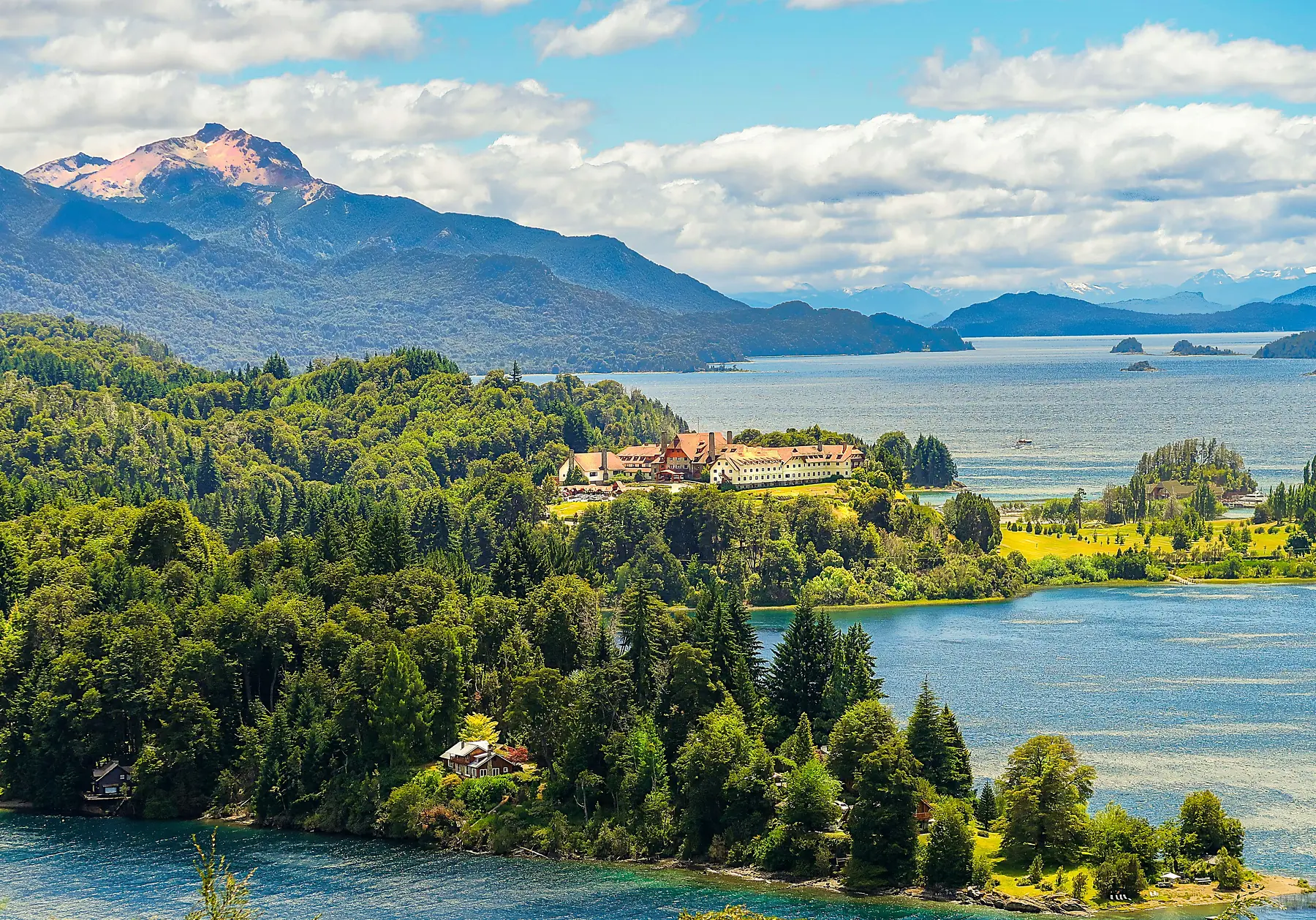
Bariloche's backcountry is defined by the most sophisticated mountain hut (refugio) system in the Americas. Managed largely by the Club Andino Bariloche (CAB), these huts allow hikers to trek for multiple days through the high Andes without carrying tents or heavy cooking gear.
The most famous of these is Refugio Frey, known for the dramatic granite spires that surround a turquoise lagoon. Unlike the treks in Southern Patagonia, the Bariloche trails often involve steeper climbs through dense forest before breaking out into alpine tundra.
For trail maps, elevation profiles, and difficulty ratings for the region's best routes, see our guide to hiking in Bariloche.
How Many Days in Bariloche? Itinerary Planning
For most travelers, 4 to 5 days in Bariloche is the ideal duration to experience the main highlights without feeling rushed. This timeframe allows for a mix of scenic drives, a full day of hiking, and time to enjoy the town's gastronomy.
Verdict
5 days is ideal for most travelers — enough to hike, drive, and eat your way through the highlights.
To see how to integrate Bariloche into a broader Argentine journey, explore our 2-Week Patagonia Itinerary.
Where to Stay: Finding Your Base
Choosing where to stay in Bariloche depends on whether you value convenience and nightlife or views and tranquility. Downtown is urban, busy, and walkable to shops — best for bus access and restaurants. The Kilometers (Bustillo) is quiet and residential with lakefront views — best if you have a rental car.
Beyond these two, serious trekkers often spend their first and last nights in town but spend the bulk of their trip in the backcountry refugios. For specific recommendations, consult our guide on where to stay in Bariloche.
Gastronomy: The Flavors of Northern Patagonia
The culinary scene focuses on hearty, high-calorie foods designed for mountain life. The most famous export is the chocolate, with shops like Mamuschka and Rapa Nui offering everything from traditional truffles to local inventions like Franuí (frozen raspberries covered in chocolate).
Dinner revolves around Patagonian lamb (cordero) or lake trout (trucha). This is also the center of Argentina's craft beer movement with the "Circuito Cervecero" featuring dozens of breweries. See our guide to the best restaurants in Bariloche.
Beyond Bariloche: Nearby Destinations
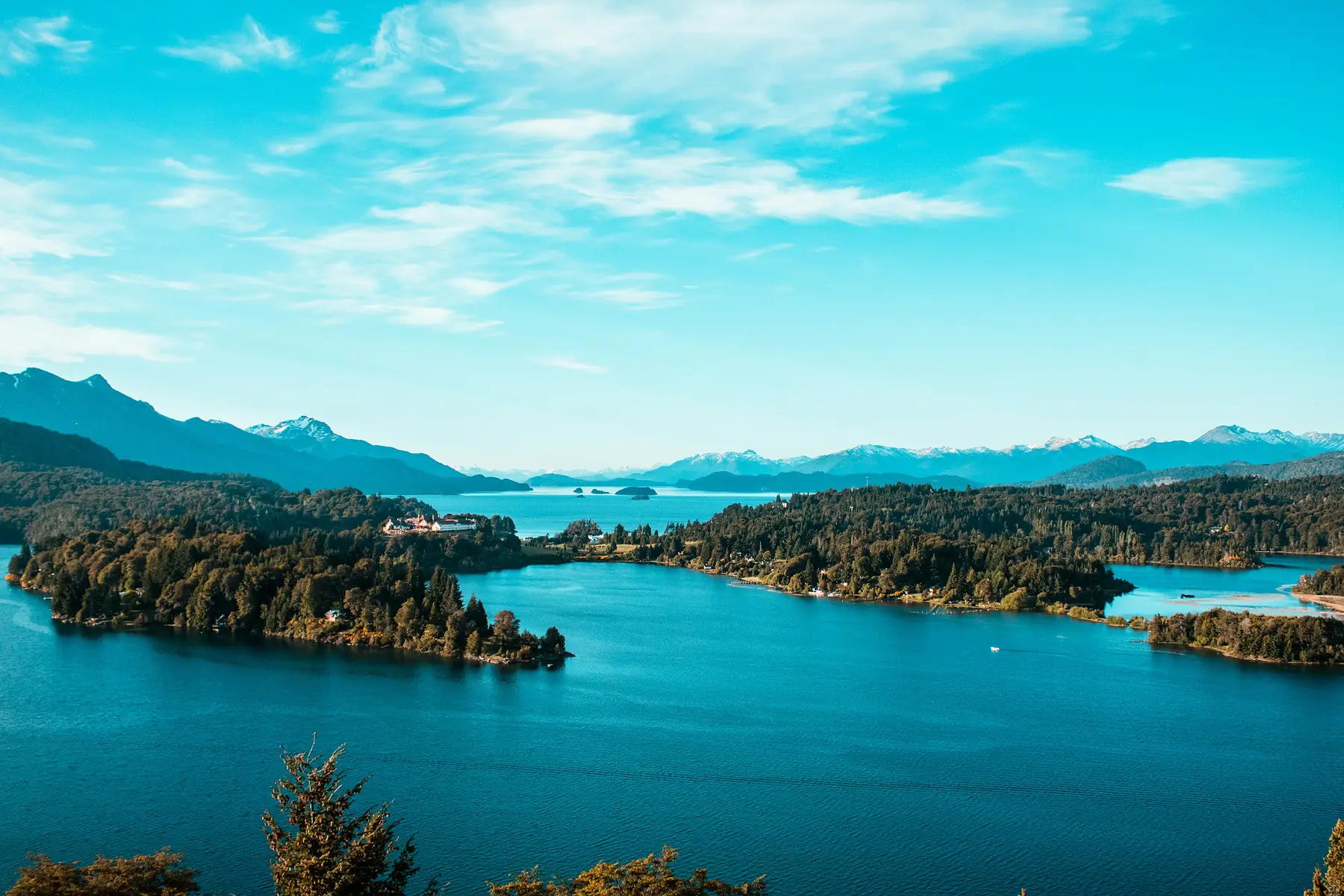
Bariloche is the anchor of the Lake District, but it is surrounded by destinations that warrant exploration. To the north lies Villa La Angostura and San Martín de los Andes. To the south, Los Alerces National Park protects some of the oldest trees on Earth.
San Martín de los Andes
The quieter side of the Lake District at the end of the Seven Lakes Route.
Read Guide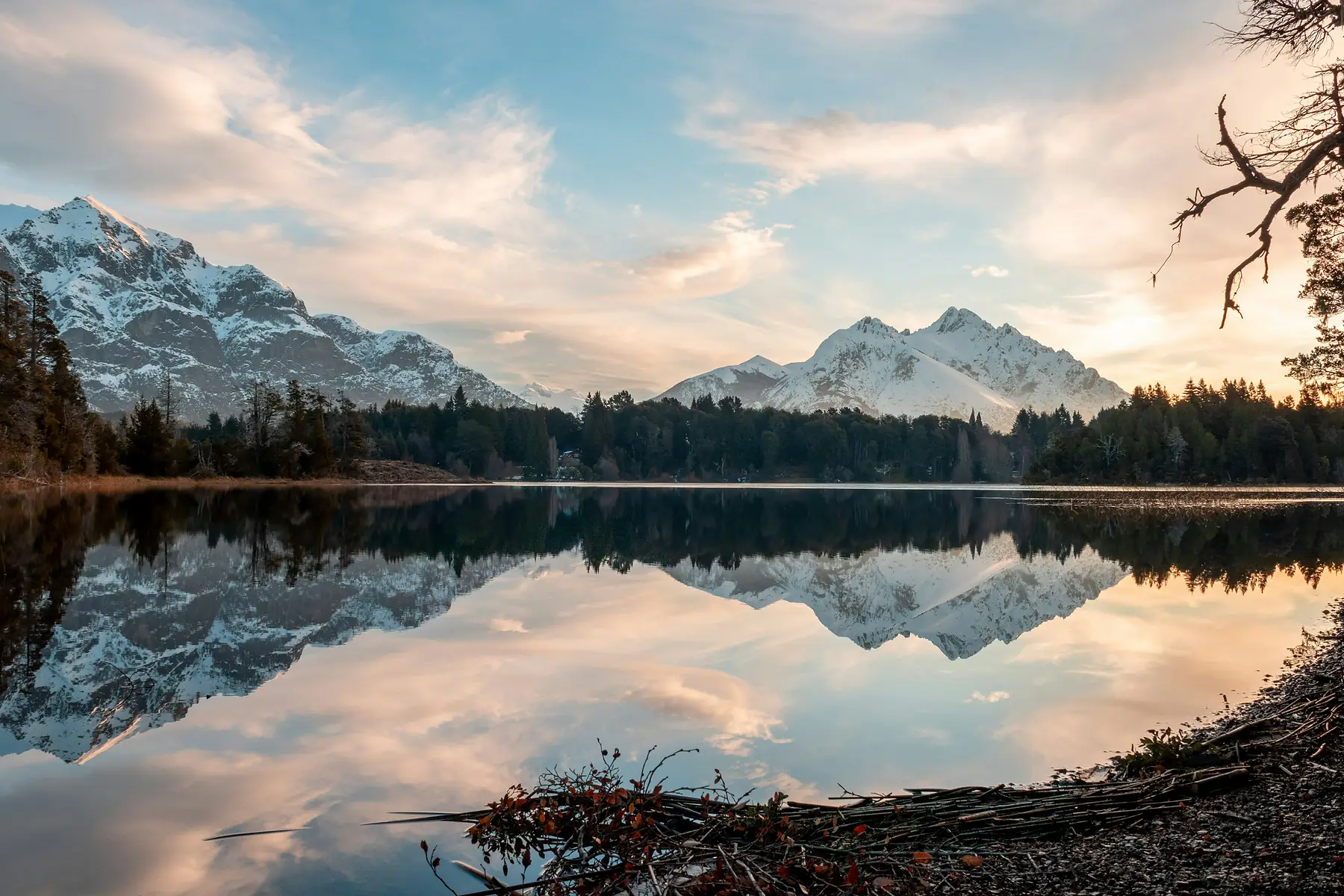
Los Alerces National Park
UNESCO-protected forests and ancient Alerce trees south of Bariloche.
Read Guide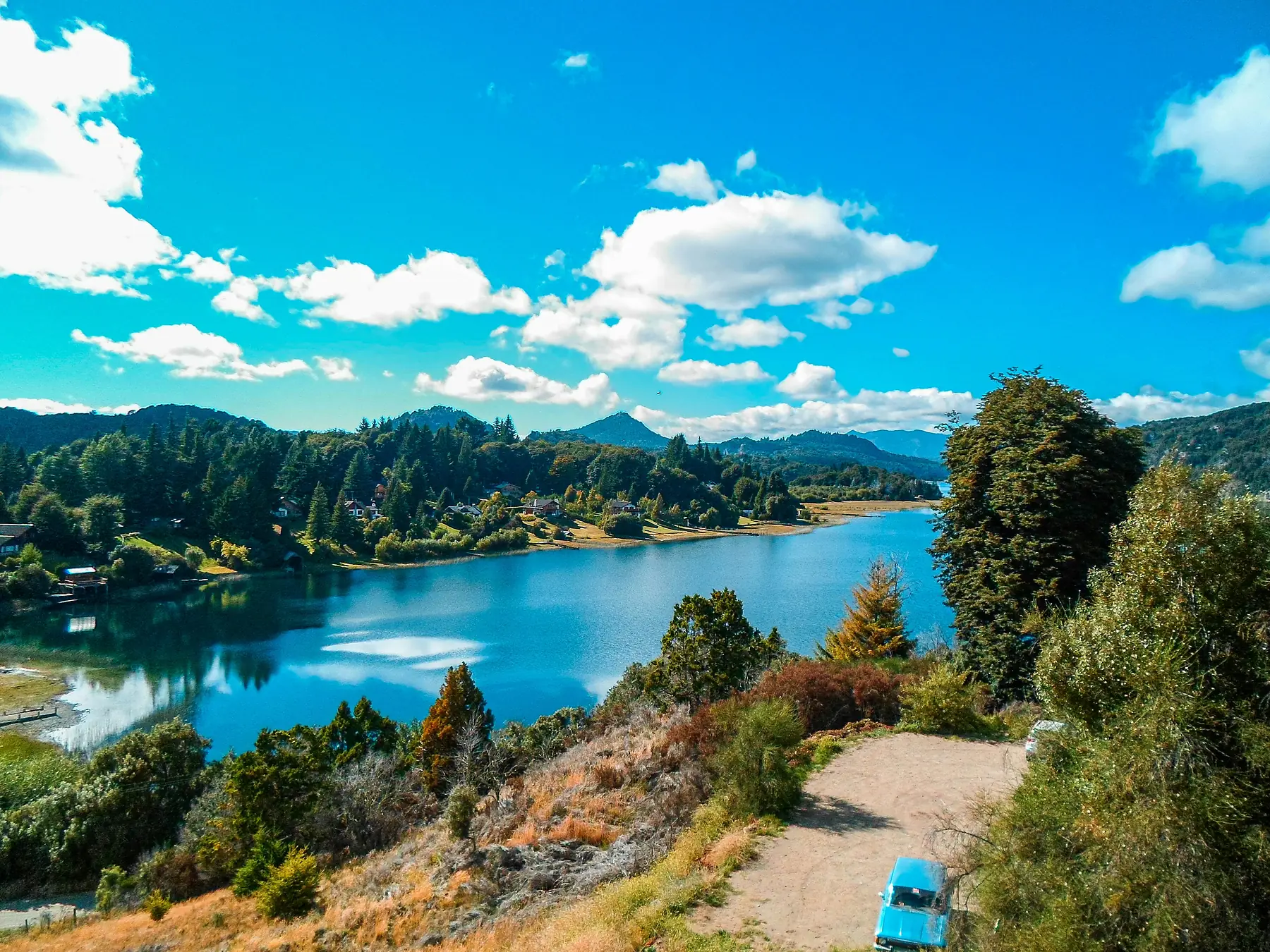
Esquel & Trevelin
Off the beaten path to the Welsh colonies and rugged peaks of the south.
Read Guide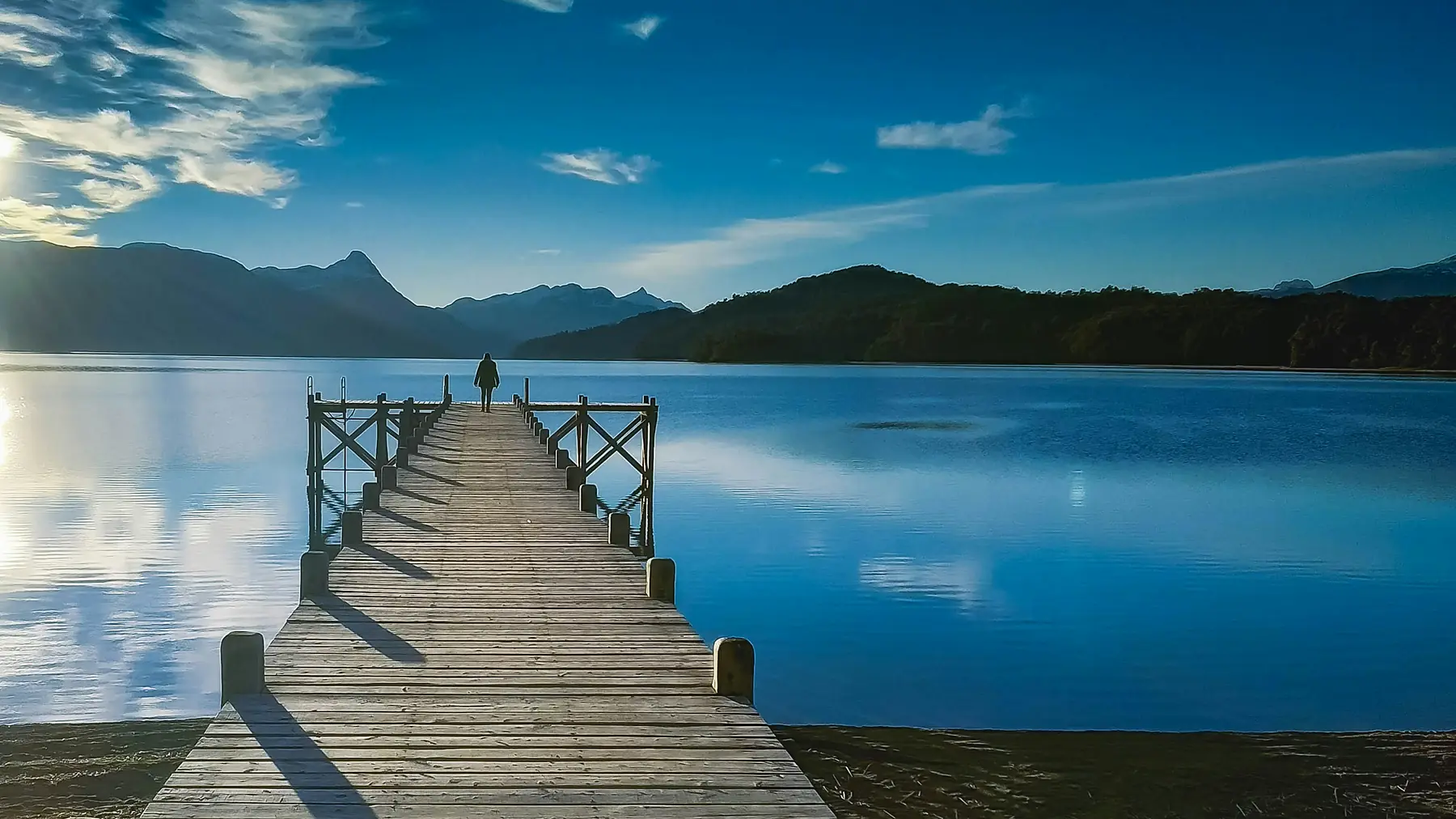
Frequently Asked Questions
How many days in Bariloche is enough for a first trip?
For most travelers, 4 to 5 days in Bariloche is sufficient to see the main highlights like Circuito Chico and hike to a mountain refugio.
Is Bariloche worth visiting if I'm already going to El Chaltén?
Yes, Bariloche offers a completely different landscape of lush forests and massive lakes that contrasts beautifully with the granite spires of El Chaltén.
What is the best time to visit Bariloche for hiking?
The best time to visit Bariloche for hiking is from December to March, when the mountain trails are clear of snow and the weather is reliably warm.
Do I need a car to get around Bariloche?
While public buses serve the main routes in Bariloche, a rental car is highly recommended for exploring the Seven Lakes Route and more remote trailheads.
Is the water in Bariloche safe to drink?
Yes, the tap water in Bariloche is generally safe to drink, though many hikers prefer to filter water from mountain streams using a portable filter.
Can I ski in Bariloche during the summer months?
No, the ski season in Bariloche at Cerro Catedral typically runs from mid-June through September; there is no skiing in the summer months of December to March.
Ready to Explore Bariloche?
Start building your Lake District itinerary with our planning tools.