
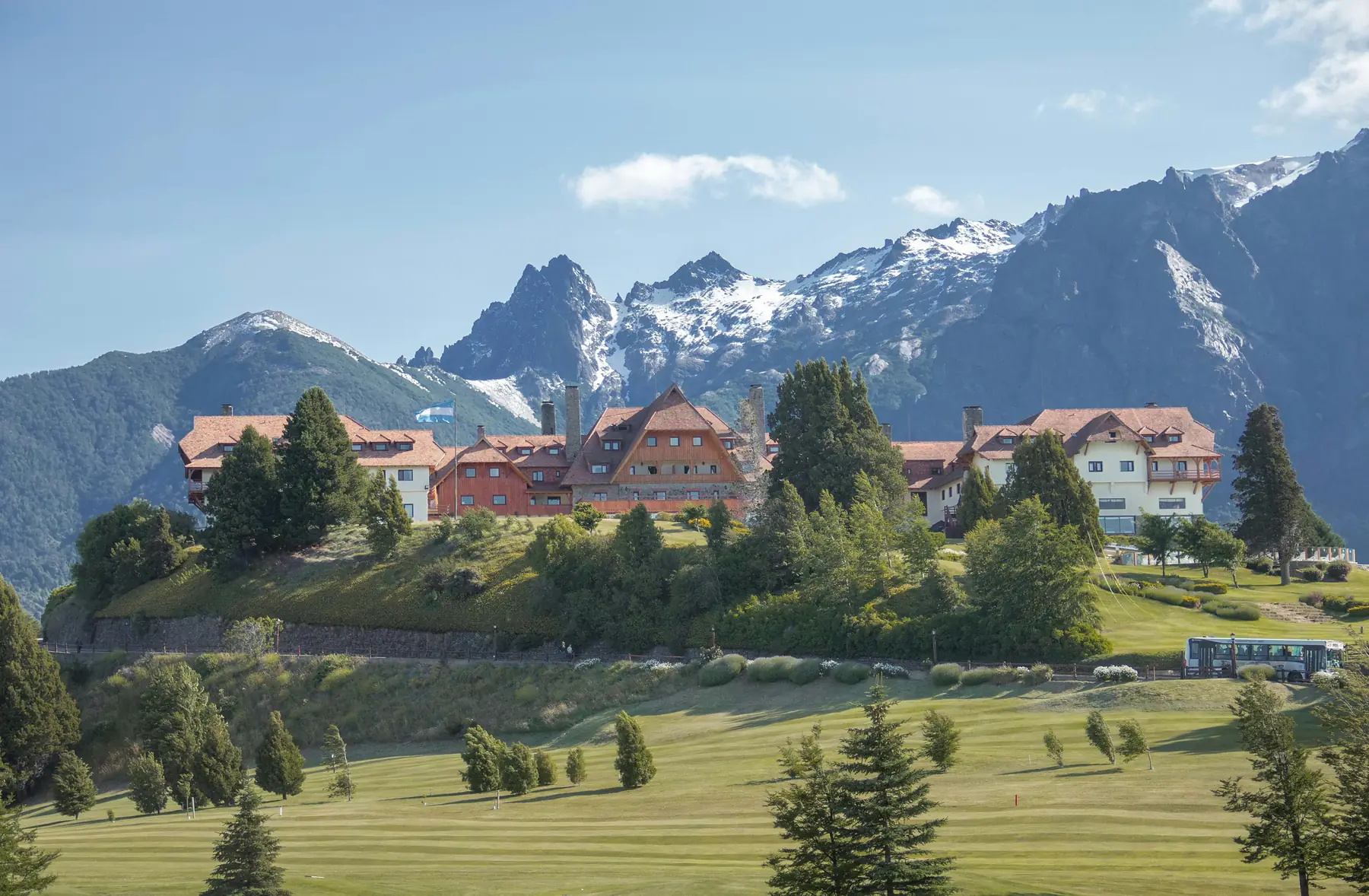
Where to Stay in Bariloche: Best Areas & Hotels (2026/27 Guide)
For most first-time travelers, the best area to stay in Bariloche is the Centro (Downtown) for its walkability and transport links, while those with a rental car should prioritize “The Kilometers” along Avenida Bustillo for lake views and quieter surroundings. Bariloche is a linear city that stretches over 25 kilometers along the southern shore of Lake Nahuel Huapi, and where you choose to sleep will dictate your daily commute, your access to trailheads, and whether you need to fight the city’s notorious traffic.
Choosing the right base requires balancing the convenience of being near chocolate shops and the main bus hub with the desire for the classic Patagonian “cabin in the woods” experience. This guide breaks down the primary neighborhoods to help you match your accommodation to your transport plans and activity list.
To help you orient yourself quickly, the following table summarizes the primary hubs based on travel style and logistical needs.
Bariloche Neighborhoods at a Glance
| Area | Best For | Vibe |
|---|---|---|
| Centro | First-timers & No Car | Bustling, alpine, convenient |
| Playa Bonita | Families & Mid-range | Residential beach hub |
| Llao Llao | Luxury & Nature | Quiet, scenic, exclusive |
| Villa Catedral | Skiers (Winter) | Alpine village, high energy |
| Colonia Suiza | Backpackers & Campers | Rustic, bohemian, wooded |
Understanding Bariloche’s Layout: The “Kilometer” System
Bariloche does not use a traditional grid for its outlying areas: instead, addresses are measured in kilometers starting from the Centro Cívico (KM 0). As you move west toward the Llao Llao peninsula, you are “staying in the Kilometers.” This system is the primary way locals and maps identify locations, so you will see hotel addresses listed as “Bustillo KM 4.5” or “Pioneros KM 7.”
The city is served by two parallel main veins: Avenida Bustillo and Avenida Pioneros. Avenida Bustillo runs directly along the lakefront and is home to the majority of high-end hotels, restaurants, and scenic viewpoints. Avenida Pioneros runs higher up the mountain slope. While Pioneros often lacks the direct lake views of Bustillo, it serves as a critical bypass for traffic and provides faster access to the base of Cerro Catedral.
The traffic reality in Bariloche is a major factor in your stay. Between KM 1 and KM 8, the road narrows and often bottlenecks during the morning and evening “rush” (roughly 09:00 to 10:30 and 18:00 to 20:00). If you stay at KM 15 but have dinner reservations in town, you must account for significant delays. Choosing between Bustillo and Pioneros often comes down to a choice between a lake view and ease of movement.
The Strategic Choice: To Stay in Town or Out of Town?
The most important decision you will make is whether to base yourself in the walkable city center or in the more secluded residential areas. This decision should be driven almost entirely by your transport method.
- Transport: Walkable to everything; hub for all public bus lines. / Requires a car or high patience for the #20 bus.
- Vibe: Urban alpine, high energy, touristy. / Quiet, forested, private lake access.
- Dining: Hundreds of options within a 10-block radius. / Scattered clusters of high-quality restaurants; requires driving.
- Cost: More budget-friendly hostels and high-rise hotels. / Higher concentration of luxury lodges and private cabins.
Stay in Centro if you rely on buses; stay in the Kilometers if you have a rental car and want a quiet, scenic retreat.
If you plan to visit Bariloche without a rental car, staying past KM 10 is a logistical hurdle. While the #20 bus runs frequently (approximately every 20 minutes), it is often standing-room-only during peak season. Furthermore, taxis and Remises (private hire cars) can be expensive and difficult to summon during the evening rush. For a deep dive on navigating these options, see our guide on Bariloche public transport and car rentals.
Centro (Downtown Bariloche): Best for Convenience & First-Timers
The city center is defined by its iconic stone and timber alpine architecture, centered around the Centro Cívico. This is the heartbeat of Bariloche, where you will find the highest concentration of chocolate shops, gear rental stores, and breweries. It is the most practical choice for those who want to step out of their hotel and be within a five-minute walk of dinner.
Logistically, the Centro is the only place where you can easily access every major bus line. If you are heading to the proximity to trailheads like the one for Refugio Frey, the Linea 20 and Linea 55 buses both depart from the main hub on Moreno street. This eliminates the need to time your arrival at a roadside bus stop where the bus might already be full.
However, the center can be noisy. The main thoroughfares of Mitre and Moreno are high-traffic areas, and Bariloche is a popular destination for “Egresados” (high school graduation trips), who can be loud in the late evening. If you want a quiet stay in the center, look for hotels located a few blocks uphill from the lake, near San Martín or Belgrano streets.
If you are looking for vetted hotel recommendations in the heart of the city, consider these top-rated options.
Playa Bonita (KM 7 - KM 9): The Mid-Point Compromise
Playa Bonita is one of the few areas along Avenida Bustillo that feels like its own self-contained village. Located at the junction where the road to Cerro Catedral (Avenida Catedral) splits off from the lakefront, it offers a “best of both worlds” scenario. You are far enough from town to avoid the urban noise, but close enough that a taxi ride isn’t prohibitively expensive.
The vibe here is residential and relaxed, centered around a popular pebble beach that fills with locals on summer afternoons. It is an excellent location for families, as there are several grocery stores, pharmacies, and high-quality restaurants within walking distance of the main hotel cluster.
For hikers, Playa Bonita is strategically positioned. It is a short drive or bus ride to the base of Cerro Campanario and provides a head start on the Circuito Chico guide loop. It is also the most logical place to stay if you want to mix lake days with a trip to the Refugio Frey trailhead at Cerro Catedral.
Llao Llao & Circuito Chico (KM 18 - KM 25): Best for Luxury & Nature
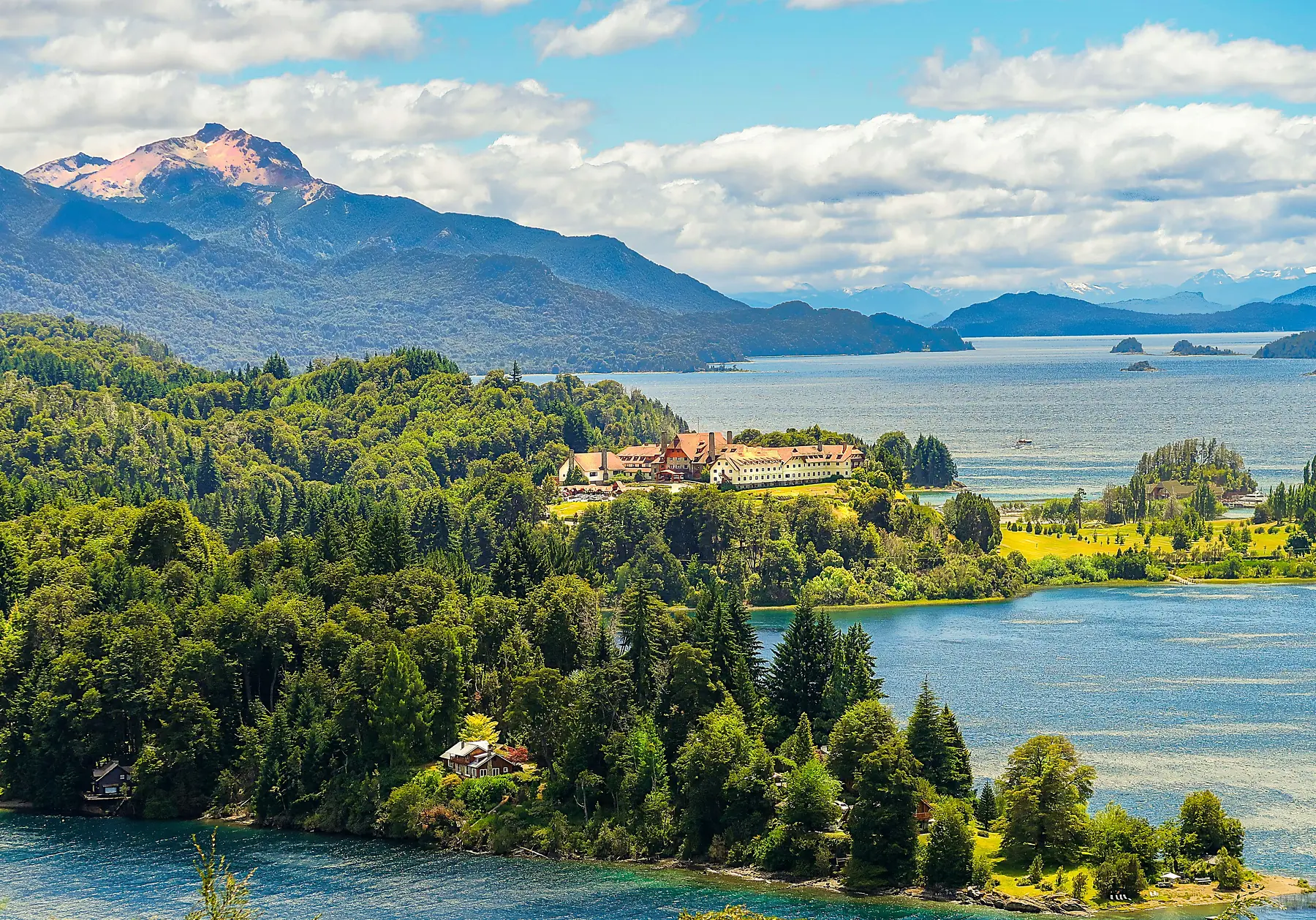
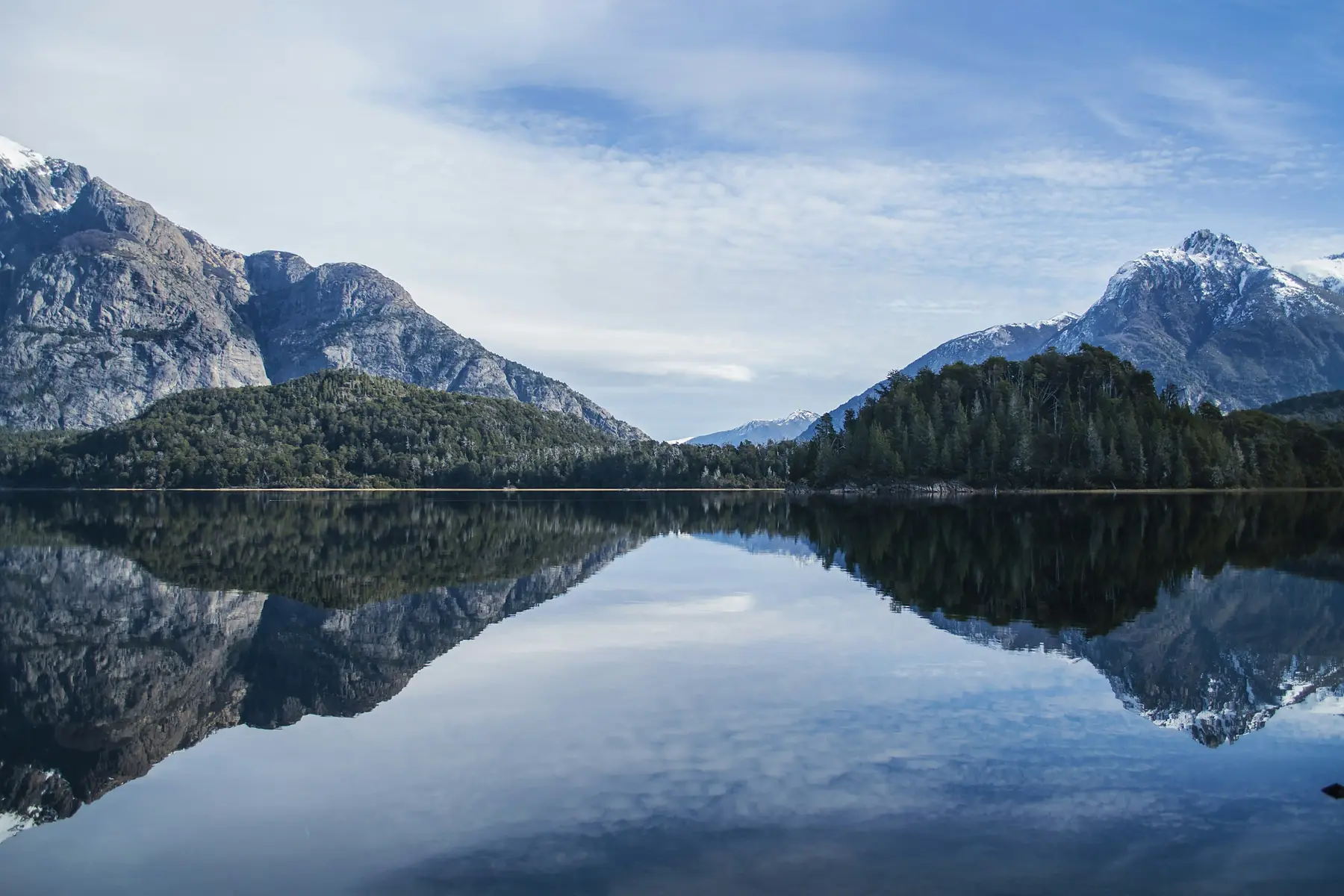
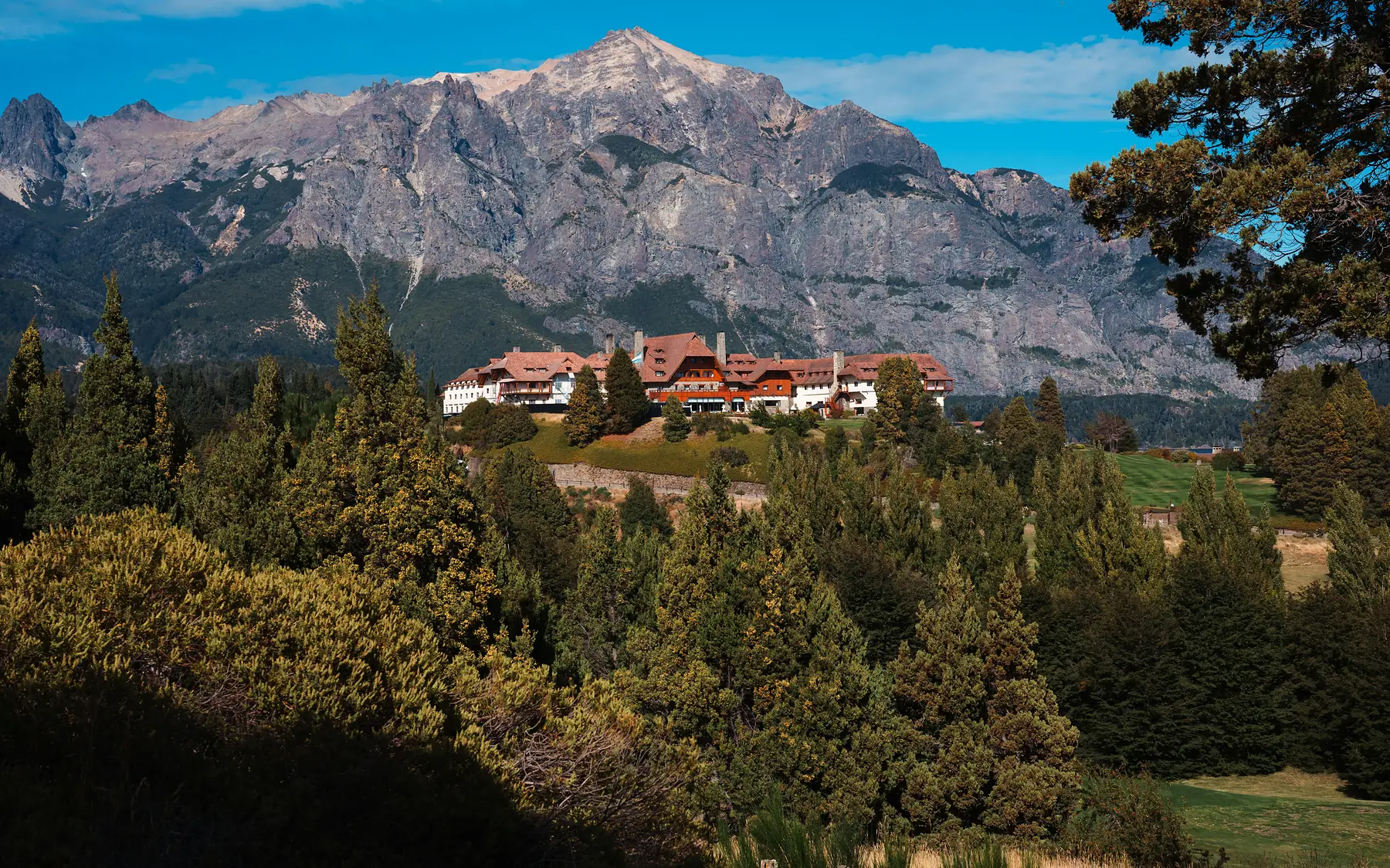
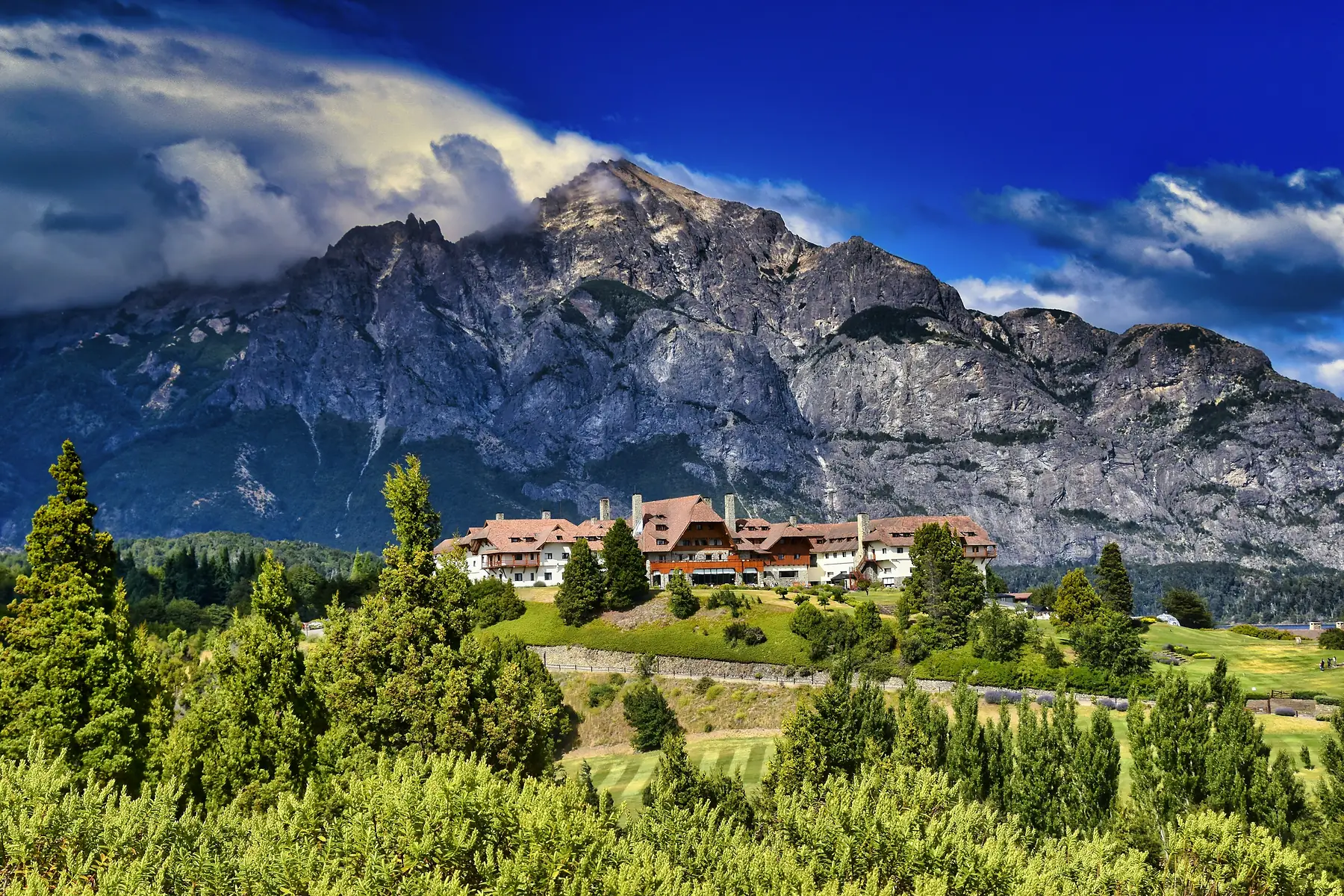
The Llao Llao peninsula is the most dramatic landscape in the Argentine Lake District. Staying here means waking up surrounded by the towering peaks of Cerro López and Cerro Capilla, with the deep blue waters of Lake Nahuel Huapi and Lake Moreno on either side. This area is home to the most exclusive stays in Bariloche.
The landmark of the region is the Llao Llao Hotel & Resort, a historic property that is as much a tourist attraction as it is an accommodation. Even if you don’t stay there, the surrounding area offers high-end boutique lodges tucked away in the Coihue forests. This is a place for quiet mornings, afternoon teas, and easy access to nature.
Logistically, this area is the trailhead hub. You are within walking distance or a five-minute drive of:
- Cerro Llao Llao: An easy hike with a massive payoff view.
- Puerto Pañuelo: The departure point for boat tours to Victoria Island and the Arrayanes Forest.
- Cerro López: A more challenging ascent for experienced hikers.
Because of the distance from the city (30-45 minutes without traffic), a rental car is virtually mandatory here. While the #20 bus terminates at Puerto Pañuelo, relying on it for every meal or supply run will quickly become tedious.
To explore the most exclusive stays in Bariloche, including the iconic Llao Llao Resort, view our luxury guide.
Villa Catedral: Best for Skiers & Winter Travelers
Located at the base of South America’s most famous ski resort, Villa Catedral is a specialized hub. During the winter months (July to September), this village is the center of the action. It is designed for those whose primary goal is to be on the lifts the moment they open.
The “Traffic Trap” is the main reason to stay here. During peak ski season, the road from Bariloche to Cerro Catedral can become a parking lot. By staying in the Villa, you bypass the daily 1-2 hour commute from the center. The accommodation here consists largely of condos, apartments, and ski-in/ski-out lodges.
In the summer, Villa Catedral transforms into a quiet mountain base. It is the starting point for the trek to Refugio Frey, making it a great choice for hikers who want to start their ascent early. However, be aware that many of the village’s restaurants and shops close during the shoulder seasons.
For more details on planning a winter trip, including lift pass info and gear rental, see our Bariloche skiing guide.
Colonia Suiza: The Rustic & Bohemian Alternative
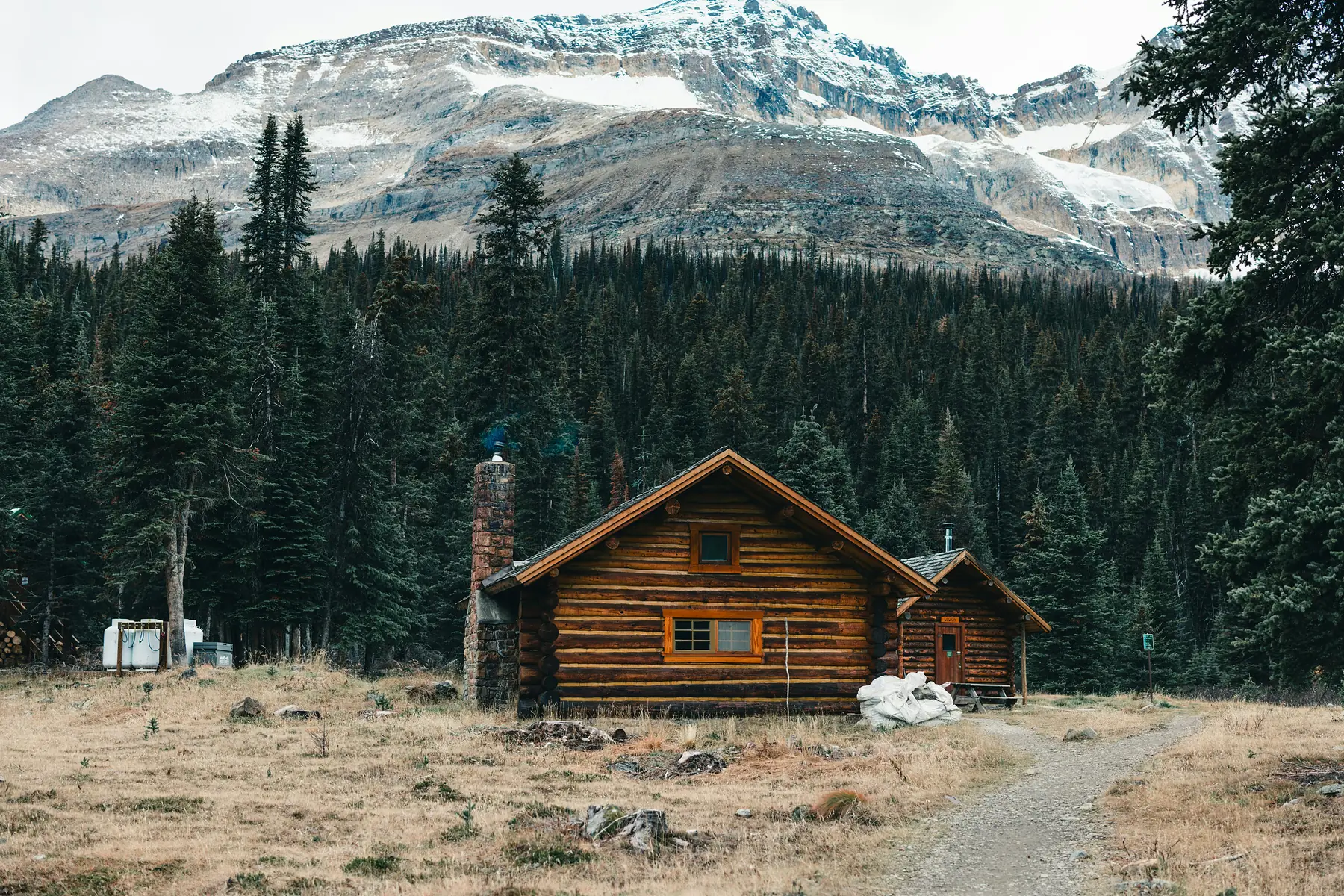
For those seeking a “Patagonian pioneer” atmosphere, Colonia Suiza is a unique choice. Located about 25 kilometers from the center, this was the first Swiss settlement in the region. The architecture is strictly traditional—lots of hand-hewn wood and stone—and the vibe is decidedly bohemian and rustic.
This is the best area for travelers seeking campsites in the National Park or affordable hostels and guesthouses with a forest retreat feel. It is significantly quieter than the rest of Bariloche, except on Wednesdays and Sundays. These are the “Curanto” market days, when hundreds of tourists arrive to eat traditional food cooked in underground pits.
Staying in Colonia Suiza requires a love for the outdoors and a tolerance for limited services. There are no large supermarkets here, and public transport (the #10 bus) is less frequent than the main Bustillo lines. It is a place to disconnect, sit by the fire, and enjoy the proximity to the Goye and Segredo trailheads.
Practical Tips for Booking Bariloche Accommodation
Booking accommodation in Argentina requires a bit more foresight than in other parts of Patagonia due to the country’s unique economic landscape.
- Booking Essentials: As of the 2026/27 season, foreign tourists can receive a 21% IVA (VAT) tax refund when paying with a foreign credit or debit card at registered hotels (under Decree 1043/2016). However, the “Blue Dollar” (informal exchange rate) may still make paying in Argentine Peso cash more economical in some cases. For a full breakdown of how to handle payments, visit our Bariloche accommodation hub.
- Seasonal Demand: Bariloche has two “peak” seasons. January and February are the height of summer, while July and August are the peak of the ski season. For these months, you should book at least 4-6 months in advance.
- Heating vs. AC: Because of the cool mountain climate, central heating (“Calefacción Central”) is a standard and essential feature. Air conditioning is rare and generally unnecessary, even in mid-summer.
- Parking: If you are renting a car and staying in the Centro, ensure your hotel explicitly includes private parking. Street parking in the center is difficult to find and not always secure for rental vehicles.
FAQ
What is the best area to stay in Bariloche for the first time? The Centro (Downtown) area near the Civic Center is best for first-timers as it is walkable to restaurants, chocolate shops, and the main bus hub. This allows you to orient yourself to the city without needing to navigate complex transport immediately.
Is it better to stay in downtown Bariloche or the Kilometers? Stay in downtown Bariloche for convenience and nightlife, or choose “The Kilometers” (Avenida Bustillo) if you have a car and want a quiet, scenic lake view. The choice depends entirely on whether you prefer urban accessibility or Patagonian nature.
Can I stay in Bariloche without a rental car? Yes, you can stay in Bariloche without a car, but you should choose a hotel in the city center to ensure easy access to the public bus system and taxis. Staying in the remote “Kilometer” areas without a vehicle can lead to long wait times and high transport costs.
Where should I stay in Bariloche for skiing at Cerro Catedral? The best place to stay for skiing is Villa Catedral at the base of the mountain to avoid the heavy daily traffic from the city center. This allows you to be within walking distance of the ski lifts and avoids the morning bottleneck on the access road.
Is Bariloche safe to walk at night? Bariloche is generally very safe, and walking in the well-lit city center or residential “Kilometer” areas at night is common for tourists. As with any city, stay on main well-lit paths and keep an eye on your belongings in crowded areas like the bus hub.
Do hotels in Bariloche have views of Lake Nahuel Huapi? Many hotels along Avenida Bustillo and the Llao Llao peninsula offer stunning views of Lake Nahuel Huapi, but always confirm a “lake view” room when booking. Some lower-priced rooms in the same hotels may face the forest or the mountain behind the property.