21 Best Things to Do in Bariloche: 2026 Guide to Alpine Patagonia
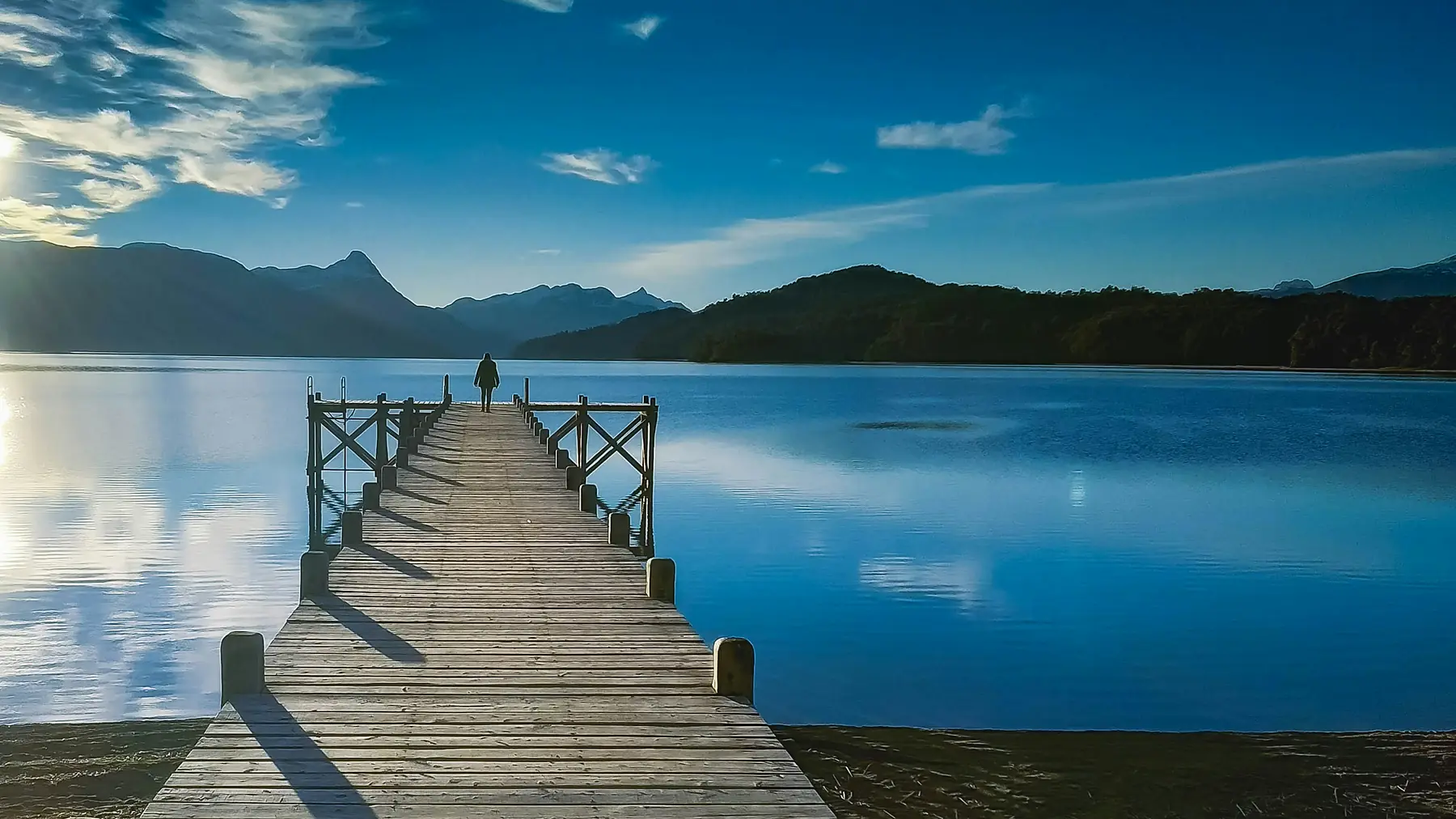
The best things to do in Bariloche center on the 24km Circuito Chico loop, lake navigations to Puerto Blest, and exploring the world-class chocolate shops and craft breweries that line the city center. Whether you are visiting for the summer hiking season or the winter ski window, Bariloche serves as the primary gateway to the Argentine Lake District, blending European alpine architecture with the rugged scale of the Andes.
San Carlos de Bariloche – often simply called Bariloche – is a destination defined by its geography. Located on the southern shore of the massive Lago Nahuel Huapi, the town offers a distinct “Little Switzerland” atmosphere. For many travellers, the primary decision is whether to focus on the high-altitude peaks of the south or the lakes of the north. If you are still deciding between this region and the glaciers of the south, our guide on Bariloche vs El Calafate can help narrow your focus.
Bariloche at a Glance
- Top Attractions: Circuito Chico, Cerro Campanario, Isla Victoria, Calle Mitre (Chocolate).
- Average Temps: Summer (Dec–Mar) 15°C to 25°C; Winter (Jun–Aug) 0°C to 8°C.
- Transport: SUBE card is mandatory for all local buses (Line 20 is the most useful).
- Must-Try Food: Artisanal Chocolate, Curanto (in Colonia Suiza), and Patagonian Lamb.
- Duration: 4–5 days is the ideal window for most itineraries.
The Essentials: Circuito Chico & Panoramic Views
The Circuito Chico is the foundational Bariloche experience, a 24km paved loop that winds through the Llao Llao Municipal Park and offers the region’s most iconic vistas. Most travellers complete this loop via rental car, the local #20 bus, or by renting mountain bikes at the “Circuito Chico” junction (Kilometre 18.3 of Bustillo Avenue).
Cerro Campanario
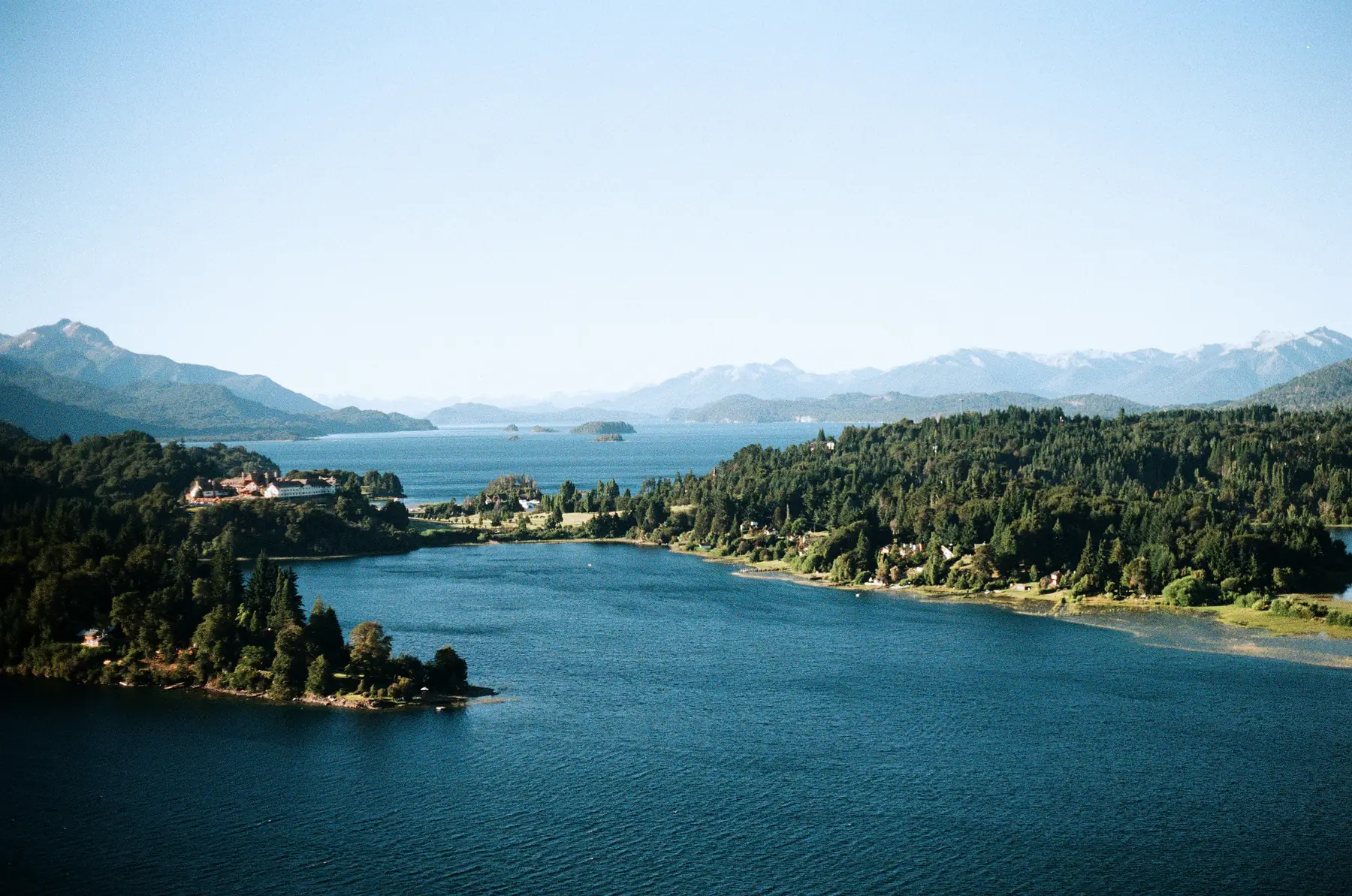
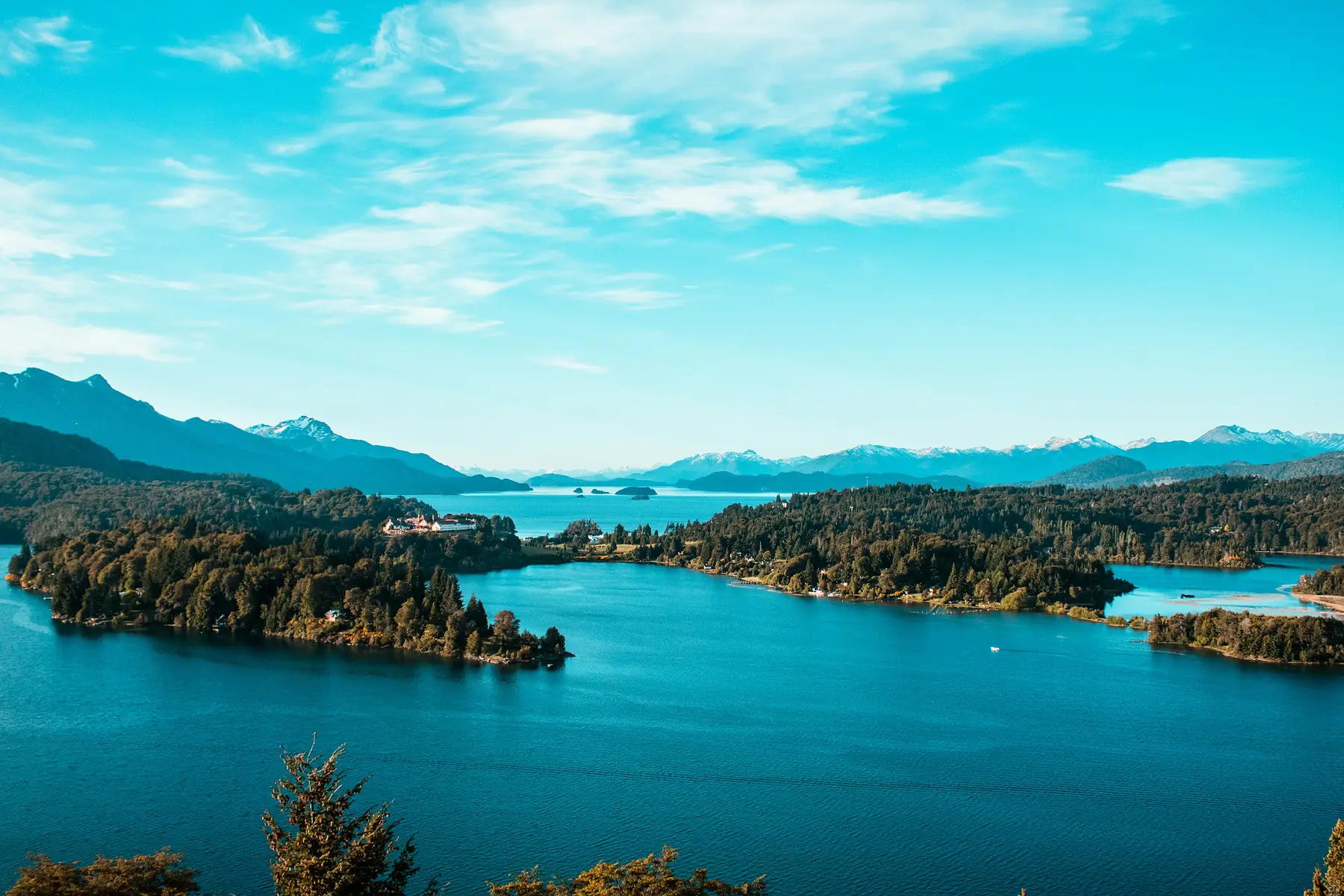
National Geographic once rated the view from Cerro Campanario as one of the top ten in the world, and it remains the single best panoramic payoff for the least effort in Patagonia. A seven-minute chairlift ride takes you to the summit at 1,050 metres, where you can see the interconnected lakes of Nahuel Huapi and Moreno, the Llao Llao peninsula, and the jagged peaks of Cerro Lopez.
For the 2025/2026 season, the chairlift typically operates daily from 9:00 AM to 7:00 PM (with the last ascent at 6:00 PM). As of early 2025, adult round-trip tickets are approximately $22,000 ARS, though prices are subject to frequent adjustment due to local inflation.
If you prefer to skip the chairlift fee, there is a steep, forested trail that begins just to the right of the lift base. It takes 30 – 45 minutes of steady climbing to reach the top. It is a “slog” in terms of incline, but the path is well-maintained and shaded.
Punto Panorámico and Capilla San Eduardo
As you continue the loop, the Punto Panorámico offers the classic “postcard” view of the Llao Llao Hotel framed by the mountains. Nearby, the Capilla San Eduardo is a 1938 wooden chapel designed by architect Alejandro Bustillo. While the interior is simple, the view from the chapel steps toward the hotel and the lake is one of the most serene spots on the circuit.
Llao Llao Hotel High Tea
The Llao Llao Hotel is an attraction in its own right – a massive log-and-stone masterpiece that defines the region’s architectural style. Even if you aren’t staying there, you can book “High Tea” in the Winter Garden. It is a formal affair with views of Lake Moreno and is often the best way to see the interior of this historic landmark.
- Access: Chairlift (Open-air) vs. Cable Car (Closed gondola).
- Best for: Photography and scenery vs. Families and winter activities.
- Elevation: 1,050m vs. 1,405m.
- Vibe: Quiet observation decks vs. A commercial hub with a revolving restaurant.
Choose Campanario for the purest '360-degree' nature view; choose Otto if you want activities like the revolving café or winter sledding.
Lake Excursions & Water Adventures
To truly understand the scale of the Nahuel Huapi National Park, you must get off the shore and onto the water. The glacial lakes here are deep, clear, and exceptionally cold, with boat tours departing primarily from Puerto Pañuelo (located at km 25 of Bustillo Avenue).
Isla Victoria & Bosque de Arrayanes
This is the most popular boat tour in Bariloche. It takes you across the lake to Isla Victoria, where you can walk through giant sequoia and redwood groves, followed by a visit to the Bosque de Arrayanes. These rare cinnamon-colored trees are over 300 years old. Local legend often claims this forest inspired the scenery in Disney’s Bambi, though there is little evidence Walt Disney ever visited the site.
Puerto Blest & Cascada de los Cántaros
If you want to see the “green” side of Patagonia, take the boat to Puerto Blest. This arm of the lake reaches into a Valdivian rainforest zone where the annual rainfall is significantly higher than in the city. The boat trip ends with a climb up a wooden staircase alongside the Cascada de los Cántaros, a series of waterfalls fed by a high-altitude lake.
For the 2025/2026 season, Turisur typically operates departures to Puerto Blest at 10:00 AM (returning at 5:00 PM), with an additional 1:00 PM departure often available during the summer high season. Tours to Isla Victoria generally depart at 12:00 PM and 2:00 PM.
Kayaking & Kitesurfing
For a more active experience, Lago Moreno is the preferred spot for kayaking because its waters are generally calmer and slightly warmer than the main Nahuel Huapi lake. Playa Serena is the local hub for these activities. Kitesurfing is also popular during the windy summer months (January and February), though the water temperature necessitates a thick wetsuit year-round.
Gastronomy: The Chocolate & Beer Trail
Bariloche’s food scene is as much an activity as the hiking. The city center is dominated by “The Chocolate Mile” (Calle Mitre), where the scent of cocoa literally fills the air.
The Chocolate Mile
The two heavyweights of the chocolate scene are Rapanui and Mamuschka. Rapanui is famous for “Franuí” – frozen raspberries dipped in two layers of chocolate – while Mamuschka is known for its distinctive red branding and high-quality truffles. For a more boutique experience, seek out Benroth, which produces smaller batches and is a local favorite.
Craft Beer Culture
Bariloche is widely considered the craft beer capital of Argentina. The “Cervecería Patagonia” at Kilometre 24.7 of the Circuito Chico is a must-visit, not just for the beer, but for its terrace which overlooks the Moreno and Nahuel Huapi lakes. In the city center, Manush is the gold standard for combining high-quality ales with excellent food.
If you want a more “farm-to-glass” experience, head to Wesley Brewery. Located on a working farm out toward the mountains, it offers a more rugged, less commercial vibe than the breweries on the main tourist track.
For a deeper dive into the best tables in town, including where to find the best Patagonian lamb and wild boar, see our full guide to Bariloche Restaurants.
Colonia Suiza & The Curanto Ritual
Colonia Suiza was the first European settlement in the region, founded by Swiss pioneers in the late 19th century. Today, it feels like a time capsule of timber houses and artisan workshops.
The primary reason to visit is the Curanto, a traditional Mapuche cooking method adopted by the early settlers. Meat and vegetables are wrapped in nalca leaves and buried in a pit filled with red-hot stones, then covered with damp burlap and soil to pressure-cook for several hours.
The Burial
The Unveiling
The Feast
Colonia Suiza is best visited on Wednesdays or Sundays, which are the official market days. On other days, many of the stalls and the Curanto ceremony do not operate.
Winter Sports: Cerro Catedral & Beyond
From July through September, Bariloche transforms into the premier ski destination in the Southern Hemisphere. Cerro Catedral is the centerpiece, boasting over 120 kilometres of skiable terrain and 34 lifts. The 2025 ski season is projected to begin in late June, typically running through early October depending on snow conditions.
For non-skiers, winter still offers plenty of activities:
- Cerro Otto Cable Car: The gondolas take you to a revolving café at the summit. In winter, the surrounding forest is a “winter wonderland” perfect for easy snowshoeing or sledding.
- Refugio Lopez: You can book guided 4x4 tours that take you halfway up the mountain for a snowshoe trek to the refugio, followed by a traditional alpine fondue.
For detailed information on snow conditions and the best months for a winter trip, check our Bariloche Weather and Seasonality guide.
Culture & History: The German Footprint
Bariloche’s history is a complex tapestry of indigenous Mapuche roots, Swiss-German pioneering, and a more controversial post-WWII influx of German immigrants.
Centro Cívico
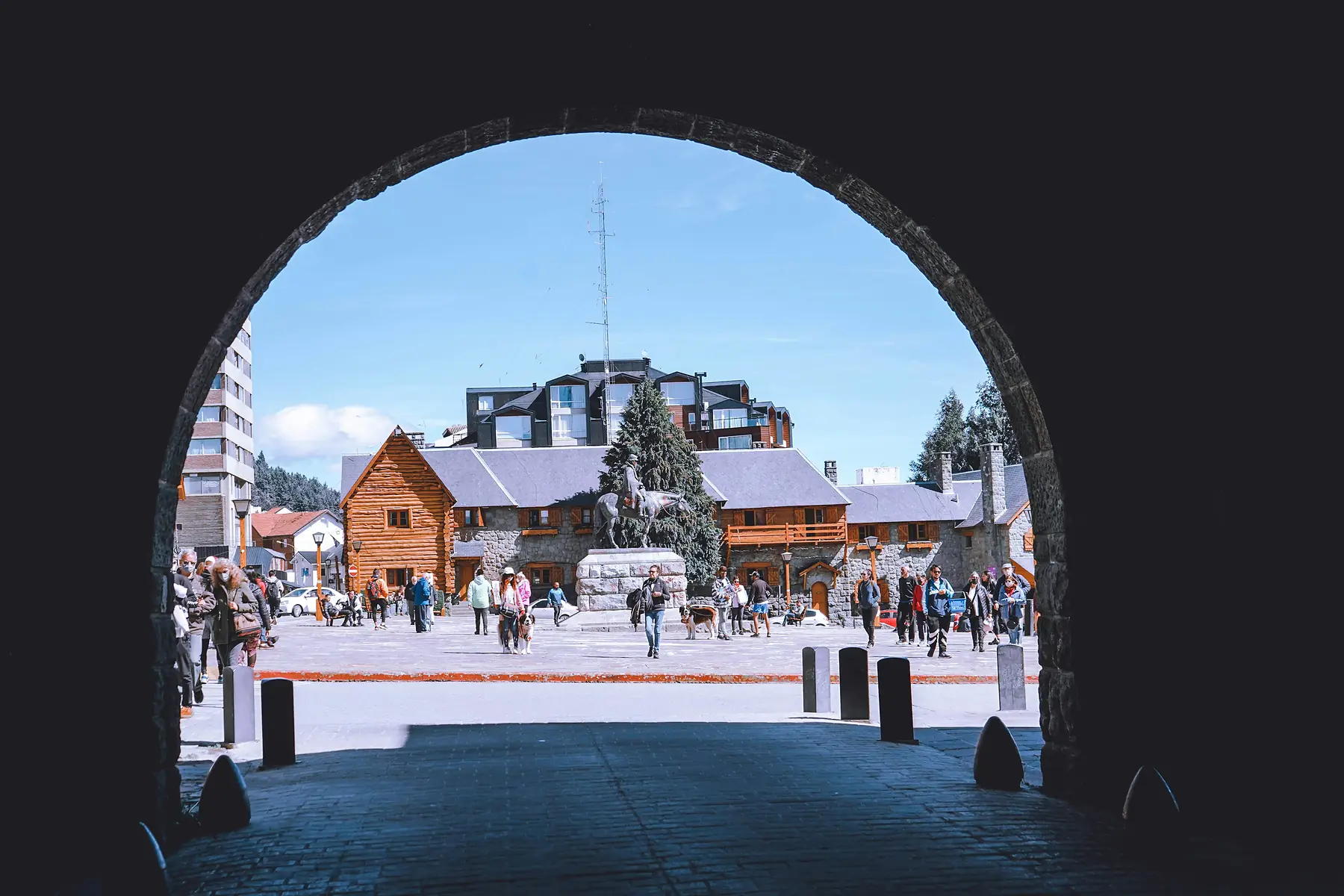
The Civic Center is the heart of the town, designed to look like a Bernese village. The stone and log buildings house the municipal offices, the police station, and the Museo de la Patagonia. The museum provides essential context on the region’s natural history and the “Conquest of the Desert” which shaped modern Argentina. For the 2025/2026 season, the museum is generally open Tuesday to Friday (10:00 AM – 12:30 PM and 2:00 PM – 7:00 PM) and Saturdays (10:00 AM – 5:00 PM). It is typically closed on Sundays and Mondays.
German History Tours
There are specialized walking tours that explore the “German Footprint” in Bariloche. These tours address the town’s development and the documented presence of Nazi fugitives who settled here after 1945. It is a sobering but fascinating look at a part of the town’s history that isn’t found in the glossy brochures.
Day Trips from Bariloche
If you have more than three days, use Bariloche as a base to explore the surrounding wilderness.
The 7 Lakes Drive (Ruta de los Siete Lagos)
This is one of the most famous road trips in South America. The 110km stretch of Route 40 between Villa La Angostura and San Martín de los Andes passes seven distinct glacial lakes. While you can do it in a long day trip (about 4 hours of driving round trip plus stops), it is best done as a slow burn with an overnight stay in San Martín.
Cerro Tronador & Ventisquero Negro
Located about 90km from Bariloche, Cerro Tronador is the highest peak in the park. The highlight is the Ventisquero Negro (Black Glacier), where the ice is stained dark by volcanic sediment. The name “Tronador” (Thundering) comes from the sound of ice chunks breaking off the glacier and crashing into the lagoon below.
El Bolsón
Two hours south of Bariloche lies El Bolsón, a town famous for its 1970s hippie enclave roots, artisan markets, and organic berry farms. It has a significantly more laid-back, “alternative” vibe than Bariloche and is the gateway to some of the region’s best independent trekking.
FAQ
How many days should I spend doing things in Bariloche?
We recommend 4 to 5 days. This allows one day for the Circuito Chico and Cerro Campanario, one day for a lake navigation (like Puerto Blest), one day for a trip to Cerro Tronador or El Bolsón, and a final day for the chocolate shops and breweries in the city center.
What are the best things to do in Bariloche without a car?
Bariloche is very accessible without a car. You can take the #20 bus to the Circuito Chico and Cerro Campanario, walk the “Chocolate Mile” on Calle Mitre, and book organized boat tours that include hotel pickup. For more on navigating the city, see our guide on How to Get Around Bariloche.
Is Bariloche worth visiting in the summer?
Absolutely. Summer (December–March) is the peak season for hiking, kayaking, and enjoying the pebble beaches of Lago Nahuel Huapi. The days are long – with sunset as late as 9:30 PM – giving you maximum time for outdoor activities.
What is the best thing to do in Bariloche when it rains?
Spend a rainy afternoon hopping between the chocolate shops on Calle Mitre, visiting the Museo de la Patagonia in the Civic Center, or enjoying a long “merienda” (afternoon tea) in a cozy teahouse like Chiado or Bellevue.
Are the things to do in Bariloche expensive?
While private tours and ski passes are priced for international tourists, many of the best activities are low-cost. Hiking is free, the local bus is inexpensive, and a chairlift ride up Cerro Campanario is reasonably priced compared to similar views in Europe or North America.
What should I do in Bariloche for just one day?
If you only have one day, take the chairlift up Cerro Campanario in the morning for the view, drive or bike the Circuito Chico loop in the afternoon, and end your evening with a craft beer and dinner at Manush in the downtown area.