
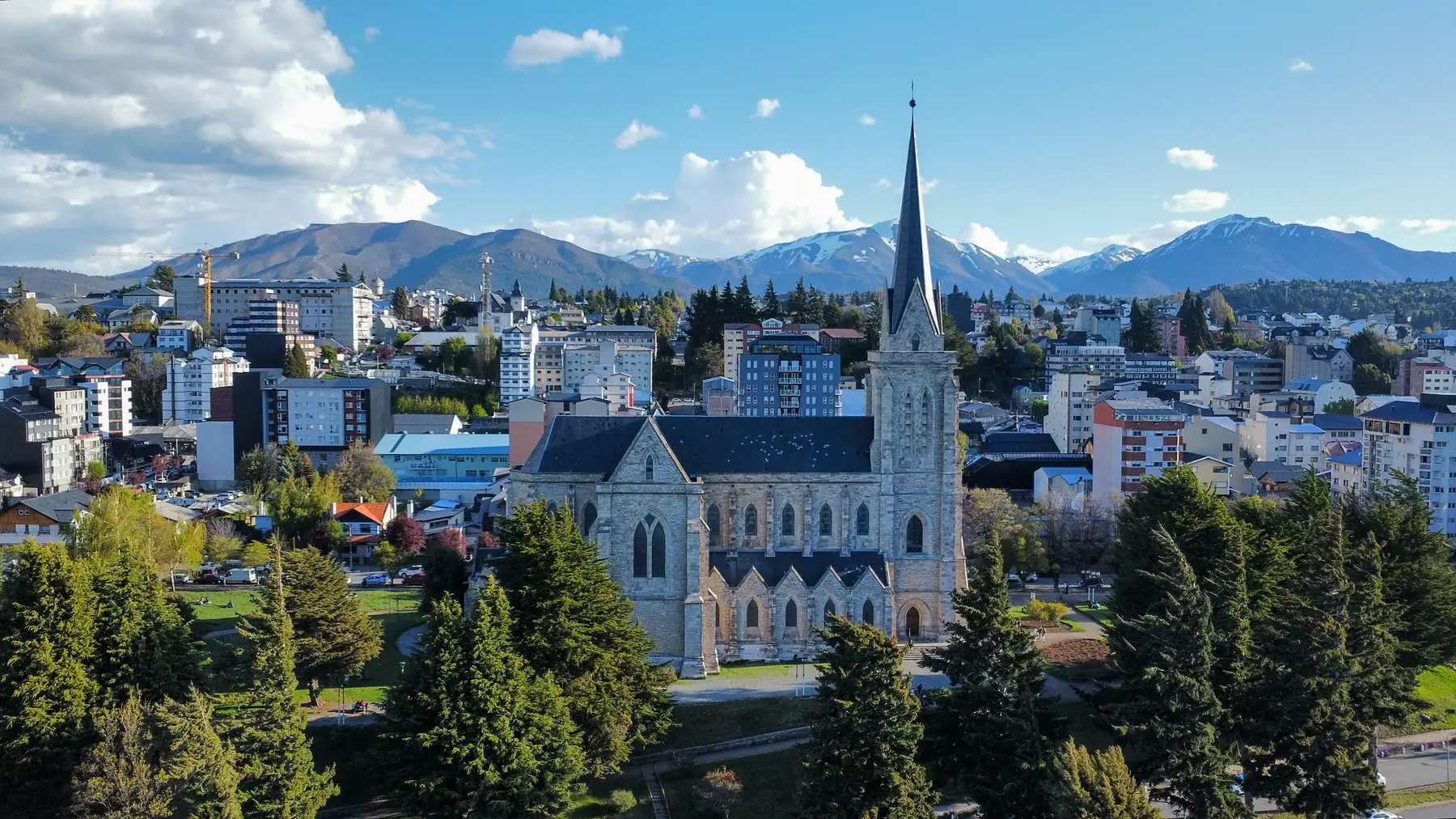
How to Get to Bariloche: 2026/27 Transport & Flight Guide
The most efficient way to get to Bariloche is by flying into San Carlos de Bariloche Airport (BRC), which receives multiple daily direct flights from Buenos Aires and other regional hubs. For those seeking a more scenic arrival, the most dramatic entry is via the Cruce Andino, a combination of boat and bus crossings from Puerto Varas, Chile, that traverses the heart of the Andes.
As the primary gateway to the Northern Argentine Lake District, Bariloche is exceptionally well connected compared to its southern neighbors in Santa Cruz or Tierra del Fuego. Whether you are arriving for a Bariloche winter ski trip or a summer trek, your logistics will depend largely on whether you are coming from the capital, crossing the border from Chile, or navigating the long road from El Calafate.
Bariloche Arrival at a Glance
- Primary Airport: Teniente Luis Candelaria (BRC), 13km from the city center.
- Flight Time from BA: 2 hours 15 minutes.
- Bus Duration from BA: 20 - 22 hours.
- Top Scenic Route: Cruce Andino (Lake Crossing) from Chile.
- Best Border Crossing: Cardenal Samoré Pass (near Villa La Angostura).
- Direct Southern Links: Daily flights from El Calafate (FTE) during the peak season (October - March).
Flying to Bariloche: Aeropuerto Teniente Luis Candelaria (BRC)
Flying is the standard choice for most travelers, as San Carlos de Bariloche Airport (BRC) is one of the busiest in Argentina. Located roughly 13 kilometers east of the city, the airport is modern and equipped to handle the high volume of skiers and hikers that flood the region year-round.
The most frequent routes connect Bariloche with Buenos Aires, with dozens of daily flights split between Aeroparque (AEP) and Ezeiza (EZE). However, Bariloche also serves as a vital regional hub. You can find direct flights from Córdoba (COR), Mendoza (MDZ), and Rosario (ROS). For those combining the Lake District with Southern Patagonia, Aerolíneas Argentinas operates a direct route from El Calafate (FTE). During the peak summer season (October through March), this flight typically runs daily, while frequency may decrease to 3 - 4 times weekly during the low season.
Airlines serving BRC generally fall into two categories:
- Aerolíneas Argentinas: The national carrier offers full service, including checked baggage on most fares and more reliable schedules.
- Low-Cost Carriers: FlyBondi and JetSmart remain the primary low-cost operators for the 2026/27 season. They offer significantly lower base fares but charge strictly for every extra, including carry-on bags and seat selection.
International travelers typically connect via Buenos Aires or Santiago de Chile. However, during the winter ski season (July - August), look for seasonal direct flights from São Paulo, Brazil, which cater to the “Brasiloche” phenomenon when thousands of Brazilian tourists arrive for the snow.
If you are flying from El Calafate, try to book a window seat on the left side of the aircraft. On clear days, the flight path often tracks the edge of the Andes, providing spectacular views of the Southern Ice Field and the transition from the arid steppe to the lush lakes of the north.
Arriving from Buenos Aires: The AEP vs. EZE Dilemma
The most common logistical hurdle for international visitors is the transfer between Buenos Aires’ two airports. Most international flights land at Ministro Pistarini International Airport (EZE), commonly known as Ezeiza, located about 32 kilometers southwest of the city center. Conversely, the majority of domestic flights to Bariloche depart from Aeroparque Jorge Newbery (AEP), which is located right on the city’s waterfront.
Navigating this transfer requires careful timing. You must clear immigration, collect your bags, and travel across one of the world’s most traffic-congested cities. We recommend a minimum connection window of 4 to 5 hours. If your international flight arrives at EZE and your Bariloche flight departs from AEP, you will likely spend 60 - 90 minutes in a vehicle between the two.
For a detailed breakdown of how to navigate the capital, see our guide on Buenos Aires logistics for Patagonia travelers.
The most reliable transfer method is the Tienda León shuttle bus, which runs frequently between the two airports. Alternatively, you can book a private remise (fixed-price car service) at the official booths in the arrivals hall. Avoid accepting rides from unofficial drivers in the terminal.
Do not book a connection shorter than 4 hours if you need to switch airports in Buenos Aires. Traffic on the Avenida 9 de Julio or the Autopista Illia can be unpredictable, and Aeroparque (AEP) is notoriously strict about check-in cut-off times.
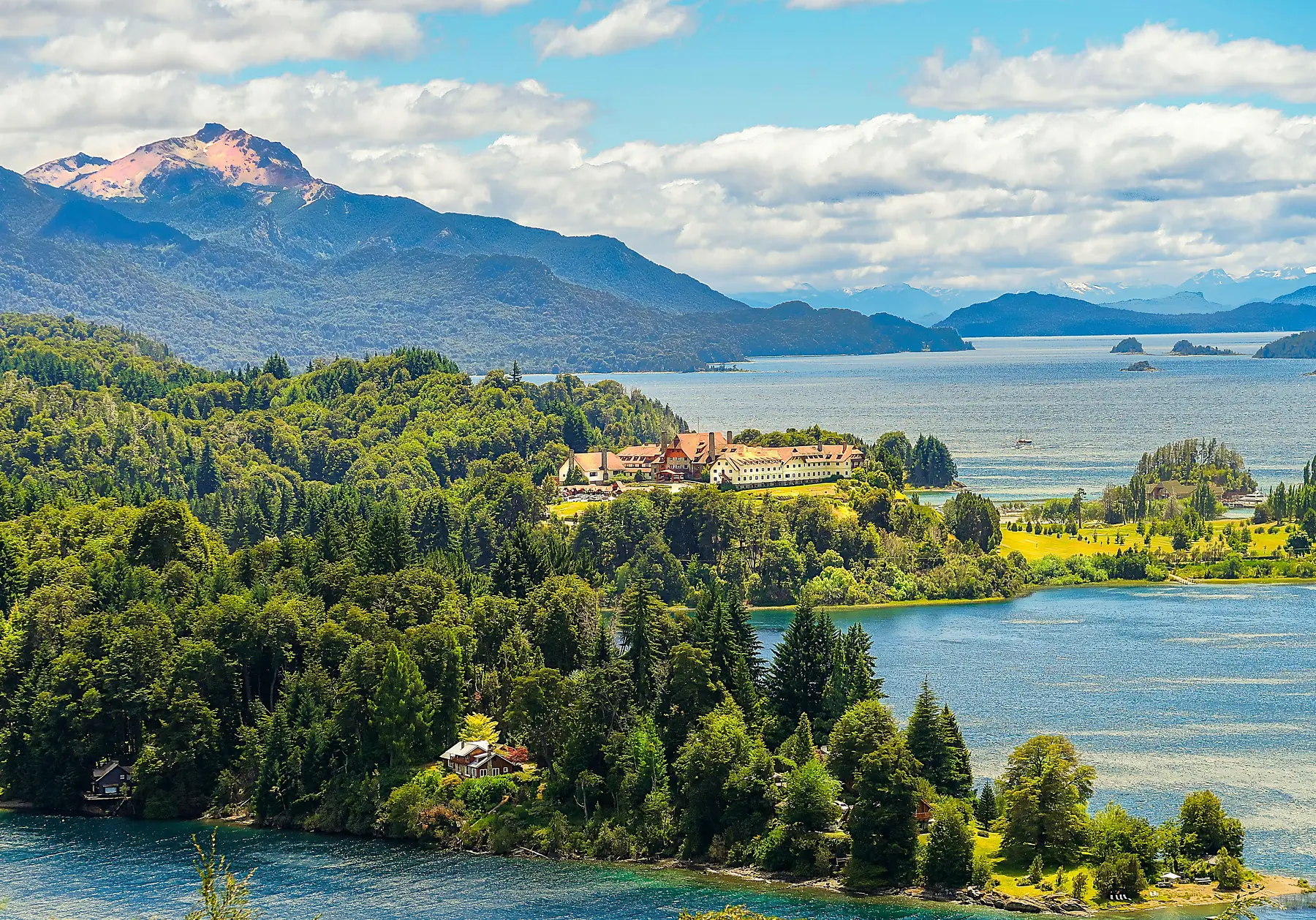
Getting to Bariloche from Chile: The Cruce Andino
The Cruce Andino (formerly known as Cruce de Lagos) is not just a transport method; it is a premium excursion. This route connects Puerto Varas in Chile to Bariloche via a series of three lakes: Todos los Santos, Frías, and Nahuel Huapi.
The journey involves alternating legs of bus and boat. You start in Puerto Varas, drive to Petrohué, sail across Lake Todos los Santos with views of Osorno Volcano, and eventually reach the tiny settlement of Peulla. From there, you cross the border into Argentina, sail across Lake Frías, and take a final catamaran across Lake Nahuel Huapi to Puerto Pañuelo. This port is located in the Llao Llao peninsula area, about 25km from Bariloche’s city center.
You can complete the crossing in a single long day (around 12 hours) or opt for a two-day itinerary with an overnight stay in Peulla. This route is significantly more pleasant between November and March when the weather is clearer and the daylight hours are longer.
Luggage handling is surprisingly seamless on the Cruce Andino. Once you tag your bags in Puerto Varas, the operators handle the transfers between the buses and boats until you reach the final customs point. You only need to carry your personal daypack.
Long-Distance Bus Travel to Bariloche
For those on a budget or travelers who prefer to see the landscape change slowly, Argentina’s long-distance bus system is world-class. Bariloche’s bus terminal (Terminal de Ómnibus) is located about 3km east of the center.
Coming from Buenos Aires, the journey takes between 20 and 22 hours. While that sounds daunting, Argentine “Cama” (bed) class buses are far more comfortable than any economy airline seat. If you are coming from the south, the iconic Route 40 bus from El Chaltén is a 24-hour marathon across the heart of the steppe. This route is essential for those who want to experience the sheer scale of Patagonia, though it is often more expensive than a flight if not booked well in advance.
When booking, you will typically choose between two main classes:
- Recline: 160 degrees vs. 120 degrees
- Legroom: Significant (often with footrests) vs. Standard
- Price (2026/27): $85 - $130 USD vs. $55 - $75 USD
- Availability: Usually 12 seats per bus vs. 30+ seats
For any journey over 6 hours, the extra cost of a Cama seat is the best investment you can make for your physical comfort.
Recommended companies include Via Bariloche, Marga Taqsa (best for southern routes), and Andesmar. Many travelers also use the bus to connect with nearby Esquel, a four-hour journey south that serves as the gateway to Los Alerces National Park.

Driving to Bariloche: Road Trip Routes & Border Crossings
Approaching Bariloche by car allows you to explore the Lake District at your own pace. If you are coming from the north, you will likely take Route 237 from Neuquén, a paved and well-maintained highway that winds through the “Valle Encantado” (Enchanted Valley), where volcanic rock formations mirror the Limay River.
If you are coming from San Martín de los Andes, you will traverse the famous Seven Lakes Route. While this is one of the most scenic drives in the world, the logistical details for this specific stretch are covered in our guide to San Martín de los Andes and the Seven Lakes.
For those crossing from Chile by car, the Cardenal Samoré Pass is the primary artery. Located near Villa La Angostura, this is one of the few Andean passes that remains paved on both sides.
If you are driving a rental car from Chile into Argentina, you must have a “Permiso de Salida” (notarized exit permit) arranged with the rental agency at least 72 hours in advance. You cannot simply show up at the border with a standard rental agreement.
During winter (June - September), the Cardenal Samoré Pass is subject to temporary closures due to heavy snowfall or high winds. These closures typically last from a few hours to two days. Always check the Gendarmería Nacional status or official Vialidad Nacional reports before departing during these months.
The Tren Patagónico: A Scenic Alternative
The Tren Patagónico is one of the few remaining long-distance passenger trains in Argentina, running from Viedma on the Atlantic coast to Bariloche. It is a “slow travel” favorite, cutting a 827km path directly across the high desert steppe of Río Negro.
As of the 2026/27 season, the train typically departs Viedma on Friday evenings (around 18:00) and arrives in Bariloche on Saturday mornings (around 12:30). The highlights are the “Camarote” (sleeper) cabins and the dining car, where you can watch the sunrise over the desert while drinking coffee.
Tickets are notoriously difficult to secure because locals use the train as an affordable transport link. You must book months in advance via the official Tren Patagónico website. If you are coming from Buenos Aires, you can take a bus or a short flight to Viedma to catch the rail link.

Bariloche Airport Transfers: The Final Leg
Once you land at BRC, you have three main options to reach the city center or the hotel district along Avenida Bustillo.
Private Remises and Taxis: This is the most seamless option. Remises (private cars with fixed rates) have booths inside the arrivals hall. Taxis are metered and wait outside. A trip to the center takes about 20 minutes.
Public Bus (Line 72): The cheapest way to town is the Line 72 bus. However, there is a catch: you cannot pay with cash. You must have a SUBE card, the electronic transit card used throughout Argentina. While you can sometimes buy them at the airport kiosk, they are frequently out of stock.
Car Rentals: Most major international brands (Hertz, Avis, Europcar) and local agencies have desks at the airport. Picking up your car here is highly recommended if you plan to explore the Circuito Chico or nearby national parks, as it saves you a separate trip back to the airport or a taxi to a downtown rental office.
If you have already sorted your transport, the next step is deciding where to base yourself. Bariloche’s layout is unique, with a dense city center and a sprawling “Kilometer” district along the lake.
To help you decide, explore our Bariloche accommodation guide or see our recommended 7-day Bariloche itinerary.
FAQ
What is the closest airport to Bariloche? The closest airport is San Carlos de Bariloche Airport (BRC), located approximately 13 kilometers (8 miles) east of the city center.
Can I fly direct from El Calafate to Bariloche? Yes, Aerolíneas Argentinas operates direct flights between El Calafate (FTE) and Bariloche (BRC), with a flight time of approximately 1 hour and 45 minutes. These are most frequent during the summer months.
How do I get to Bariloche from Santiago, Chile? The most efficient way is to fly from Santiago to Buenos Aires and then to Bariloche, or fly to Puerto Montt and take the Cruce Andino lake crossing or a bus across the Cardenal Samoré pass.
Is there a train to Bariloche from Buenos Aires? There is no direct train from Buenos Aires; however, you can take the Tren Patagónico from Viedma, which is accessible from Buenos Aires via bus or a separate flight.
How long is the bus ride from Buenos Aires to Bariloche? The bus journey from the Retiro station in Buenos Aires to Bariloche typically takes between 20 and 22 hours, depending on the number of stops.
Do I need a SUBE card to get from the Bariloche airport to town? If you plan to take the public Line 72 bus from Bariloche airport, you must have a SUBE card with a pre-loaded balance, as drivers do not accept cash.