
Esquel, Argentina: Ultimate 2026 Guide to La Trochita & More
Esquel is the authentic, unhurried soul of the Argentine Lake District, serving as the primary gateway to the UNESCO-listed Los Alerces National Park and the legendary La Trochita steam train. While nearby Bariloche draws the crowds with Alpine glamour, Esquel remains a genuine Patagonian town where the rugged steppe meets the ancient Andean forest.
For travelers who prioritize local culture, historic railways, and off-the-beaten-path hiking, Esquel offers a deeper, more affordable connection to the region. This is a place where you can spend the morning riding a 1922 narrow-gauge train through the desert and the afternoon walking among 2,600-year-old trees. Whether you are planning a stop on a Route 40 road trip or looking for a quiet base for mountain adventures, this guide covers the logistics and hidden gems of Esquel for the 2026/27 season.
Why Visit Esquel: The “Authentic” Patagonia
Esquel is the best destination in northern Patagonia for travelers who want to escape the commercial bustle of Bariloche without sacrificing access to world-class landscapes. Unlike its northern neighbor, which can feel like a European ski resort transplanted to South America, Esquel retains the grit and warmth of a working Patagonian town.
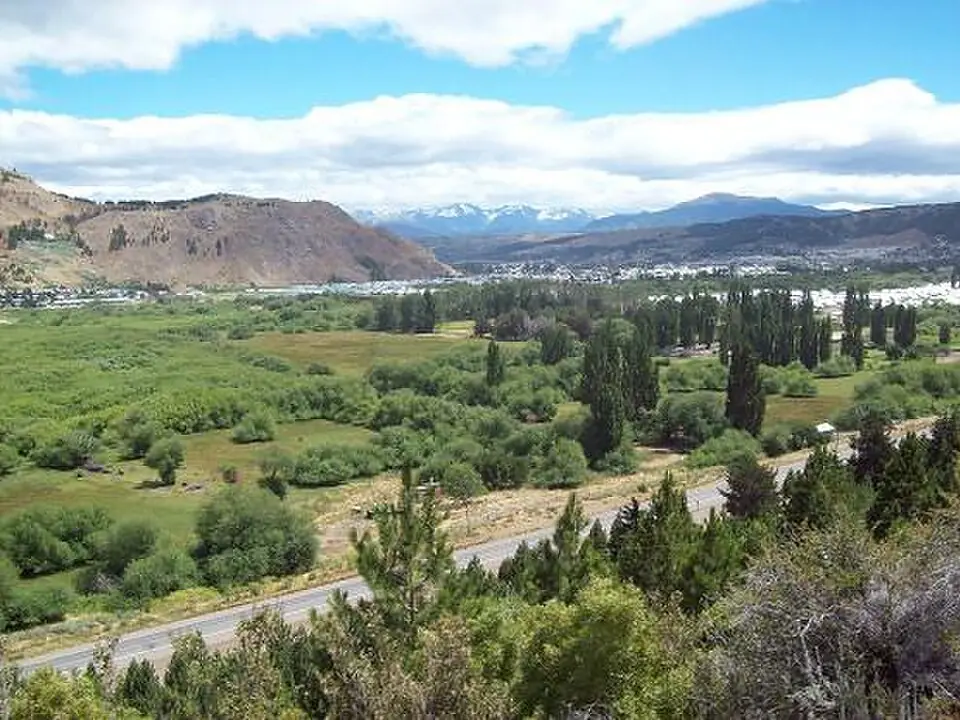
The city sits in a unique transition zone. To the east lies the vast, wind-swept Patagonian steppe; to the west, the moisture-heavy clouds of the Pacific crash into the Andes, fueling the lush temperate rainforests of the Cordillera. This meeting of biomes creates a landscape of dramatic contrasts, where yellow bunchgrass gives way to deep green Coihue and Alerce forests within a thirty-minute drive.
The town’s identity is shaped by a layered history. It is a place of Mapuche-Tehuelche roots, later influenced by the Welsh settlers who moved inland from the Atlantic coast in the late 19th century. This heritage isn’t just found in museums - it is felt in the local tea houses, the traditional textiles sold in the markets, and the slower, more intentional pace of life.
Riding La Trochita: The Old Patagonian Express
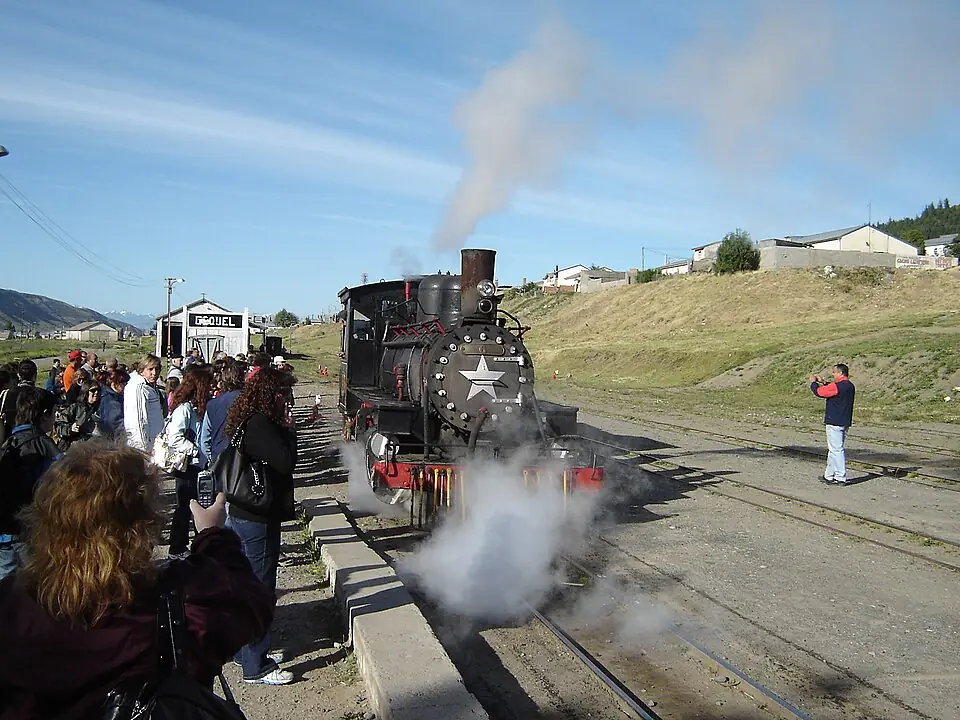
La Trochita, officially known as the Viejo Expreso Patagónico, is the most famous narrow-gauge steam train in the world and Esquel’s crowning historical attraction. Built in 1922 and immortalized by travel writer Paul Theroux, the train runs on a gauge of just 750mm (less than 30 inches), giving the carriages a distinctive, charmingly unstable “clatter” as they navigate the curves of the steppe.
The primary tourist route runs from Esquel to the station at Nahuel Pan, a journey of approximately 20 kilometers that takes about an hour each way. The experience is a sensory immersion into early 20th-century travel. Inside the wooden carriages, small cast-iron stoves (salamandras) provide heat during the winter months, fueled by wood and coal. The smell of the smoke, the rhythmic chugging of the Baldwin and Henschel locomotives, and the sight of the vast, treeless horizon create a profound sense of time travel.
At Nahuel Pan, the train stops for about 45 minutes. This allows passengers to visit the small Mapuche-Tehuelche museum and craft market at the station while the locomotive uncouples and moves to the other end of the train for the return journey.
Booking Your Journey
Securing a seat on La Trochita requires advance planning, as the train only runs on specific days and often sells out weeks in advance during the peak summer and winter seasons.
Check the Schedule
Visit the official La Trochita website (latrochita.org.ar) to confirm departure days. In the peak summer months (January and February), the train typically runs multiple times per week, usually departing at 10:00. In the shoulder season, it may only run on Saturdays.
Purchase Tickets Online
Tickets can be purchased through the official booking portal. For the 2026/27 season, foreign adult tickets are estimated to range between $50-$75 USD depending on the current exchange rate and seasonal adjustments.
Arrive Early
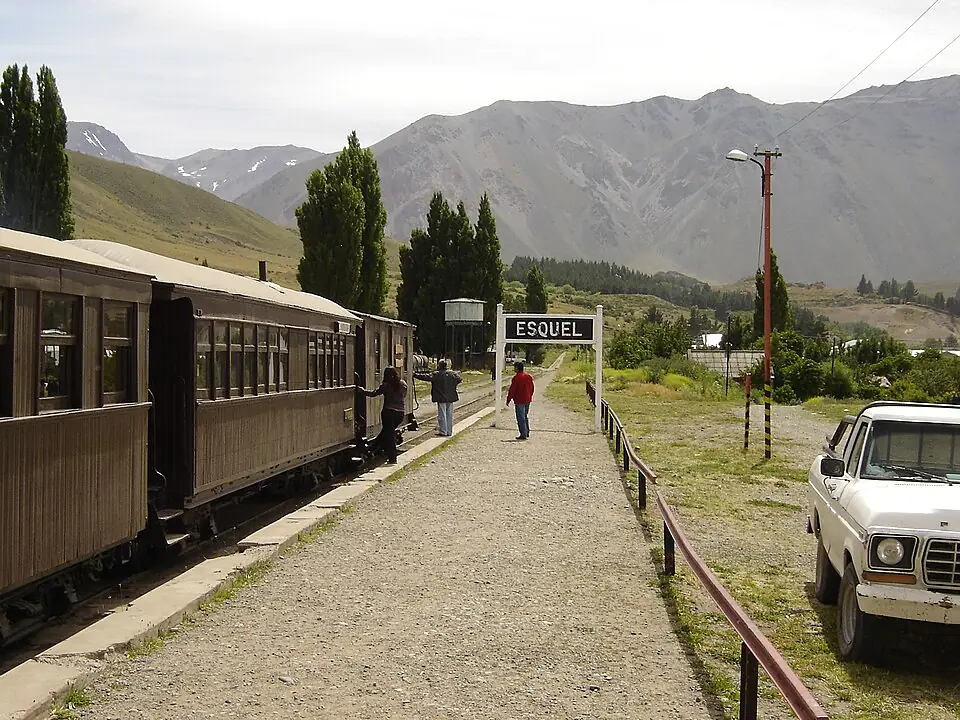
The Esquel station is located at the intersection of Urquiza and Roggero. Arrive at least 30 minutes before departure to explore the small on-site museum, which houses original railway lanterns, telegraph equipment, and historical photographs.
Do not rely on buying tickets at the station on the day of travel during January, February, or July. The train has a limited capacity and is one of the most popular attractions in all of Chubut.
Gateway to Los Alerces National Park
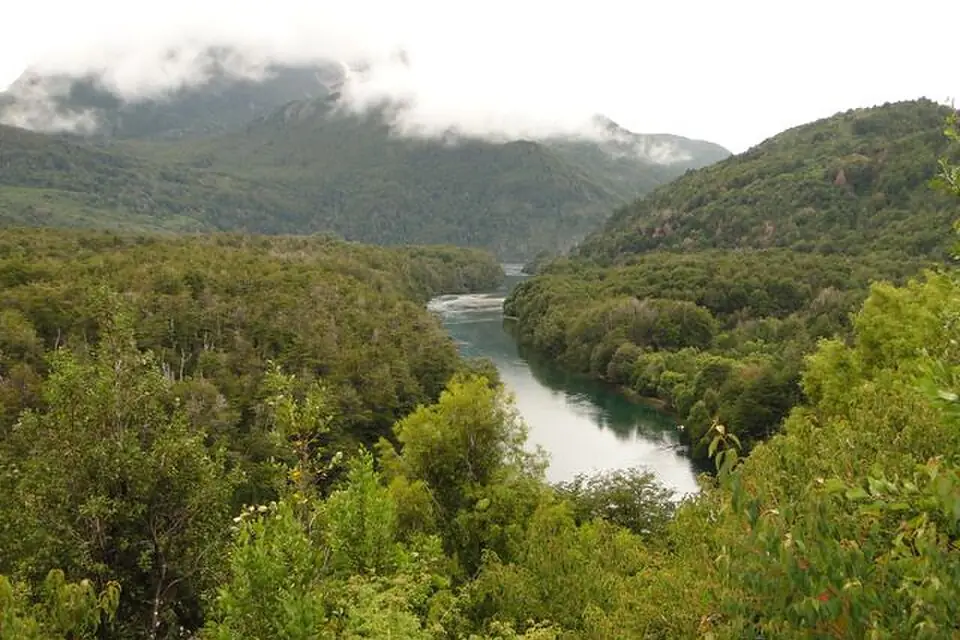
Esquel is the primary gateway to Los Alerces National Park, a UNESCO World Heritage site located 50 kilometers (30 miles) west of the city. While Esquel serves as the logistical hub, the park is the region’s natural centerpiece, protecting some of the oldest living organisms on Earth: the Alerce (Fitzroya cupressoides) trees.
The park is defined by its interconnected lake system - Rivadavia, Menéndez, Futalaufquen, and Krüger - and the pristine “Valdivian” temperate rainforest that surrounds them. For most visitors, the highlight is a boat excursion across Lake Menéndez to the Alerzal Milenario, where you can walk among giants that have been growing for over 2,600 years.
While many travelers visit Los Alerces as a day trip from Esquel, the park’s scale and the quality of its hiking trails often warrant a multi-day stay. The park entrance is reached via Provincial Route 71, and the Villa Futalaufquen visitor center provides essential maps and weather updates.
Essential Park Resources
To help you plan your time in the park, we have developed a dedicated guide covering the best hiking trails, boat tour logistics, and camping options.
Hiking and Nature Around Esquel
You do not have to travel to the National Park to find incredible nature. Esquel is surrounded by a network of “urban” reserves and peaks that offer world-class hiking within minutes of the town center.
Laguna La Zeta
The Laguna La Zeta Urban Nature Reserve is the most accessible outdoor escape for locals and visitors alike. A zigzagging trail (the “Z”) climbs from the edge of town to a plateau holding a serene lagoon. The area is a haven for birdwatchers, with chances to spot black-necked swans and various duck species. In the summer, you can rent kayaks or simply enjoy the 360-degree views of the valley.
For the best experience at Laguna La Zeta, hike up for sunset. The viewpoint looks west toward the Andes, silhouetting the jagged peaks of the cordillera against the darkening sky while the city lights begin to twinkle below.
Cerro La Cruz
For the definitive panoramic view of Esquel, the climb to Cerro La Cruz is essential. The trailhead is located in the Barrio Ceferino and involves a steady, moderately steep ascent to the large cross overlooking the city. From the summit, you can see the entire layout of the town, the path of the La Trochita tracks, and the distant, snow-capped peaks of the La Hoya ski resort.
Laguna Willmanco
Laguna Willmanco is Esquel’s “hidden” lagoon, tucked away on the slopes leading toward the La Hoya ski area. This trail is popular for mountain biking and offers a more secluded atmosphere than La Zeta. The water is a deep, startling blue, framed by the stark slopes of the surrounding mountains.
Access to Laguna Willmanco is through land managed by the Argentine Army (Regimiento de Caballería de Exploración 3). Access is frequently restricted for military exercises, particularly in the autumn and spring. Always check the current status with the local tourism office on Calle Sarmiento before heading out.
Culture and History: From Butch Cassidy to Welsh Tea
Beyond the tracks of La Trochita, Esquel holds several cultural treasures that reveal the diverse tapestry of Patagonian settlement.
One of the city’s most surprising sites is the Lithuanian Museum “Olgas Zilinskaite.” This private museum, run by the dedicated Olga, preserves the history of Baltic immigrants in Patagonia. It is a dense, fascinating collection of amber, traditional costumes, and photographs that tell a story of displacement and resilience in a remote corner of the world.
For a taste of living history, visit Casa Los Vascos. Opened in 1926, this is one of the oldest general stores (almacén de ramos generales) in Argentina. Walking through its doors feels like stepping back a century; the tall wooden shelves are still stocked with everything from high-quality wool textiles and traditional “faja” belts to local spices and hardware. It is the best place in town to buy authentic Patagonian souvenirs.
Regional Day Trips
Esquel also serves as a base for exploring the unique history of the surrounding valley.
- Trevelin: Just 25 kilometers away, this village is the heart of Welsh culture in the region. While Esquel is the commercial hub, Trevelin is where you go for traditional Welsh tea service and to see the famous tulip fields in October.
- Cholila: Located 90 minutes north, this village was the hideout for the outlaws Butch Cassidy and the Sundance Kid. You can still visit the remains of the wooden ranch where they lived between 1901 and 1905 before fleeing to Bolivia.
To learn more about the Welsh heritage and the spectacular floral displays of the neighboring valley, see our dedicated guide.
Seasonal Adventures: Skiing and Rock Climbing
Esquel is a true four-season destination, offering two world-class adventure hubs that cater to very different disciplines.
La Hoya Ski Resort
Located just 15 kilometers from the city, La Hoya is one of Argentina’s most storied ski resorts. It is famous for its “dry powder” snow, which is preserved late into the season due to the south-facing orientation of its natural mountain bowl. Unlike the glitz of Bariloche’s Cerro Catedral, La Hoya is family-friendly, affordable, and often stays open into early October.
Piedra Parada
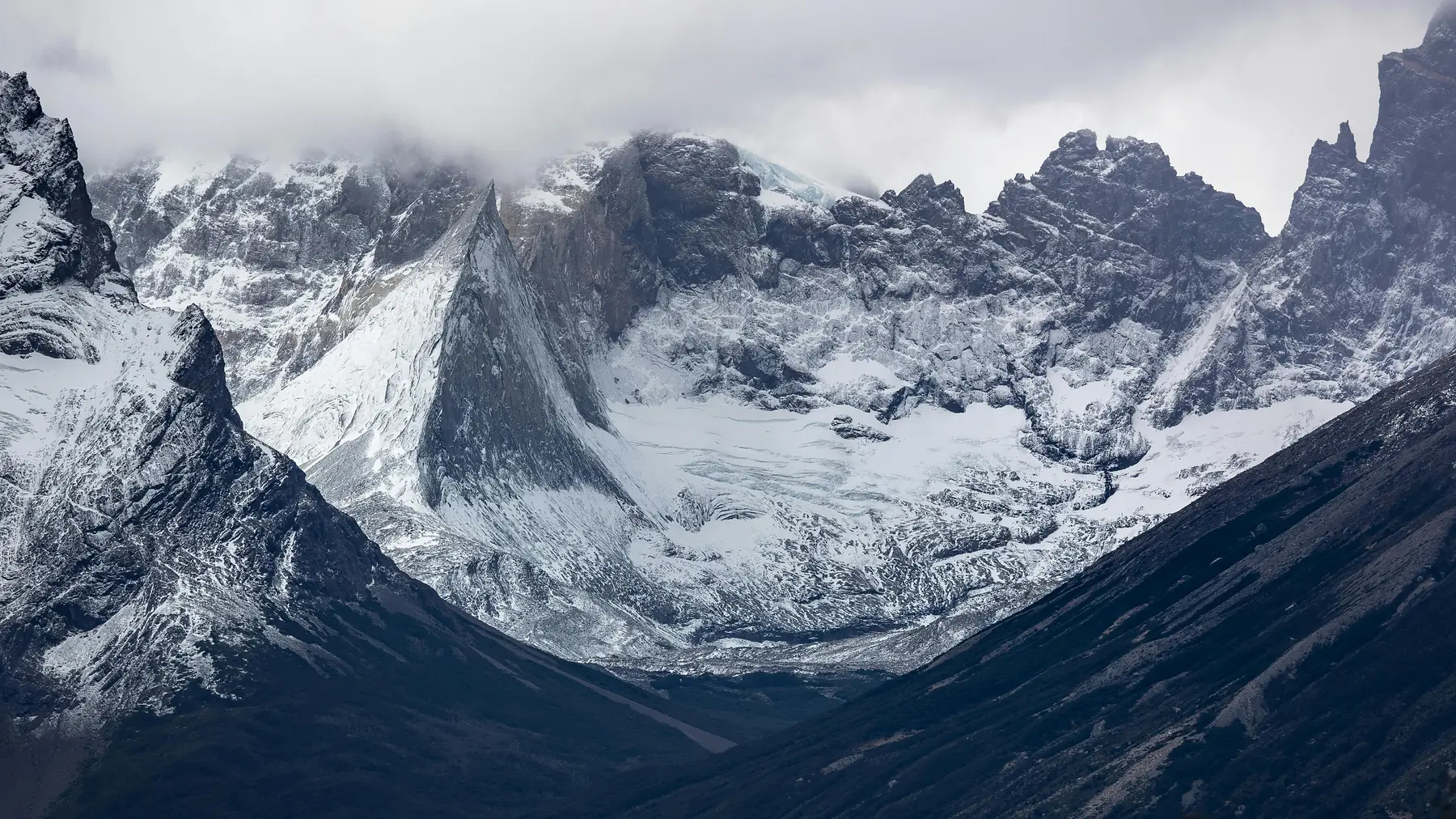
To the east of Esquel, deep in the Patagonian steppe, lies Piedra Parada. This 240-meter-high volcanic monolith marks the entrance to the Buitrera Canyon, a world-class destination for rock climbers. Even if you aren’t a climber, the canyon offers a spectacular six-kilometer walk between towering volcanic walls that hide ancient cave paintings and unique geological formations.
- Snow Quality: Excellent dry powder; stays late into the season. | Reliable but can get heavy/slushy at lower elevations.
- Crowds: Minimal; rarely a wait for lifts even on weekends. | Significant; peak season can see 30-minute lift lines.
- Vibe: Low-key, family-oriented, and focused on the skiing. | High-energy, luxury-focused, and very commercial.
- Price: Budget-friendly lift tickets and equipment rentals. | Premium pricing for all services.
Choose La Hoya if you want shorter lift lines, lower prices, and a more relaxed, local atmosphere. Choose Catedral if you want hundreds of kilometers of runs and high-end aprés-ski.
Practical Logistics: Getting to and Around Esquel
Planning your arrival in Esquel requires understanding the regional transport network, as it is more remote than the northern Lake District hubs.
Getting There
The Esquel Airport (EQS) receives direct flights from Buenos Aires, operated by Aerolíneas Argentinas. Flight frequency typically ranges from 5 to 7 flights per week during the peak summer and winter seasons, with slightly reduced frequency in the shoulder months.
Alternatively, many travelers fly into Bariloche and take the four-hour bus ride south. This route follows the legendary Ruta 40, offering spectacular views of the transition from the lake district to the steppe. For those on a larger road trip, Esquel is a major refueling and rest stop on the long journey toward San Martín de los Andes to the north or El Chaltén to the south.
Moving Around
Within the region, the Jacobsen Bus is the essential lifeline. This local bus service connects Esquel with Trevelin multiple times daily and provides the primary public transport link to Los Alerces National Park (Villa Futalaufquen) during the summer months.
Esquel Travel At-A-Glance
- Distance to Bariloche: 285 km (approx. 4 hours by bus/car).
- Distance to Los Alerces: 50 km (approx. 45 minutes).
- Best Way to Get Around: A rental car is highly recommended for exploring Piedra Parada and the deeper sections of Los Alerces.
- Airport Code: EQS (Esquel).
- Primary Bus Station: Terminal de Ómnibus, located at Alvear and Av. Fontana.
Where to Eat and Stay in Esquel
Esquel’s dining scene is defined by hearty, mountain-focused cuisine and a lack of pretense.
The legendary spot in town is Don Chiquino. Famous for its handmade pasta and eccentric decor, it is a local institution. Do not miss the “Andean Mousse” for dessert. For a more casual evening, Fitzroya serves excellent pizza and local craft beer, while Maria Castaña is the go-to for a classic Argentine breakfast of medialunas and cafe con leche.
Accommodation Options
Esquel offers a range of lodging that is generally more affordable than Bariloche or Villa La Angostura.
- Central Hotels: For convenience, stay near the city center (around Calle Sarmiento). The Hotel Sol del Sur is a classic choice with great views of the surrounding mountains.
- Cabins and Hosterias: For a more “Patagonian” feel, look for cabins in the Villa Ayelén neighborhood on the outskirts of town. These often offer more space, fireplaces, and better access to the road leading to the ski resort.
If you are planning to combine your visit with a wider exploration of the region, consider how Esquel fits into your larger journey through the Lake District.
FAQ
Is Esquel Argentina worth visiting? Yes, Esquel is highly worth visiting for travelers seeking an authentic Patagonian town experience, famous for the historic La Trochita steam train and proximity to the UNESCO-listed Los Alerces National Park.
How do I get from Bariloche to Esquel? You can reach Esquel from Bariloche via a 4-hour scenic drive on Route 40 or by taking a daily long-distance bus operated by companies like Via Bariloche or Jacobsen.
When is the best time to visit Esquel Argentina? The best time to visit is from December to March for hiking in Los Alerces, or July to September for skiing at La Hoya, while October offers the best chance to see nearby tulip fields in Trevelin.
What is the Old Patagonian Express in Esquel? Locally known as La Trochita, it is a historic 1922 narrow-gauge steam train that offers tourist excursions from Esquel to the Nahuel Pan station.
Can I visit Los Alerces National Park from Esquel? Yes, Esquel is the primary gateway to Los Alerces National Park, located just 30 miles (50km) east of the park’s main entrance and Villa Futalaufquen.
What are the best things to do in Esquel for hikers? Top hikes in Esquel include the trail to Laguna La Zeta, the climb up Cerro La Cruz for city views, and the various forest trails within Los Alerces National Park.