
Los Alerces National Park Guide: Ancient Forests & Hidden Lakes
Los Alerces National Park is Argentina’s most pristine temperate rainforest, home to the second-oldest living trees on Earth and a network of interconnected glacial lakes. While reaching the park requires a four-to-five-hour journey from Bariloche, the reward is a quiet, “Jurassic Park” landscape that feels worlds away from the busier northern Lake District.
Los Alerces at a Glance
- Location: Chubut Province, 250km south of Bariloche
- Status: UNESCO World Heritage Site (inscribed 2017)
- Primary Attraction: Ancient Alerce trees (Fitzroya cupressoides)
- Total Area: 259,822 hectares
- Best Base: Esquel or Trevelin (45 minutes)
- Key Features: Lake Menéndez, Rivadavia Lake, and the Torrecillas Glacier
What is Los Alerces National Park?
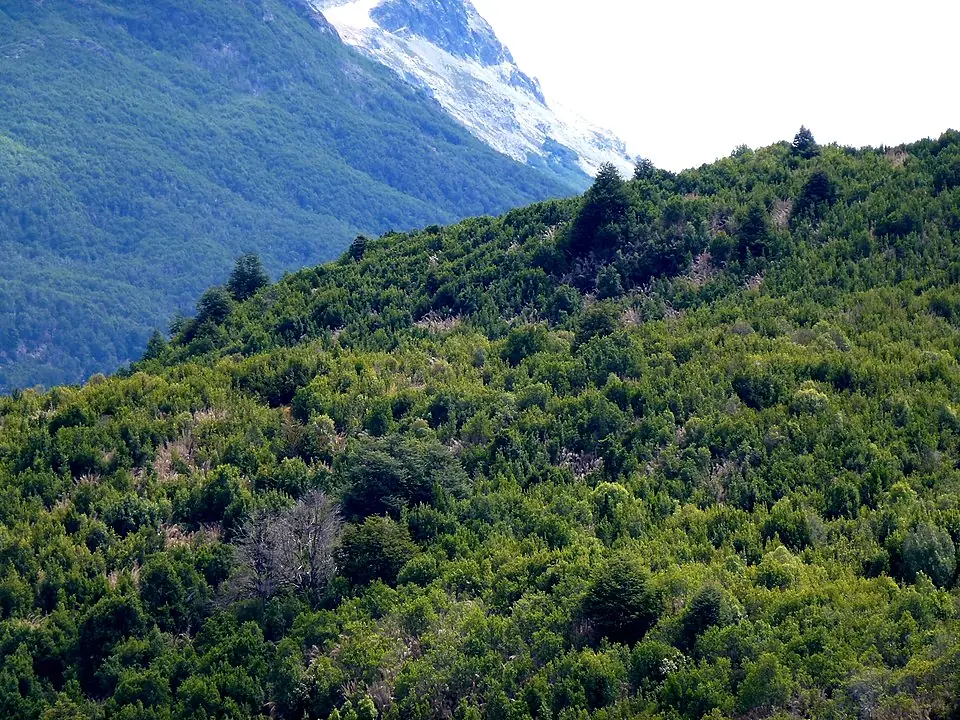
Located in the Chubut Province of southern Argentina, Los Alerces National Park protects one of the last remaining stands of continuous Valdivian temperate forest. This is a landscape shaped by successive glaciations, resulting in a complex system of glacial cirques, hanging valleys, and chain-linked lakes that flow into the Futaleufú River.
The park earned its UNESCO World Heritage status in 2017 primarily because of its biodiversity and the presence of the Alerce tree, Patagonia’s version of the Giant Sequoia. These trees are not just large; they are biological archives. Growing only one millimeter in diameter per year, the Alerces here provide a millenia-long record of climate variations. Beyond the forests, the park transitions from high-altitude Andean peaks and glaciers to the lush, humid forests that thrive in the high rainfall of the western slopes.
Los Alerces vs. Nahuel Huapi: Which Should You Visit?
Many travellers visiting the Lake District wonder if the long drive south from Bariloche is worth the effort when Nahuel Huapi National Park is right on their doorstep. The decision depends on whether you value infrastructure or solitude.
Nahuel Huapi is massive, accessible, and spectacular, but it is also the most visited park in Argentina. You will share the trails with thousands of others. Los Alerces offers a level of silence and “untouched” atmosphere that has largely vanished from the busier northern hubs.
- Crowds: High in peak season; trails are well-worn - Low to moderate; even in January, you can find empty beaches
- Scenery: Massive lakes, jagged granite spires, and high-altitude refugios - Deep green forests, turquoise river chains, and 2,000-year-old trees
- Accessibility: Immediate access from Bariloche; high frequency of public transport - Requires a 4-5 hour drive from Bariloche or a stay in the smaller town of Esquel
- Activities: World-class trekking with a network of mountain huts - Boat excursions, kayaking, and forest boardwalks
Choose Nahuel Huapi for classic Alpine views and easy logistics; choose Los Alerces for ancient forests, silence, and a deep-wilderness feel.
The Ancient Alerzal Milenario: Meeting the “Grandfather” Tree
The primary reason most people visit the park is to see the Alerzal Milenario, a strictly protected forest of ancient trees at the northern end of Lake Menéndez. You cannot drive to this forest. Accessing it requires a multi-stage journey that is an adventure in itself.
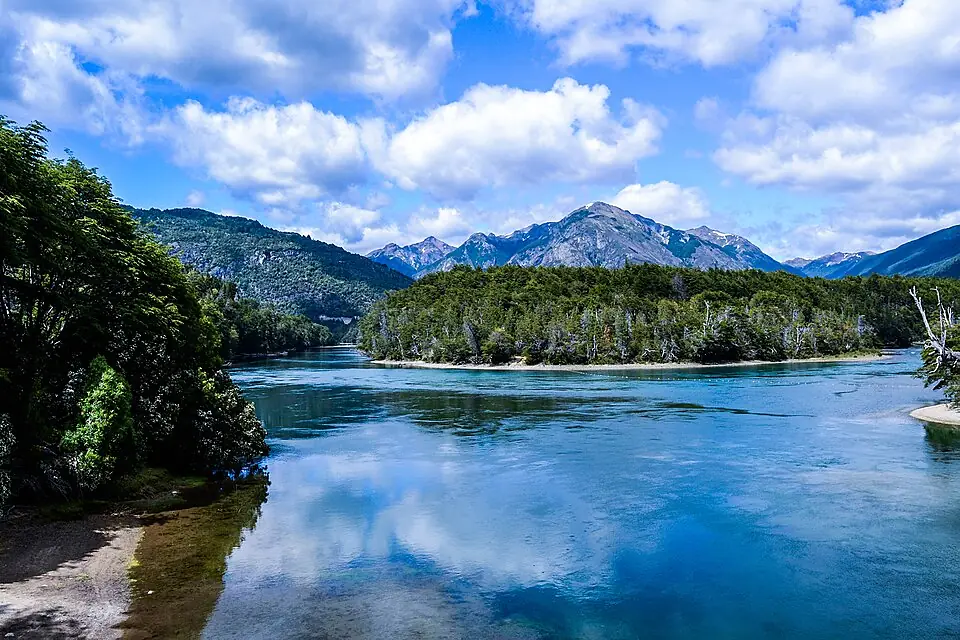
To reach the trees, you must first travel to Puerto Chucao. From the parking area, you walk 1.5km across a suspension bridge over the Rio Arrayanes, a river famous for its transparent, teal water. From Puerto Chucao, you board a catamaran for a 75-minute navigation across Lake Menéndez, offering views of the Torrecillas Glacier. Only after disembarking at Puerto Sagrario do you enter the forest via a system of elevated boardwalks.
The crown jewel of this forest is “El Abuelo” (The Grandfather). This individual tree is estimated to be over 2,620 years old, standing 57 meters tall with a diameter of 2.8 meters. Because the ecosystem is so fragile, visitors are strictly prohibited from stepping off the boardwalks. Even the oil from a human hand can damage the bark of these ancient giants, so the “look but don’t touch” rule is enforced by park rangers.
Top Things to Do in Los Alerces National Park
While the ancient trees are the headline act, the park’s geography supports a wide range of water-based and wilderness activities.
Navigation and Glaciers
The boat tour on Lake Menéndez is essential, but it is not the only water excursion. You can also take a safari-style navigation to the base of the Torrecillas Glacier. This hanging glacier sits high above the lake, and the boat gets you close enough to hear the thunderous “cracks” of the ice shifting.
Kayaking and Canoeing
The calm, protected waters of Lago Verde and the Rio Arrayanes are ideal for paddling. Unlike the massive, wind-whipped Nahuel Huapi, these smaller lakes are often glass-calm in the mornings. Several outfitters operate near the Rio Arrayanes bridge, offering half-day rentals that allow you to drift with the gentle current.
Nature and Birdwatching
The park is a stronghold for the huemul deer, an endangered Andean species. While sightings are rare, the birdlife is prolific. Keep an eye out for the Magellanic woodpecker, with its bright red head and rhythmic hammering, and the Chucao tapaculo, a small bird whose loud, distinctive call is the soundtrack of the Valdivian forest.
Sport Fishing
The Futaleufú river basin is a world-class destination for fly fishing. The park operates under strict catch-and-release rules to maintain the population of rainbow and brown trout. If you plan to fish, you must obtain a specific permit, which is separate from the park entrance fee.
Best Hiking Trails in Los Alerces
The trail network in Los Alerces is divided into three main sectors: North, Central, and South. Most of the popular day hikes are concentrated in the Central sector near Villa Futalaufquen.
Easy Trails
- Irigoyen Waterfall: A short, 300-meter walk through dense forest to a 15-meter cascade. It is perfect for a quick leg-stretch after the drive into the park.
- Puerto Sagrario Boardwalks: These are the paths you will walk if you take the Alerzal Milenario boat tour. They are flat, well-maintained, and suitable for all fitness levels.
Moderate Trails
- Mirador Lago Verde: This trail climbs steadily for about 45 minutes to an hour. The reward is a panoramic view of the three lakes—Verde, Menéndez, and Rivadavia—converging in a mosaic of different shades of blue and green.
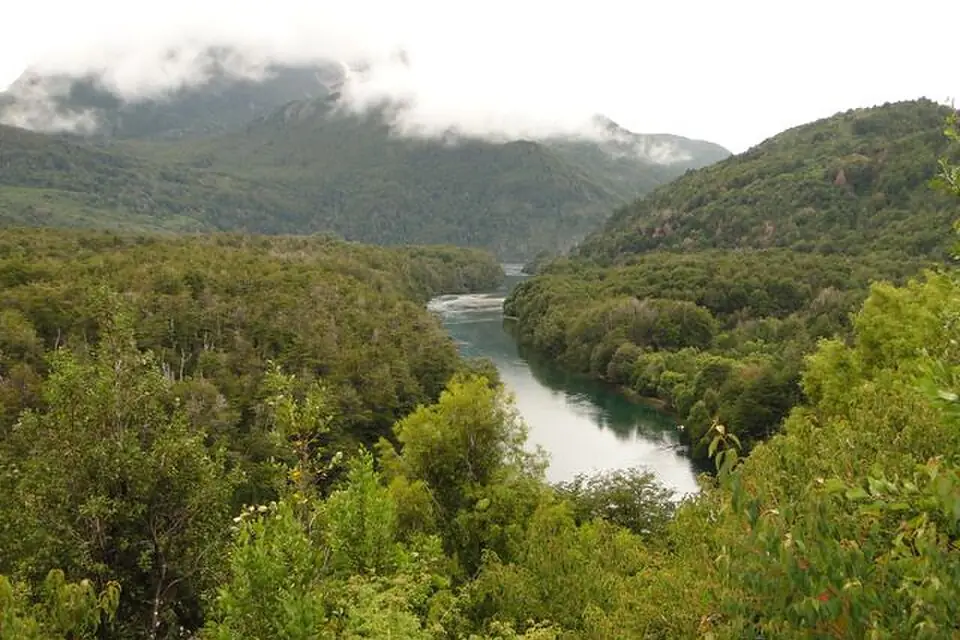
- Rio Arrayanes Trail: A 5km loop that follows the banks of the river. It is mostly flat and offers excellent opportunities for birdwatching and photography of the transparent water.
Challenging Trails
- Cerro Alto el Dedal: This is the park’s premier day hike for experienced trekkers. It is a steep, all-day commitment (6-8 hours round trip) that gains significant elevation. The summit offers the best view in the park, looking down over the entire lake system and the snow-capped Andes.
- Cinco Saltos: A challenging trek that leads to a series of five waterfalls. The path can be muddy and overgrown depending on recent maintenance.
Logistics: How to Get to Los Alerces National Park
The park’s location in the Chubut Province makes it more remote than other Lake District destinations. You have two main options for access.
From Bariloche
The drive from Bariloche takes between 4 and 5 hours via Ruta 40. It is a spectacular journey that takes you through the transition zone where the mountains meet the steppe. Many travellers choose to break up the drive by stopping in El Bolsón, a mountain town famous for its craft market and microbreweries. This route effectively serves as the southern extension of the “Route of the Seven Lakes” geography.
From Esquel and Trevelin
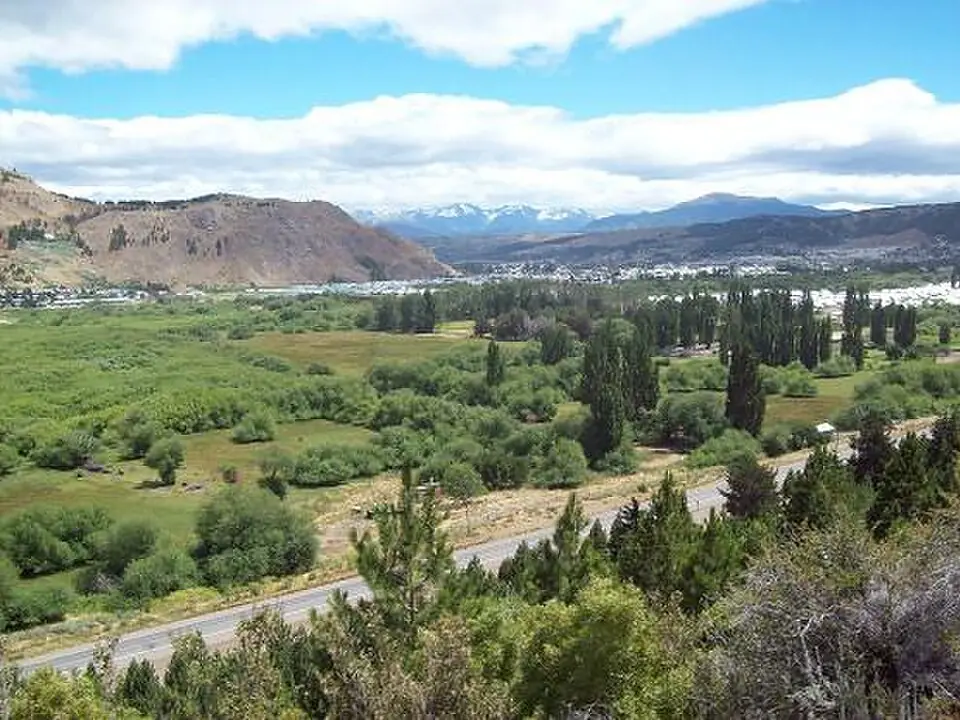
If you want to maximize your time in the park, Esquel or the Welsh town of Trevelin are far better base camps. Both are approximately 45 minutes from the park’s southern and central entrances.
Public Transport
During the peak summer season (December to March), the “La Golondrina” bus service typically runs three times daily from the Esquel bus terminal into the park, stopping at Villa Futalaufquen and various campsites. Outside of these months, public transport is extremely limited, and a rental car is highly recommended.
Practical Planning Tips
To make the most of a visit to Los Alerces, you need to be self-sufficient, as services inside the park are sparse.
- When to Go: January and February offer the most stable weather, but they are also the busiest months. For photographers, April is the best time to visit; the lenga forests on the mountain slopes turn vibrant shades of red and orange, and the crowds disappear.
- Entrance Fees: Fees are paid at the Portada (entrance gates) in Argentine Pesos. As of the 2026/27 season, the international visitor fee is approximately 20,000 ARS (roughly $20 USD). Note that prices are adjusted frequently due to inflation.
- Connectivity: There is almost no cell service once you pass the park gates. Download offline maps (like Maps.me or Google Offline) and coordinate your transport or boat tours before you arrive.
- Fuel: There are no petrol stations inside the park. You must fill your tank in Esquel or Trevelin before entering.
- Fire Safety: Large sections of the park were affected by the “El Centinela” wildfire in early 2024. Fire regulations are extremely strict; you may only light fires in designated “Organized Campsites.”
Where to Stay: Camping and Lodging
Accommodation inside the park ranges from basic forest clearings to comfortable lakeside inns.
Organized Campsites
If you are looking for amenities like hot showers and small grocery stores (provedurías), head to the organized sites at Lago Rivadavia or Lago Roca. These are the best options for families or those without heavy-duty wilderness gear. For a broader look at what to expect when camping in the region, see our guide to camping in the Lake District.
Wild Camping (Agreste)
For a more rugged experience, there are several “Agreste” sites. these have no services other than a designated fire pit and a pit latrine. They offer the best chance for solitude and stargazing.
Hosterías
For those seeking comfort, Hostería Futalaufquen is a historic building designed by the famous architect Alejandro Bustillo. It offers a classic, high-end national park experience with lake views and an on-site restaurant. Hostería Los Alerces is another reliable option located near the center of the park.
If you are planning to base yourself in the nearby hub of Esquel to explore the park, our local guide covers the best spots to eat and stay.
To plan your full itinerary through the Argentine Lake District, explore our comprehensive region guide.

FAQ
Is Los Alerces National Park worth the drive from Bariloche?
Yes, if you value solitude and ancient forests; it offers a much more pristine and quiet experience than the busier parks near Bariloche.
How old are the trees in Los Alerces National Park?
The oldest tree, known as “El Abuelo,” is estimated to be over 2,620 years old, making it one of the oldest living things on Earth.
Can you visit Los Alerces National Park as a day trip?
While possible from Esquel, a day trip from Bariloche involves 9-10 hours of driving, so an overnight stay in the park or Trevelin is highly recommended.
Do I need a permit to hike in Los Alerces National Park?
Most short trails don’t require permits, but high-difficulty treks like Cerro Alto el Dedal require a free mandatory registration at the visitor center.
Is there cell service in Los Alerces National Park?
Cell service is extremely limited or non-existent in most of the park; you should download offline maps and coordinate transport before entering.
Are dogs allowed in Los Alerces National Park?
No, domestic pets are strictly prohibited in the park to protect the local wildlife, including the endangered huemul deer.