
Visiting Cape Horn: A Guide to the End of the World (2026)
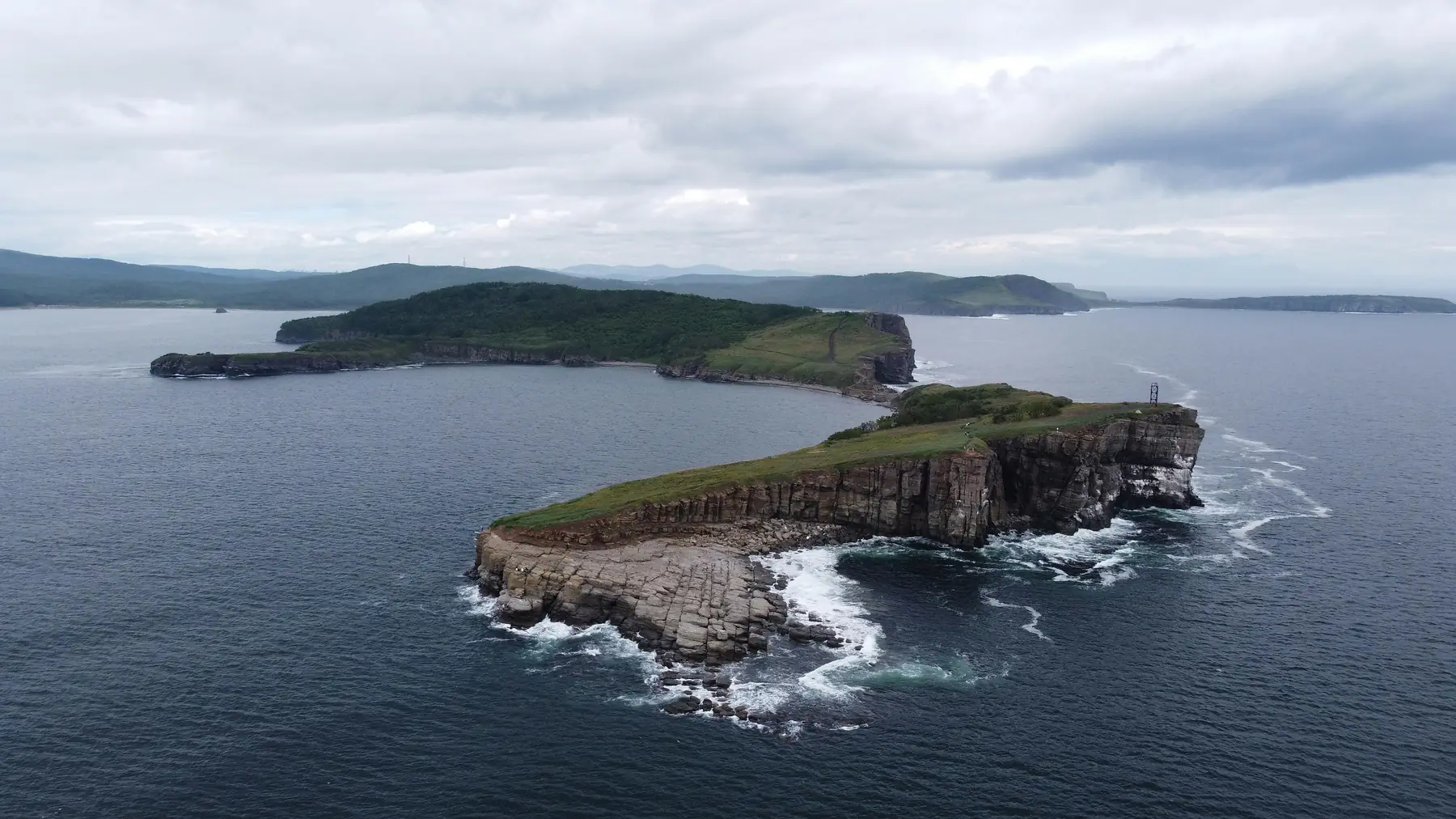
Cape Horn is the southernmost headland of the Tierra del Fuego archipelago and represents the final point of land before the open waters of the Drake Passage. For modern travelers, it is the ultimate “End of the World” milestone, accessible almost exclusively via expedition cruises departing from Ushuaia, Argentina, or Punta Arenas, Chile.
While many travelers visit the region to see the sights of Ushuaia, reaching Cape Horn is the premier maritime experience in the Deep South. It is a place where the Atlantic and Pacific Oceans collide, creating some of the most challenging and legendary sea conditions on the planet. This guide provides the historical context and the practical 2026 logistics required to stand on the rocky shores of Hornos Island.
Where is Cape Horn? Geography of the Deep South
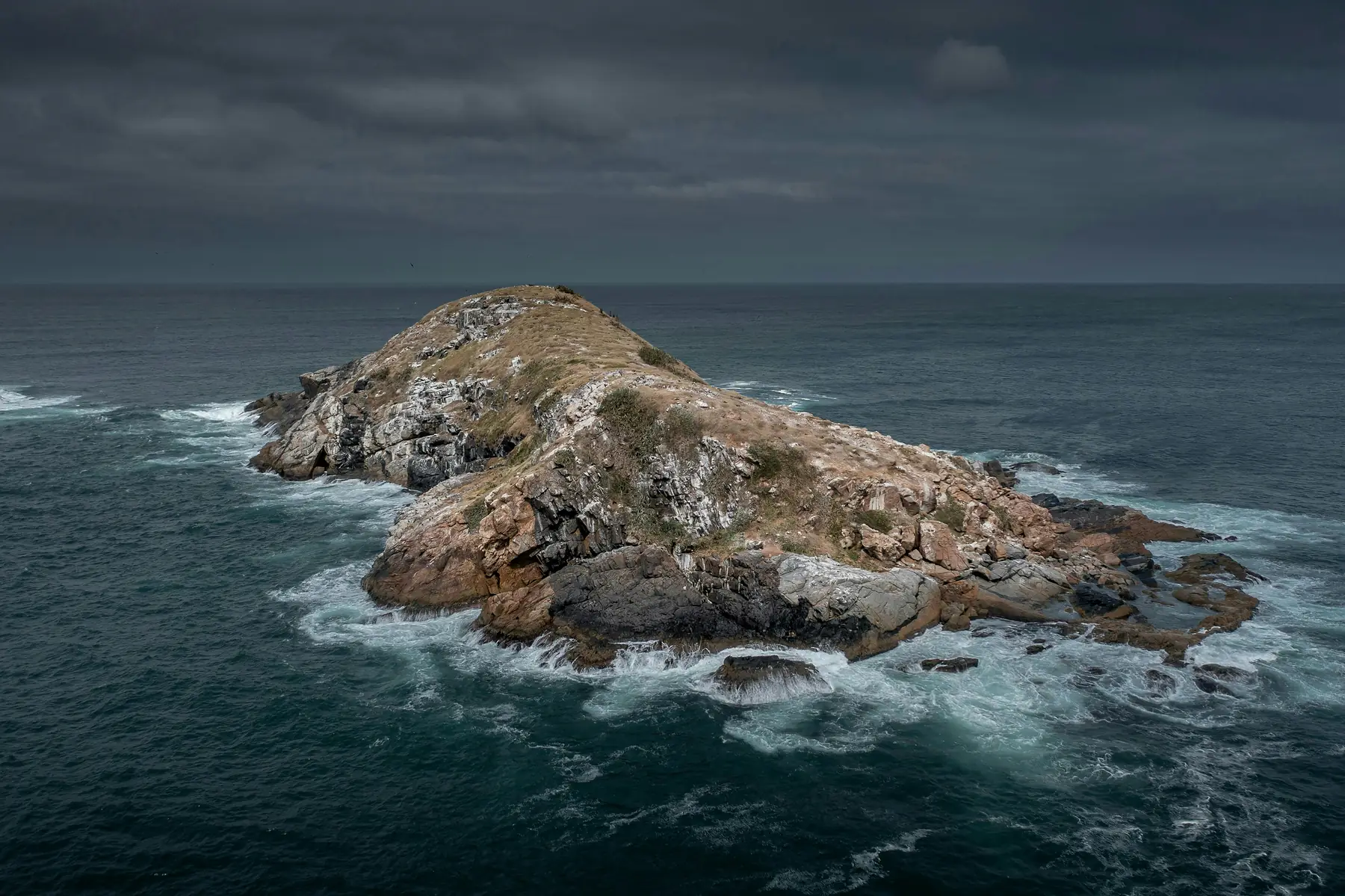
Cape Horn is located at 55°58′48″S 067°17′21″W, situated on Hornos Island within the Wollaston Islands group. It is frequently confused with the southernmost point of mainland South America (Cape Froward) or the southernmost point of the South American continent including islands (the Diego Ramírez Islands). However, Cape Horn remains the most iconic “great cape” due to its position as the northern boundary of the Drake Passage.
Though most travelers use Ushuaia as their primary gateway, Cape Horn is located entirely within Chilean territorial waters. It is managed as part of the Cabo de Hornos National Park. This geographical distinction is critical for your planning: even if your ship departs from Argentina, you will technically be entering Chile when you land.
The Cape marks the specific point where the continental shelf drops away. To the south lies the Drake Passage, the 800 kilometer wide body of water separating South America from Antarctica. Because there is no landmass at this latitude anywhere else on Earth, the winds and currents can circle the globe unimpeded, gaining tremendous power before they are funneled through the narrow gap between the Andes and the Antarctic Peninsula.
The Mariner’s Nightmare: Why Cape Horn is Famous
Before the opening of the Panama Canal in 1914, Cape Horn was the primary trade route for ships moving between the Atlantic and Pacific Oceans. It earned the moniker “The Graveyard of Ships” because of the thousands of sailors who lost their lives attempting to “round the Horn.”
The danger is caused by a perfect storm of three factors: the “Furious Fifties” winds, the powerful Antarctic Circumpolar Current, and the unique bathymetry of the ocean floor.
Historical accounts from the era of Great Clipper ships describe waves exceeding 30 meters and winds that could strip the sails from a mast in seconds. Even Charles Darwin, during his voyage on the HMS Beagle, described the Cape as a “cold and desolate” place where the sea was “a most spectacular and formidable sight.” The opening of the Panama Canal effectively ended the era of commercial sailing around the Horn, but the location remains the “Mount Everest” of the sailing world for yacht racers and expeditioners.
How to Visit Cape Horn in 2026
In 2026, the only viable way for a standard traveler to visit Cape Horn is by booking an expedition cruise. These are not standard luxury cruises; they are specialized vessels designed for the high-latitude waters of the Tierra del Fuego fjords.
The two primary departure points are Ushuaia in Argentina and Punta Arenas in Chile. While Ushuaia is closer, both routes offer a deep dive into the Beagle Channel and the surrounding glaciers.
It is essential to manage your expectations regarding the “landing.” Because Cape Horn is exposed to the full force of the Southern Ocean, the decision to launch the Zodiac boats is made by the Captain on the morning of arrival based on wind speed and swell height.
Landing at Cape Horn is never guaranteed. Statistical data from recent seasons suggests a success rate of approximately 70-80%. If winds exceed 35-40 knots, ships will usually circle the Cape for photos but will not attempt a shore landing.
For those who cannot or do not wish to sail, there are limited options for chartered fly-overs from Punta Arenas. These offer a bird’s-eye view of the Albatross Monument, but they do not allow you to set foot on the island or visit the lighthouse.
The Landing Experience: Setting Foot on Hornos Island
The process of landing at Cape Horn is an adventure in itself. Once the ship anchors in the relatively sheltered waters of Leonora Bay, passengers are transferred to Zodiacs (heavy-duty inflatable boats). You will likely experience a “wet landing,” meaning you may need to step into shallow water on a rocky, kelp-covered shore.
Once ashore, the climb begins. A steep wooden staircase, known as the “Stairway to the End of the World,” leads from the beach to the top of the 400-foot cliff. There are approximately 160 steps. The climb is manageable for anyone with moderate fitness, but the wind can be intense even on the stairs.
Most expedition cruises, such as those operated by Australis, provide a formal “Cape Horn Diploma” or certificate to passengers who successfully land. Keep your boarding pass or ship ID handy, as some lighthouse keepers have been known to offer a unique Cape Horn passport stamp, though this is subject to the keeper’s availability.
At the top, you will find a network of raised wooden boardwalks. It is mandatory to stay on these paths. The sub-antarctic tundra is incredibly fragile and takes decades to recover from a single footprint. The boardwalks lead you in a loop past the major landmarks, providing 360-degree views of the collision between the two oceans.
Landmarks of Cape Horn: What to See
The most famous site on the island is the Albatross Monument. This massive steel sculpture features the silhouette of an albatross in flight, formed by two pieces of steel. It was designed by Chilean artist José Balcells Eyquem and erected in 1992 to honor the sailors who died “rounding the Horn.”
Next to the monument is a plaque featuring a poem by Sara Vial. It is a haunting tribute to the “souls of the sailors” who she imagines have been transformed into albatrosses, forever flying over the waters where they perished.
Sara VialI am the albatross that awaits you at the end of the world. I am the forgotten soul of the dead sailors who crossed Cape Horn from all the seas of the world.
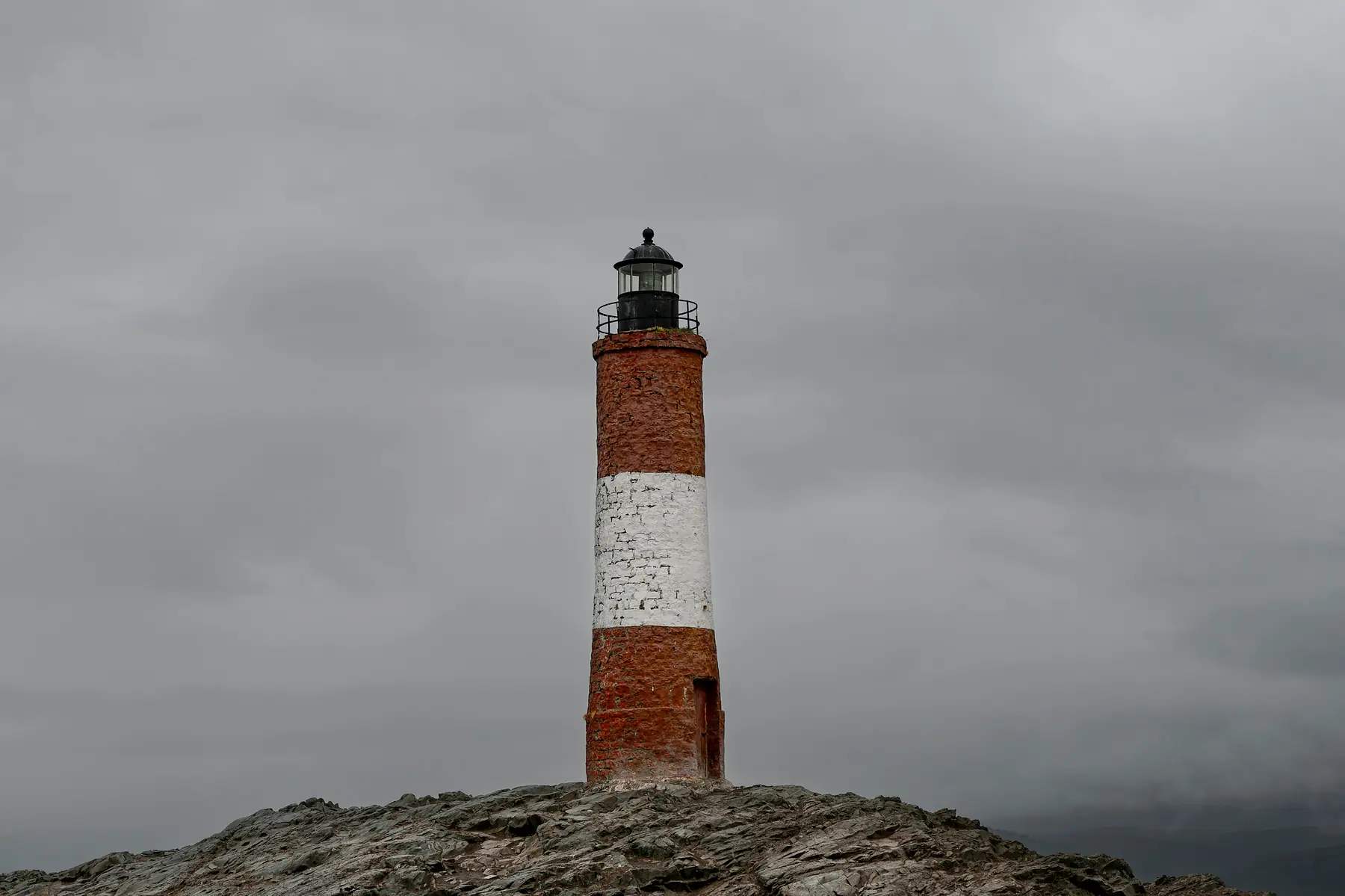
A short walk away stands the Stella Maris Chapel, a tiny wooden sanctuary that offers a rare moment of stillness in an otherwise wind-blasted environment. Beyond the chapel is the lighthouse station. This is a manned station where a member of the Chilean Navy lives with their family for a one-year rotation. They are responsible for maintaining the light and monitoring maritime traffic in the Drake Passage. Meeting the family and the “Keeper of the Horn” is often the highlight for visitors, offering a glimpse into one of the most isolated lives on the planet.
Wildlife and Ecology of the Cape
The environment at Cape Horn is too extreme for trees. Instead, the landscape is covered in a dense carpet of “wind-sculpted” vegetation, including cushion plants, lichens, and mosses that hug the ground to avoid the gales.
The birdlife is the primary draw for nature lovers. The Wandering Albatross, with the largest wingspan of any living bird, can often be seen gliding effortlessly on the updrafts created by the cliffs. Giant Petrels and Skua are also common.
During the Zodiac approach to Hornos Island, keep a sharp eye on the water. Peale’s dolphins are frequently seen playing in the wake of the boats, and South American sea lions often haul out on the kelp-covered rocks near the landing site. The ecology here is a testament to resilience: everything that lives at the Cape has evolved to survive constant salt spray and relentless wind.
Planning Your Trip: Best Time to Visit and What to Pack
The window for visiting Cape Horn is strictly limited to the southern hemisphere’s spring and summer. The expedition cruise season runs from late September to early April. Outside of these months, the weather is too volatile and the daylight hours too short for safe operations.
Because the weather at the Cape can shift from bright sunshine to a sleet-filled gale in minutes, the “four seasons in one day” rule is the baseline for packing.
Layer for the Wind
Wear a high-quality windproof and waterproof outer shell. The wind chill at 56 degrees south can make a 10°C day feel like -5°C.
Footwear Matters
Use sturdy, waterproof boots with excellent grip. The wooden boardwalks become extremely slippery when wet or icy. Note that trekking poles are prohibited on the island as they damage the wooden paths.
Documentation
Ensure you have your passport. Because Cape Horn is in Chile, cruises departing from Ushuaia must clear Argentine customs upon departure and Chilean customs upon arrival at the Cape (often handled by the ship’s purser).
For a more detailed breakdown of the climate patterns you’ll face during your journey, consult our Ushuaia weather guide, which tracks the conditions most travelers experience in the gateway city before heading south.
To see how Cape Horn fits into a larger journey through the region, you can explore the various itineraries and tours that include the Horn as their turnaround point.
FAQ Section
QUESTION: Can you visit Cape Horn without a cruise? ANSWER: It is virtually impossible for standard travelers to visit Cape Horn without an expedition cruise, as there are no roads or commercial airports on the island, and the waters are too dangerous for small private vessels.
QUESTION: Is Cape Horn in Chile or Argentina? ANSWER: Cape Horn is located entirely within Chilean territorial waters and is part of the Cabo de Hornos National Park, though it is frequently visited by cruises departing from Ushuaia, Argentina.
QUESTION: What is the best time of year to visit Cape Horn? ANSWER: The best time to visit Cape Horn is during the southern hemisphere’s summer, from November to March, when expedition cruises operate and weather conditions are most likely to allow for a safe landing.
QUESTION: Do I need a passport to visit Cape Horn? ANSWER: Yes, because Cape Horn is in Chile, travelers departing on cruises from Ushuaia (Argentina) must go through Chilean customs and carry a valid passport to land on the island.
QUESTION: How hard is the walk on Cape Horn? ANSWER: The walk on Cape Horn involves a very steep climb up approximately 160 wooden stairs from the landing beach, followed by a relatively flat walk along a wooden boardwalk to the monuments.
QUESTION: Are there toilets or facilities on Cape Horn? ANSWER: There are no public tourist facilities or toilets on Cape Horn; the only buildings are the manned Chilean Navy lighthouse station and a small private chapel.