
Puyuhuapi, Chile: Hot Springs & Hanging Glacier Guide (2026)
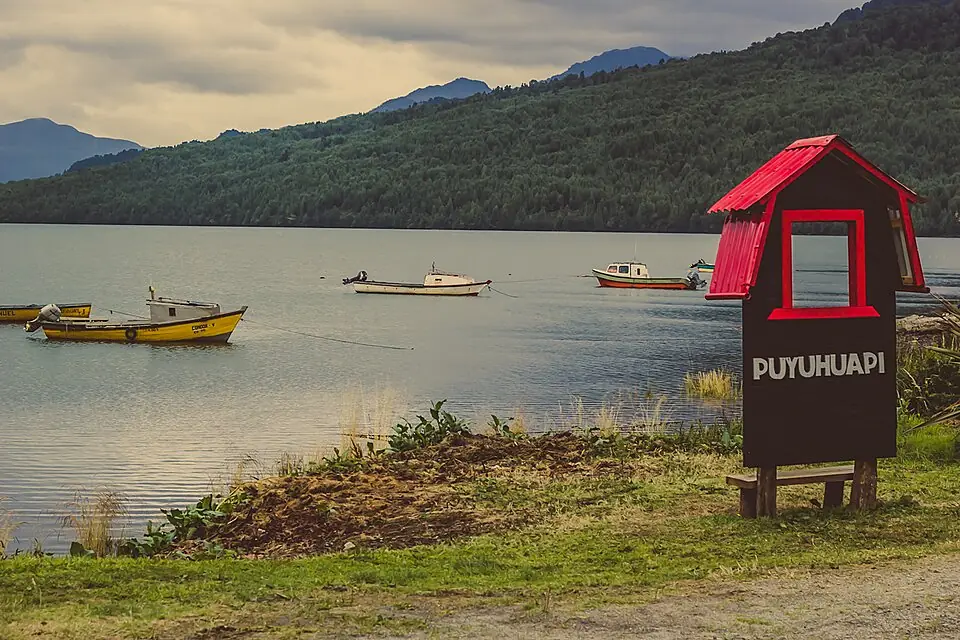
Puyuhuapi is the mist-shrouded jewel of the Northern Carretera Austral, offering the region’s best combination of natural thermal springs and access to the iconic Queulat Hanging Glacier. It serves as a vital logistical hub and a cultural curiosity, where Bavarian-style wooden houses sit tucked between steep, rainforest-covered mountains and the glassy waters of the Puyuhuapi Fjord.
Whether you are seeking the luxury of a remote spa retreat or a base for rugged trekking in the temperate rainforest, Puyuhuapi provides a distinct atmosphere found nowhere else in Patagonia.
Puyuhuapi at a Glance
- Location: Aysén Region, Carretera Austral (Ruta 7), 222km north of Coyhaique.
- Primary Attractions: Queulat National Park, Puyuhuapi Lodge & Spa, Termas del Ventisquero.
- Best Time to Visit: November to March for trekking; year-round for hot springs.
- Known For: German architecture, hand-knotted carpets, and extreme annual rainfall.
- Key Services: Copec gas station, basic groceries, ATM (Caja Vecina), limited cell service.
The Unique History of Puyuhuapi: German Pioneers and Chilote Craft
The town’s distinct appearance is the result of a mid-20th-century experiment in isolation and industry. Founded in 1935 by four German immigrants (Otto Uebel, Karl Ludwig, Walter Hopperdietzel, and Ernesto Ludwig), the settlement was built from the ground up in a region that had no road access for another fifty years.
The architecture you see today is a hybrid of two worlds. The German founders provided the structural designs, but the actual construction was executed by master carpenters from the island of Chiloé. These craftsmen applied their traditional shingle-work and joinery techniques to European silhouettes, creating the “Puyuhuapi style” that survives in the village’s oldest buildings.
For decades, the town’s economy was anchored by the Alfombras de Puyuhuapi carpet factory, established in 1945. These hand-knotted rugs became famous throughout Chile for their quality and intricate designs. While the factory ceased large-scale commercial operations in 2018, its legacy remains a point of local pride and the historic building remains a primary stop for visitors interested in the town’s industrial roots.
The Famous Puyuhuapi Hot Springs: Lodge vs. Ventisquero
Choosing between the two primary hot spring experiences in Puyuhuapi depends entirely on your budget and how much time you want to spend on the water. The area’s geothermal activity is a major draw, providing a stark, steaming contrast to the cold rain and glacial runoff typical of the Aysén region.
The most famous option is the Puyuhuapi Lodge & Spa, a secluded retreat located across the fjord from the Carretera Austral. It is inaccessible by road; guests and day-visitors must take a private motorboat from the pier located at Kilometer 12.8 south of town. The lodge offers a high-end experience with multiple indoor and outdoor thermal pools, full spa services, and a refined restaurant.
For those looking for a more casual or budget-friendly soak, Termas del Ventisquero is the preferred choice. Located just 6km south of the village on the edge of the fjord, these springs are easily accessible by car or bike. The facility features four outdoor pools of varying temperatures, allowing you to watch the tide come in while soaking in 35-45°C water.
- Accessibility: Requires boat transfer from Km 12.8 vs. Roadside access at Km 6 south.
- Vibe: Exclusive, quiet, and sophisticated vs. Casual, family-friendly, and social.
- Facilities: Full spa, indoor pools, and fine dining vs. Outdoor pools, changing rooms, and a small cafe.
- Cost: High (includes boat transfer fee) vs. Moderate (approx. $38,000 CLP as of the 2026/27 season).
Choose the Lodge for a full day of luxury or an overnight retreat; choose Ventisquero for a high-quality, accessible soak after a day of hiking.
Queulat National Park and The Hanging Glacier (Ventisquero Colgante)
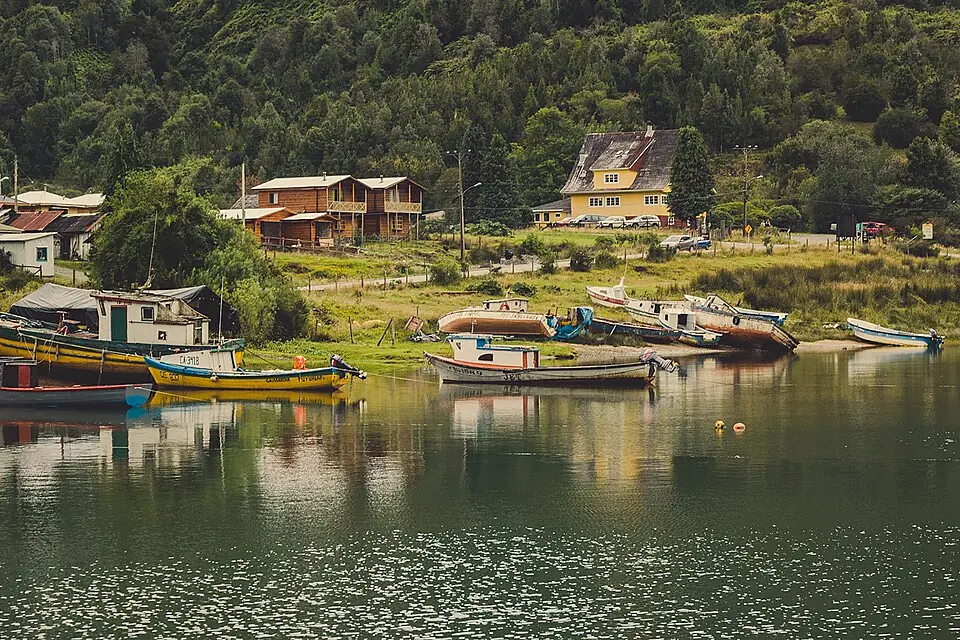
The primary reason most travelers stop in Puyuhuapi is to visit Queulat National Park, home to the world-famous Ventisquero Colgante. This massive glacier “hangs” over a cliff edge, calving into a series of waterfalls that drop hundreds of meters into a milky-blue lagoon below.
The park entrance is located approximately 22km south of Puyuhuapi. Because of the park’s popularity and limited parking capacity, it is essential to arrive early, ideally before 9:00 AM during the peak summer months. The microclimate here is exceptionally wet, often receiving between 3,500mm and 4,000mm of rain per year, so high-quality waterproof gear is not optional—it is a requirement for safety and comfort.
While the Hanging Glacier is the star of the park, trail conditions can change rapidly due to landslides or heavy mud. Before heading out, you should check the current status of the trails. Note that the Bosque Encantado (Enchanted Forest) trail has been closed for several seasons due to a major landslide and remains closed as of early 2026.
To plan your hike and understand the specific trail logistics, see our dedicated guide.
Top Things to Do in Puyuhuapi Village
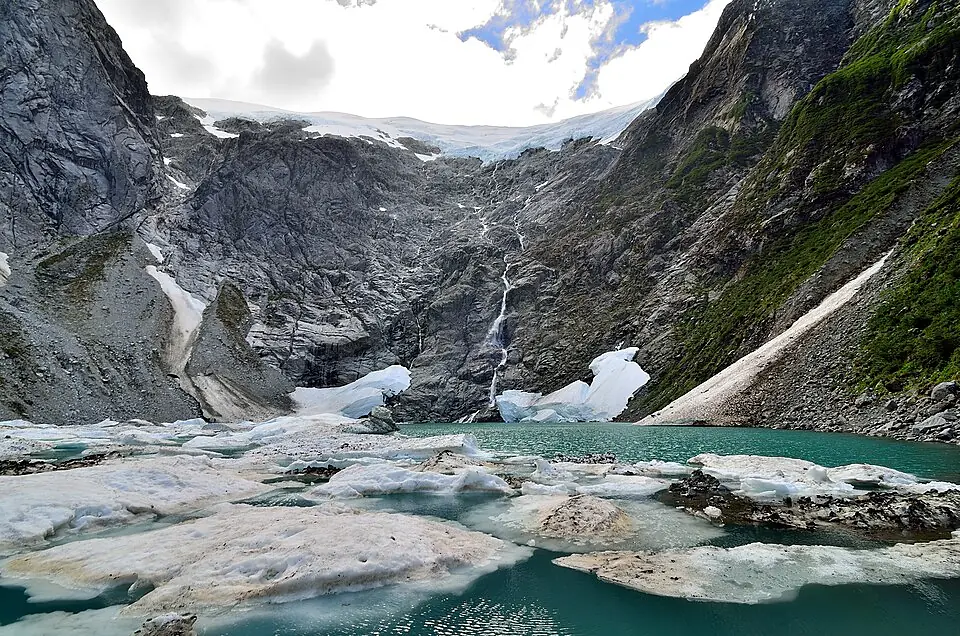
While the national park and hot springs take center stage, the village of Puyuhuapi deserves at least half a day of exploration. The town’s layout is compact and easy to navigate on foot, with most of the historic interest concentrated near the waterfront.
- The Carpet Factory (Alfombras de Puyuhuapi): Visit the historic workshop to see the traditional looms and learn about the hand-knotting process. While the factory is no longer in full production, the site often hosts exhibitions or small-scale demonstrations.
- Kayaking the Fjord: On calm mornings, the Puyuhuapi Fjord is like a mirror. You can rent kayaks at the waterfront to get a different perspective of the town and the surrounding peaks.
- Sendero Los Canelos: This short, 30-minute hike starts from the back of the village and leads to a viewpoint overlooking the entire fjord and the town’s colorful rooftops.
- Local Festivals: If your timing is right, you can experience deep local culture. The Mate Festival celebrates the region’s shared heritage with Gaucho culture, while the Town Anniversary in February features traditional music and food.
Essential Logistics: Getting to Puyuhuapi
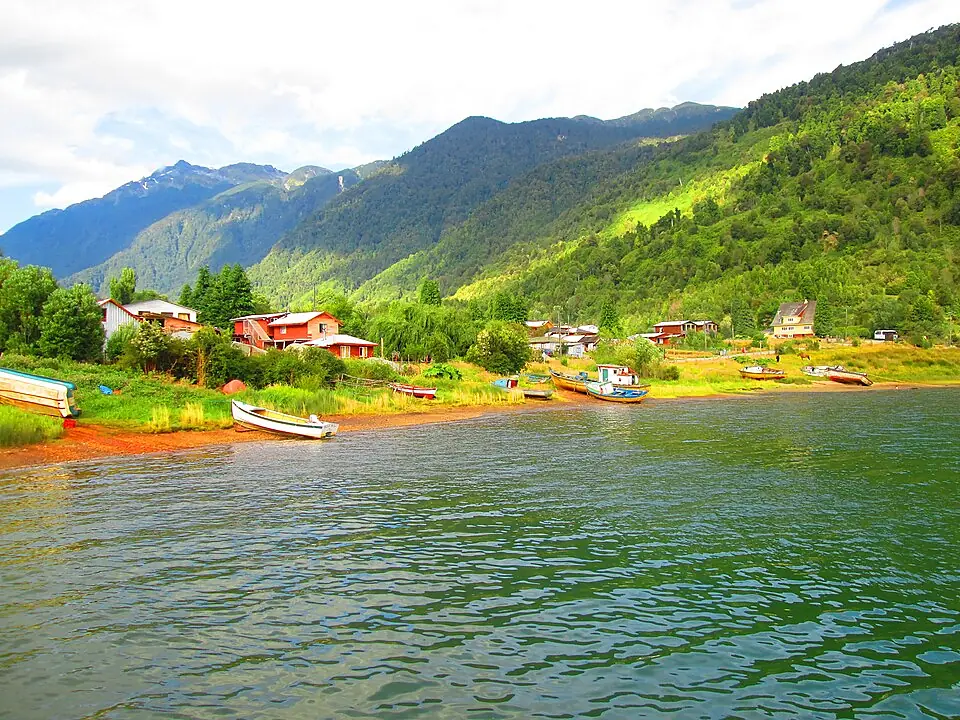
Puyuhuapi is a critical refueling and rest stop on the Northern Carretera Austral. It is one of the few places with a reliable gas station between La Junta and Coyhaique, making it a mandatory stop for most road-trippers.
Driving and Fuel
The village is roughly a 4-hour drive from Coyhaique (222km) and a 3.5-hour drive from Chaitén (188km), though these times can vary significantly depending on road construction and weather. There is a Copec gas station in the center of town. Always top up your tank here, as the next reliable fuel heading south is often several hours away.
Bus Travel
Daily buses connect Puyuhuapi to Coyhaique, usually operated by companies like Buses Terraustral or Buses Becker. Connections north toward Chaitén or La Junta are less frequent and often require booking a day in advance at the local bus stop or through your accommodation. For a full breakdown of regional transport, visit our Carretera Austral transport guide.
Connectivity and Banking
Cell service in Puyuhuapi is generally limited to Entel and Movistar. Wi-Fi is available in most hostels and lodges but is typically satellite-based and slow—do not expect to stream video or upload large files. For banking, there is no full-service bank, but several small shops act as a Caja Vecina, where you can withdraw limited amounts of cash if you have a Chilean Banco Estado account. International travelers should carry enough CLP cash for small purchases, as not all local eateries accept credit cards.
Where to Stay and Eat in Puyuhuapi
The dining scene in Puyuhuapi is small but high in quality, heavily influenced by the town’s German roots. You will find that “Kuchen” (German cake) is a staple in almost every cafe, often made with local berries like calafate or murta.
For a classic experience, look for Cafeteria Arrayanes or Restaurant Calafate along the main road, which serve authentic German pastries and local dishes. For dinner, the local specialty is Austral Hake (Merluza Austral), usually served fried or grilled with potatoes. Pair your meal with a “Hopperdietzel” craft beer, named after one of the town’s founders and brewed locally.
Accommodation ranges from the ultra-luxury Puyuhuapi Lodge to cozy, mid-range wooden cabins like El Pangue, located just north of town. The village itself is full of budget-friendly hostels and “hospedajes” that offer a more communal, local experience.
If you are looking for a comprehensive list of lodging options across the region, see our guide to Carretera Austral accommodation.
FAQ
Is Puyuhuapi worth visiting on a Carretera Austral road trip? Yes, it is one of the most unique stops on the route, offering a rare combination of luxury hot spring spas and the iconic Hanging Glacier in Queulat National Park.
How far is the Hanging Glacier from the town of Puyuhuapi? The entrance to Queulat National Park is approximately 22 kilometers (13.5 miles) south of Puyuhuapi village, about a 30-minute drive.
Do I need to book the Puyuhuapi Lodge hot springs in advance? If you are staying at the lodge, booking is essential; for day visitors, availability is limited and requires coordinating the private boat transfer from Km 12.8.
Is there a gas station in Puyuhuapi? Yes, there is a Copec gas station in Puyuhuapi village, which is a critical refueling point between La Junta and Coyhaique.
What is the best time of year to visit Puyuhuapi? The best time is between November and March; however, be prepared for rain at any time, as this is one of the wettest regions in Chile.
Can I visit the Puyuhuapi hot springs without staying at the expensive lodge? Yes, Termas del Ventisquero is located 6km south of town and offers a more affordable, public hot spring experience right on the fjord.