Vegetarian & Vegan Patagonia: 2026 Guide to Plant-Based Travel
Yes, you can easily travel through Patagonia as a vegetarian or vegan, provided you know where to look and how to ask. While the region is historically famous for its lamb and beef, the 2026 travel landscape has evolved significantly, with major trekking hubs now offering sophisticated plant-based menus that rival those in any global capital.
The transition from a meat-only culture to a dietary-aware destination has been driven by the international hiking community. Today, you are just as likely to find a high-quality lentil burger in El Chaltén as you are a traditional steak. However, success for plant-based travelers still requires a tactical approach, particularly when navigating “hidden” animal products in traditional bakeries or securing meal plans for multi-day treks like the W Trek. This guide provides the practical tools you need to navigate the broader food scene without compromising your diet.
The Reality of Being Vegetarian in Patagonia
The cultural dominance of Cordero al Palo (spit-roasted lamb) remains the visual centerpiece of Patagonian dining, but it no longer defines the entire menu. For most travelers, the experience of being vegetarian in Patagonia depends heavily on which side of the border you are on. In Argentina, the culinary heritage is deeply Italian, meaning high-quality pasta and pizza are available even in the smallest hamlets. In Chile, while the traditional diet is more meat-centric, there has been a massive surge in processed vegan substitutes and modern bistro culture.
As of the 2025-2026 season, “vegetarian” is a universally understood concept in local service. You will rarely encounter the confused stare that was common a decade ago. Being vegan, however, still requires active management. While vegetarians can rely on the ubiquitous cheese and egg options, vegans will need to seek out specialty stores or modern cafes to ensure they get adequate protein. To help you plan your itinerary, consider how the ease of dining shifts across the region.
- Vegetarian Variety: Exceptional / High / Moderate
- Vegan Substitutes: High (Whole foods) / High (Processed) / Moderate
- Supermarket Access: Moderate / High / High
- Dining Cost: Moderate / High / Moderate
El Chaltén remains the gold standard for plant-based travelers due to its concentrated hiking culture and high density of vegan-specific cafes.
If you are traveling with meat-eaters and want to know what they will be facing, our guide to what to eat in Patagonia covers the traditional side of the menu. Understanding their staples will help you identify which parts of a standard menu can be modified for your needs.
Crucial Spanish Vocabulary & Hidden Ingredients
The biggest risk for vegetarians in Patagonia isn’t a lack of options, but rather the “hidden meat” used in traditional cooking. Even if a dish is listed as having no meat, animal fats are often used as a base or seasoning. Communicating your needs clearly is the only way to avoid accidental consumption.
Start with the essentials: Soy vegetariano (I am vegetarian) or Soy vegano (I am vegan). If you are vegan, it is often more effective to say No como ningún producto animal (I don’t eat any animal products) or even claim to be Intolerante a la lactosa (lactose intolerant) to ensure that butter and cream are excluded from your meal.
When ordering in traditional bakeries or “rotiserías,” specifically ask for “pan sin grasa.” Many traditional Patagonian breads and pastries use grasa de pella (beef lard) for texture and shelf life.
Beyond the bread, keep a close eye on the following hidden ingredients:
- Grasa de pella: Beef lard used in empanada dough, biscuits, and many local breads.
- Caldo de carne: Beef or chicken stock often used as the base for “vegetable” soups or lentil stews.
- Jamón: Ham is frequently used as a seasoning in locro (stew) or sprinkled over “vegetarian” pizzas unless you explicitly ask for its removal.
- Rennet: Traditional cheeses in rural Patagonia may use animal-derived rennet; in major towns, mass-produced cheese is generally safer, but it is worth asking in artisanal shops.
Top Patagonia Hubs for Plant-Based Travelers
Certain towns have embraced the plant-based movement more than others. If you are planning your route, prioritizing these hubs will make your trip significantly more enjoyable.
El Chaltén (Argentina) is arguably the vegan capital of the south. Because the town exists almost exclusively for hikers, the restaurants have adapted to provide nutrient-dense, plant-based fuel. You will find dedicated vegan bakeries, restaurants serving organic quinoa bowls, and plenty of craft breweries that offer creative vegetarian tapas. It is the easiest place in the region to eat well without much effort.
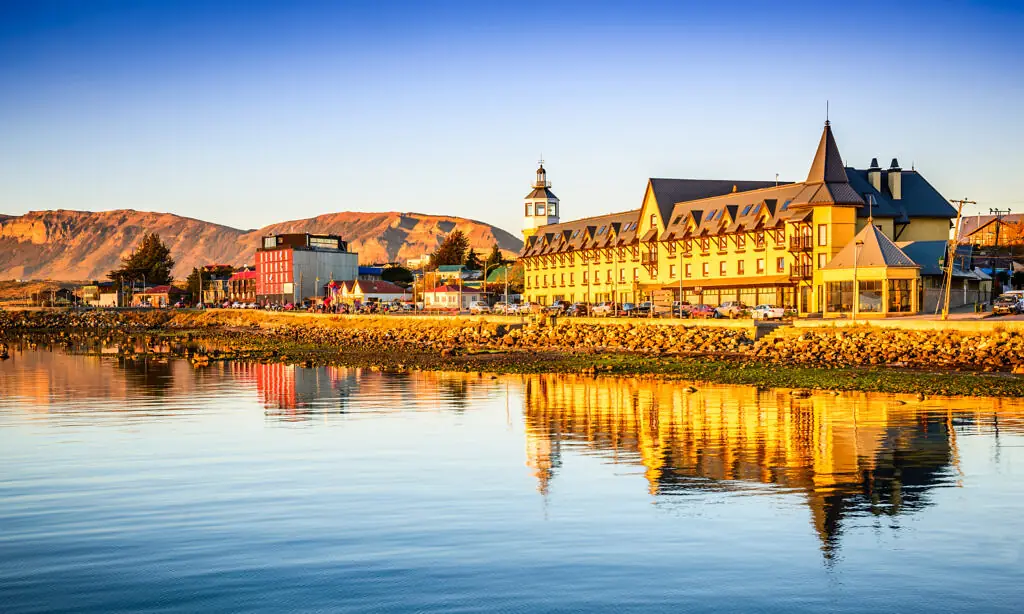
Puerto Natales (Chile) has seen a culinary explosion in recent years. As the gateway to Torres del Paine, it now hosts several high-end bistros that prioritize local, seasonal vegetables. While it is more expensive than the Argentine hubs, the quality of vegetarian “fine dining” here is the highest in Patagonia.
Bariloche (Argentina) benefits from a massive “Dietética” culture and a strong Italian influence. The sheer number of pizzerias and pasta houses makes it a safe haven for vegetarians. It is also the best place to stock up on high-quality nuts, dried fruits, and soy products before heading further south.
If you are planning to spend time in these hubs, our dedicated guides for El Chaltén and Puerto Natales offer more specific details on the town layouts and general services.
Eating Vegetarian on the W Trek and O Circuit
The most common concern for plant-based travelers is how to handle the 4 to 9 days spent in the backcountry of Torres del Paine. If you are staying in the refugios and have purchased a meal plan, you can absolutely get vegetarian or vegan food, but the process is rigid.
Both major park operators, Las Torres and Vertice, offer dietary-specific meal plans. However, for the 2026/27 season, you must plan well in advance. Dietary requirements should ideally be logged at the time of booking; Vertice specifically requires notification at least 30 days before your trek begins to guarantee feasibility for allergies or strict restrictions. If you show up at Refugio Grey or Refugio Chileno and ask for a vegan dinner on the spot, the kitchen likely will not have the ingredients to accommodate you beyond a plain bowl of pasta.
A typical refugio meal for a vegetarian hiker usually looks like this:
- Breakfast: Porridge (ask for it made with water or plant milk if vegan), bread, jam, and eggs.
- Packed Lunch: A large sandwich (usually cheese and avocado), a piece of fruit, a cereal bar, and a juice box.
- Dinner: A starter of vegetable soup (usually safe, but check for stock), followed by a main of lentil stew, soy protein bolognese, or a vegetable risotto.
If you are self-catering to save money or ensure better nutrition, you will need to carry your own protein. Puerto Natales is the place to buy these supplies. Look for textured soy protein (soja texturizada), which is lightweight and can be added to any instant meal. For more on the logistics of the trek itself, see our comprehensive W Trek guide.
Update Your Booking
Log into the Vertice or Las Torres portal as early as possible—ideally 30 days before your start date—and select the “Vegetarian” or “Vegan” option for every day of your meal plan.
Confirm at Check-in
When you arrive at each refugio, mention your dietary requirement to the staff at the check-in desk before dinner service begins to ensure you are on the kitchen’s list.
Supplement Your Protein
Even with a meal plan, refugio lunches can be carb-heavy. Carry a stash of nuts or protein bars from Puerto Natales to ensure you are hitting your macros for the long hiking days.
Shopping & Self-Catering: The “Dietética” Strategy
If you are staying in apartments or camping, you will need to navigate the local shopping scene. In Argentina, the “Dietética” is your most important resource. These are specialized health food stores that are far superior to standard supermarkets for plant-based needs.
Dietéticas sell bulk nuts, seeds, legumes, nutritional yeast, and various soy-based products. They are also the only places where you are likely to find specialty vegan items like almond flour or specific spices. In towns like Bariloche and Ushuaia, you can find a dietética on almost every major block. In Chile, the equivalent is the “Tostaduría,” though these focus more on nuts and grains than specialized vegan substitutes.
For supermarket shopping in Chile, look for the brand NotCo. This Chilean startup has revolutionized plant-based eating in the country. Their products—NotMilk, NotBurger, and NotMayo—are widely available in major supermarkets in Puerto Natales (such as Unimarc) and Punta Arenas as of the 2026/27 season.
Fresh produce can be surprisingly expensive and sometimes poor quality in the deep south (Ushuaia and Puerto Natales). Most vegetables are trucked in from thousands of kilometers away.
Because of these logistics, it is often cheaper to eat a vegetarian meal in a restaurant than to buy a wide variety of fresh vegetables in a southern supermarket. For a deeper look at how these logistics affect your wallet, read our analysis of whether food is expensive in Patagonia.
Traditional Dishes That Are (Usually) Meat-Free
You don’t always have to look for a “vegetarian restaurant” to find a safe meal. Many traditional staples are naturally meat-free or can be easily modified.
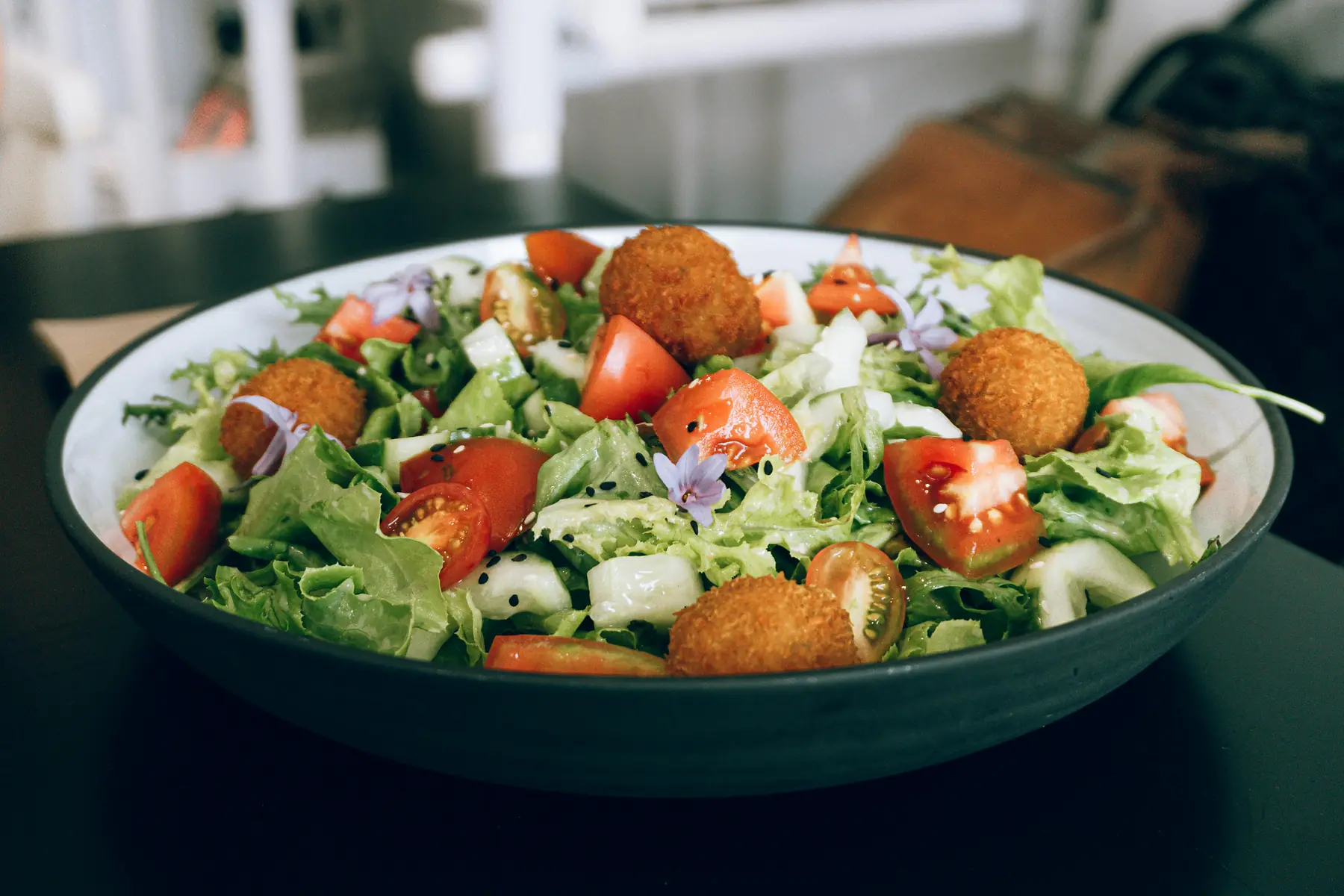
Pizza and Pasta: Thanks to the Italian heritage of Argentina, the “Napolitana” pizza (tomato, mozzarella, and garlic) and “Fugazzeta” (onion and cheese) are national staples. Most pasta shops (fábrica de pastas) sell fresh ravioli or sorrentinos with spinach and ricotta filling. Just be sure to ask for tuco (tomato sauce) rather than estofado (meat stew) on top.
Humita: This is a traditional Andean dish made of a savory corn paste, often mixed with cheese and wrapped in a corn husk or served in a pot (humita en cazuela). It is almost always vegetarian, but rarely vegan as it typically contains cheese and milk. Always double-check that no lard was used in the preparation.
Faina: Found in almost every pizzeria in Argentina, this is a thick, peppery pancake made from chickpea flour. It is naturally vegan and traditionally eaten on top of a slice of pizza.
Pan con Palta: A Chilean breakfast staple. It is simply high-quality toasted bread with a generous amount of mashed avocado. It is naturally vegan and available in almost every cafe in Chile.
Beverages: Fortunately, the best of Patagonia’s drink scene is naturally plant-based. Argentine Malbec and the region’s booming craft beer industry require no modifications. You can learn more about these in our guide to Patagonian wine and beer.
Common Vegetarian Empanada Fillings
When ordering empanadas, look for these specific names to ensure a meat-free meal:
- Humita: Sweet corn and white sauce.
- Verdura: Spinach or chard with bechamel and cheese.
- Roquefort y Apio: Blue cheese and celery.
- Caprese: Tomato, mozzarella, and basil.
- Cebolla y Queso: Onion and cheese. Note: Always ask if the dough contains “grasa” (lard).
To ensure you have the right gear for preparing your own meals or carrying snacks on the trail, check our trekking kitchen essentials guide.
FAQ
QUESTION: Is it easy to find vegetarian food in Patagonia? ANSWER: Yes, major trekking hubs like El Chaltén and Puerto Natales have excellent vegetarian options, though remote areas still rely heavily on meat and cheese. In smaller villages, you may be limited to pasta, pizza, or omelets.
QUESTION: Can I get vegan meals on the Torres del Paine W Trek? ANSWER: Yes, both Vertice and Las Torres offer vegan meal plans, but you must request them well in advance—ideally 30 days before your trek begins for the 2026/27 season. The options are generally nutritious but can be repetitive over a 5-day trek.
QUESTION: Is plant-based milk available in Patagonia supermarkets? ANSWER: Plant-based milks (soy, almond, or oat) are widely available in large supermarkets and “dietéticas” in towns like Bariloche and Puerto Natales. In very remote areas, you may only find long-life cow’s milk or powdered options.
QUESTION: Are traditional Patagonia empanadas vegetarian? ANSWER: Most traditional empanadas contain meat or lard in the crust; however, “humita” (corn) or “verdura” (spinach) varieties are common vegetarian alternatives. Always ask if the dough was made with grasa de pella (beef lard).
QUESTION: What is a “dietética” in Argentinian Patagonia? ANSWER: A dietética is a specialized health food store found throughout Argentina that sells bulk nuts, seeds, legumes, and vegan specialty products. They are the best place to find high-protein staples for self-catering.
QUESTION: Does Patagonia bread contain animal fat? ANSWER: Many traditional breads and pastries in Patagonia are made with “grasa” (animal lard), so vegans should ask for “pan sin grasa” or “pan vegano.” Commercial sliced bread in supermarkets is usually safe.