Is Food Expensive in Patagonia? 2026/27 Price Guide
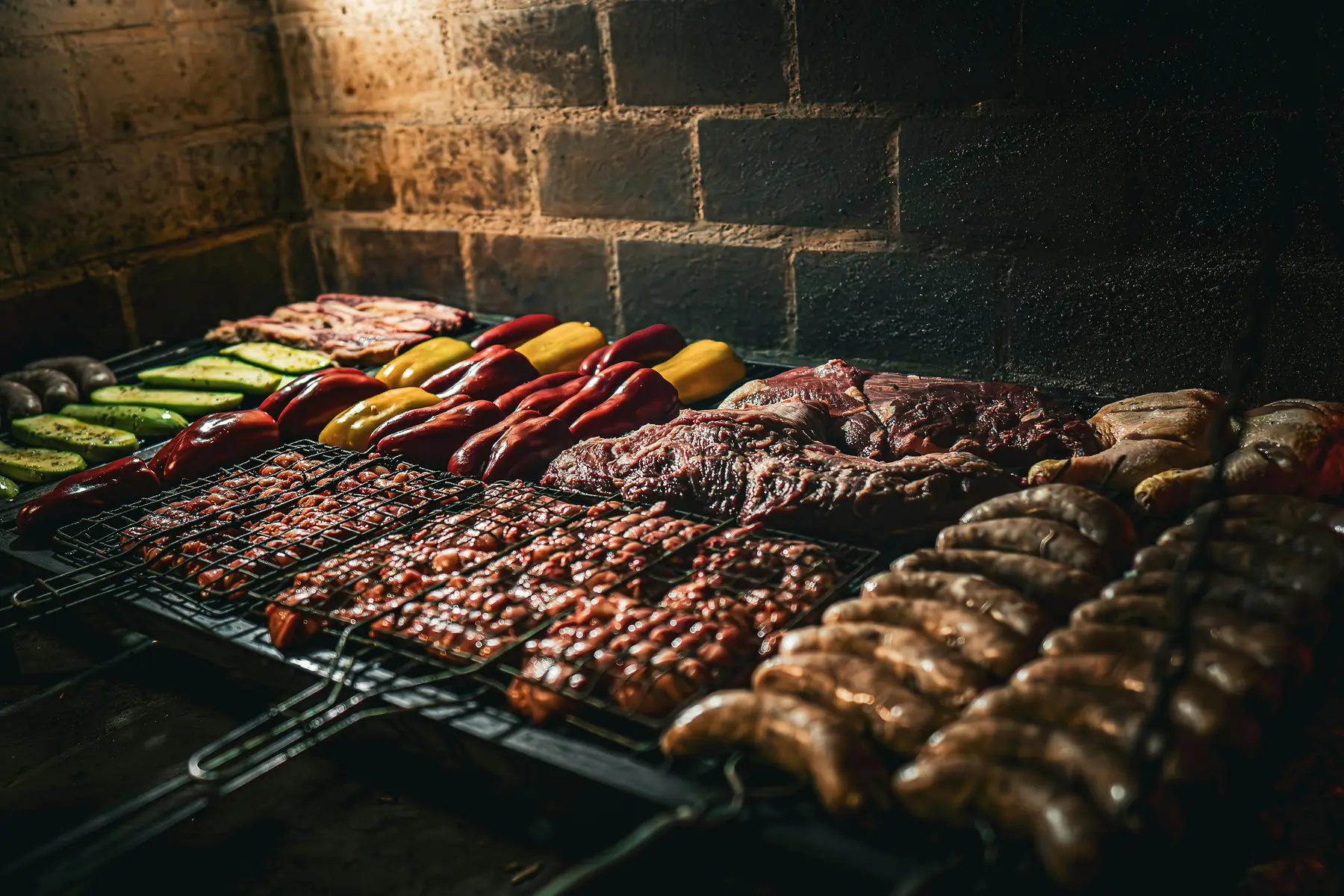
Yes, food in Patagonia is significantly more expensive than in the rest of South America, with costs often mirroring those found in the United States or Western Europe. For the 2026/27 season, travelers should expect to pay a premium of 30% to 50% more for groceries and restaurant meals compared to prices in Buenos Aires or Santiago.
This price hike is driven by the logistical challenges of transporting goods to the southern tip of the continent and the seasonal nature of the tourism economy. However, your actual spending will depend heavily on which side of the border you are on and how you manage currency exchange. This guide breaks down the specific costs you will encounter in both Chile and Argentina, from the price of a supermarket staple to a high-end estancia dinner, helping you navigate the Patagonian food landscape without overspending.
The Quick Verdict: Is Food Expensive in Patagonia?
For most travelers, food is the second largest expense after accommodation. While it is possible to survive on a very tight budget by self-catering, the “remote premium” is unavoidable in trekking hubs like El Chaltén or Puerto Natales.
A daily food budget for 2026/27 generally falls into three tiers. A budget traveler focused on supermarket shopping and quick snacks should plan for $25 to $35 USD per day. A mid-range traveler who enjoys one sit-down restaurant meal and a craft beer can expect to spend $50 to $75 USD. Those seeking fine dining, premium wines, and hotel breakfasts should budget $100 USD or more per day. These estimates are part of the broader total trip cost planning required for a successful expedition.
Patagonia Food Cost At-a-Glance
- Budget daily spend: $25 - $35 USD (Self-catering + snacks)
- Mid-range daily spend: $50 - $75 USD (1 restaurant meal + drinks)
- High-end daily spend: $100+ USD (Fine dining + premium wine)
- Cheapest hub: Bariloche, Argentina
- Most expensive hub: El Chaltén, Argentina and Torres del Paine, Chile
- Tap water: Safe and free in most areas
The prices you see are influenced by three primary factors: extreme remoteness, which adds significant transport costs to every calorie; the short five-month peak season where businesses must earn their annual revenue; and the volatile economic divide between Chile and Argentina.
Argentina vs. Chile: The Great Price Divide
Navigating the cost of food in Patagonia requires understanding two very different economic systems. Chile offers stability and predictability. Prices in Chilean pesos (CLP) are higher on paper, but they reflect a stable economy where the price you see in October is likely the same price you will see in March.
Argentina is more complex due to high inflation. While local prices in Argentine Pesos (ARS) may seem astronomical, travelers using foreign currency benefit from favorable exchange rates. As of the 2024/25 season, foreign credit and debit cards automatically receive the MEP (Electronic Payment Market) rate, which is significantly more favorable than the official rate. This often makes Argentinian Patagonia feel cheaper than the Chilean side for international visitors, though travelers should verify the current status of these exchange policies for the 2026/27 season.
When planning your route, consider that Chile is the place to buy high-quality, consistent grocery staples, while Argentina is where you should plan your “splurge” meals. A premium steak dinner that costs $60 USD in Chile might only cost the equivalent of $35 to $45 USD in Argentina when using the correct currency strategy.
Average Restaurant Prices in Patagonia (2026/27)
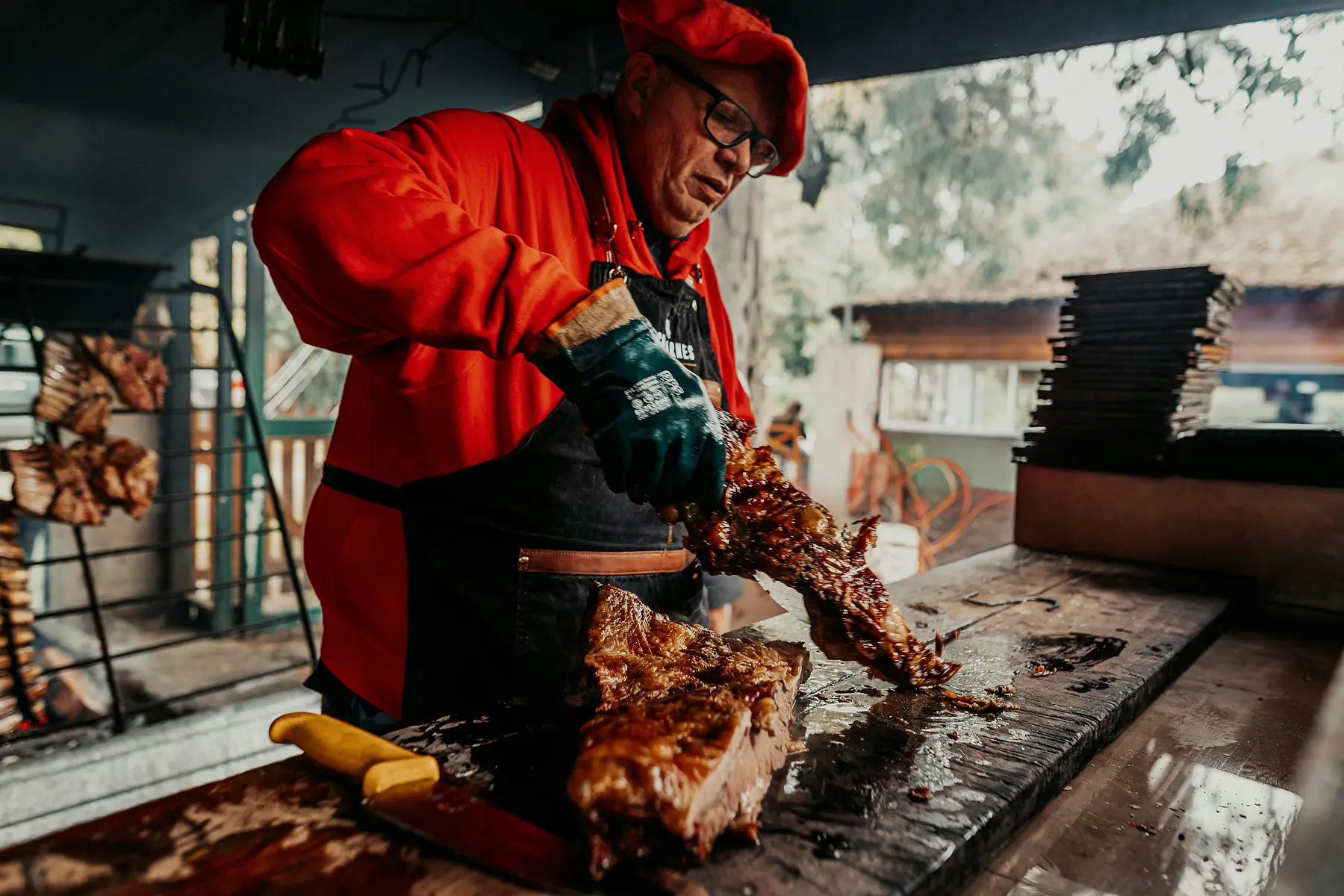
Dining out in Patagonia ranges from humble empanada shops to world-class asado grills. For the 2026/27 season, restaurant prices have adjusted to meet global inflation trends. A simple “Menu del Dia” (lunch special) in a gateway city like Punta Arenas or Bariloche typically costs between $15 and $22 USD.
In the mid-range category, a two-course meal with a glass of wine or a beer in a standard restaurant will cost between $30 and $50 USD per person. Fine dining experiences, particularly those featuring local specialties like Patagonian lamb (cordero) or king crab (centolla), often start at $65 USD and can easily exceed $120 USD at high-end estancias or boutique hotels.
The “Tourist Tax” is a real phenomenon in gateway towns. In El Calafate and Puerto Natales, prices are frequently 20% higher than in non-tourist cities because these towns exist almost exclusively to serve park visitors. For a deeper look at the specific dishes you will be paying for, see our guide on what to eat in Patagonia.
If you have specific dietary requirements, such as following a plant-based diet, expect to pay a slight premium of 10% to 15% in restaurants for specialty ingredients. You can find more details on finding and pricing these meals in our guide for vegetarians in Patagonia.
Supermarket Costs: Eating on a Budget
Self-catering is the most effective way to keep your food costs manageable. However, supermarket prices in Patagonia are not uniform. Fresh produce is the most expensive category because most fruits and vegetables are trucked in from thousands of kilometers away. By the time a head of lettuce reaches El Chaltén, it has traveled further than most international travelers.
For the 2026/27 season, a “survival basket” of basic goods in a major supermarket like La Anónima (Argentina) or Unimarc (Chile) is projected to cost the following (in USD equivalent):
- 1kg Pasta: $2.00 - $3.50 USD
- Dozen Eggs: $4.00 - $5.50 USD
- Liter of Milk: $1.40 - $2.10 USD
- Local Cheese (250g): $4.50 - $7.00 USD
- Apples/Bananas (per kg): $2.50 - $4.50 USD
Travelers preparing for the W Trek or O Circuit should buy all high-calorie trail food in Puerto Natales before heading into Torres del Paine National Park. Small kiosks inside the park charge exorbitant prices for basic items like snickers bars or instant noodles. Similarly, hikers in El Calafate should stock up before moving on to the smaller, more expensive shops in El Chaltén.
Specialty items like soy milk, tofu, or gluten-free pasta are increasingly available but remain very expensive. These items are often priced as luxury goods, sometimes costing double the price of their standard counterparts. If these are essential to your diet, check our vegetarian budget tips for the best places to find them.
The Cost of Drinks: Coffee, Beer, and Wine
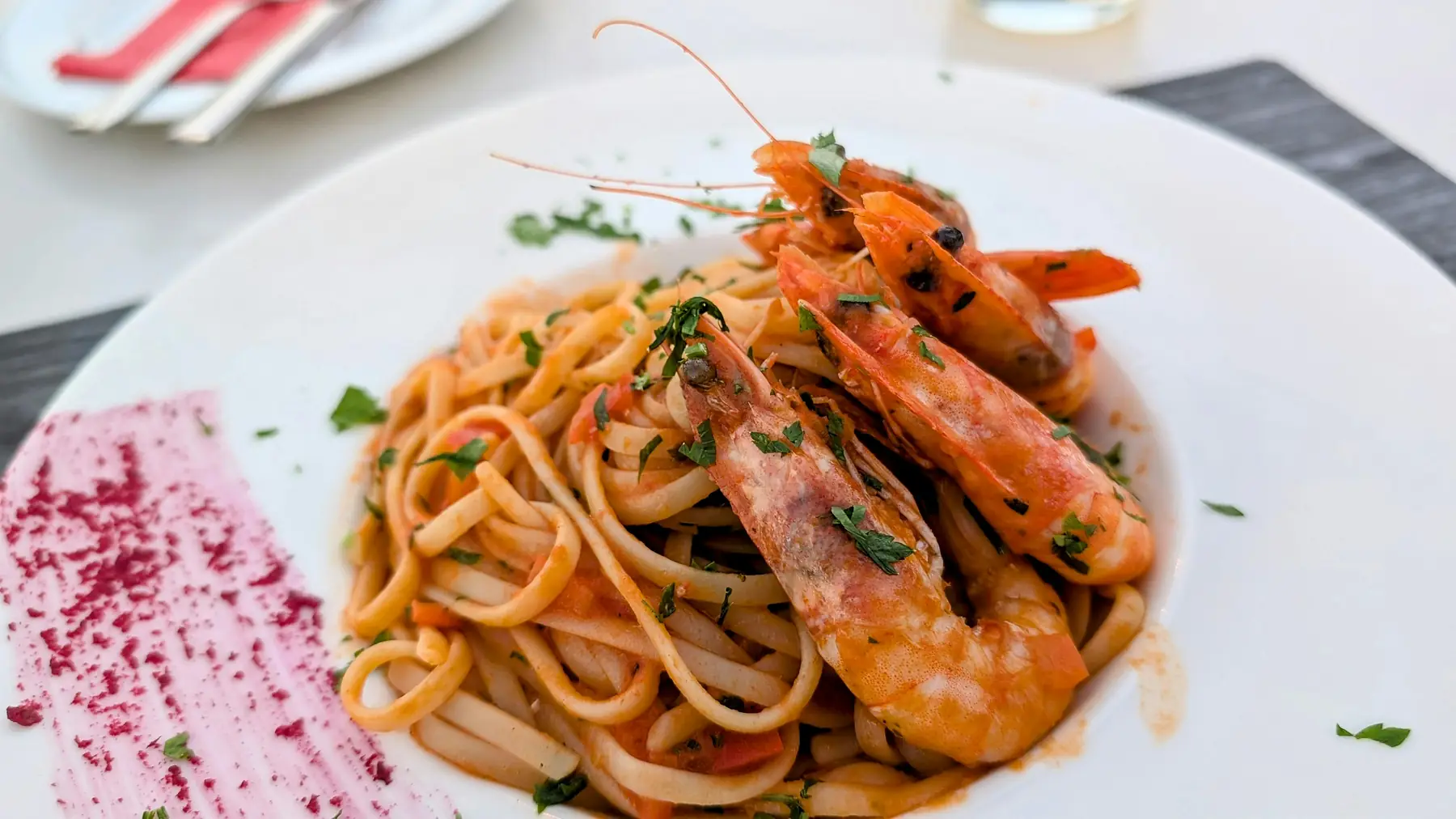
The “liquid budget” often catches travelers off guard. While tap water is safe and free in most of Patagonia, saving you roughly $4 USD per day, other drinks can add up quickly. A standard cortado or café con leche in a local café will cost between $3.50 and $5.50 USD in 2026.
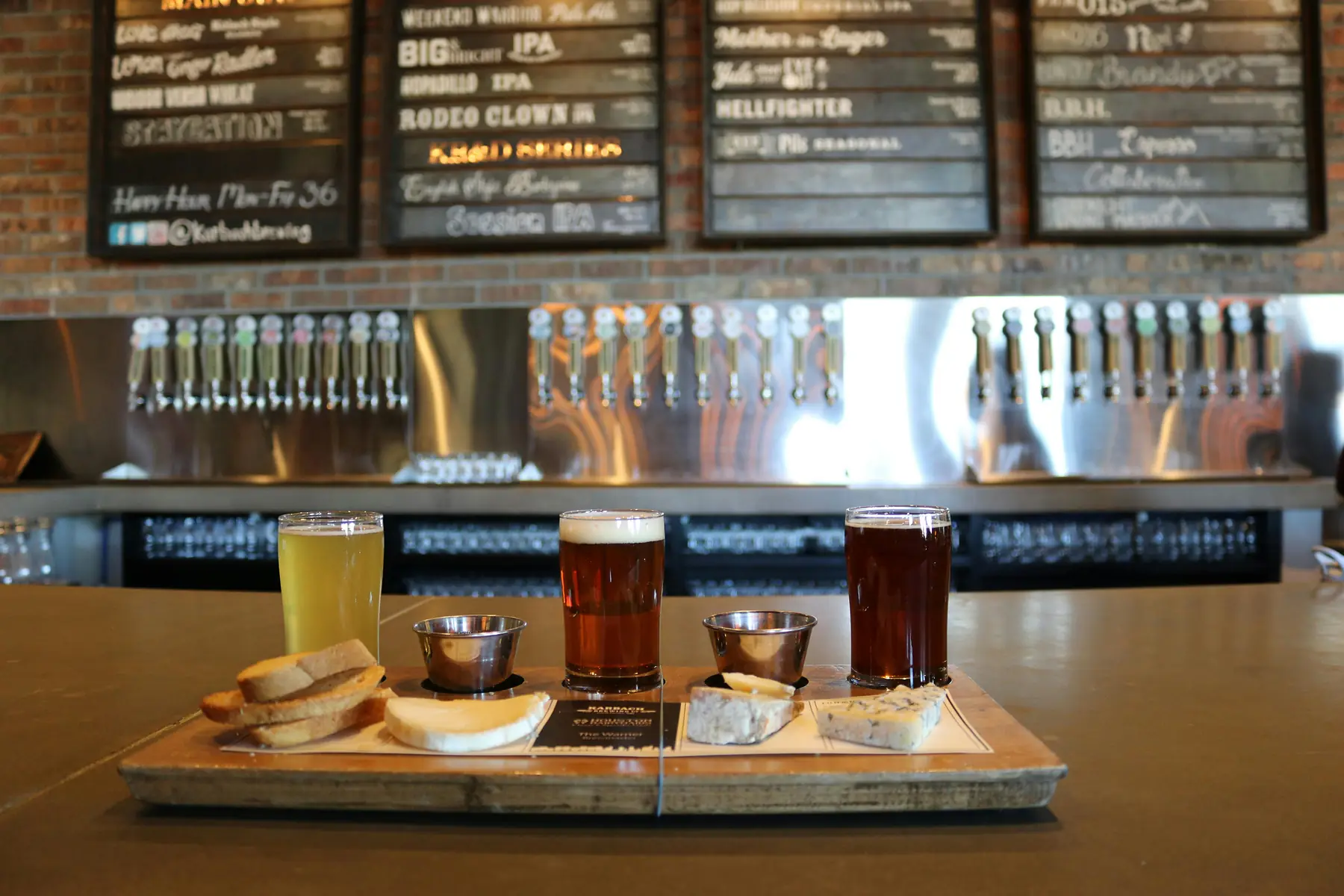
Patagonia has a thriving craft beer scene, but the days of “cheap” local pints are gone. Expect to pay between $6 and $9 USD for a 500ml pour of local IPA or Stout at a microbrewery. Wine remains the best value for money in the region, particularly in Argentina. A decent bottle of Malbec in a restaurant might cost $20 to $30 USD, while the same bottle in a supermarket could be as low as $7 to $12 USD.
To understand why the quality of these drinks justifies the price, you can explore our detailed guide to Patagonian wine and beer.
Regional Price Variations: Town by Town
Where you eat is just as important as what you eat. Prices fluctuate based on the strength of the local supply chain. Larger cities with ports or major airports offer the lowest prices, while “end of the road” trekking villages are the most expensive.
Town-by-Town Price Comparison
- Bariloche (Argentina): The most competitive prices in the region due to its large permanent population and better road links. Excellent for budget dining.
- Punta Arenas (Chile): Home to the “Zona Franca” (duty-free zone), this is the cheapest place in Chilean Patagonia to buy bulk groceries and imported snacks.
- El Calafate & Puerto Natales: These are gateway hubs. Prices are 15-20% higher than in the cities above, reflecting the high volume of tourists.
- El Chaltén (Argentina): High prices for fresh goods. Stock up on dry goods in El Calafate before arriving, as the small “almacenes” here have limited stock and high markups.
- Torres del Paine (Chile): The most expensive location. If you are not on a full-board trekking package, expect to pay $25 USD for a simple packed lunch or $45 USD for a basic refugio dinner.
The price jump between a city like Punta Arenas and a remote camp in Torres del Paine is significant. A liter of beer that costs $4 USD in a supermarket can cost $15 USD at a remote mountain lodge.
5 Practical Tips to Save Money on Food
If the projected 2026/27 prices feel daunting, there are several ways to mitigate the cost without sacrificing the experience of Patagonian cuisine.
Eat Your Large Meal at Lunch
Many restaurants in Argentinian and Chilean towns offer a “Menu del Dia” during lunch hours (12:00 to 15:00). These fixed-price meals are often 30-40% cheaper than the same items ordered a la carte during dinner.
Use the Correct Currency Strategy
In Argentina, use payment methods that access the MEP rate. As of 2024/25, this includes most foreign Visa and Mastercards. This effectively provides a significant discount compared to the official government exchange rate. Always check current 2026 regulations upon arrival.
Bulk Buy in Gateway Cities
Before heading to remote areas like El Chaltén or Villa O’Higgins, visit a large supermarket in Bariloche or Punta Arenas. Focus on high-weight, high-cost items like nuts, dried fruits, coffee, and specialty oils.
Carry a Reusable Bottle
While tap water is safe in most towns, carrying a bottle allows you to fill up for free. In national parks like Torres del Paine, the stream water is generally safe to drink, though a filter bottle provides extra peace of mind and eliminates the need to buy bottled water, which can cost $4 to $6 USD per liter in remote lodges.
Utilize Hostel Kitchens
Even if you only cook dinner twice a week, you can save over $100 USD on a ten-day trip. Most hostels in Patagonia have well-equipped kitchens specifically because they know how expensive dining out can be for their guests.
By balancing high-end experiences with smart supermarket shopping, you can enjoy the culinary highlights of Patagonia without your budget becoming as dramatic as the landscape. For a complete picture of your travel finances, visit our comprehensive budget guide.
FAQ Section
QUESTION: How much does a typical meal cost in Patagonia restaurants? ANSWER: In 2026, a mid-range dinner in Patagonia typically costs between $30 and $50 USD per person, including a drink, though budget options like empanadas can be found for under $15 for a full quick meal.
QUESTION: Is it cheaper to buy groceries in Argentinian or Chilean Patagonia? ANSWER: Grocery prices are generally lower in Argentinian Patagonia if you use the MEP exchange rate, though Chile offers more consistent availability of fresh produce in remote areas.
QUESTION: Why is food so expensive in El Calafate and Puerto Natales? ANSWER: Food prices in El Calafate and Puerto Natales are higher because most goods must be transported thousands of miles by truck, combined with a high “tourist premium” as these are primary park gateways.
QUESTION: How much should I budget per day for food in Patagonia? ANSWER: A budget traveler should plan for $25-35 USD per day (self-catering), while mid-range travelers should budget $50-75 USD to include one nice restaurant meal.
QUESTION: Is the tap water in Patagonia safe to drink? ANSWER: Yes, tap water in Patagonian towns and fresh glacial meltwater in national parks like Torres del Paine is safe and free, which helps significantly reduce your daily food and drink expenses.
QUESTION: Are supermarket prices higher inside the Patagonia national parks? ANSWER: Most national parks do not have full supermarkets; small kiosks inside places like Torres del Paine charge 2-3 times the price of shops in Puerto Natales for basic items.