Patagonia Beer & Wine Guide: Best Breweries & Malbec (2026)
Patagonia is a premier destination for both artisanal craft brewing and high-latitude viticulture, offering travelers everything from crisp, glacial-water ales to elegant, cool-climate Pinot Noirs. While the region was historically defined by industrial lagers, it has evolved into a sophisticated beverage hub where the extreme climate and pure water sources create flavor profiles found nowhere else on Earth.
Whether you are looking for a celebratory pint after finishing the W Trek or a sophisticated Malbec to pair with regional lamb, the drinking culture here is as much a part of the landscape as the granite peaks and ice fields. This guide breaks down the essential regions, varietals, and breweries that define the Patagonian drinking experience for the 2026 season.
Patagonia Drinks at a Glance
- Beer Capital: San Carlos de Bariloche (Argentina)
- Primary Wine Regions: Neuquén and Río Negro (Argentina)
- Signature Varietals: Pinot Noir, Cool-climate Malbec, Sauvignon Blanc
- Local Ingredients: Calafate berries, Michay, glacial meltwater
- Average Craft Pint: $4-6 USD (as of 2026/27 season)
- Key Chilean Brand: Cerveza Austral (Punta Arenas)
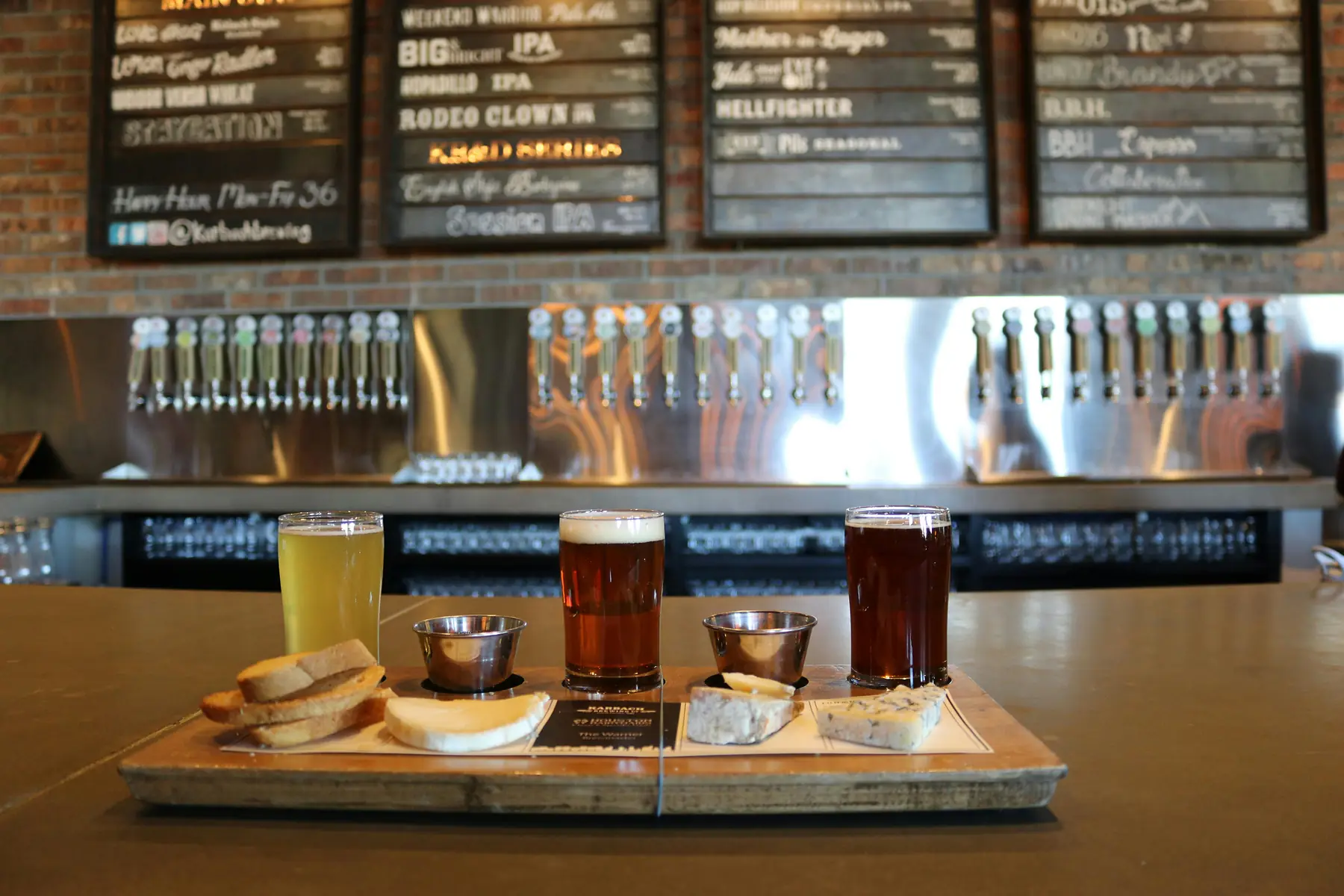
The Patagonian Craft Beer Revolution
The dominance of craft beer in Patagonia is the result of a perfect intersection between European heritage and pristine natural resources. The movement is centered in the Argentine Lakes District, where German and Swiss settlers arrived in the late 19th and early 20th centuries, bringing with them traditional brewing techniques and a preference for alpine-style lagers and ales.
The defining characteristic of Patagonian beer is the water. Most breweries in the region draw directly from glacial-fed lakes or mountain springs, resulting in a mineral profile that is exceptionally soft and clean. This purity allows the hops and malts to express themselves without the chemical interference found in municipal water supplies.
Beyond the water, local brewers increasingly incorporate wild Patagonian ingredients. It is common to find seasonal rotations featuring the Calafate berry (a tart, dark fruit similar to a blueberry) or Michay. In the valleys near El Bolsón, local hop production has also surged, providing brewers with fresh, aromatic flowers that haven’t suffered the oxidation of long-distance transport.
To explore the heart of this culture, many travelers begin their journey in the Lakes District, where the density of microbreweries is the highest in South America.
Bariloche: The Craft Beer Capital
San Carlos de Bariloche is the undisputed epicenter of South American brewing culture. The city features a dedicated “Circuito Cervecero” (Brewery Circuit), particularly around the area of Colonia Suiza, where traditional wooden taprooms sit nestled among coihue forests.
The most famous destination is Cervecería Patagonia, located at Kilometer 24.7 of the Circuito Chico. While this brand is now owned by a global conglomerate (AB InBev), its flagship taproom remains a must-visit for its architectural design and its panoramic view of Lake Moreno and the Andes. However, for those seeking a more artisanal experience, the local stalwarts offer a deeper look into the region’s craft.
If you visit Cervecería Patagonia, go for the “24.7” view but stay for the limited-edition experimental batches that aren’t distributed nationally. For a more authentic local vibe, head back toward the city center to Manush or Blest.
Three breweries define the Bariloche scene:
- Blest: The pioneer of the region, founded in 1989. They maintain multiple locations, including their historic “Club Cervecero” at Km 3.850 of Av. Bustillo and a downtown taproom.
- Berlina: Known for its more aggressive, hop-forward styles and its impressive facility in Colonia Suiza. Their India Pale Ale uses local hops to great effect.
- Manush: With locations in the city center (Morales and Neumeyer) and at Km 4, this gastropub is famous not just for its beer, but for its integration of regional food. It is arguably the best place to see how beer and Patagonian ingredients pair together.
Post-Hike Pints: The El Chaltén Brewery Scene
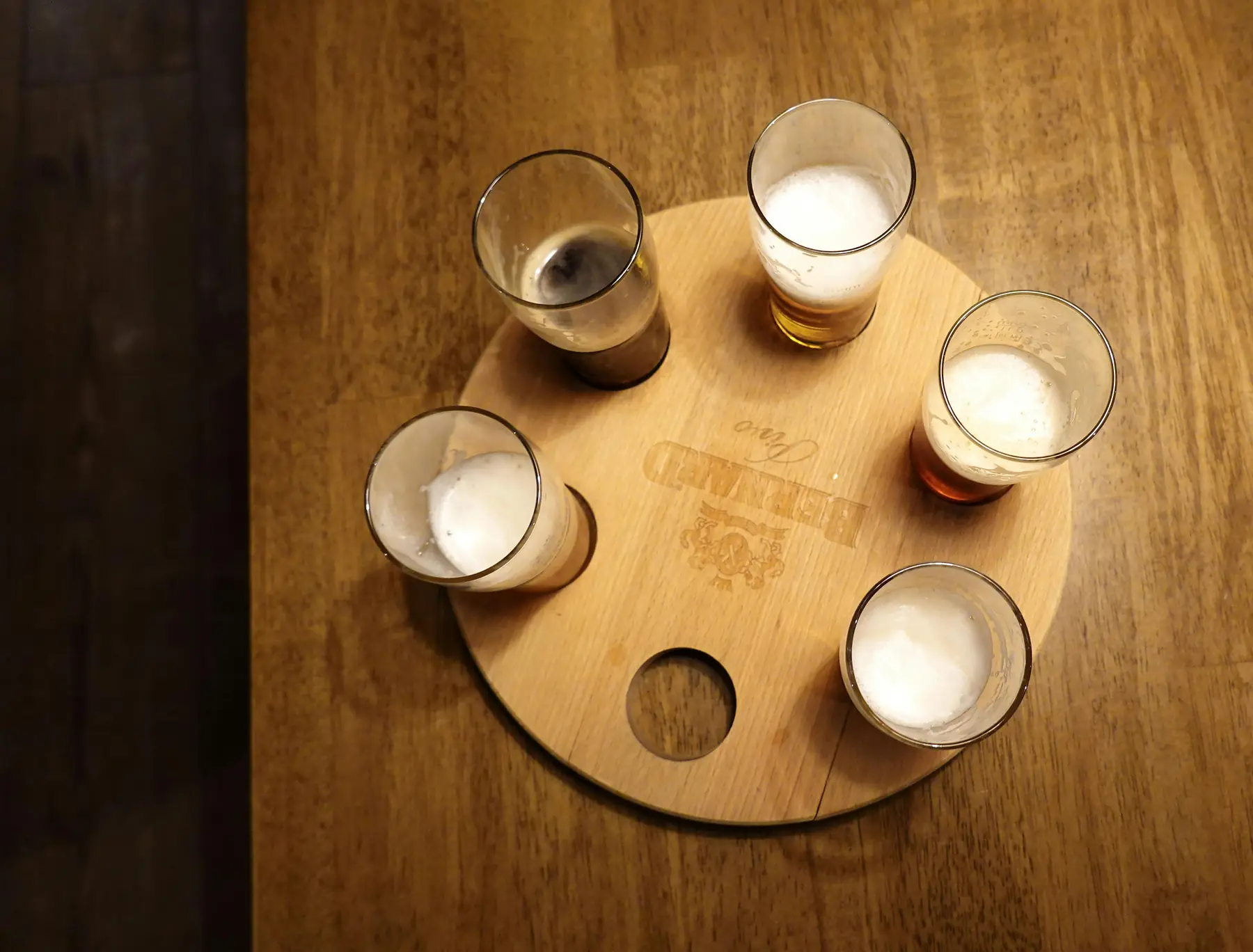
In the trekking capital of El Chaltén, beer is more than a beverage; it is a social ritual. After a 20-kilometer hike to Laguna de los Tres, the main street of San Martín fills with hikers still in their boots, sharing stories over pints of “End of the World” ale.
The scene here is smaller but more concentrated than in Bariloche. La Cervecería is the original hub, serving a famous Locro (traditional stew) alongside their house-brewed Pilsen and Bock. Bajo el Sauce offers a more intimate, garden-style atmosphere, while Fresco has emerged as a modern favorite for those looking for contemporary craft styles like Hazy IPAs.
Most breweries and restaurants in El Chaltén operate on a seasonal basis, typically closing from May through September. If you are visiting during the winter months, expect only a handful of venues to remain open, with many closing entirely by mid-May.
Just three hours south, the town of El Calafate has developed its own distinct scene. La Zorra Taproom is the standout here, offering a wide range of styles in a large, industrial-chic space that serves as the primary social hub for travelers returning from the Perito Moreno Glacier.
For more information on where to base yourself between hikes, see our guide to El Chaltén.
Patagonian Wine: Cool-Climate Viticulture
While Mendoza is famous for its sun-drenched, high-altitude Malbecs, Patagonian wine is defined by its latitude and its wind. The region’s primary vineyards are located in the provinces of Neuquén (specifically San Patricio del Chañar) and Río Negro. These are among the southernmost commercial vineyards in the world.
The geography here is characterized by a desert landscape with dramatic thermal shifts between day and night. However, the most influential factor is the “Patagonian Wind.” The constant, forceful gusts in the Neuquén valley cause the grapes to develop thicker skins as a protective measure. These thicker skins lead to deeper color, more concentrated tannins, and a higher level of antioxidants in the wine.
Compared to the rest of Argentina, Patagonian wines generally have higher natural acidity, lower alcohol levels, and more pronounced aromatic profiles. They are often described as “elegant” rather than “bold.”
- Climate: High-altitude, intense sun | Climate: High-latitude, cool nights, intense wind
- Flavor Profile: Jammy, dark fruit, chocolate | Flavor Profile: Fresh cherry, floral, mineral
- Alcohol: Typically 14.5% - 15.5% | Alcohol: Typically 13.5% - 14.5%
- Structure: Soft tannins, full body | Structure: Firm tannins, medium body
Choose Patagonia if you prefer a more nuanced, food-friendly wine with higher acidity and fresh red fruit notes.
The Stars of the Vineyard: Pinot Noir and Malbec
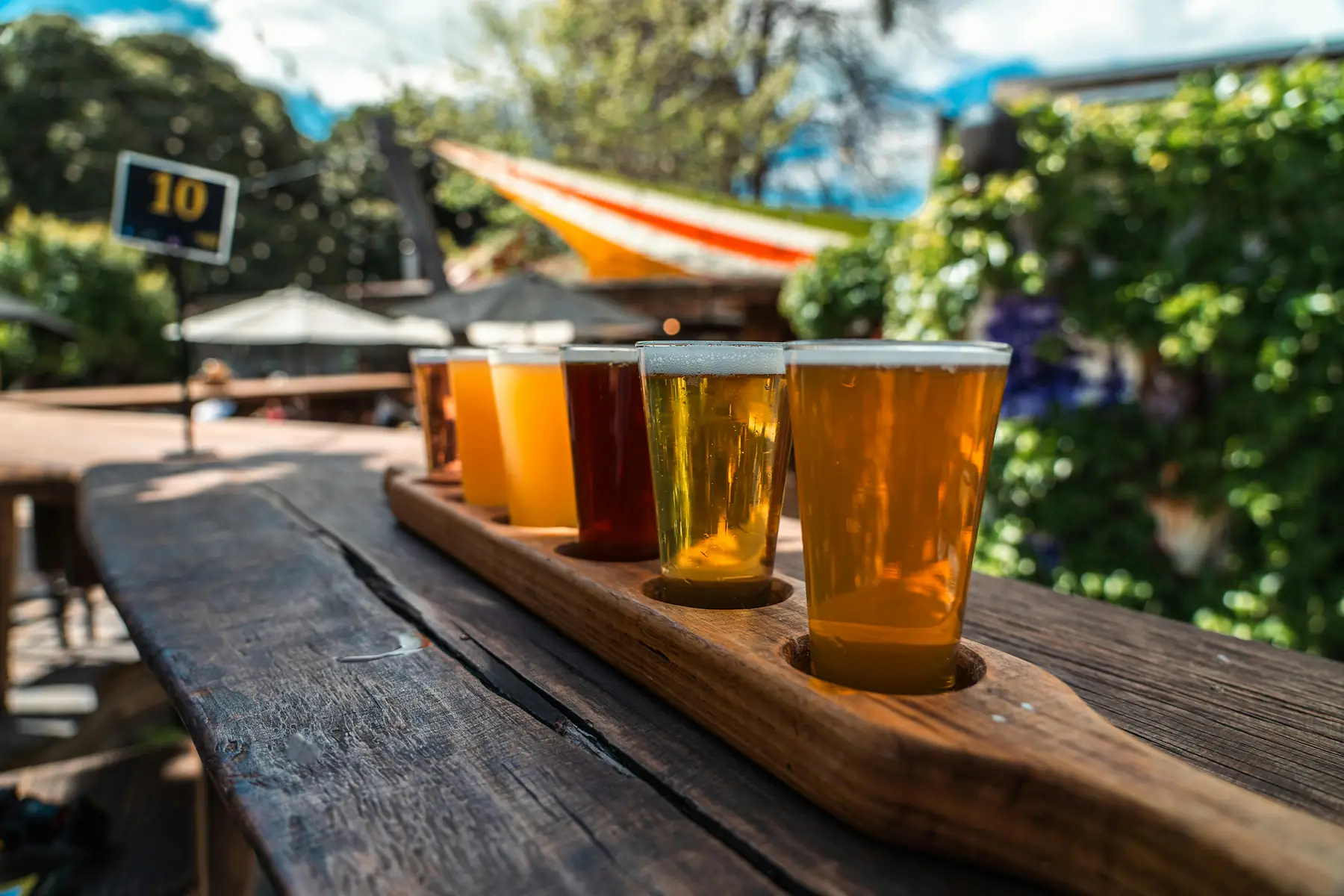
If there is one grape that has found its true home in the cool southern reaches of Argentina, it is Pinot Noir. The Río Negro valley, with its old vines and alluvial soils, produces Pinot Noirs that are widely considered the best in South America. These wines are prized for their earthy, mushroomy undertones and bright red berry flavors, standing in stark contrast to the fruit-heavy versions found in warmer climates.
Labels from Bodega Chacra (founded by the grandson of the owner of Sassicaia) have achieved international acclaim. Their ‘Treinta y Dos’ (32) label has famously earned 100-point scores from critics like James Suckling, while the ‘Cincuenta y Cinco’ (55) consistently ranks among the world’s top Pinot Noirs. Bodega del Fin del Mundo in Neuquén also produces exceptional examples that are more accessible to the average traveler.
The Patagonian Malbec is also a revelation. It trades the “jammy” sweetness of Mendoza for notes of violet, black pepper, and fresh plum. Additionally, the region is seeing a surge in high-quality white wines, particularly Sauvignon Blanc and Chardonnay, which benefit from the long ripening season and cool nights to maintain a zesty, flinty character.
You can learn more about how these wines fit into the broader Patagonian food culture in our dedicated culinary overview.
Chilean Patagonia: Austral Beer and Pisco
On the Chilean side of the border, the beverage landscape is dominated by a sense of history and a single berry. The most ubiquitous brand is Cerveza Austral, founded in 1896 in Punta Arenas. It remains the southernmost brewery in the world of its scale. Their “Lager” and “Calafate” ale are available in almost every corner of Chilean Patagonia.
In Puerto Natales, the gateway to Torres del Paine, a more modern craft scene has taken root. Baguales Brewpub, located on the main plaza, is the local favorite. They produce a range of unpasteurized, unfiltered ales that are a welcome change from the industrial lagers found in the park’s refugios.
Beyond beer, the “Calafate Sour” is the region’s signature cocktail. It is a variation of the classic Pisco Sour, substituting or adding the juice of the Calafate berry. The result is a deep purple, sweet-and-tart drink that is a mandatory tasting for any first-time visitor to the Magallanes region.
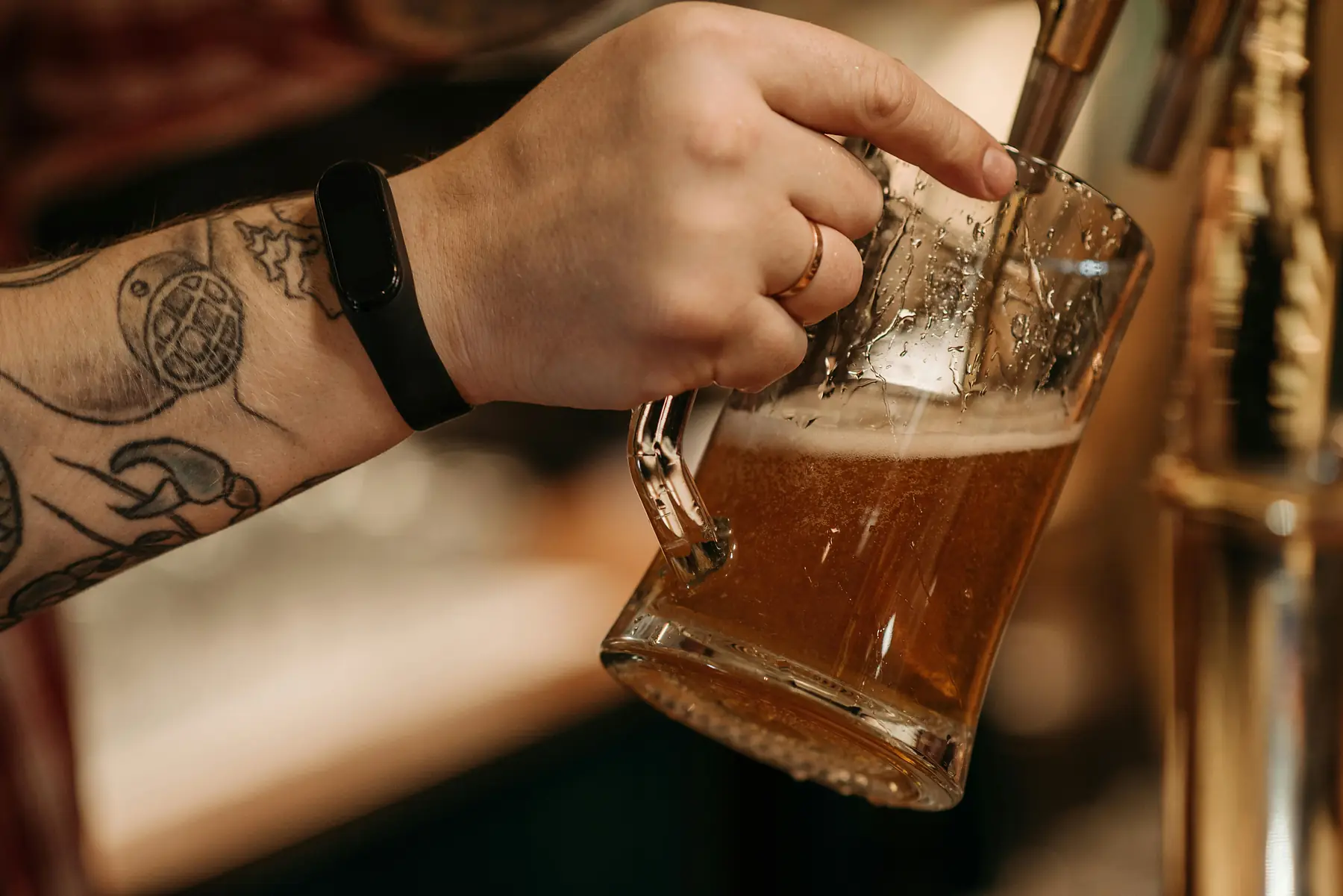
Essential Drinking Experiences in Patagonia
To truly understand the region’s drink culture, there are a few specific experiences that go beyond a standard bar visit.
One of the most unique is a visit to Bodega Schroeder in Neuquén. During the construction of the winery, workers discovered the fossilized remains of a previously unknown dinosaur (the Panamericansaurus schroederi). The winery integrated the find into its architecture, and you can now taste their “Saurus” line of wines in a cellar built around the original excavation site. Guided tours are available daily (typically at 10:30, 12:00, 13:30, and 15:00) and require advance booking via their website or WhatsApp.
In the far south, visiting the Beagle Brewery in Ushuaia allows you to drink a “Fin del Mundo” (End of the World) beer at the literal tip of the continent. The brewery uses water from the Martial Glacier, providing a crispness that matches the Antarctic air outside.
For the ultimate pairing, try a glass of Patagonian Pinot Noir or a cool-climate Syrah with traditional Patagonian Lamb. The acidity of the wine cuts through the richness of the slow-roasted meat, creating the region’s most iconic culinary match.
How to Buy and Bring Patagonia Home
When purchasing wine or beer to take home, your best bet is to visit a “Vinoteca” (specialty wine shop) rather than a supermarket. Shops in Bariloche, El Calafate, and Puerto Natales offer better storage conditions and a wider selection of small-production labels that never reach the supermarket shelves.
If you are planning to bring bottles back on a flight, be aware of the following:
- Airline Limits: Most international airlines allow you to check wine in your luggage, provided it is packed securely. Special padded wine bags (like “WineSkins”) are highly recommended.
- Customs Allowances: Regulations vary significantly by destination. For example, the US allows 1 liter duty-free per person, while the UK allows up to 18 liters of still wine. Always check the 2026 limits for your specific home country before purchasing in bulk.
- Shipping: Major wineries like Bodega del Fin del Mundo offer international shipping services, though the cost of freight and duties often exceeds the price of the wine itself.
For more practical advice on budgeting for your trip, including the cost of drinks and groceries, see our guide on Patagonia travel costs.
If you want to complete the culinary picture, explore our guide to the region’s best dishes.
FAQ
QUESTION: Is the craft beer in Bariloche expensive? ANSWER: While slightly more expensive than industrial lagers, craft beer in Bariloche is very affordable by international standards, typically costing $4–$6 USD per pint. For a full breakdown of beverage and meal costs, see our guide on Patagonia food prices.
QUESTION: Can I visit wineries in Argentine Patagonia? ANSWER: Yes, most wineries in the Neuquén and Río Negro regions offer tours and tastings, though you often need to book in advance and arrange transport from Neuquén city. Bodega Schroeder and Bodega del Fin del Mundo are the most popular for visitors.
QUESTION: What is the most famous beer in Patagonia? ANSWER: Cerveza Austral (Chile) and Cervecería Patagonia (Argentina) are the most widely recognized brands, though local craft labels like Blest and Berlina are more popular with enthusiasts.
QUESTION: Are there breweries in El Chaltén for hikers? ANSWER: Yes, El Chaltén has a vibrant brewery scene centered around the main street (San Martín), with La Cervecería and Bajo el Sauce being top picks for post-hike drinks. Most of these spots are filled with hikers every evening during the trekking season.
QUESTION: Is Patagonian wine different from Mendoza wine? ANSWER: Yes, Patagonian wine comes from a cooler climate with intense winds, resulting in more elegant, acidic, and aromatic wines compared to the bolder, riper, and higher-alcohol profiles found in Mendoza.
QUESTION: Can I find craft beer in Torres del Paine? ANSWER: While there are no breweries inside Torres del Paine National Park, most refugios and hotels serve local craft beers from Puerto Natales, such as Baguales. Expect to pay a premium for these inside the park due to transport costs.