
What to Eat in Patagonia: 22 Traditional Dishes (2026/27 Guide)
What you eat in Patagonia is defined by its geography: slow-roasted lamb from the windswept steppes, king crab from the sub-antarctic fjords, and wild berries found nowhere else on earth. To eat here is to understand a landscape where fire, sea, and survival have shaped every traditional recipe.
For most travelers, the must-try culinary experience is Cordero al Palo (spit-roasted lamb), followed closely by the Centolla (King Crab) of the southern channels. Beyond these icons, the region offers a surprisingly deep map of flavors, ranging from Welsh survival cakes in the east to ancient pit-cooked stews in the north.
This guide focuses on the essential dishes and ingredients that define the region. If you are looking for the deeper history, preparation techniques, and cultural rituals behind these meals, see our guide to traditional Patagonian dishes.
The Patagonia Food Bucket List
If you only have a week in the region, these are the essential flavors to seek out:
- Cordero al Palo: Whole lamb slow-roasted over an open fire.
- Centolla: Fresh Magellanic King Crab, often served “natural” or in a creamy stew.
- Empanada de Cordero: A regional twist on the classic pastry, filled with shredded lamb.
- Torta Negra Galesa: A dense, spiced Welsh “black cake” found in the Chubut province.
- El Calafate Berries: Eaten fresh or found in jams, ice cream, and cocktails.
- Sopaipillas: Fried pumpkin dough, perfect for a rainy afternoon.
- Guanaco: A lean, wild game meat that tastes like a cross between beef and venison.
Patagonia Dining at a Glance
- Primary Meat: Grass-fed lamb (Cordero) and beef (Asado).
- Primary Seafood: King Crab (Centolla) and Southern Hake (Merluza Austral).
- Cultural Influence: Gaucho (Spanish/Indigenous), Welsh, and German.
- Key Flavor Profile: Smoky, salt-forward, and berry-sweet.
- Meal Timing: Lunch is often the main meal; dinner starts late (20:00 or 21:00).
Patagonian Snacks & Street Food
Before committing to a multi-hour roast, most travelers encounter Patagonia’s food through its vibrant snack culture. These are the daily staples that keep hikers fueled and locals satisfied during the long, cold winters.
The empanada is the undisputed king of handheld food here. While you will find standard beef and cheese versions across South America, the Empanada de Cordero is the true regional specialty. It features slow-cooked, shredded lamb seasoned with mild spices, often including a hint of green onion or raisins. Because these are more labor-intensive than beef empanadas, they are often slightly more expensive but far more rewarding.
On the Chilean side, keep an eye out for Sopaipillas. These are discs of fried dough made with a base of cooked pumpkin (zapallo). They are crispy, golden, and best enjoyed hot from a street stall on a rainy day in Puerto Natales or Punta Arenas. Most locals top them with Pebre, a spicy Chilean salsa made of cilantro, onions, garlic, and ground chili peppers.
If you are traveling through Argentine Patagonia, you will frequently see Picadas on the menu. This is a communal platter of cured meats, local cheeses, olives, and bread. In Patagonia, a high-quality picada will often feature regional additions like smoked trout or venison salami. It is the social heart of Argentine dining, designed to be shared over a bottle of wine while waiting for the main course.
- Size: Typically larger (the size of a dinner plate). vs. Smaller (hand-sized).
- Cooking Method: Usually baked (al horno). vs. Can be baked or fried.
- Common Filling: “Pino” (beef, onion, egg, olive, raisin). vs. Single-ingredient focus (Beef, Lamb, or Cheese).
- Regional Star: Empanada de Centolla (King Crab). vs. Empanada de Cordero (Lamb).
For a hearty meal, choose Chilean. For a variety of flavors as a snack, go Argentine.
For those trying to manage their budget while exploring these flavors, snacks and street food are your best allies. You can learn more about daily food costs and supermarket prices in our guide: Is food expensive in Patagonia?
The Icons: Patagonian Meat & Fire
Meat is not just a food group in Patagonia: it is a cultural cornerstone. The ritual of the fire is deeply tied to gaucho traditions, where the method of cooking is as important as the cut of meat itself.
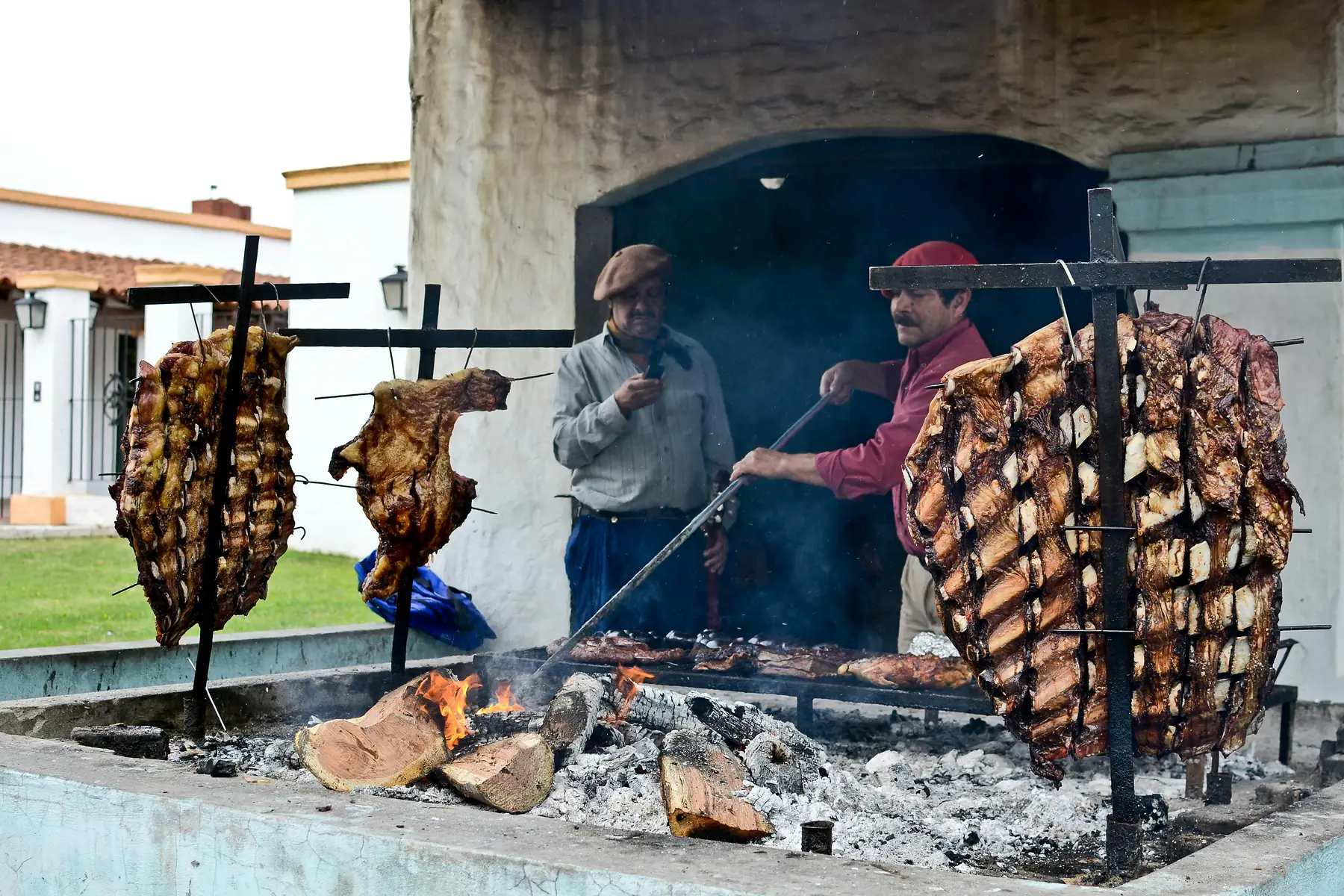
Cordero al Palo is the region’s most famous dish. A whole lamb is splayed on a metal cross (the asador) and angled over a slow-burning fire of Lenga wood. The process takes between four and six hours. The result is meat that is incredibly tender on the inside with skin that has been rendered into a salty, smoky crackling. The wood choice is critical - Lenga provides a steady, subtle heat that doesn’t overwhelm the natural flavor of the grass-fed lamb.
While lamb is the star of the south, the Asado (Argentine BBQ) remains the standard for beef lovers. Unlike a North American barbecue, an asado uses only salt and fire. You won’t find thick sauces here. Instead, the meat is accompanied by Chimichurri, a vibrant herb-based sauce made from parsley, oregano, garlic, oil, and vinegar.
In recent years, Guanaco has begun appearing on high-end menus. This wild camelid provides a very lean, dark red meat. In Argentina, it is commercially processed primarily in Santa Cruz, while in Chile, it is harvested under strict quotas, mostly in Tierra del Fuego. It is often served as a tartare, in stews, or as a grilled loin. Because it is so lean, it requires careful preparation to avoid becoming tough, but when done correctly, it offers a flavor that is cleaner and more “wild” than traditional beef.
When ordering Cordero al Palo, ask for a mix of “costillitas” (ribs) and “pierna” (leg). The ribs offer the best crispy fat and flavor, while the leg provides the meatiest, most tender bites.
From the Cold Waters: Patagonian Seafood
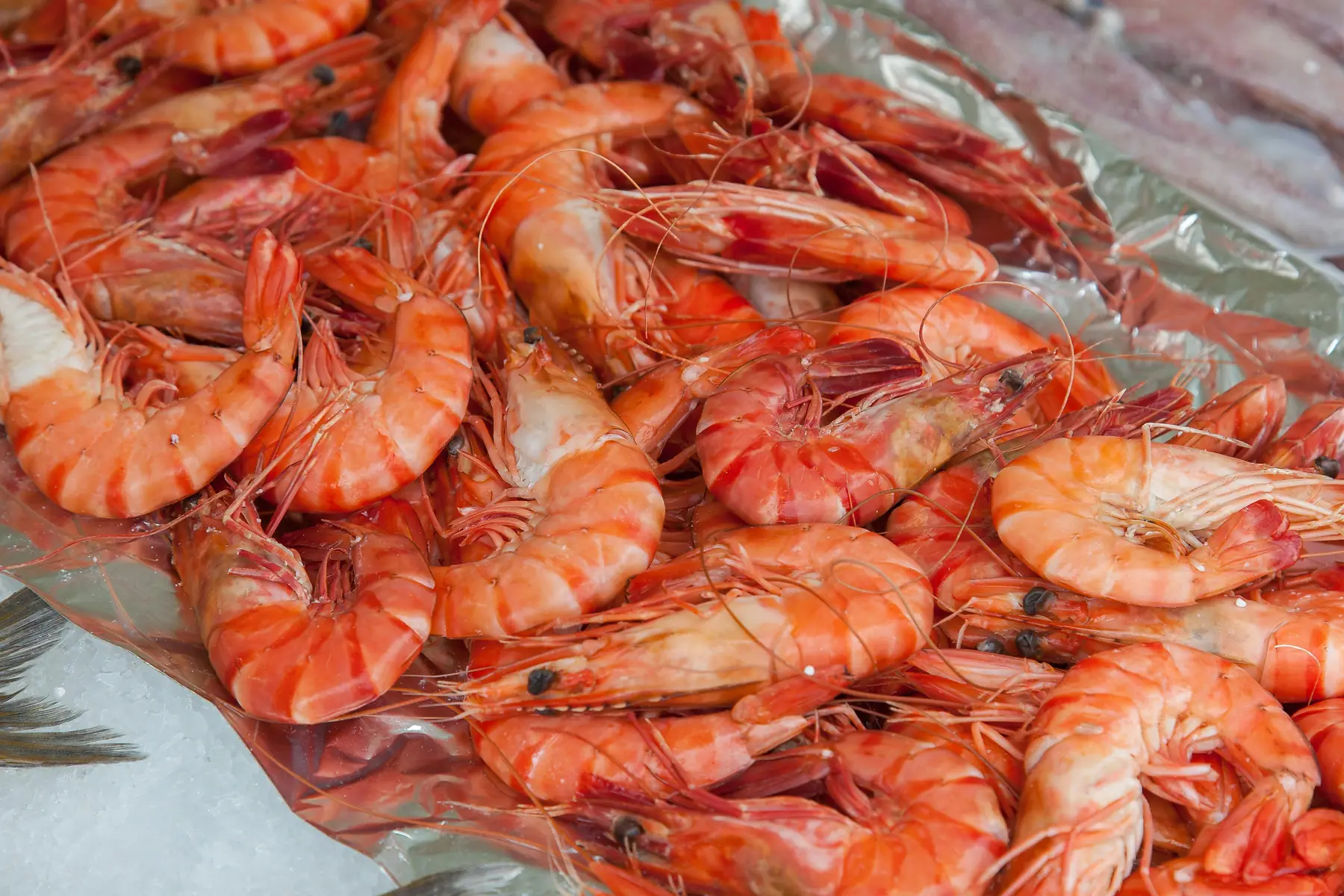
As you move toward the coast and the southern fjords, the menu shifts from the steppe to the sea. The cold, nutrient-rich waters of the Beagle Channel and the Chilean fjords produce some of the most sought-after seafood in the world.
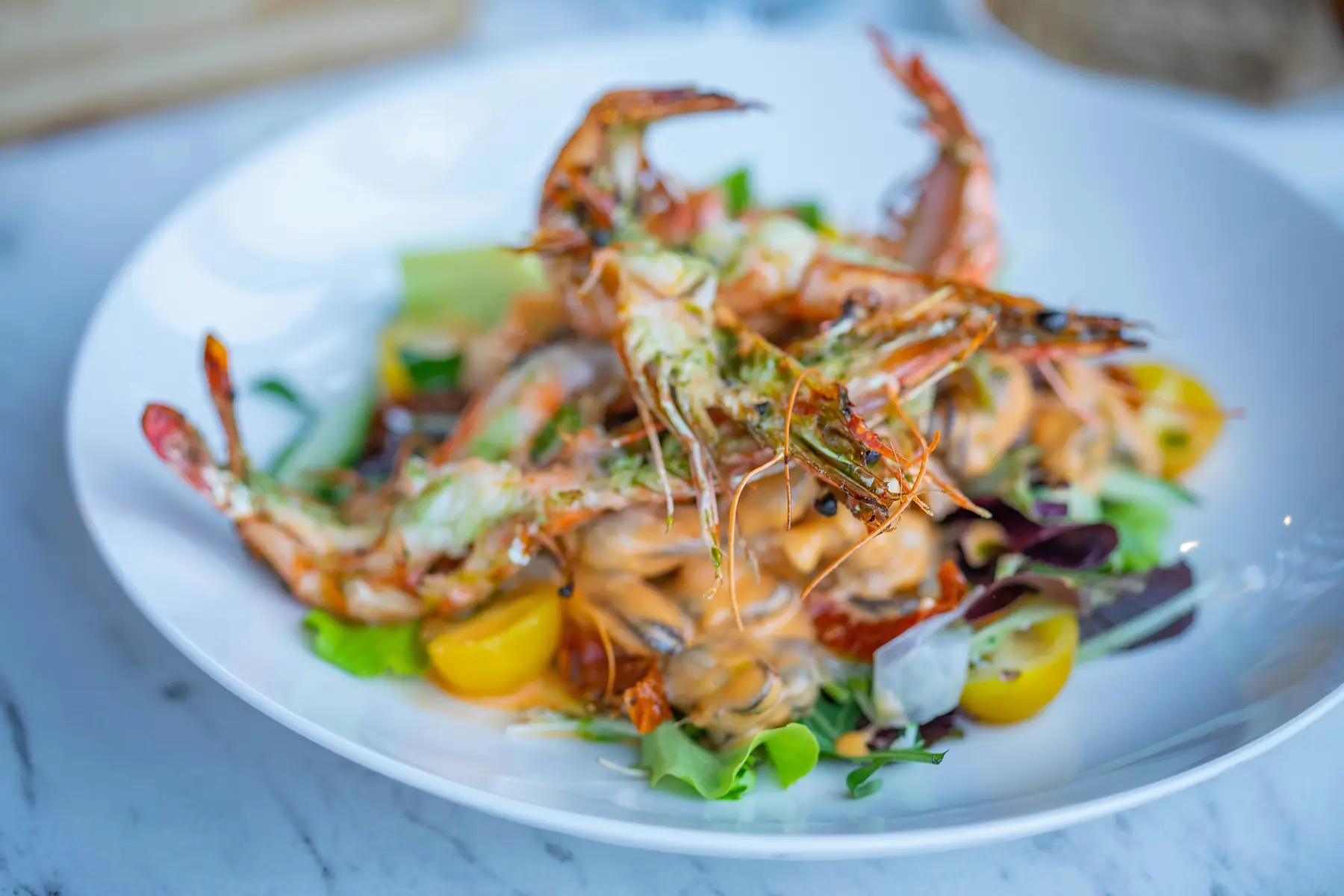
Centolla, or Magellanic King Crab, is the undisputed prize. Unlike the North Pacific varieties, Centolla is known for its delicate, sweet flavor and firm texture. In Ushuaia and Punta Arenas, you will see it displayed in tanks at restaurant entrances. The best way to eat it is “natural” - simply steamed and served with a side of lemon or a light mayonnaise. Note that fresh King Crab is seasonal; the main harvest typically runs from July through January, with a closed season (veda) usually occurring between March and June.
If you want something heartier, look for Chupe de Centolla. This is a rich, savory crab “pie” or gratin. It is made by mixing crab meat with breadcrumbs soaked in milk, cream, cheese, and spices, then baking it in a clay bowl until the top is golden and bubbling. It is the ultimate comfort food for a cold Patagonian evening.
For a standard fish main, Merluza Austral (Southern Hake) is the local favorite. It is a versatile white fish with a flaky texture that holds up well to grilling or pan-searing. You will also find an abundance of shellfish, including Ostiones (scallops) and Mejillones (mussels), which are often served in massive pots steamed with white wine and garlic.
If you are heading to the “End of the World” specifically for the seafood, our guide to Ushuaia covers the best areas to find authentic crab houses.
The Chiloé Influence: Curanto
In Northern Chilean Patagonia, particularly around the Lake District and Chiloé Island, the culinary landscape is dominated by Curanto. This is one of the oldest cooking methods in the Americas, dating back thousands of years.
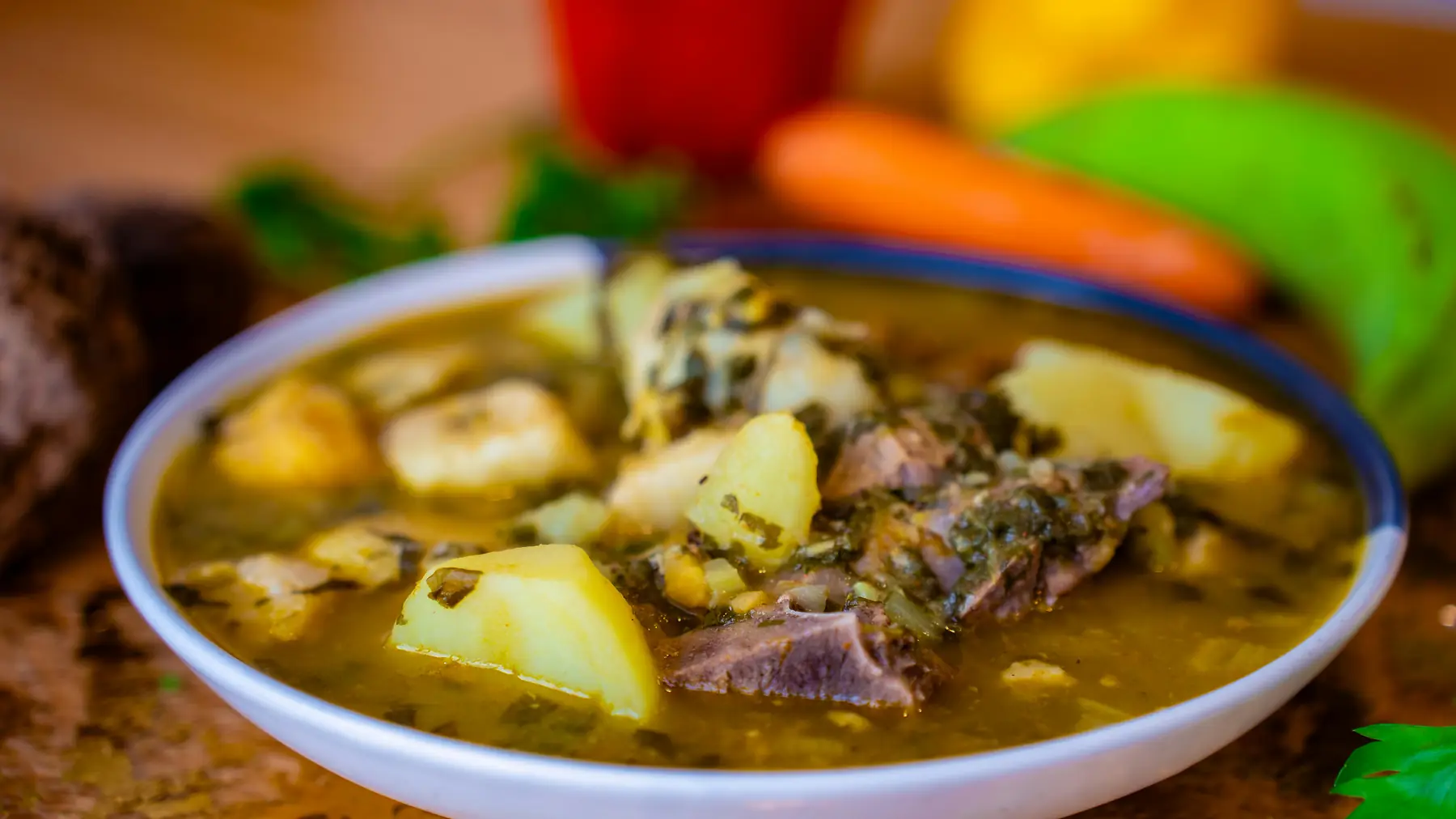
Traditional Curanto en Hoyo is prepared in a pit dug into the ground. Hot stones are placed at the bottom, followed by layers of shellfish, chicken, pork, lamb, longaniza (sausage), and various types of potatoes. The entire pile is covered with large Nalca (Chilean rhubarb) leaves and damp sacks, then buried under earth. While the preparation and stone-heating take several hours, the actual steaming process typically takes between one and two hours.
The result is a massive, smoky feast where the juices of the meat and seafood mingle. Two essential side dishes are always present: Milcao (a fried pancake made of grated raw and mashed cooked potatoes) and Chapalele (a boiled potato and flour dumpling). While the full pit-cooked version is often a community event known as a Mingaco, many restaurants serve a “Pulmay,” which is the same combination of ingredients cooked in a large pot.
Local Guide, CastroCuranto is not just a meal; it is the taste of the earth and the sea meeting in a single hole. You cannot rush it, and you certainly cannot eat it alone.
The Welsh Heritage: Tea & Torta Negra
One of Patagonia’s most surprising culinary traditions is found in the Chubut province of Argentina. In towns like Gaiman and Trevelin, the descendants of Welsh settlers have maintained a tea culture that feels like a time capsule from the 19th century.
The centerpiece of this tradition is the Torta Negra Galesa (Welsh Black Cake). This was originally a “survival cake,” created by the first 153 Welsh settlers who arrived on the Mimosa in 1865. Facing a harsh, semi-arid landscape, they pooled their limited resources—flour, sugar, dried fruits, and spices—to create a dense cake soaked in liquor that could be preserved for months.
A traditional Welsh Tea service is an elaborate affair. For a fixed price, you are served a bottomless pot of tea along with a spread of scones, fresh bread, local jams (usually rosehip or cherry), creamed butter, and up to half a dozen different types of cakes and tarts. It is a mandatory stop for anyone traveling through the eastern steppes.
The Scone
The Savories
The Black Cake
Wild Berries & Sweet Treats
The Patagonian summer brings a brief but intense explosion of wild berries. These fruits find their way into everything from morning toast to evening cocktails.
The El Calafate berry is the most famous. It is a small, dark blue fruit that looks like a blueberry but has a more tart, complex flavor profile. Legend says that anyone who eats a Calafate berry is destined to return to Patagonia. The berries typically ripen in the height of summer, between January and March. You will find it in jams, ice creams, and the increasingly popular Calafate Sour (a regional twist on the Pisco Sour).
Other berries to look for include:
- Rosa Mosqueta (Rosehip): These bright orange seed pods grow wild everywhere. The jam is a staple on every breakfast table in the region.
- Murtilla: A small red berry with a unique, slightly spicy aroma, common in the Chilean Lake District.
- Michay: Similar to the Calafate but smaller and slightly more acidic.
For those with a sweet tooth, the rivalry between Dulce de Leche (Argentina) and Manjar (Chile) is constant. Both are caramelized milk spreads, though Argentine Dulce de Leche tends to be slightly darker and more vanilla-forward, while Chilean Manjar is often creamier. You will find these sandwiched between shortbread cookies in Alfajores, which in Patagonia are often coated in dark chocolate and filled with a layer of berry jam alongside the caramel.
What to Drink in Patagonia
To wash down a heavy meal of lamb or crab, Patagonia offers several iconic beverages that are deeply woven into the social fabric of the region.
Yerba Mate is the most important. More than a drink, it is a social ritual. You will see locals everywhere carrying a thermos under one arm and a “mate” (the gourd) in their hand. It is a bitter, caffeinated herbal infusion drunk through a metal straw called a “bombilla.” If you are invited to share mate, remember the golden rule: never stir the straw, and only say “gracias” when you are finished and don’t want any more. For a deeper look at this tradition, see our guide to Yerba Mate.
The region also has a world-class alcohol scene. While Mendoza is famous for Malbec, Patagonia is the home of exceptional “cool-climate” wines. The region is home to the southernmost commercial vineyards in the world; while Chubut (Argentina) held the title for years, the Kosten Winery in Chile Chico, Chile (at 46.3°S), is currently recognized as the most southerly. These regions produce exceptional Pinot Noir and Sauvignon Blanc. On the craft beer side, towns like Bariloche and El Chaltén have become hubs for microbreweries, producing excellent IPAs and stouts using pure glacial water.
To explore the best vineyards and breweries in the south, check out our guide to Patagonian wine and beer.
Dietary Realities: Vegetarian & Gluten-Free
Patagonia is undeniably a meat-centric culture, but the landscape is changing. In major trekking hubs like El Chaltén and Puerto Natales, the “slow food” movement has taken hold, and vegetarianism is no longer a foreign concept.
Most restaurants now offer at least one or two hearty vegetarian options, such as lentil stews, vegetable empanadas, or pumpkin risottos. However, as you move into more remote areas or stay in mountain refugios, the options become more limited. If you have strict dietary requirements, it is essential to plan ahead, especially for multi-day treks.
Argentina has some of the world’s strictest labeling laws for gluten-free products (look for the Sin TACC symbol), making it surprisingly easy to find safe snacks in supermarkets. Chile is also improving, though the selection in smaller towns may be limited. For a complete survival guide on navigating the region with dietary restrictions, see our guide to being vegetarian in Patagonia.
FAQ
QUESTION: What is the most famous food in Patagonia? ANSWER: The most iconic dish is Cordero al Palo, a whole lamb splayed on a metal cross and slow-roasted over a Lenga wood fire for several hours until the skin is crispy and the meat is tender.
QUESTION: Can I find vegetarian food in Patagonia? ANSWER: While Patagonia is famous for its meat, major trekking hubs like El Chaltén and Puerto Natales have many vegetarian and vegan-friendly restaurants offering hearty stews, lentil burgers, and fresh salads.
QUESTION: What is a Calafate berry and can you eat it? ANSWER: The Calafate is a small, dark blue berry native to Patagonia that is sweet yet tart; it is used in jams, ice cream, and cocktails, and legend says that anyone who eats one is destined to return to Patagonia.
QUESTION: Is the tap water in Patagonia safe to drink? ANSWER: In most of Argentine and Chilean Patagonia, tap water is safe, and within National Parks like Torres del Paine, the water from glacial streams is considered some of the purest drinking water in the world.
QUESTION: What is the difference between Chilean and Argentine empanadas in Patagonia? ANSWER: Chilean empanadas (pino) are typically larger and baked with meat, onions, olives, and hard-boiled eggs, while Patagonian versions on both sides often feature shredded slow-cooked lamb as a regional specialty.
QUESTION: What should I drink with a traditional Patagonian asado? ANSWER: A robust Malbec from Mendoza or a cool-climate Pinot Noir from the Rio Negro or Chubut regions of Patagonia are the traditional wine pairings for the rich, smoky flavors of roasted lamb or beef.