
Traditional Patagonian Dishes: A Guide to the Region’s Cuisine
Patagonian cuisine is a survivalist fusion that merges indigenous Mapuche knowledge with the rugged traditions of European pioneers and gauchos. At its core, the food of this region is defined by the geography of the extreme: the scent of Lenga woodsmoke on the steppe, the nutrient-rich cold of the Atlantic and Pacific fjords, and the necessity of preserving energy in one of the world’s most demanding climates.
Whether you are dining in a remote estancia or a coastal “picada,” you will find that every dish tells a story of adaptation. To understand the flavors of the south, one must look at the broader culinary landscape of Patagonia, where the ingredients are often foraged from the wild or slow-cooked over open flames to withstand the relentless southern winds.
The Gaucho Legacy: Cordero Patagónico al Asador
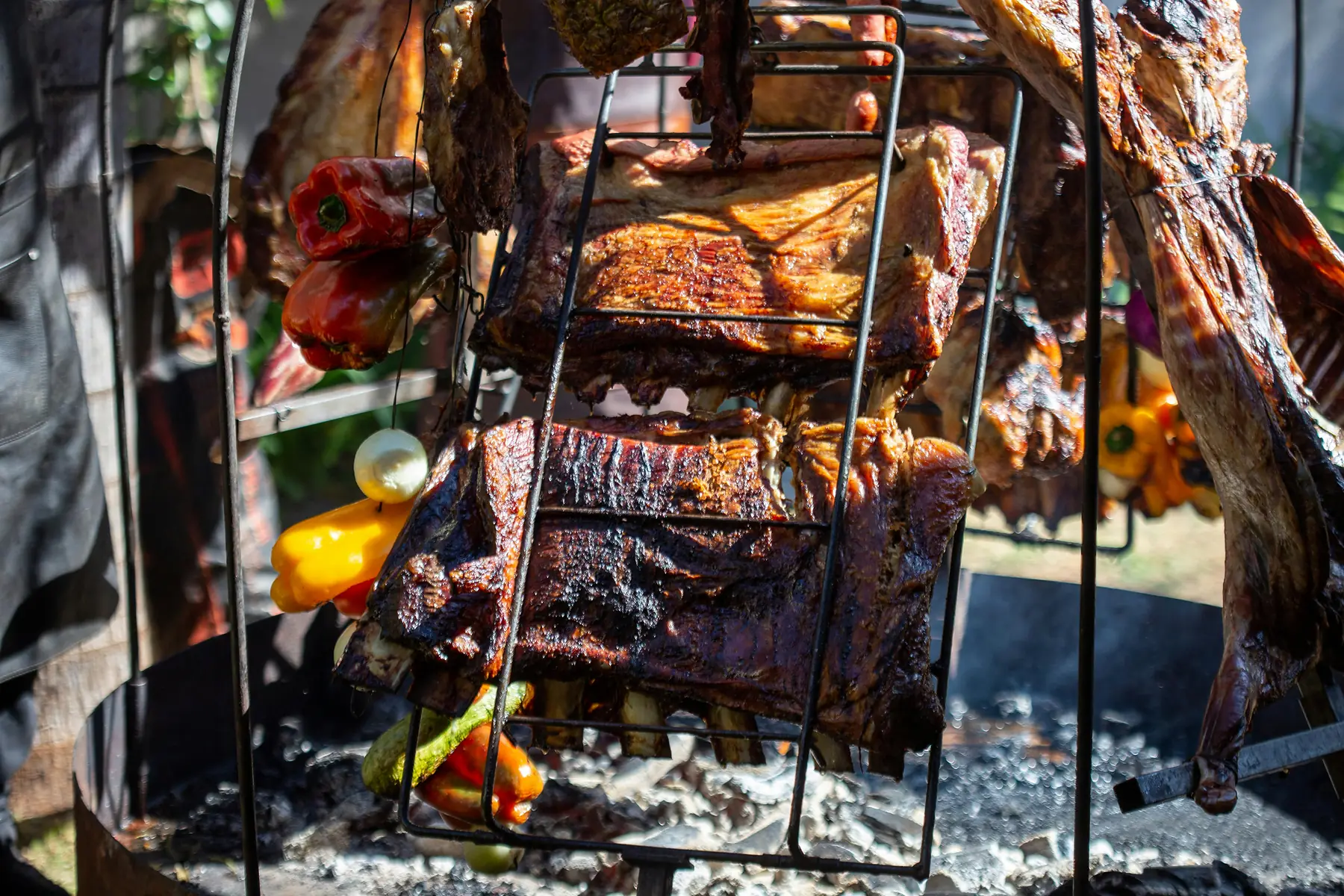
The most iconic culinary experience in Patagonia is the asado, specifically Cordero Patagónico al Asador (lamb roasted on the cross). This is not merely a meal; it is a social ritual and a testament to the region’s sheep-farming history. In the vast grasslands of the steppe, lamb became the primary source of protein for the gauchos who managed the sprawling estancias. Unlike the beef-centric culture of central Argentina, the southern reaches belong to the sheep.
The technique used is known as al asador or a la cruz. A whole lamb, usually weighing between 10 and 12 kilograms to ensure the meat remains tender and lean, is splayed and secured onto a metal iron cross. This cross is then hammered into the ground at an angle over a bed of glowing embers. The goal is a slow, indirect heat that renders the fat and softens the connective tissue over a period of four to six hours.
Asado Essentials
- The Wood: Primarily Lenga or Coihue, chosen for their steady burn and subtle, sweet smoke.
- The Seasoning: A simple “salmuera” (saltwater brine) infused with garlic and rosemary.
- The Cut: The lamb is roasted whole to ensure the meat remains succulent under the crispy skin.
- The Setting: Traditionally cooked in a “quincho,” a dedicated outbuilding designed to shield the fire from the wind.
The flavor profile is defined by the lamb’s diet of wild herbs and shrubs, which produces a leaner, more aromatic meat than grain-fed varieties. To truly appreciate this tradition, it is best experienced at an estancia where the ritual begins long before the first bite is taken. For a broader look at what to prioritize on your menu, see our checklist of must-try Patagonian flavors.
Seafood of the Southern Seas: Centolla and Chupe
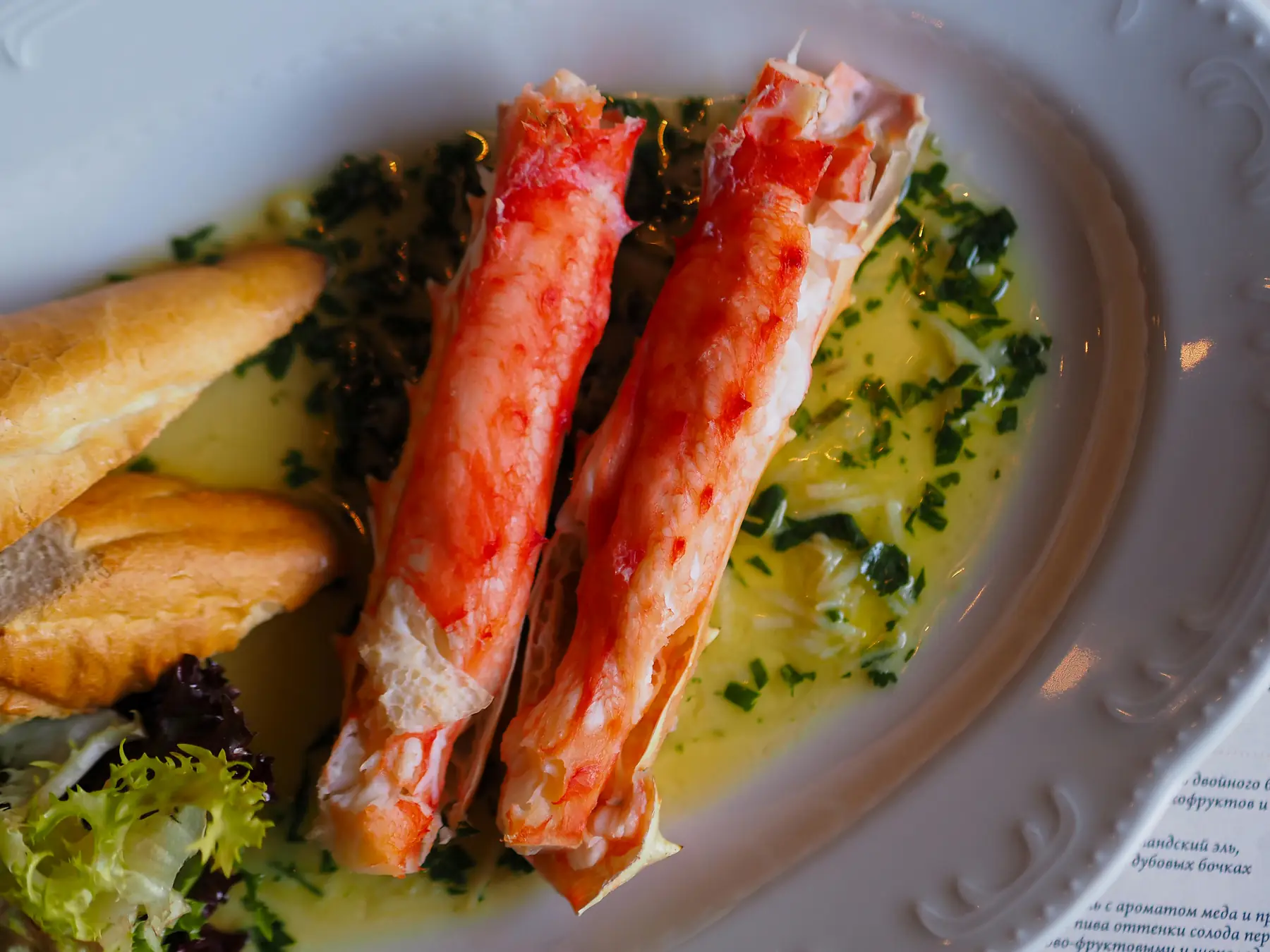
While the inland steppe belongs to the gaucho, the coastlines and fjords are the domain of the fisherman. The cold, nutrient-dense waters of the Beagle Channel and the Strait of Magellan produce some of the most sought-after seafood in the world, most notably the Centolla (Southern King Crab). This delicacy is prized for its sweet, delicate meat, which thrives in the sub-antarctic temperatures.
In coastal hubs like Ushuaia and punta-arenas, you will find Centolla served in various forms, but none is more comforting than Chupe de Centolla. This is a rich, creamy seafood gratin that blends succulent crab meat with breadcrumbs soaked in milk, heavy cream, and a generous topping of melted cheese. It is a heavy, warming dish designed to counteract the damp chill of the southern fjords.
The harvesting of Centolla is strictly regulated to prevent overfishing. A “veda” (seasonal ban) is typically in place during the breeding season. In Argentina (Beagle Channel), the ban usually runs from March 1st to June 30th. In Chile (Magallanes), the ban is longer, typically lasting from December 1st through June 30th. During these times, fresh King Crab may be unavailable or replaced by frozen stock.
Beyond the crab, the Atlantic coast offers Langostinos (Patagonian shrimp) and Merluza Negra (Chilean Sea Bass), often prepared with minimal intervention to let the natural salinity of the ocean shine. The sea-to-table tradition is a point of pride in these regions, where the morning’s catch is often on the plate by mid-afternoon.
The Welsh Connection: Torta Negra Galesa
One of the most surprising elements of Patagonian cuisine is the deep-rooted Welsh tea culture found in the middle of the windswept steppe. In 1865, a group of Welsh settlers arrived in the Chubut Valley, seeking to preserve their language and traditions. They brought with them the recipe for Torta Negra Galesa (Black Welsh Cake), a dense fruitcake that has since become a symbol of the region’s endurance.
The cake was born of necessity. In the harsh, isolated environment of early Patagonia, the settlers needed a food source that would not spoil. By using high concentrations of sugar, spices, brandy, and dried fruits, they created a cake that could last for months—or even years. Traditionally, a wedding cake would have its top tier preserved to be eaten at the birth of the couple’s first child.
Today, the tradition of “Té Galés” (Welsh Tea) remains a staple in towns like Gaiman and Trevelin. Visitors are served a spread of scones, breads, and jams, with the Torta Negra as the centerpiece. It is a heavy, spice-forward cake that tastes of cinnamon, nutmeg, and molasses, serving as a edible link to the pioneers who first irrigated the desert. This unique cultural fusion is further explored in our guide to traditional snacks and sweets.
Hearty Stews: Carbonada and Locro
When the winter snows settle on the Andes, the Patagonian kitchen turns toward slow-simmered stews. These “winter soul foods” are designed to be cooked in a single pot, often over a wood stove that also provides the home’s primary heat. Two dishes stand out: Carbonada Criolla and Locro.
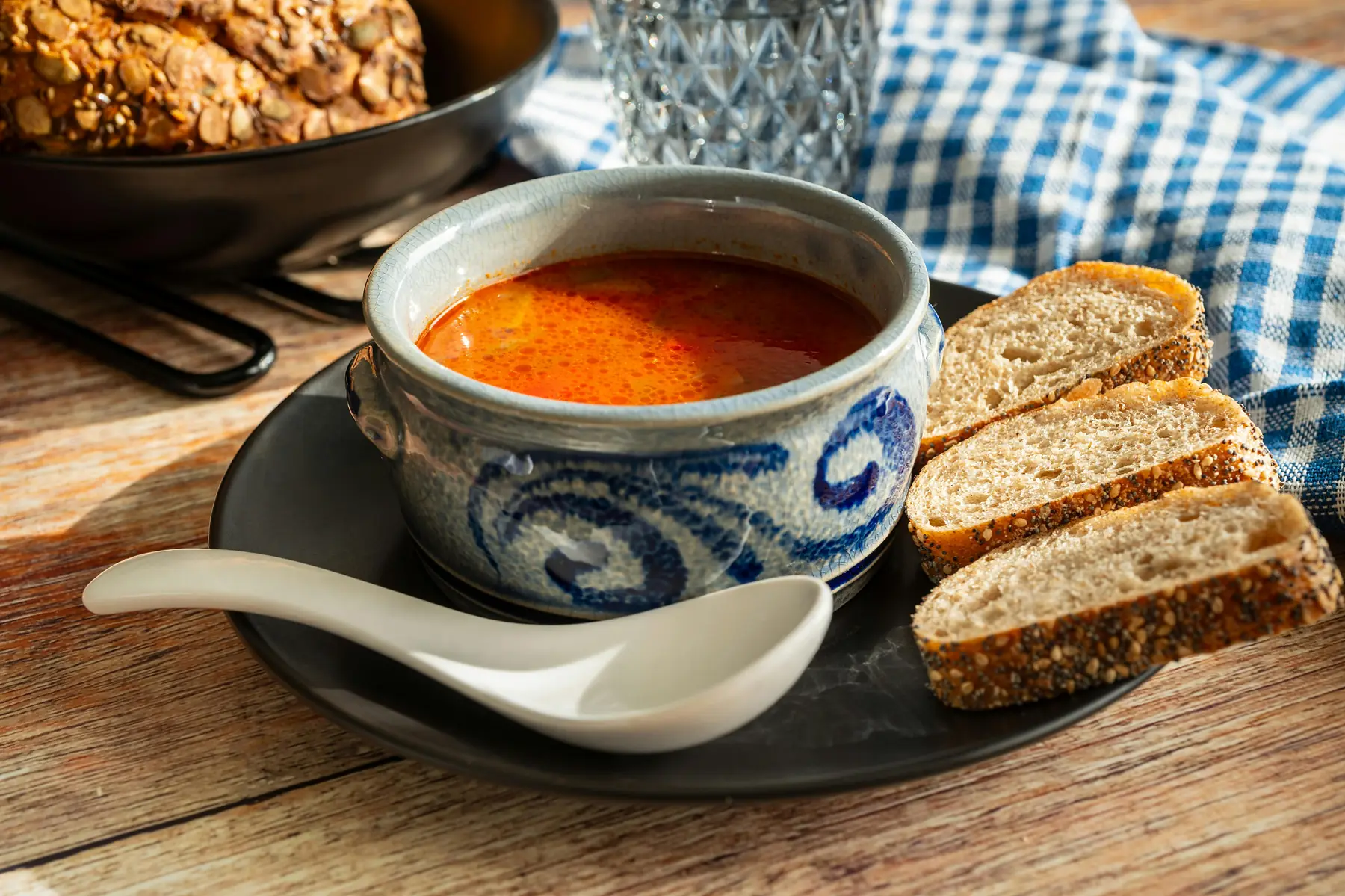
Carbonada is a unique beef stew that reflects the Spanish influence on the region but adds a distinctively Patagonian twist. It traditionally includes chunks of beef, potatoes, and corn, but its signature flavor comes from the addition of dried fruits—usually apricots or raisins—and cubes of sweet squash. The result is a savory-sweet balance that is rare in other South American stews.
- Primary Base: Beef and squash vs. White corn (hominy) and beans.
- Flavor Profile: Savory-sweet with dried fruits vs. Earthy, salty, and often spicy.
- Consistency: Brothy but chunky stew vs. Thick, porridge-like consistency.
- Cultural Origin: Spanish-colonial influence vs. Pre-Columbian indigenous roots.
Choose Carbonada for a unique sweet-and-savory profile; choose Locro for a thick, traditional mountain meal that sticks to your ribs.
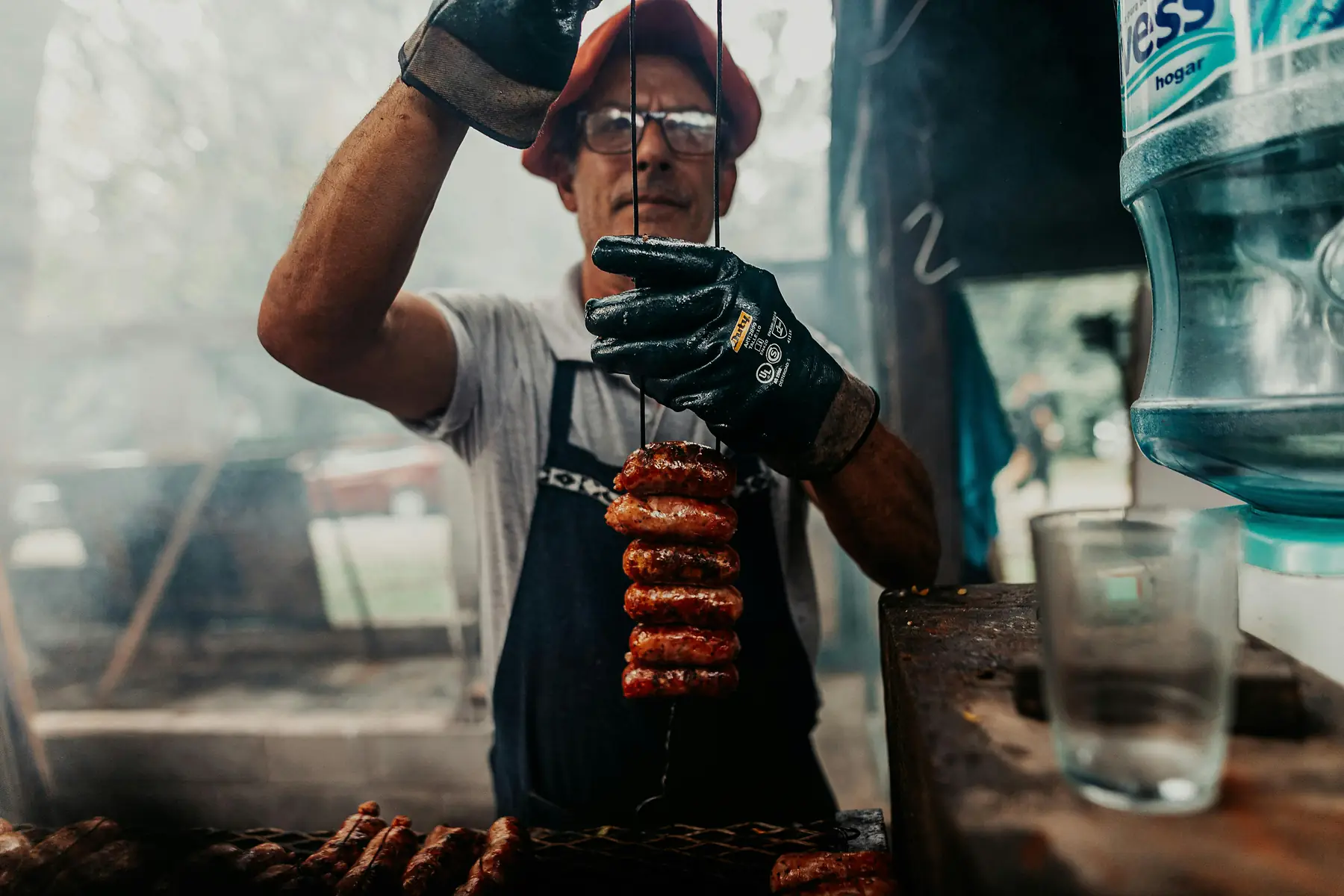
Locro, by contrast, is the national stew of Argentina and has deep indigenous roots. It is a thick, corn-based porridge loaded with white beans, chorizo, and various cuts of pork or beef. In the mountains, it is often cooked using the “disco” method—using a large, concave iron plow disk repurposed as a frying pan or stew pot over an open fire. This method, known as Pollo al Disco when used for chicken, is a favorite among mountain guides and hikers for its ability to feed a large group with minimal equipment.
The Patagonian Pantry: Wild Berries and Merkén
The flavor of Patagonia isn’t just in the main proteins; it is found in the “pantry” of wild-foraged ingredients and indigenous spices that provide the finishing touches to every dish. These ingredients are a direct link to the Mapuche and Pehuenche people who inhabited this land long before the arrival of European settlers.
The most famous of these is the Calafate Berry. This small, dark purple fruit is similar to a blueberry but with a more tart, astringent finish. It is used in everything from jams and ice creams to craft beers and sophisticated sauces for lamb. According to local legend, anyone who eats the Calafate berry is destined to return to Patagonia.
Another essential flavoring agent is Merkén. This is a Mapuche spice blend made from “cacho de cabra” (goat’s horn) chili that has been dried, smoked, and ground with toasted coriander seeds and salt. It adds a deep, smoky heat to meats, stews, and even chocolate.
If you want to bring the taste of Patagonia home, look for Merkén or Calafate jams in local “ferias” (markets). These markets are the best places to find authentic, artisanal versions of these ingredients, and you can find specific market locations in our individual destination guides.
In the northern forests, the seeds of the Araucaria (monkey puzzle) tree, known as Piñones, remain a significant cultural ingredient. Historically a staple for the Pehuenche people, these large, starchy seeds are often boiled or roasted, tasting somewhat like a cross between a chestnut and a pine nut. They are increasingly appearing on modern Patagonian menus as a nod to the region’s ancient botanical history.
Empanadas Patagónicas: Regional Variations
The empanada is a staple across South America, but in the southern latitudes, it undergoes a transformation to suit the local palate and available ingredients. While the basic structure—a pastry pocket filled with savory ingredients—remains the same, the fillings in Patagonia are distinct.
In the Argentine south, the focus is almost exclusively on Empanadas de Cordero (lamb empanadas). The meat is hand-cut rather than ground, seasoned with onions, peppers, and often a touch of Merkén for smokiness. In the Chilean fjords, you are more likely to find seafood variations filled with shrimp, mussels, or even Centolla.
The traditional Chilean empanada uses a filling called “pino,” which consists of minced beef, onions, raisins, black olives, and a hard-boiled egg. In the south, this recipe is often adapted using local wild herbs.
The cooking method also varies by region. While most Argentine empanadas are baked in a wood-fired oven (al horno), many Chilean coastal varieties are fried, resulting in a crispy, golden shell that pairs perfectly with the damp maritime climate. If you are looking for a quick meal between treks, these handheld pies are the ultimate Patagonian convenience food. You can learn more about how to fit these into your travel day in our guide to what to eat on the go.
The Sweet Side: Alfajores and Bariloche Chocolate
Northern Patagonia, particularly the Lake District, is the confectionery capital of the region. This is largely due to the influence of Swiss and Italian immigrants who settled in the area after World War II, bringing their chocolate-making expertise to the Andes.
Bariloche is the heart of this tradition. The city’s main street is lined with chocolate shops that have been operating for decades, such as the famous Fenoglio, which opened in 1948 as the city’s first artisanal chocolate house. Here, chocolate is not just a treat; it is an art form, often infused with regional flavors like raspberry, elderberry, and wild honey.
If you are planning a trip to the Lake District, you cannot miss the chocolate shops of Bariloche.

Complementing the chocolate is the Alfajor Patagónico. While alfajores (shortbread cookie sandwiches filled with dulce de leche) are found throughout Argentina and Chile, the Patagonian version often uses regional berry fillings like Rosa Mosqueta (rosehip) or blackberry. The tartness of the berries cuts through the sweetness of the dulce de leche, creating a more balanced dessert that reflects the wild fruit of the southern forests.
The Ritual of Mate in the South
No discussion of Patagonian food is complete without Mate. While it is a drink rather than a dish, Mate is the social glue that holds Patagonian life together. In a region defined by isolation and harsh weather, the act of sharing a Mate is a vital gesture of hospitality and community.
The ritual involves a “Cebador” (the person who prepares and serves the Mate), a “Bombilla” (metal straw), and a hollowed-out gourd. In Patagonia, Mate is often enjoyed “amargo” (bitter), reflecting the rugged preference of the gauchos. There is a specific etiquette to the circle: you never stir the straw, and you only say “Gracias” when you have finished and do not want any more.
For the traveler, Mate is the perfect companion for the Patagonian wind and cold. It provides a steady caffeine lift and a literal source of warmth. It is common to see hikers, bus drivers, and park rangers carrying a thermos under their arm at all hours of the day. To see how Mate fits into the wider world of regional beverages, including craft beers and wines, see our guide to Patagonian wine and beer.
FAQ
QUESTION: What is the most famous Patagonian dish to try? ANSWER: The most iconic dish is Cordero al Palo (or al Asador), a whole lamb slow-roasted on a cross or spit over an open wood fire for several hours until the skin is crispy and the meat is tender.
QUESTION: Is the meat in Patagonian dishes mostly beef or lamb? ANSWER: While Argentina is famous for beef, the Patagonian region is specifically renowned for its high-quality grass-fed lamb, which has a leaner and more delicate flavor than lamb found elsewhere.
QUESTION: What is a typical Patagonian dish for seafood lovers? ANSWER: Seafood lovers should try Chupe de Centolla, a rich and creamy King Crab pie that is a specialty in southern coastal cities like Punta Arenas and Ushuaia.
QUESTION: Are there any indigenous Mapuche influences in Patagonian cuisine? ANSWER: Yes, many Patagonian dishes use Merkén, a traditional Mapuche spice blend of smoked chili and coriander, as well as native ingredients like Piñones (monkey puzzle tree seeds).
QUESTION: What is the famous Welsh cake found in Patagonia? ANSWER: The Torta Negra Galesa (Black Welsh Cake) is a dense fruitcake brought to the Chubut region by Welsh settlers in 1865, designed to stay fresh for long periods in the harsh climate.
QUESTION: Can I find vegetarian Patagonian dishes easily? ANSWER: While the region is meat-centric, traditional vegetarian options include Humitas (savory corn cakes) and Locro (corn stew) without meat. For a complete look at navigating the region as a plant-based traveler, see our guide to being vegetarian in Patagonia.