Travel Guide
Your master playbook — from initial inspiration to a fully confirmed itinerary, step by step.
Patagonia Travel Guide: 2026/27 Season
Patagonia is a vast, two-country wilderness that demands a specific planning sequence to navigate successfully. This guide serves as your master playbook, designed to move you from initial inspiration to a fully confirmed itinerary.
If you are just starting to explore the region, begin with our Start Here guide. If you are ready to build your trip, follow this playbook to navigate the comprehensive planning directory.
Patagonia At A Glance
- Total Area Over 1 million square kilometres across Chile and Argentina
- Primary Hubs Puerto Natales (CL), El Calafate (AR), El Chaltén (AR)
- Peak Season December to February
- Booking Window 6–10 months in advance for major treks
- Currency Chilean Peso (CLP) and Argentine Peso (ARS)
When to Go
Month-by-month weather, crowds, and seasonal advice for your window.
Read Guide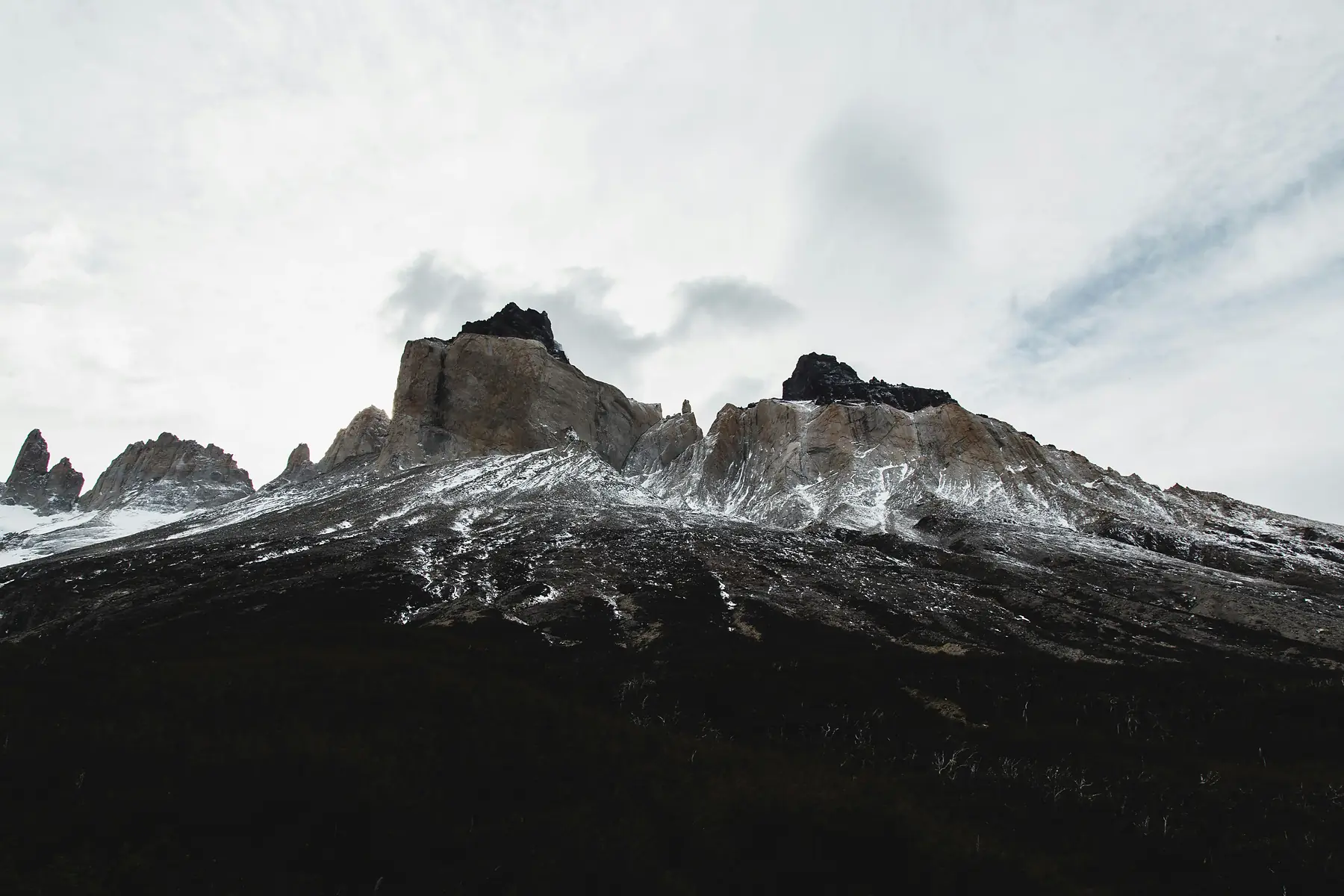
Where to Go
Choose between the four major zones of Patagonia.
Read Guide
Budget & Costs
A granular cost analysis for the 2026/27 season.
Read Guide
Where to Stay
Luxury lodges, refugios, estancias, and budget hostels.
Read Guide
What to Pack
The essential three-layer system and full packing checklist.
Read Guide
Sample Itineraries
10-day, 14-day, and 21-day routes mapped across the region.
Browse RoutesThe Mental Model: Chile vs. Argentina
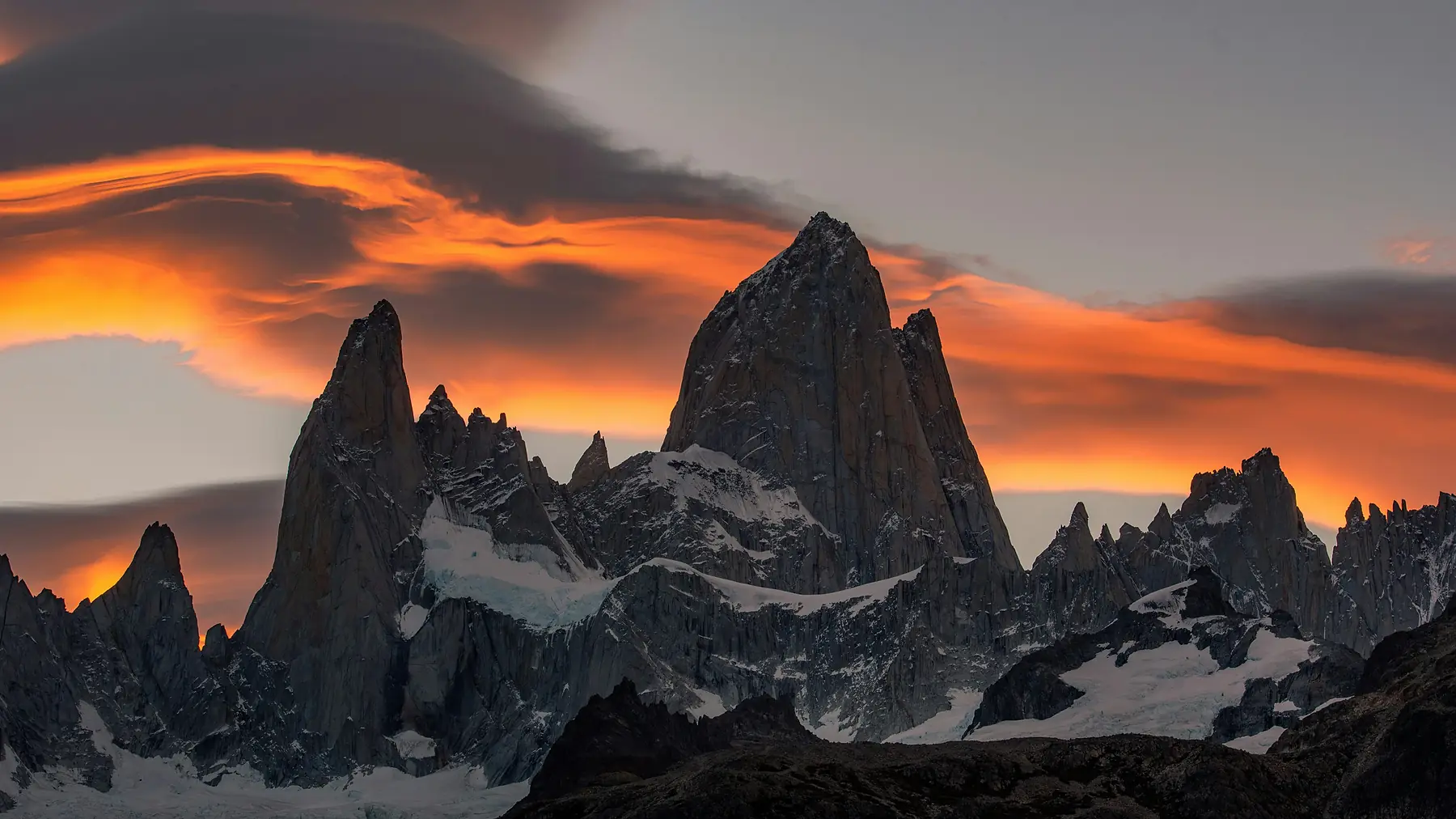
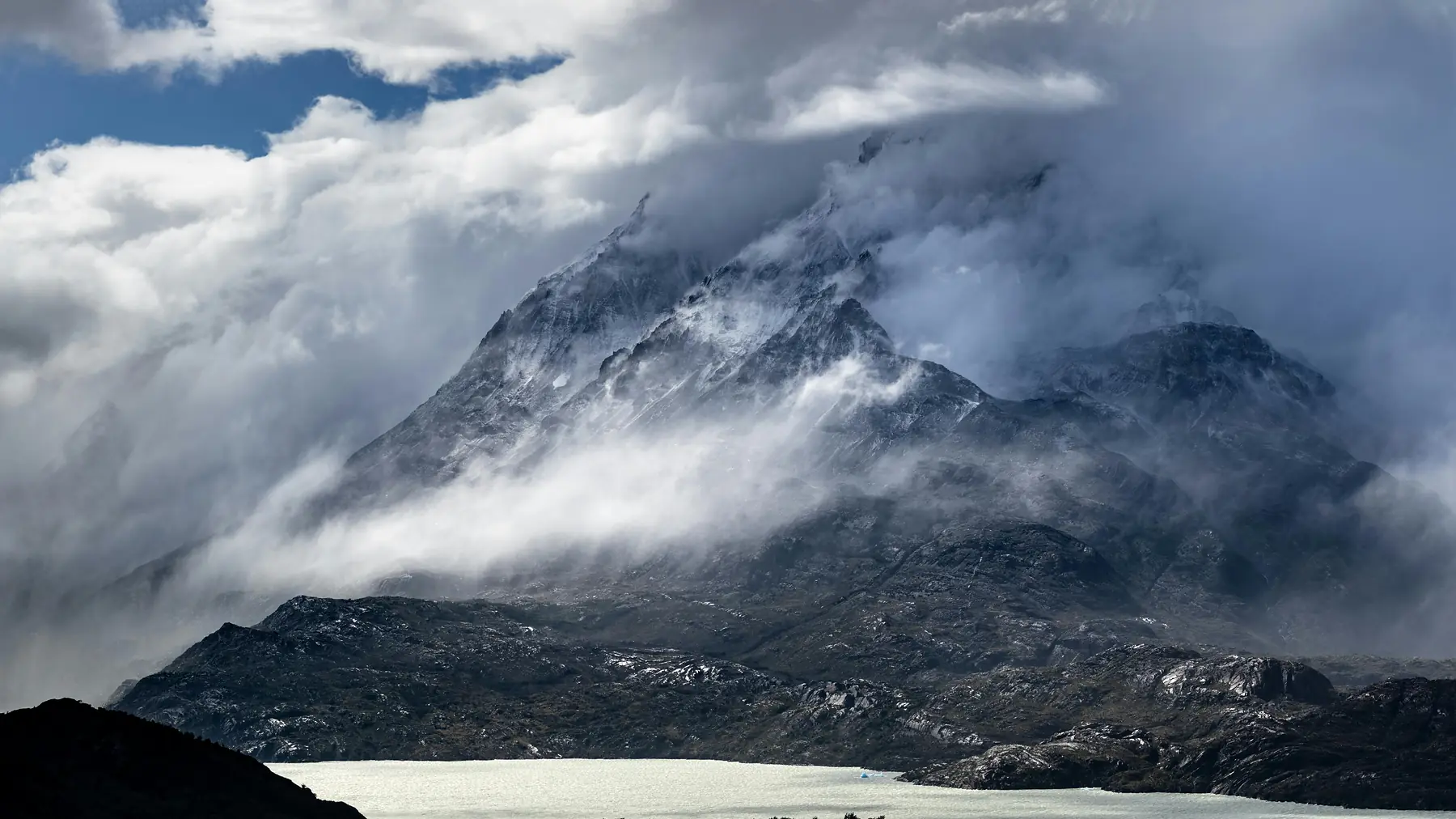
Chile is characterized by the dramatic granite spires of Torres del Paine and intricate fjords. Argentina offers the jagged vertical peaks of Fitz Roy and the colossal Perito Moreno Glacier. The Argentine side, particularly El Chaltén, is generally more "walkable" with world-class trails accessible from the edge of town.
To decide which side fits your style, read our Chile vs Argentina breakdown.
When to Go: The 2026/27 Window
The primary travel window runs from October through April. Peak season (December–February) offers the most stable temperatures and up to 18 hours of daylight, but also the strongest winds. The shoulder seasons (October–November and March–April) are preferred by experienced travellers for spring blooms, autumn colours, and fewer crowds.
For a detailed month-by-month weather analysis, see our best time to visit guide.
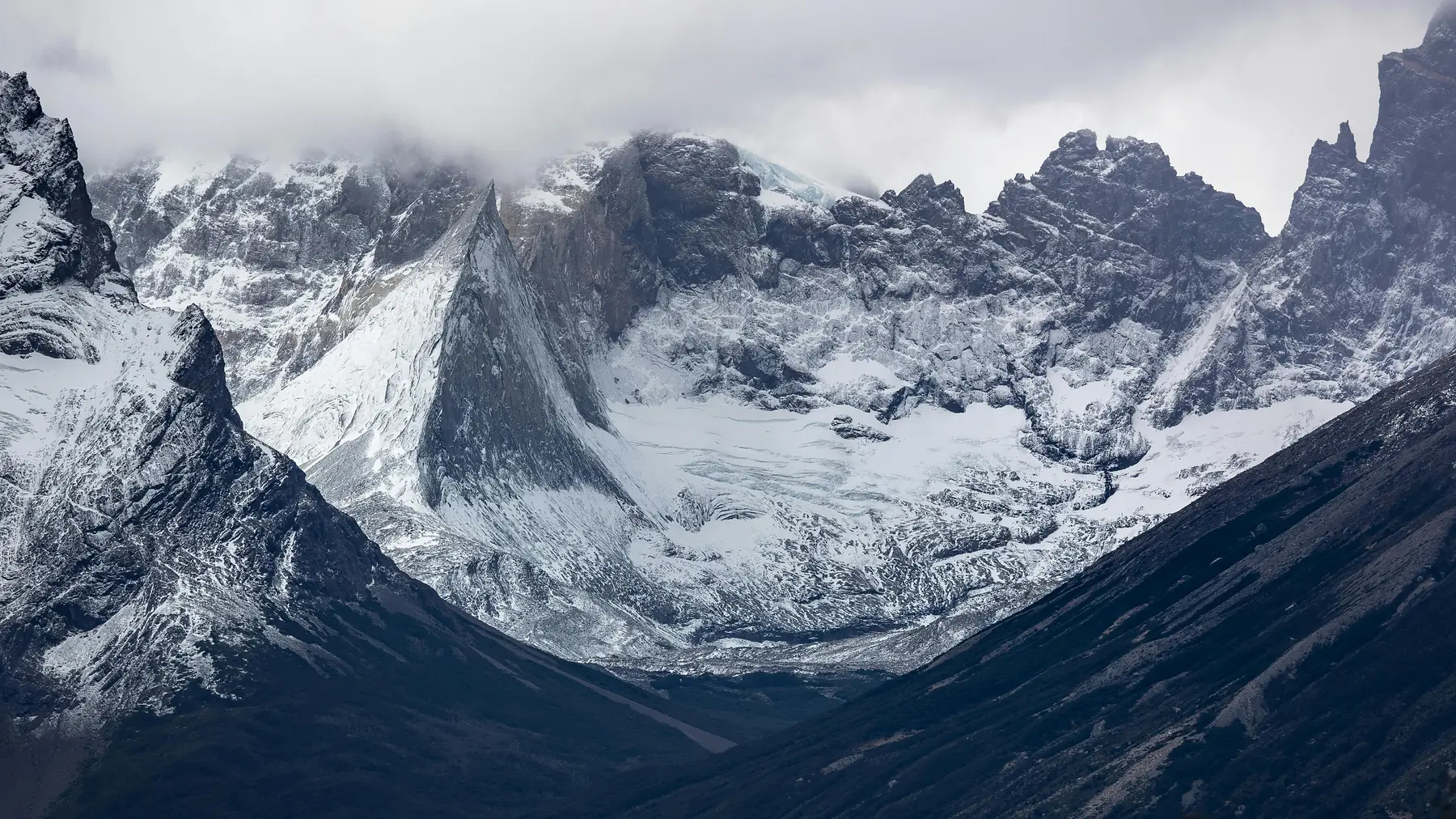
The Booking Timeline
The single biggest mistake is waiting too long to book. For the 2026/27 season, refugios on the W Trek often sell out within weeks of opening (typically May–June). Your accommodation must be your first booking, even before flights.
Budgeting for the Wild
A budget backpacker should expect $80–$110 USD per day, while mid-range travellers typically land between $200–$350 USD. Park entrance fees can add $150–$250 USD to a ten-day trip. In Argentina, using cash or specific payment methods can significantly increase purchasing power.
See our detailed cost analysis.
Logistics & Transport
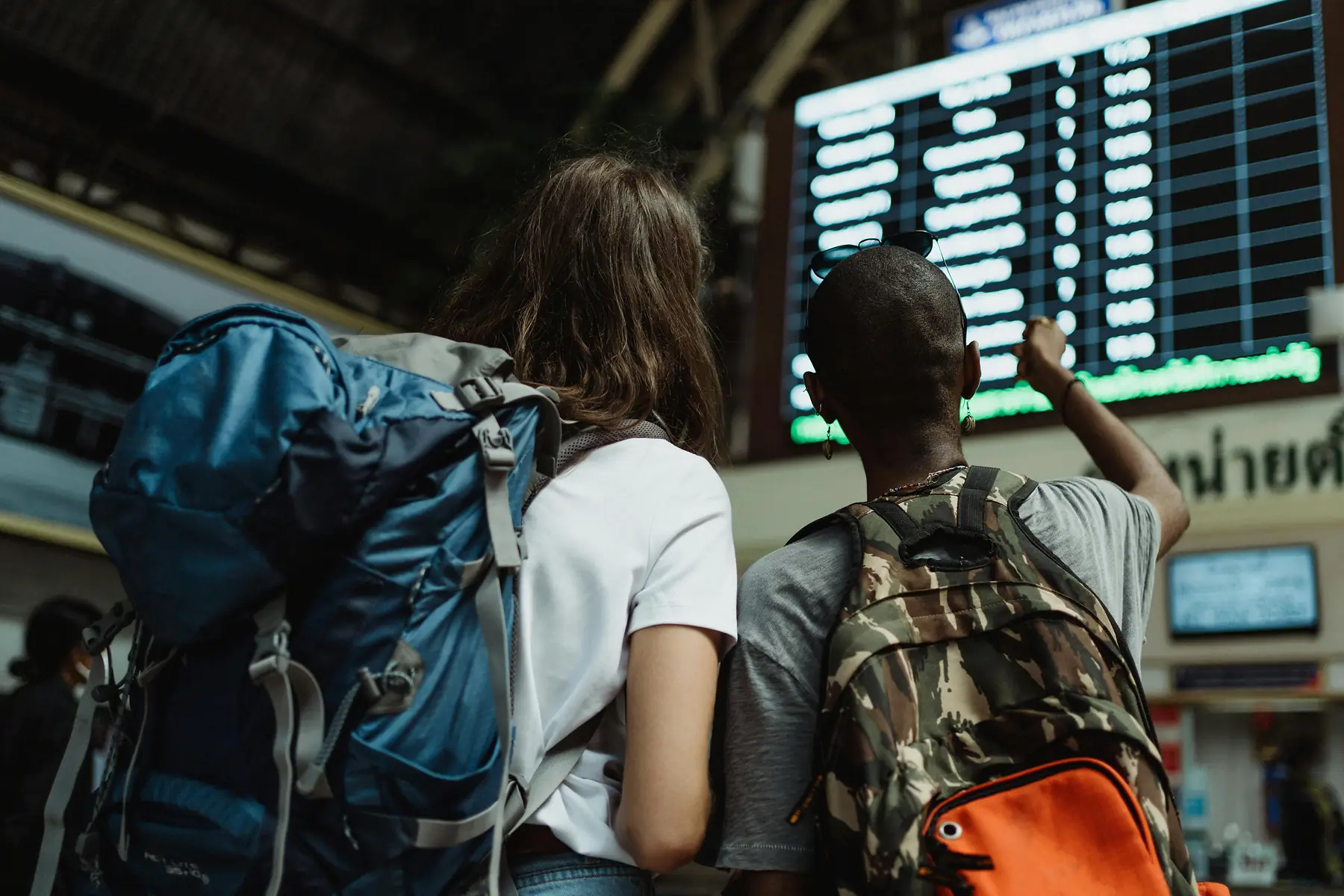
The primary hubs are Punta Arenas and Puerto Natales in Chile, and El Calafate in Argentina. The bus from El Calafate to El Chaltén takes approximately 3 hours — the most common transit route in the region.
Defining the Regions
Patagonia is too large to see in a single trip. Most travellers focus on one or two zones.
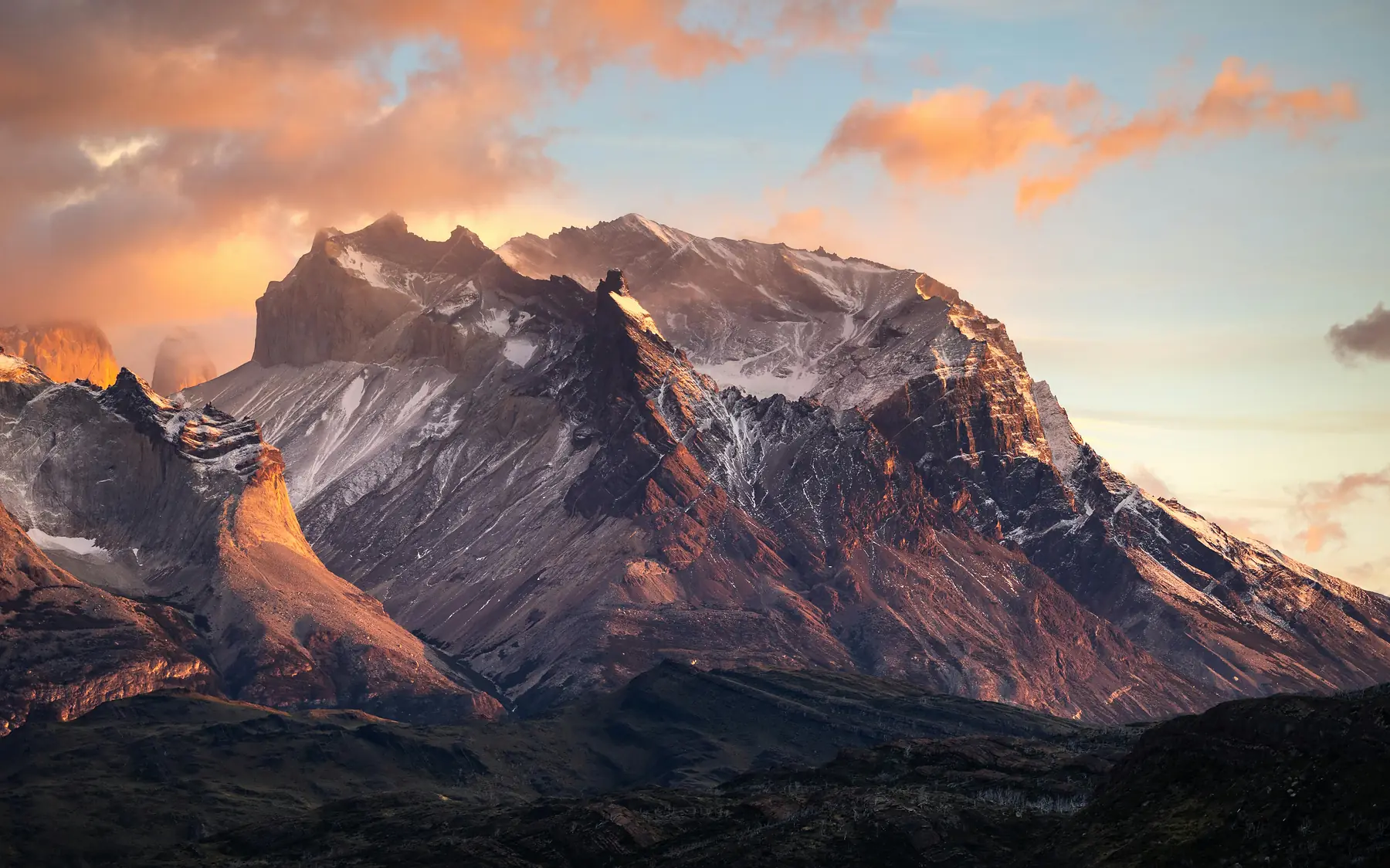
Southern Patagonia
The "Big Three": Torres del Paine, El Chaltén, and El Calafate — the heart of the granite and ice.
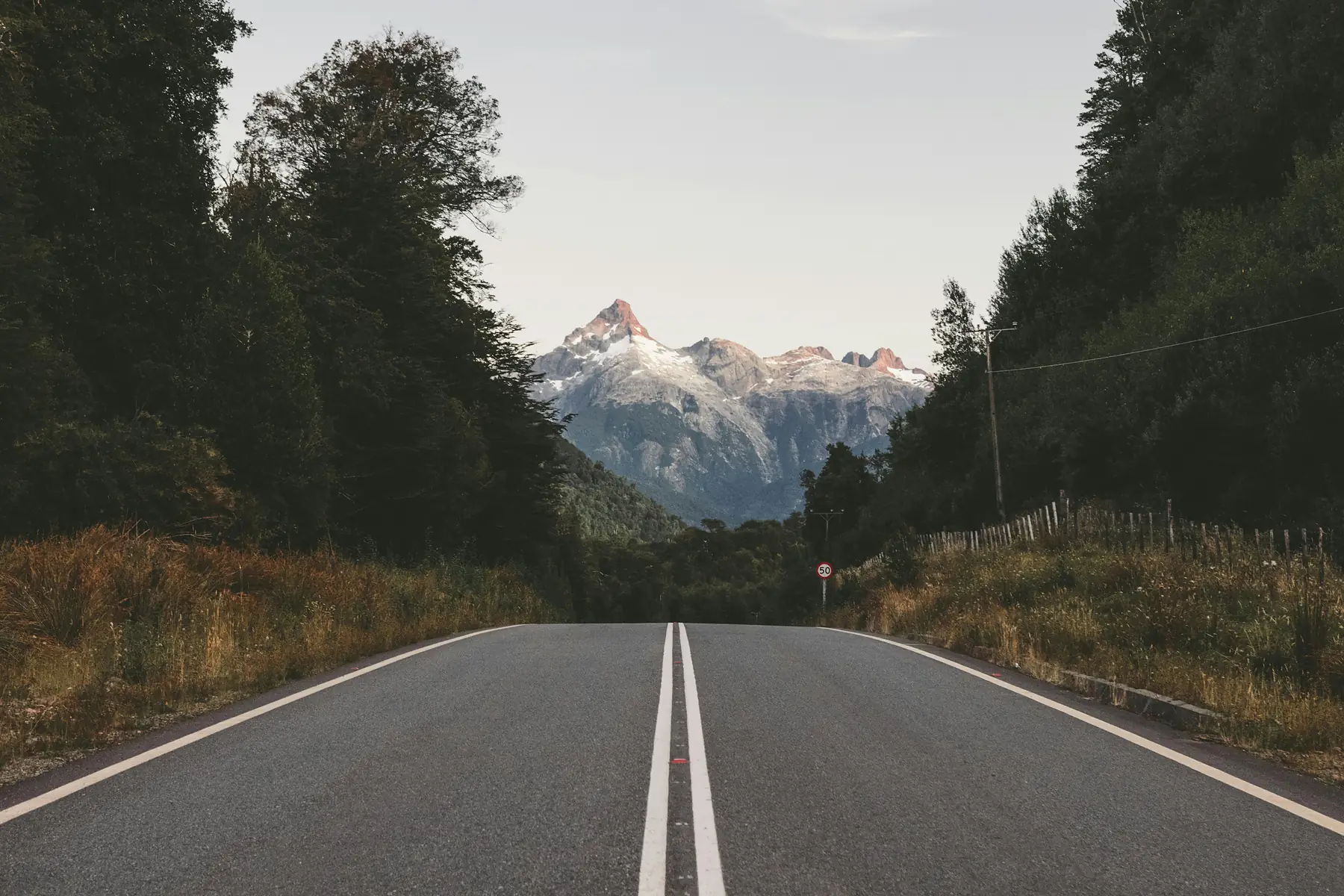
Central Patagonia
The Carretera Austral and the remote Aysén region — rugged road trips and off-the-beaten-path wildness.
Northern Patagonia
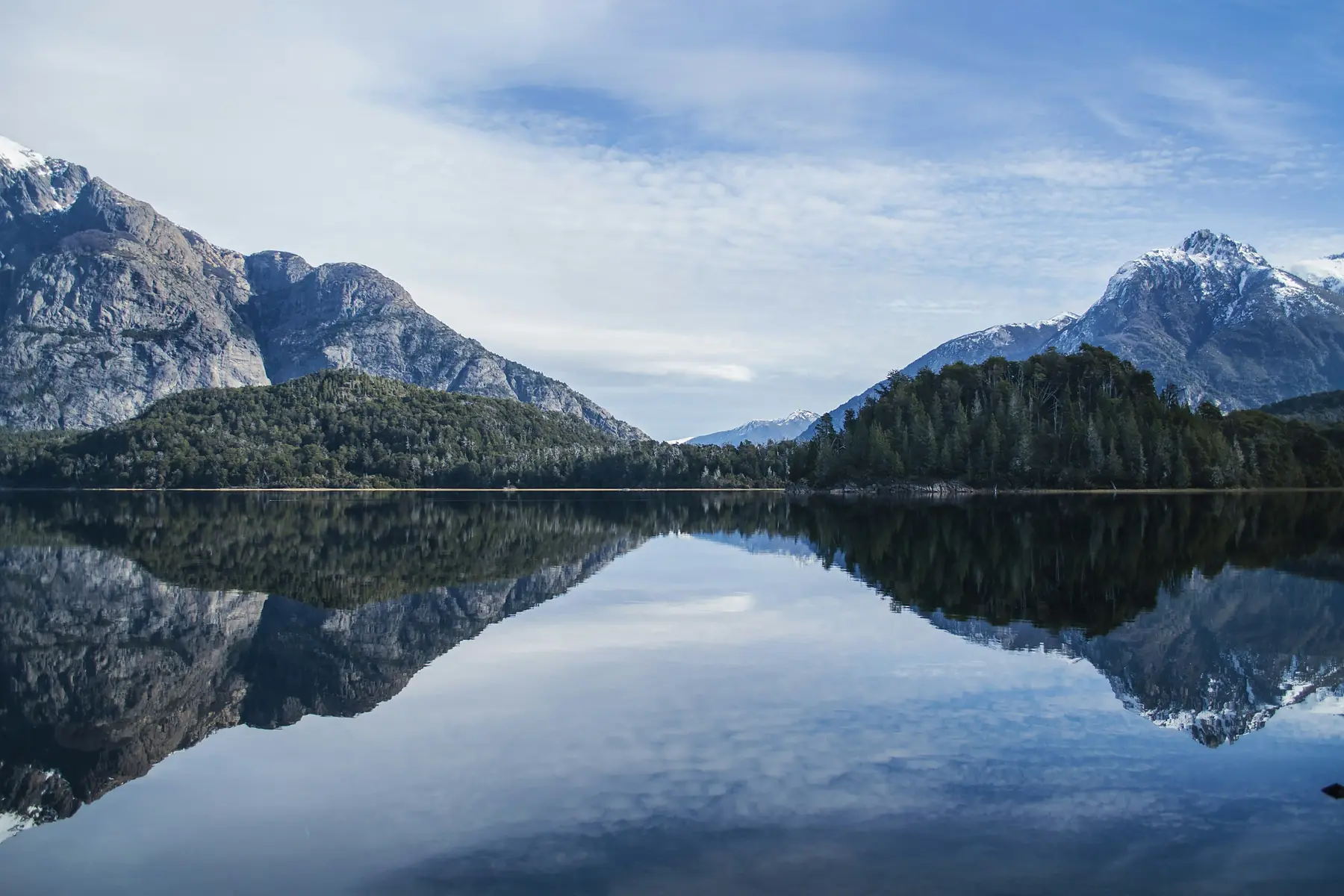
The Lake District — ancient forests, volcanoes, and a developed alpine atmosphere.
Frequently Asked Questions
How many days are enough for a Patagonia trip?
We recommend a minimum of 10 to 14 days to cover the highlights of Southern Patagonia, including Torres del Paine and El Chaltén, without rushing.
Is a guide necessary for independent hikers?
While you can hike independently, a guide is highly recommended for complex logistics like the O Circuit or for those wanting deep insights into the region's unique flora and fauna.
What is the most expensive part of a Patagonia budget?
Accommodation within national parks, particularly high-demand refugios and luxury lodges in Torres del Paine, usually represents the largest single expense.
Do I need to speak Spanish to follow a Patagonia travel guide?
While English is widely spoken in major tourism hubs, learning basic Spanish phrases will significantly enhance your experience in more remote towns.
Is Patagonia safe for solo travelers?
Patagonia is considered one of the safest regions in the world for solo travelers, with very low crime rates and a highly supportive community of fellow hikers.
Do I need a visa to visit Patagonia?
As of 2026, most Western nationalities (USA, UK, EU, AUS) do not require a pre-arranged visa for stays under 90 days in either Chile or Argentina.
Ready to Build Your Itinerary?
Browse our day-by-day routes to piece together the perfect Patagonia trip.