
The Ultimate Patagonia Packing List: 2026 Guide
The definitive multi-day packing checklist. From thermal layers to camping gear, learn exactly what to pack for independent trekking and city travel.
Patagonia’s weather is the single greatest variable of your trip, and packing for it requires a modular, layer-based approach that prioritizes wind protection and moisture management. Whether you are trekking the W Trek, road-tripping the Carretera Austral, or cruising the fjords, this master list ensures you are prepared for 80 km/h winds and sudden snowfalls without carrying unnecessary weight.
The legendary “four seasons in one day” is not a travel cliché here: it is a daily logistical reality. You might start a hike in a t-shirt under a blue sky and find yourself in a horizontal sleet storm two hours later. This guide is built on real-world testing across the region to help you navigate these extremes.
Patagonia Packing Essentials
- The Golden Rule: Never pack cotton; it absorbs moisture and stays cold.
- Key Investment: A high-quality 3-layer waterproof and windproof hard shell.
- Footwear: Broken-in waterproof boots for treks; trail runners for day hikes.
- Wind Protection: Buffs and wind-resistant gloves are non-negotiable.
- Sun Safety: High-SPF sunscreen is required due to the thin ozone layer.
- Weight Target: Aim for 10-12kg (22-26 lbs) for multi-day trekking packs.
- Electronics: Chile uses Type C/L; Argentina uses Type C/I adapters.
The Patagonia Layering System: A Mental Model
To stay comfortable in Patagonia, you must move away from the idea of “heavy” or “light” clothes and instead think in terms of moisture, insulation, and protection. This three-layer system allows you to adapt your microclimate as you move between high-exertion climbs and static viewpoints.
Your base layer must be synthetic or Merino wool to wick sweat away from your skin. The mid-layer, typically a fleece or a synthetic “puffy” jacket, traps your body heat. Finally, the shell protects you from the relentless Patagonian wind and rain. For a deep dive into the science of staying dry, see our detailed guide on the layering principle.
Footwear: Boots, Shoes, and Sandals
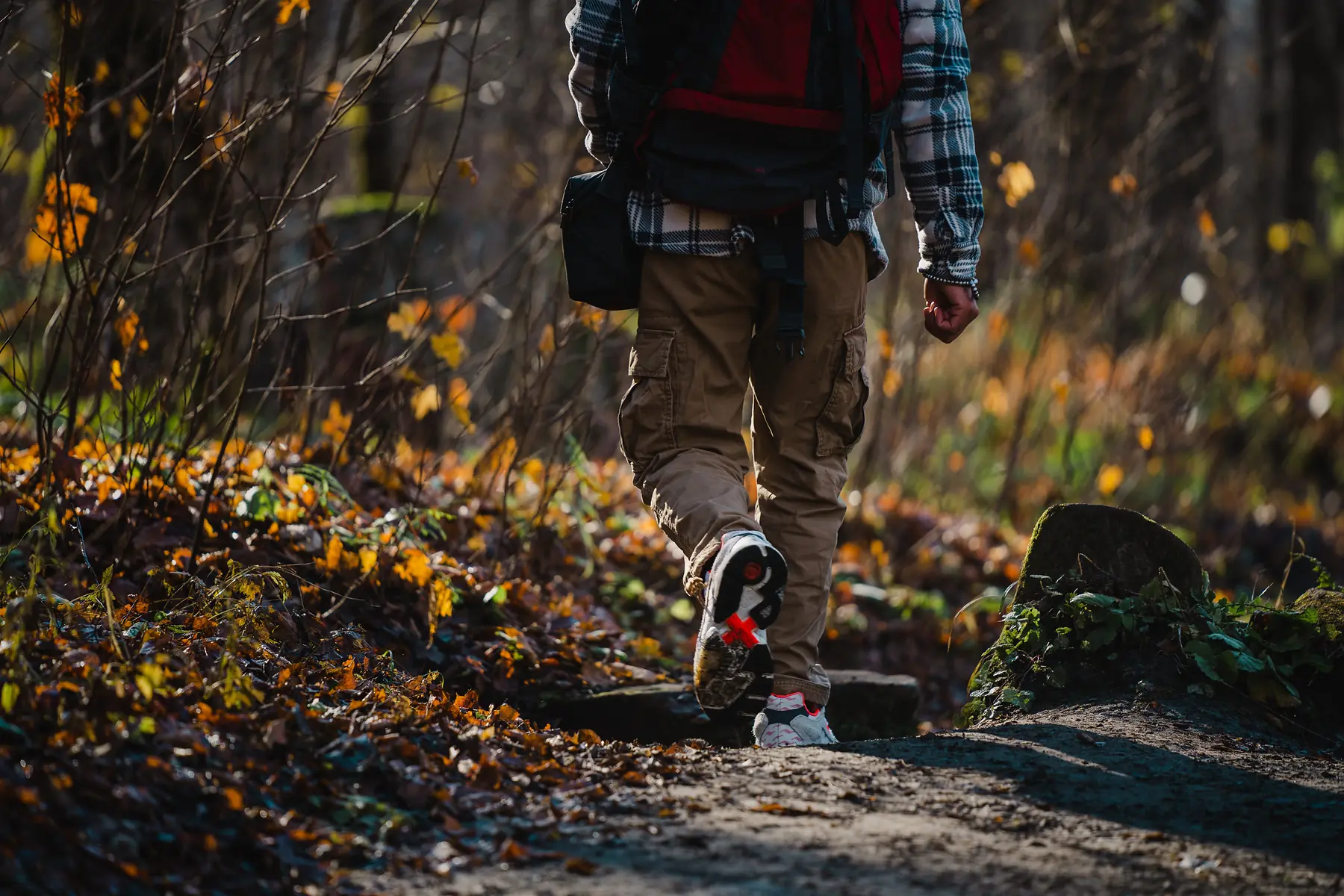
Your choice of footwear depends entirely on your itinerary, but the standard for most Patagonia travelers is a pair of mid-to-high-ankle waterproof hiking boots. These provide the necessary stability for navigating the loose scree on the final ascent to the Base Torres or the muddy, root-choked trails of the Carretera Austral.
If your trip consists primarily of well-maintained paths in El Chaltén or day hikes from a hotel base, high-quality trail runners are a viable, lighter alternative. However, if you are carrying a pack over 12kg, the ankle support of a boot becomes a safety requirement rather than a preference.
Always pack a pair of lightweight “camp shoes,” such as Crocs or plastic sandals. After eight hours in heavy boots, your feet need to breathe, and most refugios in Torres del Paine require you to remove your hiking boots at the door.
Don’t overlook your socks. A high-quality Merino wool sock, such as those from Darn Tough or Smartwool, is essential for temperature regulation. Many experienced trekkers use a thin “liner sock” underneath their main hiking sock to reduce friction and prevent blisters on long descents. For a full breakdown of which footwear suits your specific trek, see our full review of boots vs. trail runners.
The Master Clothing Checklist
This list covers the wardrobe essentials for a standard 10-14 day trip. If you are focusing exclusively on day trips, you can see our day hiking packing list for a lighter version, or check the W Trek packing list for trekking-specific needs.
- Hard Shell Jacket: Must be 100% waterproof and windproof with a stiff brimmed hood.
- Insulated “Puffy” Jacket: Down is the warmest for its weight, but synthetic insulation stays warm if it gets wet.
- Trekking Pants: Two pairs of quick-dry, wind-resistant pants. Zip-offs are practical for the dramatic temperature swings between valley floors and exposed ridges.
- Rain Pants: Look for “side-zip” models that allow you to pull them on over your boots when the clouds suddenly burst.
- Mid-Layers: One heavy fleece for evenings and one light fleece or “grid” fleece for hiking.
- Accessories: A multi-functional Buff, a warm beanie that covers your ears, and two pairs of gloves (one thin liner pair and one waterproof outer shell).
If you are planning to tackle the more remote sections of the park, you may need to supplement this list. We have identified the extra gear required for the O Circuit, including specialized cold-weather items.
Technical Gear and Backpacks
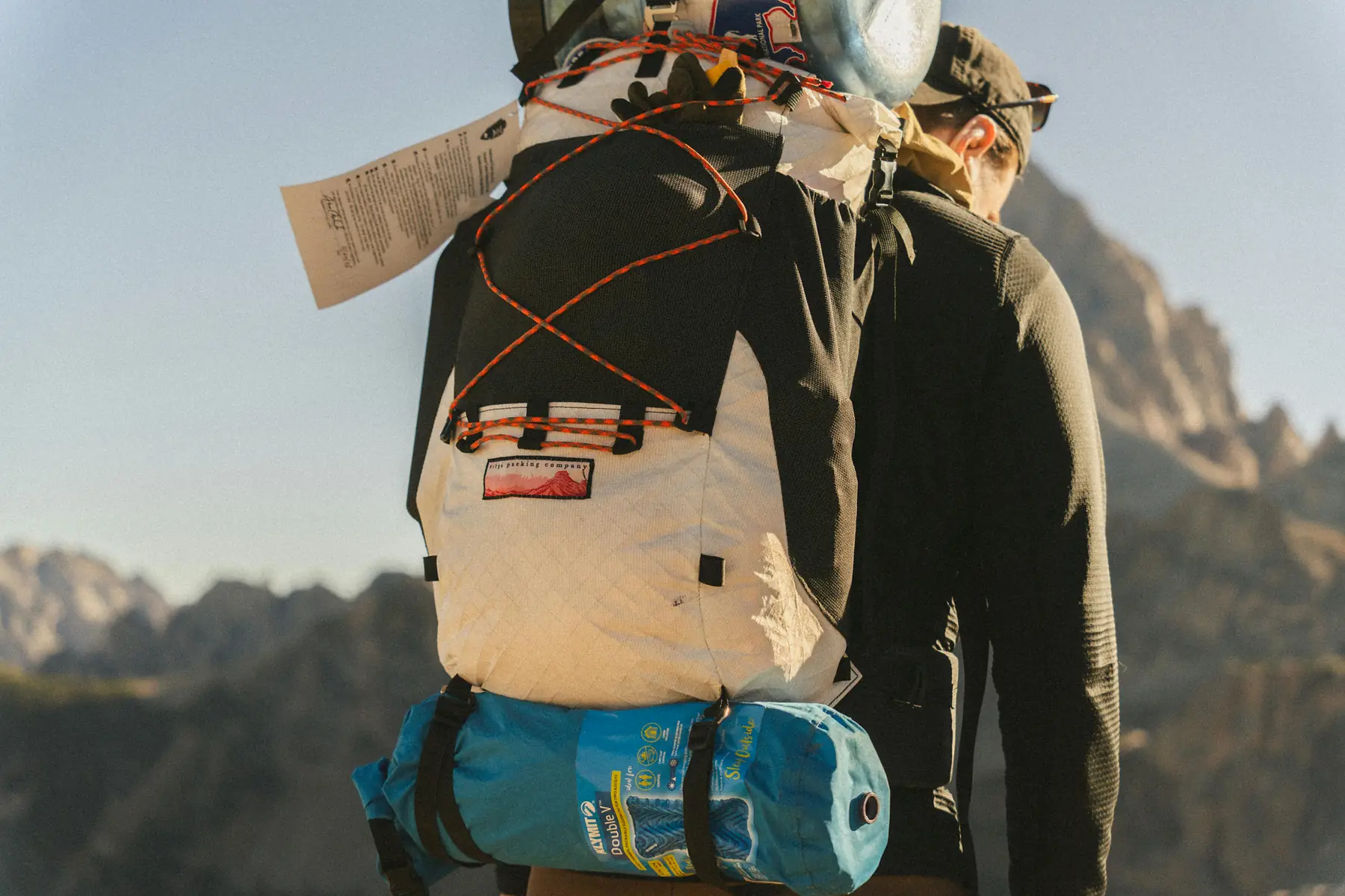
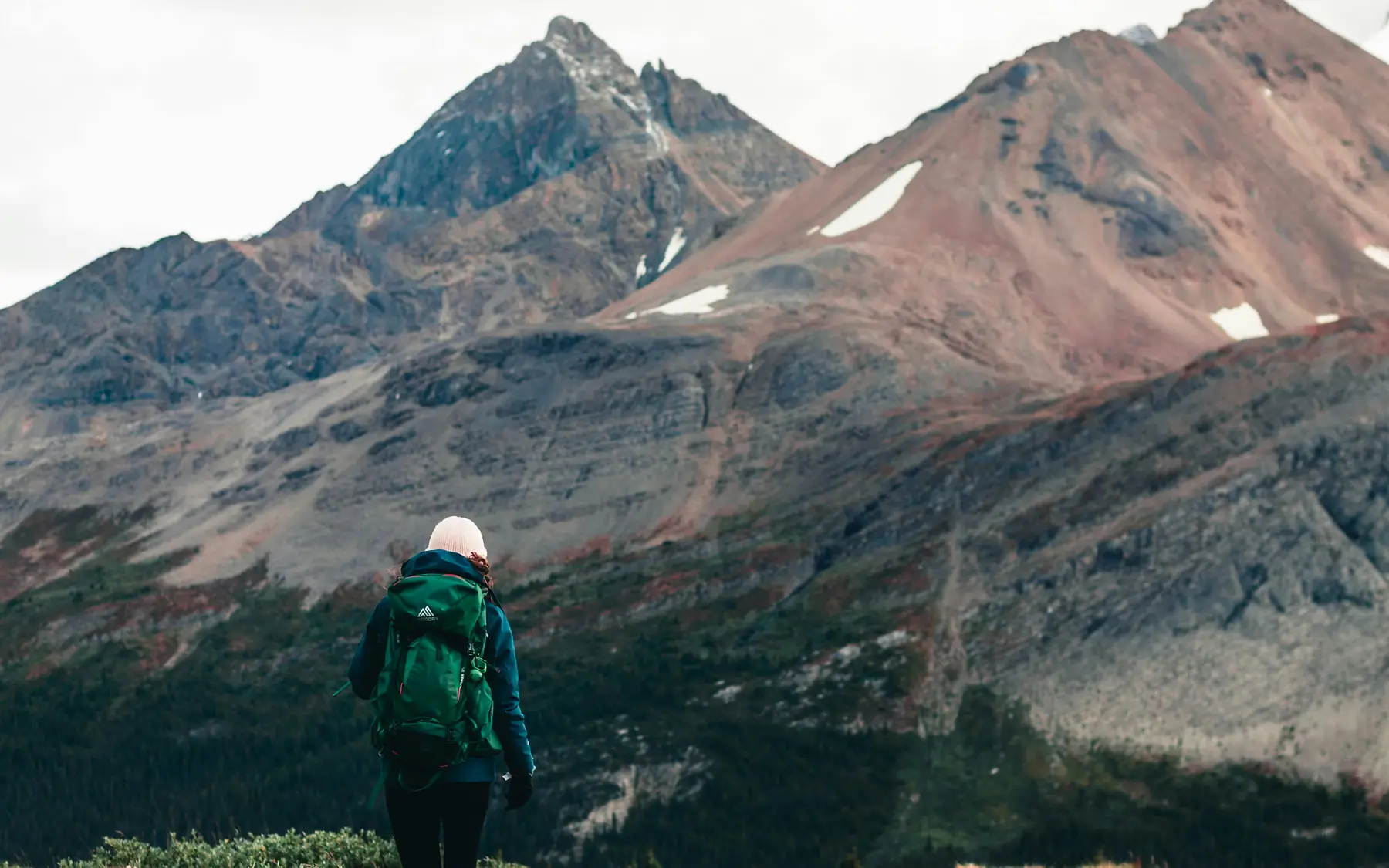
For most travelers, a 20-30L daypack is sufficient for carrying water, layers, and a camera. If you are trekking between refugios or camping, you will need a 50-65L internal frame backpack. Regardless of size, the fit is paramount: the weight should rest on your hips, not your shoulders.
Do not rely on a backpack rain cover. Patagonia’s wind is notorious for catching these covers like a sail and ripping them off your pack. Instead, use waterproof dry bags or a heavy-duty trash compactor bag as a liner inside your pack.
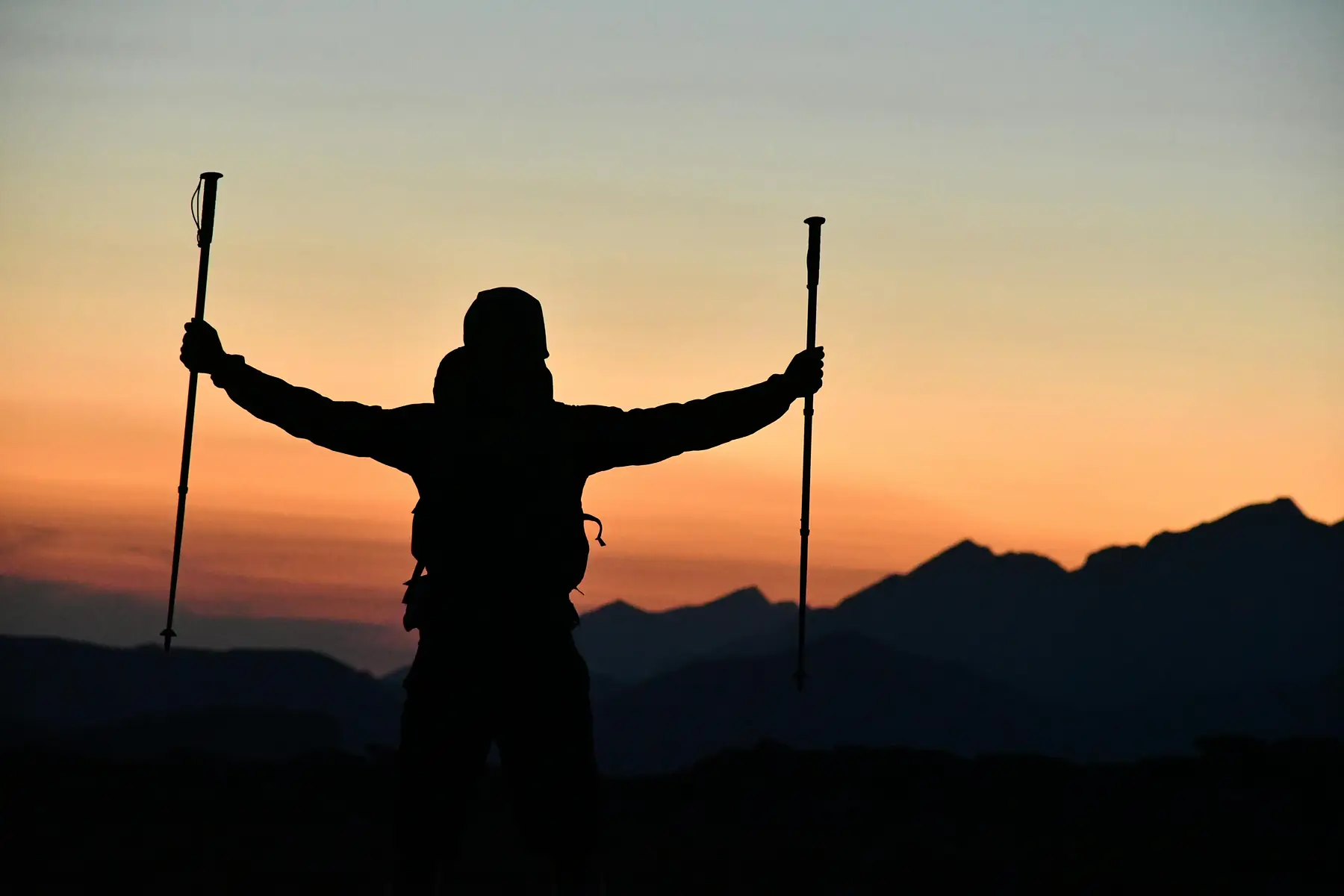
Trekking poles are frequently viewed as optional by beginners, but they are essential for Patagonia. They provide critical stability in high winds and save your knees from the cumulative impact of steep, rocky descents like the one from Paso John Gardner.
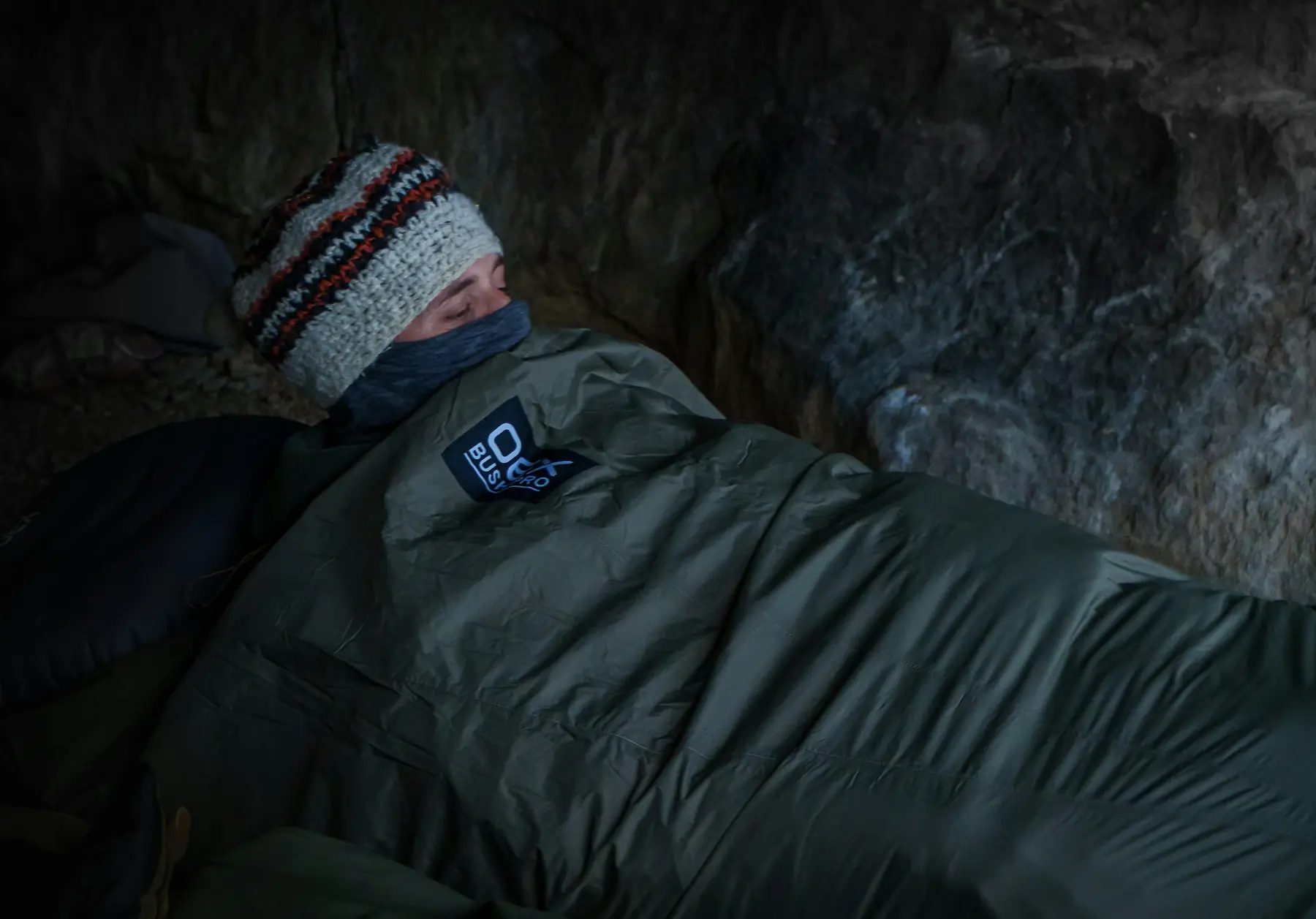
For those camping, we recommend checking our guide on choosing the right pack for your trip and our specific advice on trekking poles for Patagonia. If you are camping, remember to account for a 3-season sleeping bag rated to at least -5°C (23°F), which can often be rented locally in Puerto Natales or El Chaltén to save luggage space.
Regarding water, while glacial streams in remote areas of Torres del Paine and Los Glaciares have historically been safe to drink, park authorities and guides now strongly recommend filtration for the 2026/27 season. As the parks become more crowded, we recommend a simple filtration system like a Sawyer Squeeze or a Grayl bottle, especially near established campsites where human impact or livestock runoff is a risk.
Electronics, Power, and Connectivity
Cold temperatures significantly accelerate battery drain. If you are using your phone for navigation or photography, a high-capacity power bank (10,000 to 20,000 mAh) is a safety essential.
Power outlets vary by country. Chile primarily uses Type C and Type L plugs (220V), while Argentina uses Type C and Type I. Most modern hotels in major hubs like El Calafate or Puerto Natales now feature “universal” sockets that accept European Type C plugs, but a multi-country adapter remains necessary for smaller guesthouses and refugios.
Download offline maps for the entire region on Maps.me or AllTrails before you leave home. Cell service is non-existent once you enter the national parks, and even hotel Wi-Fi is often too slow for large downloads.
For weather tracking, the Windy.com app is the gold standard for Patagonia. It provides detailed wind-gust forecasts and cloud-cover models that are far more accurate than standard weather apps.
Health, Toiletries, and Personal Care
The Southern Hemisphere’s ozone layer is thinner over Patagonia, meaning the UV radiation is intense even on overcast days. High-SPF sunscreen and UV-rated lip balm are mandatory to prevent windburn and severe sunburn.
Your medical kit should be focused on “active” injuries. Blister care is the most common requirement; Compeed or Moleskin should be in every pack. Include a basic supply of anti-inflammatories (Ibuprofen) for joint pain and rehydration salts for long trekking days.
Finally, practice Leave No Trace principles. In many areas, you must pack out everything you bring in, including used toilet paper. Biodegradable soap is necessary if you plan on washing in streams, though most hikers find that “wet wipe showers” are the more practical solution for short treks.
Documents and Money Essentials
Crossing the border between Chile and Argentina is a common part of a Patagonia itinerary, and you must have your paperwork in order. In Chile, you will receive a PDI (Tarjeta de Turismo) digital or paper slip upon entry. Do not lose this; you need it to exit the country and to waive the 19% luxury tax (IVA) on hotel stays when paying in foreign currency or with a foreign credit card.
As of the 2026/27 season, citizens of the US, UK, and EU do not need to pay a reciprocity fee to enter Argentina. For budgeting, remember that Argentina’s economy remains volatile. While credit cards are now widely accepted and often receive a favorable “Tourist Card” exchange rate (MEP rate) close to the unofficial “Blue Dollar,” carrying some USD cash for backup or small vendors is still highly recommended. For more on managing your travel funds, see our Patagonia budget guide.
Many tour operators and park authorities now require proof of travel insurance that specifically includes mountain search and rescue and emergency evacuation coverage. Keep a digital and physical copy of your policy in your pack.
What NOT to Pack: The Overpackers’ Anonymous List
The most common mistake travelers make is packing for “just in case” scenarios that never happen. Every gram matters when you are fighting a headwind.
- Cotton and Denim: Jeans are heavy, take days to dry, and provide zero insulation when wet. Leave them for the city.
- Bulky Sweaters: One versatile mid-layer fleece is more effective and takes up half the space of a traditional wool sweater.
- Formal Wear: Even the most expensive lodges in Patagonia have a “mountain casual” dress code. A clean pair of trekking pants and a fresh base layer are acceptable everywhere.
- Drones: Drones are strictly banned in all Chilean and Argentine National Parks (including Torres del Paine and Los Glaciares) without a specialized commercial permit. Rangers will confiscate them, and fines can exceed $1,000 USD.
QUESTION: What is the most important item on a Patagonia packing list?
ANSWER: A high-quality, 3-layer waterproof and windproof hard shell jacket is the most critical item for surviving Patagonia’s unpredictable weather. It serves as your primary shield against the region’s legendary winds and sudden rain.
QUESTION: Do I need to pack a different list for Patagonia in summer versus winter?
ANSWER: While the core layering system remains the same, a winter Patagonia packing list requires heavier insulated mid-layers, gaiters for snow, and 4-season sleeping gear if camping. You should also prepare for much shorter daylight hours and limited transport options.
QUESTION: Can I use a regular suitcase for my Patagonia trip?
ANSWER: A regular wheeled suitcase is fine for Patagonia road trips or cruises, but a 50-70L rucksack is essential if your itinerary includes multi-day treks or frequent travel on public buses. Many hotels in trekking hubs like Puerto Natales will store your main suitcase while you head into the park with a smaller pack.
QUESTION: Is the water in Patagonia safe to drink straight from the stream?
ANSWER: While many remote streams remain pristine, increased tourism has made water filtration the recommended standard for 2026. Using a filter or purification tablets is advised near any established campsites or areas with livestock.
QUESTION: What kind of power adapter do I need for a Patagonia travel packing list?
ANSWER: You will need a Type C or L adapter for Chile and a Type C or I adapter for Argentina to ensure your electronics stay charged across the border. Carrying a universal travel adapter is the most efficient way to cover both countries.
QUESTION: Should I bring a rain cover for my backpack to Patagonia?
ANSWER: No, rain covers often blow away in Patagonia’s 60mph winds; it is much more effective to use waterproof dry bags or a heavy-duty liner inside your backpack. This ensures your sleeping bag and dry clothes stay protected even if the pack exterior becomes saturated.