
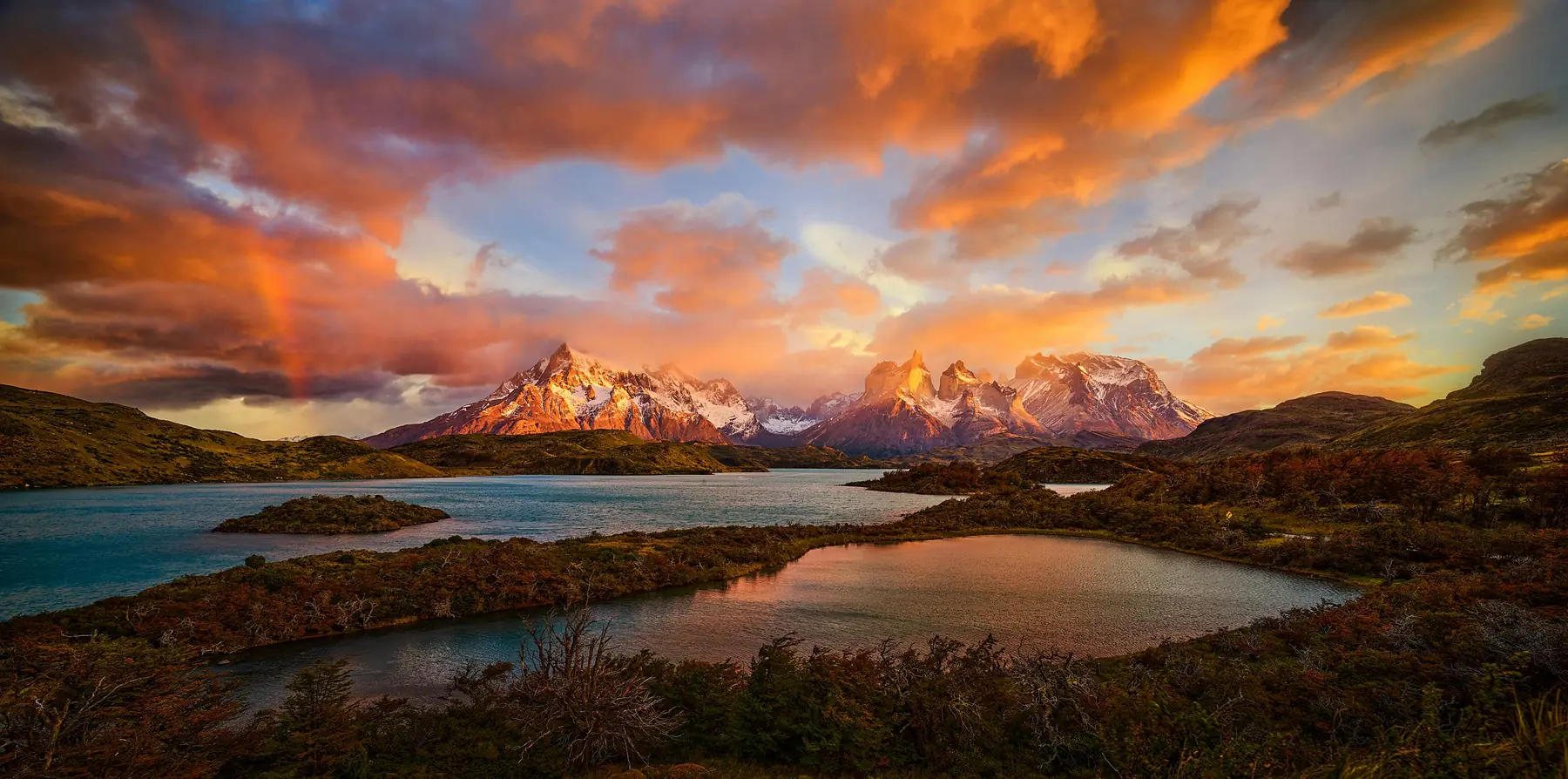
Patagonia Altitude & Fitness: Training Guide for 2026/27
Altitude sickness is almost never a factor for trekkers in Patagonia, as nearly all established trails remain well below 1,500 meters (4,921 feet). The primary physical challenge is not the thinness of the air, but the combination of significant vertical gain, technical terrain, and relentless winds that make “Patagonia miles” feel much longer than standard hiking distances.
While the northern Andes in Peru or Bolivia demand weeks of acclimatization, a trip to Patagonia is a test of cardiovascular endurance and joint stability. Preparing for a 2026 or 2027 trek requires a focus on sustained movement and leg strength rather than oxygen management.
Patagonia Elevation at a Glance
- Average Trekking Elevation: 200m to 1,200m
- Highest Point (W Trek): ~900m (Base Torres)
- Highest Point (O Circuit): ~1,200m (John Gardner Pass)
- Altitude Sickness Risk: Negligible for trekkers
- Primary Physical Challenge: Vertical gain and wind resistance
- Recommended Training Lead Time: 3-4 months
Patagonia Altitude vs. The Rest of the Andes
Patagonia sits at a much lower average elevation than the “High Andes” of the north because the mountain range effectively sinks as it moves toward the southern tip of the continent. While cities like Cusco or La Paz sit above 3,400 meters, Patagonian hubs like Puerto Natales and El Calafate are essentially at sea level.
This geographic shift means the tree line and glaciers are found at much lower altitudes than anywhere else in the range. You can experience dramatic alpine scenery, massive ice fields, and jagged granite spires without ever leaving the “safe zone” for oxygen levels. For travelers, this is the great advantage of the region: you get the visual rewards of high-altitude mountaineering with the physical ease of breathing at sea level.
To understand how this unique geography shapes the landscape you will be hiking through, see our guide to the geography of Patagonia.
Is Altitude Sickness a Risk in Patagonia?
No, altitude sickness is not a concern for travelers on the W Trek, O Circuit, or the day hikes around El Chaltén. Acute Mountain Sickness (AMS) typically only becomes a risk at elevations above 2,500 meters (8,200 feet), whereas the highest points on Patagonia’s most famous trails rarely exceed 1,200 meters.
You do not need to pack Diamox or plan for acclimatization days in your itinerary. The only individuals who need to consider altitude are technical climbers attempting the summits of the highest peaks, such as Monte San Valentín (4,058m) or the very top of Cerro Fitz Roy (3,405m). For the average trekker, your lungs will have all the oxygen they need; your legs, however, will be doing the heavy lifting.
If you have underlying health concerns or want to know more about medical preparation for the region, refer to our health and vaccinations guide.
Because you aren’t fighting for oxygen, you can push your physical pace harder than you would in the Himalayas. However, this often leads trekkers to overexert themselves on day one, leading to muscle fatigue that ruins day three. Start at a steady, sustainable rhythm.
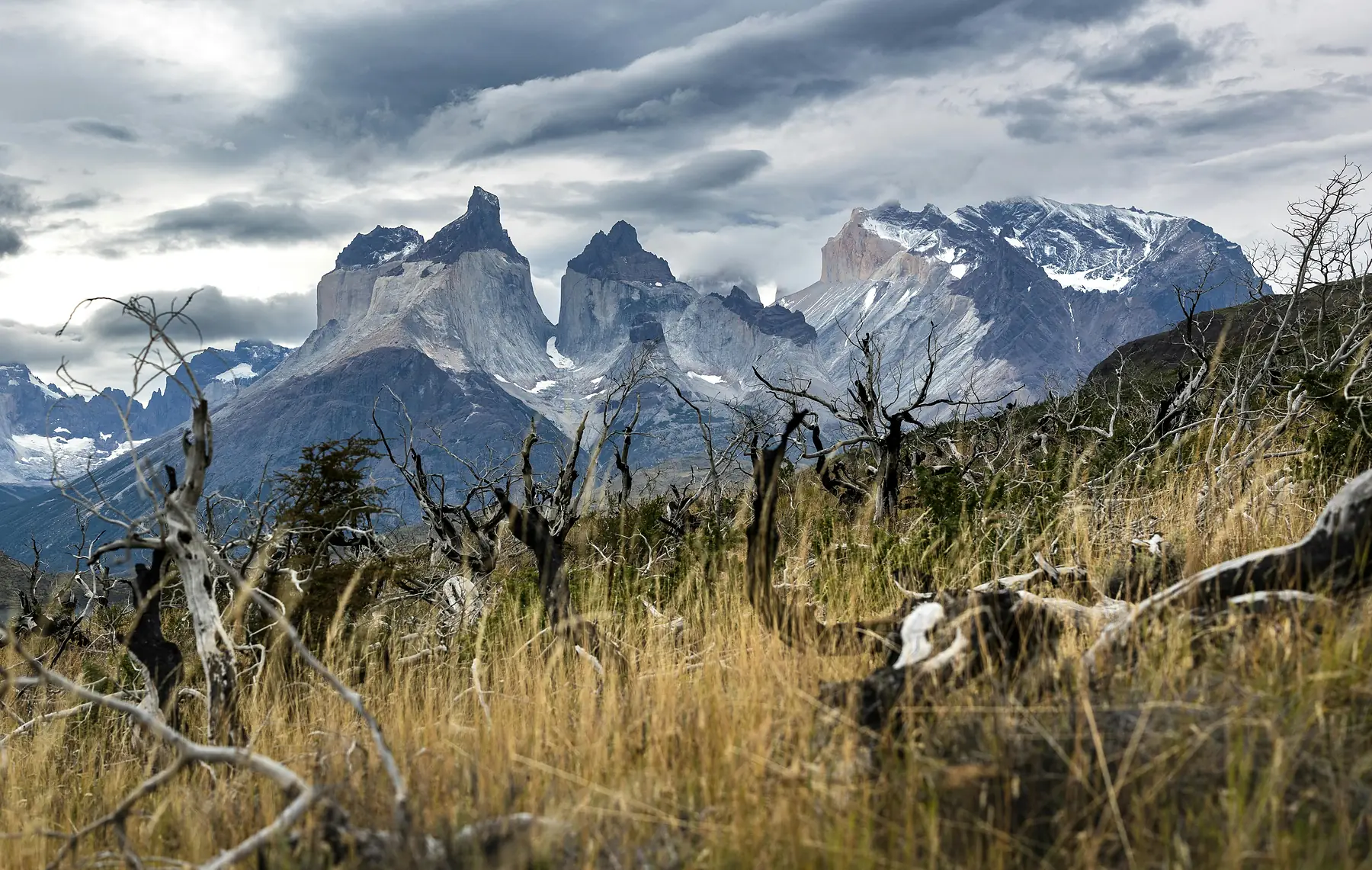
Elevation Profiles of Popular Treks
The real difficulty in Patagonia is found in the “vertical gain” - the total amount of uphill climbing you do in a single day. While the absolute altitude is low, a single day on the W Trek or the hike to Laguna de los Tres can involve 800 to 1,000 meters of climbing and subsequent descent, often over loose rock and steep gradients.
The following comparison highlights the difference between the most popular multi-day routes in Torres del Paine.
- Max Elevation: ~900m (Base Torres) vs ~1,200m (John Gardner Pass)
- Avg. Daily Distance: 15km vs 18-22km
- Terrain Type: Maintained trails vs Rugged, unmaintained backcountry
- Pack Weight: Light daypack or 8kg vs Full 12-15kg kit
The O Circuit requires significantly more endurance due to the John Gardner Pass and the cumulative fatigue of 8-10 days on trail.
For those heading to the trekking capital of Argentina, the Fitz Roy Trek peaks at Laguna de los Tres (~1,170 meters), involving a final, steep 400-meter push over just one kilometer of trail. Even the most demanding trek in the region, the Huemul Circuit, only reaches approximately 1,500 meters at Paso del Viento.
To see how these climbs translate into daily effort, explore our breakdown of the W Trek difficulty.
What Fitness Level is Required for Patagonia?
The fitness you need depends entirely on how you choose to see the region. Patagonia is accessible to everyone from casual sightseers to elite mountaineers, but you must be honest about your current conditioning when choosing a trek.
Easy to Moderate (Cruises & Day Hikes) If you are booking a luxury Patagonia trip or a coastal cruise, the physical demand is low. You should be able to walk 5-10 kilometers on well-maintained, relatively flat paths. Most of the “scenery” is accessed via boat or short walks to viewpoints.
Challenging (The W Trek) This is the benchmark for most visitors. You need the stamina to hike 15-20 kilometers per day for four or five consecutive days. While your bags can be transported between refugios, you still need to navigate steep sections like the French Valley. If you can walk for six hours with a light pack on hilly terrain, you are ready for the W Trek.
Demanding (The O Circuit & Huemul Circuit) These routes are for experienced hikers. You must be comfortable carrying a 12-15kg pack over steep, unmaintained terrain, including scree slopes and muddy forests. The O Circuit requires mental resilience to handle 8-10 days of sustained physical effort in potentially harsh weather.
“Patagonia Miles” are different. A 15km hike in Patagonia feels like 22km elsewhere because of the energy spent stabilizing your body against 60-80 km/h winds and navigating uneven, rocky trails.
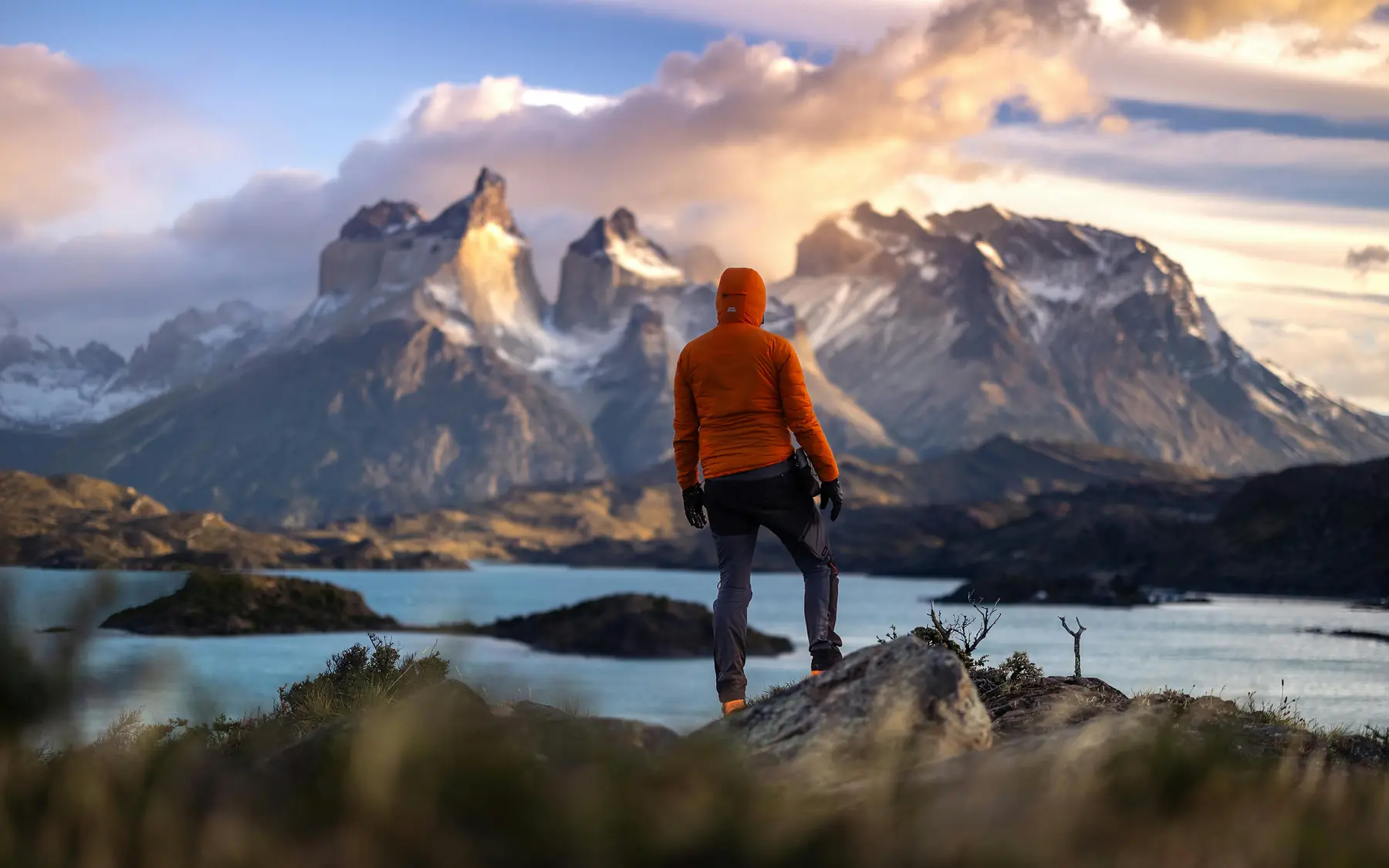
How to Train for Patagonia: Key Focus Areas
Training for Patagonia should focus on “functional” hiking fitness. You don’t need a high VO2 max as much as you need “trail legs” - the ability of your joints and smaller stabilizing muscles to handle thousands of steps on uneven ground.
- Cardiovascular Endurance: Focus on long, slow distance training. Instead of sprinting, go for 3-4 hour walks or bike rides. You are training your body to move efficiently for an entire day.
- Eccentric Loading (The Downhill): Most Patagonia injuries happen on the descent. Train your quads and knees by walking downhill or using a “step-down” exercise. This prepares your joints for the 800m descents common in Torres del Paine.
- Core and Balance: Strong core muscles are essential for staying upright when a sudden gust of wind catches your backpack. Incorporate planks and single-leg balance exercises into your routine.
- The Specifics: Never let the first day of your trek be the first time you wear your boots or carry your full pack. Use the actual hiking boots you plan to bring and gradually increase your pack weight during training hikes.
If you have committed to the most famous route in the park, we have developed a structured W Trek training plan to get you trail-ready.
The Impact of Patagonia’s Weather on Physical Effort
Fitness in Patagonia is as much about calorie management as it is about muscle strength. The environment is physically draining in ways that have nothing to do with the gradient of the trail.
The famous Patagonian wind acts as constant resistance. Hiking into a 70 km/h headwind significantly increases your caloric burn and causes muscle fatigue much faster than a calm day. Additionally, the “four seasons in one day” weather means your body is constantly working to regulate its temperature as you move between sweaty uphill climbs and freezing, rain-soaked ridges.
Dehydration is a hidden risk. In the cold, windy climate, you may not feel yourself sweating, and the dry air strips moisture from your lungs with every breath. If you don’t consciously drink water, you will experience “false fatigue” that feels like a lack of fitness but is actually just dehydration. Ensure you understand the weather and climate patterns before you set out.
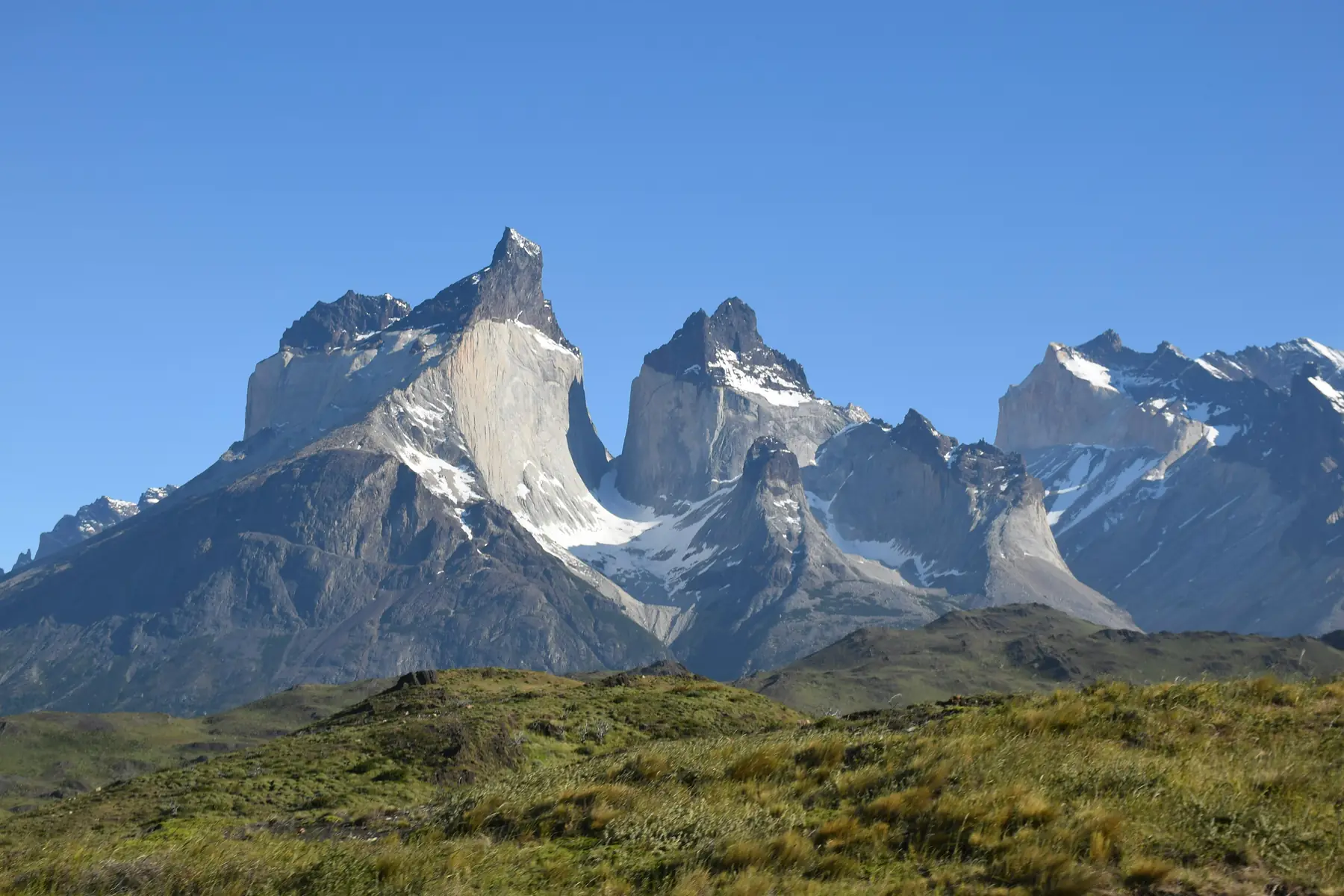
Health & Safety: When to Consult a Doctor
While altitude is not a factor, the physical nature of Patagonia means you should consult a professional if you have a history of joint issues. The trails are notoriously “rooty” and rocky, which can be brutal on pre-existing knee or ankle injuries.
Ensure your travel insurance specifically covers trekking. Most standard policies cover activities up to 2,000 meters as a baseline, which is more than enough for Patagonia, but it is vital to confirm that “multi-day trekking” or “hiking” is not excluded from your specific plan. If you have any cardiovascular concerns, the sustained uphill climbs of the French Valley or Paso del Viento should be discussed with your doctor before booking.
Related guides
FAQ
QUESTION: Do I need to worry about Patagonia altitude sickness on the W Trek? ANSWER: No, the highest point on the W Trek is approximately 900 meters (2,953 feet) at the Base Torres lookout, which is well below the 2,500-meter threshold where altitude sickness typically begins.
QUESTION: How fit do I need to be for a Patagonia hiking trip? ANSWER: For multi-day treks like the W or O, you should be comfortable hiking 15-20 kilometers (9-12 miles) per day with significant elevation gain for several consecutive days.
QUESTION: What is the highest elevation in Torres del Paine National Park? ANSWER: While the highest peaks like Cerro Paine Grande reach 2,884 meters, the highest point accessible to trekkers is the John Gardner Pass at approximately 1,200 meters (3,937 feet).
QUESTION: Are there any high altitude treks in Patagonia? ANSWER: Most treks in Patagonia are low-altitude; even the demanding Huemul Circuit near El Chaltén peaks at around 1,500 meters, making it much lower than treks in the Peruvian Andes.
QUESTION: Should I bring trekking poles for Patagonia fitness and stability? ANSWER: Yes, trekking poles are highly recommended for all Patagonia treks to reduce impact on your knees during steep descents and to provide stability in high winds.
QUESTION: How should I train for the Patagonia W Trek? ANSWER: Focus on weighted hikes, leg strength, and cardiovascular endurance, ideally training on uneven terrain to mimic the rocky paths found throughout Torres del Paine.