
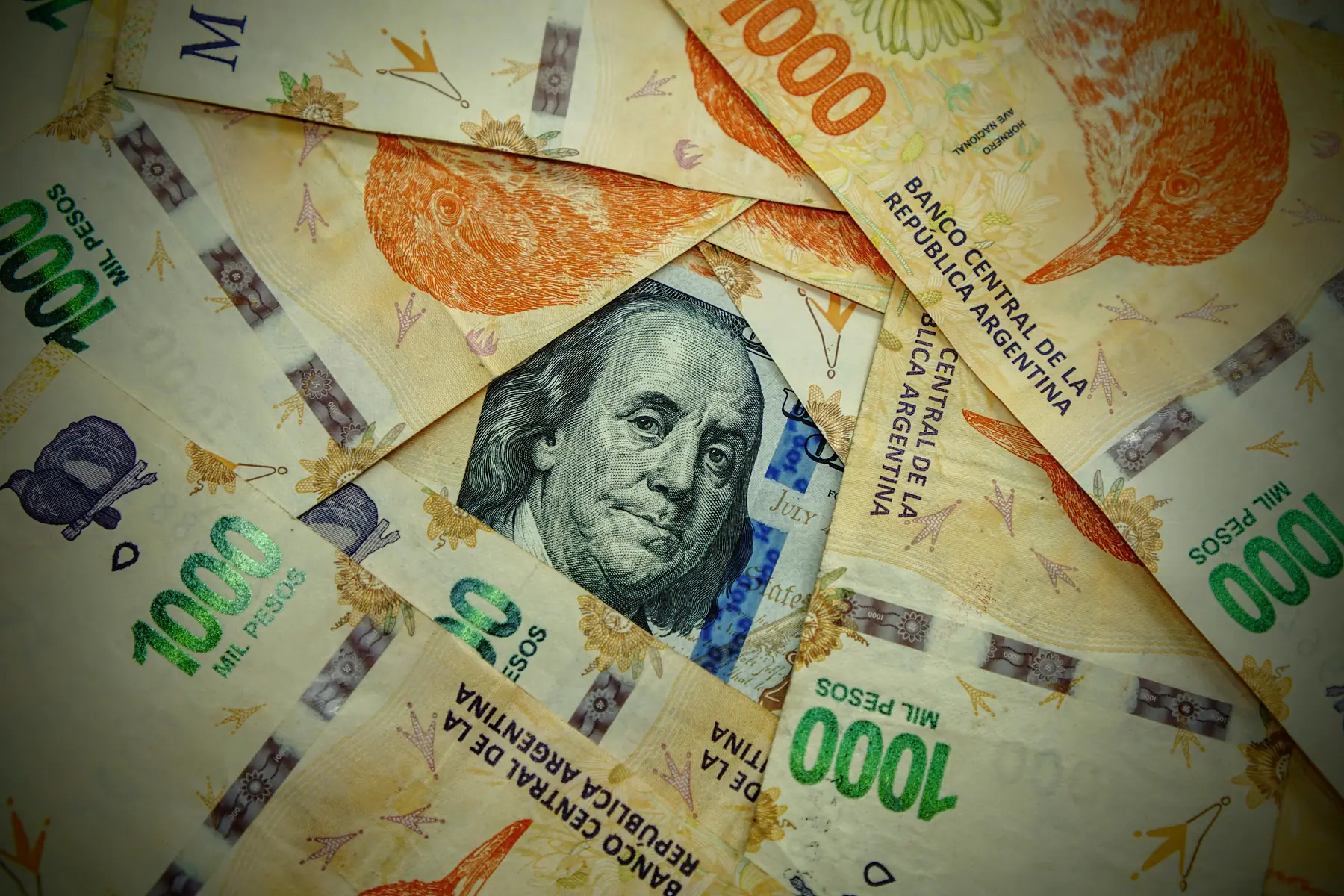
Patagonia Currency Guide: Money & Paying in 2026/27
Patagonia uses two different currencies: the Chilean Peso (CLP) in the west and the Argentine Peso (ARS) in the east. To navigate the region effectively in the 2026/27 season, you should use credit cards for most transactions in Chile to save 19% on tax, while in Argentina, you should rely on a mix of foreign credit cards—which receive the favorable MEP exchange rate—and cash for remote areas.
While the two countries share a border and a “Patagonian” identity, their financial systems are worlds apart. Chile is highly digitized and stable, functioning much like Europe or North America. Argentina remains a more complex economy where “official” rates, the “MEP” rate for cards, and the informal “Blue Dollar” have largely converged as of 2026, though cash remains essential in the south. Understanding how to toggle between these two systems is the difference between a seamless trip and being stranded at a remote trailhead without a way to pay for your bus back to town.
Patagonia Money at a Glance
- Chilean Currency: Peso (CLP), symbol: $.
- Argentine Currency: Peso (ARS), symbol: $.
- Best Payment Method (Chile): Credit card (Visa/Mastercard) for the 19% IVA tax exemption.
- Best Payment Method (Argentina): Credit card for the MEP rate, plus USD cash as a backup.
- ATM Reliability: High in major cities; very low in El Chaltén and the Carretera Austral.
- Primary Backup: Crisp, new $100 USD bills (Series 2013 or newer).
The Two Currencies of Patagonia
You will need both Chilean Pesos and Argentine Pesos if your itinerary crosses the Andes, as neither country accepts the other’s currency. Because both nations use the ”$” sign to denote their pesos, it is vital to clarify which currency a price refers to in border towns like Los Antiguos or Chile Chico.
The Chilean Peso (CLP) is stable and issued in denominations up to 20,000. In 2026, you will find that almost every merchant in Chilean Patagonia, from the supermarkets in Punta Arenas to the small hostels in Puerto Natales, expects digital payment.
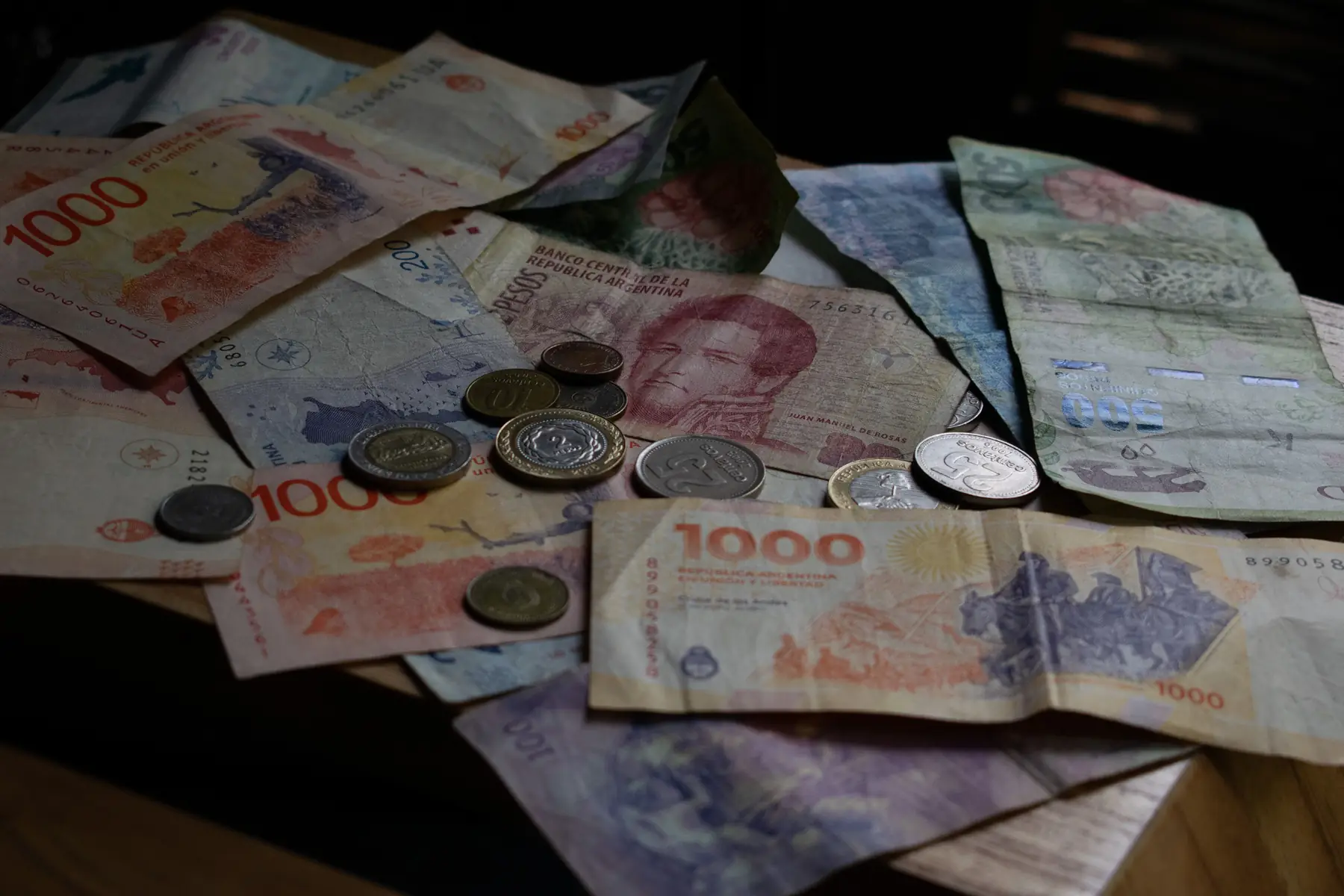
In contrast, the Argentine Peso (ARS) has historically been subject to high inflation, leading to the frequent introduction of larger banknotes. For the 2026/27 season, the 10,000 and 20,000 peso notes (introduced in late 2024) are the standard for daily use. While carrying large stacks of cash was once a requirement for Argentina, the “MEP rate” for foreign credit cards has significantly reduced the amount of physical paper you need to carry.
If you are planning to move between the two zones, you can find a breakdown of the logistics involved in our guide to Patagonia border crossings.
Money in Argentina: Blue Dollar, MEP Rate, and Cash
The most important update for travelers in 2026 is that you no longer need to bring thousands of dollars in cash to get a fair exchange rate in Argentina. International credit cards (Visa and Mastercard) now automatically apply the “MEP rate”—a tourist-friendly exchange rate that, as of early 2026, tracks very closely with both the official rate and the informal “Blue Dollar.”
Previously, the “Official Rate” was significantly lower than the market value, forcing travelers to visit “cuevas” (unofficial exchange houses) with USD cash. Today, because your credit card gives you a rate very similar to the Blue Dollar, you should use your card for all major purchases like hotels, high-end dinners, and tour bookings. Note that while the gap between rates has narrowed to within 2–5% in 2026, using a foreign card remains the most convenient way to access market-value pricing.
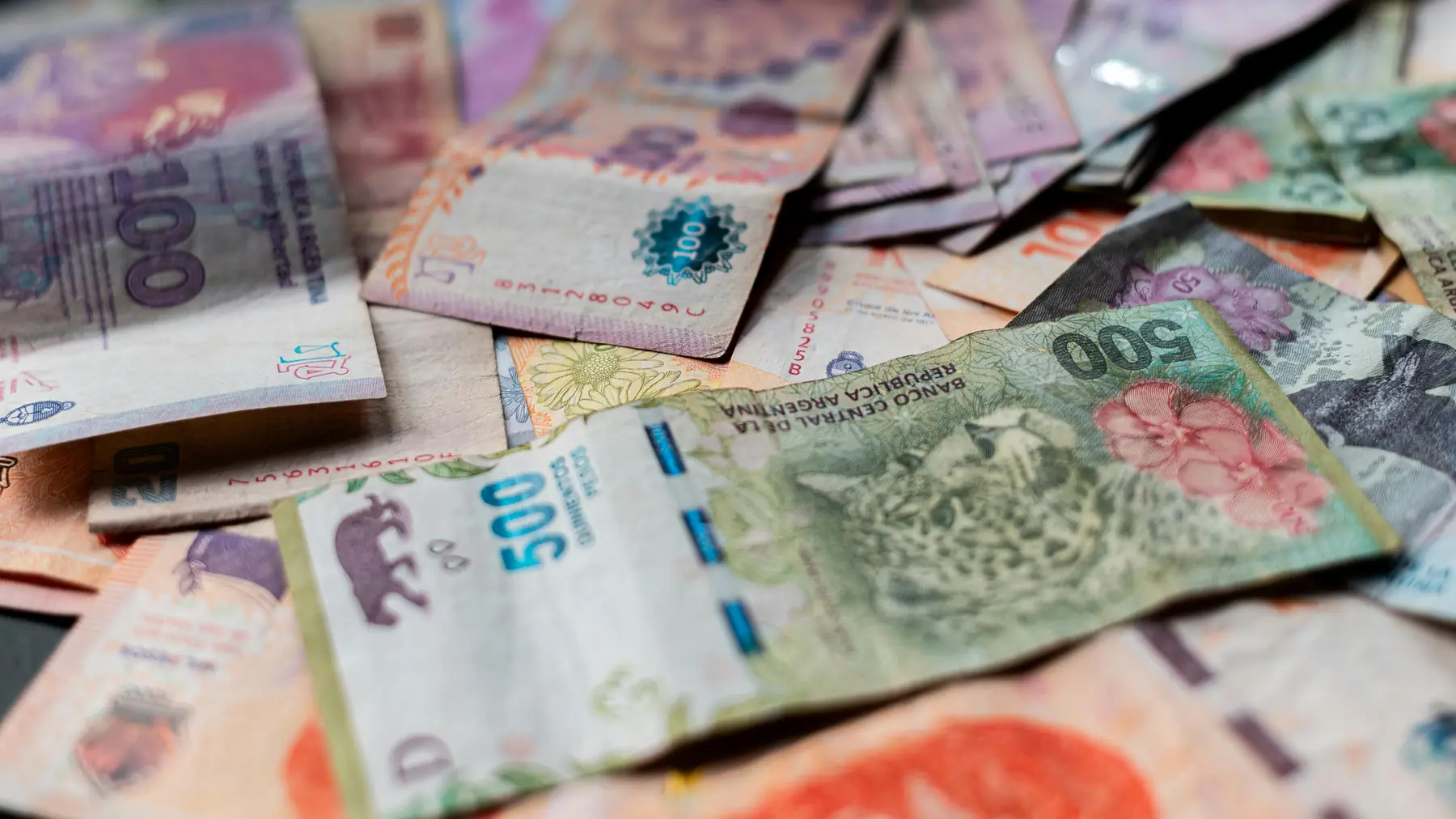
However, cash is still the lifeblood of Argentine Patagonia. You will need physical pesos for tipping, buying snacks at small kiosks, paying for rural bus tickets, or when a remote restaurant’s “machine is down”—a frequent occurrence during peak season when internet connections are strained.
If you do need to get large amounts of cash, Western Union is often a better option than an ATM. By sending money to yourself via the Western Union app and picking it up at a local branch in El Calafate or Bariloche, you often receive a rate (the CCL rate) that is slightly superior to the MEP rate with lower effective fees than a bank withdrawal.
For those who prefer the security of “hard cash,” the Blue Dollar market remains active. In towns like El Calafate, you can exchange USD for ARS at local shops or exchange houses. This is where your “backup” currency comes into play. If you are looking to stretch a tight budget, you can find more strategies in our guide to Patagonia on a budget.
Money in Chile: Credit Cards and the 19% Tax Hack
Chile is one of the most card-friendly regions in South America, and for foreign tourists, using a card is actually a legal requirement for saving money. Under Chilean law, foreign tourists are exempt from the 19% Value Added Tax (IVA) on hotel accommodation, provided they pay in US Dollars or with a foreign credit card.
To qualify for this 19% saving, you must present your passport and the PDI (Policía de Investigaciones) entry slip (or the digital e-PDI record) you received when crossing the border or landing at the airport. Most hotels in Patagonia are well-versed in this process and will automatically remove the tax from your bill if you pay with a non-Chilean card. If you pay in Chilean Pesos cash, you are legally required to pay the full price including the 19% tax, making cash the most expensive way to stay in Chile.
While cards rule the cities, the Carretera Austral and rural Magallanes still require CLP cash. Small ferries, rural buses, and local markets in places like Villa O’Higgins or Tortel often do not have the infrastructure for digital payments.
For more information on the specific documents you need to keep in your wallet to secure this discount, refer to our guide on Patagonia entry requirements.
ATMs in Patagonia: Where the “Dead Zones” Are
You should never rely on finding a working ATM in the smaller towns of Patagonia. ATMs in Argentina, in particular, are notorious for three things: having very low withdrawal limits (often the equivalent of just $40–$60 USD as of 2026), charging high transaction fees (frequently $10 USD or more), and running out of cash entirely during holiday weekends or peak trekking months.
The most famous “dead zone” is El Chaltén. Despite being the trekking capital of Argentina, it frequently has only two ATMs that often run out of money by Friday afternoon. If you arrive in El Chaltén without cash, you may find yourself unable to pay for trail snacks or small shuttles to the Fitz Roy trailheads. Similarly, on the Chilean side, Villa O’Higgins and remote sections of the Carretera Austral have very limited banking infrastructure.
Do not wait until you arrive in El Chaltén to withdraw Argentine Pesos. Always pull the maximum amount allowed from an ATM in El Calafate or Bariloche before heading into the mountains.
In Chile, the “Redbanc” network is more reliable and allows for higher withdrawal limits, but fees for foreign cards remain high. As of the 2026/27 season, expect fees between 7,000 and 8,500 CLP per transaction at most private banks, though Banco Estado typically charges a slightly lower fee of around 5,500 CLP. To minimize these costs, withdraw the maximum amount possible (usually 200,000 CLP) in major hubs like Punta Arenas or Puerto Natales.
If you are heading to the mountains, we recommend checking the specific banking status in our local guides for El Chaltén and Puerto Natales.
Using US Dollars (USD) in Patagonia
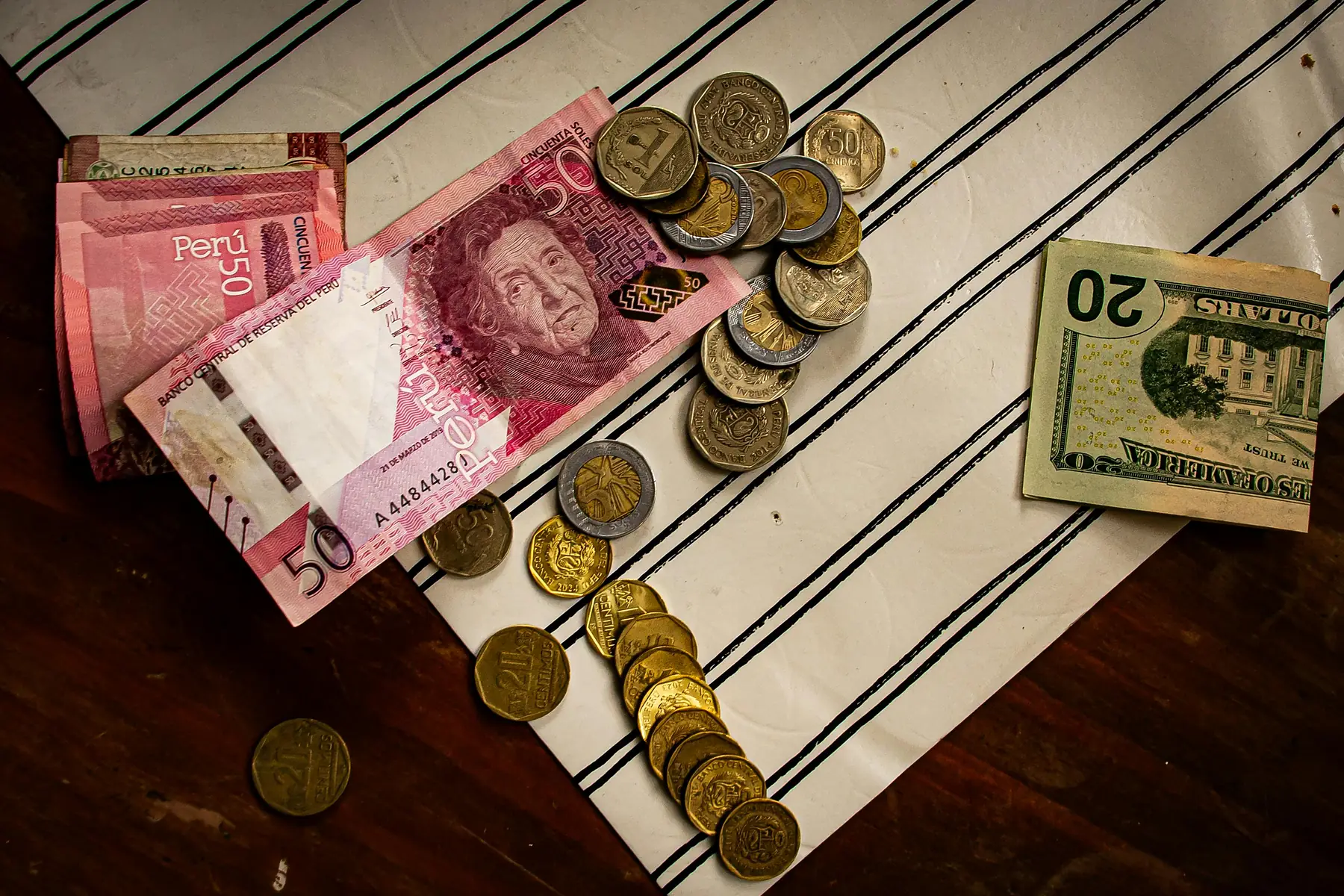
US Dollars are the “gold standard” backup currency in Patagonia and are far more useful than Euros or British Pounds. Many high-end lodges and multi-day tour operators will quote their prices in USD and are happy to accept them as direct payment.
However, the condition of your bills is critical. In Argentina, “cuevas” and even some hotels will refuse to accept USD bills that are torn, marked, or even heavily creased. They specifically look for the “big head” $100 bills (the newer series issued after 2013). If you bring older “small head” bills or notes with any ink marks, you will likely be offered a much lower exchange rate or be rejected entirely.
When preparing for your trip, visit your home bank and specifically request “crisp, uncirculated” $100 bills. Store them in a hard-shell folder or a dedicated waterproof pouch so they do not get folded or damaged in your backpack.
While you can use USD to pay for a $2,000 USD trekking package, do not expect to use a $20 bill to buy a sandwich in a local bakery. You will either be refused or given a “convenience” exchange rate that is significantly worse than the market rate. Use USD for the big things and for emergencies, but use pesos for the daily details.
Tipping Etiquette and Small Change
Tipping in Patagonia is expected but generally less aggressive than in North America. In both Chile and Argentina, a 10% tip is the standard for restaurant service. In Chile, this is often called the “propina sugerida” and is added to the bill automatically—it is polite to agree to it unless the service was exceptionally poor.
For trekking guides and porters on the W Trek or around Fitz Roy, tips are usually given in cash at the end of the excursion. While USD is appreciated by guides, local pesos are better for support staff like cooks or drivers. Carrying a stash of small bills is also essential for “Baños” (public toilets) in bus stations and for paying small entry fees at some private reserves that haven’t yet moved to the national CONAF or Parques Nacionales digital booking systems.
Because tipping culture varies significantly between a casual cafe and a five-day guided climb, we have created a dedicated breakdown of tipping in Patagonia to help you budget correctly.
The Best Paying Strategy (Summary Table)
The following table summarizes the most efficient way to manage your money depending on which side of the border you are exploring.
To help you put these payment methods into a broader context, you can see how these currency choices impact a total travel budget in our Patagonia trip cost guide.
- Primary Payment: Credit Card — Visa/Mastercard (Chilean Patagonia)
- Primary Payment: Credit Card — MEP Rate (Argentine Patagonia)
- Cash Necessity: Low — needed for rural buses/ferries (Chilean Patagonia)
- Cash Necessity: High — needed for tips/kiosks/remote areas (Argentine Patagonia)
- Best Backup Currency: CLP (Chilean Pesos) (Chilean Patagonia)
- Best Backup Currency: USD — crisp $100 bills (Argentine Patagonia)
- Daily Cash Recommendation: $20–30 USD equivalent in CLP (Chilean Patagonia)
- Daily Cash Recommendation: $40–50 USD equivalent in ARS (Argentine Patagonia)
Use credit cards in Chile for the 19% tax break, but rely on the MEP rate and cash reserves in Argentina.
For many travelers, the most confusing part of the trip isn’t the currency itself, but the moment they have to switch between them. If your itinerary involves moving from the towers of Torres del Paine to the glaciers of El Calafate, your next step should be reading our guide on managing border crossings.
FAQ
Can I use US dollars in Patagonia Argentina? While USD is widely accepted for large purchases like hotels and at “cuevas” for exchange, you will need Argentine Pesos for daily expenses like food and taxis. Most small vendors will not accept USD, or they will offer a very poor exchange rate.
Are there many ATMs in El Chaltén? There are only two ATMs in El Chaltén and they frequently run out of cash or have long lines during the peak season. You should always withdraw the cash you need in El Calafate before arriving in town to ensure you aren’t left without funds.
Do I need cash for the W Trek in Torres del Paine? Most refugios on the W Trek accept credit cards for meals and drinks, but you should carry Chilean Pesos for small snacks or in case the satellite connection fails. Having 30,000 to 50,000 CLP in small notes is a safe reserve for the duration of the trek.
What is the Argentine Blue Dollar rate for Patagonia travelers? The Blue Dollar is the unofficial exchange rate that offers more pesos per dollar than the government rate. While travelers once had to seek out “cuevas” to get this rate, you can now access a very similar “MEP rate” simply by using a foreign credit card for your purchases. As of 2026, the gap between these rates has largely closed.
Should I exchange money before going to Patagonia? It is better to wait until you arrive in Chile or Argentina to get pesos, as exchange rates offered at home or in international airports are typically very poor. Use an ATM at the airport upon arrival or visit a local exchange house in the city for the best value.
How do I avoid the 19% hotel tax in Chilean Patagonia? To avoid the IVA tax, you must pay for your hotel stay in US Dollars or with a foreign credit card and present your PDI entry slip (or digital record). This exemption only applies to foreign tourists staying in “tourist-class” accommodation for less than 60 days.