Best Base Layers for Patagonia (2026): Field-Tested Guide
The best base layer for Patagonia is a 150-weight merino wool blend, which provides the essential balance of odor control for multi-day treks and the ability to retain warmth even when damp. For most hikers on the W Trek or in El Chaltén, a hybrid fabric like the Smartwool Classic All-Season is the superior choice because it dries faster and lasts longer than pure wool in high-wind environments.
While your outer shell protects you from the rain, your base layer manages the moisture your own body produces. In a region where you can experience four seasons in a single afternoon, choosing the wrong next-to-skin layer can lead to rapid cooling the moment you stop moving. We have field-tested these recommendations across the granite spires of the French Valley and the exposed ridges of the Huemul Circuit to ensure they stand up to the specific demands of the Southern Andes.
At a Glance: Patagonia Base Layers
- Top Pick: Smartwool Classic All-Season (Merino Blend)
- Best for High Output: Patagonia Capilene Midweight (Synthetic)
- Best for the O Trek: Ibex Woolies Pro Tech (NuYarn)
- Ideal Weight: 150g to 200g for summer and shoulder seasons
- Key Material: Merino wool for odor control; Synthetic for dry speed
- UV Protection: UPF 50+ is recommended for high-altitude sun
To build a complete clothing system for your trip, it is helpful to understand how these layers integrate with the rest of your Patagonia gear strategy.
Why Your Base Layer is Your Most Critical Choice in Patagonia
In Patagonia, the wind is a constant heat-thief. When you sweat during a steep ascent to the Base of the Towers and then stop to take a photo, the moisture in a poor-quality base layer can lead to a “flash off” effect. This is where the wind accelerates the evaporation of sweat, pulling heat away from your core at an alarming rate.
The base layer serves as the foundation of your three-layer system, responsible for moving liquid sweat away from your skin before it can chill you. While your waterproof jacket blocks the external elements, the base layer manages the internal climate. Because the sun in the Southern Hemisphere is exceptionally strong due to the thinner ozone layer, your base layer often serves a dual purpose as your primary UV shield on warm days in the pampa.
For a deeper look at how to coordinate your entire wardrobe for the trail, see our comprehensive guide on how to layer for Patagonia.
Merino Wool vs. Synthetic: The Patagonia Decision Matrix
The choice between merino wool and synthetic fabrics usually comes down to where you are sleeping and how much you sweat. Merino wool is the gold standard for multi-day trekking because it can be worn for five days straight without developing the pungent odor associated with polyester. This is a critical consideration for the “Refugio Factor,” where you will be sharing tight sleeping quarters with other trekkers and laundry facilities are non-existent.
Synthetic layers, like Patagonia’s Capilene, are more durable and dry significantly faster than wool. If you are a high-output hiker who sweats heavily even in the cold, or if you are on a budget, synthetics offer excellent performance. However, for most travelers, a hybrid blend that wraps merino wool around a nylon core provides the best of both worlds: the comfort and odor resistance of wool with the durability and dry-time of a synthetic.
- Odor Control: Excellent (can wear for 5+ days) vs. Poor (usually smells after 1 day)
- Dry Time: Moderate (synthetics typically dry 50% faster than 150g merino) vs. Very Fast
- Durability: Moderate (prone to holes) vs. High (resists abrasion)
- Warmth When Wet: High (stays warm) vs. Low (can feel clammy)
Choose a Merino Blend for multi-day treks like the W or O Circuit to manage odor and stay warm when damp.
When selecting your materials, remember that your feet require the same attention to moisture management. We recommend pairing your base layers with high-quality merino hiking socks to prevent blisters caused by damp skin.
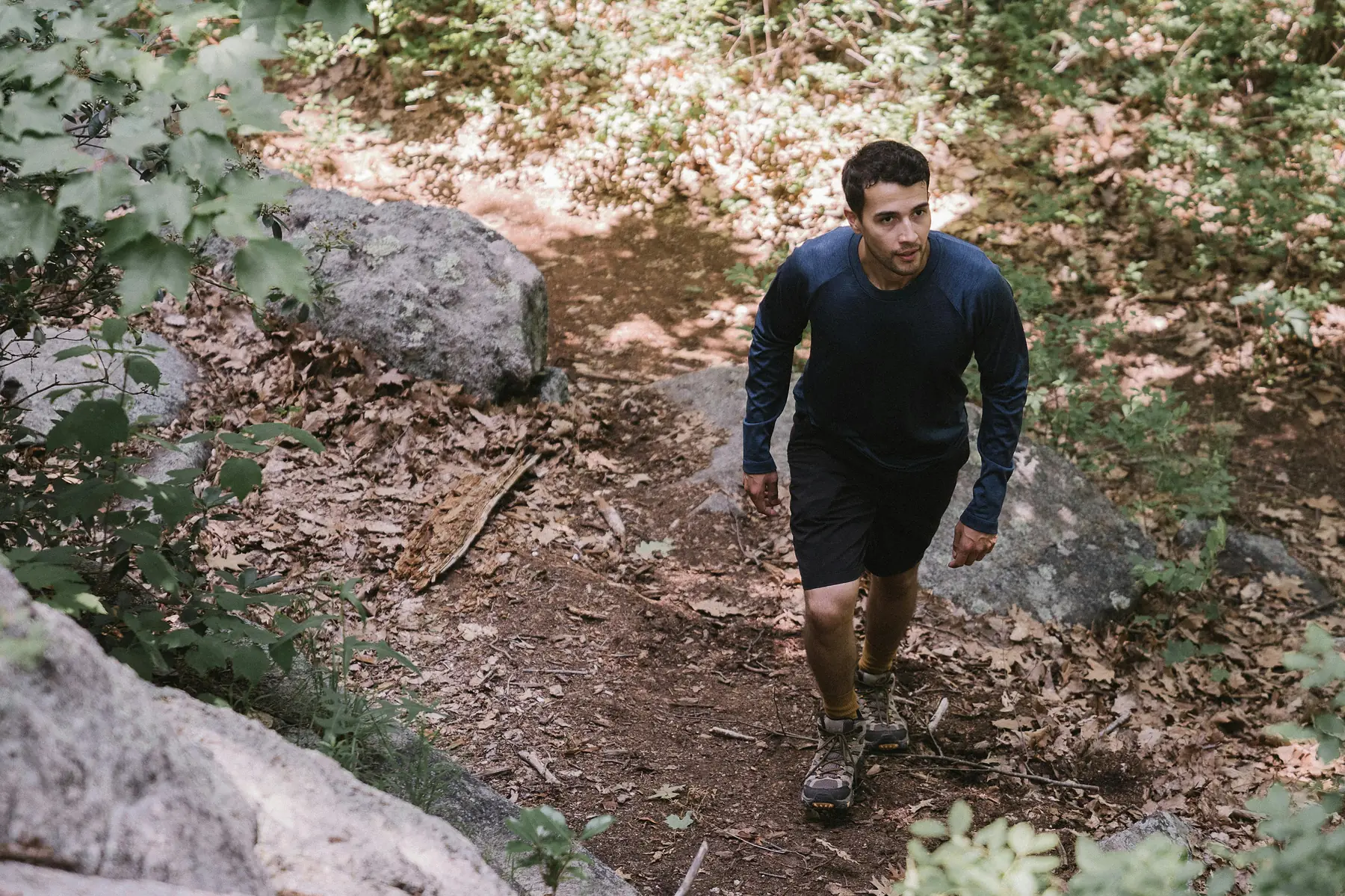
Best Overall Base Layer for Patagonia: Smartwool Classic All-Season
The Smartwool Classic All-Season is our top recommendation for the average Patagonia trekker. Its 150g weight is the “Goldilocks” thickness for the region, providing enough warmth for a chilly morning at Campamento Italiano without causing you to overheat during the afternoon sun.
The fabric construction is specifically designed for durability, featuring a core of nylon wrapped in 88% Merino wool. This is vital because the heavy straps of a 50L pack can easily shred 100% merino wool over the course of a long trek. The raglan sleeves and flatlock seams ensure there are no pressure points under your pack straps, which is a detail you will appreciate by the third day of the W Trek.
The MSRP for the Smartwool Classic All-Season Crew is approximately $85 USD (as of the 2026/27 season).
If you find yourself between sizes, size up. A base layer should be snug but not restrictive. A slightly looser fit allows for better airflow and prevents the fabric from becoming saturated with sweat too quickly.
Best Synthetic Performance: Patagonia Capilene Midweight Crew
For hikers who prioritize moisture transport above all else, the Patagonia Capilene Midweight Crew is the industry standard. This layer features a diamond-grid pattern on the interior that creates small pockets of trapped air for warmth while simultaneously providing channels for moisture to escape.
This is the ideal layer for those who plan to wash their gear in a Refugio sink or a glacial stream, as it will dry completely in a fraction of the time it takes for wool to lose its moisture. While it includes HeiQ Pure odor control, be aware that no synthetic can truly match the natural antimicrobial properties of merino wool over a week-long expedition.
The durability of Capilene is legendary. Many trekkers use the same set of Capilene for over a decade of Patagonia seasons. The 2026 Capilene Midweight models are constructed from 100% recycled polyester.
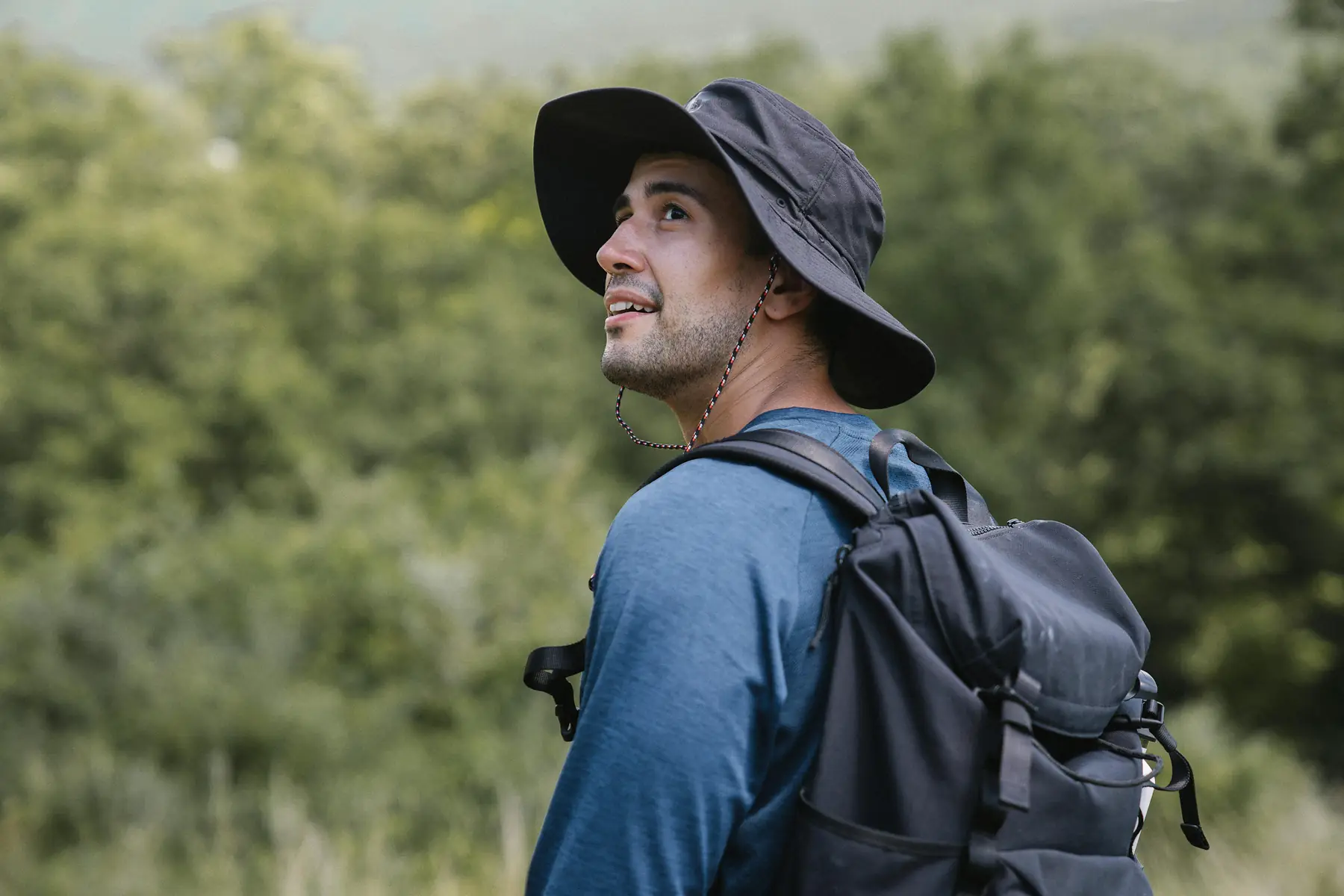
Best for the O Trek & Remote Expeditions: Ibex Woolies Pro Tech
If you are tackling the 7-10 day O Circuit or the remote Huemul Circuit, you need a layer that can survive sustained abuse without a wash. The Ibex Woolies Pro Tech uses NuYarn technology, a spinning method that results in a fabric that is significantly stronger and warmer than traditional ring-spun wool.
NuYarn technology is tested to be up to 5x more durable and dry 5x faster than standard merino wool, which is essential when you are carrying a heavy expedition pack that creates constant friction against your shoulders and hips. It also offers a higher loft, meaning it traps more heat for its weight, a welcome feature when the wind picks up on the backside of the Paine Massif.
Never use cotton as a base layer in Patagonia. Cotton is “hydrophilic,” meaning it absorbs and holds water. Once wet, it loses all insulating properties and can lead to hypothermia even in relatively mild temperatures if the wind is blowing.
Best Lightweight Sun Hoodies for Summer Trekking
In recent years, “sun hoodies” have become the preferred base layer for summer trekking in Patagonia. The combination of high-altitude UV radiation and the constant wind makes a thin, hooded layer more practical than a standard t-shirt.
The Mountain Hardwear Crater Lake and the Patagonia Capilene Cool Daily are the two standout options. A hood protects your neck and ears from the sun, reducing the need for constant sunscreen application, which often mixes with sweat and grit to irritate the skin. Both the Crater Lake and the Capilene Cool Daily provide UPF 50+ protection (as of the 2026/27 season), making them perfect for the long, exposed stretches of the pampa.
Specific Considerations for Women’s Base Layers
For women, the fit of a base layer is about more than just aesthetics; it is about preventing “bunching” under the hip belt of a heavy pack. A well-designed women’s base layer should have a tapered waist and a slightly longer “drop tail” hem to ensure it stays tucked in and protects your lower back from cold drafts when you lean forward or scramble over rocks.
Brands like Smartwool and REI Co-op offer more inclusive sizing and anatomical cuts that account for different torso lengths. If you find that standard crews are too short, look for “tall” sizes or models with integrated thumb loops, which help keep the sleeves in place when you are layering a fleece or shell over the top.
How to Care for Your Gear in the Field and at Home
High-performance base layers are an investment, and Patagonia’s environment is tough on fabrics. In the field, you can “air wash” merino wool by hanging it in the wind for an hour; the natural properties of the wool combined with the fresh air will neutralize most odors.
When you return home, avoid the temptation to use standard detergents or fabric softeners. Fabric softeners coat the fibers in a waxy residue that destroys the moisture-wicking capabilities of the fabric. Instead, use a technical wash like Nikwax Wool Wash for merino or a standard unscented detergent for synthetics. Always air dry your base layers; the high heat of a dryer can shrink merino and damage the elastic fibers in synthetic blends.
To continue building your kit for the Southern Andes, explore our other performance gear reviews:
FAQ
Is Merino wool or synthetic better for the W Trek in Patagonia? Merino wool is generally better for the W Trek because of its superior odor control in shared Refugios and its ability to stay warm even when damp from rain or sweat.
How many base layers should I pack for a trip to Patagonia? Pack two sets of base layers: one lightweight set for active trekking and one mid-to-heavyweight set kept strictly dry for sleeping. For a full count of clothing items, see our Patagonia packing list.
Are Patagonia brand base layers actually the best for Patagonia’s climate? Yes, Patagonia’s Capilene and Merino blends are legitimately top-tier for the region because they are specifically engineered for the high-wind, high-output conditions found in the Andes.
Do I need a hooded base layer for hiking in Torres del Paine? A hooded base layer (sun hoodie) is highly recommended to protect your neck and ears from intense UV radiation and the biting winds found on exposed sections like the John Gardner Pass.
What weight base layer is best for Patagonia in the summer? A lightweight (150-weight) merino blend is the best choice for summer (December–February), as it provides the best balance of breathability during steep climbs and warmth during sudden temperature drops.
Can I wear cotton base layers in Patagonia? No, you should never wear cotton base layers in Patagonia. Cotton absorbs moisture and loses its insulating properties when wet, which can lead to hypothermia in cold, windy environments.