W Trek Packing List: 2026/27 Expert Gear Guide for Patagonia
A successful W Trek packing list prioritizes a modular layering system and a strict weight limit of 10 to 15kg to handle Patagonia’s volatile weather and steep terrain. Whether you are sleeping in a bed at Refugio Grey or pitching a tent at Campamento Italiano, your gear must be capable of transitioning from 25°C sunshine to 80 km/h sleet within a single afternoon.
This guide is built on multiple seasons of trekking through Torres del Paine National Park. It builds on our master Patagonia packing list by focusing specifically on the unique demands of the W Trek: the steep moraines of the Base Torres trail, the high-wind exposure of the Pehoé lakeside, and the logistical differences between supported refugio stays and self-sufficient camping.
W Trek Gear at a Glance
- Refugio Pack Weight: 7 - 9kg (including water)
- Camping Pack Weight: 12 - 16kg (including food/fuel)
- Key Essential: A dedicated 15 - 20L summit pack for out - and - back sections
- Footwear: Mid - cut waterproof boots are recommended for the rocky French Valley
- Best Strategy: Bring technical basics from home; rent bulky camping gear in Puerto Natales
The W Trek Gear Strategy: Weight vs. Weather
The single most common mistake on the W Trek is overpacking “just in case” items that eventually become a burden on the 800m climb to the Base of the Towers. To hike efficiently, you must adopt the 10kg Rule: if you are staying in refugios, your total pack weight should not exceed 10kg. If you are camping and carrying food, aim for a maximum of 15kg. Every gram matters when you are navigating the sustained winds of the W Trek.
Patagonian wind physics require a different mental model than standard alpine hiking. In many mountain ranges, a rain cover is sufficient for your pack. In Torres del Paine, average summer wind speeds range from 20 - 40 km/h, but frequent gusts of 80 - 100 km/h will often rip a rain cover clean off your bag or turn it into a sail that destabilizes your balance on exposed ridges. Your strategy should rely on internal dry bags or heavy - duty liners rather than external covers.
Your gear list will also depend heavily on your accommodation. Refugio trekkers can skip the tent, sleeping pad, and stove, focusing instead on high - quality recovery gear for the evenings. Campers must prioritize a “light and fast” setup that can withstand the high - wind environments of sites like Paine Grande. If you are looking to save on airline baggage fees, most high - volume items like tents and -10°C sleeping bags can be rented in Puerto Natales, though you should always bring your own broken - in boots and technical layers from home.
If you are considering the longer version of this journey, you may want to compare these requirements with our O Circuit packing list.
The Layering System: Your W Trek Wardrobe
The “four seasons in a day” cliché exists because it is true. To stay comfortable, you need a 3-layer system that manages moisture during the sweaty climbs and traps heat during the freezing descents.
For your base layers, merino wool is the gold standard for the W Trek. Unlike synthetics, merino retains warmth when wet and can be worn for four days straight without developing the odors associated with polyester. You should carry one mid - weight set for hiking and one dedicated “dry” set kept in a waterproof bag specifically for sleeping. For a deeper look at materials, see our guide to the best base layers.
The mid - layer’s job is insulation. An active fleece is essential for moving through the French Valley, while a “static” down or synthetic puffy jacket is required for the moment you stop moving at a viewpoint. Your outer shell is your most critical investment. You need a high - quality waterproof jacket with a tiered hood and pit zips to handle the 100 km/h gusts and driving rain common near Grey Glacier.
Avoid “water - resistant” windbreakers. You need a true hardshell with a minimum 20,000mm waterproof rating and a 20,000g/m2 breathability rating to survive a Patagonian storm without soaking from the inside out.
To find a shell that can handle these extreme conditions, consult our review of the best waterproof jackets for Patagonia.
For legwear, most trekkers find success with mid - weight softshell pants. Avoid zip - offs if you find the zippers chafe; instead, pair your pants with lightweight waterproof overtrousers that can be pulled on quickly when the weather turns. Follow the “Rule of Three” for underwear and socks: one pair to wear, one spare pair to keep dry, and one pair to sleep in.
Footwear: Protecting Your Feet on the W
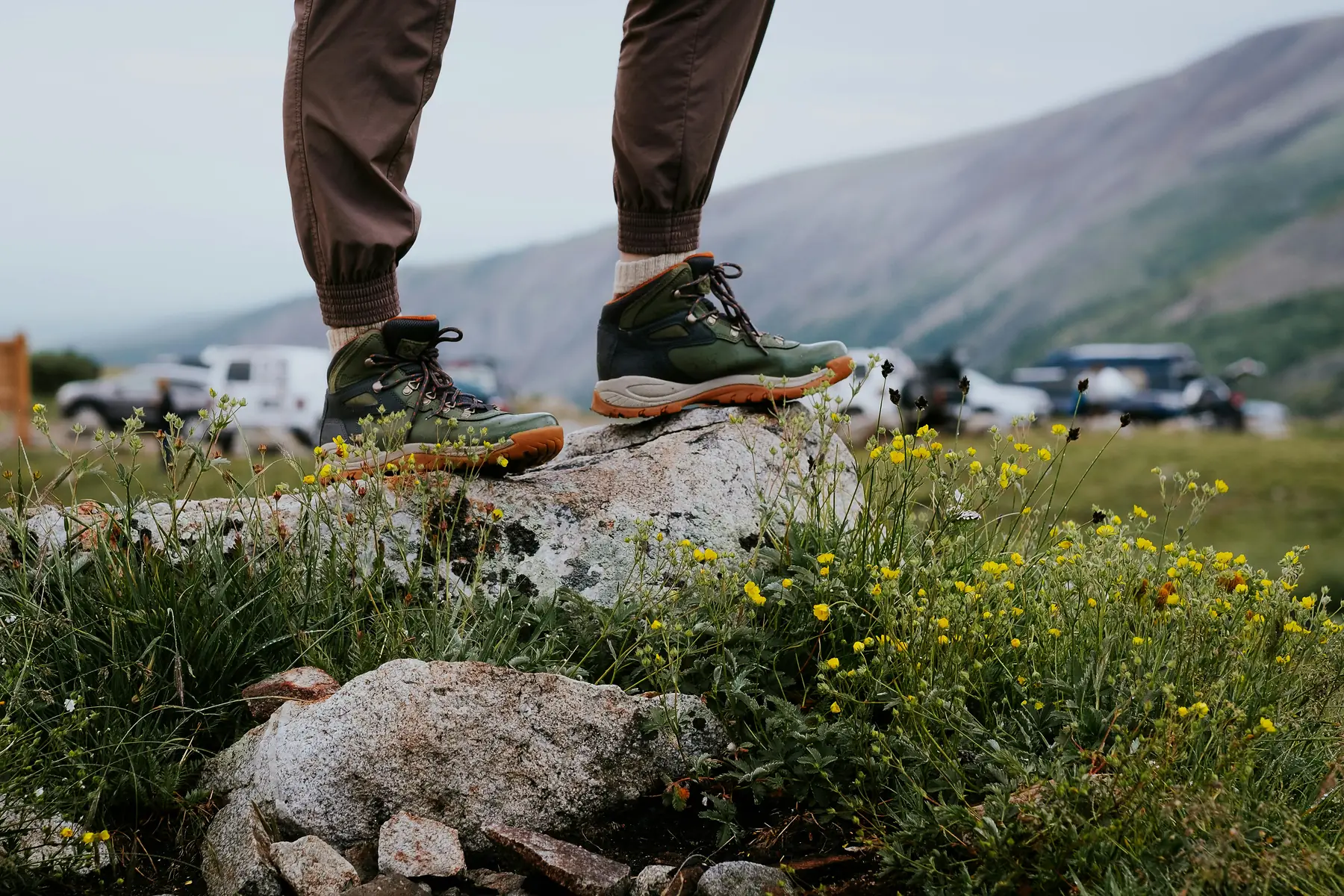
The terrain on the W Trek varies from flat, gravelly lakeside paths to the steep, unstable boulder fields (moraines) leading to the Base of the Towers. Because of these rocky sections, we generally recommend mid - cut hiking boots with significant ankle support over lightweight trail runners for most trekkers.
Your boots must be waterproof and, more importantly, thoroughly broken in before you arrive in Chile. The steep 800m descent from the French Valley is a prime environment for “toe bang” and blisters if your footwear isn’t properly fitted. For a full breakdown of the best hiking boots for Patagonia, see our dedicated guide.
Beyond your primary boots, a “camp shoe” is a non - negotiable essential. After 8 to 10 hours in heavy boots, your feet need to breathe. Lightweight sandals like Tevas or Crocs are perfect for refugio life and are light enough to clip to the outside of your pack. Pair these with high - quality merino wool socks from brands like Darn Tough or Smartwool to manage moisture and prevent the friction that causes blisters.
If you feel a “hot spot” developing, stop immediately. Use Leukotape or Compeed before the blister forms. The rocky nature of the W Trek means that a small foot issue on Day 1 can become a trip - ending injury by Day 3.
Backpacks and Load Management
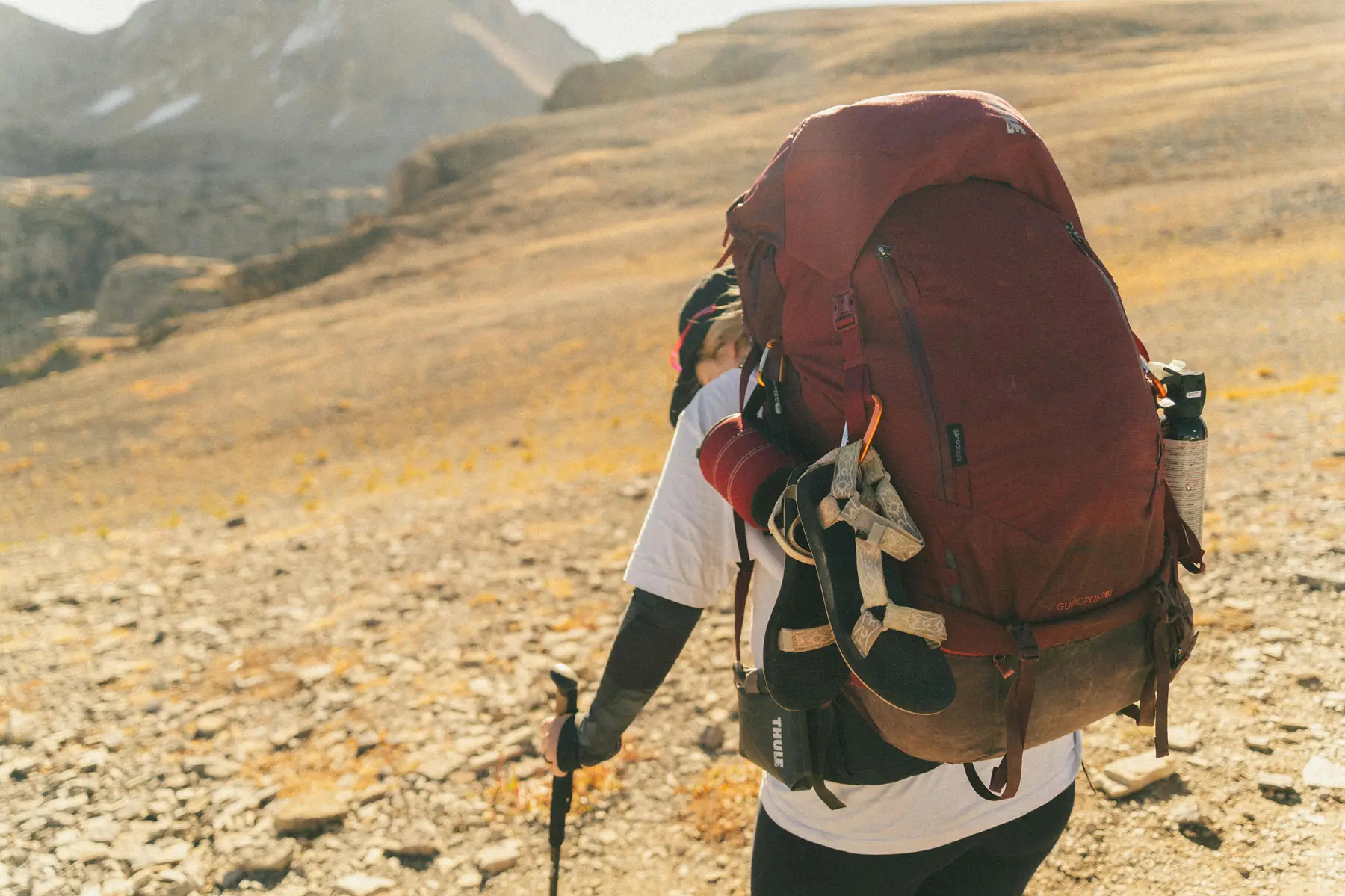
Choosing the right pack depends on your level of self - sufficiency. For those staying in refugios and eating provided meals, a 35 - 45L pack is more than sufficient. If you are carrying a tent, sleeping bag, and food, you will likely need a 50 - 65L pack. Regardless of size, ensure your pack has a robust suspension system and a padded hip belt to transfer the weight away from your shoulders.
Do not rely on the rain cover that comes with your backpack. In Torres del Paine, the wind is often strong enough to blow rain upward and under the cover. Use internal dry bags for all electronics and your sleeping gear.
A crucial secret for the W Trek is the “Summit Pack.” The W is shaped like a trident, meaning three of the most iconic sections (Base Torres, Valle del Francés, and the Grey Glacier lookout) are out - and - back hikes. Most trekkers leave their heavy main packs at a ranger station or campsite and take only essentials for these 4 to 6-hour side trips. A packable 15 - 20L daypack allows you to move faster and saves your knees on the steep return legs.
For more details on choosing the right volume and fit, see our guide to the best backpacks for Patagonia. To understand how to manage your gear on the trail, see our guide on what to put in your daypack.
Camping Gear (For the Self-Sufficient Trekker)
Camping on the W Trek is a rewarding way to experience the park, but it requires gear that can handle high - wind environments. Even in mid - summer, nighttime temperatures at campsites like Central or Grey can drop toward freezing.
Your tent must be a 3-season model with a sturdy pole structure. Freestanding tents are generally preferred because some Patagonian campsites have hard - packed or rocky ground where getting a solid stake placement is difficult. If you are renting gear in Puerto Natales, ensure the tent includes a full - coverage rainfly that extends to the ground to block the wind.
- Pack Weight: 7 - 9kg vs 12 - 16kg
- Comfort: Real beds and hot showers vs sleeping pads and shared blocks
- Cost: $110 - $280+ USD per night vs $25 - $50 USD per night
- Flexibility: Requires booking 6+ months in advance vs slightly more availability
Refugios are best for those prioritizing recovery and lighter packs; camping is best for budget travelers and those wanting a deeper connection to the landscape. Prices as of 2026/27 season.
For your sleep system, we recommend a sleeping bag with a comfort rating of at least -5°C (23°F). Do not confuse the “limit” rating with the “comfort” rating; you want to be warm, not just surviving. A sleeping pad with an R-value of 3 or higher is also necessary to insulate you from the cold ground.
The “Guatero” Trick: If you are cold at night, fill your Nalgene bottle with hot (not boiling) water, ensure the lid is tight, and slide it into the bottom of your sleeping bag. It acts as a heater for your feet for several hours.
For more specifics on technical requirements, visit our guides on the best tents for Patagonia and sleeping bags for the W Trek.
The Camp Kitchen: Cooking on the W Trek
Cooking in Torres del Paine is strictly regulated. You are only permitted to use stoves in designated cooking areas at campsites to prevent forest fires. Most hikers use integrated canister stoves like a Jetboil for efficiency in the wind, though simple screw - top burners also work well if you use a windscreen.
You cannot fly with stove fuel. You must purchase your isobutane canisters in Puerto Natales before heading to the park. Most outdoor shops along Calle Manuel Bulnes stock these canisters throughout the trekking season. When planning your meals, focus on high - calorie, lightweight options like dehydrated stews or couscous to keep your pack weight down.
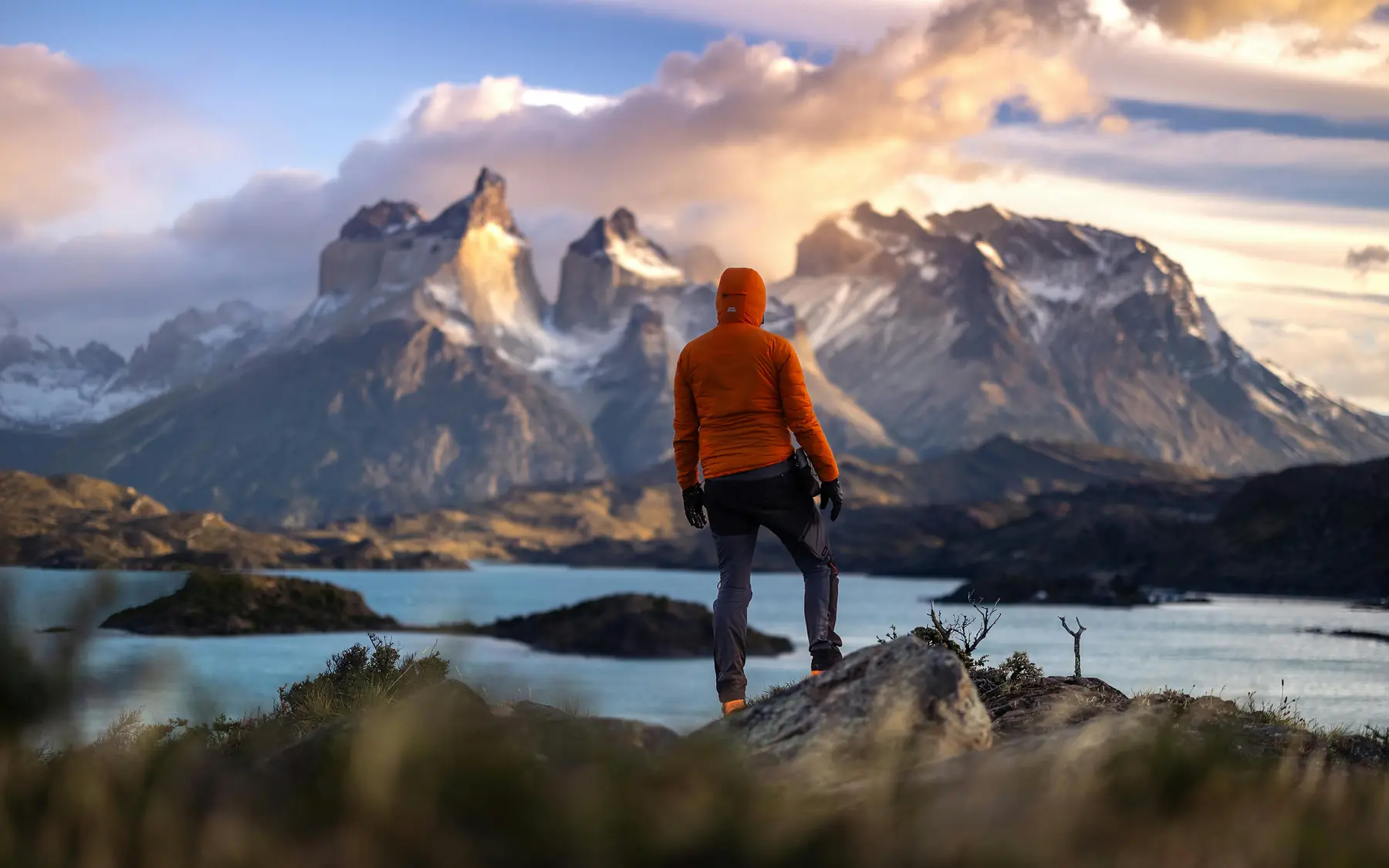
Water management on the W is simpler than in many other parts of the world. The glacial streams in the park are generally safe to drink from, provided you are upstream from campsites and high - traffic areas. However, if you have a sensitive stomach or are concerned about the impact of increased tourism, a lightweight filter like a Katadyn BeFree offers peace of mind without adding significant weight.
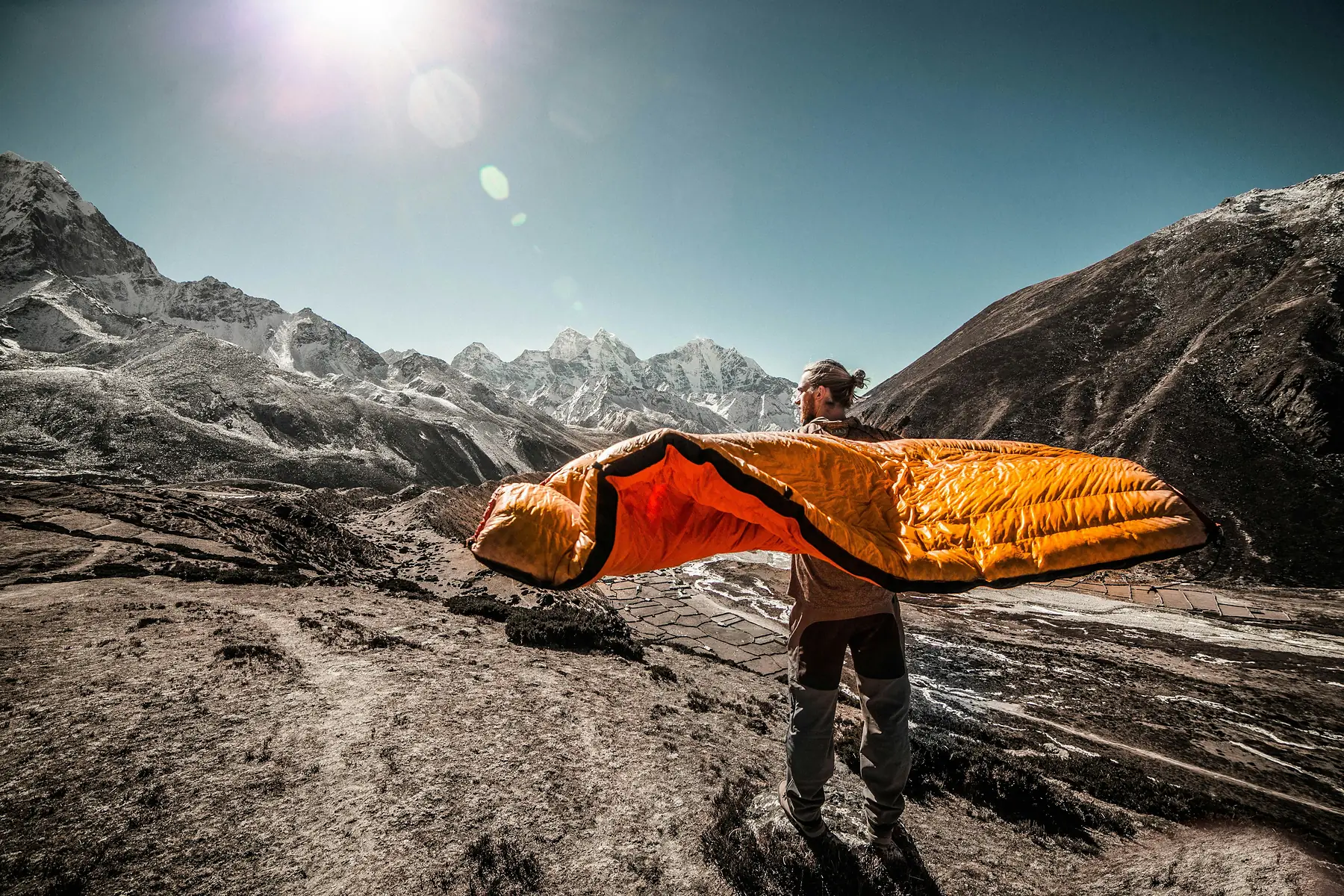
Safety, Tech, and Essentials
While the W Trek is well - marked, you should never rely solely on physical signs. Download offline maps via apps like Gaia GPS or Maps.me. For emergency communication, a Garmin InReach Mini is the gold standard, as cell service is non - existent once you leave the park entrances.
Your power strategy should revolve around a 10,000mAh or 20,000mAh power bank. While some refugios have charging stations, they are often crowded and unreliable. A 10,000mAh bank is usually enough to keep a phone and a headlamp charged for a 5-day trek if you keep your phone in airplane mode.
The UV index in Southern Patagonia is exceptionally high due to the thin ozone layer in the region. Even on cloudy days, the UV index frequently reaches “Extreme” levels (11+). Bring SPF 50+ sunscreen and a wide - brimmed hat.
Finally, trekking poles are non - negotiable. The descent from the French Valley involves high - impact stepping over granite blocks that can be brutal on the knees. Poles also provide vital stability when the wind gusts threaten to knock you off balance on the exposed shores of Lake Pehoé.
Hygiene and Leave No Trace (LNT)
Torres del Paine is a fragile ecosystem that sees over 250,000 visitors a year. Practicing Leave No Trace is essential for the park’s survival. This means packing out every piece of trash, including fruit peels and tissues.
For personal hygiene, a quick - dry antimicrobial towel is a staple. Female hikers should consider a Kula Cloth (a reusable antimicrobial pee cloth) to reduce the amount of toilet paper used and carried. If you use soap, it must be biodegradable and used at least 60 meters from any water source.
Pack it in, Pack it out
Carry a dedicated “trash bag” (a heavy - duty Ziploc works well) to store all waste until you reach the bins at the park exit or major refugios.
Respect Greywater Rules
Never wash dishes or yourself directly in the streams. You must use the designated sinks and disposal drains provided at every campsite and refugio for all greywater.
To learn more about the specific environmental regulations in the park, see our Leave No Trace guide for Patagonia.
What NOT to Bring on the W Trek
Knowing what to leave behind is just as important as knowing what to pack. Every unnecessary item is energy wasted on the trail.
- Heavy Cotton: Jeans and cotton hoodies are heavy, take forever to dry, and can lead to hypothermia if they get wet. Leave them in your storage locker in Puerto Natales.
- Survival Knives: You do not need a massive Rambo - style knife. A small multi - tool or a simple folding blade for food prep is sufficient.
- Excess Food: Many trekkers carry 5kg of pasta “just in case.” You can buy basic snacks and even full meals at the refugios. Carry what you need, but don’t overprovision.
- Bulky Tripods: Unless you are a professional photographer, a heavy tripod is a burden. Consider a lightweight GorillaPod or simply use a rock to steady your shots.
By shedding these “just in case” items, you’ll find the climbs more manageable and the overall experience far more enjoyable.
W Trek Packing FAQ
-
How much should my W Trek packing list weigh? For a refugio - based trek, aim for 7 - 9kg including water; for a self - supported camping trek, your pack will likely weigh between 12 - 16kg depending on your food and gear quality.
-
Do I need a sleeping bag for the W Trek refugios? If you have booked “Simple Bed,” you must bring your own sleeping bag; if you have booked “Full Board” or “Made - up Bed,” linens and blankets are provided, though a lightweight liner is often recommended for hygiene.
-
Are hiking poles necessary for the W Trek in Torres del Paine? Yes, trekking poles are highly recommended to protect your knees on the steep, rocky descents from Base Torres and the French Valley, and to provide stability during high - wind gusts.
-
Can I buy stove fuel for the W Trek in Puerto Natales? Yes, screw - top isobutane canisters are widely available in almost every outdoor shop in Puerto Natales, as you are not permitted to bring them on flights to Patagonia.
-
Is the water on the W Trek safe to drink? Most hikers drink directly from the fast - flowing glacial streams in Torres del Paine without issue, but using a filter like a Katadyn BeFree is recommended if you have a sensitive stomach or are near campsites.
-
What size backpack is best for the W Trek? A 35 - 45 liter pack is ideal if you are staying in refugios, while a 50 - 65 liter pack is necessary if you are carrying your own tent, sleeping bag, and cooking equipment.