
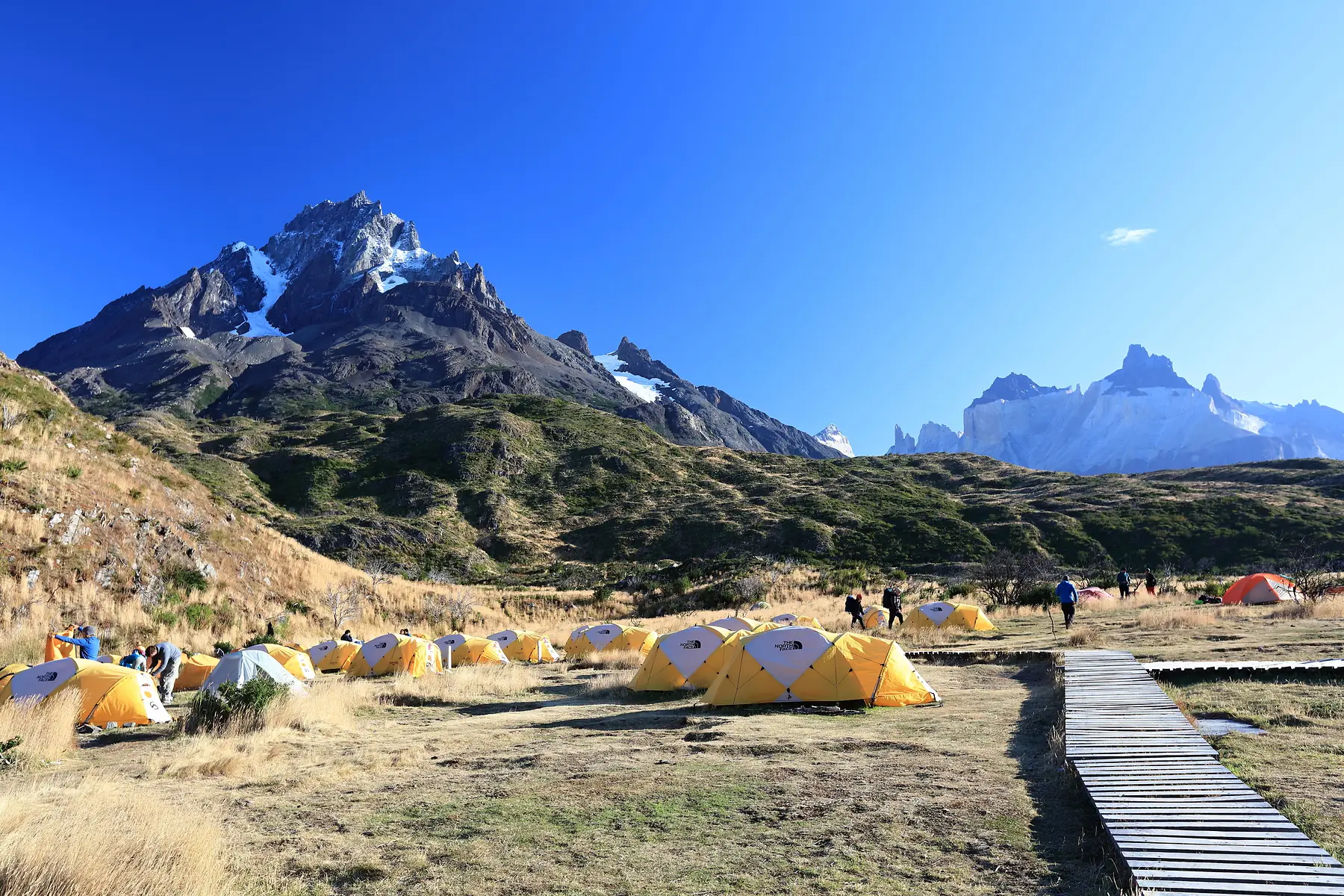
Camping Gear Rental Patagonia: 2026/27 Guide & Shop List
Renting camping gear in Patagonia is the most practical choice for travelers who want to avoid high international baggage fees and the logistical burden of hauling 20kg of technical equipment across the globe. While bringing your own gear is preferable for those who require a highly specific professional fit or ultralight racing setups, the high quality of rental fleets in hubs like Puerto Natales and El Chaltén makes local sourcing a reliable, cost-effective alternative for the 2026/27 season.
The decision to rent or buy involves more than just a price tag: it is a trade-off between the comfort of familiar equipment and the freedom of traveling light. This guide breaks down the current rental landscape, 2026 pricing benchmarks, and the specific shops that have survived the post-pandemic shifts to remain the most trusted operators in the region.
Rent or Buy: The Patagonia Gear Strategy
The “Baggage Fee Math” is the first calculation every trekker should perform. For the 2026 season, most international carriers and domestic Chilean airlines like LATAM or Sky Airline charge between $30 and $65 USD per checked bag, per leg, for “Light” or “Basic” fares. On a multi-stop itinerary involving flights from Santiago to Puerto Natales and later to El Calafate, these fees can quickly exceed $200 USD. When compared to a 5-day full rental kit that costs roughly $225 to $275 USD, the financial difference is negligible, but the physical effort of moving that gear through airports and bus terminals is significantly higher if you bring your own. Note that pre-booking baggage online typically saves 40% compared to airport counter rates.
Quality is no longer a reason to avoid renting. Most reputable shops in Puerto Natales now stock high-end brands like MSR, The North Face, and Marmot. These shops understand that their reputation depends on gear surviving 80-100 km/h winds on the W Trek. If you own a cheap 2-season tent from a big-box retailer at home, it will likely fail in the Patagonian backcountry. In this case, renting a professional-grade 4-season tent locally is a safety-critical upgrade rather than just a convenience.
Hygiene and maintenance are also high priorities for the leading 2026 operators. Sleeping bags are typically provided with fresh liners, and tents are dried and inspected for zipper failures or fabric tears after every rental. If you are a frequent camper who treasures a specific -10°C down bag, bring it: but if you only camp once every few years, renting allows you to access $800 worth of technical gear for a fraction of the price.
- Cost: $45-60 per day for full kit vs. $120+ in baggage fees vs. $90+ per night in-park
- Gear Quality: High-end technical brands (MSR/TNF) vs. Your personal preference vs. Standardized heavy-duty gear
- Logistics: Must carry from town to trail vs. Must carry from home to trail vs. Zero carrying required
- Flexibility: Pick and choose items vs. Limited to what you packed vs. Only what is available at the specific site
Rent locally in town for the best balance of cost and gear quality, unless you already own ultralight, high-end equipment.
If you are trying to minimize your total trip spend, renting gear is a core pillar of a successful budget strategy.
To see how rental costs fit into a wider travel budget:
Where to Rent Gear in Puerto Natales (Torres del Paine Hub)
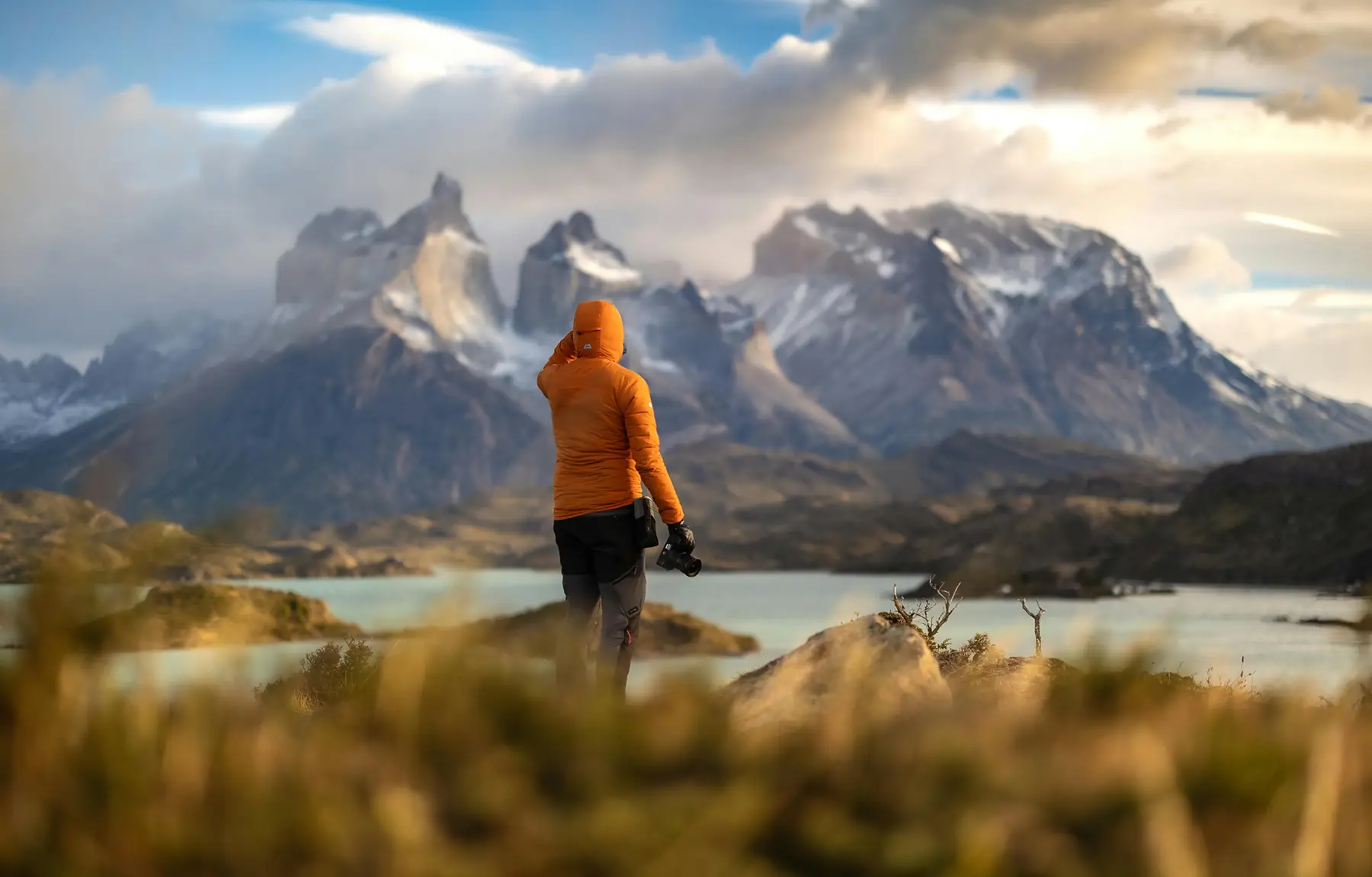
Puerto Natales is the primary staging ground for the W Trek and the O Circuit. The town’s rental market has consolidated recently, and several long-standing names from older guidebooks have closed their doors. For the 2026/27 season, you should focus your search on a few highly reliable operators located within the four-block radius of the town center.
Rental Natales has emerged as the most modern and tech-forward shop in the region. They offer a comprehensive online booking system which is essential for January and February travelers. Beyond standard trekking kits, they are the only shop providing “Lost Luggage” packs specifically designed for travelers whose gear didn’t make it off the plane. They also cater to professionals with high-end photography rentals, including telephoto lenses and tripods sturdy enough for the Patagonian wind.
Erratic Rock remains the spiritual home of trekking in Natales. While their gear is rugged and field-tested rather than brand-new, their “3 PM Trek Talk” at the Basecamp pub is a mandatory ritual for first-timers. The staff here are active hikers who can tell you exactly which stream is currently running dry or which section of the trail is particularly muddy. Their gear is selected for durability and simplicity: exactly what you want when a storm hits at Campamento Paso.
Day Zero Patagonia and Yellow Plum Tent House offer more personalized, boutique experiences. Day Zero focuses on newer technical gear from brands like Marmot and MSR and is often the first to stock the latest tent models. Yellow Plum is highly regarded for those tackling the 8-to-10-day O Circuit, as they provide tailored kits and operate a dedicated campsite in town where you can test your gear before heading to the park.
Several businesses frequently mentioned in older blog posts, including Casa Cecilia and Camaleon, are no longer operating or have ceased gear rental services. Always verify a shop’s current status on Google Maps or their official website before walking across town.
For many travelers, the gear rental is just the final step after securing their route.
If you haven’t finalized your trail choice yet:
Renting Inside Torres del Paine: Campsite Gear Hire
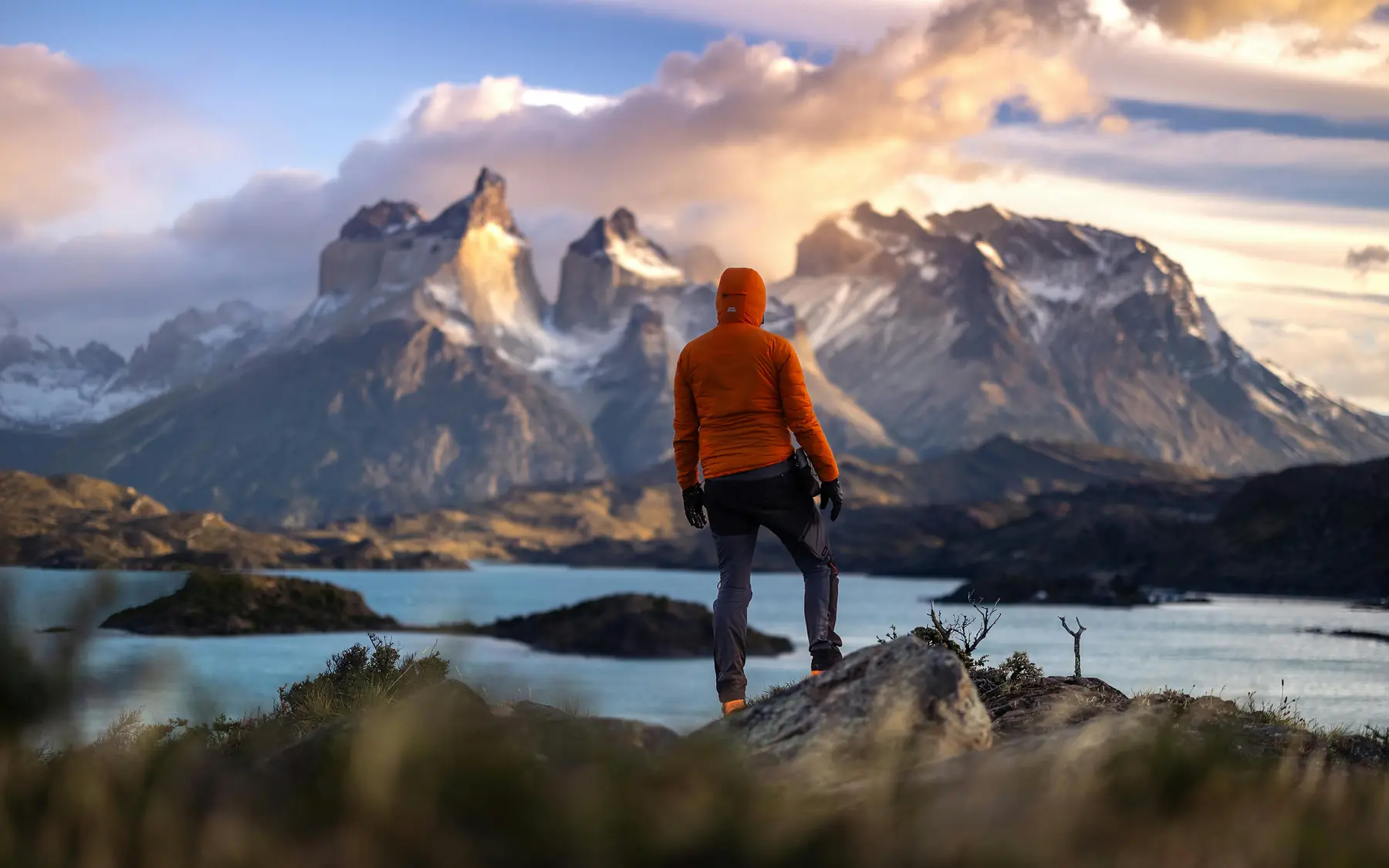
It is possible to hike the entire W Trek without carrying a tent, sleeping bag, or mat, but this convenience comes at a significant financial premium. This is known as “In-Park Rental,” where you reserve gear that is already waiting for you at each individual campsite. This is the best option for those with back issues or travelers who simply want to maximize their enjoyment of the scenery without a 15kg pack.
Vertice Patagonia, which manages sites like Grey, Paine Grande, Dickson, and Los Perros, allows you to rent individual items. You can book just a tent, or just a sleeping bag, provided you do so well in advance. As of 2026, these items must be reserved through their online portal; walk-in availability is almost non-existent during the peak season.
Las Torres Patagonia (formerly Fantastico Sur) has moved toward a “Full-Equipment Camping” model. At sites like Chileno, Cuernos, and Francés, you typically cannot reserve individual items like just a sleeping bag online. Instead, you book a “Fully Equipped Camping” package that includes a pre-pitched tent with sleeping bag and mat on a raised wooden platform. For the 2026/27 season, this costs USD 290 (single) or USD 320 (double). A “Semi-Equipped” option (without sleeping bag) runs USD 220/single or USD 240/double. A basic campsite on the ground is USD 90/single or USD 100/double. This setup provides excellent insulation from the cold ground and saves you 30-45 minutes of setup and pack-down time every day.
The price difference between renting in Puerto Natales and renting at the campsites is roughly 50% to 80%. If you are physically capable of carrying a 12-14kg pack, renting in town and carrying your gear will save a couple between $450 and $700 USD over a 5-day trek.
To understand the specific locations of these sites and how to reserve them:
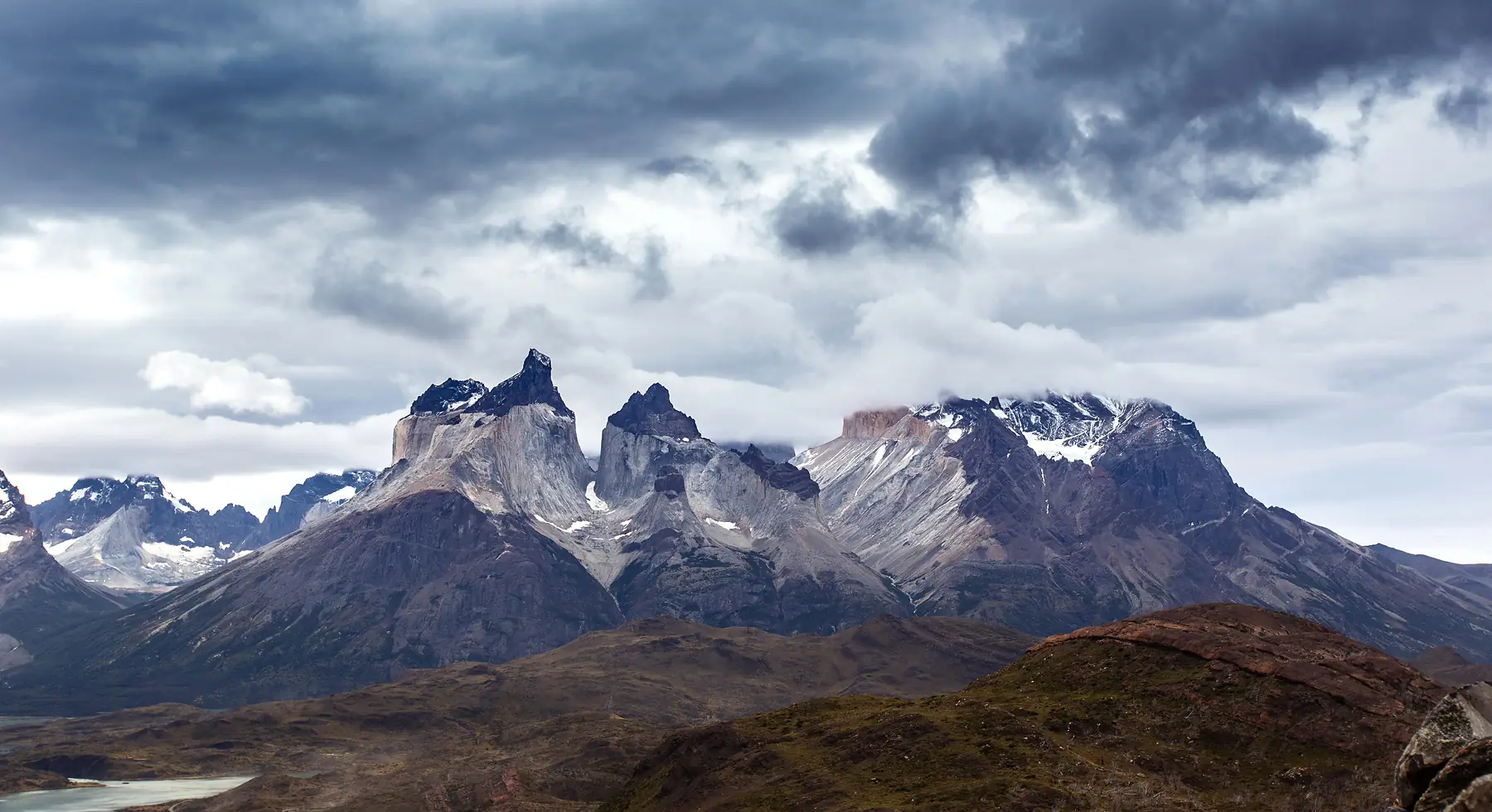
Gear Rental in El Chaltén and Ushuaia
While Puerto Natales is the busiest hub, the Argentinian side of Patagonia also offers robust rental options, particularly for those visiting the Fitz Roy massif or Tierra del Fuego.
In El Chaltén, rental is common even for day hikers. Many visitors rent trekking poles specifically for the steep final ascent to Laguna de los Tres. For those camping at Poincenot or Laguna Capri, shops like Bajo Zero and Viento Oeste are the gold standard. They stock technical climbing gear as well as standard trekking kits. Unlike Torres del Paine, you do not need to book campsites in advance in El Chaltén, but you should still reserve your rental gear at least 24 hours ahead during the high season. Note that Argentinian rental prices can be 20-30% higher than Chilean rates due to import restrictions and inflation.
In Ushuaia, the southernmost city in the world, Jumping Ushuaia is the primary resource for those trekking in Tierra del Fuego National Park or heading to the Dientes de Navarino. Their inventory is geared toward the colder, wetter conditions of the Beagle Channel, with a focus on high-quality waterproof layers and heavy-duty 4-season tents.
Logistical Note: It is currently impossible to rent gear in Chile and return it in Argentina, or vice-versa. Because of strict customs regulations regarding “used outdoor equipment” and the logistical difficulty of cross-border returns, you must return your gear to the same shop where you rented it. This means your itinerary must be a “loop” back to your starting hub if you plan to rent a full kit.
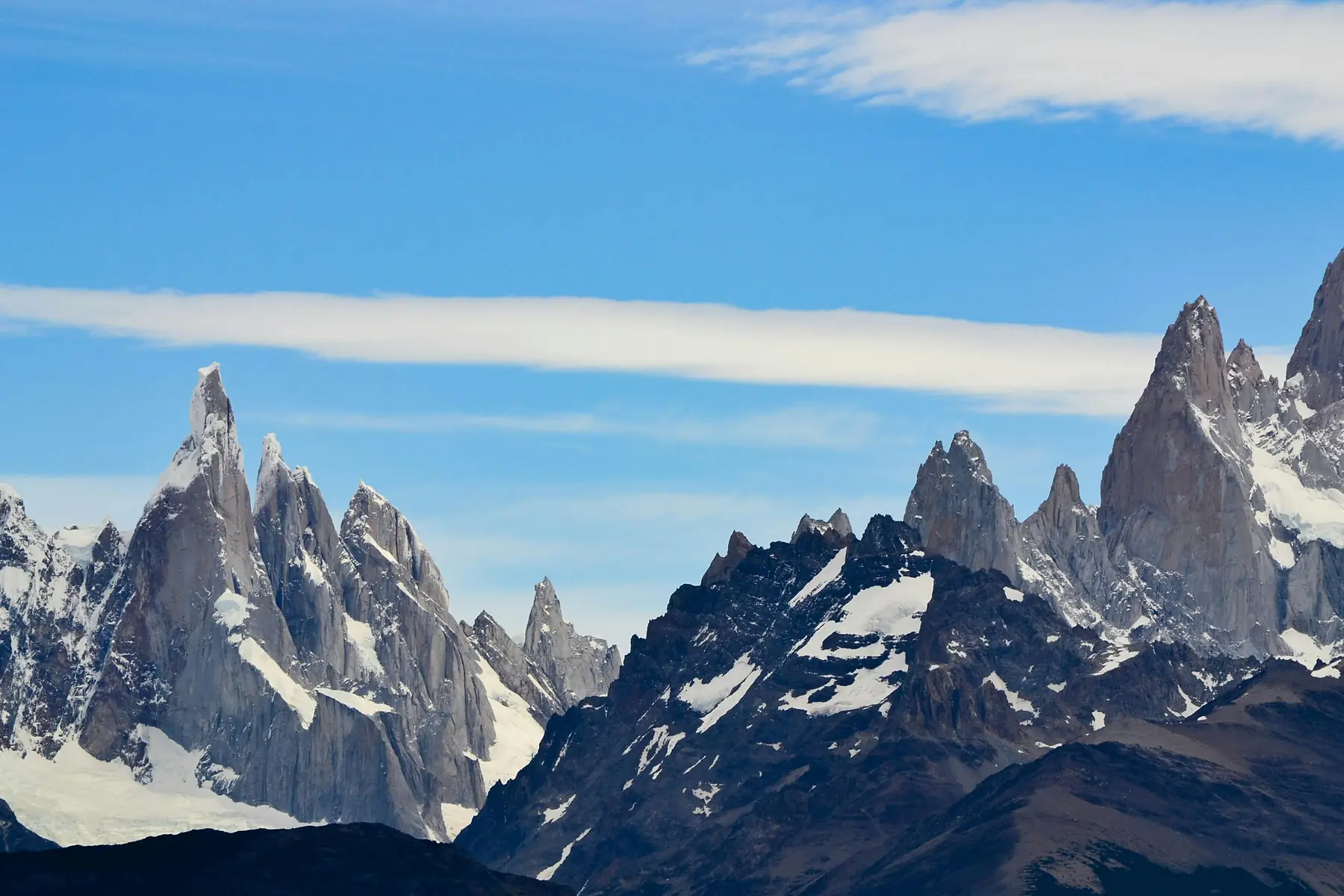
2026/27 Price Guide: What to Expect
Budgeting for your trek requires a clear understanding of daily rates. Prices in Patagonia are subject to inflation, particularly in Argentina, so these 2026 benchmarks are quoted in USD to provide a stable reference point. Most shops in Puerto Natales and El Chaltén prefer payment in local currency or via credit card, though some offer small discounts for cash (USD or CLP).
For a-la-carte rentals, expect the following daily rates in 2026:
- 2-Person Tent (4-season): $15–$25 USD
- Sleeping Bag (-10°C Comfort): $8–$15 USD
- Inflatable Sleeping Pad: $6–$10 USD
- Trekking Poles (Pair): $7–$10 USD
- Stove and Cookware Set: $8–$12 USD
Consumables are an additional cost. A standard 230g iso-butane gas canister costs between $7 and $10 USD depending on the shop’s location.
Before buying a new gas canister, check the “Free Box” or “Take One/Leave One” bins at your hostel or the rental shop. Trekkers finishing their trips often leave half-full canisters that are perfectly fine for a 2-3 day hike.
Understanding these costs is essential for accurate trip planning.
To see how gear fits into your total travel investment:
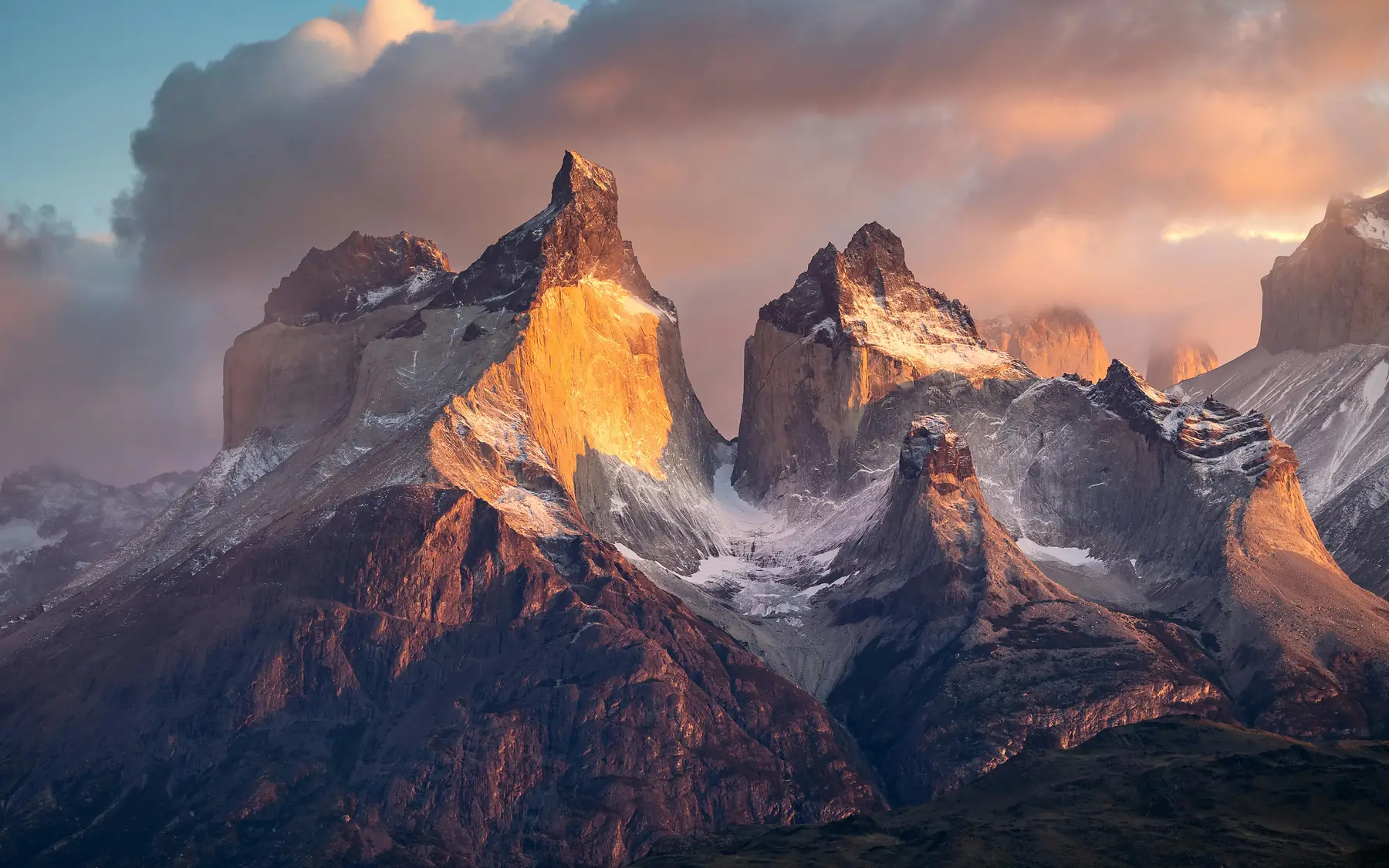
The Rental Process: A Step-by-Step Guide
The transaction of renting gear in Patagonia is more formal than in many other parts of the world due to the high value of the equipment and the harsh conditions it will face.
Pre-book Online
For any trip between December 15 and March 1, book your gear at least 2-4 weeks in advance. Shops like Rental Natales allow you to select specific items online. If you wait until you arrive in town, you may find that only the heavier, older tents are left in stock.
The Security Deposit
Every shop will require a security deposit. The standard practice is a credit card “voucher” (a manual imprint or a temporary hold). Some smaller shops may ask to hold your physical passport. Always prefer the credit card option. It is safer, and you will need your passport for park entry and police checks on the road.
The 'Check-Set' Ritual
Never leave the shop without setting up your tent. Check every zipper, look for holes in the mesh, and count the stakes. In the shop’s backyard or floor, ensure the poles are not bent or cracked. If you discover a failure at Campamento Italiano in a rainstorm, it is too late.
Returns and Cleaning
You are responsible for returning the gear to the shop in town. There are no drop-off points inside the national parks. Most shops expect the gear to be reasonably clean. If you return a tent that is soaking wet and covered in mud, you may be charged a cleaning fee of $10-$20 USD. If it’s raining on your last day, try to shake off as much water as possible before packing.
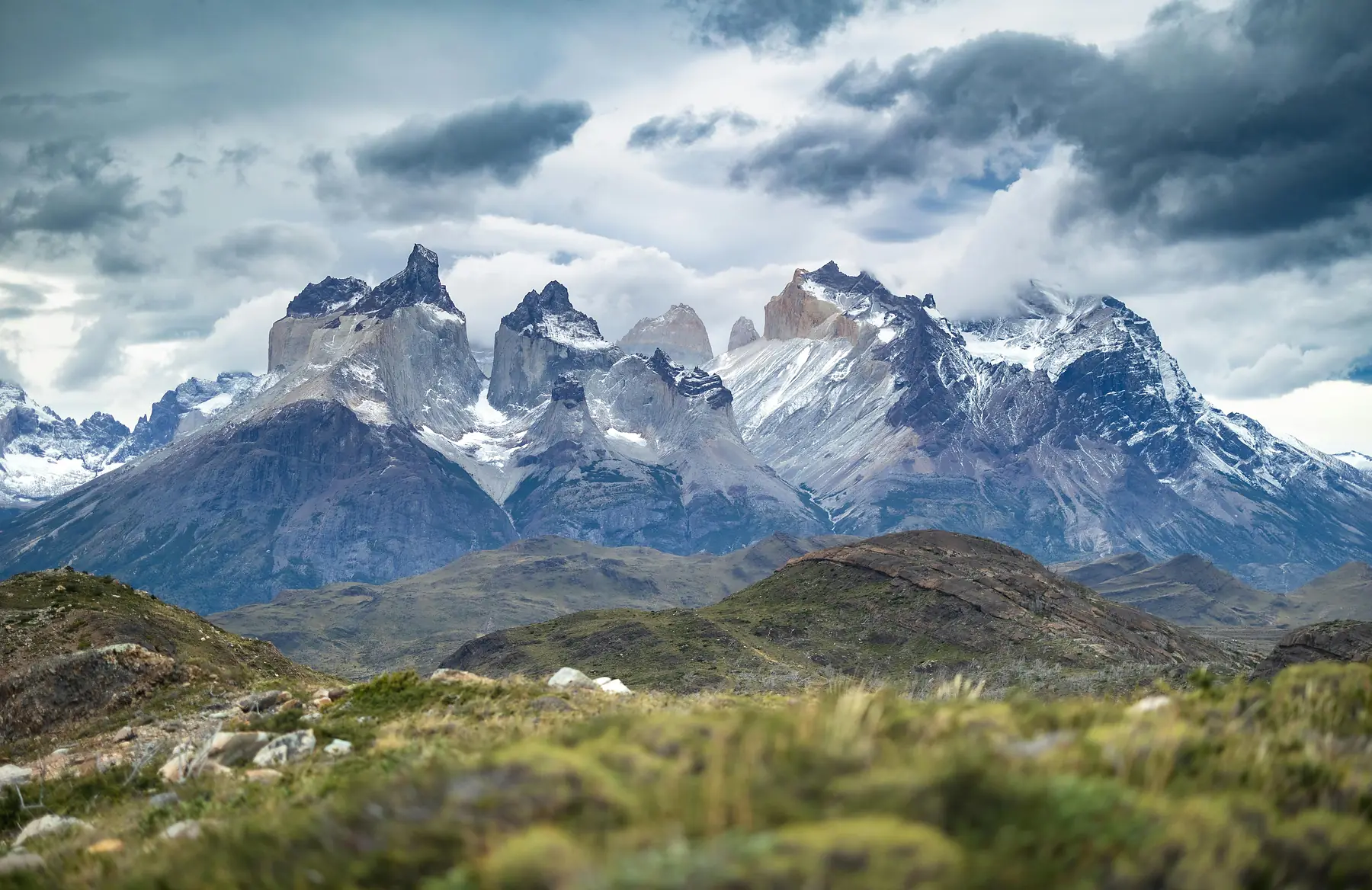
What You SHOULD NOT Rent (The “Bring Your Own” List)
While you can rent almost everything, there are several items where the “personal fit” factor outweighs the convenience of renting. Using rented versions of these items often leads to the two most common trip-ruiners: blisters and chafing.
Footwear is the most critical item to own. You should never rent hiking boots. A pair of boots needs at least 30-50 kilometers of “break-in” time to mold to your feet. Renting a pair of boots that someone else has already broken into their foot shape is a recipe for severe blisters.
Next-to-skin layers, including your base layers (merino wool is best), hiking socks, and underwear, should always be personal items. Not only is this a matter of hygiene, but these layers are also your primary defense against the cold and must fit perfectly to manage moisture effectively.
Specialized electronics, such as power banks and GPS devices, are rarely available for rent and, when they are, their battery health is often unreliable. Given how quickly the cold drains lithium-ion batteries, bringing your own high-capacity power bank is essential for keeping your phone or camera charged for the duration of the trek.
For a complete look at what you should be buying vs. renting:
FAQ
Where can I rent camping gear in Puerto Natales for the W Trek? The most reliable shops in Puerto Natales for 2026 are Rental Natales, Erratic Rock, and Day Zero Patagonia, all located within walking distance of the town center. These shops offer a mix of full kits and individual technical items like MSR tents and -10°C sleeping bags.
How much does camping gear rental in Patagonia cost per day? In 2026, a full camping kit for one person typically costs between $45 and $60 USD per day, while individual items like trekking poles or sleeping bags cost $7–$15 USD each. Prices are generally stable in USD but can fluctuate if paying in local Argentine or Chilean pesos.
Can I rent a tent at the Torres del Paine campsites? Yes, but you must pre-book through Vertice Patagonia or Las Torres Patagonia as walk-in rentals are rarely available and never guaranteed during the trekking season. Note that Las Torres requires you to book a “Full-Equipment Camping” package for online reservations rather than individual items.
Do I need to leave a deposit for gear rental in Puerto Natales? Most shops require a security deposit in the form of a credit card authorization or a physical passport, which is returned once the equipment is checked for damage. It is highly recommended to use a credit card voucher rather than leaving your physical passport.
Is it better to rent or buy gear for the W Trek? Renting is better if you want to avoid international baggage fees and don’t plan on camping regularly; buying is better if you require a specific professional fit or ultralight equipment. For most first-time Patagonia visitors, a hybrid approach of bringing personal clothing and renting heavy hardware is the most efficient choice.
Are there camping gear rental shops in El Chaltén? Yes, El Chaltén has several specialized shops like Bajo Zero and Viento Oeste that rent tents, sleeping bags, and technical climbing gear for the Fitz Roy area. These shops are perfect for both multi-day trekkers and day hikers who just need trekking poles.