Best Sleeping Bag for Patagonia (2026 Guide for Trekking)
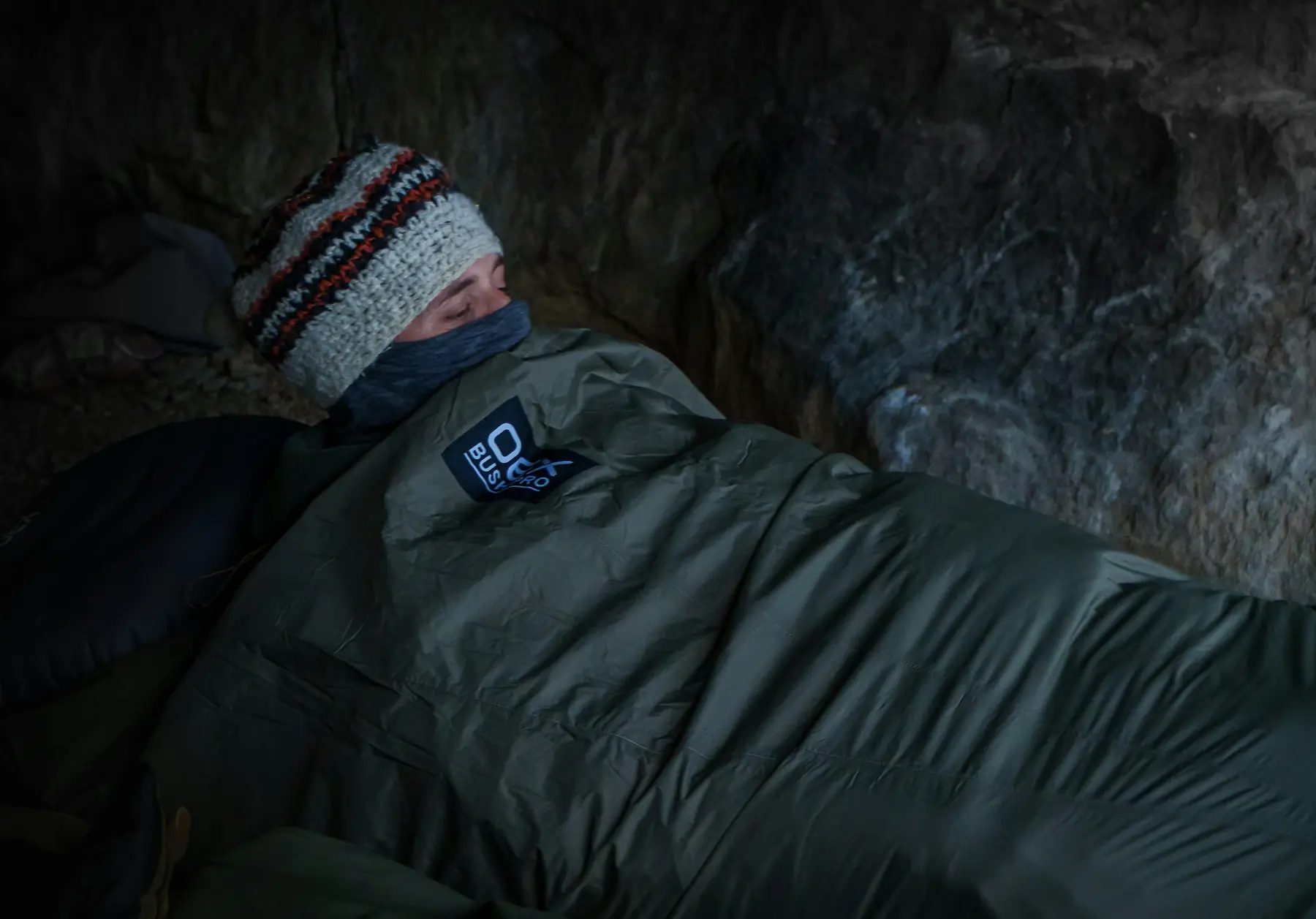
For most trekkers camping in Patagonia, a sleeping bag with a comfort rating between 15°F and 25°F (-4°C to -9°C) is the essential standard for a safe and restful night. If you are staying exclusively in refugios on the W Trek, you can significantly reduce your pack weight by carrying only a lightweight 40°F (4°C) bag or a silk liner.
Patagonia is a “gear-breaker” region where the primary challenges are not just the cold, but the intersection of high humidity and relentless wind. A bag that keeps you warm in the dry cold of the Colorado Rockies may fail you here if it cannot handle the moisture blowing off the Southern Patagonian Ice Field. This guide breaks down the specific technical requirements for the 2026/27 season, helping you decide whether to invest in a high-end hydrophobic down bag or rely on local rentals in Puerto Natales or El Chaltén.
Patagonia Sleeping Bag Essentials
- Camping Temperature Rating: 15°F to 25°F (-4°C to -9°C) “Comfort” rating.
- Refugio Temperature Rating: 40°F to 50°F (4°C to 10°C) or a silk liner.
- Recommended Fill: Hydrophobic down (800+ fill power) for weight; Synthetic for maximum moisture resistance.
- Target Weight: Under 2.5 lbs (1.1 kg) for camping bags.
- Mandatory Accessory: A dedicated waterproof dry bag (not just a pack cover).
The Patagonia Climate: Why Temperature Ratings Lie
Patagonian weather is defined by its ability to strip heat from your body through moisture and air movement rather than raw temperature alone. While nighttime lows in Torres del Paine or El Chaltén typically hover between 35°F and 45°F (2°C to 7°C) during the peak months of December to February, these numbers are deceptive.
The humidity in the region often stays above 70 percent, which can cause standard down to lose its loft and insulating properties over several days of trekking. Furthermore, the wind in Patagonia is famous for its speed, often gusting between 60 - 80 km/h. Even inside a high-quality tent, these winds create a “bellows effect” that forces warm air out of your bag every time you move.
Because of these factors, we recommend the “Buffer Rule.” If the forecast calls for 30°F (-1°C), your bag should be rated to at least 20°F (-7°C). This extra ten degrees of insulation provides the necessary margin of safety when your bag inevitably absorbs some ambient moisture from the air or your own breath.
Refugios vs. Camping: Two Different Bags
Your choice of sleeping bag depends entirely on whether you are sleeping on a platform in a tent or in a bunk bed inside a managed building. The W Trek offers both options, while the O Circuit is almost exclusively a camping experience that requires more robust gear.
In a refugio, you are shielded from the wind and the worst of the dampness. Most trekkers choose a “Simple Bed” option to save money, which provides a bunk and a mattress but no bedding. For this, a lightweight summer bag or even a high-quality liner is sufficient. However, if you are camping, the ground will actively pull heat from your body, necessitating a true three-season bag with a draft collar and a well-contoured hood.
- Temperature Need: 40°F to 50°F vs. 15°F to 25°F
- Weight Target: 1 lb (0.5 kg) vs. 2.2 lbs (1.0 kg)
- Primary Concern: Hygiene/Bulk vs. Thermal Safety
- Bulk: Fits in pack lid vs. Requires main compartment space
Most W Trekkers should opt for a lightweight 40°F bag to save weight, while O Circuit hikers must carry a 15°F–20°F bag.
If you are planning the full O Circuit, the camps on the backside of the mountain - such as Los Perros - are significantly colder and more exposed than those on the W Trek. For these sections, do not compromise on your bag’s rating.
Renting Sleeping Bags in Patagonia
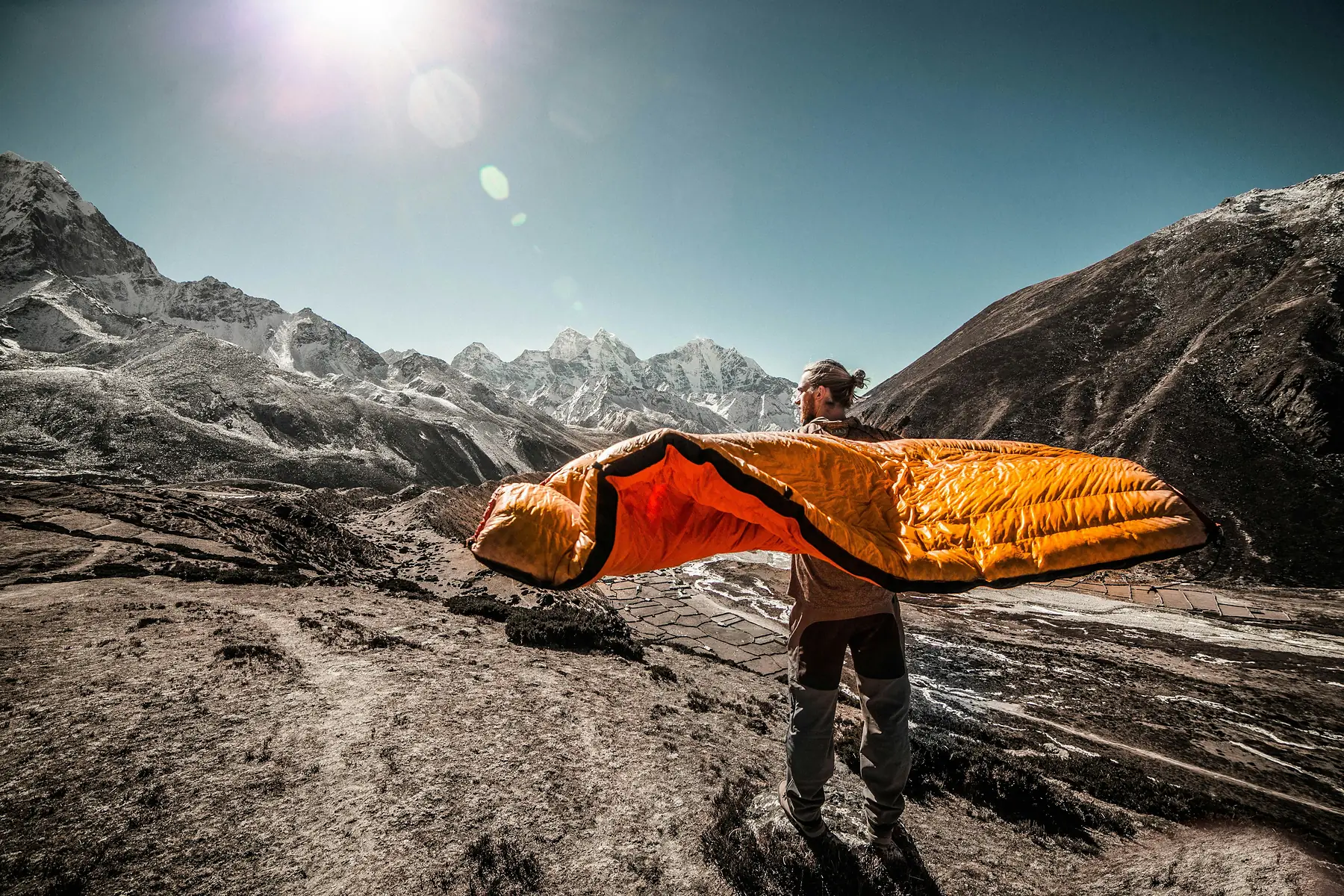
Renting a sleeping bag locally is the most efficient choice for international travelers who want to avoid flying with a bulky 10-liter bag. In Puerto Natales, the gateway to Torres del Paine, and in El Chaltén, the trekking capital of Argentina, rental gear is a massive industry with reliable standards.
Most rental shops in Puerto Natales, such as Rental Natales or Yellow Plum, offer high-quality synthetic or down bags for approximately $8 - $13 USD per day for the 2026/27 season. In El Chaltén, shops like Viento Oeste or Bajo Zero provide similar mountain-rated gear. The primary advantage of renting is that these shops stock bags specifically chosen for the local climate, often featuring rugged synthetic fills that handle the dampness of the Southern Patagonian Ice Field better than an old, untreated down bag you might have at home.
When renting, always pull the bag out of its stuff sack in the shop. Check the “loft” (the fluffiness) to ensure the insulation hasn’t been crushed by years of storage, and smell the footbox for any signs of lingering dampness or mildew.
If you are staying in the campsites managed by Vertice or Las Torres, you can also rent bags directly at the camp. Vertice allows you to add sleeping bags to your online reservation for sites like Grey and Paine Grande, while Las Torres offers “Full-Equipment” camping packages that include a pre-pitched tent, mat, and sleeping bag. This allows you to trek with a much smaller backpack, as you only need to carry your clothes and personal items.
Down vs. Synthetic in the Land of Rain
The debate between down and synthetic fill takes on a different dimension in Patagonia’s high-humidity environment. For most trekkers, hydrophobic (treated) down is the gold standard because it offers the best warmth-to-weight ratio while resisting the moisture that usually collapses traditional down.
Hydrophobic down is treated at a molecular level with a water-resistant polymer. This allows the feathers to maintain their loft even when exposed to high humidity or condensation inside your tent. If you are an ultralight hiker aiming to keep your pack weight under 12 kg, a high-fill-power down bag is your only realistic option. However, if you are heading out on a multi-week expedition or the O Circuit where you cannot guarantee a dry night for five days straight, a high-end synthetic bag provides a safety net that down cannot match.
Standard, untreated down is a liability in Patagonia. If it gets wet from a pack leak or heavy tent condensation, it loses nearly all its insulating value and will not dry out in the region’s cool, damp air.
Synthetic insulation is heavier and bulkier, but it continues to trap heat even when damp. It is also significantly cheaper and easier to wash after your trip. For budget-conscious hikers or those who are notoriously “hard” on their gear, a 20°F synthetic bag is a heavy but dependable companion.
Top Recommendations: Best Sleeping Bags for Patagonia 2026
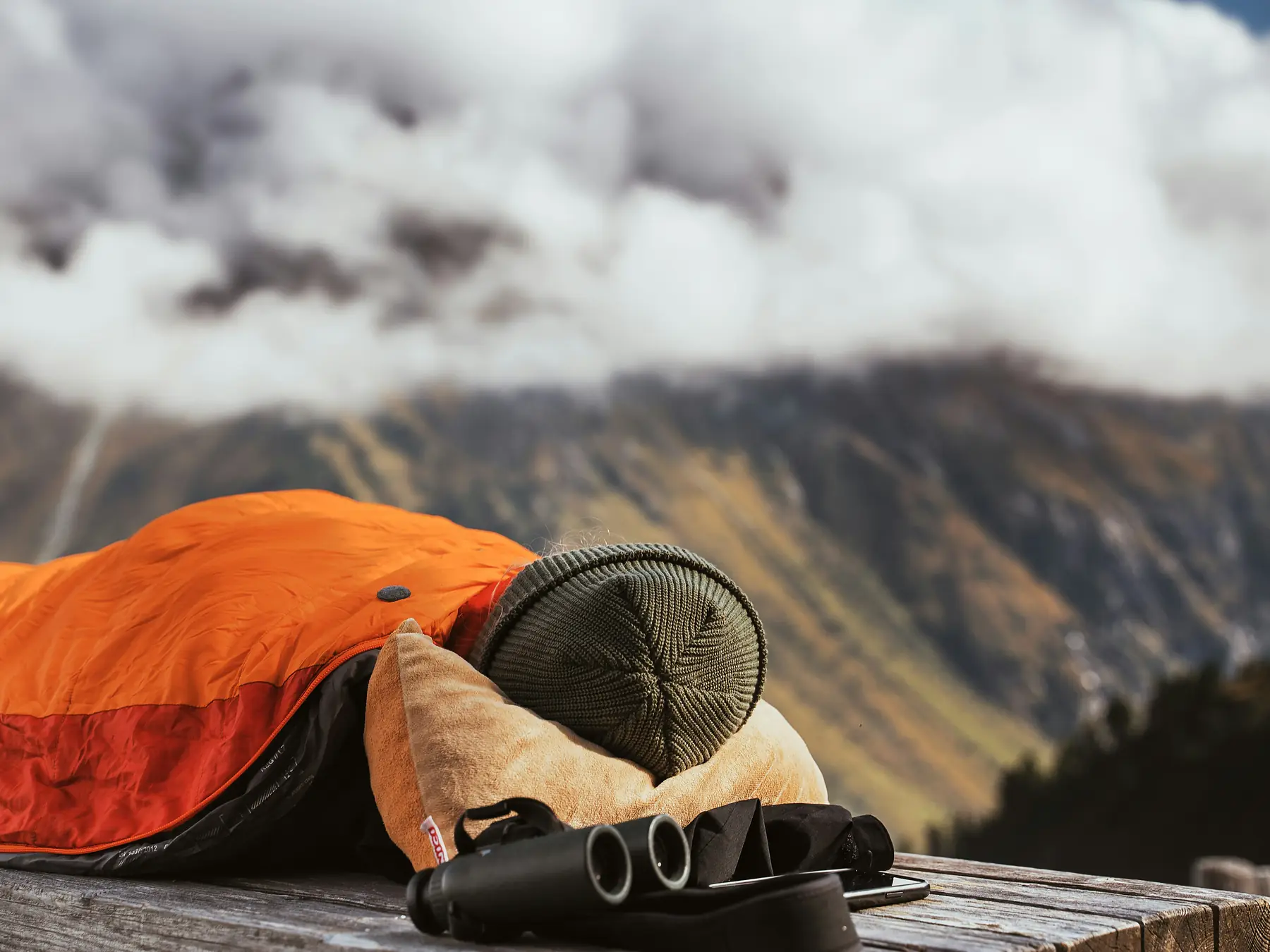
The following bags have been selected based on their performance in high-wind, high-moisture environments. All prices and specifications are based on the 2026/27 product releases.
Best Overall: Western Mountaineering Alpinlite
This is the definitive bag for Patagonia. With 5.5 inches of loft and a wide cut that allows you to wear extra layers inside, the Alpinlite is rated to 20°F (-7°C) but often feels warmer. Its 850+ fill power down is exceptionally efficient, keeping the total weight around 1 lb 15 oz (880g). It is an investment piece, with a 2026 MSRP starting at approximately $720 USD, but for the O Circuit or El Chaltén’s Huemul Circuit, it has no equal.
Best for Refugios: Sea to Summit Spark (40°F)
If you are sleeping in the “Simple Beds” of the W Trek, the Sea to Summit Spark is the ultimate space-saver. It compresses to the size of a large grapefruit and weighs less than 12 ounces (340g). It uses treated goose down to handle the humidity of the dorms while providing just enough warmth for the indoor environment.
Best Value: Mountain Hardwear Bishop Pass 15
For hikers who want high-quality down without a premium price tag, the Bishop Pass 15 is a reliable workhorse. It features a comfort-oriented cut and reliable 650-fill power down. With a 2026 MSRP of approximately $315 USD, it is slightly heavier than the premium options but offers excellent warmth for the price, making it ideal for a first-time Patagonia trekker.
Best Synthetic: Marmot Trestles Elite Eco 20
This is our top pick for those who prefer synthetic fill or are trekking in the rainiest shoulder seasons. It mimics the feel of down remarkably well while remaining completely impervious to the “loft-collapse” caused by humidity. It is bulkier than the down options, so ensure your backpack has at least 60 liters of volume to accommodate it.
Best Women-Specific: REI Magma 15
Women typically sleep colder than men, and the REI Magma 15 addresses this with extra insulation in the footbox and a shape tailored to retain heat more efficiently. It uses 850-fill-power water-resistant down and is consistently one of the best warmth-to-weight performers on the market for the 2026 season.
Understanding Temperature Ratings (ISO/EN)
When shopping for a bag, you will see three different numbers: Comfort, Limit, and Extreme. These are standardized tests, but they assume a “standard” environment that rarely exists in Patagonia.
- Comfort Rating: The temperature at which a standard woman can expect to sleep comfortably in a relaxed position. This is the number you should use for Patagonia.
- Limit Rating: The temperature at which a standard man can sleep for eight hours in a curled position without waking.
- Extreme Rating: A survival rating only. You will be cold and at risk of hypothermia. Never use this to plan your trip.
It is critical to remember that these ratings are only valid if you are using a sleeping pad with an appropriate R-value. In Patagonia, the cold ground will suck the heat out of your bag regardless of its rating if you don’t have an insulated barrier beneath you. We recommend a pad with an R-value of at least 3.5 (ideally 4.0+) for 3-season camping in the region.
Packability and Weight: Saving Space for the Trail
In Patagonia, how you carry your bag is as important as the bag itself. Because the wind can drive rain through even the most expensive pack covers, you must treat your sleeping bag as the one item that must stay dry at all costs.
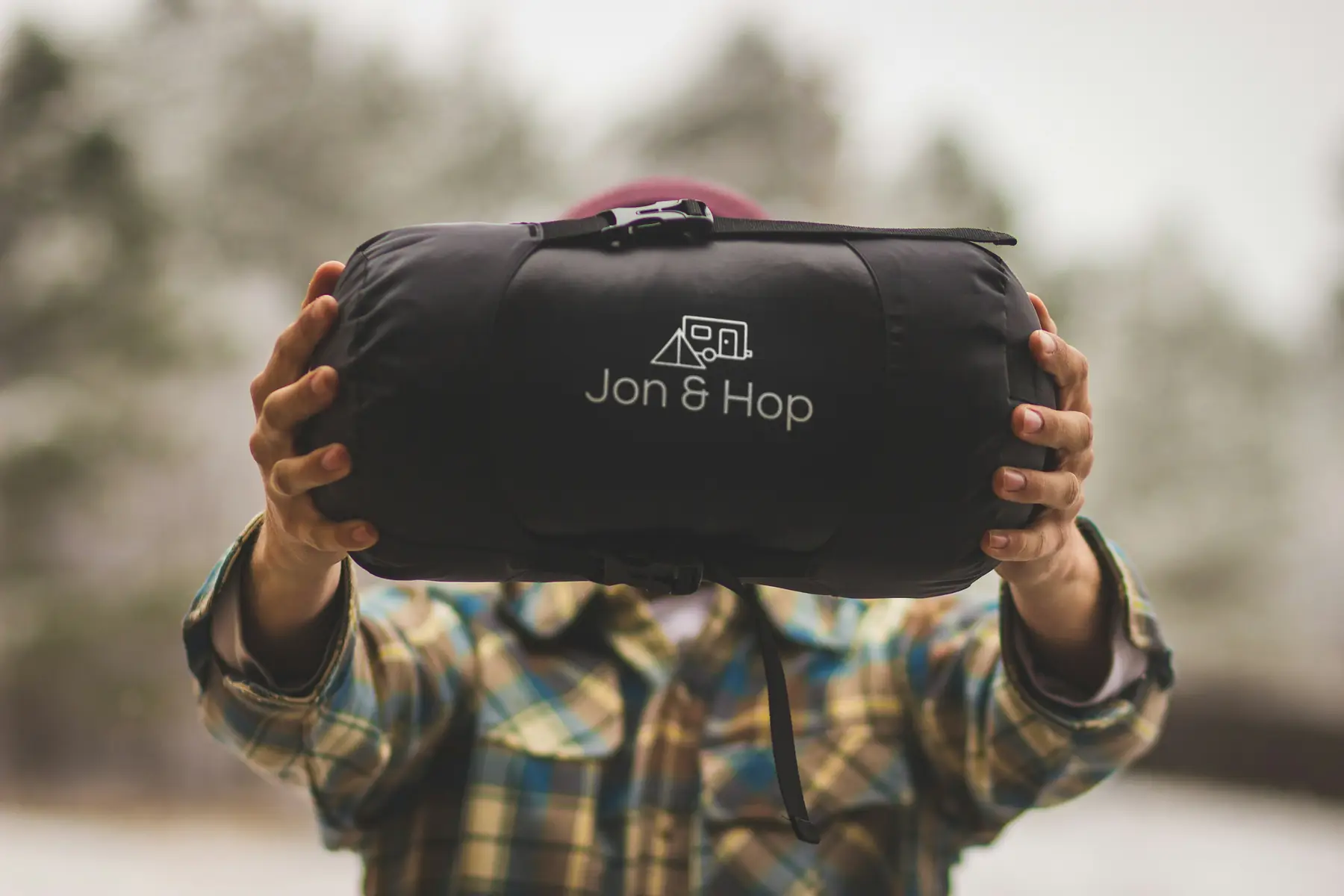
Do not rely on the “stuff sack” that comes with your bag unless it is specifically labeled as a dry bag with a roll-top closure. Instead, invest in a dedicated lightweight dry bag. Many trekkers prefer a compression dry bag, which allows you to shrink the volume of your bag down to 6 - 9 liters, leaving more room for your essential Patagonia packing list.
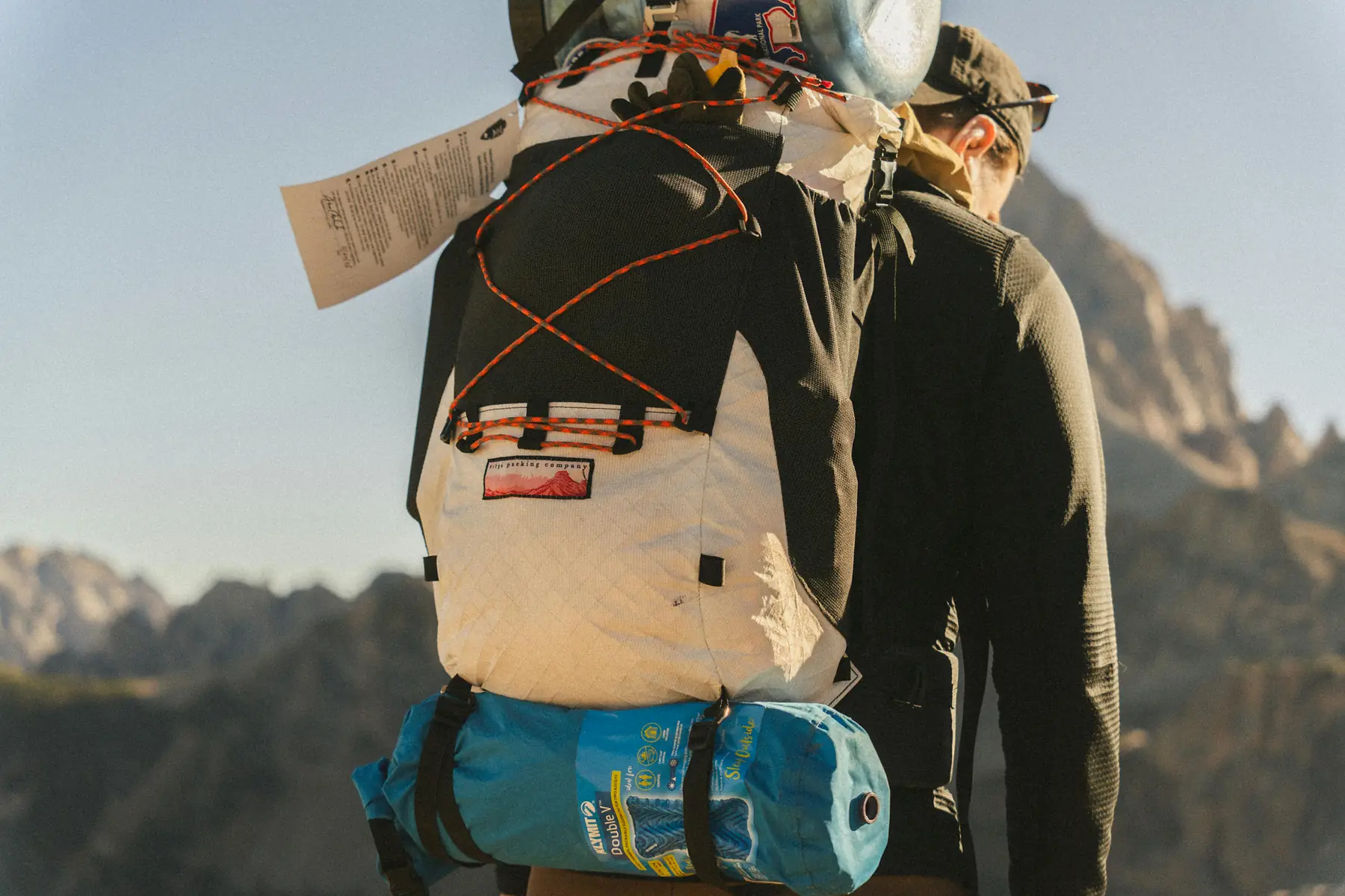
When packing your backpack, place your sleeping bag at the very bottom. This provides a structural base for the pack and ensures the weight is distributed correctly. If you are using a rental bag, which is often bulkier than high-end down, you may need to use external straps to attach it to the bottom of your pack - though we strongly recommend keeping it inside the pack body to protect it from the elements.
Sleeping Bag Care in the Backcountry
Maintaining your bag’s performance over a 5 - 10 day trek requires daily attention. Every night, your body releases about half a liter of moisture into your sleeping bag. In the humid Patagonian air, this moisture can stay trapped in the fibers, leading to a “cold” bag by day four.
Whenever you arrive at a refugio or campsite and the weather is clear, pull your bag out and drape it over a railing or a clean rock for 20 minutes. This allows the UV rays and wind to shed the accumulated body moisture. Additionally, always use a sleeping bag liner. Not only does it add a few degrees of warmth, but it also acts as a barrier for body oils and sweat, which are the primary enemies of down loft.
If your bag does get damp, do not try to dry it over a refugio wood stove. The high heat can easily melt the ultralight nylon shells used in modern bags. Instead, use the drying rooms (sala de secado) provided in many Torres del Paine refugios, which use circulated warm air rather than direct heat.
To go deeper into planning your trek gear and ensuring you have everything needed for the trail, explore our detailed guides:
FAQ
What temperature sleeping bag do I need for Torres del Paine? For camping, a bag with a comfort rating of 15°F to 25°F (-4°C to -9°C) is ideal; for refugios, a lightweight 40°F (4°C) bag or silk liner is sufficient.
Do refugios in Torres del Paine provide sleeping bags? Most refugios offer “Made Up Beds” with sheets and duvets for an extra fee, but if you book a “Simple Bed,” you must bring your own sleeping bag or liner.
Can I rent a sleeping bag for the W Trek in Puerto Natales? Yes, several shops in Puerto Natales rent high-quality 3-season sleeping bags for approximately $8 - $13 USD per day.
Is a down or synthetic sleeping bag better for Patagonia? Hydrophobic (treated) down is the best choice for Patagonia as it offers the best warmth-to-weight ratio while resisting the region’s high humidity.
How much does a sleeping bag rental cost in El Chaltén? Expect to pay approximately $8 - $12 USD per day for a quality mountain-rated sleeping bag in El Chaltén. Due to local currency volatility, most shops quote or peg prices to the USD equivalent.
Should I bring a sleeping bag liner to Patagonia? Yes, a silk or thermolite liner is highly recommended for adding warmth when camping and for hygiene when using rental bags or refugio bedding.