
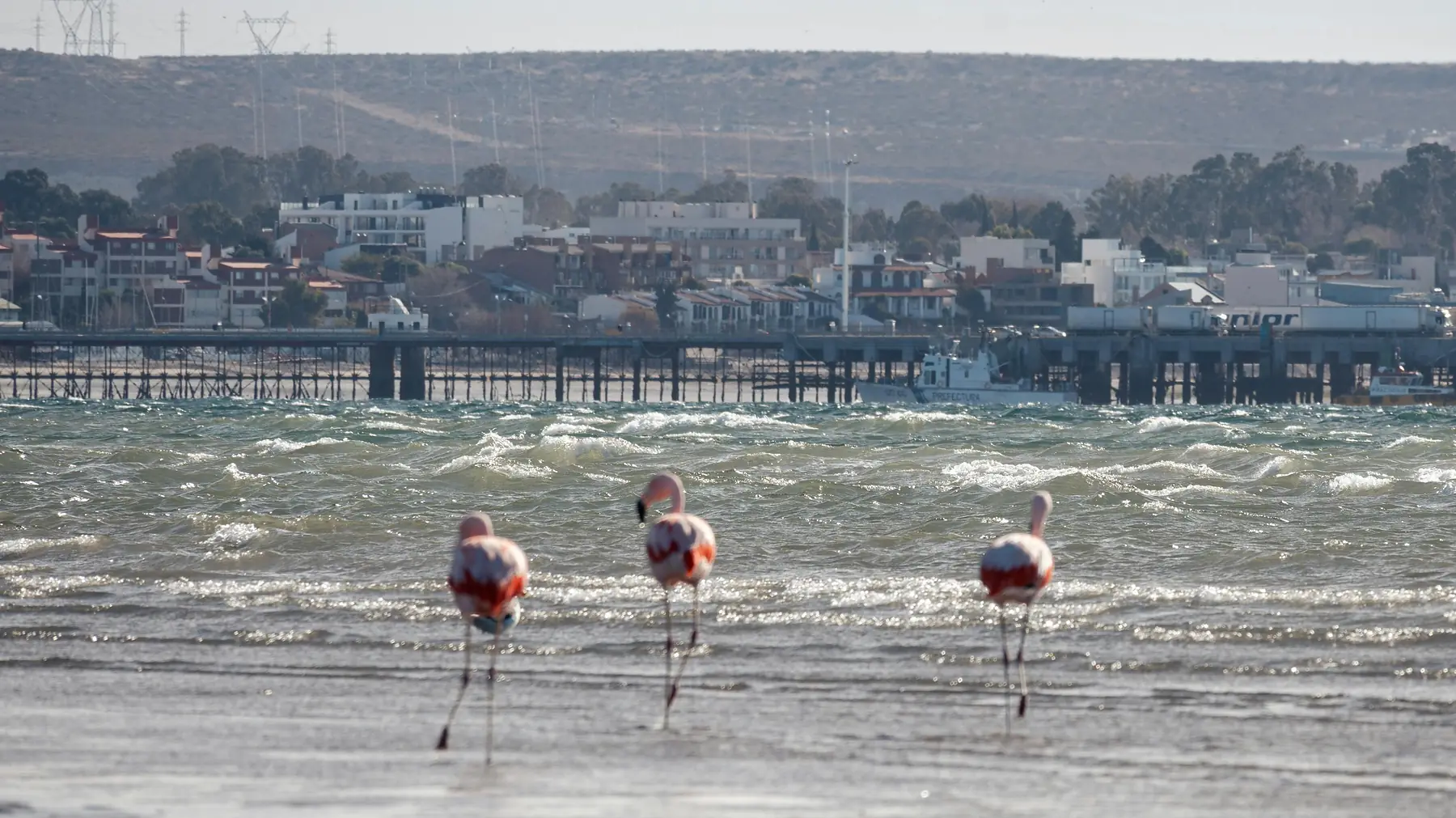
Things to Do in Puerto Madryn: The Ultimate 2026 Wildlife Guide
Puerto Madryn is the premier gateway to Argentina’s Atlantic coast, where the primary things to do involve world-class marine wildlife encounters and exploring the UNESCO-listed Peninsula Valdés. For most visitors, the absolute highlights are watching Southern Right Whales from the shore or boat, snorkelling with sea lions at Punta Loma, and visiting the massive penguin colony at Punta Tombo.
While the town itself serves as a functional base with a pleasant waterfront, the real magic happens in the surrounding nature reserves. Whether you are coming to see orcas hunt on the beach or to experience the deep-rooted Welsh culture in the nearby Chubut Valley, Puerto Madryn offers a stark, beautiful contrast to the granite peaks of southern Patagonia. For the 2026 season, new conservation protocols and expanded tour options make it easier than ever to witness these natural spectacles without disturbing the delicate ecosystem.
Puerto Madryn at a Glance
- Primary Appeal: Marine wildlife (whales, orcas, penguins, sea lions)
- Best Time to Visit: September to November for the most species overlap
- Top Activity: Boat-based whale watching from Puerto Pirámides
- Day Trip Distance: Peninsula Valdés is roughly 100km from town
- Climate: Arid and windy, with temperatures ranging from 15°C to 25°C in spring
Whale Watching in Golfo Nuevo
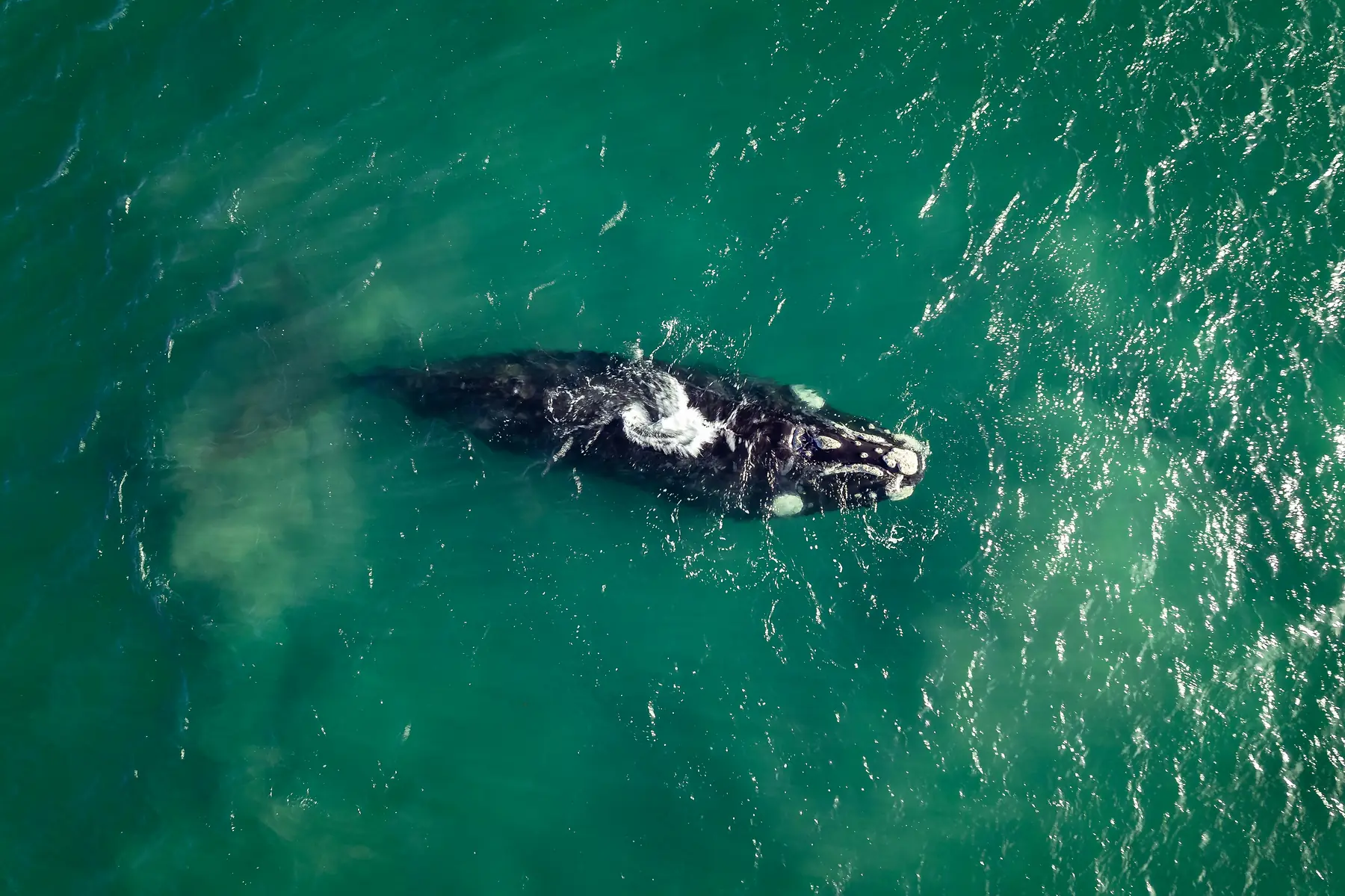
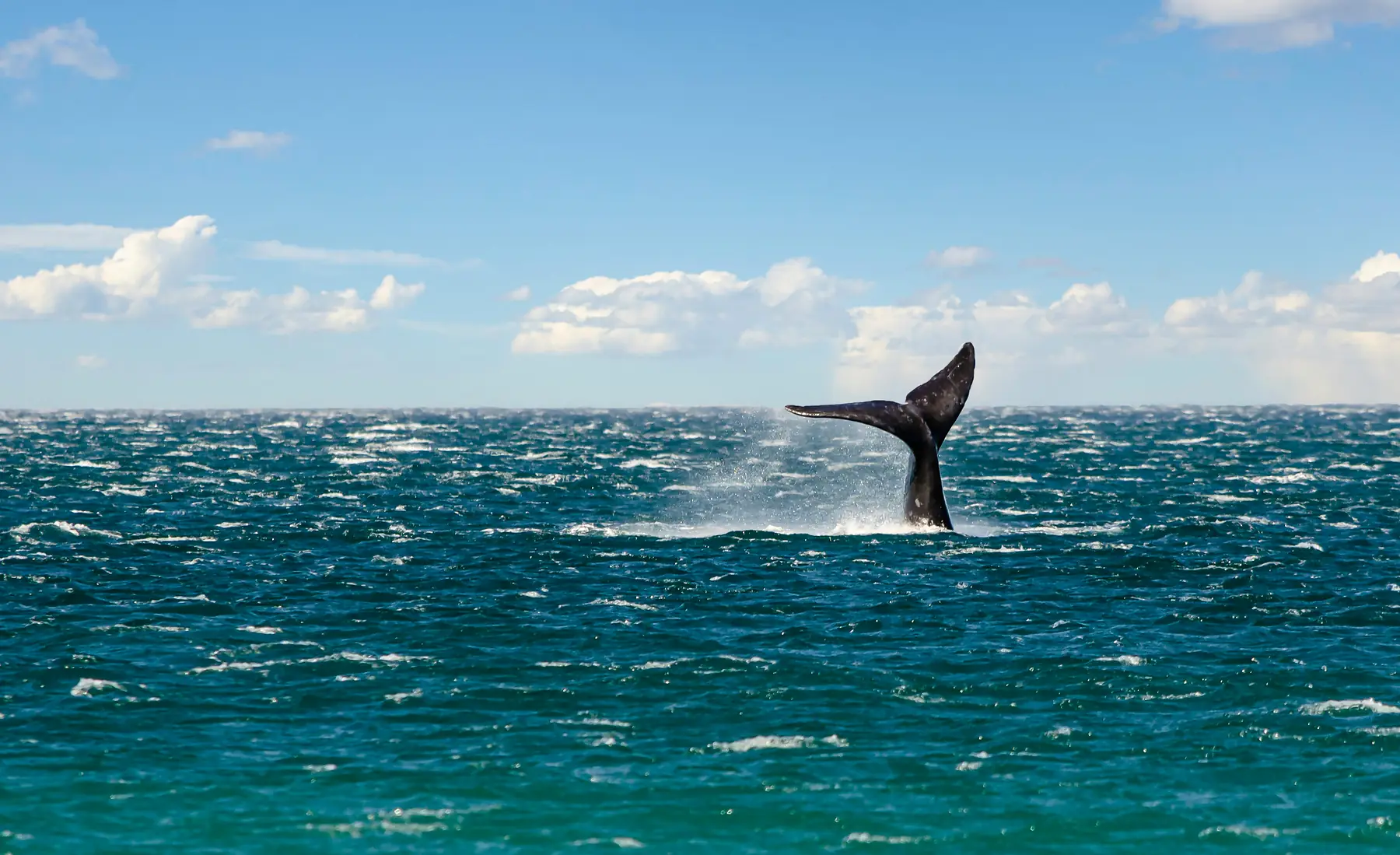
Whale watching is the definitive Puerto Madryn experience, occurring primarily between June and December when Southern Right Whales enter the sheltered gulfs to mate and give birth. You can witness these 40-ton giants from two distinct perspectives: the beaches of El Doradillo or via boat tours departing from Puerto Pirámides.
For a unique and free experience, head to El Doradillo Beach, located just 15km north of the city. The shoreline here drops off steeply, allowing whales to swim within a few meters of the sand. It is one of the few places on Earth where you can hear a whale’s blow from your beach towel. If you prefer a closer look, you must travel to Puerto Pirámides inside Peninsula Valdés to board a licensed vessel. In 2026, many operators are now using “Yellow Submarine” style boats that feature underwater viewing windows, providing a perspective of the whales’ social interactions below the surface.
- Cost: Free vs. Approx. $95–$125 USD (as of 2026/27 season)
- Proximity: 15-minute drive vs. 90-minute drive to the port
- Perspective: Looking down from the shore vs. eye-level on the water
- Duration: Stay as long as you like vs. 1.5-hour scheduled tours
Do both: El Doradillo for intimacy and sound, and a boat tour for scale and perspective.
Day Trips to Peninsula Valdés
The Peninsula Valdés Nature Reserve is a massive, arid peninsula that requires a full day to explore, offering the best opportunity to see orcas, elephant seals, and guanacos in their natural habitat. To see the entire loop, you will cover over 400km, much of it on well-maintained gravel roads that can be slippery if you are driving a rental car.
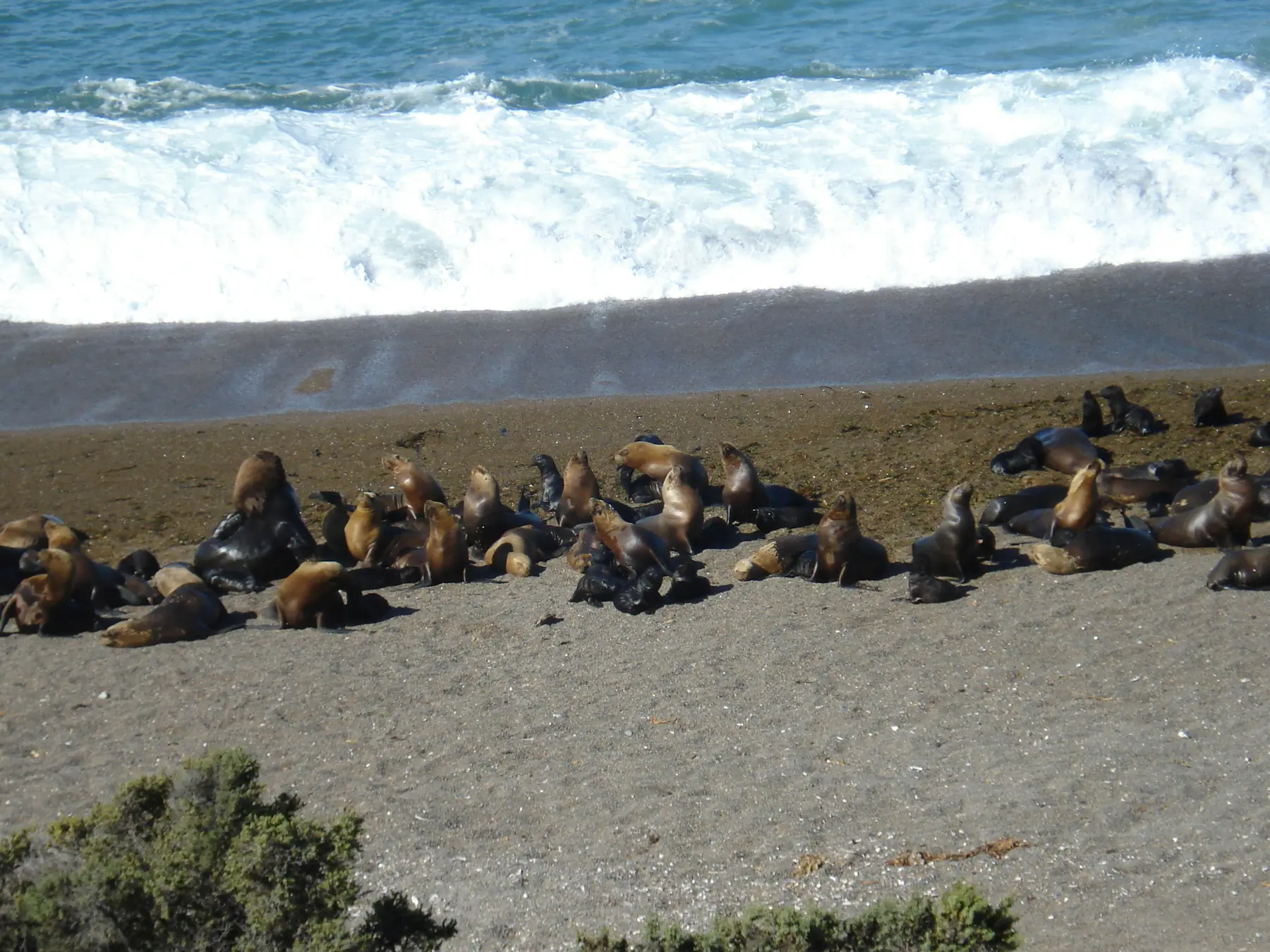
The most famous site on the peninsula is Punta Norte. Between March and April, and again in October and November, this is the only place in the world where orcas intentionally strand themselves on the beach to hunt sea lion pups. Even if you aren’t there for the orcas, the Caleta Valdés provides a stunning look at a growing colony of elephant seals. For the 2026 season, ensure you have your park entrance fee ready in pesos or paid online via the official Chubut provincial portal, as the system has moved toward a digital-first approach.
To go deeper into the logistics of visiting this protected area, including entrance fees and the best self-drive routes, see our dedicated guide.
Snorkelling with Sea Lions at Punta Loma
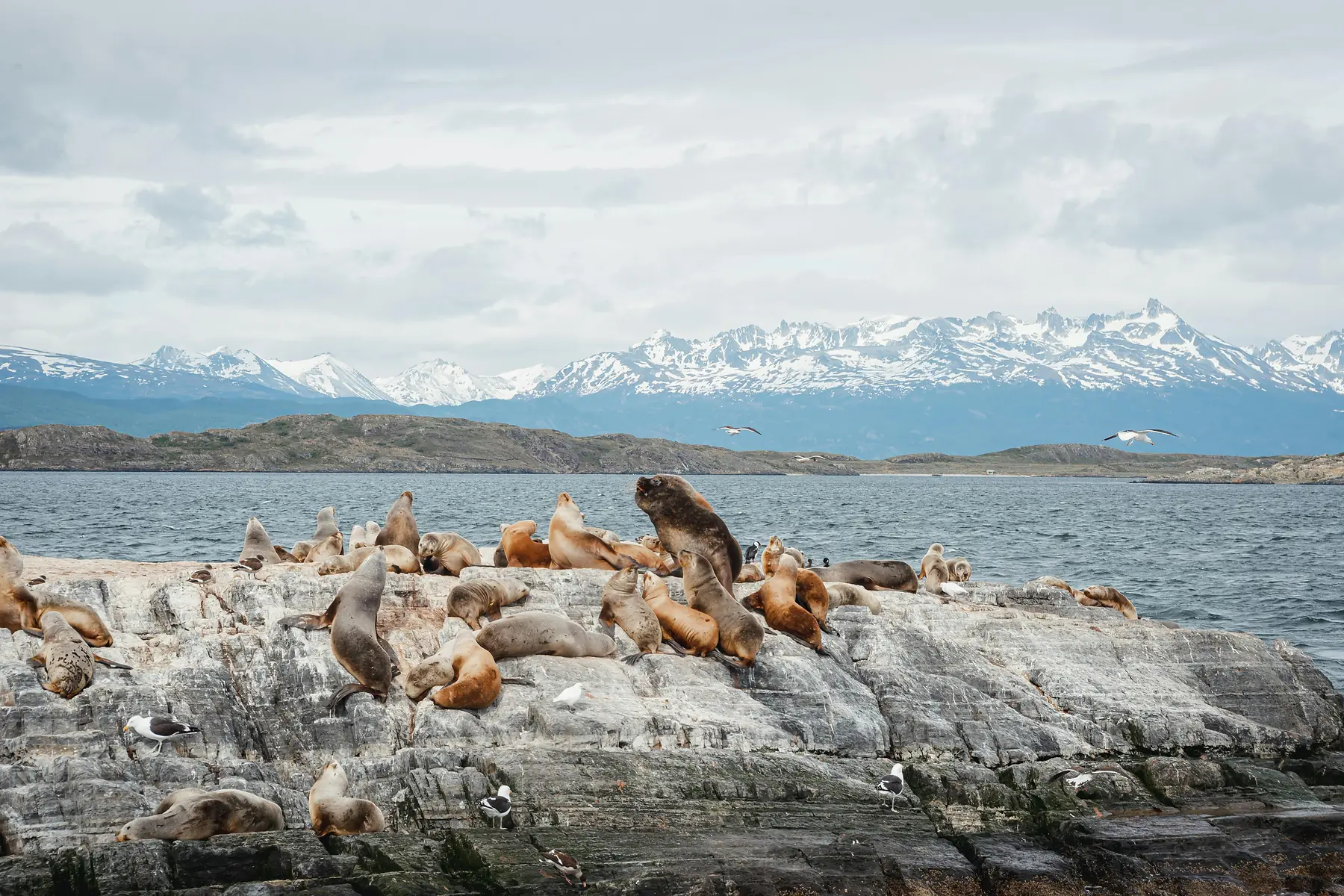
Snorkelling with sea lions at the Punta Loma reserve is Puerto Madryn’s most interactive wildlife activity, allowing for curious, non-invasive encounters with “the puppies of the sea.” Unlike many wildlife tours that keep a strict distance, sea lion pups are naturally inquisitive and will often swim right up to your mask to nibble on your fins or mirror your movements.
The tours depart from the Puerto Madryn pier and take about 20 minutes to reach the reserve. You are provided with a thick 7mm wetsuit because the Atlantic waters remain cold even in mid-summer. The experience is strictly regulated to ensure the animals are not stressed: you are instructed to float passively and let the sea lions initiate the contact. It is a profound way to connect with the marine environment without the barriers of a boat or a fence.
The Magellanic Penguins of Punta Tombo
Punta Tombo is home to the largest continental colony of Magellanic penguins in the world, with over half a million birds arriving each September to nest and raise their young. Located 180km south of Puerto Madryn, it is a significant drive, but the reward is walking along trails where penguins literally have the right of way as they trek between their burrows and the sea.
The best time to visit is from mid-October to January. By November, the chicks have hatched, and you can see the parents frantically heading to the water to bring back food. The site features a high-quality interpretation center that explains the migration patterns of these birds, which travel as far north as Brazil during the winter. Because the drive involves long stretches of gravel, many travelers choose to combine this with a stop in the Welsh town of Gaiman for afternoon tea.
Check the Season
Penguins are only present from September to March. If you visit in July, the colony will be empty.
Plan for the Drive
Allow 2.5 to 3 hours each way from Puerto Madryn. The final 20km is on gravel which requires slower speeds.
Walk the Trails
Stay on the designated boardwalks. Penguins frequently cross the paths; always give them space to pass first.
Cultural Heritage and the Welsh Connection
Beyond the wildlife, the region holds a unique cultural history as the site of a 19th-century Welsh settlement, most visible today in the village of Gaiman. Located in the Chubut River Valley, Gaiman feels like a slice of Wales transported to the Patagonian steppe, complete with stone chapels and traditional tea houses.
A visit to a “Casa de Té” is a mandatory ritual here. You will be served a spread of Welsh black cake (torta negra), scones, and sandwiches, often accompanied by stories of the pioneers who arrived on the Mimosa in 1865. This cultural detour provides a fascinating look at how European immigrants adapted to the harsh Patagonian climate, forming a peaceful and lasting relationship with the local Tehuelche people.
Local Guide in GaimanThe Welsh black cake wasn’t just a treat; it was designed to last for months in a pioneer’s saddlebag without spoiling. Today, it’s the taste of our history.
Science and Conservation at Ecocentro
For a deeper understanding of the ecosystems you are visiting, the Ecocentro Pampa Azul is a must-visit cultural center located on the cliffs at the southern end of Puerto Madryn. This is not a traditional museum; it is a space designed to blend art, science, and philosophy to explain the relationship between the land and the Atlantic Ocean.
The center features an impressive skeleton of a Southern Right Whale and offers panoramic views of the Golfo Nuevo from its tower. It is an excellent activity for a windy afternoon when boat tours might be cancelled. It provides the necessary context for why the waters surrounding Puerto Madryn are so vital for global marine biodiversity.
If you are planning your stay in town to catch these activities, check our recommendations for the best areas to base yourself.
Essential Tips for Puerto Madryn Activities
The Atlantic coast of Patagonia is a high-desert environment, meaning the weather is dry, sunny, and frequently very windy. This wind is the single most important factor for your itinerary, as it can cause boat departures for whale watching or sea lion snorkelling to be cancelled with very little notice.
- Currency and Payments: Argentina’s economy remains volatile. While most tour operators accept credit cards, you will often get a better “cash price” if paying in US Dollars or Argentine Pesos.
- VAT Refunds: Foreign tourists are eligible for a 21% VAT (IVA) refund on accommodation when paying with a foreign credit/debit card. Note that this refund generally does not apply to tours, transport, or meals.
- Booking Lead Times: For peak whale season (October), book your snorkelling and boat tours at least 2-3 weeks in advance.
- Sun Protection: The ozone layer is thin here. Even on a cool, windy day, the sun will burn you quickly. Use high-SPF sunscreen and a hat with a chin strap.
- Transport: While you can reach Gaiman and El Doradillo by bus, a rental car is highly recommended for Peninsula Valdés and Punta Tombo to avoid the rigid schedules of group tours.
FAQ
Are the whales always visible in Puerto Madryn? No, Southern Right Whales are migratory and are only present in the gulfs from June through December. The highest concentrations and best sightings typically occur between September and early November.
Can I see orcas in Puerto Madryn? Orcas are seen year-round but are most famous for their “intentional stranding” hunting technique at Punta Norte on Peninsula Valdés. This specific behavior usually occurs for a few weeks in March/April and again in October/November, coinciding with the birth of sea lion pups.
Is it worth going to Puerto Madryn if it’s not whale season? Yes, while whales are the main draw, you can see sea lions, elephant seals, and various bird species year-round. From September to March, the penguins at Punta Tombo are a major attraction, and the Welsh culture in Gaiman is accessible in any season.
How many days do I need in Puerto Madryn? A minimum of three full days is recommended: one day for Peninsula Valdés, one day for Punta Tombo and Gaiman, and one day for whale watching or snorkelling with sea lions in the immediate Puerto Madryn area.
Do I need a 4x4 to drive to the wildlife reserves? No, a standard 2WD vehicle is sufficient for the main routes to Peninsula Valdés and Punta Tombo. However, you must drive carefully on the gravel (ripio) sections, as loose stones can cause loss of traction or cracked windshields.