Patagonia is a world-class family destination that is no longer reserved for hardcore backpackers and mountaineers. Provided you choose the right hubs and adopt a “hub-and-spoke” strategy rather than a nomadic trekking schedule, you can safely and comfortably explore this dramatic landscape with children of any age.
This guide covers the logistical realities of navigating both the Chilean and Argentine sides of the region for the 2026/27 season. Whether you are carrying a toddler through the beech forests of El Chaltén or taking teens on their first multi-day adventure in Torres del Paine, the key to success lies in matching the pace of the landscape to the endurance of your youngest traveler. For those just starting their research, our general planning guide provides the broader context of the region’s geography and seasons.
Patagonia Family Essentials
- Best Age Range: 5-12 for active hiking; 8+ for glacier trekking (Perito Moreno)
- Top Hubs: El Calafate (Argentina), El Chaltén (Argentina), Puerto Natales (Chile)
- Transport: Rental car is highly recommended for flexibility
- Primary Risks: High winds, high UV exposure, and long driving distances
- Booking Window: 6-9 months in advance for family suites and car seats
Is Patagonia Suitable for Children? (The Reality Check)
Yes, Patagonia is suitable for children, but it requires a fundamental shift in how you approach the itinerary. Unlike a solo trekking trip where you might move camp every day, a successful family trip relies on staying in one location for 3-4 nights and doing shorter day trips. This “Hub & Spoke” model allows you to retreat to a warm hotel when the infamous Patagonian winds reach 60-80 km/h, which can easily knock a small child off balance on exposed ridges.
The experience varies significantly by age group:
- 0-4 Years (The Carrier Years): You are limited only by your own fitness and the quality of your child carrier. Stick to Argentina’s “Glacier Alley” where stroller-accessible catwalks make sightseeing effortless.
- 5-9 Years (The Active Explorers): This is the “bribe” phase. Trails like Chorrillo del Salto are perfect for these ages. Focus on wildlife spotting and estancia visits rather than vertical gain.
- 10+ Years (The Big Adventure): Children this age can handle more significant hikes and, crucially, meet the age requirements for specialized activities.
Age restrictions are strictly enforced for safety. For the 2026/27 season, the “Minitrekking” on Perito Moreno (Argentina) has a minimum age requirement of 8 years old. On Grey Glacier (Chile), ice trekking typically requires children to be at least 14 years old.
Infrastructure has improved immensely for the 2026/27 season, with more boutique lodges offering dedicated family wings and better flight connectivity into Puerto Natales and El Calafate. However, medical facilities remain concentrated in major hubs. While there are modern hospitals in Punta Arenas and El Calafate, you may be several hours from pediatric care if you are deep inside a national park. For more on staying safe, see our comprehensive safety guide.
Best Regions for a Patagonia Family Trip: Chile vs. Argentina
Choosing between Chile and Argentina depends on your child’s mobility and your tolerance for long drives. Argentina is generally considered the “easier” entry point because its primary attractions, like the Perito Moreno Glacier, are accessible via well-maintained steel catwalks. Chile offers a more “wild” feel, particularly in Torres del Paine, but requires more logistical legwork.
When deciding where to plant your flag, consider how the infrastructure on each side of the border supports family needs:
- Stroller-friendliness: High. Perito Moreno has elevators and ramps; Chaltén has flat town walks. vs. Low. Most trails are rocky, narrow, and strictly for carriers.
- Driving Distances: Moderate. Most sites are within 1-3 hours of the main hubs. vs. High. Expect 4-5 hours of driving between major attractions if not staying inside the park.
- Family Rooms: Widely available in El Calafate hotels and Chaltén apartments. vs. Limited. Luxury lodges have them, but they book out 12 months in advance.
- Child Discounts: Common on boat tours and park entries for under-12s. vs. Less frequent; many lodges charge near-adult rates for children over 10.
Argentina is better for toddlers and strollers; Chile is superior for teens and 'luxury-base' adventure.
For a deeper dive into the cultural and landscape differences between the two nations, read our Chile vs. Argentina comparison.
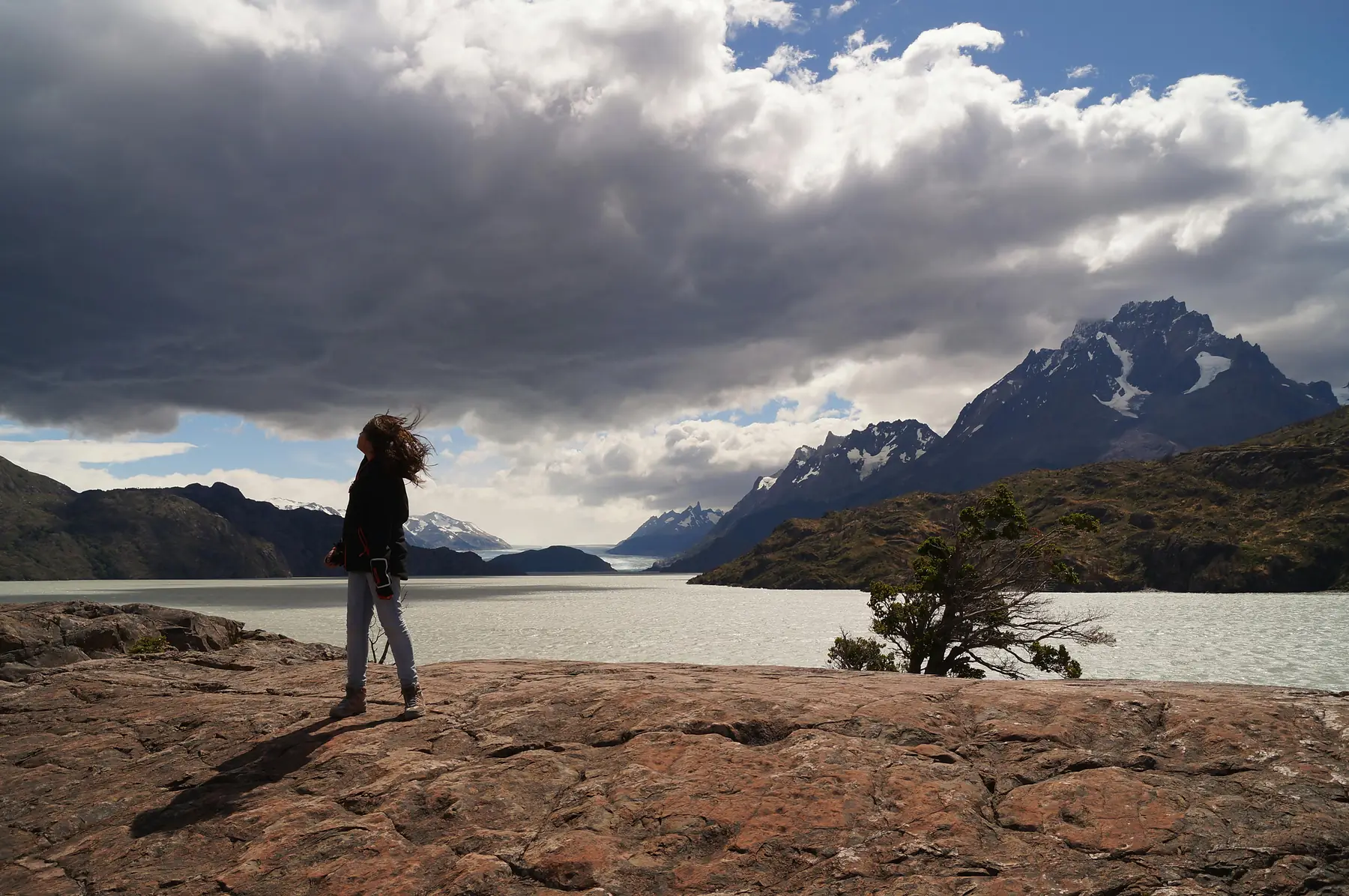
Top Kid-Friendly Activities in Patagonia
Beyond the famous peaks, Patagonia offers a variety of sensory experiences that don’t involve 20-kilometer hikes.
Wildlife Encounters
Seeing penguins is often the highlight for younger children. At Isla Martillo near Ushuaia or Punta Tombo near Trelew, kids can walk among thousands of Magellanic penguins. In Torres del Paine, you don’t even need to hike to see wildlife - Guanacos (wild relatives of the llama) frequently graze right alongside the main roads, and Rheas (flightless birds) are common in the eastern plains.
Glacier Magic
The Perito Moreno Glacier is the gold standard for family sightseeing. The catwalk system allows you to bring a stroller right to the face of the ice. For a more immersive experience, boat tours on Lago Argentino or Lago Grey allow children to see icebergs up close without the physical demand of trekking.
Estancia Life
Visiting a working sheep ranch, or estancia, provides a glimpse into the “Gaucho” culture that defines the region. Places like Estancia Nibepo Aike or Estancia Cristina offer sheep-shearing demonstrations and gentle horseback riding on reliable, sturdy horses accustomed to beginners.
If you are in El Calafate, visit the Glaciarium. It is an interactive museum that explains glacier formation in a way kids actually enjoy, and it features an ice bar where children can drink juice out of glasses made of ice.
Hiking with Kids: Age-Appropriate Trails
The key to hiking with kids in Patagonia is managing expectations and carrying enough “sugar bribes” (local chocolates or Alfajores) to keep morale high.
For Toddlers and Young Kids (Ages 2-6):
- Chorrillo del Salto (El Chaltén): A flat, 3km round-trip walk through the woods leading to a 20-meter waterfall. It is sheltered from the worst winds.
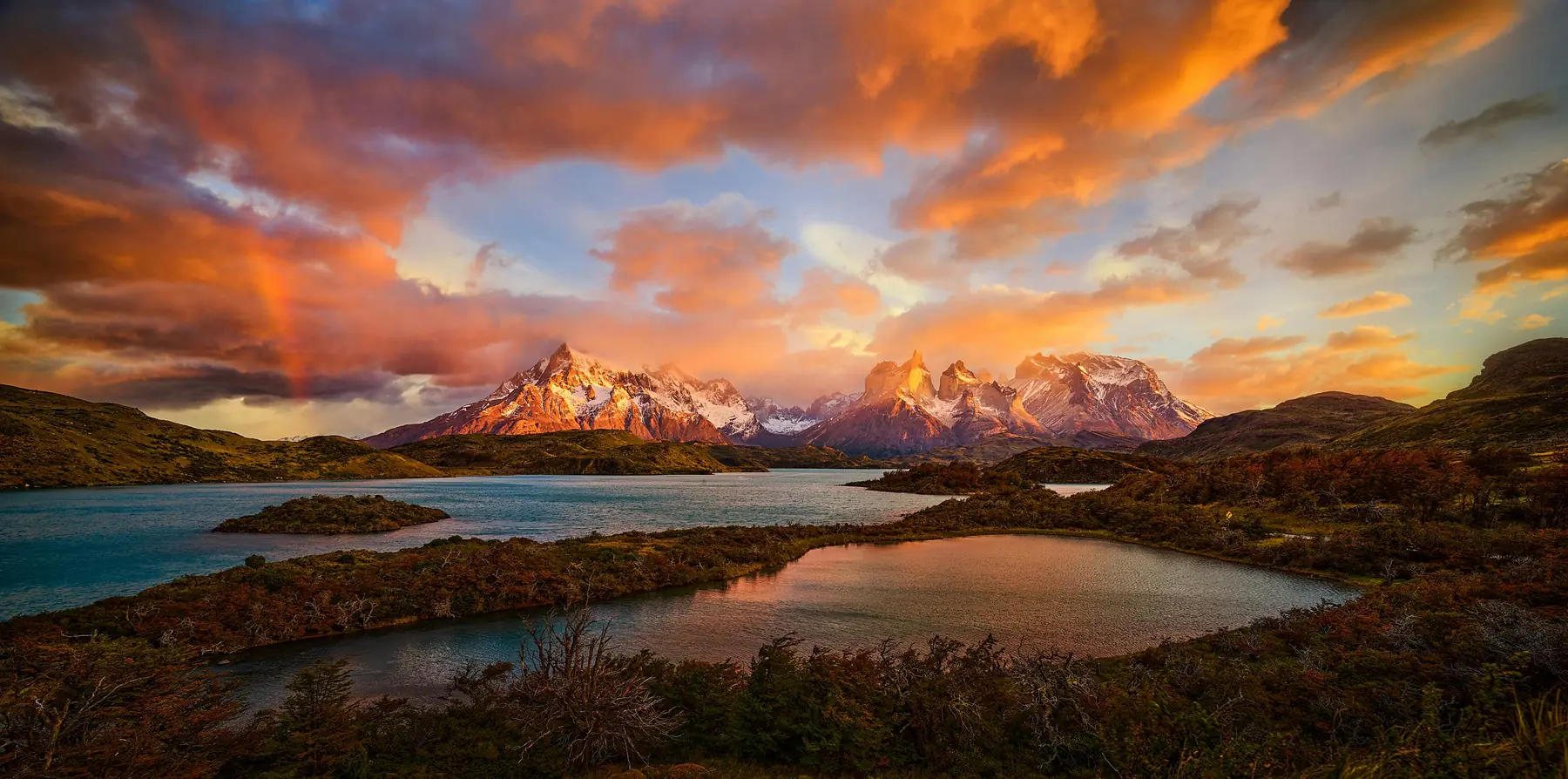
- Mirador Cuernos (Torres del Paine): This trail is mostly flat and offers a stunning view of the “Horns” of the massif across a turquoise lake.
For Middle Childhood (Ages 7-11):
- Laguna Capri (El Chaltén): A moderate climb that rewards you with your first clear view of Mount Fitz Roy. It is roughly 8km round trip.
- Mirador Condor (Torres del Paine): A short but steep 1-hour climb that provides a 360-degree view of the park. It is a great test of their legs before committing to longer days.
For Teens (Ages 12+):
- The Fitz Roy Trek: Instead of doing the full 22km slog, use the “14km turn-back” strategy. Hike to Laguna Capri or the Fitz Roy lookout, and if the energy is there, continue; if not, turn back and enjoy the town’s famous hot chocolate.
Always carry a stash of Calafate berry chocolates or local alfajores. In Patagonia, the wind can be demoralizing for kids; a well-timed treat at the top of a steep switchback can change the entire mood of the hike.
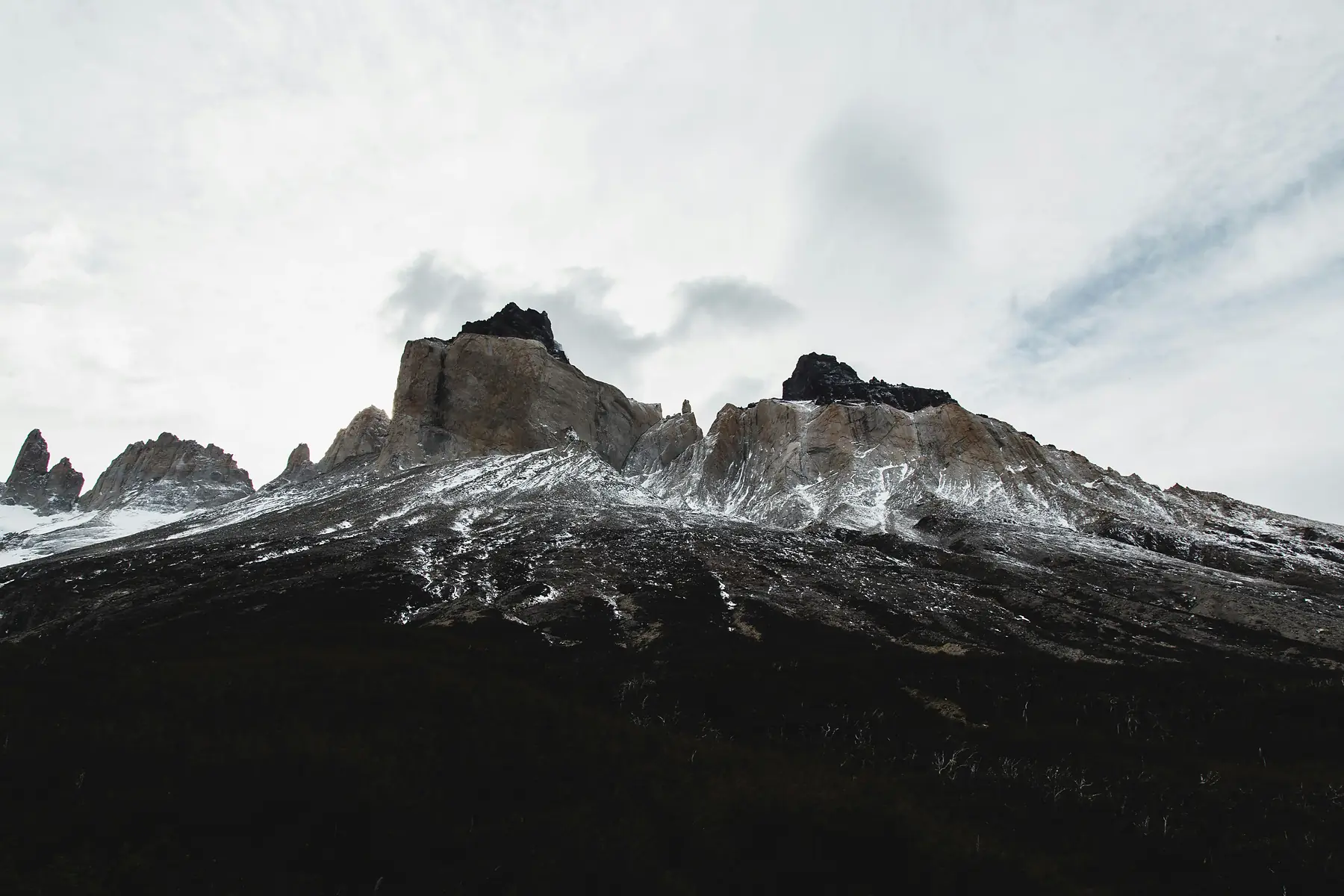
Can Kids Do the W Trek in Torres del Paine?
The short answer is that while it is physically possible for older, active children, doing the full 70-kilometer W Trek with kids under 10 is generally not recommended. The distances between refugios (15-22km per day) are significant, and the weather on the French Valley can be intense. Furthermore, the refugios are often noisy, shared-dorm environments that are not conducive to a child’s sleep schedule.
Instead, we recommend the “W-Lite” Alternative. By staying at a central hotel like Hotel Las Torres or Rio Serrano, you can do the “Best of the W” as day trips.
- Day 1: Take the catamaran across Lago Pehoé to see the French Valley.
- Day 2: Take the Grey II boat to see the glacier.
- Day 3: Hike the first leg to the Base of the Towers (if they are up for a 20km day).
This approach allows you to return to a private room, a hot shower, and a proper restaurant every night. If you do choose to stay in refugios, be aware that booking private family rooms is essential and they sell out nearly a year in advance. You can find more detail on these logistics in our Torres del Paine destination guide.
Family Logistics: Transport, Food, and Safety
Renting a car is the single best investment you can make for a family trip. While the bus system in Patagonia is reliable, it operates on a rigid schedule that doesn’t account for toddler meltdowns or the need for frequent bathroom breaks.
Car seats are legally required in both Chile and Argentina. For the 2026 season, expect to pay between $10–$15 USD per day for a child seat rental. You must reserve it explicitly months in advance as local supply in Punta Arenas and El Calafate is limited.
To ensure you get the right vehicle and equipment, check our car rental guide.
Eating and Shopping
Managing picky eaters is surprisingly easy in Patagonia. The local staple is Milanesa y Papas Fritas (breaded schnitzel and fries), which is available in almost every restaurant. Empanadas also make for an easy, portable trail lunch. In major hubs like Puerto Natales or El Calafate, you will find large supermarkets (like La Anónima) where you can stock up on familiar snacks.
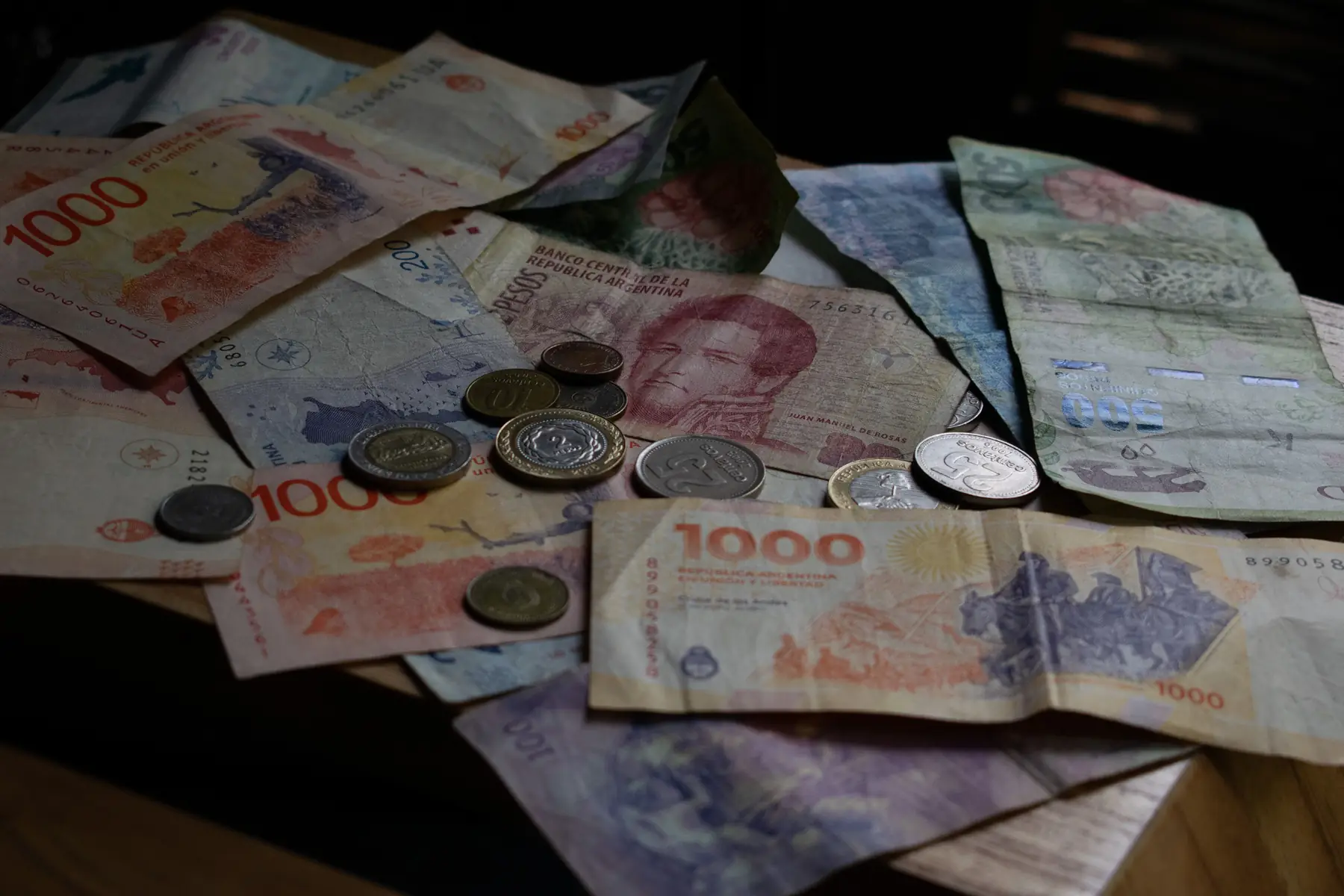
Keep in mind that Argentina’s economy is volatile. For the 2026 season, you should check our currency and money guide to understand the latest on cash vs. card payments for those daily snack runs.
Health and Connectivity
Tap water is generally safe in major towns, but follow local advisories and confirm with your accommodation. On the trail, use confirmed potable supplies or treat uncertain water by boiling it or filtering and then disinfecting it according to the product instructions. Children can become ill from untreated glacial streams even when the water looks clear. Regarding medical care, ensure your travel insurance specifically covers “aeromedical evacuation,” as this is the only way to reach a major hospital quickly from remote areas like El Chaltén. See our health and vaccinations page for more detail.
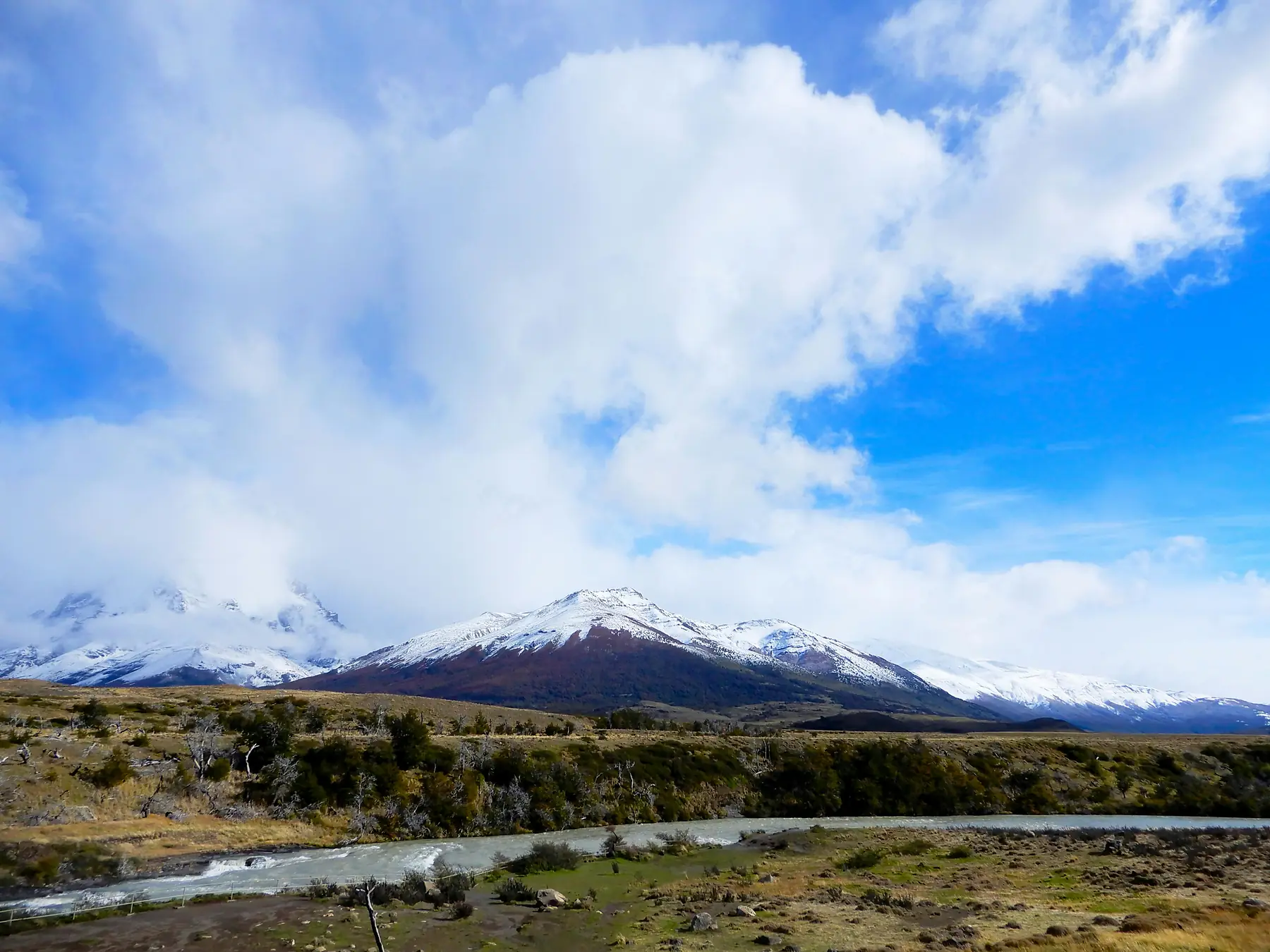
Packing for Kids: The Patagonia Layering System
Children lose body heat much faster than adults, making the layering system critical. You won’t find many high-end outdoor gear shops for children in Patagonia, so you must bring everything from home.
- Base Layer: High-quality merino wool (not cotton).
- Mid Layer: A thick fleece or a lightweight “puffer” jacket.
- Shell: A high-quality wind and waterproof jacket with a hood.
Footwear is the most common failure point. Do not buy new boots the week before the trip. Your child needs at least 20 kilometers of walking in their boots to ensure no blisters occur on the trail.
Finally, bring “fun” gear. A pair of kid-sized binoculars or a small magnifying glass can turn a “boring” forest walk into a scientific expedition to find woodpeckers or rare mosses. For a full list of what to pack (and what to leave behind), see our Patagonia packing list.
Ready to plan your route?
If you’re looking for a pace that works for the whole family without burnout, our manageable 7-day route is a great place to start.
To go deeper: A family-friendly 1-week itinerary
FAQ
- QUESTION: Is the water in Patagonia safe for children to drink?
- ANSWER: Follow local drinking-water advice and use confirmed potable supplies. Do not let children drink untreated stream water in Torres del Paine or other parks. Boil uncertain water or filter and then disinfect it according to the product instructions.
- QUESTION: Can a toddler visit the Perito Moreno Glacier?
- ANSWER: Absolutely; the extensive steel catwalk system is stroller-accessible in many parts and provides safe, spectacular views of the ice calving without any strenuous hiking.
- QUESTION: What is the minimum age for glacier trekking in Patagonia?
- ANSWER: For the 2026 season, the Minitrekking on Perito Moreno requires children to be at least 8 years old. Ice trekking on Grey Glacier typically requires a minimum age of 14.
- QUESTION: Do I need a car seat for a rental car in Patagonia?
- ANSWER: Yes, car seats are legally required in both Chile and Argentina; you should reserve one well in advance with your rental agency in Punta Arenas or El Calafate as supplies are often limited.
- QUESTION: Are there mosquitoes or dangerous animals for kids in Patagonia?
- ANSWER: Patagonia is remarkably safe; there are virtually no mosquitoes in the windy south, and while Pumas exist, they are elusive and rarely pose a threat to hikers on established trails.
- QUESTION: Is it expensive to travel to Patagonia with kids?
- ANSWER: Yes, Patagonia is a premium destination where flights and family-sized accommodations fill up quickly; booking 6-9 months in advance for the 2026/27 season is essential to manage costs.