
Patagonia Wildlife Tours: 2026/27 Guide to Whales & Pumas
The best Patagonia wildlife tours divide into two distinct worlds: the marine-rich Atlantic coast of Peninsula Valdés and the rugged Andean interior of Torres del Paine. For most travelers, the “Wildlife Triangle” — combining Peninsula Valdés, Torres del Paine, and the penguin colonies of the Beagle Channel — provides the most comprehensive experience of the region’s biodiversity.
Choosing the right tour depends entirely on your target species and preferred travel style. You can opt for high-intensity, multi-day land safaris focused on a single predator, or join expedition cruises that navigate the fjords to reach inaccessible rookeries. For the 2026/27 season, booking windows for specialized tours like puma tracking and semi-submersible whale watching have moved earlier, with peak dates often filling 10–12 months in advance.
Wildlife Tour Essentials
- Peak Marine Season: September to November (Whales and Penguin arrivals)
- Peak Puma Season: November to March (Longer days and active cubs)
- Primary Hubs: Puerto Madryn (Marine), Puerto Natales (Pumas), Ushuaia (Penguins)
- Tour Types: Day excursions, multi-day lodge safaris, and expedition cruises
- Booking Window: 8–12 months for specialized or private safaris
The Patagonia Wildlife Calendar: 2026/27 Season
Planning a wildlife tour in Patagonia requires precise timing, as many of the region’s most dramatic spectacles — such as the orca “intentional beaching” or the arrival of Southern Right Whales — occur within narrow windows. While the austral summer (December to February) offers the most stable weather, the shoulder seasons of spring and autumn often provide better viewing opportunities for specific species.
The following matrix identifies the peak months for tour operations and high-density sightings across the primary regions.
| Species | Sept | Oct | Nov | Dec | Jan | Feb | Mar | Apr | Location |
|---|---|---|---|---|---|---|---|---|---|
| Southern Right Whale | Peak | Peak | High | Low | — | — | — | — | Peninsula Valdés |
| Orcas (Beaching) | — | Low | High | — | — | — | Peak | Peak | Punta Norte |
| Magellanic Penguin | Arrive | Peak | Peak | Peak | Peak | Peak | Depart | — | Punta Tombo / Isla Magdalena |
| Puma | High | High | Peak | Peak | Peak | Peak | High | High | Torres del Paine |
| King Penguin | High | High | High | High | High | High | High | High | Tierra del Fuego |
| Elephant Seals | Peak | Peak | High | Low | — | — | — | — | Peninsula Valdés |
When booking for the 2026/27 season, distinguish between “Peak” and “Possible.” For example, while pumas are present year-round, the high grass of late summer can make sightings more difficult than the sparse cover of early spring. Conversely, if your goal is to see penguin chicks, you must time your tour for late December or January.
Wildlife Cruises vs. Land Safaris
Before selecting specific species tours, you must decide on your base of operations. This decision dictates the variety of wildlife you will encounter and the level of immersion in the landscape.
Land-based safaris are the gold standard for terrestrial wildlife. Staying in specialized lodges within or near Torres del Paine allows for early-morning and late-evening departures, which are the prime hunting hours for pumas. In contrast, expedition cruises are the only viable way to access the remote fjords of Tierra del Fuego and the isolated islands where rare marine birds and leopard seals are occasionally spotted.
- Primary Species: Pumas, guanacos, condors, rheas (Land-Based Safaris)
- Primary Species: Penguins, whales, dolphins, elephant seals (Expedition Cruises)
- Access: High-clearance vehicles and foot tracking (Land-Based Safaris)
- Access: Large expedition ships and inflatable Zodiacs (Expedition Cruises)
- Flexibility: High — schedules can be adjusted for sightings (Land-Based Safaris)
- Flexibility: Low — ships follow fixed nautical itineraries (Expedition Cruises)
- Comfort: Range from rustic estancias to luxury eco-lodges (Land-Based Safaris)
- Comfort: All-inclusive cabins with lectures and dining (Expedition Cruises)
Choose a land safari for pumas and the Andean steppe; choose a cruise for marine diversity and the remote fjords of Tierra del Fuego.
For travelers who want the “full experience,” the most popular 2026 itinerary is the “Hybrid Safari.” This involves flying from Trelew (the gateway to Peninsula Valdés) to El Calafate or Puerto Natales, bridging the gap between the Atlantic marine life and the Andean predators in a single 10–14 day trip.
To see the range of guided experiences available, explore our comprehensive guide to Patagonia tours.
Peninsula Valdés & Puerto Madryn: The Marine Spectacle
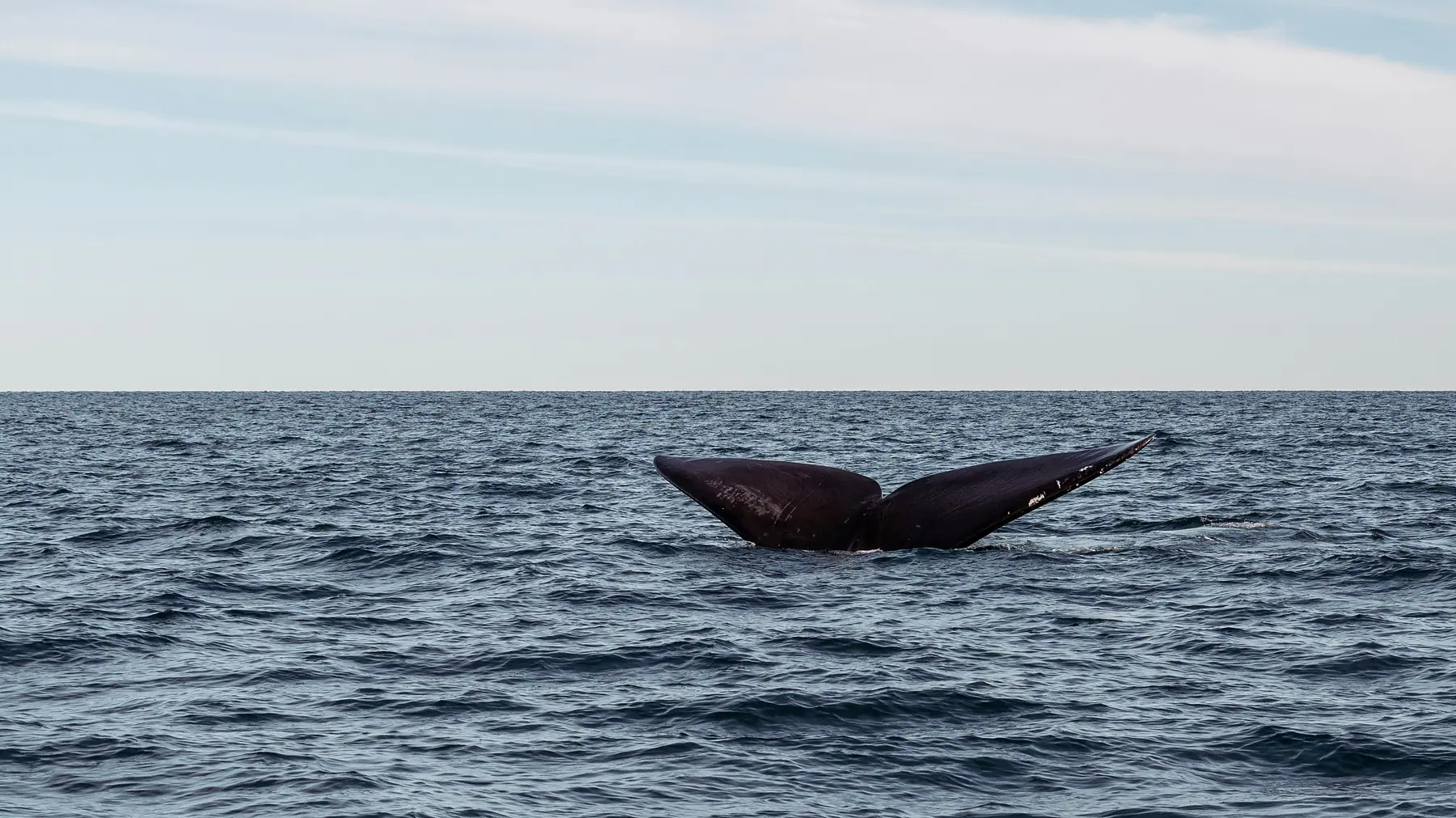
The Atlantic coast of Argentina, centered around Puerto Madryn, offers the highest density of marine mammals in the Southern Hemisphere. Tours here focus on the Peninsula Valdés UNESCO World Heritage site, a massive natural harbour where Southern Right Whales nurse their calves.
Whale Watching Tours
Standard boat tours depart from Puerto Pirámides, the only village inside the Peninsula Valdés reserve. However, the most innovative way to see whales in 2026 is the “Yellow Submarine” — a semi-submersible vessel that allows passengers to view whales through underwater windows while also providing a traditional deck experience. These tours are particularly effective because Southern Right Whales are naturally curious and often approach the stationary vessel. As of the 2026/27 season, prices for the semi-submersible excursion are approximately $180–$220 USD per adult, excluding park entry fees.
If you prefer to stay on land, visit El Doradillo beach just north of Puerto Madryn. The coastal shelf drops off so steeply that whales often swim within 15–20 meters of the shoreline, offering the world’s best land-based whale watching for the cost of a taxi or rental car.
The Orca Phenomenon
The most specialized tour on the Atlantic coast is the Orca Safari at Punta Norte. This is the only place on Earth where orcas have developed the “intentional beaching” technique to hunt sea lion pups. These tours are highly restrictive; viewers must stay in designated bunkers to avoid spooking the whales. The window is narrow — typically March and April — and sightings are never guaranteed as they depend on specific tidal conditions and the presence of pups.
When basing yourself in Puerto Madryn, most travelers book a combination of group bus tours and private excursions to cover the 400km loop of the peninsula’s unique wildlife loop.
Puma Tracking in Torres del Paine
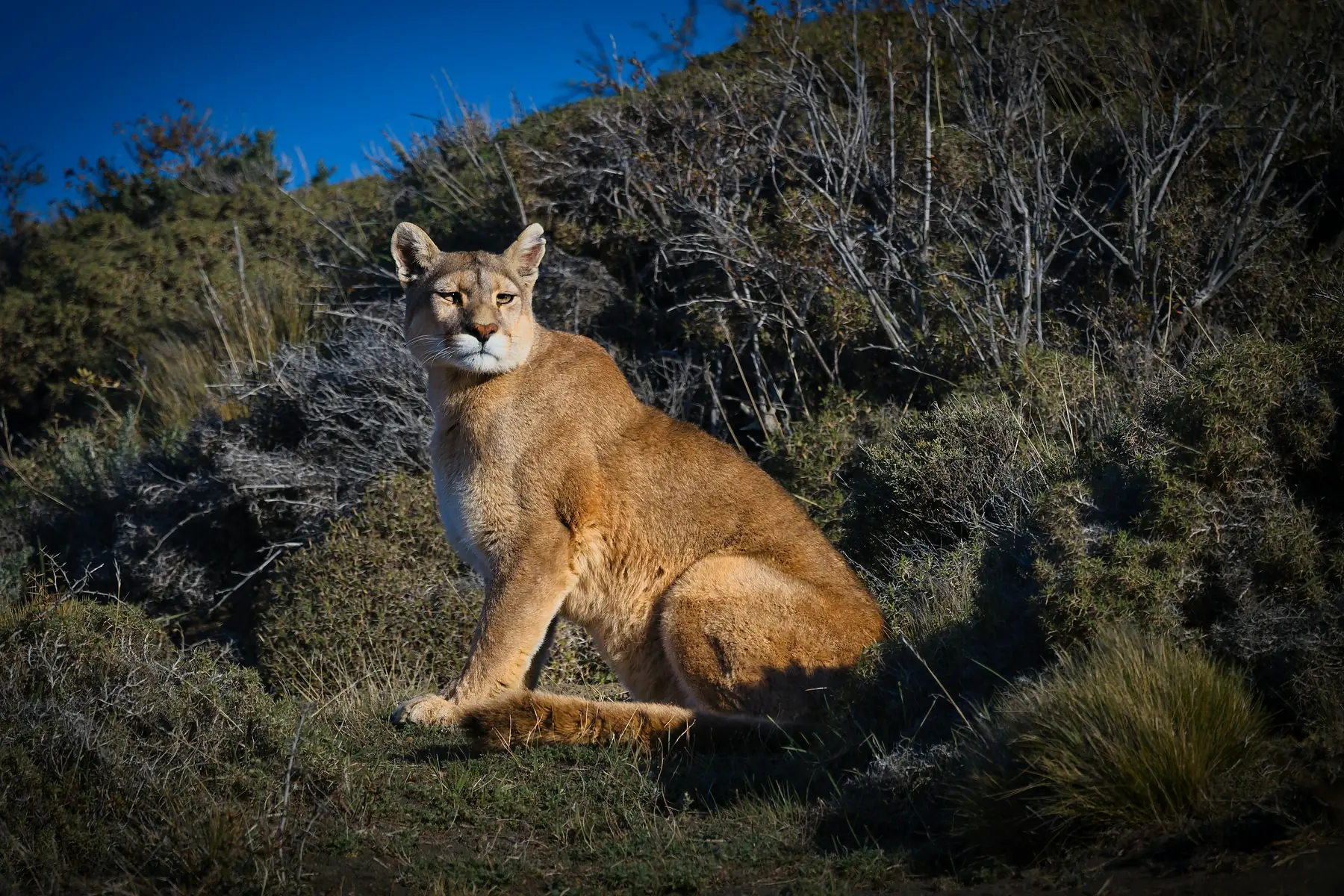
Puma tracking has evolved from a niche activity into Patagonia’s most sought-after luxury wildlife experience. Unlike a standard safari where you might spot a cat from a vehicle, puma tracking in Torres del Paine is an active, on-foot pursuit led by specialized “trackers.”
How Tracking Works
A professional tracking team usually consists of two people: a spotter who scans the hillsides with high-powered optics from long distances, and a guide who leads the guests. Trackers communicate via radio to coordinate movements. This allows tours to maintain the “50-meter rule,” ensuring the cats do not feel pressured or change their behavior due to human presence.
Private vs. Shared Safaris
While some lodges offer “wildlife safaris” as part of their standard excursion menu, these are often vehicle-based and lack the intensity of a dedicated tracking program. For the best photographic opportunities, private tours are essential. These operators often have access to private estancias bordering the national park, such as Estancia Laguna Amarga, where tracking is not restricted to established trails. Licensed operators for the 2026 season include specialized outfits like Far South Expeditions, Pumas Chile, and the tracking teams at Awasi Patagonia and EcoCamp.
Puma tracking requires a high level of patience and moderate fitness. You may spend four hours sitting silently in the wind waiting for a cat to wake from a nap, followed by a 2km hike over uneven terrain to reach a better vantage point.
For a deep dive into the behavior and conservation of these cats, see our expert-led puma tracking guide.
Penguin Colony Tours: From Punta Arenas to Ushuaia
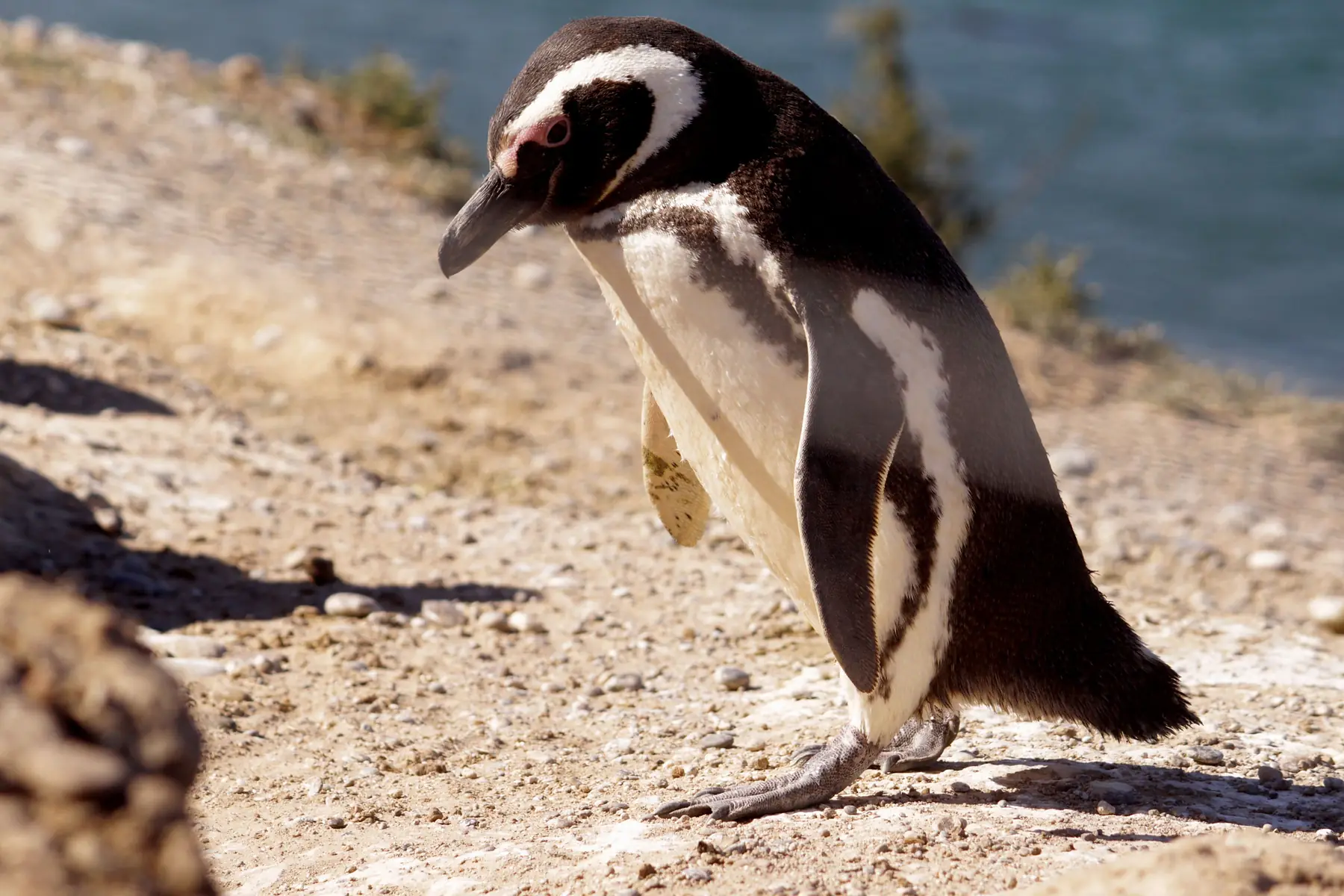
Penguin tours are the most accessible wildlife experiences in Patagonia, ranging from 2-hour boat rides to full-day walking excursions. While Magellanic penguins are the most common, different islands offer access to Gentoos and the elusive King Penguins.
To go deeper into the specific colonies and how to visit them, see the following guides:
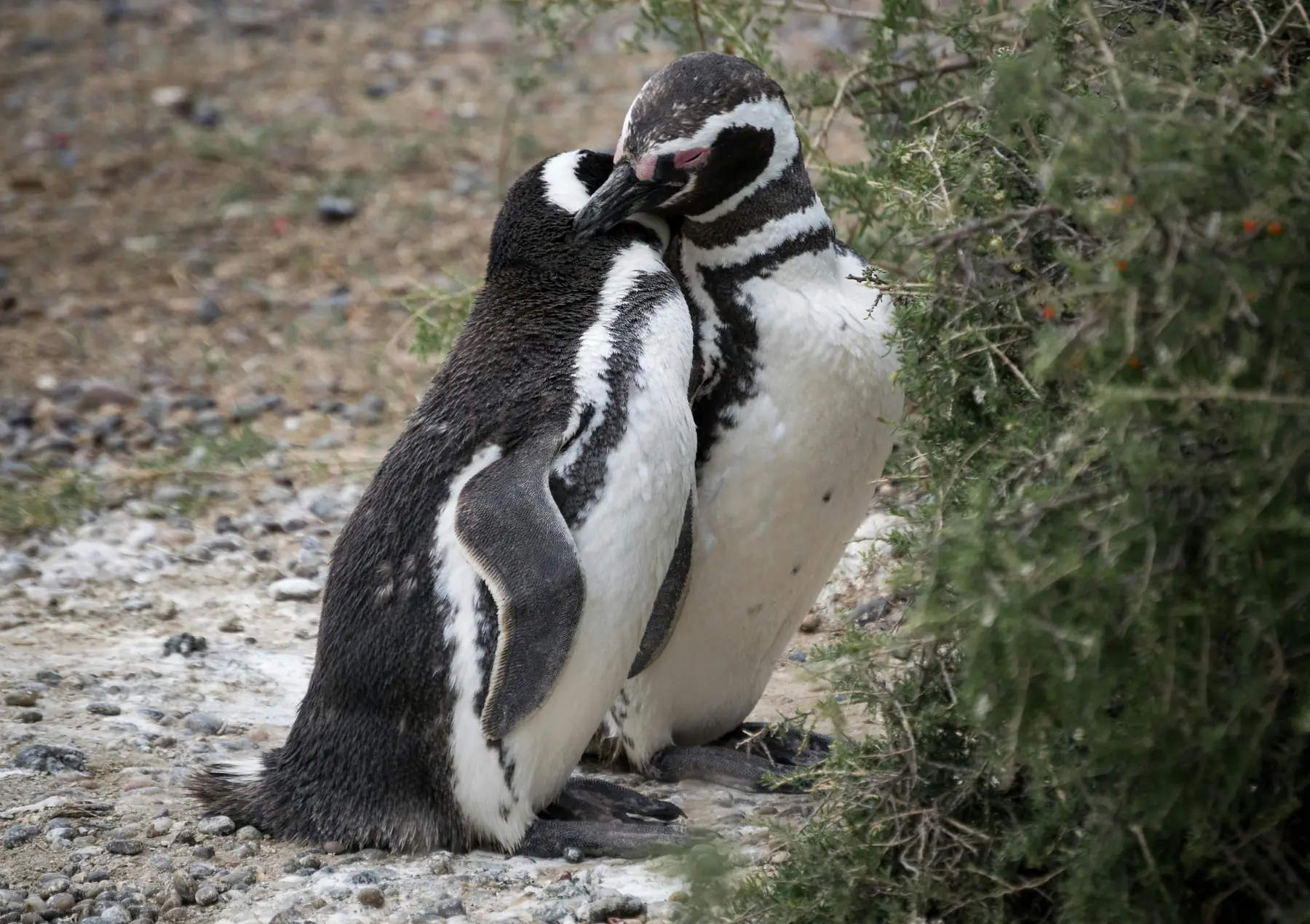
The Isla Martillo tour is particularly unique because it is the only location where a small number of Gentoo penguins nest on the South American mainland. Access is strictly controlled; only one operator, PiraTour, has the permit to lead walking groups on the island. For the 2026 season, walking permits remain capped at 50 people per day, making early booking essential.
Birdwatching & The Andean Condor
Patagonia is a bucket-list destination for birders, specifically those seeking the “Big Three”: the Andean Condor, the Magellanic Woodpecker, and the Torrent Duck.
Condor tours typically focus on “condoreras” — the rocky outcrops where these birds roost. The most famous is located on a private estancia near Puerto Natales, where you can watch dozens of condors take flight as the morning thermals rise. Specialized birding safaris differ from general wildlife tours by focusing on specific habitats, such as the fast-flowing glacial streams where Torrent Ducks hunt, or the old-growth Lenga forests where the giant Magellanic Woodpecker drums.
If you are a serious birder, look for tours that provide high-end spotting scopes and tripods. The Patagonian wind makes handheld birding with long lenses nearly impossible for sharp photography. For a full list of avian species, refer to our full guide to Patagonia Wildlife Species.
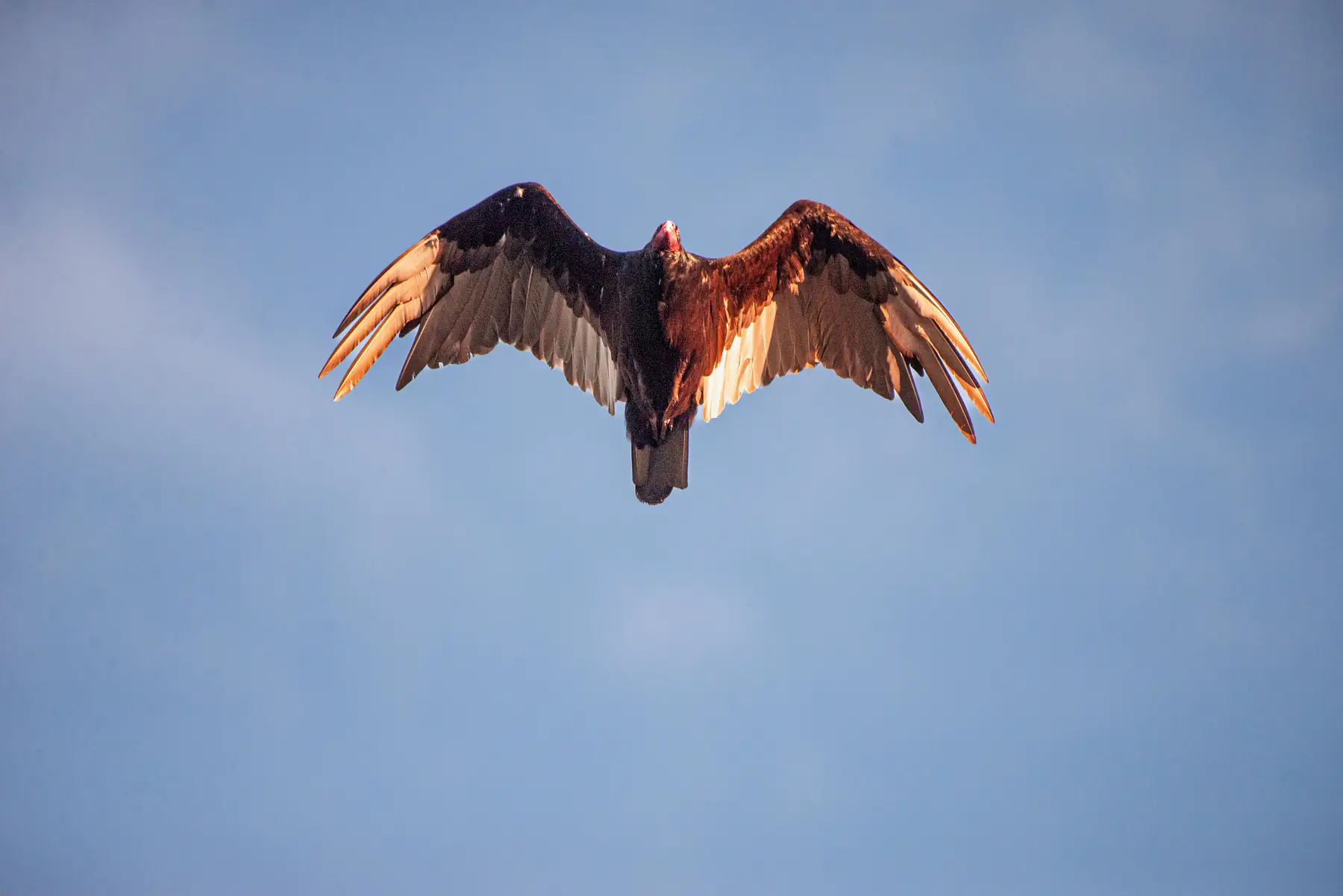
Essential Gear for Patagonia Wildlife Tours
The success of a wildlife tour often hinges on your equipment. In the vast, open landscapes of the Patagonian steppe, animals are frequently spotted at distances that exceed the capability of standard cameras or the naked eye.
- Optics: Do not rely on your guide’s binoculars. Bring your own pair of 8x42 or 10x42 binoculars. This allows you to scan the landscape continuously without waiting for a shared device.
- Photography: For pumas and birds, a lens with a focal length of at least 400mm (full-frame equivalent) is required. For whale watching, a 70-200mm lens is often sufficient as the animals are much closer.
- Clothing: For land-based tracking, avoid “crinkly” waterproof shells. Pumas have incredibly sensitive hearing; the sound of a rustling jacket can be heard from hundreds of meters in a quiet canyon. Opt for soft-shell fabrics or “silent” hunting-style fleeces.
The Patagonian wind doesn’t just feel cold — it creates “vibration blur” in long-lens photography. If you are on a puma tracking tour, bring a beanbag or a sturdy travel tripod that can be weighted down with your backpack.
Responsible Wildlife Tourism & Ethics
As tourism pressure increases in 2026, choosing an ethical operator is critical for the long-term protection of Patagonia’s species. Responsible tours prioritize the animal’s welfare over the “perfect shot.”
- Drones: The use of drones is strictly prohibited in all National Parks in Chile and Argentina. They are particularly disruptive to nesting birds and can cause pumas to abandon their kills.
- Distance: Reputable operators adhere to the 50-meter rule for terrestrial mammals and strict nautical approach distances for whales. If a guide offers to “get you closer” by breaking these rules, they are not an ethical operator.
- Conservation Fees: Many high-end safaris now include a “Rewilding Fee” or contribute directly to local NGOs like Cerro Guido Conservation. Ask your operator how your tour fee supports local habitat restoration.
Ready to book your 2026 Safari? View our curated list of the best Patagonia tour operators to find partners who meet these ethical standards.
FAQ
What is the best month for Patagonia wildlife tours? September to November is ideal for whale watching and penguin arrivals, while December to February offers the best weather for puma tracking and seeing penguin chicks.
Can you see pumas in Torres del Paine without a tour? While possible to spot pumas from the road, your chances increase from 5% to 90% when hiring a professional tracker who uses radio communication and expert knowledge of denning sites.
Is whale watching in Peninsula Valdés guaranteed? During the peak months of September and October, Southern Right Whale sightings are nearly 100% guaranteed due to the high density of mothers and calves in the Golfo Nuevo.
How much do Patagonia wildlife tours cost? Day trips for penguins start around $100 USD, while multi-day private puma tracking safaris can range from $800 to $1,500 USD per day including luxury lodging and expert guides.
Where can I see King Penguins in Patagonia? The best place to see King Penguins is at Parque Pingüino Rey in Useless Bay (Tierra del Fuego, Chile), which requires a full-day tour from Punta Arenas.
Are orca sightings common on Patagonia wildlife tours? Orca sightings are rare and highly seasonal; the best chance is at Punta Norte in Peninsula Valdés during March and April when they hunt sea lion pups using a unique “intentional beaching” technique.