Guided vs Self-Guided Patagonia: Which is Right for You? (2026)
Choosing between a guided tour and independent travel in Patagonia depends on your tolerance for logistical planning, your budget, and your comfort level with extreme wilderness. While independent travel offers ultimate freedom and lower costs, guided trips eliminate the significant “booking headache” of popular routes and provide a safety net for the region’s notoriously volatile weather.
Patagonia is a world-class wilderness that is both highly accessible and physically punishing. For many travelers, the decision is also regional: Argentina’s trekking hubs like El Chaltén are designed for solo explorers, while Chile’s Torres del Paine often requires a guide or a pre-booked package to navigate its complex reservation systems. Whether you are looking for a fully organized tour or trying to decide if Chile or Argentina better suits your travel style, understanding the trade-offs is the first step in planning your 2026/27 season journey.
The Core Philosophy: Freedom vs. Ease
The choice between going solo or hiring a guide is a trade-off between the flexibility of the trail and the peace of mind that comes with professional support. Independent travel appeals to those who value solitude and the satisfaction of navigating the Andes under their own power. You set the pace, choose your campsites, and can change your itinerary on a whim—provided you have secured the necessary permits.
Guided travel, by contrast, is about maximizing your time and minimizing stress. A professional guide handles the heavy lifting of logistics, from transport and meal prep to setting up camp. Beyond the physical ease, guides act as educators, interpreting the landscape and spotting wildlife that most independent hikers walk right past. For those who want a middle ground, “self-guided packages” have become increasingly popular. These services handle all the difficult refugio and transport bookings but allow you to hike the trails independently without a physical guide leading the way.
To see how these different styles look in practice, you can explore our curated list of the best Patagonia tours, which includes both fully guided and self-guided logistical packages.
Logistics and the “Booking Headache”
Independent travel in Patagonia, particularly in Torres del Paine, requires a level of administrative foresight that catches many travelers off guard. The booking system for the W Trek and O Circuit is fragmented across different concessionaires (Vertice and Las Torres), often requiring you to coordinate multiple websites simultaneously to secure a continuous itinerary. If one night is sold out, your entire trek may need to be rescheduled.
Guided tours effectively bypass this frustration. Operators hold pre-allocated spots in refugios and campsites, meaning they can often confirm a trip even when the public booking systems appear sold out. For the 2026/27 season, the booking window for independent spots is expected to open between April and June 2026. Availability for prime December and January dates becomes fragmented inside 9 months, though doing it yourself is manageable if you book early.
If you are planning to tackle the W Trek specifically, the logistical hurdles are the single biggest factor in the guided vs. independent debate. You can find a deeper breakdown of these specific challenges in our W Trek guided vs. self-guided comparison or our comprehensive W Trek booking guide.
Cost Comparison: Is Independent Travel Actually Cheaper?
Independent travel is significantly cheaper than a guided tour in terms of raw out-of-pocket costs, but the gap narrows when you factor in the “hidden” expenses of a DIY trip. A solo trekker must account for park entrance fees (CLP 48,500 for a multi-day pass in Torres del Paine, purchased at pasesparques.cl), bus transfers, gear rentals, and the high cost of food at remote refugio kiosks, where a simple snack can cost three times the price of one in town.
In a guided tour, your upfront cost covers professional leadership, private transport that avoids public bus schedules, all meals, and often porters to carry the bulk of your gear. While the price tag is higher, you are paying for the value of your time and the elimination of logistical risk.
- Logistics: You manage 100% of bookings and transport. | All transport and accommodation are pre-arranged.
- Daily Cost: $80 - $160 USD (depending on camping vs. refugios). | $350 - $650 USD (all-inclusive).
- Physical Load: You carry all gear, including food and sleeping kit. | Porters or vehicle support often handle heavy bags.
- Flexibility: High; you can change plans if spots are available. | Low; fixed itinerary and set departure dates.
Independent travel is best for budget-conscious trekkers with ample planning time, while guided tours are better for those with limited time who want a premium, stress-free experience.
Safety, Navigation, and the Patagonian Weather
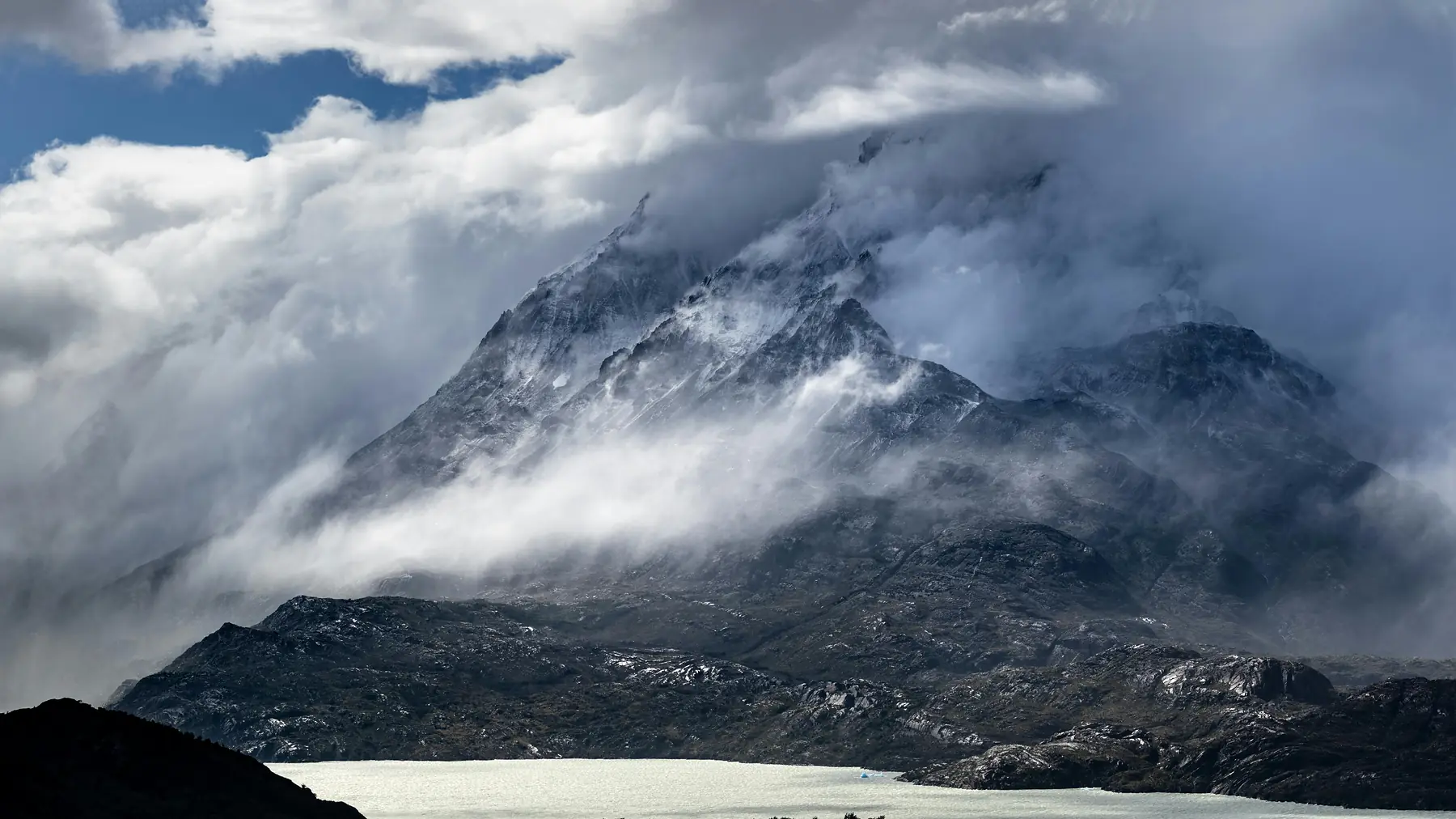
Safety in Patagonia is primarily a matter of managing the environment rather than navigating the trails. Most major routes in Torres del Paine and El Chaltén are exceptionally well-marked and easy to follow. However, the region is famous for “four seasons in a day,” where sustained winds of 60-80 km/h (with gusts exceeding 100 km/h) can make exposed ridges dangerous for the inexperienced.
Guides are trained in specific evacuation protocols and carry satellite communication devices, which are essential in areas with zero cellular reception. They also make the “go or no-go” decisions during storms, preventing groups from pushing into dangerous conditions like the John Gardner Pass during high winds. While independent hikers can certainly stay safe with proper GPS and weather tracking, a guide provides a professional layer of risk management that is particularly valuable for solo travelers or those unfamiliar with mountain environments.
Do not attempt technical sections, such as glacier ice hiking or the Huemul Circuit, without a guide unless you have advanced alpine experience and GPS navigation skills. As of 2026, guides remain mandatory for ice trekking on Glacier Grey and technical climbs. Note that the Exploradores Glacier is currently subject to frequent closures or strict guide-only access due to ice instability.
The “Expert Eyes” Factor: Wildlife and Culture
A guide transforms a hike from a physical challenge into an educational experience. While an independent hiker might see a beautiful landscape, a guide identifies the geology behind the granite towers and the history of the baqueanos (Patagonian cowboys) who first explored these valleys.
Wildlife spotting is perhaps the greatest advantage of having an expert along. Guides know the specific territories of the elusive puma and the endangered huemul (Andean deer). They understand the behavior of the Andean condor and can point out the distinct drumming of the Magellanic woodpecker in the beech forests. For many, this cultural and biological context is what makes the trip feel complete.
If your primary goal is puma photography, a specialized guided safari is almost essential. Pumas are masters of camouflage, and without a professional tracker, your chances of a sighting drop significantly.
Regional Breakdown: Where to Go Solo vs. Where to Hire a Guide
The necessity of a guide changes depending on which part of Patagonia you are visiting. The infrastructure in Argentina and Chile serves very different styles of travel.
El Chaltén (Argentina)
El Chaltén is the “Self-Guided Capital” of the world. The trails are free to access, start directly from the edge of the village, and are so well-traveled that getting lost is nearly impossible. Most visitors here stay in town and do day hikes, making a guide unnecessary for most. You can explore this hiker’s paradise further in our El Chaltén destination guide.
Torres del Paine (Chile)
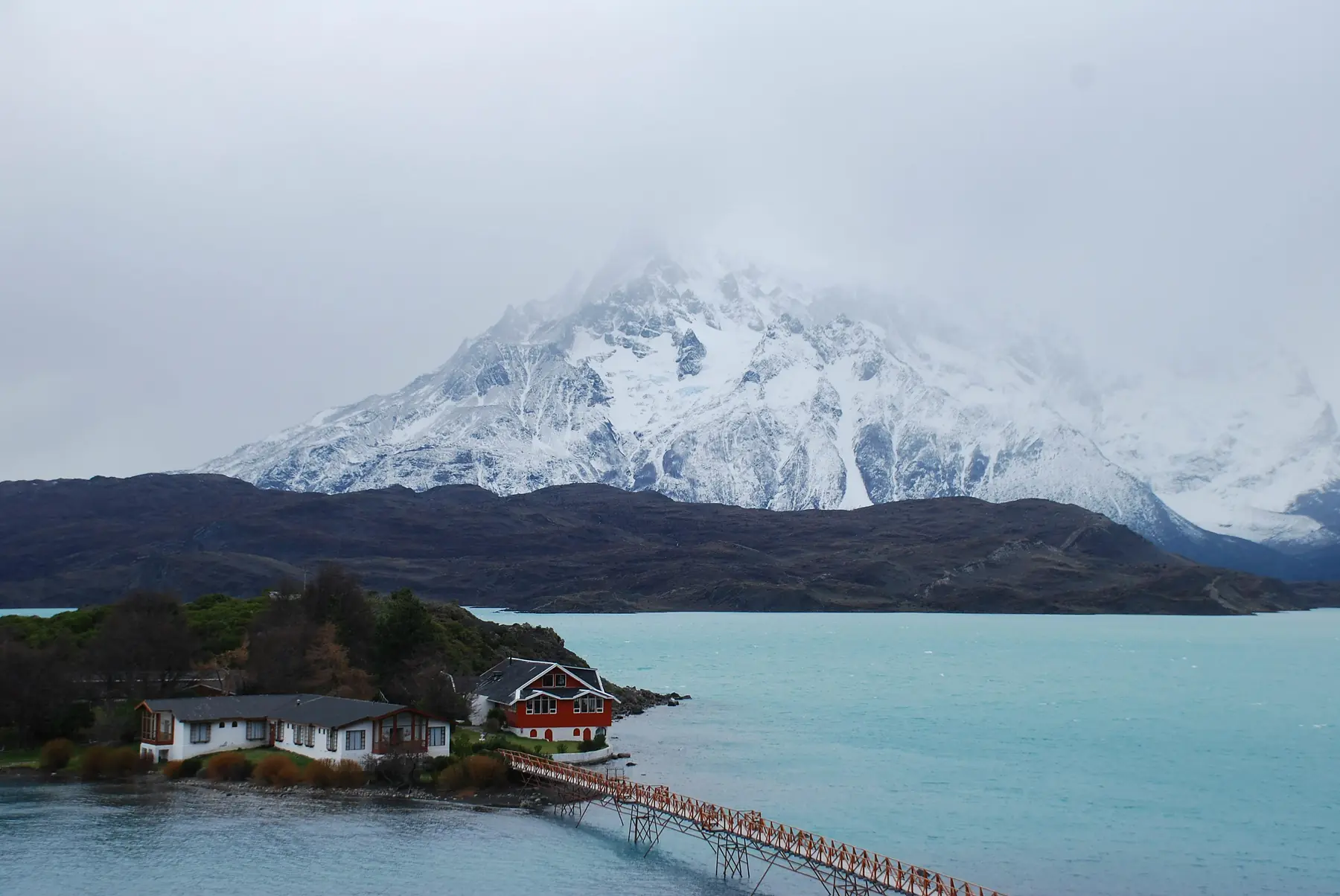
This is the region where a guide or a pre-booked package is most beneficial. The sheer volume of visitors and the complexity of the Torres del Paine booking system make independent travel a labor-intensive project. If you want to stay in refugios rather than carry a tent, a guided tour is often the only way to guarantee a bed.
Aysén and the Carretera Austral
Independent driving is the most popular way to see the Carretera Austral, but specific activities within the region require guides. You cannot explore the Marble Caves or hike on the glaciers independently; these require local operators for safety and access.
Verdict: Who Should Choose Which?
The right choice depends on your experience level and what you want to get out of the journey.
Choose Self-Guided if:
- You are an experienced hiker comfortable with backcountry navigation and weather prep.
- You are on a strict budget and don’t mind carrying a 15kg+ pack.
- You enjoy the process of research and logistical planning.
- You value the solitude of the wilderness and want to move at your own pace.
Choose Guided if:
- You have limited time and want every hour to count.
- You want to learn about the flora, fauna, and geology of the region.
- You are traveling solo and want the safety and camaraderie of a group.
- You want to hike without the physical burden of a heavy pack.
Choose a Self-Guided Package if:
- You want the “solo” experience on the trail but want someone else to handle the 6-month-long headache of booking refugios and buses.
Ready to take the next step?
If you’ve decided that professional support is the way to go, see our recommendations for the best organized experiences in the region. If you’re determined to go it alone, our planning guides will help you navigate the hurdles.
- Best Patagonia Tours: Our Top Picks for 2026
- W Trek Planning Guide: Everything You Need to Know
- Still unsure? Compare the W Trek guided vs. solo experience specifically
FAQ
Is it safe to hike in Patagonia without a guide? Yes, the main trails in Torres del Paine and El Chaltén are well-marked and safe for experienced hikers, provided you have proper gear and an emergency plan for the extreme weather. You should always carry a GPS-enabled device and check weather forecasts daily at ranger stations.
Do I need a guide for the W Trek in Torres del Paine? A guide is not legally required for the W Trek, but many travelers hire one to handle the complex campsite bookings and provide safety during the park’s notoriously high winds. Hiring a guide also allows you to trek with a lighter pack, as they often handle food and communal gear.
How much more does a guided Patagonia tour cost compared to going independent? A guided tour typically costs 2 to 3 times more than a self-guided trip. For a 5-day W Trek, expect to pay $1,800 - $3,000 USD for a quality guided experience, compared to approximately USD 900–1,500 for a DIY refugio-based trip with full board (4 nights), or USD 200–400 for a full DIY camping trip with own food at Vertice sites (USD 13/night camping).
Can I hike in El Chaltén without a guide? Absolutely; El Chaltén is considered the best place in Patagonia for independent hikers because the trails are free to access and start directly from the village. The navigation is straightforward, and the proximity to town means help is never far away if weather conditions change.
Are guides mandatory for the O Circuit in Patagonia? As of January 1, 2026, guides are no longer mandatory for the O Circuit (Macizo Paine) during the summer season, though hikers must still provide proof of all campsite reservations to CONAF rangers before starting. Guides remain mandatory for all treks during the winter season (May to August).
What are the benefits of a guided tour in Patagonia for solo travelers? For solo travelers, a guided tour offers built-in camaraderie, shared costs for transport, and the added security of a group when navigating remote wilderness areas. It also removes the difficulty of securing single-person bookings in refugios, which are often sold in blocks to tour operators.