
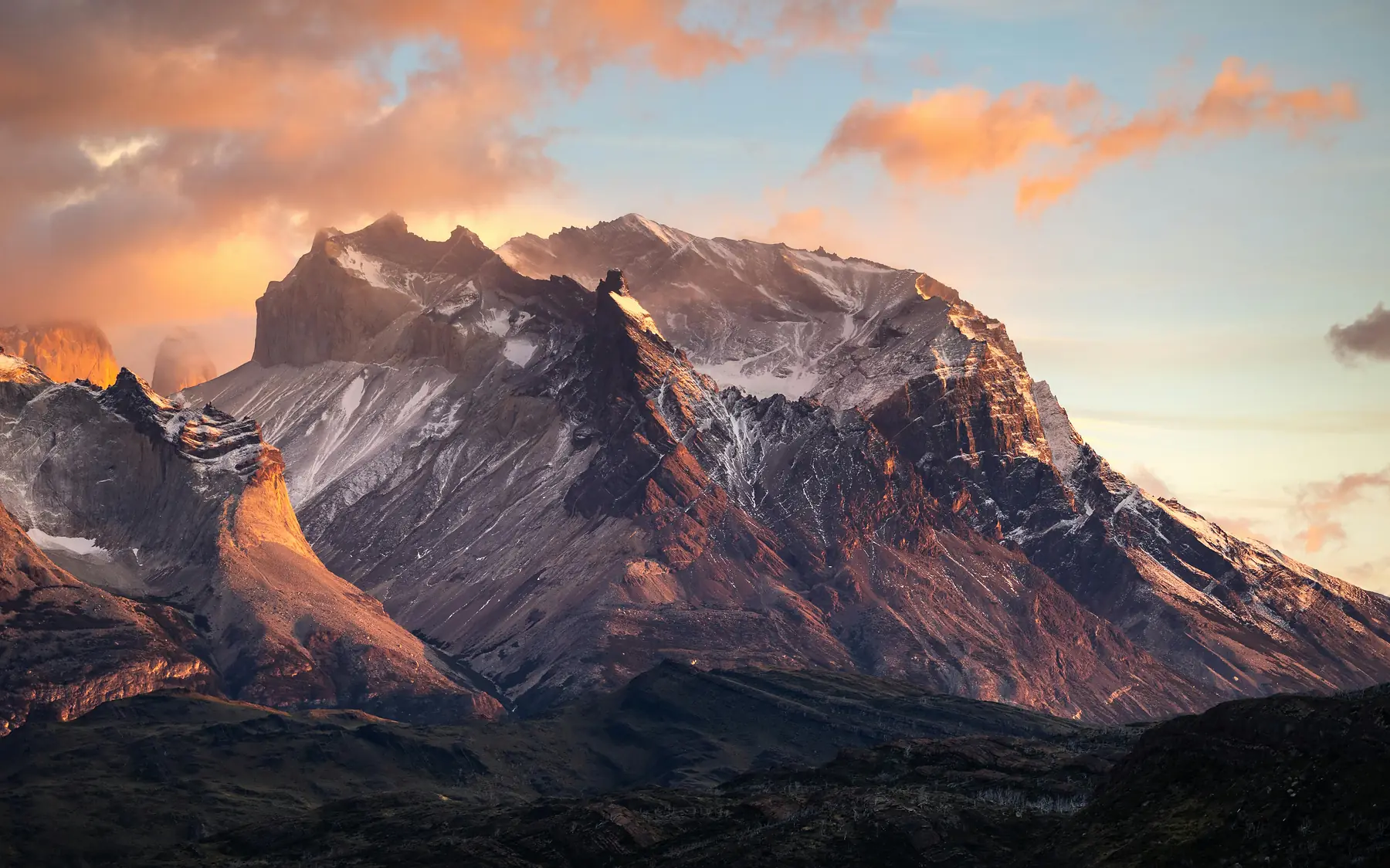
Chile vs Argentina Patagonia: Which Side is Better? (2026)
Choosing between Chilean and Argentine Patagonia depends entirely on whether you prefer the rugged, lush isolation of Chile’s fjords and rainforests or the dramatic, accessible granite peaks and vast, golden pampas of Argentina. If you are looking for multi-day, highly regulated trekking circuits and deep wilderness, Chile is your winner – but if you want world-class day hikes, a vibrant food culture, and easier logistics, Argentina takes the crown.
For most first-time travellers with less than two weeks, focusing on one side allows for a deeper connection with the landscape, though crossing between the two is a common and manageable part of many itineraries.
| Feature | Chilean Patagonia | Argentine Patagonia |
|---|---|---|
| Primary Landscape | Fjords, temperate rainforests, glaciers | Vast steppe (pampas), granite spires, massive ice fields |
| Best For | Multi-day trekking (W and O Treks) | Day hiking and “frontier” town vibes |
| Iconic Park | Torres del Paine National Park | Los Glaciares National Park (El Chaltén) |
| Accessibility | Remote; requires ferries and long drives | More accessible; town-based hiking and domestic flights |
| Cost | Generally higher (USD based) | Variable; better value for dining and luxury |
| Wildlife | Pumas, condors, penguins | Whales, orcas, elephant seals, condors |
The Great Divide: A Geographic Overview
The Andes Mountains act as more than just a political border – they are a massive climatic wall that dictates the entire Patagonian experience. Patagonia covers approximately 400,000 square miles – with roughly one-quarter in Chile and three-quarters in Argentina. When you stand on the border, you are witnessing the dramatic “Rain Shadow” effect in real time.
Moist air from the Pacific Ocean hits the Chilean side, dumping heavy precipitation that feeds the dense, emerald-green temperate rainforests and hanging glaciers of the west. This makes Chile a world of water: fjords, rivers, and constant humidity. As the clouds crest the Andes, they lose their moisture, leaving the Argentine side dry, sunny, and dominated by the vast, golden grasslands known as the steppe or pampas.
Understanding this divide is essential for exploring the different regions of Patagonia. If you enjoy the sensation of being in a lush, prehistoric forest where the air is thick with the scent of damp moss, you belong in the Chilean fjords. If you prefer infinite horizons where the wind whips across the plains and the granite peaks stand in sharp, dry relief against a blue sky, you will find your home in Argentina.
Landscapes: Granite Spires vs. Endless Steppe
Chile’s landscape is defined by verticality and water. Because the Pacific Ocean carves deep into the coastline, much of the region is only accessible by boat or ferry. You will find yourself surrounded by deep blue fjords, turquoise lakes, and some of the world’s most impressive hanging glaciers – ice masses that cling to mountain faces rather than sitting in valleys. The Aysén region, in particular, feels like a temperate version of Southeast Alaska, with thick vegetation and hidden marble caves.
Argentina, by contrast, offers a sense of “infinite” space. The landscape is dominated by the pampa, a sea of yellow grass that stretches toward the Atlantic. This vastness makes the sudden eruption of the Andes even more dramatic. In places like El Calafate, you aren’t looking at hanging glaciers; you are looking at the Southern Patagonian Ice Field, the third-largest ice mass on Earth after Antarctica and Greenland.
While Chile is the land of emerald forests, Argentina is the land of turquoise glacial lakes. The mineral-rich “rock flour” from grinding glaciers turns the water in Argentina’s Lake District and Los Glaciares into a milky, electric blue that looks almost artificial in the sunlight.
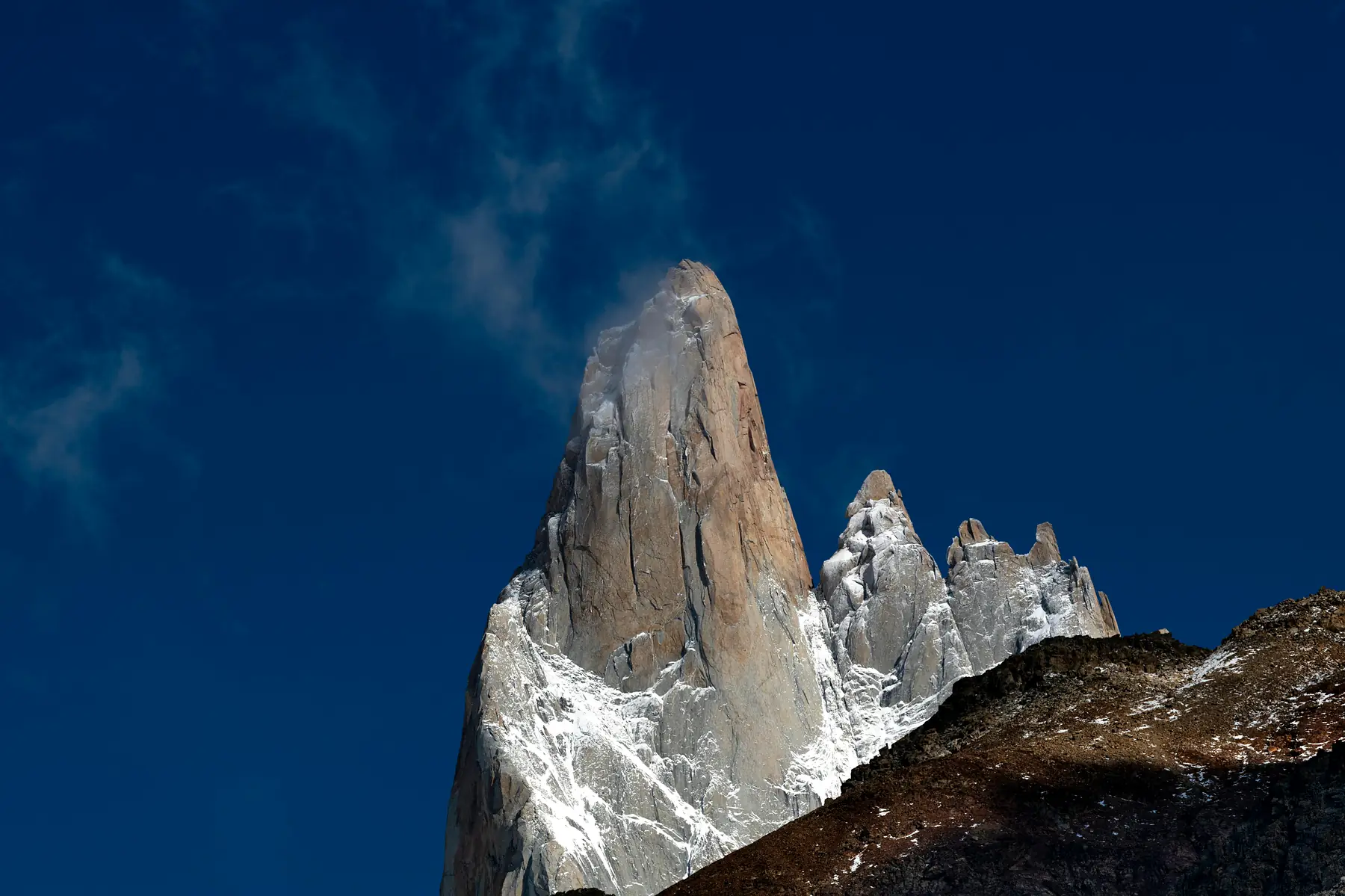
The Icon Showdown: Torres del Paine vs. Los Glaciares
Most travellers begin their comparison with the two most famous national parks in the southern hemisphere: Torres del Paine in Chile and Los Glaciares in Argentina. While they share the same mountain range, the experience of visiting them is fundamentally different.
Chile’s crown jewel, Torres del Paine, is a highly regulated environment. To hike the famous W Trek or the full O Circuit, you must book campsites or refugios months in advance. It is a planned, social experience where you walk from lodge to lodge, meeting international trekkers along the way. The terrain is rugged, but the path is clear, and the infrastructure is designed for multi-day immersion.
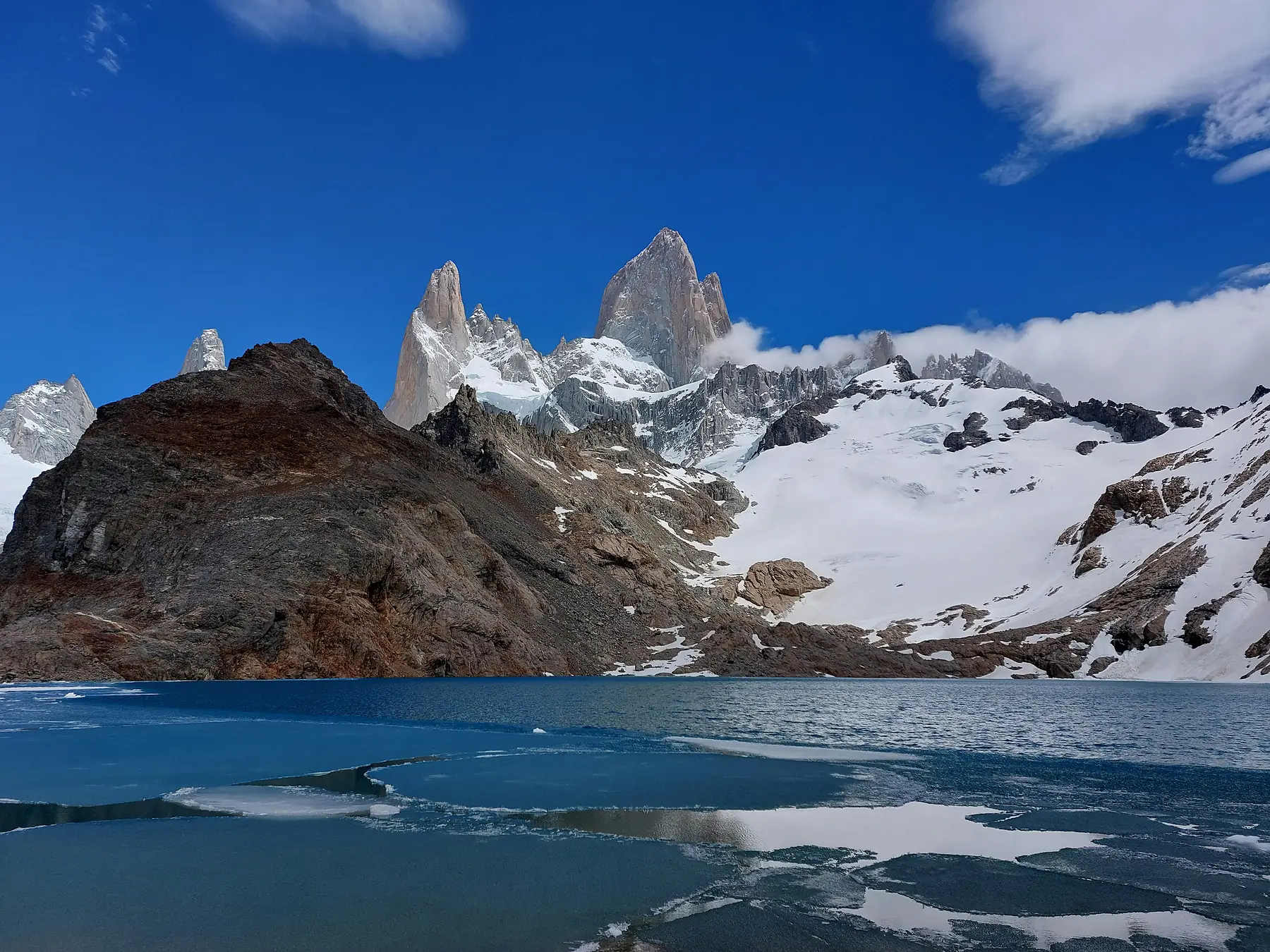
Argentina’s trekking capital, El Chaltén (located in the northern sector of Los Glaciares), offers a “choose-your-own-adventure” style. The town is built right at the foot of the mountains. You can wake up in a comfortable hotel, grab a craft beer and a fresh empanada, and walk directly from the town centre onto world-class trails like Laguna de los Tres. There are no entrance fees for many sectors, and no need for complex permits for day hikes.
- Chile: Requires booking as soon as operator windows open (March–June), park entry at pasesparques.cl (CLP 48,500 multi-day), no guide needed for the W Trek, lodge-to-lodge trekking.
- Argentina: No pre-booking for day hikes, free entry to many trails, town-based accommodation, easy access to food and beer.
Choose Chile for the prestige of a world-famous multi-day circuit; choose Argentina for the freedom of world-class day hikes and a vibrant town base.
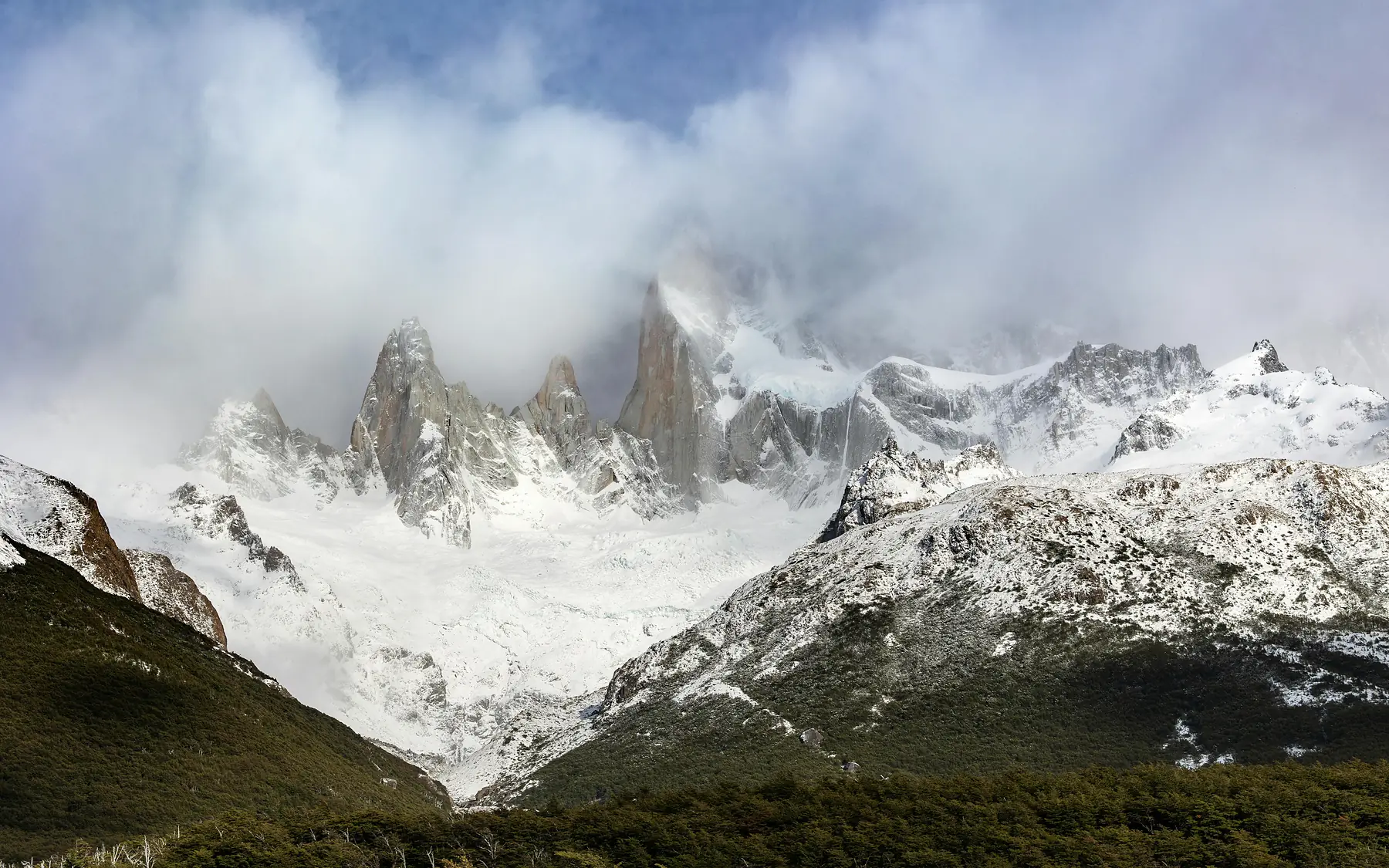
The visual icons also differ. Chile is famous for the “Three Towers” – vertical granite monoliths that look like fingers reaching for the sky. Argentina is defined by the Fitz Roy Massif – a jagged, saw-toothed skyline that is arguably the most dramatic mountain silhouette in the world.
Culture & People: Gauchos, Pioneers, and Traditions
The human history of Patagonia is as distinct as its geography. Argentina’s side often feels like a blend of “frontier” grit and European sophistication. In the northern Lake District, towns like Bariloche feature Swiss and German-style architecture, a legacy of early 20th-century immigrants. Further south, the town of Gaiman preserves a deep Welsh heritage, complete with traditional tea houses that feel entirely out of place in the middle of the desert.
Chile’s culture is more maritime and pioneer-focused. Along the Carretera Austral, you will find isolated communities that were only connected by road in the 1980s. There is a “maritime soul” here – a culture built on fishing, wood-shingled churches (especially in Chiloé), and myths of ghost ships. The Chilean huaso (cowboy) and the Patagonian pioneer are figures of quiet resilience, living in a landscape where the rain rarely stops.
The Gaucho tradition exists on both sides but manifests differently. In Argentina, the Gaucho is a symbol of the vast pampa – a horseman of the open plains. In Chile, the Gaucho is more of a mountain and fjord specialist, navigating dense forests and steep, muddy tracks to manage cattle. On both sides, the ritual of mate (a bitter herbal tea) is the social glue that holds these communities together.
The Culinary Battle: Asado vs. Centolla
If you are a foodie, the choice between the two sides might come down to what you want on your plate at 9:00 PM.
Argentina is the undisputed king of the grill. The ritual of cordero al palo – a whole lamb splayed on a cross and slow-roasted over an open fire for six hours – is the definitive Patagonian meal. Combined with a glass of high-altitude Malbec and a side of chimichurri, it is a carnivore’s dream. Argentina also has a massive “sweet tooth” culture; you cannot walk a block in El Calafate without seeing shops dedicated to dulce de leche and artisanal chocolate.
Chilean cuisine is a gift from the Pacific Ocean. In the southern fjords, the star of the show is centolla (king crab), often served in a rich chowder or simply steamed with lemon. In the Aysén and Los Lagos regions, you might experience a curanto – a traditional feast of shellfish, meat, and potatoes cooked in a pit in the ground over hot stones.
While Argentina is famous for Malbec, don’t sleep on Chile’s Pisco Sour. The Chilean version uses fresh lime juice and pisco but skips the egg white found in the Peruvian version, making it a sharper, more refreshing post-hike drink.
Patagonian culinary traditions are a major part of the experience. Generally, Argentina offers a more developed “dining out” scene with world-class steakhouses, while Chile offers a more rustic, sea-to-table experience that shines in smaller, family-run guesthouses.
Wildlife: Pumas, Penguins, and Condors
For wildlife spotting, both countries offer spectacular but different opportunities.
Chilean Patagonia, specifically the eastern side of Torres del Paine, has become the “Puma Capital of the World.” Because the pumas in this park have been protected for decades, they have lost much of their fear of humans. It is one of the few places on Earth where you can safely observe these big cats hunting guanacos in broad daylight.
Argentina’s wildlife highlight is the Atlantic Coast, specifically Península Valdés. This is a global hotspot for marine life. Between June and December, Southern Right Whales come into the bays to breed, often so close to shore that you can hear them breathing from your hotel window. It is also the only place in the world where orcas have been filmed “intentional stranding” – lunging onto the beach to hunt sea lion pups.
- For Big Cats: Go to Torres del Paine, Chile.
- For Marine Life: Go to Península Valdés, Argentina.
- For Birds: Both sides offer the Andean Condor, but the Magellanic Penguin colonies near Punta Arenas (Chile) and Martillo Island (Argentina) are both excellent.
Hidden Gems: Carretera Austral vs. Ruta 40
For those who want to get away from the crowds of the major national parks, both countries offer legendary road trips.
The Carretera Austral in Chile is often called the most beautiful road in the world. It is a 1,240-kilometre stretch of mostly unpaved road that winds through temperate rainforests, past turquoise rivers, and requires multiple ferry crossings. It is the ultimate adventure for those who want lush, green, “end-of-the-world” isolation.
Argentina’s Ruta 40 is the “Route 66” of the South. It is a vast, lonely, and historic highway that cuts through the heart of the pampa. Driving Ruta 40 is about the scale of the landscape – hundreds of kilometres of nothing but wind, dust, and the occasional guanaco, punctuated by historic roadhouses where you can stop for a coffee and a chat with a lonely gaucho.
If you want a lush, wet adventure with constant scenery changes, pick the Carretera Austral. If you want a desolate, epic journey through the history of the frontier, pick Ruta 40.
Logistics & Budget: The Practical Reality
The logistical side of the “Chile vs Argentina” debate is often where the decision is made. Argentina’s economy is notoriously volatile, with high inflation that can make prices fluctuate mid-trip. However, for travellers with strong foreign currency, Argentina often provides better value for high-end dining and luxury hotels.
Chile is more economically stable but generally more expensive. For the 2026/27 season, Torres del Paine park entry costs CLP 48,500 for a multi-day pass or CLP 32,400 for a day pass, purchased via pasesparques.cl. Transport costs are also pushed up by the need for catamarans and the remote nature of the terrain.
For a detailed breakdown of costs, flights, and visas, see our comprehensive planning guide to Chile vs Argentina.
Transportation:
- Argentina: Relies heavily on domestic flights to cover the massive distances between hubs like Bariloche and El Calafate.
- Chile: Uses a mix of flights, long-distance buses, and essential ferry links to navigate the broken coastline of the fjords.
The Verdict: Which Side is for You?
Still can’t decide? Most travellers fall into one of these archetypes. Find the one that matches your style to make your choice.
The Serious Trekker: Choose Chile. The W and O Treks are world-class bucket-list items for a reason. The infrastructure for multi-day hiking is superior, and the sense of accomplishment from finishing a 5-to-8-day circuit is unmatched.
The Social Hiker & Foodie: Choose Argentina. El Chaltén allows you to hike some of the world’s best trails by day and eat a world-class steak with a bottle of Malbec by night. It is more relaxed, more social, and easier on the knees.
The Wildlife Enthusiast: Choose Argentina (for marine life) or Chile (for pumas). If you have to pick one, the sheer variety of Península Valdés often wins for families and photographers.
The Solitary Explorer: Choose Chile. The Aysén region and the Carretera Austral offer a level of rugged isolation that is harder to find in the more developed hubs of Argentina.
Related guides to help you decide
- Our 14-day ‘Best of Both Sides’ Itinerary – If you want to see the highlights of both countries in one trip.
- When to visit Patagonia – How the seasons change the experience on both sides of the border.
- Patagonia Border Crossings – A practical guide to moving between Chile and Argentina.
FAQ
Is Chilean or Argentinian Patagonia more expensive for travelers? Generally, Chile has a higher base cost for park fees and transport, while Argentina’s costs fluctuate due to inflation but often offer better value for dining and luxury accommodation. For more on budgeting, see our Patagonia cost guide.
Which side of Patagonia has better hiking, Chile or Argentina? Chile is famous for the multi-day W and O trekking circuits in Torres del Paine, while Argentina’s El Chaltén is the “National Capital of Trekking” for its world-class day hikes accessible directly from town.
Can I visit both Chilean and Argentinian Patagonia in one trip? Yes, most travelers combine the two by crossing the border via bus between El Calafate (Argentina) and Puerto Natales (Chile), a journey that takes approximately 5 hours. Learn how to cross between Chile and Argentina here.
Which side of Patagonia is better for seeing pumas? Chilean Patagonia, specifically Torres del Paine National Park, is widely considered the best place in the world for puma tracking due to high density and protected habitats. Check our wildlife guide for the best tracking operators.
Is the food better in Argentine or Chilean Patagonia? It depends on your palate; Argentina is world-famous for its grass-fed beef and Malbec wine, while Chile offers incredible fresh seafood and king crab from its Pacific fjords. Explore more in our food and drink guide.
Which side of Patagonia is more rugged and remote? While both have wild areas, the Aysén region along Chile’s Carretera Austral is generally considered more rugged and less visited than the major hubs in Argentine Patagonia.