Patagonia Summer vs. Shoulder Season: 2026/27 Comparison Guide
The choice between visiting Patagonia in the peak summer or the shoulder season depends on whether you prioritize stable, warm temperatures and long daylight hours or lower costs, fewer crowds, and calmer winds. For most hikers, the shoulder seasons of October to November and March to April offer the best balance of manageable logistics and natural beauty, while the December to February summer peak is best for those who want the most social atmosphere and the warmest possible weather.
Choosing when to visit this region is the single most important decision in your planning process. Patagonia does not do things in half measures. In the peak of summer, you may find yourself sharing a trail with hundreds of others but enjoying a sunset at 10:00 PM. In the shoulder season, you might have a world-class view entirely to yourself, provided you are prepared for freezing overnight temperatures and the possibility of early-season snow.
Seasonal Snapshot 2026/27
- Summer Peak: December 1 to February 28
- Shoulder Seasons: October to November (Spring) and March to April (Autumn)
- Summer Daylight: Up to 17 hours per day (December solstice)
- Shoulder Daylight: 12 to 14 hours per day
- Booking Lead Time: Book as soon as operator windows open (Mar–Jun) for Summer; 3-5 months for Shoulder
- Primary Trade-off: Summer has warmth and wind; Shoulder has quiet and cold
This guide breaks down the logistical, financial, and atmospheric realities of these two distinct windows to help you decide which version of Patagonia you want to experience. To understand how these seasons fit into the broader calendar, including the winter months, see our comprehensive guide on the best time to visit Patagonia.
The Core Trade-Off: At a Glance Comparison
The fundamental difference between summer and the shoulder season is the “intensity” of the experience. Summer is the high-energy peak where the region’s infrastructure is fully operational, the trails are social, and the weather is at its most predictable in terms of temperature. However, this comes at the cost of high prices and a mandatory “planning-ahead” mindset that leaves little room for spontaneity.
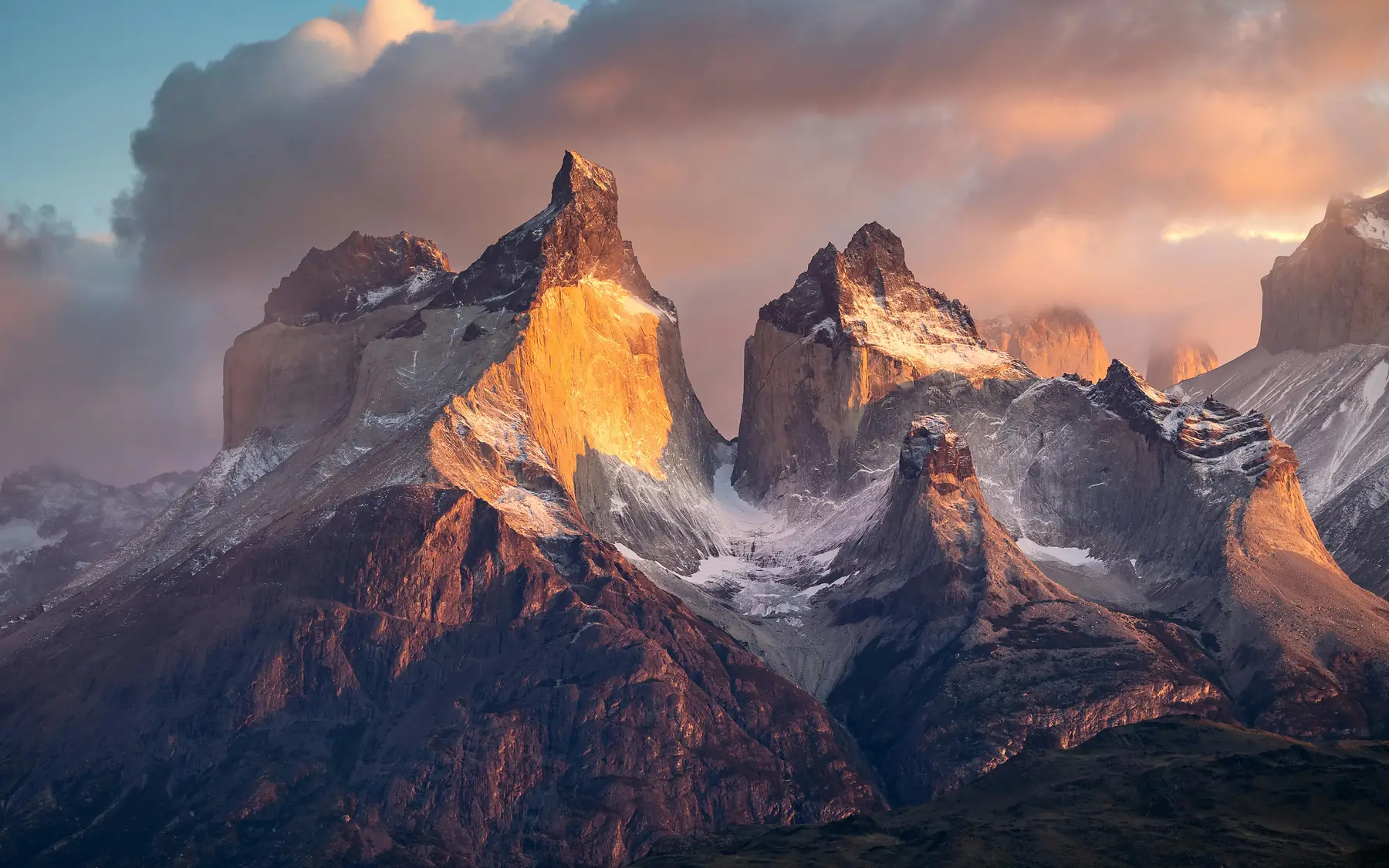
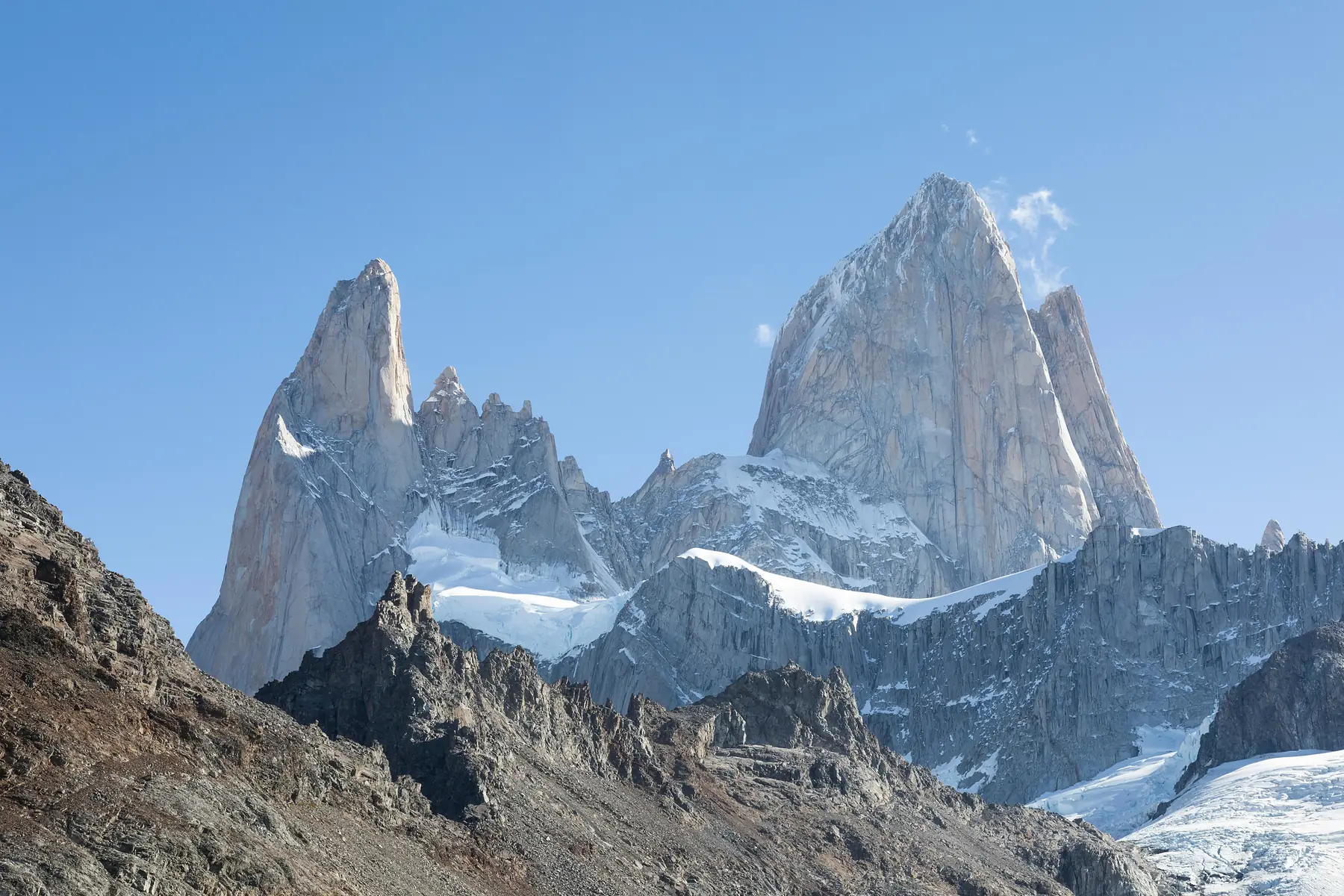
The shoulder seasons represent a more contemplative version of the landscape. In spring (October and November), the region is waking up. Wildflowers are blooming, and the sense of anticipation is palpable among the locals. In autumn (March and April), the pace slows down, the foliage turns a deep crimson, and the first dusting of winter snow begins to cap the granite spires.
- Crowd Levels: High; trails like Base Torres are crowded. / Low to Moderate; significant stretches of solitude.
- Wind Speeds: Highest (Peak of the Roaring Forties). / Moderate; often significantly calmer than summer.
- Booking Window: Book as soon as operator windows open (March–June). / 3 to 5 months in advance.
- Pricing: Peak rates; no discounts available. / 15-30% lower than peak summer rates.
- Visuals: Lush greens and bright blue glacial melt. / Spring wildflowers or vibrant red autumn foliage.
Choose Summer for the best 'beach' weather and long miles; choose Shoulder for photography, budget, and solitude.
For those planning a specific trek, the timing of your trip will also dictate the difficulty and social dynamic of your hike. If you are deciding between the two most famous routes, our W Trek vs. O Circuit comparison explains how seasonal variables like wind and daylight impact each trail differently.
The Wind Factor: Why Summer Isn’t Always Better
A common misconception is that summer offers the “best” weather across all metrics. While December and January are the warmest months, they are also the windiest. Patagonia sits in the path of the “Roaring Forties,” a belt of powerful westerly winds that encircle the globe. During the peak of summer, the temperature differential between the ice fields and the warming pampa creates a pressure gradient that results in sustained winds of 60-80 km/h, with gusts often exceeding 120 km/h.
These winds have a practical impact on your trek. High winds can make crossing exposed areas like the John Gardner Pass on the O Circuit or the windy pass near Refugio Cuernos on the W Trek exhausting and, at times, dangerous. In contrast, the shoulder seasons, particularly late March and April, often experience “stagnant” weather patterns that result in glassy lakes and perfectly still air: a dream for hikers and photographers alike.
When the wind is calm, the perceived temperature feels much higher. A 10°C day in April with no wind is often more comfortable for hiking than a 15°C day in January with a 70 km/h headwind. If you are sensitive to wind or plan on camping in a lightweight tent, the shoulder season may actually provide a more stable environment. For a deeper look at these patterns, check our guide to Patagonia weather.
Do not underestimate the fatigue caused by wind. Walking against a 60 km/h wind for six hours requires significantly more caloric output than a calm day. If trekking in peak summer, ensure your gear is “wind-proof” rather than just “water-proof.”
Crowds and the Refugio Reality for 2026/27
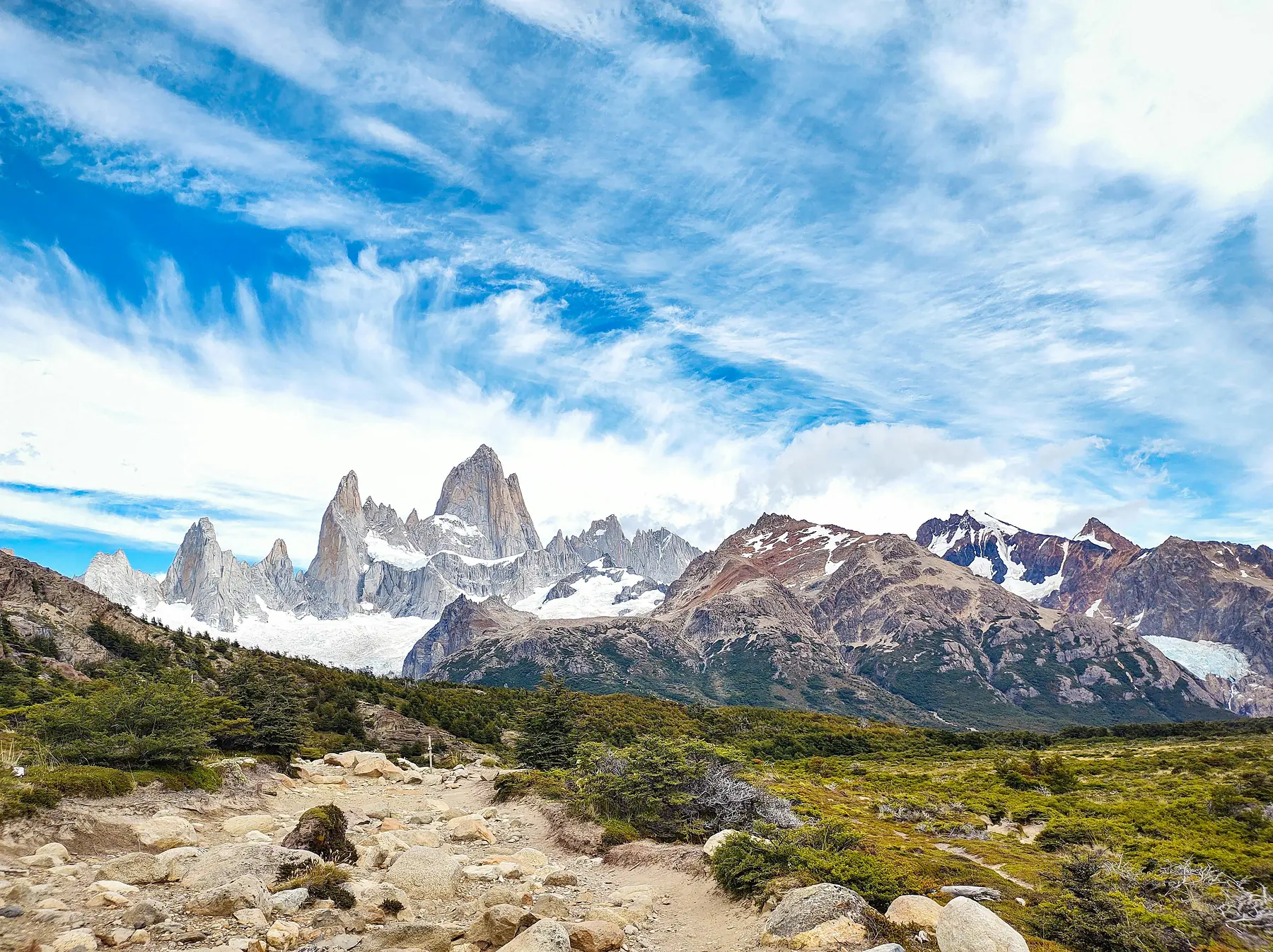
The logistics of a Patagonia trip change dramatically between January and March. In the peak summer months, the demand for accommodation in hubs like Torres del Paine and El Chaltén far outstrips supply. For the 2026/27 season, expect the most popular refugios on the W Trek to be fully booked for December and January by as early as June or July of 2026, shortly after reservations open.
In the shoulder season, the pressure eases. While you still need to book ahead for the most popular sites, you often have the flexibility to adjust your plans three to four months out. This is particularly valuable for independent travelers who want to wait for a favorable weather window before committing to a specific trekking start date.
If you are planning a last-minute trip for 2026 (less than 4 months lead time), focus your search on the shoulder months of November or March. You are far more likely to find cancelled spots or open dorm beds than in the mid-summer “blackout” of January.
The physical experience of the trail also shifts. In January, the hike to the Base Torres viewpoint can feel like a procession, with hundreds of hikers bottlenecking at the final rocky moraine. In April, you might share that same sunrise with only a dozen others. If your goal is to “get away from it all,” the summer months may feel too suburban for your tastes. For those committed to the peak season, our guide to booking refugios is essential reading to ensure you don’t miss the 2026/27 window.
Daylight Hours and Photography Conditions
Daylight is the great advantage of the summer season. In December, the sun rises around 5:30 AM and doesn’t set until nearly 10:00 PM. This nearly 17-hour window provides a massive safety margin for trekkers. If you have a slow day or want to take a long lunch by a glacial lake, you never have to worry about finishing your hike in the dark.
However, for photographers, summer presents a challenge. To catch the “Golden Hour” at sunrise, you must be on the trail by 4:30 AM. To catch it at sunset, you are often still out at 10:30 PM, which makes for very short nights of sleep.
In the shoulder season, the daylight hours drop to a more standard 12-14 hours. While this requires more disciplined time management on the trail, it aligns much better with a human internal clock.
Photographers should prioritize April. The sun stays lower in the sky for longer, providing soft, directional light throughout the day, and the lack of summer haze results in exceptionally crisp views of the granite towers.
The visual palette also changes. October and November bring the “spring green” to the valleys, accompanied by the blooming of the Ciruelillo (Firebush) which turns the hillsides bright red. Late March and April offer the famous autumnal display, where the lenga forests turn into a sea of orange and gold. If you are visiting specifically for the scenery, consult our Torres del Paine photography guide for seasonal tips.
Price Comparison: High Season vs. Shoulder Rates
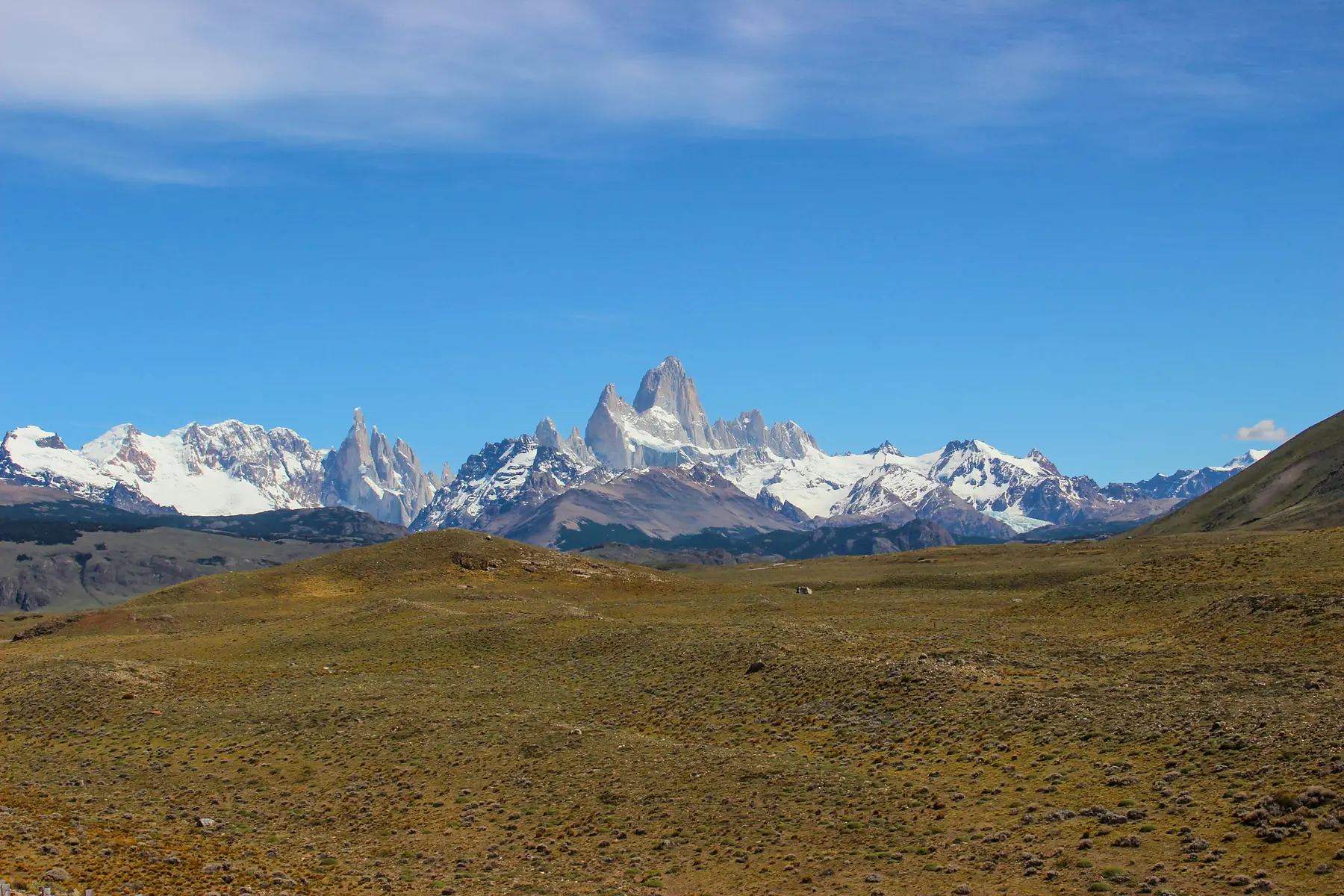
Patagonia is one of the most expensive regions in South America, and the “Peak Season” premium is significant. Most hotels, eco-lodges, and transport operators apply their highest rates from December 1st through February 28th.
By shifting your trip into the shoulder season, you can often save between 15% and 30% on your total ground costs. These savings come from three main areas:
- Accommodation: Many high-end lodges offer “shoulder rates” in October and April to encourage bookings.
- Flights: Internal flights from Santiago to Puerto Natales or Punta Arenas spike during the Christmas and New Year period. A flight in November is typically 30-40% cheaper than the same route in late December (based on 2024/25 pricing trends).
- Tours: Some boutique operators offer small-group discounts during the quieter months when they are trying to fill departure dates.
Budget trekkers should look specifically at the month of November. It offers a “sweet spot” where the weather is warming up and all trails are open, but the peak pricing of December has not yet kicked in.
Which is Right for You? (The Decision Matrix)
To help finalize your decision for the 2026/27 season, consider which of these traveler archetypes best describes your priorities.
The Solo Traveler: Summer (Dec-Feb) If you are traveling alone and want to meet people, summer is the clear winner. The refugios are buzzing with social energy, and it is incredibly easy to find a “trail family” to hike with. The long days also provide an extra layer of safety for solo hikers.
The Pro Photographer: Autumn (April) April is the gold standard for photography. You get the autumn colors, the calmest winds for reflections in the lakes, and a sunrise time (around 8:00 AM) that doesn’t require a midnight wake-up call.
The Budget Trekker: Late Spring (November) November provides the best ROI. You get the benefit of everything being open, including the O Circuit (which usually opens in November), but you avoid the peak pricing and the most intense crowds of the New Year surge.
The Wildlife Enthusiast: Spring (Oct-Nov) Spring is the best time for wildlife. This is when puma cubs are most active in Torres del Paine, and it is the beginning of the nesting season for penguins in the Magellan Strait. The lack of crowds also means animals are more likely to be seen near the main trails.
If you have decided on a specific month, our W Trek best time guide provides a month-by-month breakdown of what to expect on Patagonia’s most famous route.
Regional Nuance: North vs. South in the Shoulder Season
The definition of “shoulder season” varies depending on your latitude. Patagonia is vast, and the weather patterns in the Chilean Lake District (North) are different from those in Tierra del Fuego (South).
The Northern Regions (Aysen and the Lake District)
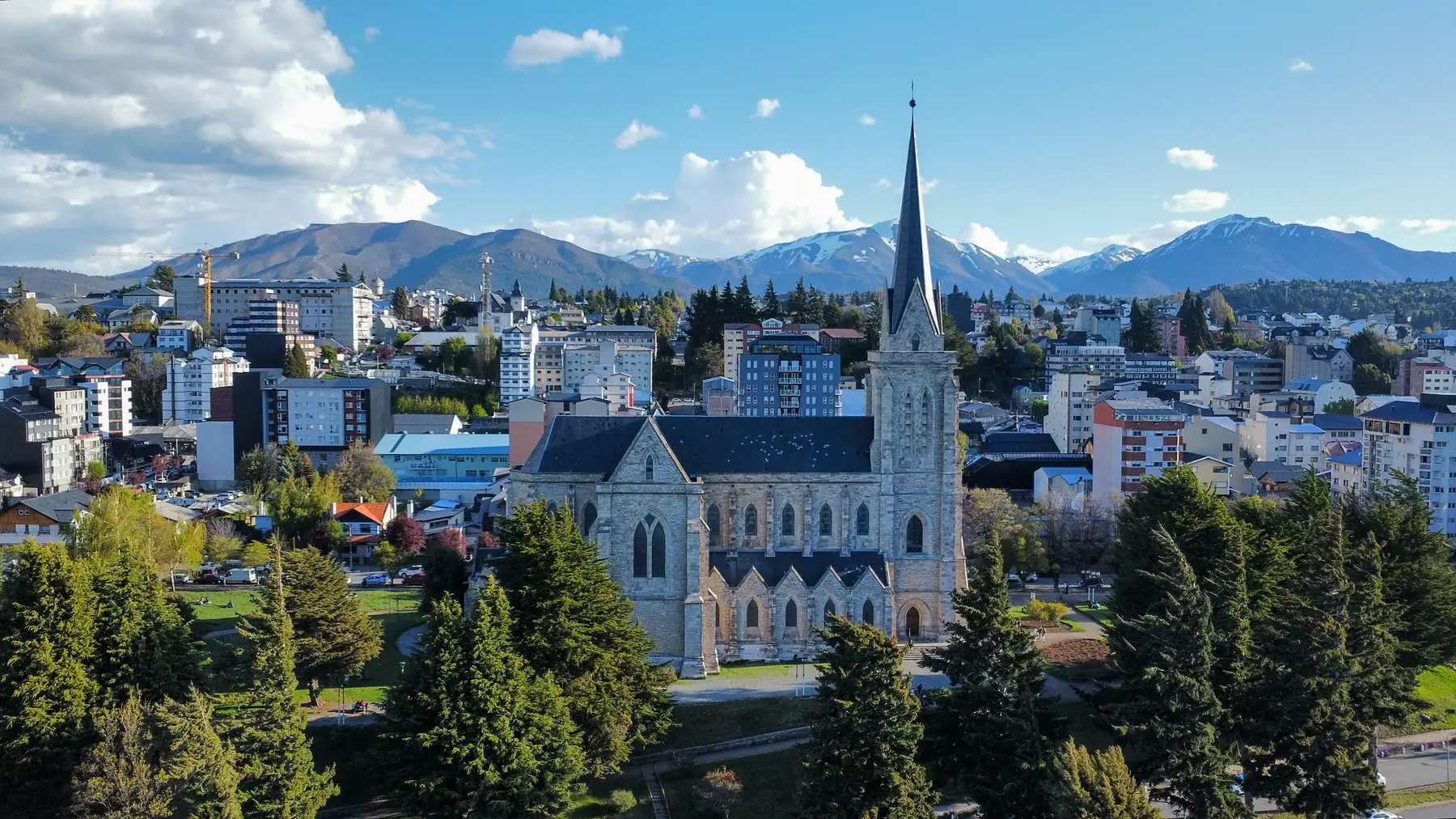
In the north, spring arrives earlier and more aggressively. By October, the Chilean Lake District is lush and vibrant. However, the shoulder season in the north is also significantly wetter. April in the Lake District can be very rainy, which may hamper multi-day trekking plans even if the temperatures are mild. If you are heading to the Aysen region, expect the Carretera Austral to be much quieter in March, but be aware that some smaller ferries may reduce their frequency.
The Southern Regions (Torres del Paine and Ushuaia)
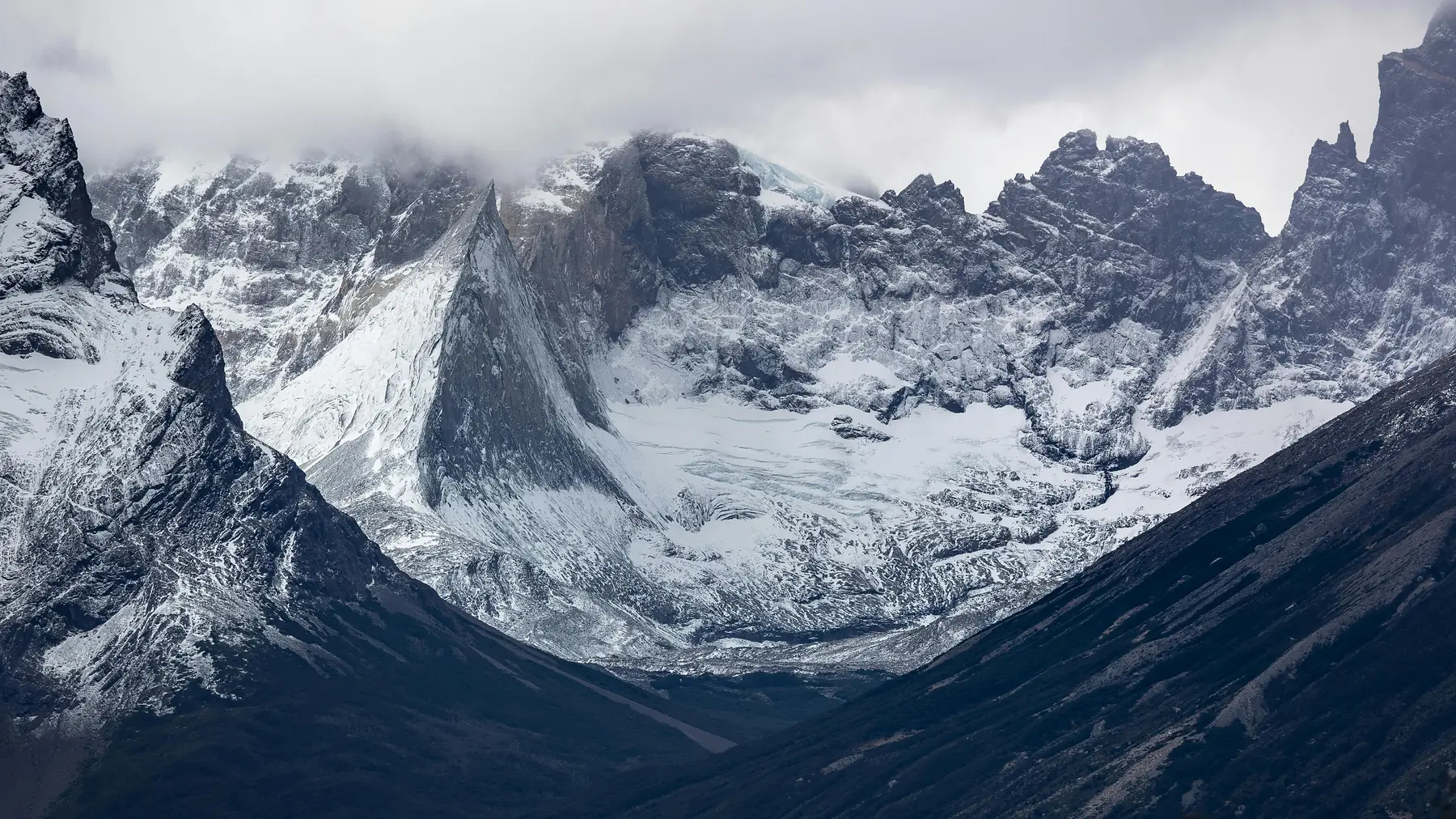
In the south, the summer window is much narrower. October can still feel very much like winter, with snow still lying on high passes. Similarly, by mid-April, many of the seasonal transport links begin to shut down.
If planning a late-season trip (after April 15), be aware that certain key transport links, such as the Navimag ferry or specific bus routes between El Calafate and Puerto Natales, may cease operations or move to a limited winter schedule. For the 2026/27 season, Bus-Sur typically maintains cross-border routes year-round but with reduced daily frequency starting in May.
The shoulder season in the south requires more robust gear. While summer hikers can often get away with a standard 3-season layering system, shoulder season travelers should ensure their sleeping bags are rated for at least -5°C (23°F) and that they have high-quality thermal base layers.
To go deeper into specific regional planning:
FAQ
QUESTION: Is the shoulder season in Patagonia too cold for trekking? ANSWER: While nights are colder (often near freezing), daytime temperatures in the shoulder season are typically 10-15°C (50-60°F), which is excellent for active hiking. You will need a warmer sleeping bag for camping, but the lack of intense summer wind often makes it feel more comfortable than January.
QUESTION: When does the high season for Patagonia tourism officially start? ANSWER: The high season in Patagonia generally runs from December 1st to the end of February, coinciding with the warmest weather and the highest prices. This is when all services are fully operational and demand for accommodation is at its peak.
QUESTION: Can I see the autumn colors in Patagonia during the summer months? ANSWER: No, the famous red and orange foliage in Patagonia peaks in the shoulder season, specifically from late March through mid-April. In the summer months of December and January, the landscape is predominantly green.
QUESTION: Are the winds in Torres del Paine worse in the summer or shoulder season? ANSWER: Counter-intuitively, the winds in Torres del Paine are typically strongest during the peak summer months of December and January. The shoulder seasons, particularly autumn, are known for having much calmer conditions.
QUESTION: Is it cheaper to fly to Patagonia in November vs January? ANSWER: Yes, flying to Patagonia in the November shoulder season is significantly cheaper than the January peak, as you avoid the holiday travel surge. Savings of 30-40% on internal flights are common if you book 4-6 months in advance.
QUESTION: Do I need to book the W Trek further in advance for summer or shoulder season? ANSWER: You must book the W Trek as soon as operator booking windows open (typically March–June) for the summer peak, whereas shoulder season dates often have availability 3-5 months out. For the 2026/27 season, monitor the Las Torres and Vertice websites from March 2026 to catch the opening dates.