
Ushuaia vs El Calafate: Which is Better? (2026 Guide)
Choosing between Ushuaia and El Calafate depends on whether you prioritize seeing the world’s most accessible glaciers or experiencing the diverse wildlife and rugged coastline of the “End of the World.” For most first-time travelers with limited time, El Calafate is the better choice because it provides direct access to the Perito Moreno Glacier, Patagonia’s single most iconic landmark. However, Ushuaia offers a more varied landscape where the Andes mountains meet the sea, making it superior for those interested in marine wildlife and coastal hiking.
If your itinerary allows for only one of these hubs, you are essentially choosing between the specialized “Glacier Capital” and the multi-faceted “End of the World.” Both cities serve as essential gateways, but the daily experience in each is fundamentally different. This guide breaks down the logistics, costs, and activities for the 2026/27 season to help you decide which destination earns its place on your map.
At a Glance: Ushuaia vs El Calafate
- Primary Draw: Ushuaia (Beagle Channel & Wildlife) | El Calafate (Perito Moreno Glacier)
- Landscape: Ushuaia (Coastal forest & jagged peaks) | El Calafate (Arid steppe & glacial lakes)
- Best For: Ushuaia (Hikers & wildlife lovers) | El Calafate (Bucket-list sightseers)
- Typical Stay: Ushuaia (3-4 days) | El Calafate (2-3 days)
- Hiking Access: Ushuaia (Immediate) | El Calafate (Requires 3-hour transit to El Chaltén)
Ushuaia vs El Calafate: The Quick Verdict
If you are struggling to choose, the decision usually comes down to your “must-see” list. El Calafate is a focused destination. You go there to see ice. The scale and thunderous calving of the glaciers are unmatched anywhere else on Earth. Ushuaia, by contrast, is a frontier port city that offers a broader menu of experiences including boat tours, historic museums, and diverse trekking through sub-antarctic forests.
Choose El Calafate if:
- You want to walk on or stand within meters of massive, active glaciers.
- You prefer a more polished, boutique tourism infrastructure.
- You are planning to continue your trip north to the hiking trails of El Chaltén.
Choose Ushuaia if:
- You want to see penguins, sea lions, and diverse birdlife in their natural habitat.
- You enjoy the unique atmosphere of a bustling, remote port city.
- You want access to a variety of hikes that start within 20 minutes of the city center.
While El Calafate is often seen as a gateway to other locations, Ushuaia is a standalone island destination. To explore these hubs in more detail, you can view our Ushuaia destination guide or our El Calafate destination guide.
Landscape and Vibe: The End of the World vs. The Great Steppe
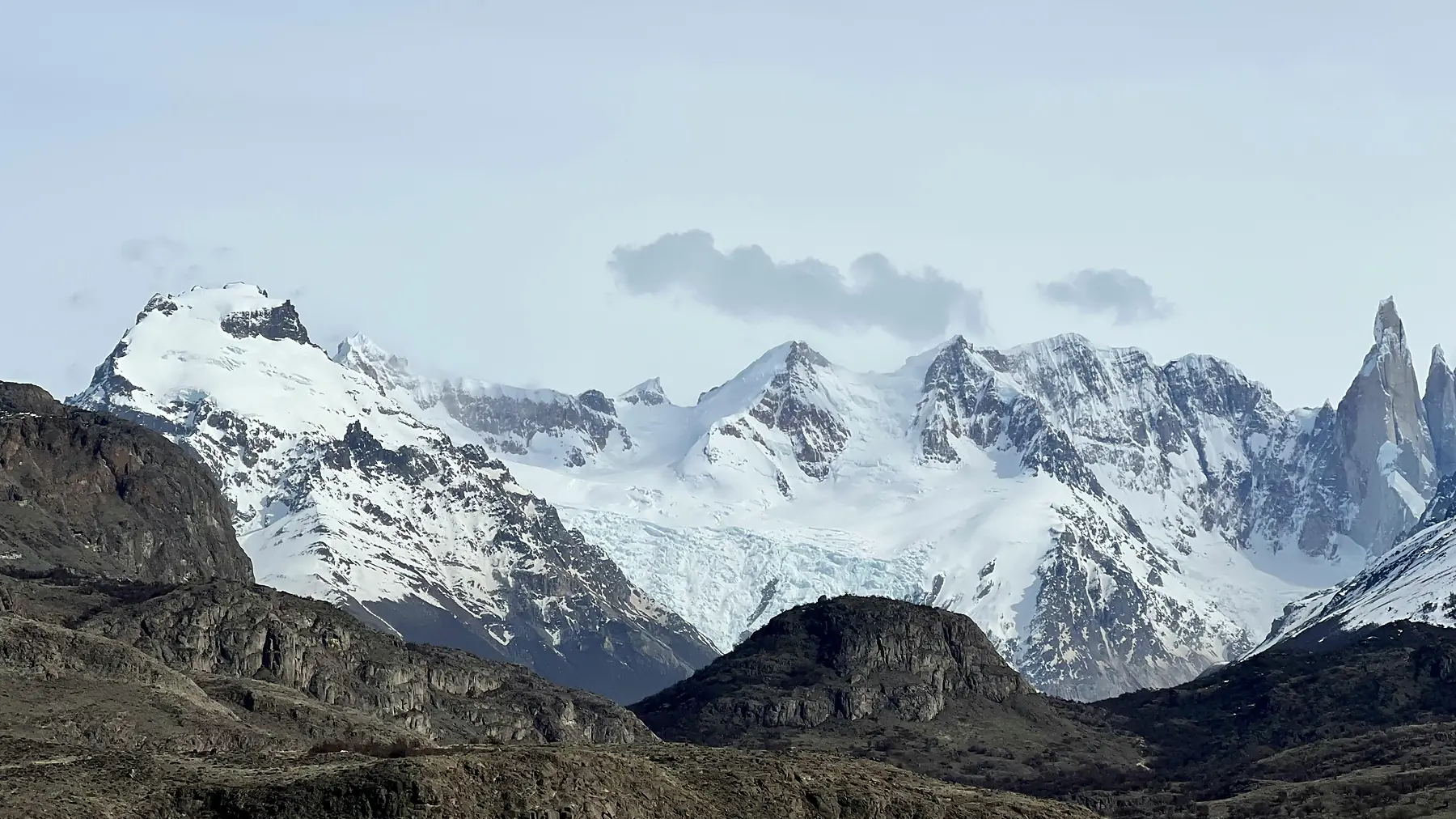
The physical setting of these two cities couldn’t be more different. Ushuaia sits at the southern tip of Isla Grande de Tierra del Fuego, squeezed into a narrow strip of land between the snow-capped Martial Mountains and the dark waters of the Beagle Channel. The air is damp, the forests are lush with southern beech trees, and the city itself feels like a colorful, chaotic frontier outpost. It is a working port where massive Antarctic expedition ships dock alongside tiny fishing vessels.
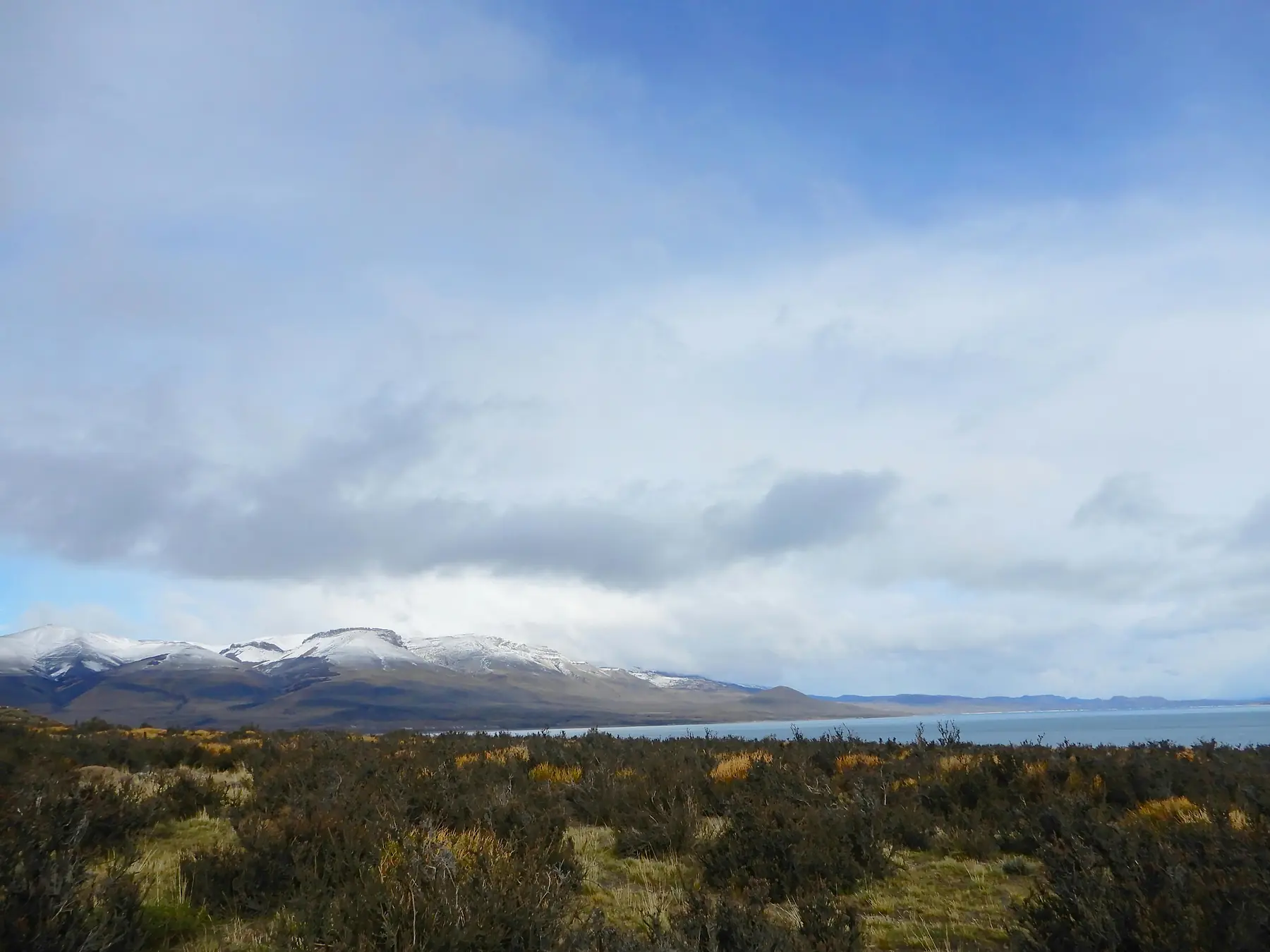
El Calafate, located roughly 900 kilometers to the north, sits on the edge of the vast Patagonian steppe. The landscape here is horizontal and windswept, dominated by low shrubs and the milky-blue expanse of Lago Argentino. The town is significantly more manicured than Ushuaia, featuring a main street lined with high-end chocolate shops, boutique hotels, and outdoor gear stores. While Ushuaia feels like a city that happens to have tourists, El Calafate feels like a town built specifically for them.
The “vibe” of your trip will shift accordingly. In Ushuaia, you feel the proximity to the Antarctic; the weather is temperamental and the geography is vertical. In El Calafate, you feel the immense scale of the South American continent; the sky is enormous, the horizons are distant, and the wind is a constant, physical presence across the plains.
The Glacier Battle: Perito Moreno vs. The Beagle Channel
For most travelers, the primary reason for visiting this region is to see the ice. However, the way you experience glaciers in these two locations is entirely different.
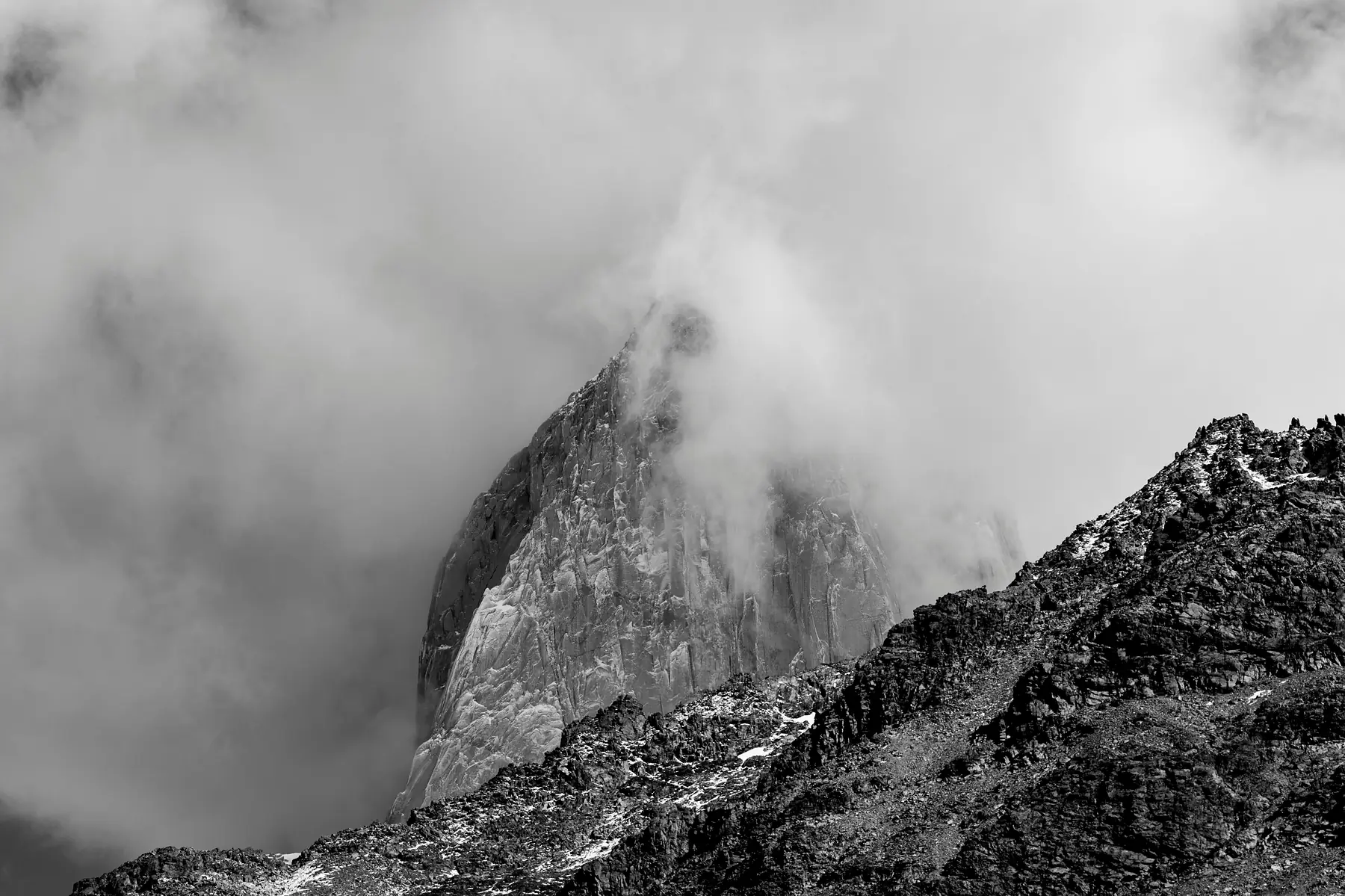
In El Calafate, the Perito Moreno Glacier is the undisputed star. It is one of the few glaciers in the world that is actually advancing, and its accessibility is world-class. A sophisticated network of steel walkways allows you to stand directly in front of the 60-meter-high ice wall. You can hear the ice cracking and watch house-sized chunks calve into the water from a safe, comfortable distance. It is a visceral, ground-level experience that requires very little physical effort unless you choose to join a “Minitrekking” or “Big Ice” expedition to walk on the glacier itself.
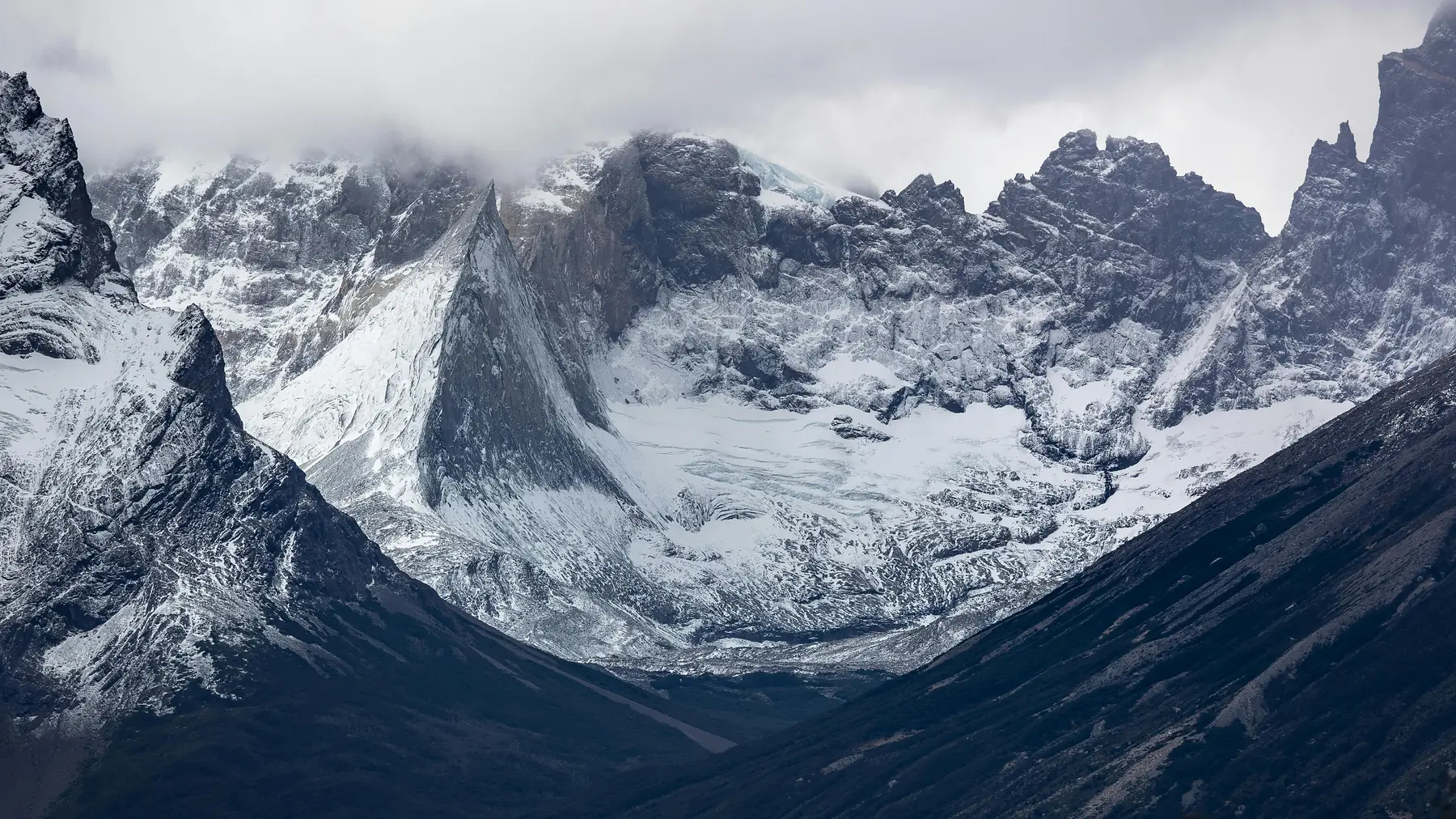
Ushuaia’s glaciers are maritime and generally less imposing. The Martial Glacier, located just above the city, is a receding hanging glacier that is more of a hiking destination than a dramatic spectacle. To see the impressive ice walls in Tierra del Fuego, you must take a boat excursion into the Beagle Channel or visit Tierra del Fuego National Park. While beautiful, these glaciers do not offer the same “in your face” scale as Perito Moreno.
- Accessibility: Walkways and short bus rides vs. Boat tours or steep hikes
- Scale: Massive 30km long ice field vs. Smaller hanging or maritime glaciers
- Activities: Ice trekking and boat approaches vs. Distant viewing and coastal trekking
- 2026 Cost: Approx. 45,000 ARS (
$45 USD) for foreigners vs. Approx. 40,000 ARS ($40 USD) for foreigners
El Calafate wins decisively for glacier impact and accessibility. Choose it if seeing ice is your top priority.
Wildlife Comparison: Penguins, Sea Lions, and Condors
If your interest lies in seeing animals, Ushuaia is the clear winner. The Beagle Channel is a biological hotspot, and a standard boat tour will reliably get you within meters of sea lion colonies and imperial cormorants nesting on rocky outcrops.
The highlight for many is Isla Martillo, which hosts a significant colony of Magellanic and Gentoo penguins. Between October and March, you can take tours that allow you to walk among them or view them from the boat. This is an experience you simply cannot get in El Calafate.
The penguin colony at Isla Martillo is seasonal. If you are visiting between April and September, the penguins will have migrated north, and wildlife viewing in Ushuaia becomes significantly more limited.
El Calafate’s wildlife is terrestrial and requires a bit more patience to spot. As you drive through the steppe toward the glaciers, you are likely to see herds of guanacos (relatives of the llama), Darwin’s rhea (a flightless bird similar to an ostrich), and flamingos in the brackish lagoons near the lake. If you look to the skies, the massive Andean condor is frequently seen soaring over the mountain ridges. While beautiful, these encounters lack the close-up, high-density excitement of Ushuaia’s marine colonies.
Activities & Adventure: Hiking and Beyond
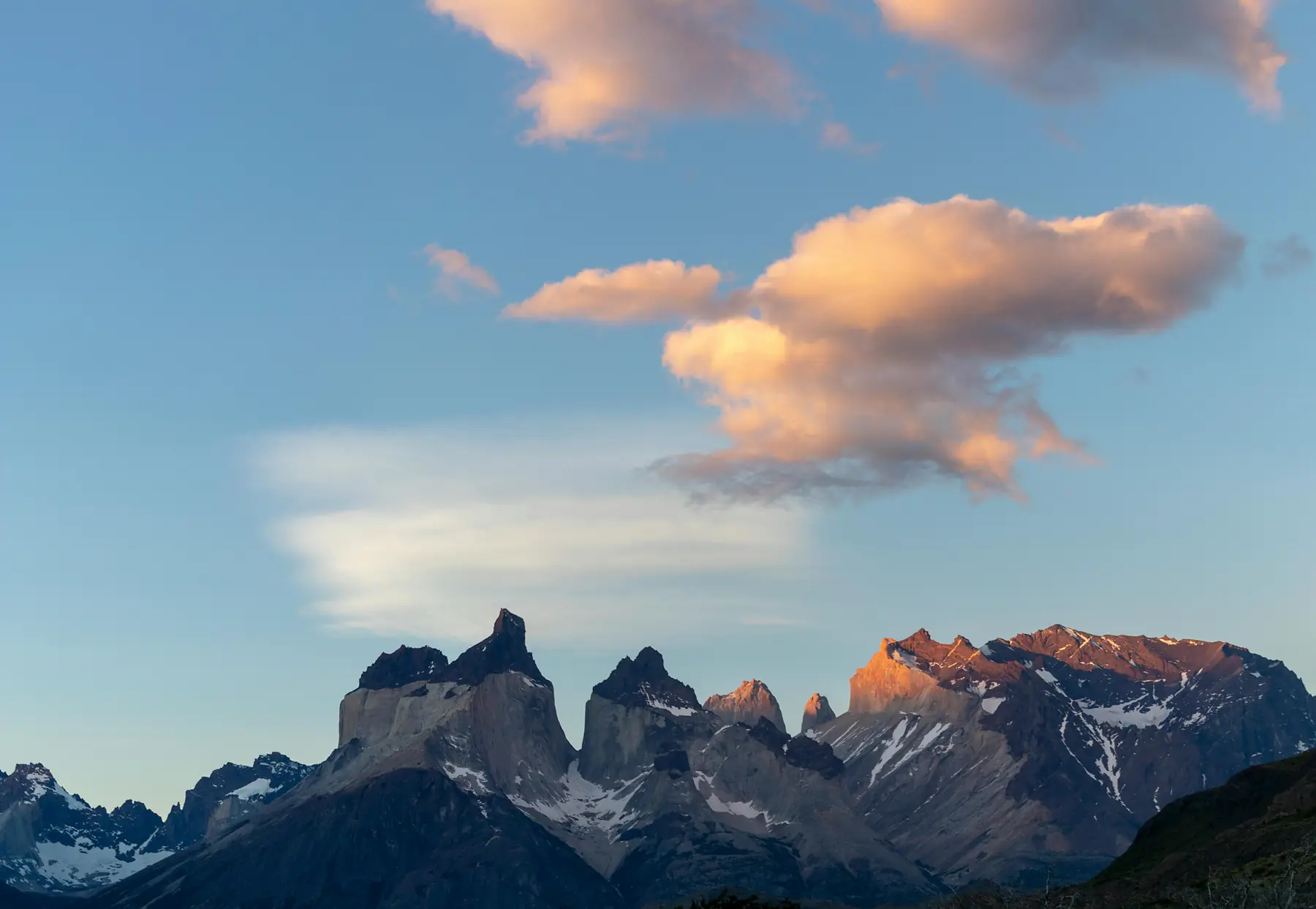
Ushuaia offers a greater variety of “day-one” activities. You can spend one morning on a historic steam train and the afternoon hiking to a high-altitude lagoon. The Laguna Esmeralda hike is a classic example: a moderate four-hour trek that takes you through peat bogs and forests to a stunning turquoise glacial lake. The city also offers unique cultural stops, such as the End of the World Museum and the historic prison, which provide a glimpse into the region’s harsh penal history.
El Calafate is more specialized. Beyond the glaciers, the activities focus on the “Estancia” (ranch) culture. Visiting a working sheep ranch like Estancia Cristina offers a mix of history, 4x4 adventure, and views of the Upsala Glacier. However, for serious hikers, El Calafate is often just a pit stop.
Do not visit El Calafate expecting world-class hiking directly from the town. The “real” trekking capital is El Chaltén, which is a 3-hour bus ride north. Most hikers stay in Calafate only long enough to see Perito Moreno before moving on.
If you are a dedicated trekker, you should look into our comparison of Ushuaia vs El Chaltén to see which base fits your hiking style better.
Logistics: Getting There and Staying There
Both cities are well-connected to Buenos Aires by flight, with daily services to Aeroparque (AEP) and Ezeiza (EZE). In 2026, flight frequency between the two cities has remained stable, allowing travelers to link them in a single trip relatively easily. For a detailed breakdown of routes, see our guide on how to get to Ushuaia.
In terms of accommodation, both hubs offer a full spectrum from budget hostels to high-end luxury resorts. El Calafate tends to have more “boutique” options and remote eco-lodges situated out on the steppe. Ushuaia’s luxury options are often perched high on the mountainside, offering sweeping views of the Beagle Channel, while its mid-range hotels are clustered in the walkable city center. You can explore the best places to stay in Ushuaia in our dedicated hub.
Cost of Living (2026 Estimates):
- Dining: A mid-range dinner for two in either city will cost between $40-70 USD. Ushuaia is famous for its king crab (Centolla) and sea bass, while El Calafate is the place to eat Patagonian lamb (Cordero).
- Tours: Specialized tours like ice trekking in Calafate or penguin walks in Ushuaia are premium experiences, often costing $200-400 USD per person.
- Tax Status: Ushuaia is a tax-free zone (Special Customs Area), which can lead to slightly lower prices on electronics or imported goods, but this rarely translates to significant savings for the average tourist on meals or tours.
Seasonality: When to Visit Which?
The “best” time to visit depends entirely on your tolerance for cold and your interest in winter sports.
Summer (December–February): This is peak season for both. Ushuaia enjoys up to 17 hours of daylight, giving you massive windows for hiking and boat tours. El Calafate is busy, and booking Perito Moreno tours in advance is essential.
Shoulder Season (October–November & March–April): These are the best months for photographers. In April, Ushuaia’s forests turn a deep, legendary red that is arguably the most beautiful autumn display in South America. You can find more detail in our Ushuaia weather guide.
Winter (June–August): This is where the two cities diverge most sharply. Ushuaia transforms into a premier ski destination, centered around Cerro Castor, which boasts the longest ski season in South America. El Calafate remains open, but it is much quieter, many estancias close, and the wind can make the steppe feel incredibly bleak.
The Final Verdict: Which is Right for You?
The choice between Ushuaia and El Calafate ultimately comes down to your traveler archetype:
- The Bucket-Lister: Choose El Calafate. Seeing the Perito Moreno Glacier is a non-negotiable Patagonian experience that lives up to the hype.
- The Wildlife Enthusiast: Choose Ushuaia. The opportunity to walk with penguins and see sea lions in the Beagle Channel is unique to this southern tip.
- The Hiker with Limited Time: Choose Ushuaia. You can be on a trailhead within 15 minutes of leaving your hotel. If you have more time, El Calafate is only the gateway to the superior trails of El Chaltén.
- The Winter Traveler: Choose Ushuaia. The skiing and winter dog-sledding culture make it a vibrant winter hub, whereas Calafate can feel like a ghost town.
The “Third Option”: Doing Both
If you have at least 6 days, you don’t have to choose. A common 2026 itinerary involves flying from Buenos Aires to El Calafate (3 days), then taking a direct 1 hour 20 minute flight to Ushuaia (3 days) before returning to the capital. This provides the full spectrum of Patagonian landscapes, from the arid ice fields of the north to the forested fjords of the south.
To help plan your specific stay in either city, explore our deeper resources:
FAQ
-
QUESTION: Is Ushuaia or El Calafate better for seeing glaciers?
-
ANSWER: El Calafate is superior for glacier viewing because the Perito Moreno Glacier is easily accessible via land walkways and offers world-class ice trekking. Ushuaia’s glaciers are smaller and typically viewed from a boat in the Beagle Channel.
-
QUESTION: Which city, Ushuaia or El Calafate, is more expensive for travelers?
-
ANSWER: Both cities are similarly priced as major tourist hubs, though Ushuaia occasionally offers lower prices on electronics and certain goods due to its tax-free status. In 2026, expect to pay a premium for high-quality dining and specialized tours in both locations.
-
QUESTION: Can I see penguins in El Calafate or Ushuaia?
-
ANSWER: Ushuaia is the best place to see penguins, specifically at the Isla Martillo colony which hosts Magellanic and Gentoo penguins. El Calafate does not have penguin colonies, focusing instead on steppe wildlife like guanacos and flamingos.
-
QUESTION: Is Ushuaia worth visiting if I am not going to Antarctica?
-
ANSWER: Yes, Ushuaia is absolutely worth visiting for its unique “End of the World” atmosphere, the Tierra del Fuego National Park, and the marine wildlife of the Beagle Channel. It offers a dramatic mountain-meets-sea landscape that you won’t find in El Calafate.
-
QUESTION: How many days should I spend in Ushuaia vs El Calafate?
-
ANSWER: For El Calafate, 2 to 3 days is sufficient to see the glaciers; however, for Ushuaia, you should plan for 3 to 4 days to account for the wider variety of hiking and boat excursions.
-
QUESTION: Which is better for hiking, Ushuaia or El Calafate?
-
ANSWER: Ushuaia is better for immediate access to diverse hiking trails through forests and along coasts. While El Calafate has some trails, serious hikers usually use it only as a base before traveling 3 hours north to El Chaltén.