
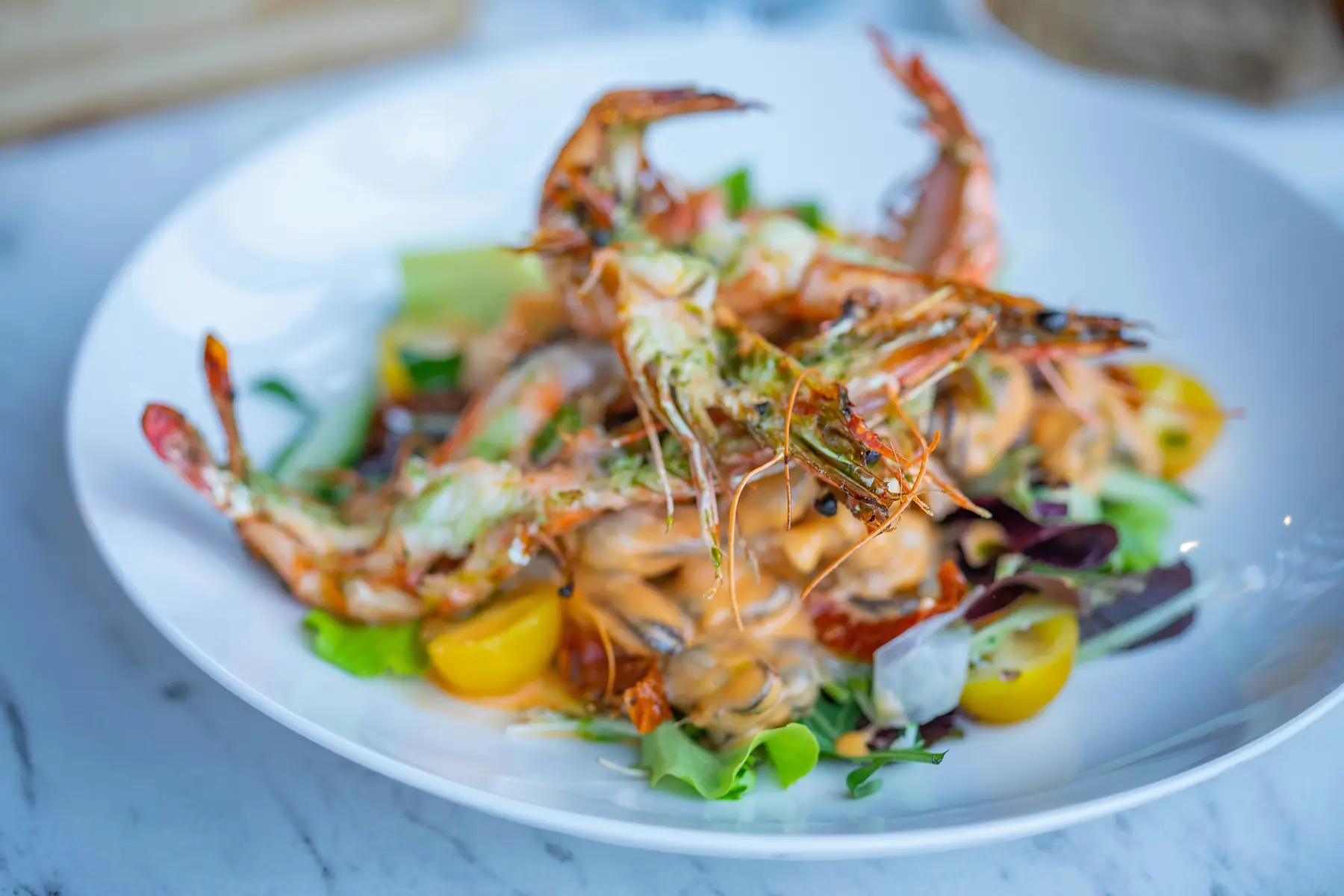
22 Best Puerto Natales Restaurants: 2026/27 Foodie Guide
Puerto Natales is the culinary capital of Chilean Patagonia, offering a range of dining experiences from traditional open-fire lamb roasts to world-class fusion cuisine. While many travelers view the town merely as a gateway to Torres del Paine National Park, the city has earned its reputation as a standalone gastronomic destination through its unique blend of maritime bounty and pampa-reared livestock.
The dining scene here is defined by the geography of the Ultima Esperanza Sound: where the cold Pacific waters meet the rugged Patagonian plains. This guide provides a comprehensive look at the best places to eat, whether you are looking for a $12 budget-friendly lunch before a trek or a celebratory fine-dining experience to mark the end of your journey. For a deeper look at the specific ingredients and culinary history of the region, see our dedicated guide to Patagonian cuisine and local ingredients.
Puerto Natales Dining at a Glance
- Signature Dish: Cordero al Palo (lamb roasted over an open fire)
- Local Specialty: Centolla (Magellanic King Crab)
- Typical Lunch Price: $12 to $18 USD for a Menu del Día (as of 2026/27 season)
- Dinner Price: $30 to $70 USD per person at mid-range to high-end spots
- Peak Season: October to April (many restaurants close or reduce hours in winter)
- Tipping: 10% is standard (usually added as a “suggested” propina)
Patagonian Classics: Where to Eat Cordero al Palo
The most iconic culinary experience in Puerto Natales is Cordero al Palo, or lamb roasted on a wooden cross over an open flame. This process takes between three and four hours, allowing the fat to render slowly and the skin to become crisp while the meat remains tender. You will often see the lambs splayed in front-facing windows of traditional asadores throughout the town center.
Asador Patagónico is the premier choice for those seeking a refined version of this Gaucho tradition. Located on the main square, it offers a consistent, high-quality experience with a focus on premium cuts. If you prefer a more rustic and local atmosphere, La Picada de Carlitos is a legendary institution. It serves massive portions in a no-frills environment that has been a favorite for residents and guides for decades.
- Vibe: Upscale, polished, central - Rustic, loud, family-oriented
- Price Point: Premium ($$$) - Mid-range ($$)
- Best For: Traditional Cordero al Palo - Massive “Parrillada” platters
- Wait Time: Reservations recommended - First-come, first-served (often a queue)
Choose Asador Patagónico for a polished dinner or date night; head to La Picada de Carlitos for the most authentic, local-heavy atmosphere and larger portions.
When ordering, you can choose a single portion of cordero or a parrillada, which is a mixed grill served on a tabletop brazier. Be aware that a parrillada for two people is often enough to feed three or four. The lamb is traditionally served with papas doradas (golden fried potatoes) and pebre, a Chilean spice relish made of onions, tomatoes, cilantro, and chili.
King Crab & Seafood: The Bounty of the Ultima Esperanza Sound
The cold, oxygen-rich waters surrounding Puerto Natales produce some of the world’s finest seafood, most notably the Centolla, or Magellanic King Crab. Unlike the canned varieties found elsewhere, the crab here is typically served fresh, often pulled from the water the same day.
Santolla is the most visually striking seafood spot in town, constructed from recycled shipping containers. Their menu is hyper-focused on king crab, serving it in everything from crepes to chowders. For a more intimate experience that feels like dining in a local’s home, Cangrejo Rojo offers a smaller, curated menu where the chef often explains the day’s catch.
Beyond the crab, look for Merluza Austral (Southern Hake) and Congrio (Conger Eel). The most traditional preparation for crab is Chupe de Centolla, a rich, creamy gratin made with breadcrumbs, cream, and cheese. It is the ultimate comfort food after a cold day on the water or the trails.
If you are buying King Crab, ensure the restaurant is sourcing it legally. The Centolla season is strictly regulated (typically closed from December to January) to prevent overfishing. If a price seems too good to be true, it may be “black market” crab caught out of season.
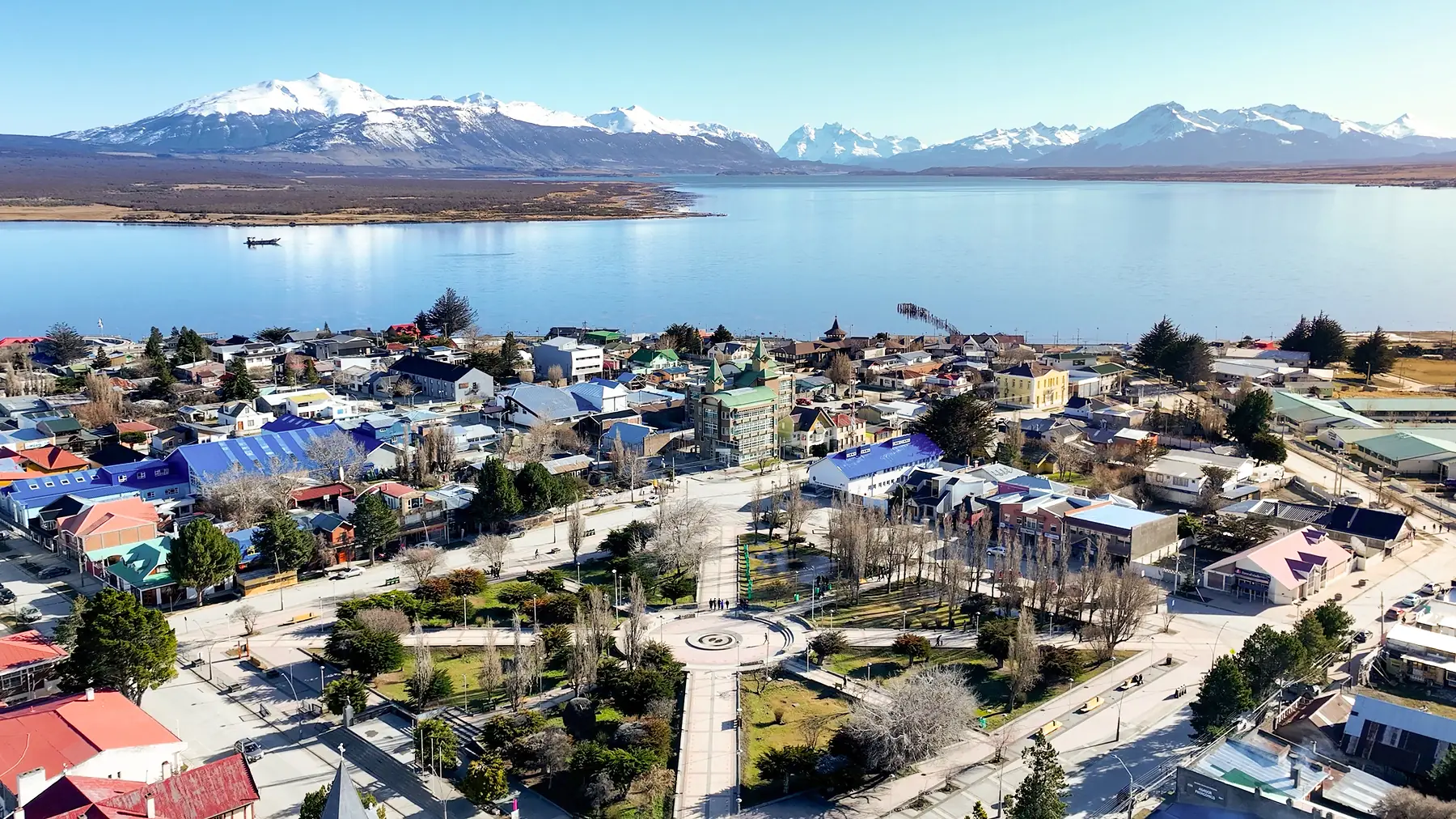
Best Cheap Eats: The “Menu del Día” Strategy
Eating well in Puerto Natales does not have to be expensive if you utilize the Menu del Día. This fixed-price lunch usually includes a starter (often a soup like Cazuela), a main course, a small dessert, and sometimes a juice. It is the standard way locals eat and offers the best value for hikers looking to fuel up.
Club Bories is a local sports club that serves what are arguably the largest portions in town. It is a no-frills establishment where you will dine alongside local workers and families. El Bote is another reliable family-run spot that offers consistent quality and a warm atmosphere. For those craving pizza, Mesita Grande features a long communal table and high-quality wood-fired pizzas that are excellent for sharing.
Many of these budget-friendly spots are located within a five-block radius of the Rodoviario (the main bus terminal), making them ideal for a quick, filling meal immediately after arriving from Punta Arenas or before departing for the park. For more strategies on managing your expenses in the region, consult our guide to Patagonia on a budget.
Check the chalkboard
Walk the streets between 12:30 PM and 2:30 PM. Most restaurants will display their “Menu del Día” on a chalkboard outside with the price clearly marked.
Confirm the price
The price should be between 10,000 and 15,000 CLP for the 2026/27 season. If it’s higher, it’s likely a tourist-oriented menu rather than a local one.
Fine Dining & Modern Patagonian Fusion
Puerto Natales has seen a surge in “Modern Patagonian” cuisine, where chefs use traditional ingredients like rhubarb, calafate berries, and guanaco meat with contemporary techniques. This is the “Culinary Capital” at its most ambitious.
Afrigonia is the most famous example of this. Founded by Kamal Nawaz, it blends his Zambian heritage with Patagonian ingredients. The result is a menu of African-Patagonian fusion that is unlike anything else in Chile. Lenga is another standout, focusing on hyper-local sourcing and artistic presentation.
For a meal steeped in history, the restaurant at The Singular Patagonia is located inside a converted 100-year-old cold storage plant. While the hotel itself is a luxury landmark, the restaurant is open to the public and offers a menu that honors the industrial heritage of the Bories House.
Afrigonia is frequently booked out 1 to 2 weeks in advance during the peak season (December to February). If you have your heart set on dining here, make a reservation online as soon as your travel dates are confirmed.
To see how these high-end stays compare to other options in town, you can view our review of Puerto Natales’ best hotels.
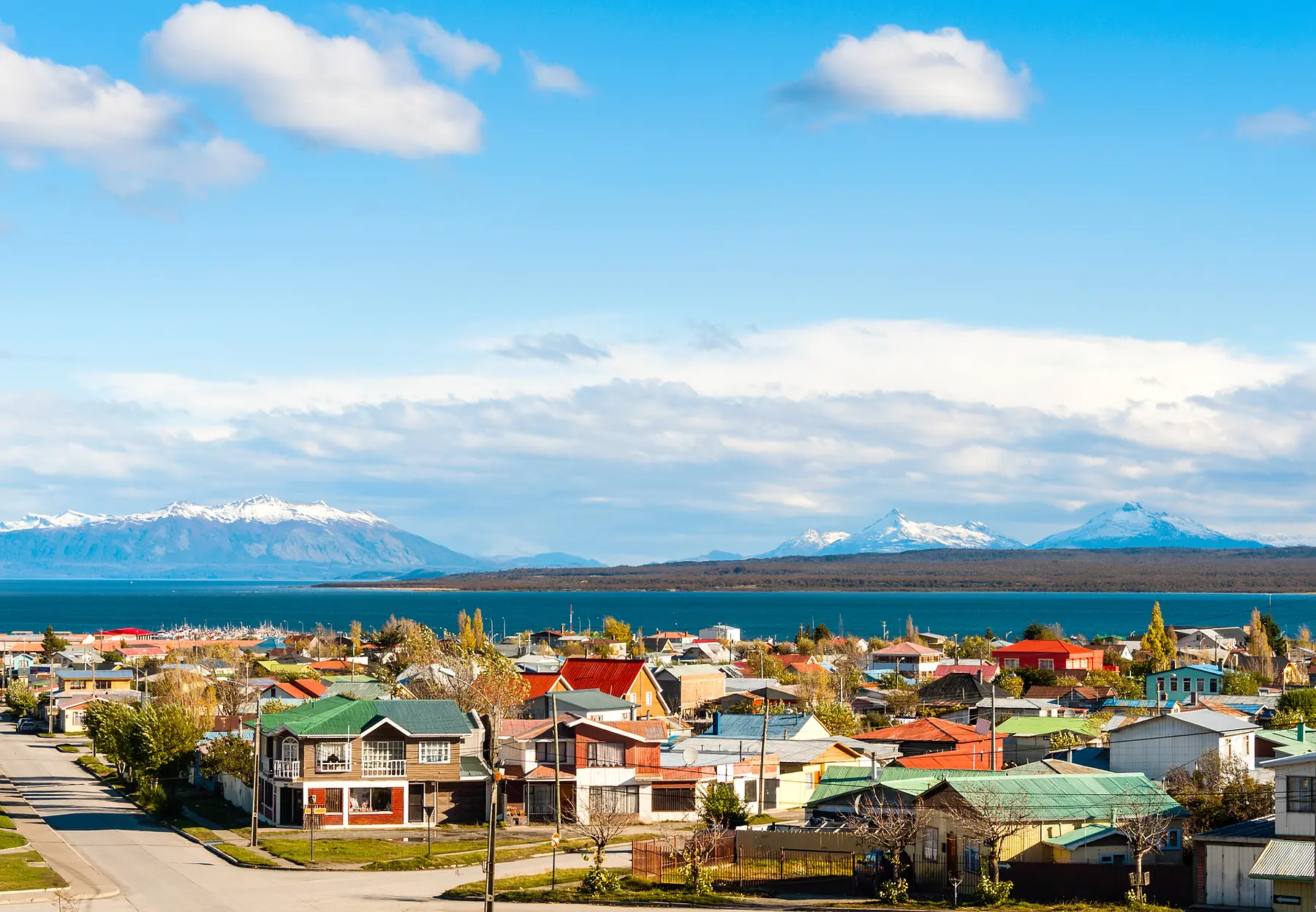
Vegetarian, Vegan, and Gluten-Free Options
While Patagonia is historically a meat-centric culture, Puerto Natales has adapted quickly to the needs of international trekkers. You no longer have to settle for a side of fries if you don’t eat meat.
El Living was the first strictly vegetarian restaurant in town and remains the heart of the meat-free scene. It has a cozy, “living room” atmosphere with plenty of books and comfortable sofas. Artimaña is another excellent choice; while they do serve some meat, they have a strong ethical mission and offer several creative vegan and vegetarian dishes that go beyond the standard pasta options.
Many traditional Chilean dishes are “accidentally” gluten-free, such as Pastel de Papas (if prepared without flour thickeners) or various quinoa salads. However, always confirm with the server, as “sin gluten” is a concept that is well-understood in Puerto Natales but less so in smaller, more remote villages.
Coffee, Bakeries, and Breakfast Spots
For many, the day in Puerto Natales begins at 6:00 AM in preparation for the bus to Torres del Paine. Finding high-quality coffee and a substantial breakfast at that hour can be a challenge, but there are a few standout options.
Holasté is widely considered the best specialty coffee shop in town, often appearing on lists of the best cafes in South America. They roast their own beans and offer a level of precision that is rare in such a remote location. Patagonia Dulce is the place for those with a sweet tooth, specializing in chocolates and pastries made with calafate berries and rhubarb.
Most specialty coffee shops like Holasté do not open until 9:00 AM. If you are taking the 7:00 AM or 7:30 AM bus to Torres del Paine, you will likely need to rely on your hotel breakfast or grab a coffee at the bus terminal.
If you are looking for a post-hike treat, Aluen Gelateria offers artisanal gelato with local flavors. The Calafate berry gelato is a must-try; legend says that anyone who eats the berry is destined to return to Patagonia.
To plan your departure from these breakfast spots to the trailheads, see our guide on how to get to Torres del Paine.
Craft Beer and Spirits: The Evening Scene
The craft beer scene in Puerto Natales is anchored by Baguales BrewPub. Located just off the main square, it was the first brewery in town and remains the most popular spot for a post-hike pint. Their “Gaucho Pale Ale” is a local staple.
For something more sophisticated, Last Hope Distillery is a remarkable success story. Started by two Australians, Kiera Shiels and Matt Oberg, it is the southernmost gin distillery in the world. They offer tours and tastings, and their bar serves some of the most creative cocktails in town using their own gin and calafate-infused spirits.
Base Camp is the iconic “hiker bar.” It is attached to a gear rental shop and serves as the unofficial headquarters for people preparing for the W Trek or O Circuit. It is the best place in town to find a trekking partner or get last-minute trail advice over a beer and a pizza.
The Anthony Bourdain Trail in Puerto Natales
When Anthony Bourdain visited Puerto Natales for his show No Reservations, he famously ate at Maukos. His praise for the local seafood and the unpretentious, authentic atmosphere helped put the town on the international culinary map.
While Maukos remains a historical landmark for Bourdain fans, the local dining scene has evolved significantly since his visit. For a modern take on that same unpretentious quality, La Tapera offers incredibly high-quality food in a modest, converted house that feels like a hidden local secret.
Following the Bourdain trail is a great way to see the “real” Puerto Natales beyond the tourist facades. To pair your culinary tour with other local activities, check out our guide to the best things to do in Puerto Natales.
To help you decide where to head next, explore our related guides for the region:
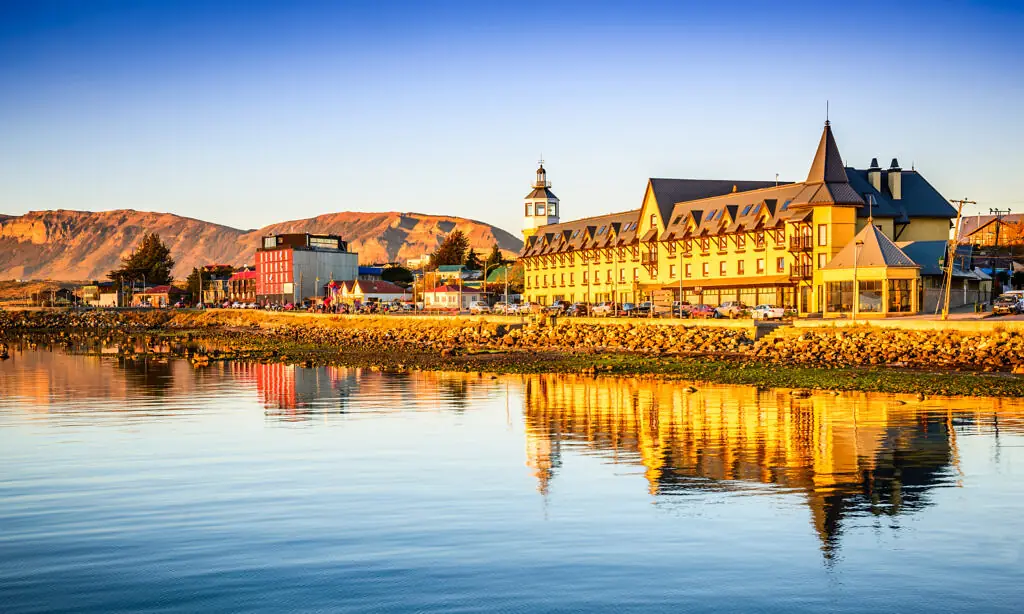
FAQ
What is the most famous food to try in Puerto Natales? The most iconic dish is Cordero al Palo (Patagonian lamb roasted on a spit), followed closely by Centolla (Magellanic King Crab).
Are restaurants in Puerto Natales open on Sundays? Many traditional restaurants close on Sundays, though tourist-focused spots like Mesita Grande and Baguales typically remain open throughout the season.
Where can I find the best breakfast in Puerto Natales before a hike? Holasté and Patagonia Dulce are top choices, though many hikers rely on their hotels or “Base Camp” for early-morning fuel.
Is it necessary to tip at Puerto Natales restaurants? A 10% “propina” is standard and often added to the bill as a suggestion; it is polite to pay this in cash if possible.
Where did Anthony Bourdain eat when he visited Puerto Natales? Bourdain famously ate at Maukos, where he praised the local seafood and Pisco Sours, cementing the town’s reputation as a culinary destination.
What are the best vegetarian restaurants in Puerto Natales? El Living is the most famous vegetarian-only spot, but Artimaña and Mesita Grande offer excellent meat-free options.