
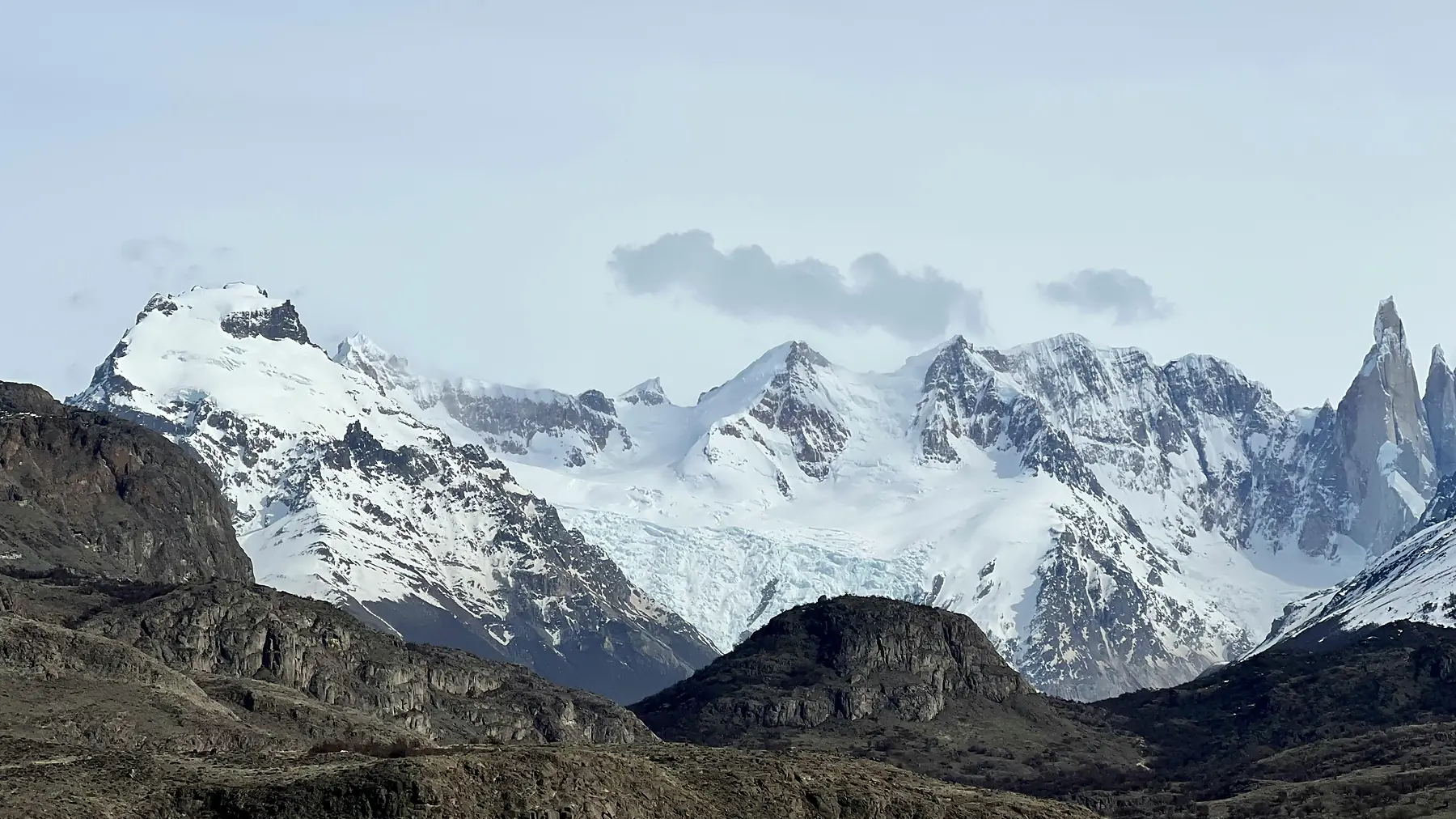
Best Patagonia Multi-Day Trekking Tours: 2026/27 Guide
A guided Patagonia trekking tour is the most reliable way to navigate the region’s complex permit systems and unpredictable wilderness without the logistical burden of carrying a 20kg pack or navigating unmarked alpine passes. For the 2026/27 season, booking a multi-day tour ensures access to high-demand routes like the O Circuit and W Trek, where campsites often sell out six months in advance.
Patagonia is vast, stretching across two countries with vastly different trekking infrastructures. While independent hiking is possible on well-trodden paths, a guided expedition transforms a standard walk into a deep dive into glaciology, local history, and technical mountain safety. Whether you are looking for the social atmosphere of a shared refugio or the isolation of a remote glacier camp, choosing the right tour depends on balancing your physical comfort with your desire for solitude.
2026/27 Trekking At-a-Glance
- Peak Season: November to March
- Typical Duration: 4 to 10 days
- Price Range: $1,500 to $6,500+ USD (as of 2026/27 rates)
- Booking Window: 6-9 months in advance for Torres del Paine
- Primary Hubs: Puerto Natales (Chile) and El Chaltén (Argentina)
The Different Styles of Guided Trekking in Patagonia
Choosing a trekking tour starts with deciding how much of the “wild” you actually want to experience at night. The region has evolved from a rugged backpacker’s haunt into a sophisticated trekking destination with options ranging from basic tents to geodesic domes with hot showers.
The most popular model is the Hut-to-Hut (Refugio) Tour, primarily found in Torres del Paine. You hike with a light daypack while your guide handles the logistics of shared dormitories and hot meals provided by the park’s mountain lodges. This is the best entry point for those who want the miles without the “roughing it” aspect of traditional camping.
Alternatively, Full-Support Camping offers a deeper immersion in nature. Operators provide high-quality four-season tents, often pitched before you arrive at camp, along with dedicated camp chefs and porters who carry the bulk of the group gear. For those seeking maximum comfort, the Luxury Basecamp Model utilizes a central high-end lodge as a hub. You return to a real bed and a wine list each evening after completing “spokes” of a famous circuit, such as the trek to the Base of the Towers.
- Sleeps: Shared dorm bunks (4-8 people) / 2-person mountain tents / Private luxury domes or suites
- Pack Weight: 5-8kg (daypack only) / 8-12kg (some personal gear) / 3-5kg (essentials only)
- Amenities: Shared hot showers, bar, dining hall / Portable toilets, camp meals / Full spa, gourmet dining, private baths
- Best For: First-time trekkers and solo travelers / Solitude seekers and O Circuit hikers / Travelers who prioritize sleep and recovery
Choose Refugios for social comfort, Camping for remote access, or Basecamp for maximum recovery between hikes.
If you are still deciding whether you need a guide at all, it is worth comparing the logistics of planning a solo trip versus the seamless experience of a tour. Our guide on W Trek guided vs. self-guided breaks down the cost and effort involved in each approach.
Top 5 Guided Multi-Day Treks for 2026/27
The following five circuits represent the pinnacle of Patagonian trekking. Each offers a distinct landscape, from the granite spires of Chile to the technical river crossings of Argentina.
- The W Trek (Chile): 5 days. The classic introduction to Torres del Paine, covering the Grey Glacier, French Valley, and the Base of the Towers. Best for first-timers.
- The O Circuit (Chile): 8-9 days. A full loop of the Paine Massif, including the remote “backside” and the challenging John Garner Pass. Best for solitude seekers.
- The Huemul Circuit (Argentina): 4 days. A technical trek involving zip-line river crossings and views over the Southern Patagonian Ice Field. Best for experienced hikers.
- Fitz Roy & Cerro Torre Traverse (Argentina): 4-5 days. A route through Los Glaciares National Park that connects the most iconic skyline views in the Andes. Best for photographers.
- Cerro Castillo (Chile): 4 days. Located in Aysén, this “New Torres del Paine” offers sharp basalt spires and turquoise lagoons without the crowds of the south. Best for avoiding the masses.
To see how these trekking options fit into a broader itinerary that might include wildlife watching or cruises, explore our best Patagonia tours overview.
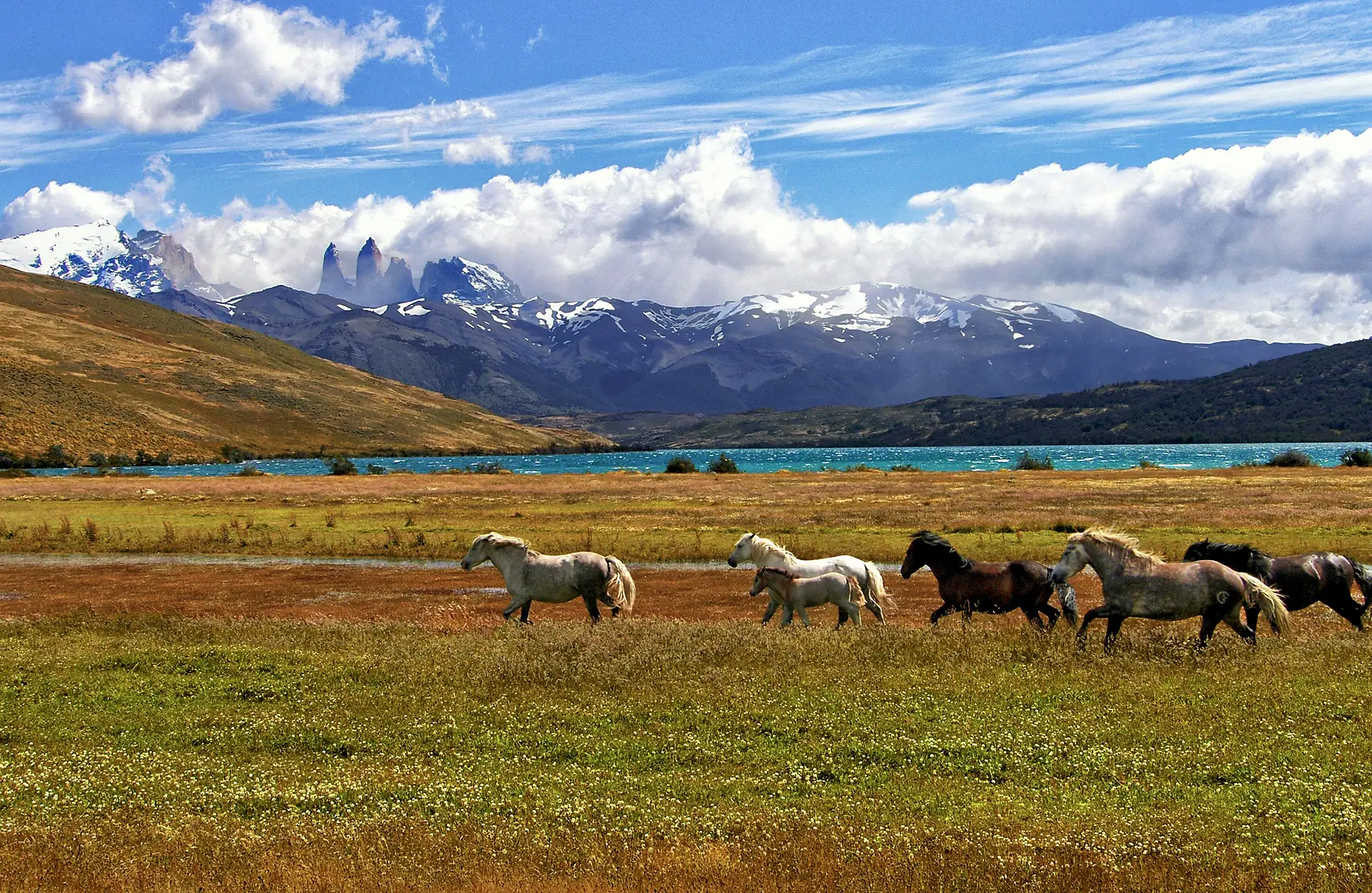
Guided Torres del Paine: W Trek vs. O Circuit Tours
Torres del Paine is the engine room of Patagonian trekking. Most guided tours here start and end in Puerto Natales, including all transportation and the necessary catamaran crossings across Lake Pehoé.
The W Trek is the most sought-after guided experience. Because the trail is so popular, the value of a guide here lies in their ability to secure refugio availability—which for the 2026/27 season typically opens in staggered windows between April and June 2026—and provide geological context that you would otherwise miss. Most guided W Treks are “Full Board,” meaning every meal from lunch on day one to lunch on day five is included. This eliminates the need to carry heavy food bags or cooking stoves.
The O Circuit is a different beast. A guide is highly recommended, and for some less experienced groups, essential, due to the crossing of the John Garner Pass. At 1,200m, the pass is notorious for winds that can exceed 100 km/h, and the descent is a steep, knee-jarring scramble through mud and roots. Guides monitor weather windows closely and can make the “go/no-go” call that ensures safety.
If booking the O Circuit, ensure your tour operator includes a “buffer day” or flexible itinerary for the John Garner Pass. If the wind is too high, rangers will close the pass, and a rigid schedule can result in you missing the backside of the park entirely.
For a granular look at specific operators, departure dates, and detailed inclusions for the park’s most famous route, visit our dedicated page on guided W Trek tours. You can also find more general route information on our W Trek destination page and the O Circuit destination page.
Guided Trekking in El Chaltén & Los Glaciares
Trekking tours in El Chaltén, Argentina, operate differently than those in Chile. Known as the “National Capital of Trekking,” the town sits at the foot of the mountains, allowing for a unique “Basecamp” culture.
Many tours here involve day-hiking from a comfortable hotel in town, but the true multi-day expeditions head into the backcountry of Los Glaciares National Park. The Fitz Roy Traverse typically involves camping at sites like Poincenot or Laguna Capri to catch the sunrise on the granite peaks. Unlike the Chilean refugios, these camps are basic, meaning your tour operator will be providing all tents, sleeping bags, and meals.
The most prestigious guided trek in this region is the Huemul Circuit. This is not a trek for the casual hiker. It involves two technical river crossings where you must use a climbing harness and a pulley system to zip-line across the water. Guided tours are vital here because operators provide the technical gear and the safety training required for these crossings.
As of 2025, the Huemul Circuit requires a mandatory permit from the Los Glaciares National Park office. While a registered guide is not legally required for all international trekkers, you must present the required technical gear (harness, carabiners, and cord) to rangers to secure your permit.
If you are planning to tackle this route, our Huemul Circuit guide provides the technical breakdown you’ll need to prepare.
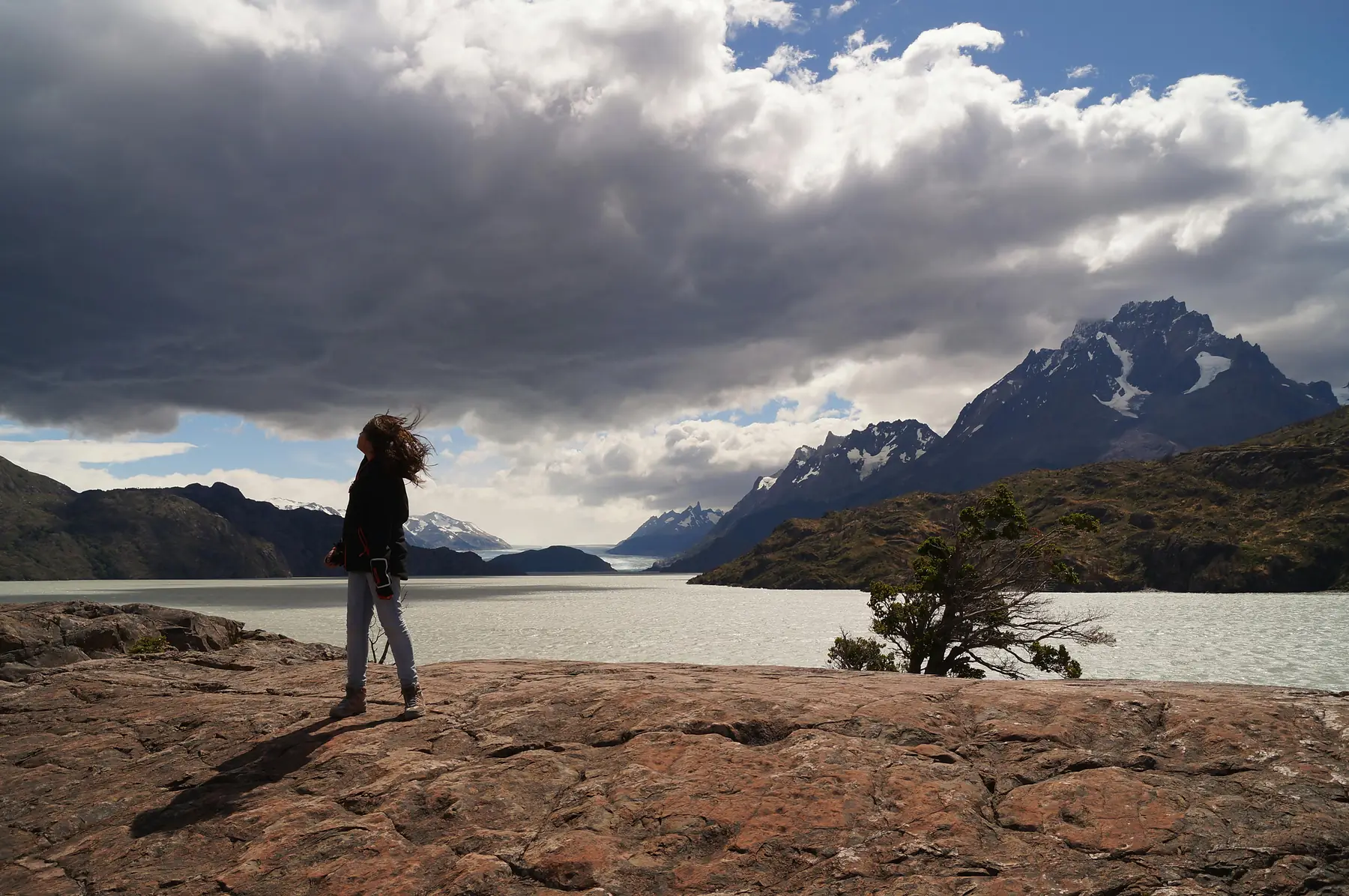
Off-the-Beaten-Path Guided Expeditions
For those who have already seen the “Big Two” (Torres del Paine and Fitz Roy), Patagonia offers several remote expeditions that require significant logistical support and expert navigation.
One of the most complex is the O’Higgins to El Chaltén border crossing. This isn’t a single trek, but a multi-day combination of ferries and a 22km hike through “no man’s land” between Chile and Argentina. Guided tours are invaluable here as they coordinate the two different boat operators (one on Lago O’Higgins, one on Lago del Desierto) and handle the luggage transfer via horse or tractor across the muddy border tracks.
Further south, the Dientes de Navarino on Isla Navarino is the southernmost trek in the world. This is a five-day wilderness experience with no refugios and very few marked trails. A guide is essential for navigating the “scree” slopes and the unpredictable sub-Antarctic weather. In the north, the Jeinimeni to Avilés Valley trek in the newly formed Patagonia National Park offers a transition from arid pampa to lush temperate rainforest, a route that is still being mapped and refined by local operators.
The ultimate challenge remains the Southern Patagonian Ice Field expedition. These are technical 8-12 day trips requiring crampons, sleds to haul gear, and experience in crevasse rescue. These tours are only run by specialized mountain guides (AAGM or UIAGM certified) and offer a level of isolation found nowhere else on Earth.
What’s Included? Comparing Patagonia Trekking Tour Costs
The cost of a Patagonia trekking tour varies wildly based on the level of support and the exclusivity of the accommodation. For the 2026/27 season, you should budget within the following tiers.
Budget Tiers ($1,500–$2,000 USD): These tours are typically group departures (12-16 people) and are camping-only. You will likely be expected to carry your own sleeping bag, mat, and personal clothing (approx. 10-12kg). Meals are simple but filling, often prepared by the guide.
Mid-Range ($2,500–$4,000 USD): This is the “sweet spot” for most travelers. These tours often utilize a mix of refugios and pre-set camps. They usually include all transport from gateway cities like Puerto Natales or El Calafate. Porter support is common for group gear, and some tours include a “personal porter” allowance (usually 5kg) to lighten your load.
Premium ($5,000+ USD): Premium tours offer private guides, boutique lodge stays (like EcoCamp’s Suite Domes), and gourmet catering. You will typically only carry a small daypack with water and a camera. These itineraries often include internal private transfers or even helicopter hops to reach remote glaciers.
When comparing prices, check if the “Park Entrance Fees” are included. Park entry tickets for Torres del Paine must be purchased separately at pasesparques.cl — a multi-day pass (required for the W Trek) costs CLP 48,500 and a 1-day pass costs CLP 32,400.
Before you book, make sure you understand what gear you are responsible for. Our trekking packing list covers the essentials that most tour operators expect you to bring, versus what they will provide.
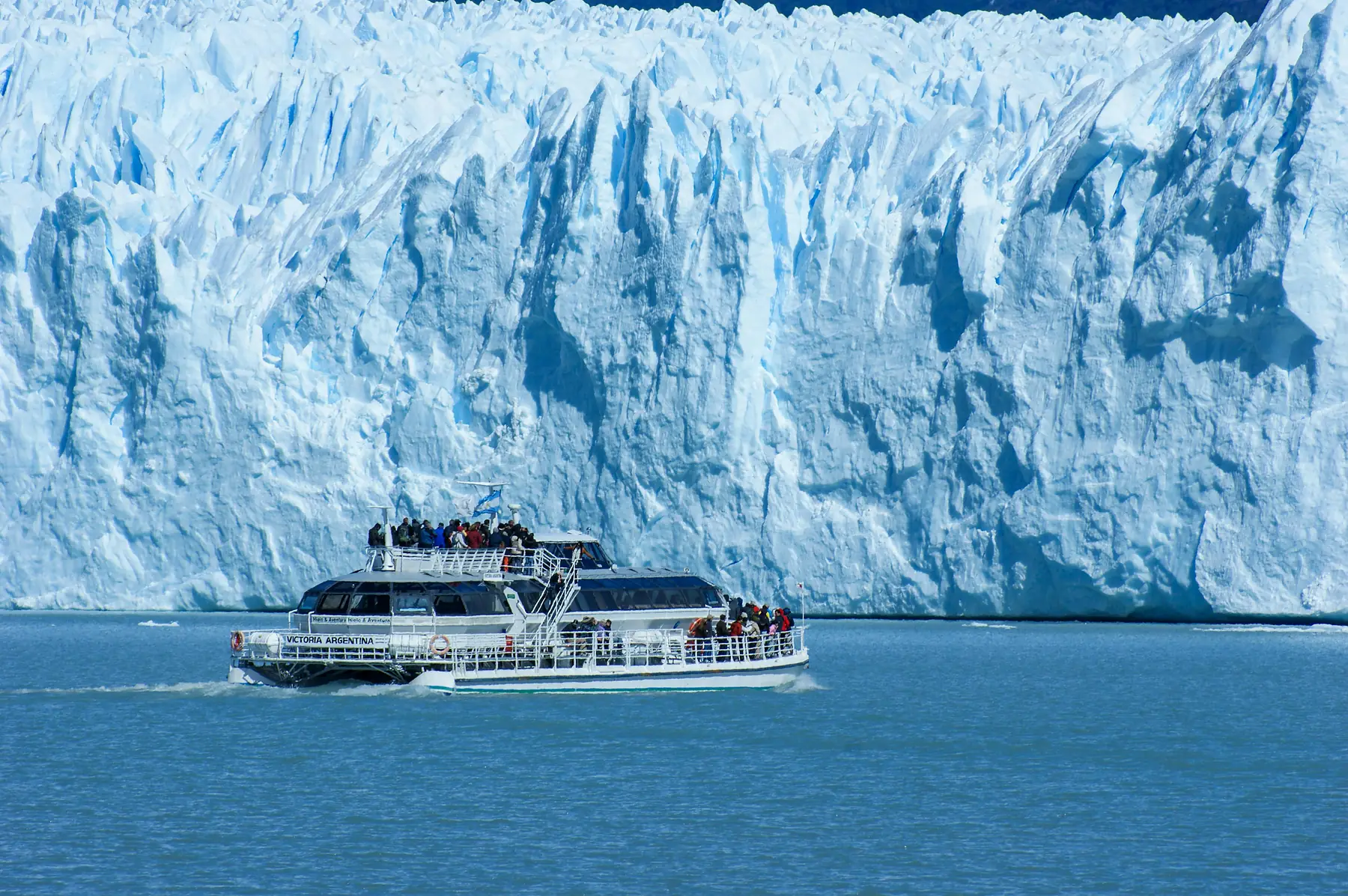
How to Choose a Patagonia Trekking Tour Company
The operator you choose will define your experience. While international brands offer the security of US or UK-based consumer protection, local operators often have the most experienced guides and the best “on-the-ground” flexibility.
When vetting a company, ask specifically about their guide-to-guest ratio. For technical treks like the Huemul or O Circuit, a 1:6 ratio is the industry gold standard for safety. For the W Trek, 1:10 is acceptable. You should also verify that your guides hold Wilderness First Responder (WFR) certifications, which are the baseline for handling medical emergencies in remote areas.
Sustainability is the final, crucial factor. Look for companies with B-Corp certification or those that explicitly follow Leave No Trace principles. In a region as fragile as Patagonia, the best companies are those that actively participate in trail maintenance and local reforestation projects.
Fitness Requirements and Preparation for Multi-Day Tours
A guided tour makes the trek easier, but it does not make it easy. You will still be walking between 15km and 22km per day over uneven, rocky terrain.
The “Patagonia Factor” is the wind. Walking 10 miles on a paved path at home is incomparable to walking 10 miles against a 60 km/h headwind that is actively trying to push you off the trail. This wind increases “cumulative fatigue,” meaning you will feel more tired on day three than the mileage suggests.
If you choose a “Portered” tour, you will carry roughly 5-7kg (water, snacks, extra layers). If you choose a “Self-Carry” tour, your pack will be closer to 12-15kg. We recommend a training timeline of 3-6 months, focusing on stair climbing and hiking with a weighted vest to condition your knees and ankles for the descent.
Assess Your Load
Decide if you want a portered or self-carry tour. This choice determines your entire training regimen.
Focus on Vertical
Patagonia trails are rarely flat. Train on hills or a StairMaster rather than a flat treadmill.
Break in Your Boots
Never start a multi-day Patagonian tour in new boots. Aim for at least 50km of “break-in” time before you arrive in Chile or Argentina.
For more help on timing your trip to catch the best weather for your fitness level, check our guide on the best time to visit Patagonia.
FAQ
How much does a Patagonia multi day trekking tour cost for the 2026 season? Prices range from $1,800 for basic camping tours to over $6,000 for luxury lodge-to-lodge experiences, depending on the circuit and level of support. Mid-range options typically fall between $2,500 and $4,000.
Is the W Trek Patagonia better guided or self-guided? While the W Trek is well-marked for solo hikers, a guided tour handles difficult permit bookings and provides deep context on the region’s unique geology and flora. For many, the lack of logistical stress makes the guided option superior.
What is the best month for a Patagonia multi day trekking tour? The peak season is December through February for the most stable weather, but November and March offer fewer crowds and better wildlife viewing for guided groups. Shoulder months require more robust gear for colder nights.
Do Patagonia trekking tour companies provide sleeping bags and tents? Most full-service operators provide high-quality four-season tents and sleeping mats, though many charge a small supplemental fee for sleeping bag rentals. Always confirm if a “camping” tour includes the sleeping bag or just the tent.
Are porters included in a standard Torres del Paine multi day trekking tour? Most “Standard” guided tours include porters for group gear like tents and food, but “Premium” tours often include personal porters to carry your clothing and equipment. You can often “add-on” a personal porter for an extra daily fee.
How far in advance should I book a Patagonia multi day trekking tour? For popular routes like the O Circuit or W Trek, you should book at least 6–9 months in advance to secure coveted refugio and campsite permits. Last-minute bookings are rare and usually limited to camping-only options.