
Whale Watching in Patagonia: 2026 Guide to Seasons & Spots
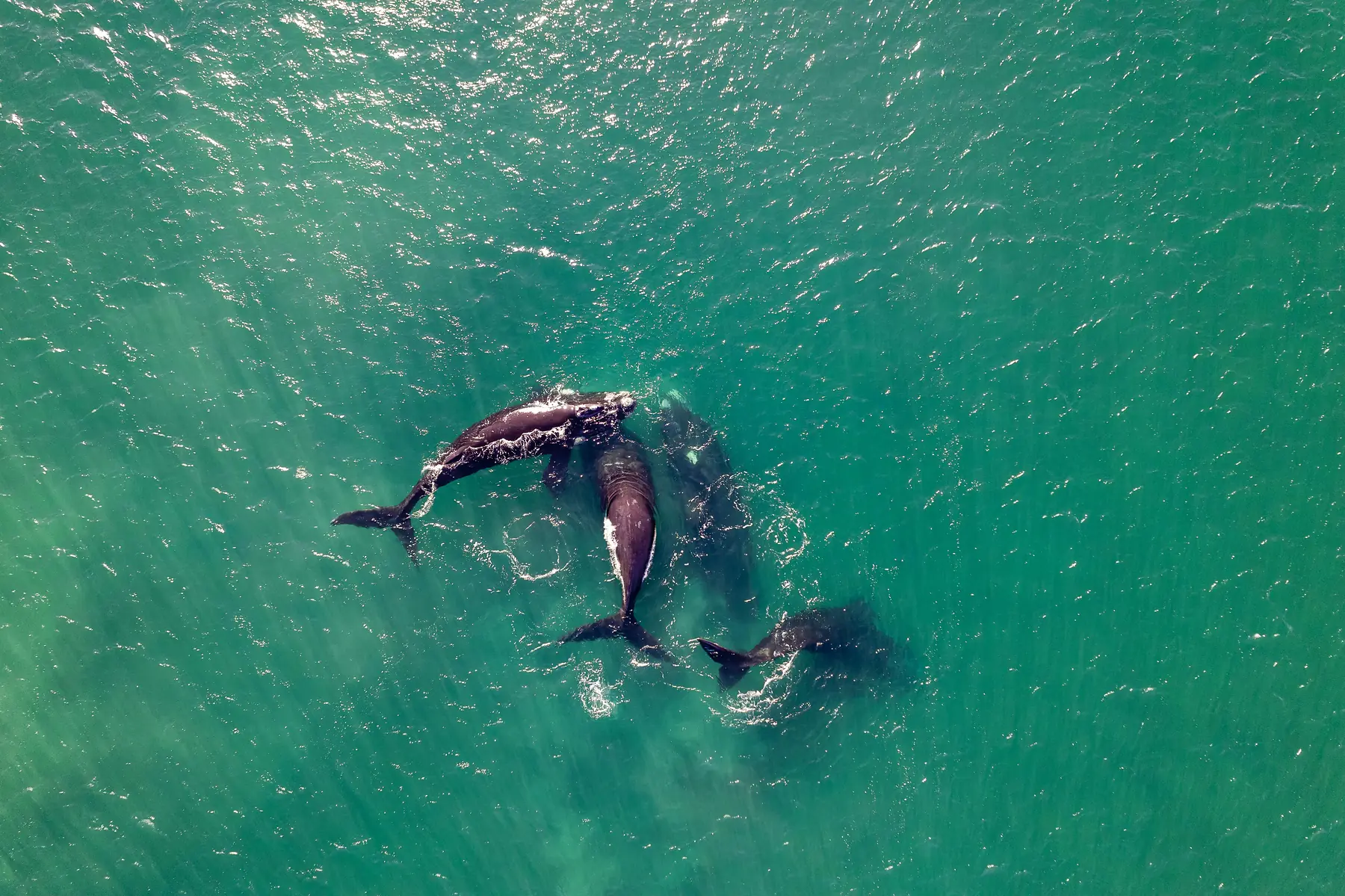
Patagonia is the premier destination for whale watching in the Southern Hemisphere, with the 2026 season offering peak sightings from June through December. While the Atlantic coast of Argentina serves as a massive, sheltered nursery for Southern Right whales, the Pacific fjords of Chile provide a wilder feeding ground for Humpback and Blue whales.
The experience of seeing these giants is defined by this coastal split. In the east, the waters are calm and the whales are often visible from the shore. In the west, the encounters are more expeditionary, requiring boat travel into the deep fjords of the Strait of Magellan or the Corcovado Gulf. Whether you are watching a mother Southern Right whale teach her calf to breach in the Golfo Nuevo or tracking the elusive spout of a Blue whale off Chiloé, the scale of these encounters is unmatched globally.
Patagonia Whale Watching At-a-Glance
- Peak Season: September to October (Argentina); December to March (Chile)
- Primary Species: Southern Right, Humpback, Blue, and Orca
- Top Location (Argentina): Peninsula Valdés (UNESCO World Heritage site)
- Top Location (Chile): Francisco Coloane Marine Park
- Unique Experience: Shore-based watching at Playa El Doradillo
- 2026 Forecast: Stable migration patterns expected with high calf counts in Golfo Nuevo
The Giants of the South: Whale Species in Patagonia
Four primary species frequent Patagonian waters, each occupying a specific niche in the regional ecosystem. Understanding their behavior is the first step in choosing where to go, as their habitats rarely overlap.
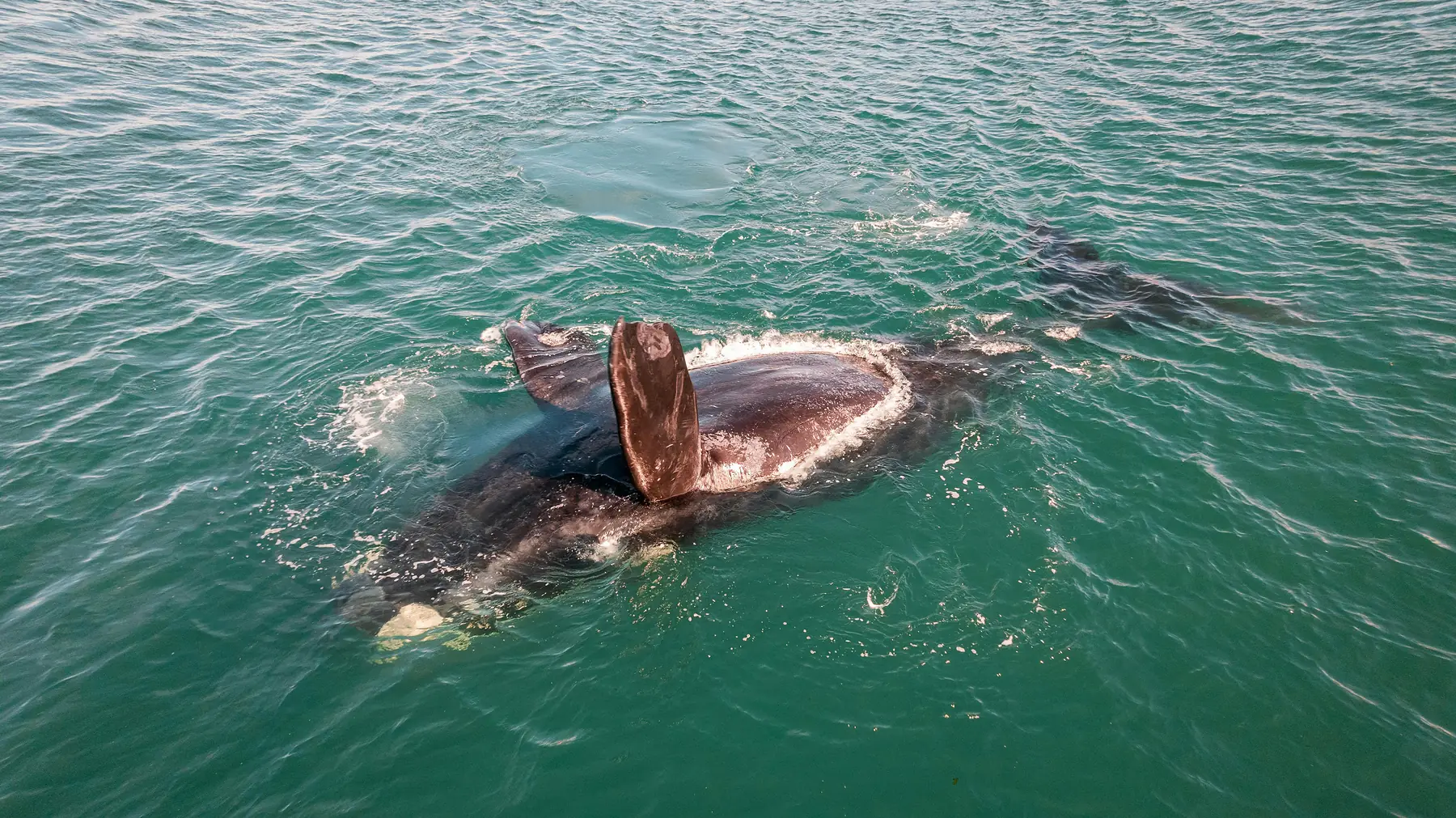
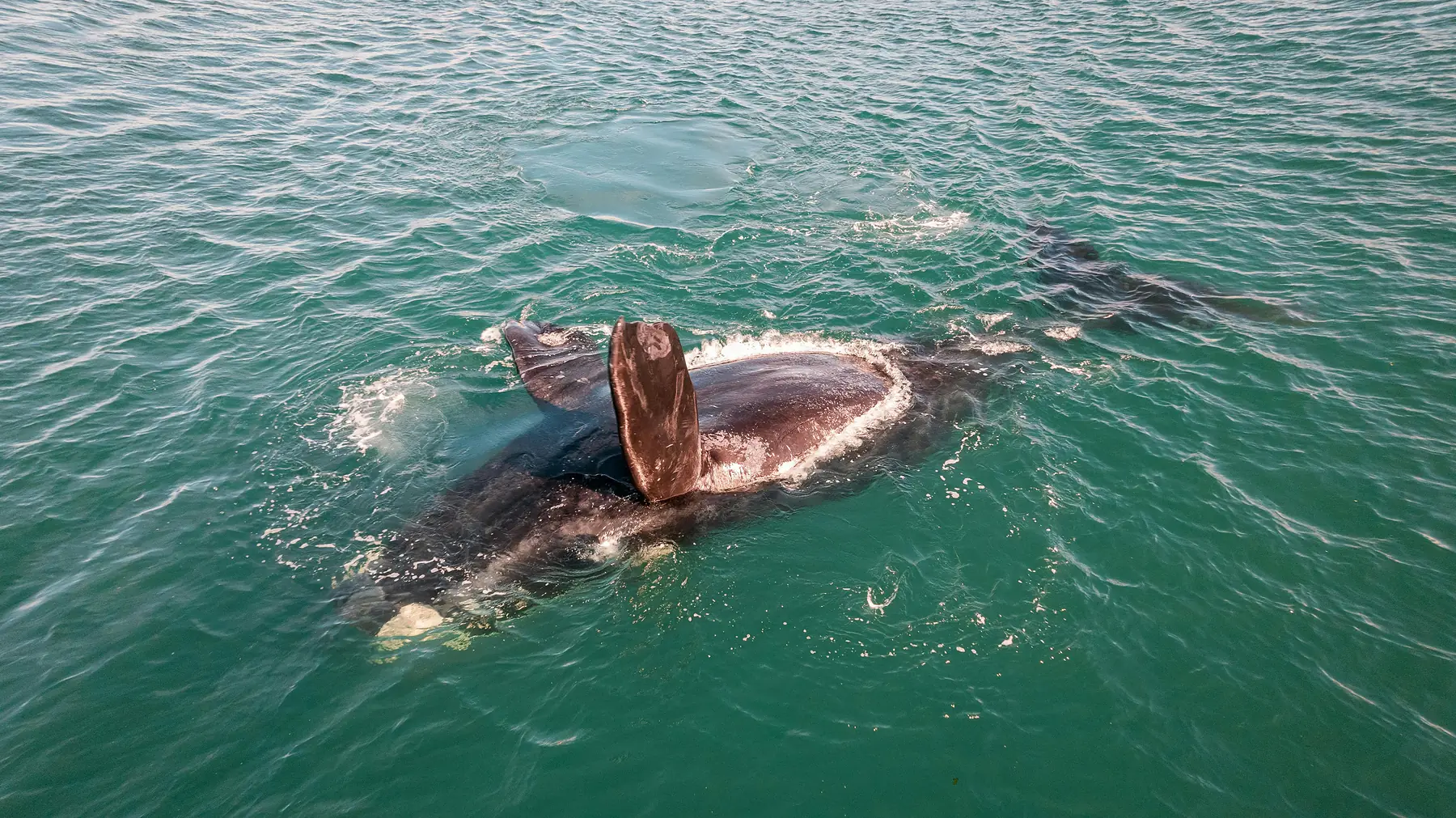
Southern Right whales are the undisputed stars of the Atlantic coast. They are easily identified by callosities, which are rough patches of skin on their heads that are unique to each individual, much like a human fingerprint. Historically, they were named “Right” whales because they were the “right” ones to hunt: they are slow swimmers, float when dead, and are naturally curious, often approaching boats. Today, that same curiosity makes them the most accessible species for travelers.
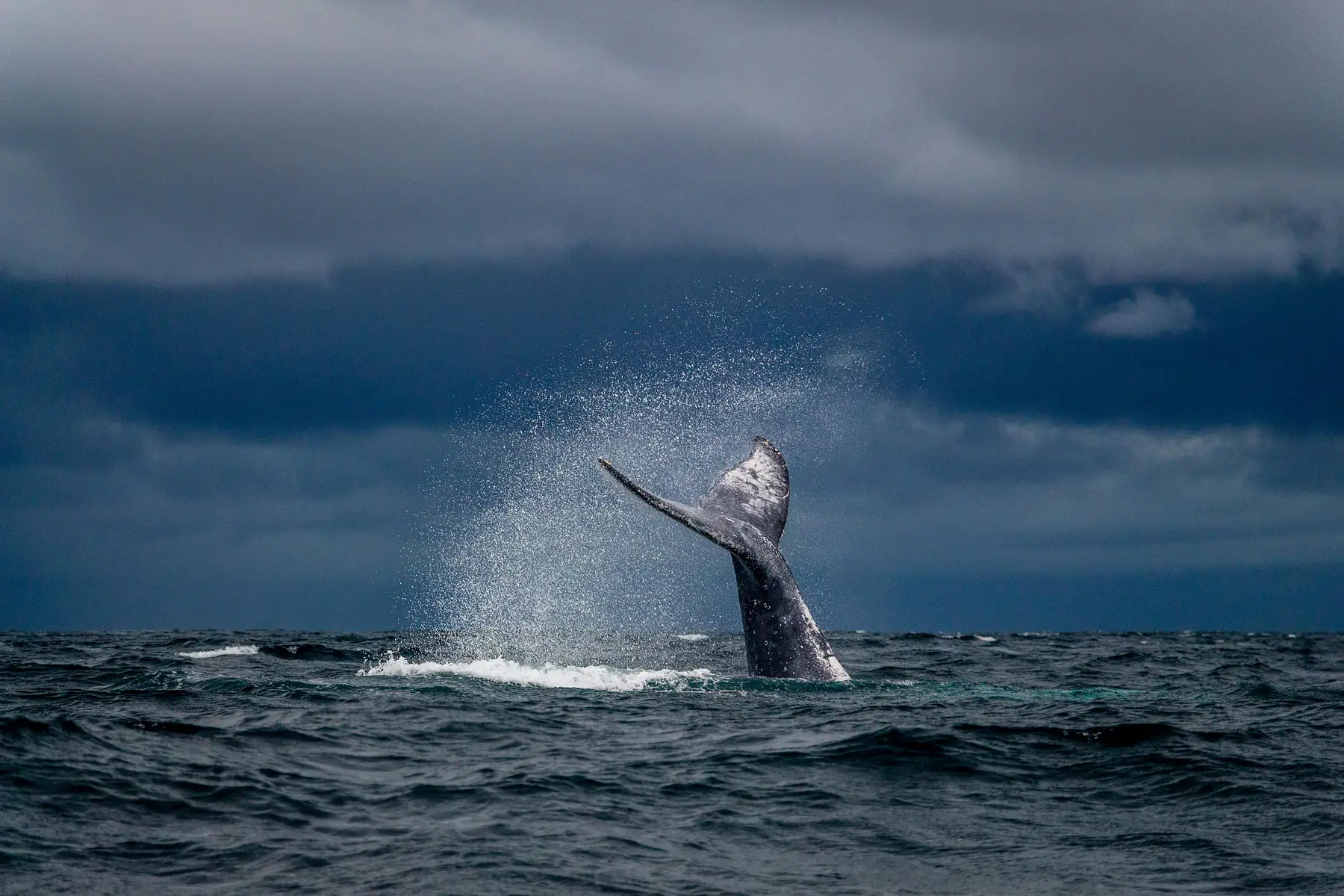
In the Pacific fjords, Humpback whales take center stage. These are the most acrobatic of the great whales, known for dramatic breaches and “bubble-net” feeding, a sophisticated cooperative hunting technique where they blow bubbles to trap schools of fish. While they are found throughout the Chilean coast, the highest concentrations are in the nutrient-rich waters of the Strait of Magellan.
The Corcovado Gulf in Chile offers a rare opportunity to see the Blue whale. The individuals found here are often classified as a “pygmy” subspecies (Balaenoptera musculus brevicauda), though they still reach staggering lengths of up to 24 meters. Seeing one is a test of patience, as they are fast-moving and spend significant time on deep dives.
Finally, while technically part of the dolphin family, Orcas are a major draw in the region. They are most famous for their “intentional beaching” hunting technique at Peninsula Valdés. This is the only place on Earth where Orcas deliberately run themselves aground to hunt, a behavior passed down through specific family pods. They target sea lion pups at Punta Norte (typically March–April) and elephant seal pups at Caleta Valdés (typically October–November). To learn more about the broader ecosystem these giants inhabit, explore our Patagonia wildlife directory.
Peninsula Valdés, Argentina: The World’s Best Nursery
Peninsula Valdés is arguably the most significant breeding ground for Southern Right whales on the planet. The geography of the peninsula creates two massive, protected bays, Golfo Nuevo and Golfo San José, where the water is shallow, highly saline, and exceptionally calm. This environment is perfect for mothers to nurse their calves without the threat of heavy swells or deep-sea predators.
The primary gateway for boat-based encounters is Puerto Pirámides. This small coastal village is the only authorized departure point for whale-watching vessels within the Peninsula Valdés UNESCO site. The launch process here is unique: because there is no deep-water pier, boats are pushed into the surf by massive tractors, allowing passengers to board while the vessel is still on its trailer.
For those seeking a different perspective, the “Yellow Submarine” has become a landmark experience in Puerto Pirámides. This semi-submersible vessel allows you to view the whales from a submerged gallery below the waterline, providing a rare look at their underwater movements and the way calves interact with their mothers.
- Viewing Perspective: Above water only (Standard Boat Tour)
- Viewing Perspective: Above and below water (Yellow Submarine)
- Duration: 1.5 hours (Standard Boat Tour)
- Duration: 1.5 hours (Yellow Submarine)
- Capacity: Up to 60 passengers (Standard Boat Tour)
- Capacity: 50 passengers (Yellow Submarine)
- 2026 Price: Approximately $100–$140 USD (Standard Boat Tour)
- 2026 Price: Approximately $240–$280 USD (Yellow Submarine)
The Yellow Submarine is a superior choice for photographers and those who want to see underwater behavior, but the Standard Boat is better for seeing breaches and surface activity.
Beyond the boats, Patagonia offers one of the world’s best free wildlife experiences at Playa El Doradillo. Located just 15 kilometers from Puerto Madryn, this beach has a steep offshore drop-off that allows Southern Right whales to swim within 15 to 20 meters of the shoreline. During high tide in August and September, you can sit on the pebbles and hear the powerful “blow” of a whale just a few dozen feet away.
Francisco Coloane Marine Park, Chile: Humpbacks in the Fjords
The Francisco Coloane Marine Park is Chile’s premier whale-watching destination, located in the heart of the Strait of Magellan. Unlike the calm bays of Argentina, this is a rugged, maritime wilderness accessible only by boat from Punta Arenas. The park was the first marine protected area in Chile, specifically designed to safeguard the feeding grounds of the Humpback whale.
The experience here is deeply immersive. Many travelers opt for “eco-camp” stays on Carlos III Island, where you live alongside researchers. This allows for multiple days of tracking whales through the fjords, often accompanied by sightings of Sei whales and occasional Orca pods. The backdrop of hanging glaciers and dense sub-antarctic forest makes this a visually dramatic alternative to the Atlantic coast.
The Strait of Magellan can be notoriously choppy, even in summer. If you are prone to sea sickness, the multi-day expedition cruises are generally more stable than the smaller day-boats departing from Punta Arenas.
To see how these excursions fit into a broader itinerary, including visits to nearby penguin colonies, see our guide to booking wildlife tours in Patagonia.
The Corcovado Gulf: Tracking the Blue Whale
Tracking Blue whales in the Corcovado Gulf is an experience reserved for those who value the rarity of the encounter over the frequency of sightings. The gateway to this region is Chiloé Island, specifically the small village of Puñihuil. From here, local boats and larger expedition vessels venture into the gulf to find the largest animal to have ever lived.
The challenge of seeing Blue whales lies in their physiology. They are fast, sleek, and can stay submerged for long periods. Unlike Humpbacks, they rarely breach. Instead, you look for their massive, columnar “blow,” which can reach nine meters in height. The best way to see them is via expedition cruises that navigate between Melinka and Chiloé, as these vessels have the range to follow the whales as they move through the nutrient-rich currents.
Because this region is more remote and the sightings less guaranteed, it is often combined with other wildlife highlights. You can find more information on how to integrate Chiloé into your trip in our guide to the best wildlife spots in Patagonia.
Whale Watching Season in Patagonia: A Month-by-Month Calendar
Timing is everything when planning a whale-watching trip. While the general season runs from June to April, the species you see will change depending on the month.
- June – August: The Southern Right whales arrive in the bays of Peninsula Valdés. This is a time of high energy as males compete for mates. The weather is cold and often windy, but the sightings are reliable.
- September – October: The absolute peak for Argentina. This is when the highest concentration of whales is present, and mothers are frequently seen with newborn calves. It is also a peak time for Orcas to hunt at Caleta Valdés.
- November – December: Calves are now larger and more active, often practicing their breaching skills. By late December, the Southern Rights begin their migration back to open waters.
- January – April: The focus shifts entirely to Chile. This is the prime window for Humpback whales in the Strait of Magellan and Blue whales in the Corcovado Gulf.
If you are trying to decide which month fits your broader travel plans, our Patagonia wildlife calendar provides a side-by-side comparison of whale, penguin, and puma seasons.
Logistics: How to Plan Your Whale Watching Trip
Reaching Patagonia’s whale hubs requires careful flight planning, especially during the October peak. For the Argentine side, you should fly into either Trelew (REL) or Puerto Madryn (PMY). Trelew is a larger airport with more frequent connections from Buenos Aires, while Madryn is closer to the action but has fewer flights. For the Chilean side, Punta Arenas (PUQ) is the primary hub, with daily flights from Santiago.
Book Flights Early
Internal flights in Argentina and Chile can fill up months in advance for the September-October peak. Aim to book at least four months out.
Choose Your Base
In Argentina, stay in Puerto Madryn for convenience or Puerto Pirámides for immersion. In Chile, Punta Arenas is the only realistic base for day trips to Francisco Coloane.
Pack Specific Gear
Standard hiking gear is fine, but whale watching requires specific extras: polarized sunglasses to see through the water’s surface, a high-quality windbreaker for the boat spray, and a telephoto lens (300mm minimum) if you are serious about photography.
Ethical Whale Watching: The Patagonian Technique
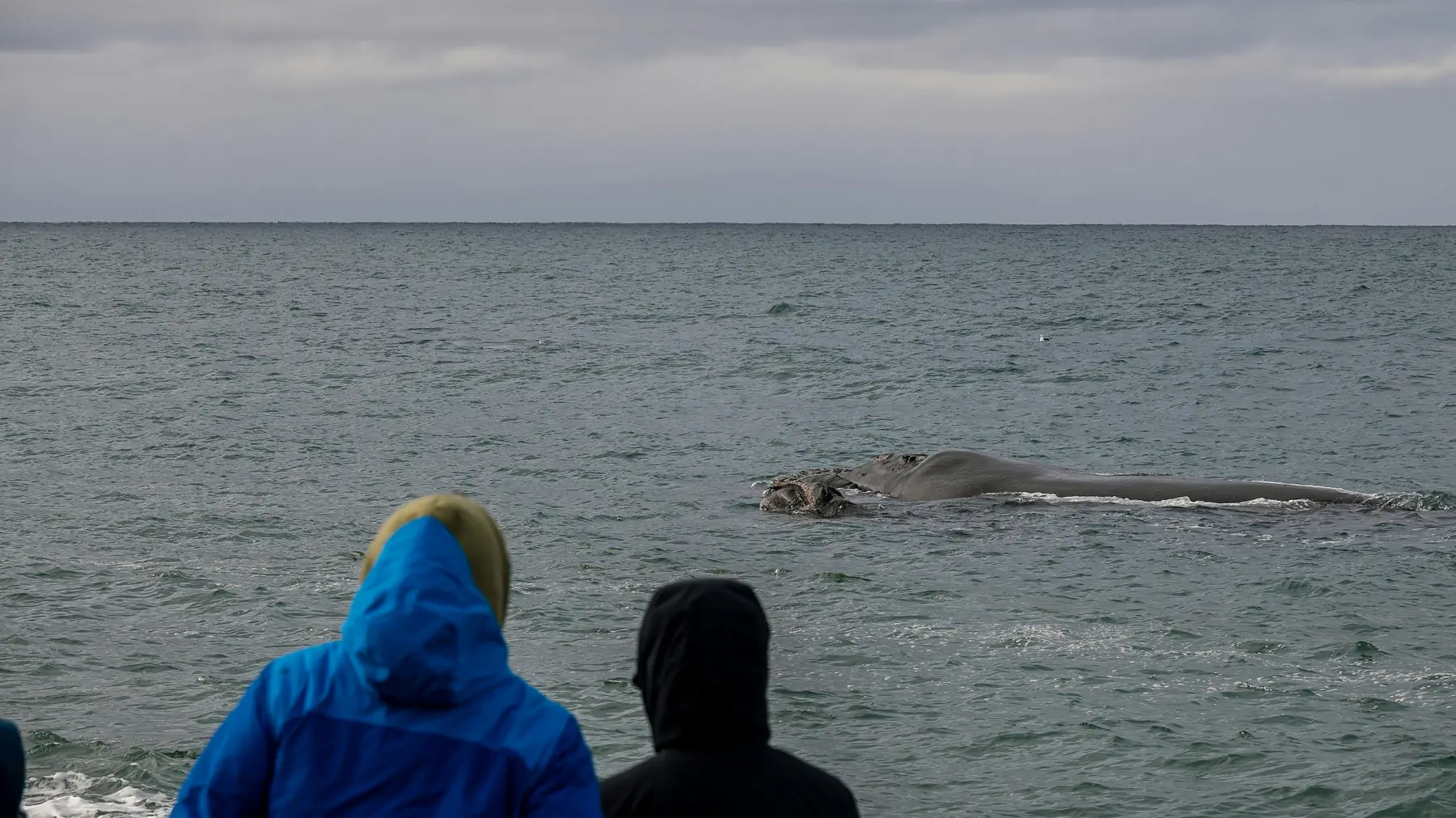
Patagonia is a leader in responsible whale watching through the implementation of the “Patagonian Technique.” This set of regulations is strictly enforced to ensure that tourism does not disrupt the whales’ natural behaviors, particularly mating and nursing.
Under these rules, boat captains are prohibited from approaching whales directly. Instead, they must cut the engines at a distance and wait. If the whales are curious, they will approach the boat. This ensures that every encounter is on the animal’s terms. Furthermore, the use of drones is strictly regulated and generally banned in the vicinity of whales, as the noise can cause significant stress to mothers and calves.
A portion of the fees from every whale-watching tour in Peninsula Valdés goes toward the Whale Conservation Institute (ICB). This funding supports long-term photo-identification projects that have been tracking individual Southern Right whales since the 1970s, making this one of the most well-documented whale populations in the world.
Related guides for wildlife lovers
If you are planning a wildlife-focused journey, these resources will help you round out your itinerary:
FAQ
What is the best month for whale watching in Patagonia? September and October are the peak months, offering the highest concentration of Southern Right whales in Argentina and the best chance to see mothers with calves.
Can you see whales from the shore in Puerto Madryn? Yes, at Playa El Doradillo (15km from town), Southern Right whales swim within meters of the shoreline, making it one of the best free whale-watching spots in the world.
Are there orcas in Patagonia? Yes, orcas are found year-round but are most famous for “intentional beaching” to hunt at Peninsula Valdés. This occurs at Punta Norte (March–April) and Caleta Valdés (October–November).
How much does a whale watching tour in Patagonia cost? For the 2026 season, expect to pay between $100–$140 USD for a standard boat tour and approximately $240–$280 USD for the semi-submersible “Yellow Submarine” experience.
Do I need to book Patagonia whale tours in advance? For the peak months of September and October, booking at least 2-3 months in advance is highly recommended as boat capacities are strictly limited by law.
Is whale watching in Chile different from Argentina? Yes, Argentina (Peninsula Valdés) is best for Southern Right whales in calm bays, while Chile (Magellan Strait) is the premier spot for Humpback and Blue whales in a fjord environment.