
Glamping Patagonia: 12 Best Luxury Eco-Domes & Yurts (2026)
Glamping in Patagonia is the best way to experience the region’s raw wilderness without sacrificing the comforts of a boutique hotel. By choosing a geodesic dome or luxury yurt, you gain direct access to national park trails and dramatic mountain views while sleeping in a real bed with high-quality linens.
This guide covers the premier glamping sites across both Chile and Argentina for the 2026/27 season. Whether you are looking for an all-inclusive trekking base in Torres del Paine or a secluded forest retreat in El Chaltén, these properties represent the intersection of low-impact architecture and high-end hospitality. Unlike traditional Patagonian accommodation, glamping allows you to remain immersed in the landscape long after the day-hikers have returned to the city.
Patagonia Glamping at a Glance
- Season: September to April (Peak: December to February)
- Primary Structures: Geodesic domes, luxury yurts, and bell tents
- Average Price: $300 - $1,500 USD per night (as of 2026/27 season)
- Booking Window: 6-12 months in advance for peak season
- Key Regions: Torres del Paine (Chile), El Chaltén and El Calafate (Argentina)
Why Choose Glamping in Patagonia?
The primary reason to choose glamping over a traditional hotel is immersion. In a region defined by its weather and light, staying in a structure with canvas walls or panoramic windows means you are never truly “indoors.” You will hear the legendary Patagonian wind and see the first light hit the granite spires of the Andes without leaving your bed.
Sustainability is the second major factor. Geodesic domes have become the gold standard for eco-tourism in Patagonia because they are semi-permanent structures that require minimal foundations. This protects the fragile topsoil and allows for easier removal if the site is ever decommissioned. Most of these camps operate on renewable energy and use sophisticated composting systems to manage waste in remote areas.
Finally, glamping offers a unique social atmosphere. Most camps feature large communal domes for dining and lounging, fostering a sense of community among travelers that you rarely find in a standard hotel. If you prefer the privacy and service of a traditional high-end property, you may want to explore our guide to luxury Patagonia hotels instead.
Glamping is not “camping lite.” It is a specific travel category that prioritizes location and environmental ethics. Expect high-quality meals and expert guides, but be prepared for a more rustic aesthetic than a city-based five-star hotel.
Top Glamping Regions: Chile vs. Argentina
While both sides of the border offer world-class glamping, the logistics and experiences differ significantly. Understanding these differences is the first step in planning your itinerary.
In Chile, specifically around Torres del Paine National Park, glamping is almost exclusively an all-inclusive experience. Properties like EcoCamp Patagonia typically bundle accommodation, gourmet meals, and daily guided excursions into a single price. This model is ideal for travelers who want a seamless, worry-free trip where every logistical detail is handled by the camp staff.
In Argentina, the glamping scene is more flexible. In El Chaltén, many dome camps allow for “stay-only” bookings, giving you the freedom to choose your own trails and dine at local restaurants in town. This makes Argentinian glamping a better fit for independent hikers who want the dome experience but prefer to manage their own daily schedule.
Best Glamping in Torres del Paine, Chile
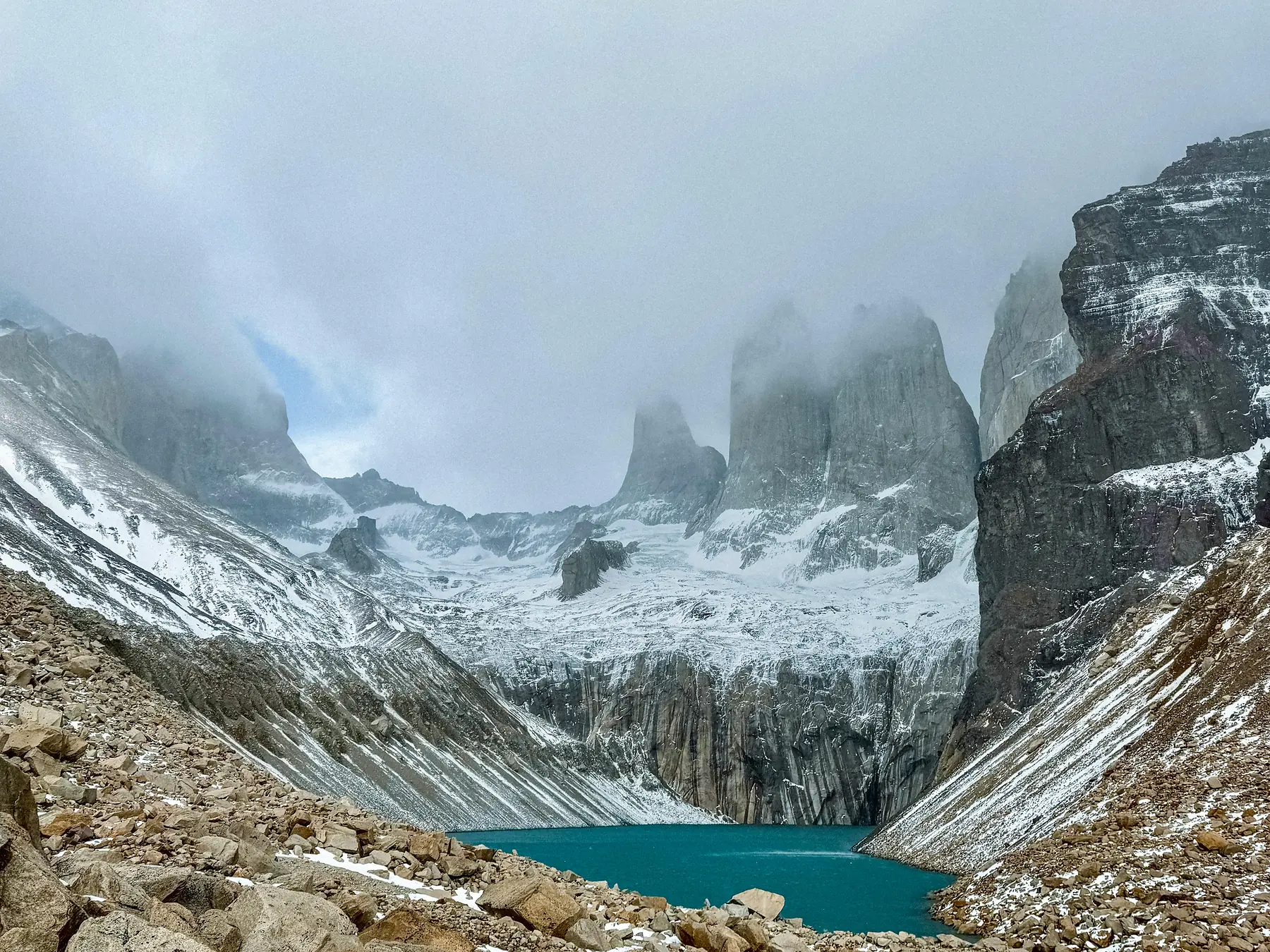
Torres del Paine is the birthplace of the modern glamping movement in South America. The properties here are situated either inside the park boundaries or on its immediate perimeter, offering unparalleled views of the Macizo Paine.
EcoCamp Patagonia
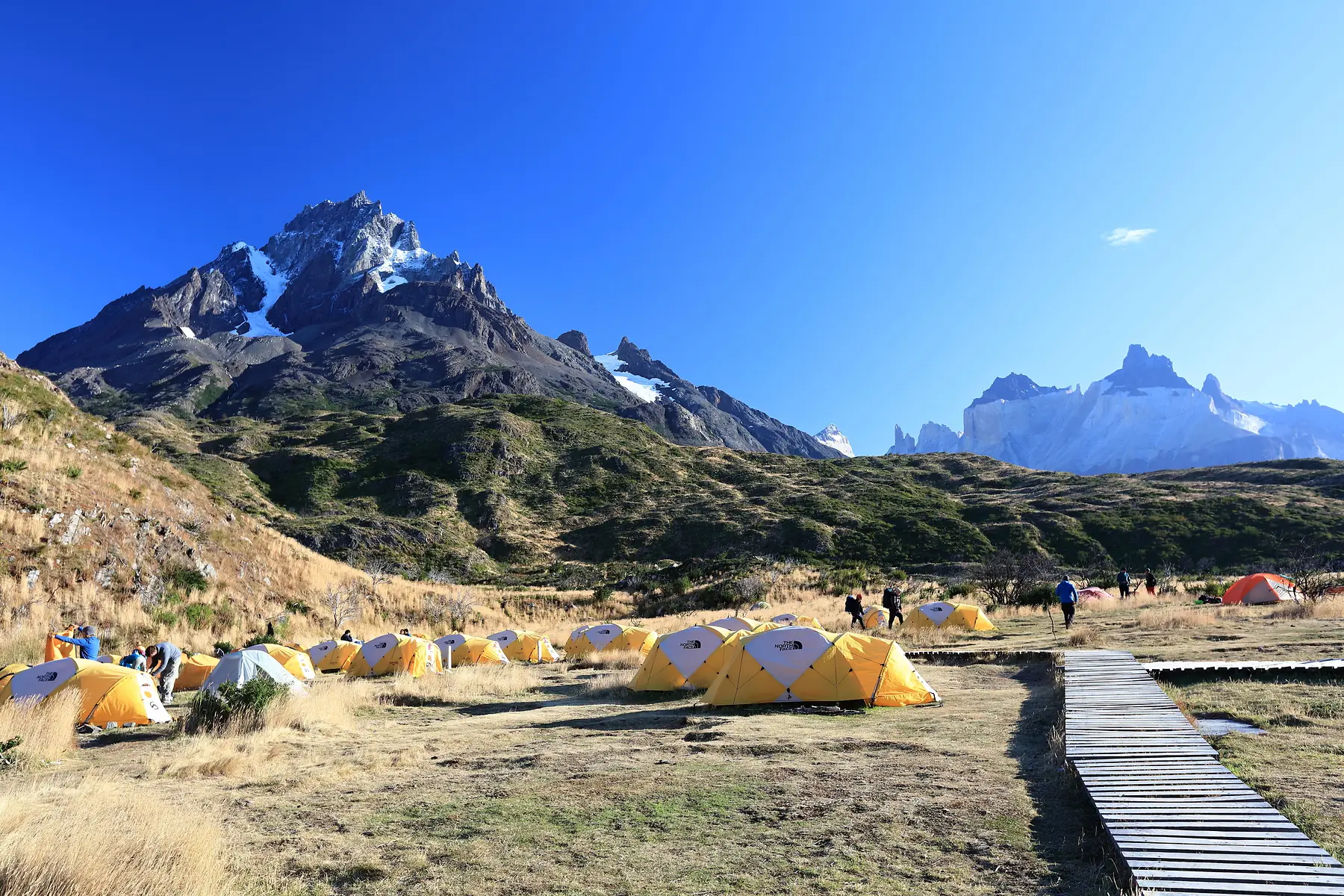
As the world’s first geodesic hotel, EcoCamp is an icon of sustainable travel. Located in the heart of the park, it serves as a primary base for those embarking on the W Trek or the full O Circuit. The camp is famous for its “community vibe,” centered around three massive interconnecting domes where guests share meals and stories. For the 2026/27 season, EcoCamp is scheduled to open in early September 2026.
Accommodation is divided into four categories:
- Standard Domes: Basic, non-heated, with shared bathrooms and no electricity. These offer the most authentic “nature” experience.
- Superior Domes: Feature propane heating, electricity, and private en-suite bathrooms.
- Suite Domes: Larger, with private terraces, wood-burning stoves, and private en-suite bathrooms.
- Suite Domes Loft: Two-story domes designed specifically for families or groups of up to four people.
Patagonia Camp
Located just outside the park on the shores of Lake Toro, Patagonia Camp offers a more secluded, intimate experience. Instead of domes, this property uses luxury yurts. Each yurt is built on a raised wooden platform and features a central skylight (the “cupola”) for stargazing from bed. Many of the premium yurts now include private outdoor jacuzzis, making this the top choice for couples and honeymooners. Note that Patagonia Camp typically requires a 3-night minimum stay for all-inclusive programs.
Serrano Camp
For travelers looking for a more accessible entry point into glamping, Serrano Camp is located near the Serrano River entrance. While slightly more basic than EcoCamp, it offers high-quality bell tents with real beds and a strong focus on zero-waste initiatives. It is an excellent hub for kayaking the Serrano River or visiting the nearby Puerto Natales.
The following comparison helps clarify which Chilean camp aligns with your travel style.
- Location: Inside Park (Las Torres) vs. Outside Park (Lake Toro)
- Structure: Geodesic Domes vs. Luxury Yurts
- Vibe: Social and Trekking-focused vs. Private and Romantic
- Heating: Wood-stoves (Suites) vs. Central Heating
- All-Inclusive: Standard vs. Optional
Choose EcoCamp for the social trekking atmosphere inside the park; choose Patagonia Camp for lakeside privacy and elevated luxury.
Best Glamping in El Chaltén & El Calafate, Argentina
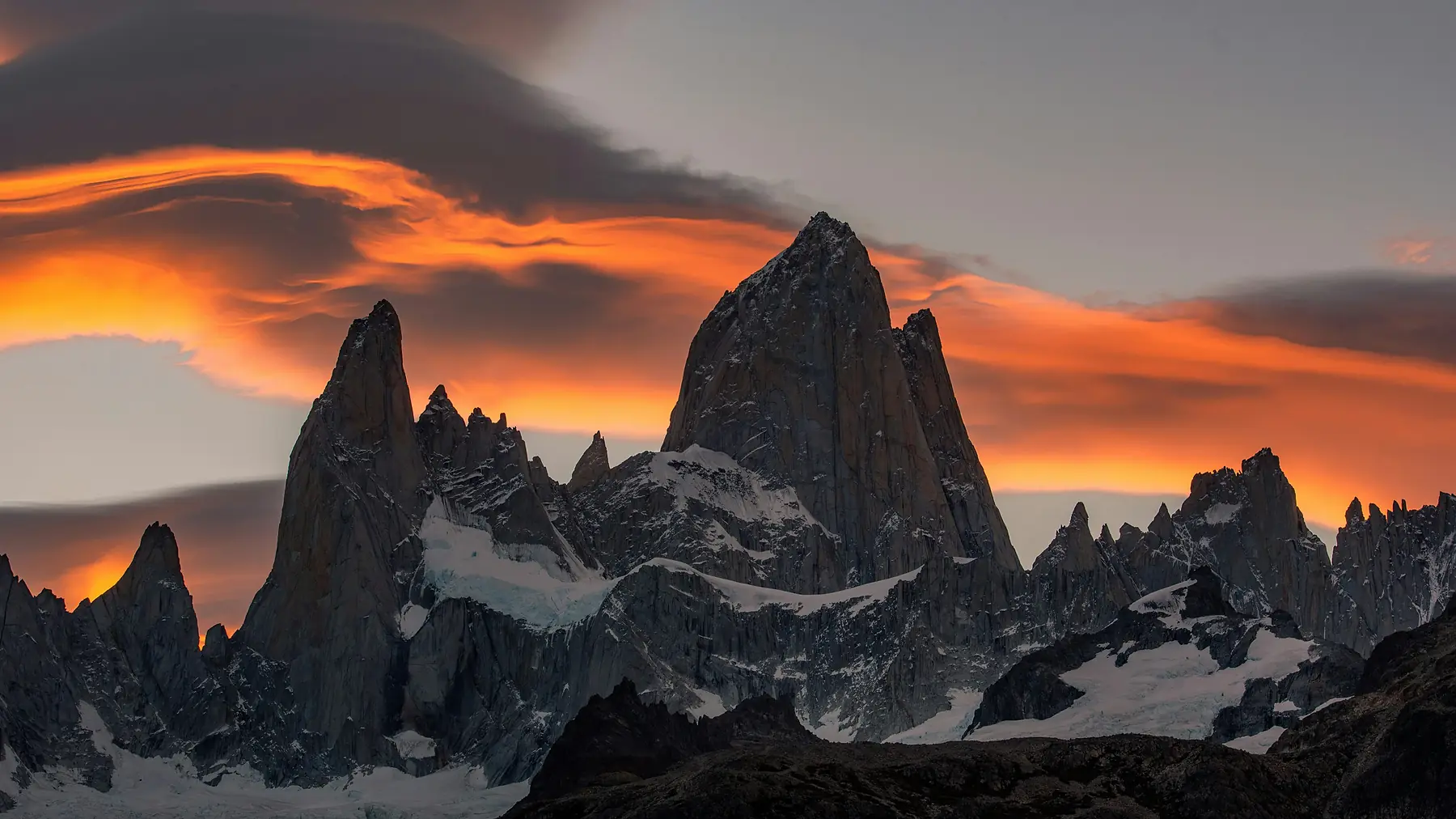
Glamping in Argentina focuses on the dramatic granite peaks of the Fitz Roy massif and the massive glaciers of the Southern Ice Field.
Chalten Camp
Situated in a private forest just 3 km outside the village of El Chaltén, Chalten Camp provides a “forest immersion” experience. The domes are elevated on platforms among the lenga trees, offering framed views of Mount Fitz Roy. Each dome is equipped with a high-efficiency wood-burning stove, which staff will light for you before you return from your hike.
Patagonia Eco Domes
This is arguably the best-located glamping site for serious hikers. It is situated on the road to Lago del Desierto and offers private, direct access to the Laguna de los Tres trailhead. By staying here, you can start your hike to the base of Fitz Roy before the crowds arrive from town. The domes are solar-powered (12V USB only) and feature en-suite bathrooms with hot water.
Pristine Luxury Camp (El Calafate)
Located on the private Estancia Dos Lagos near El Calafate, Pristine Camp represents the absolute pinnacle of Argentinian glamping. The domes are ultra-luxurious, featuring private hot tubs with direct views of the Perito Moreno Glacier across Lake Argentino. For the 2026/27 season, the camp offers 2-night and 3-night all-inclusive programs, with a 3-night minimum often recommended to fully experience the glacier excursions.
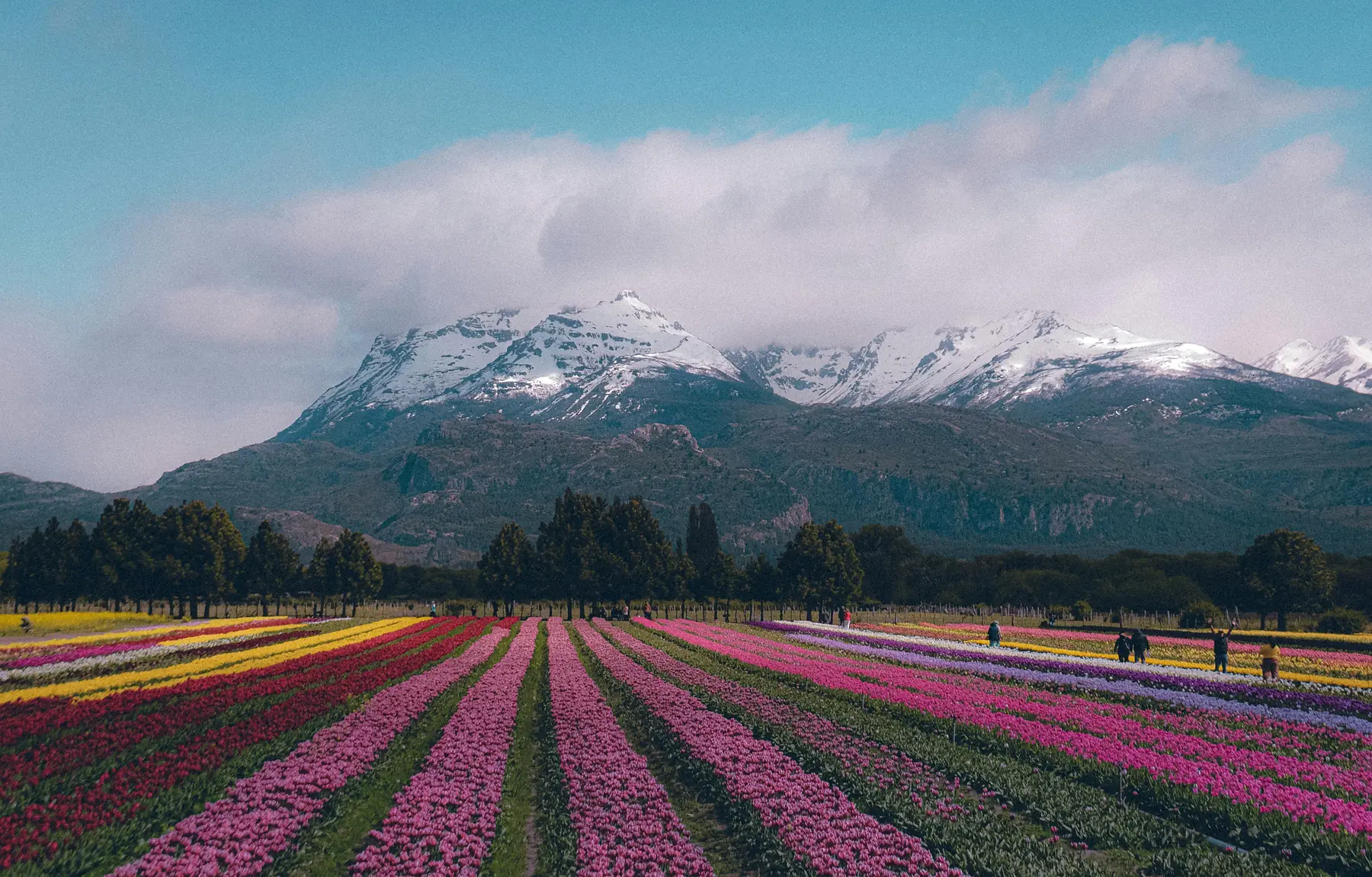
Off-the-Beaten-Path: Esquel, Trevelin & The Lake District
If you want to escape the crowds of the southern parks, the northern reaches of Patagonia offer emerging glamping options that are often more affordable and deeply connected to local culture.
Huemules Reserva de Montaña (Esquel): This camp is set within a 6,000-hectare private reserve. It is a haven for wildlife enthusiasts, where you can spot Magellanic woodpeckers and Patagonian foxes right from your dome. For those who want to combine glamping with traditional ranch culture, this property is closely linked to the local estancia lifestyle.
Nomade Glamping (Trevelin): Located near the famous tulip fields of Trevelin, this is a self-catered glamping option. It is perfect for travelers who want to explore the Welsh heritage of the region and visit local wineries while staying in a modern, stylish dome.
Vulcanche Glamping (Villa Traful): Situated in the northern Lake District near Bariloche, these lakeside domes feature private jacuzzis and offer a serene alternative to the busy hotels in the city.
Note that “Off-the-Beaten-Path” sites often have more limited transportation. You will likely need a rental car to reach properties in Esquel or Villa Traful comfortably.
Understanding the “Dome Life”: What to Expect
Glamping requires a slight shift in mindset compared to a standard hotel stay. While the beds are comfortable and the food is often gourmet, you are still living in a structure designed to be low-impact.
Heating and Insulation
Patagonia is cold, even in summer. Most premium domes use wood-burning stoves (salamandras) or propane heaters for heat. These are incredibly effective but require manual feeding if wood-based. In many camps, staff will enter your dome in the early morning to relight the fire so you wake up to a warm room. Standard or “budget” domes may rely solely on heavy fleece blankets and high-grade insulation.
Power and Connectivity
Most glamping sites operate “off-grid.” This means electricity is often limited to 12V or 220V provided by solar panels or micro-hydro turbines.
- Charging: You will almost always have a USB port in your dome for phones, but 220V outlets may only be available in the communal domes at off-grid sites like EcoCamp.
- Hair Dryers: These are prohibited at most off-grid glamping sites as they can trip the entire camp’s power system. However, high-end camps like Patagonia Camp provide them in-room as they have more robust power infrastructure.
- WiFi: Expect a “Digital Detox.” While some camps are installing Starlink, many purposefully limit WiFi to communal areas or offer no connectivity at all in the domes.
Bathrooms
Luxury domes feature en-suite bathrooms with hot water and flushing (or high-tech composting) toilets. However, entry-level glamping often utilizes shared bathroom blocks. These are typically kept to a very high standard of cleanliness but require a short walk from your dome.
Javier, Lead Guide at EcoCampThe most common sound in a dome isn’t the wind: it’s the silence that follows when the wind stops. You don’t realize how much noise a city makes until you spend a night under canvas in the wilderness.
Planning Your Trip: Seasonality & Booking
The glamping season in Patagonia typically runs from September through April. Outside of these months, the extreme cold and heavy snow make operating these camps logistically impossible.
When to Book: For the 2026/27 season, you should aim to book your stay 6 to 12 months in advance if you plan to visit during the peak months of December, January, or February. These months offer the most daylight—up to 18 hours—but they also see the highest demand and the strongest winds.
Cost Breakdown (as of 2026/27 season):
- Standard/Budget Domes: $300 - $450 USD per night.
- Mid-Range/Superior Domes: $550 - $950 USD per night.
- Ultra-Luxury/All-Inclusive: $1,300 - $2,000+ USD per night.
If these prices are outside your budget, there are more affordable ways to stay in the national parks, including traditional campsites and mountain refugios.
What to Pack for a Patagonia Glamping Stay
While you don’t need a sleeping bag or a stove, glamping in a dome requires a few specific items that differ from a standard hotel packing list.
Indoor Layering
Even with a wood stove, domes can feel drafty at night. Pack a dedicated set of warm, comfortable loungewear or high-quality thermal base layers specifically for sleeping and relaxing inside the dome.
Slip-on Footwear
You will be frequently moving between your dome and the communal dining areas or bathroom blocks. Bring a pair of sturdy, insulated slip-on shoes or clogs (like Crocs or Glerups) so you don’t have to lace up hiking boots every time you leave your room.
Eye Masks and Earplugs
Patagonian summer days are incredibly long. If you are a light sleeper, an eye mask is essential to block out the 5:00 AM sunrise. Earplugs are also recommended for those nights when the wind picks up and the canvas structure begins to flap.
Portable Power Bank
Even if your dome has USB charging, a portable power bank ensures you can charge your camera and phone overnight without worrying about the camp’s battery levels during a string of cloudy days.
If you are using a glamping camp as your base for the W Trek, you will also need a full set of technical hiking gear.
FAQ
Is glamping in Patagonia worth the extra cost? Yes, for travelers who want to stay inside national parks or in remote wilderness areas without the physical toll of traditional camping or the crowds of large hotels.
Are the glamping domes in Torres del Paine heated? Most premium domes, like those at EcoCamp and Patagonia Camp, feature wood-burning stoves, propane heaters, or central heating, but standard domes may rely on heavy fleece blankets and insulation.
Can I charge my phone while glamping in Patagonia? Yes, most sites offer USB charging in the domes or 220V power in the communal dining domes, though high-wattage devices like hair dryers are often prohibited at off-grid sites.
Is there WiFi at EcoCamp Patagonia? EcoCamp purposefully limits WiFi to encourage a “digital detox”; there is no WiFi in the domes, and connectivity is generally not available in communal areas to foster social interaction.
What is the best month for glamping in Patagonia? November and March offer the best balance of manageable crowds, slightly lower prices, and enough daylight to enjoy the outdoor amenities of your camp.
Do I need to bring a sleeping bag for Patagonia glamping? No, unlike traditional camping, glamping properties provide all high-quality bedding, linens, and towels, similar to a boutique hotel experience.