
Puerto Natales Weather: Month-by-Month Guide (2026/27)
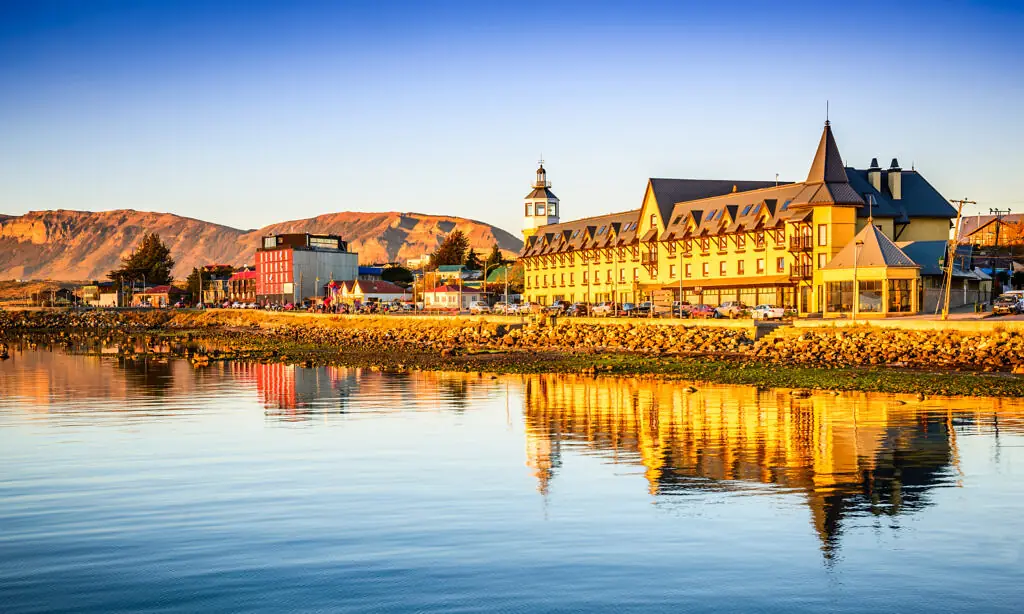
Puerto Natales weather is characterized by extreme variability, high winds, and a maritime climate that can shift from sunshine to sleet in minutes. While it serves as the essential gateway to Torres del Paine, its coastal position on the Señoret Channel means it is generally 2-3 degrees warmer and significantly less rainy than the mountain interior of the national park.
Understanding these patterns is the difference between a successful trek and a logistical nightmare. Because Puerto Natales is the base for almost every traveler entering the region, the conditions here dictate when the ferries sail, when the buses can safely navigate Route 9, and when the trails in the park are officially open for the season.
Puerto Natales Climate: The Big Picture
The climate in Puerto Natales is defined by its proximity to the Southern Patagonian Ice Field and its position on the coast. This creates a “four seasons in one day” phenomenon where hikers may start their morning in a t-shirt and end it in a hardshell jacket. The maritime influence of the Señoret Channel acts as a thermal regulator, preventing the town from reaching the sub-zero extremes found further inland, but it also creates a high-humidity environment that makes the cold feel sharper.
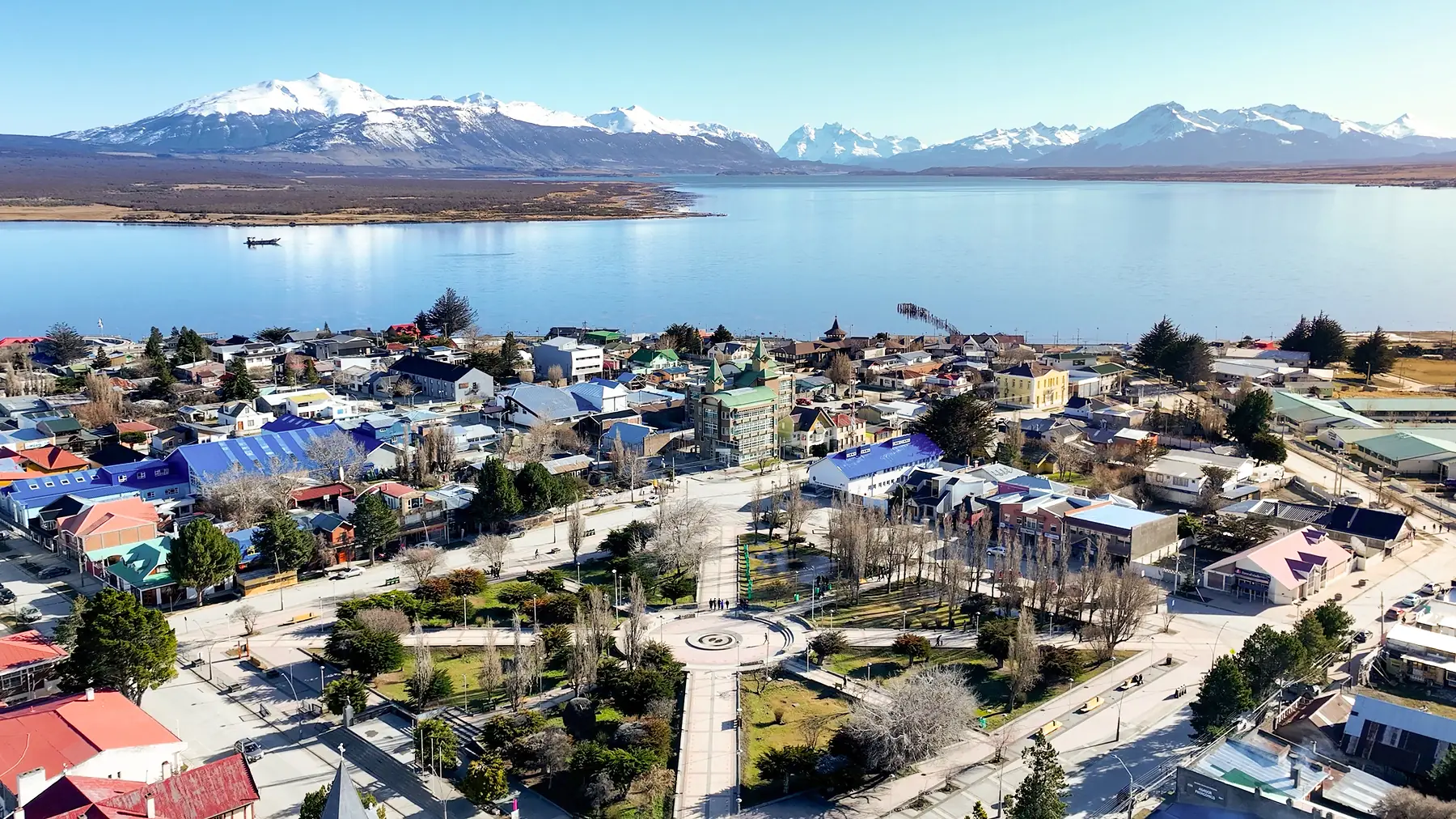
Travelers should also be aware of the high UV levels in this part of the world. Due to the thinning of the ozone layer over the southern pole, the sun in Puerto Natales is significantly stronger than its temperature suggests. Even when the air feels cool and the sky is grey, skin can burn in less than twenty minutes. For a better sense of the town’s layout and its sheltered position relative to the park, you can view our Puerto Natales map.
Understanding the Wind Factor
Wind is the single most disruptive weather variable in Puerto Natales. It is driven by the pressure differential between the cold air over the ice fields and the warmer air over the Patagonian pampa. Between November and January, sustained winds of 60 km/h are common, with gusts frequently exceeding 100 km/h.
This wind does more than just blow hats off; it creates a significant wind chill factor. A sunny 15°C (59°F) afternoon can feel like 5°C (41°F) the moment you step into an exposed area. If you are planning your arrival via the water or a long-distance bus, it is vital to understand how these conditions impact local logistics. You can find more detail in our guide on how to get to Puerto Natales.
Puerto Natales Weather by Month: A Quick Reference
This table provides the historical averages for Puerto Natales as of the 2024/25 season. Note that “averages” in Patagonia are merely a baseline; actual conditions during your trip will likely fluctuate.
| Month | Avg High (°C/°F) | Avg Low (°C/°F) | Rainfall (mm) | Daylight Hours | Planning Note |
|---|---|---|---|---|---|
| Jan | 16 / 61 | 7 / 45 | 35 | 16.5 | Peak wind season |
| Feb | 15 / 59 | 7 / 45 | 30 | 15 | Stable but crowded |
| Mar | 13 / 55 | 5 / 41 | 40 | 13 | Best for fall colors |
| Apr | 10 / 50 | 3 / 37 | 50 | 11 | Rainiest month |
| May | 7 / 45 | 1 / 34 | 50 | 9 | Winter approaches |
| Jun | 4 / 39 | -1 / 30 | 40 | 8 | Shortest days |
| Jul | 4 / 39 | -2 / 28 | 35 | 8 | Deep winter; ice |
| Aug | 6 / 43 | -1 / 30 | 30 | 10 | Increasing light |
| Sept | 9 / 48 | 1 / 34 | 25 | 12 | Spring transition |
| Oct | 12 / 54 | 3 / 37 | 30 | 14 | Blooming flora |
| Nov | 14 / 57 | 5 / 41 | 30 | 16 | Winds increasing |
| Dec | 15 / 59 | 6 / 43 | 35 | 17 | Maximum daylight |
Summer in Puerto Natales (December – February)
Summer is the most popular time to visit, offering the warmest temperatures and the longest days. Highs typically range from 13°C to 16°C (55°F to 61°F). However, this is also the peak of the “windy season.” The atmosphere is at its most turbulent, and the famous Patagonian gusts are a daily reality.
The greatest advantage of summer is the nearly 17 hours of daylight. In late December, the sun doesn’t set until approximately 10:00 PM, providing a massive safety margin for those on the W Trek or O Circuit. You can hike late into the evening without the need for a headlamp, though the sheer amount of light can make sleeping in a tent difficult without an eye mask.
Shoulder Season: Spring & Autumn
The shoulder seasons represent the best balance for many travelers, offering specific natural spectacles and more manageable conditions.
Spring (September – November): This is a season of transition. The landscape begins to green, and the calafate bushes bloom with yellow flowers. While the light increases rapidly, the weather is notoriously unpredictable. One hour may bring a snow squall, the next a clear blue sky.
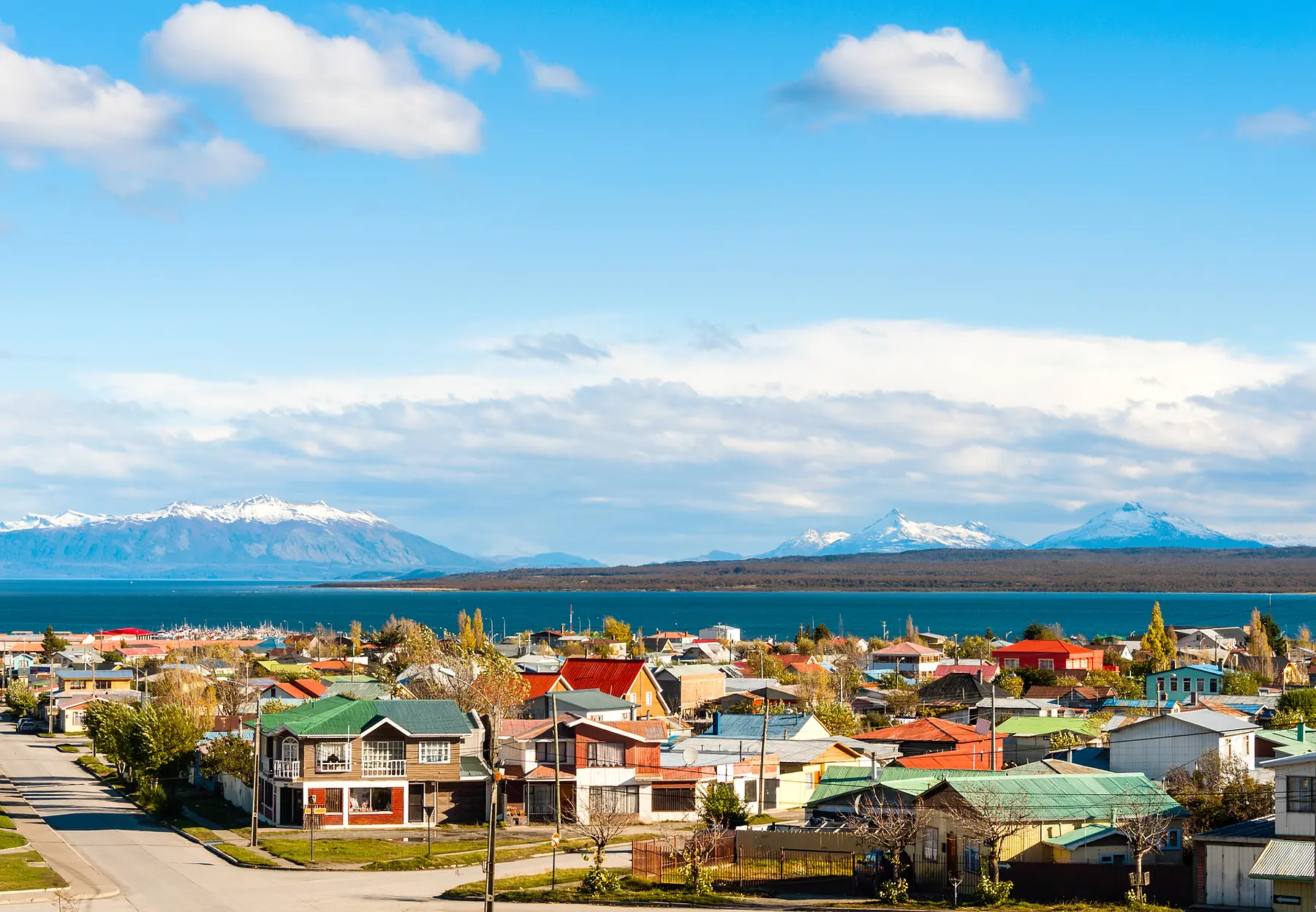
Autumn (March – May): Many experienced guides consider late March and early April the “secret” best time to visit. The wind speeds drop significantly, making this the best window for photography. The lenga and ñirre forests turn vibrant shades of red and orange, particularly in late April. While temperatures begin to drop, with nights often hovering near freezing, the lack of wind makes the days feel much more pleasant than the numbers suggest. This is also a fantastic time to explore alternative routes like Cerro Castillo before the winter snow closes the high passes.
Winter in Puerto Natales (June – August)
Winter in Puerto Natales is cold, quiet, and starkly beautiful. Temperatures typically hover between -2°C and 5°C (28°F to 41°F). While snow is common, the salt air and proximity to the water mean it rarely accumulates deeply within the town itself.
Winter Realities
- Daylight: Only 8-9 hours of usable light per day.
- Logistics: Many hotels and restaurants in town close for the season.
- Access: The road to Torres del Paine (Route 9) frequently develops black ice; 4x4 vehicles or tire chains are often required by local authorities during heavy snow.
- Trekking: Most trails in the park require a certified guide for winter attempts (typically May to September).
If you find yourself in town during a particularly stormy winter day, there are still ways to experience the culture indoors. Our guide to things to do in Puerto Natales includes several rainy day alternatives, from local museums to artisanal gin distilleries.
Daylight Hours and Your Trekking Itinerary
Daylight is as important as temperature when planning your Patagonia itinerary. The extreme southern latitude means the amount of available light changes drastically throughout the year.
In December, you have nearly 17 hours of light, which allows for a relaxed pace on long trekking days. In contrast, a hiker in June has approximately 8 hours. This restricted window means that even “standard” day hikes require careful timing and a much faster pace to avoid being caught on the trail after dark.
What to Wear: Weather-Based Packing Tips
Because the weather in Puerto Natales is so volatile, your clothing must be a system rather than a collection of items. The primary goal is to manage moisture and block the wind.
Horizontal rain is a common occurrence here; when the wind is gusting at 80 km/h, rain does not fall down—it moves sideways. This means your shell layer must be high-quality and truly waterproof, as the wind will force moisture through any weak points in a garment’s construction. Accessories like buffs and wind-blocking gloves are essential year-round, as exposed skin can quickly become numb in the summer wind.
To ensure you have everything you need for these specific conditions, see our comprehensive Patagonia packing list.
FAQ
- QUESTION: What is the rainiest month in Puerto Natales?
- ANSWER: Historically, April and May see the highest rainfall averages, though light showers can occur year-round.
- QUESTION: How windy does it get in Puerto Natales?
- ANSWER: During the summer months, wind gusts in Puerto Natales regularly reach 60-80 km/h, and can occasionally top 100 km/h, which may impact ferry and bus schedules.
- QUESTION: Does it snow in Puerto Natales during the winter?
- ANSWER: Yes, snow is common between June and August in Puerto Natales, though it often melts quickly at sea level compared to the higher elevations in nearby Torres del Paine.
- QUESTION: What are the average summer temperatures in Puerto Natales?
- ANSWER: Summer highs in Puerto Natales typically range between 13°C and 16°C (55°F - 61°F), though the wind chill can make it feel significantly cooler.
- QUESTION: How many hours of daylight does Puerto Natales have in December?
- ANSWER: At the height of summer in late December, Puerto Natales enjoys nearly 17 hours of daylight, with the sun setting around 10:00 PM.
- QUESTION: Is the weather in Puerto Natales different from Torres del Paine?
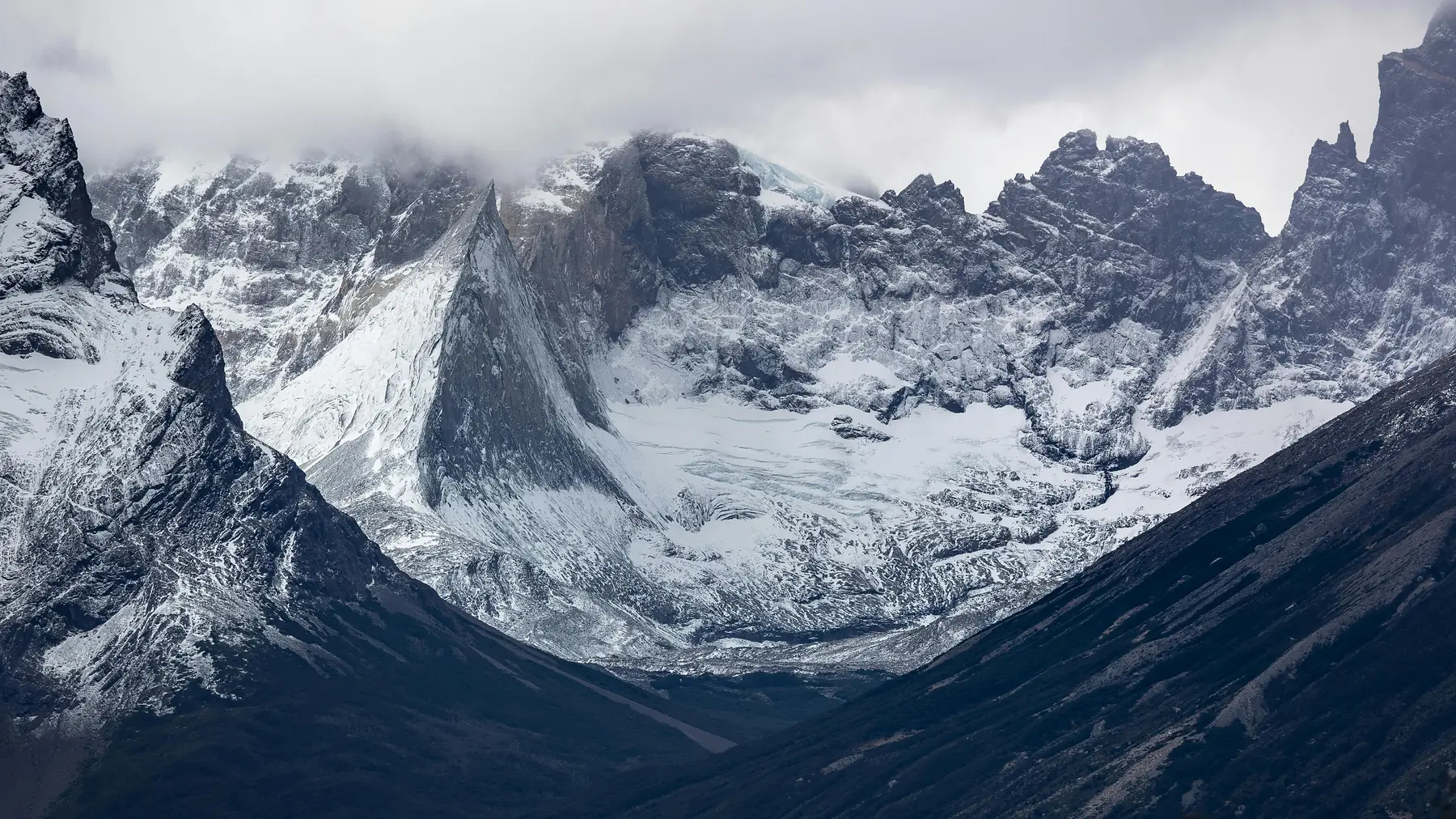
- ANSWER: Yes, Puerto Natales is more sheltered; Torres del Paine typically experiences higher winds, more frequent rain, and colder temperatures due to its proximity to the Southern Patagonian Ice Field.