
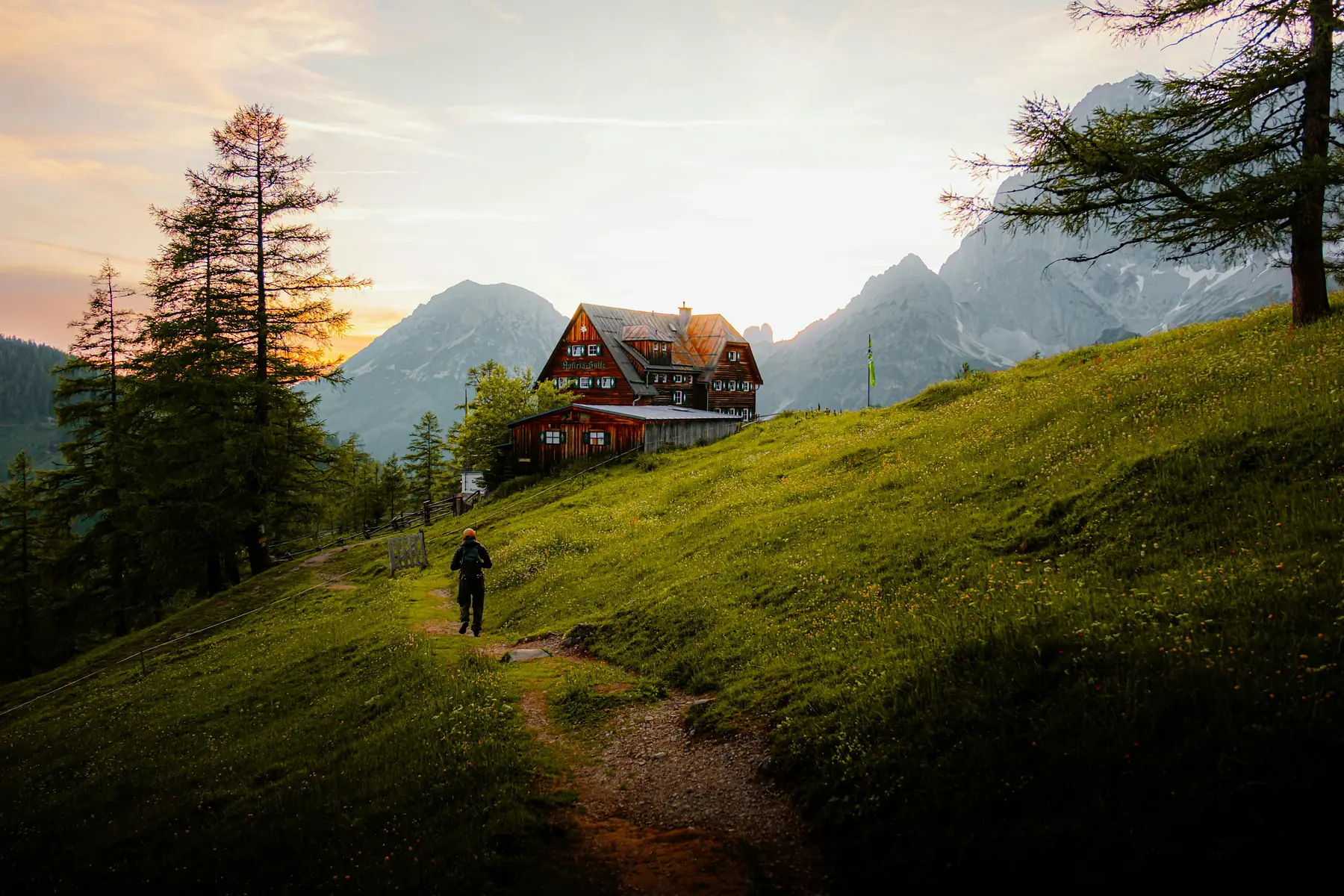
Where to Stay in Ushuaia: Best Areas & Hotels (2026/27 Guide)
The best place to stay in Ushuaia depends entirely on your tolerance for steep hills and your need for proximity to the Port. For most travellers, especially those embarking on an Antarctica cruise, the Downtown Centro area is the superior choice because it offers flat walking access to the pier and the city’s primary dining hub on Avenida San Martín.
Ushuaia is a city built in literal tiers. The first three blocks from the Beagle Channel are relatively flat, but every block thereafter climbs sharply toward the Martial Mountains. Choosing a hotel “just five blocks from the center” can result in a strenuous 15-minute uphill hike that feels more like a mountain trek than a walk back from dinner. If you are visiting for the 2026/27 season, understanding this vertical geography is the single most important factor in planning your stay.
Whether you are here to hike the rugged trails of Tierra del Fuego or to toast your departure for the White Continent, your choice of neighborhood dictates the logistical rhythm of your trip.
Quick Guide: Choosing Your Ushuaia Neighborhood
Ushuaia’s accommodation is clustered into six distinct zones, each offering a different trade-off between convenience, price, and scenery. While the city center provides the most action, the surrounding hills offer the dramatic “end of the world” vistas that many travellers expect from Patagonia.
Ushuaia Neighborhoods at a Glance
- Downtown Centro: Best for first-timers, cruisers, and those without a rental car.
- Road to Glacier Martial: Best for luxury retreats, forest views, and quiet surroundings.
- Western Waterfront: Best for a quieter, flatter alternative to the main shopping district.
- Eastern Hills: Best for total isolation and high-end resort experiences.
- Bahía Golondrina: Best for airport proximity and budget-conscious residential stays.
- Las Margaritas: Best for local atmosphere and panoramic sunset photography.
When deciding between “In Town” and “Out of Town,” consider your transport budget. Most mountain hotels provide shuttle services, but these often stop running by 10:00 PM. If you plan on enjoying Ushuaia’s craft beer scene or late-night Patagonian lamb dinners, a downtown location will save you significant stress and taxi fares. For the 2026/27 season, expect a taxi from the upper hills to the city center to cost approximately $8 - $15 USD depending on the specific property location and time of day.
- Walkability: High (mostly flat) vs. Low (requires shuttles/taxis)
- Noise Levels: High (traffic and bars) vs. Low (serene forest)
- View Quality: Harbour and city vs. Panoramic Beagle Channel
- Price Range: Budget hostels to 4-star hotels vs. High-end 4 and 5-star resorts
Stay Downtown if you are catching a cruise or want to walk to dinner. Stay in the Hills if you have a rental car and prioritize waking up to mountain views.
The Three-Block Rule
If you are looking at a map of Ushuaia, pay close attention to the street names. Avenida Maipú (the waterfront) and Avenida San Martín (the main street) are the “lower” tiers. Once you move past Gobernador Paz (the third block up), the incline increases dramatically. We recommend that travellers with mobility issues or heavy luggage stay below the Gobernador Paz line to avoid the “Ushuaia climb.”
To see exactly where these neighborhoods sit in relation to the city’s topography, you can consult our detailed map.
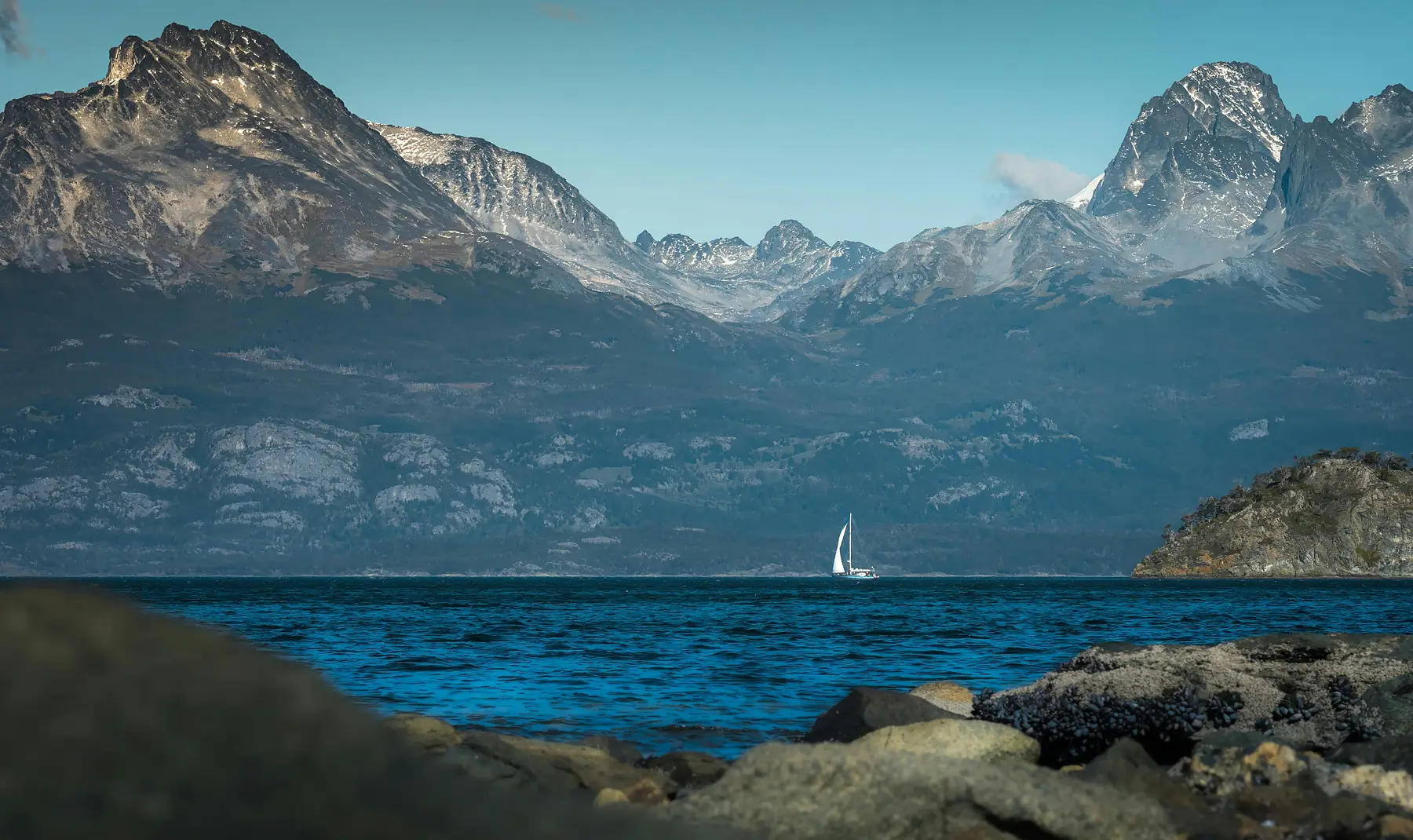
Downtown Centro: The Heart of the Action
Downtown is the most functional area to stay in Ushuaia. It is centered around Avenida San Martín, a bustling corridor of gear shops, chocolate boutiques, and restaurants. Staying here means you are never more than a five-minute walk from the Tourist Information Center and the primary bus stops for shuttles to Tierra del Fuego National Park.
For Antarctica cruise passengers, this is the non-negotiable choice. Most cruise lines require you to check in at a downtown office or meet at the pier early in the morning. Staying at a waterfront property like Hotel Albatros means you are roughly a 2-minute walk from the Port entrance, eliminating the need for a morning taxi with heavy expedition bags.
The vibe here is energetic and tourist-centric. While it lacks the “wilderness” feel of the outskirts, it provides the easiest access to the city’s best culinary spots. You can walk from your hotel to a world-class king crab dinner and be back in your room without ever checking a shuttle schedule.
If you are looking for the best properties in this area, our curated list covers everything from boutique waterfront stays to reliable 4-star hotels.
Before you head out for dinner, it is worth checking which local spots are currently trending for their seafood and local craft ales.

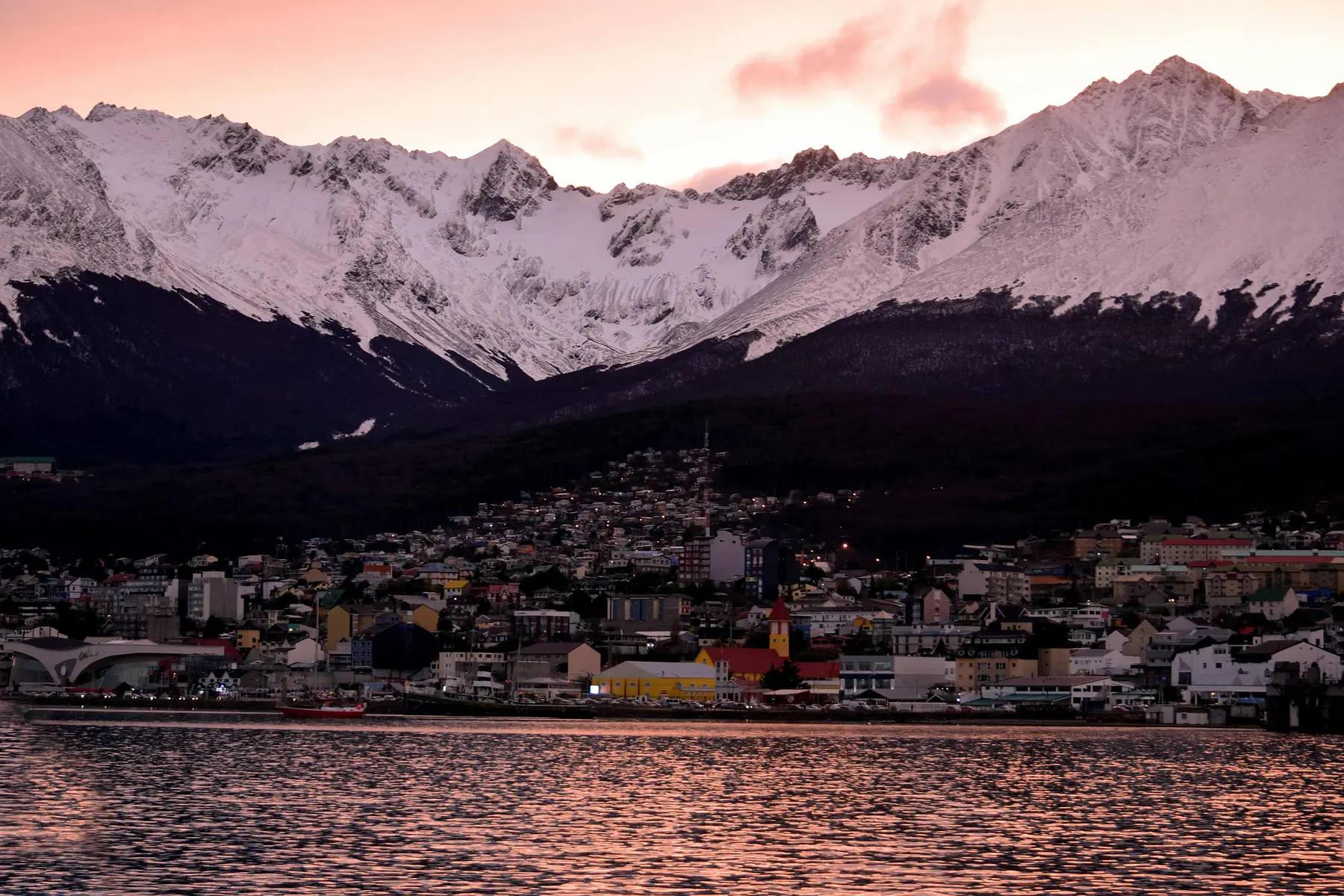
Road to Glacier Martial: Mountain Views & Hiking Trails
As you ascend the winding road toward the Martial Glacier west of the city, the urban noise of Ushuaia fades into sub-antarctic forest. This area is defined by its elevation, offering the most iconic “post-card” views of the Beagle Channel and the Navarino Island peaks in Chile.
This is the premier location for nature lovers and those who want a true retreat experience. You aren’t just staying in a hotel here; you are staying on the shoulder of a mountain. The air is crisper, and the trails are right at your doorstep. Many of the city’s most famous hikes, including the ascent to the glacier itself, begin within walking distance of the hotels in this zone.
However, the logistics require more planning. You are roughly 5-7 kilometers from the city center. While properties like Las Hayas Resort offer regular shuttle services (typically 7 scheduled departures daily), they operate on a fixed schedule. If you miss the last bus, you will be reliant on local “remises” (radio taxis).
If you choose this area, you are trading downtown convenience for immediate trail access. It is a perfect base for those spending several days exploring the local peaks.
Western Waterfront & Plaza Malvinas: Quiet Walkability
The area surrounding Plaza Malvinas offers a “best of both worlds” scenario. Located just west of the main port and the prison museum, this neighborhood is significantly flatter than the hills but far quieter than the commercial core of San Martín.
The terrain here allows for scenic, easy strolls along the bay. It is a favorite for photographers who want to capture the “Ushuaia” sign and the historic tugboats at sunset without navigating heavy crowds. Families often prefer this area because of the open space of the plaza and the reduced traffic.
Properties like Hotel Las Lengas characterize this zone: they offer modern amenities and bay views but sit just far enough from the center to escape the noise of the late-night bars. It is approximately a 15-20 minute flat walk from Plaza Malvinas to the Tourist Information Center at the pier.
Eastern Hills & Reserva Natural Cerro Alarkén: The Luxury Choice
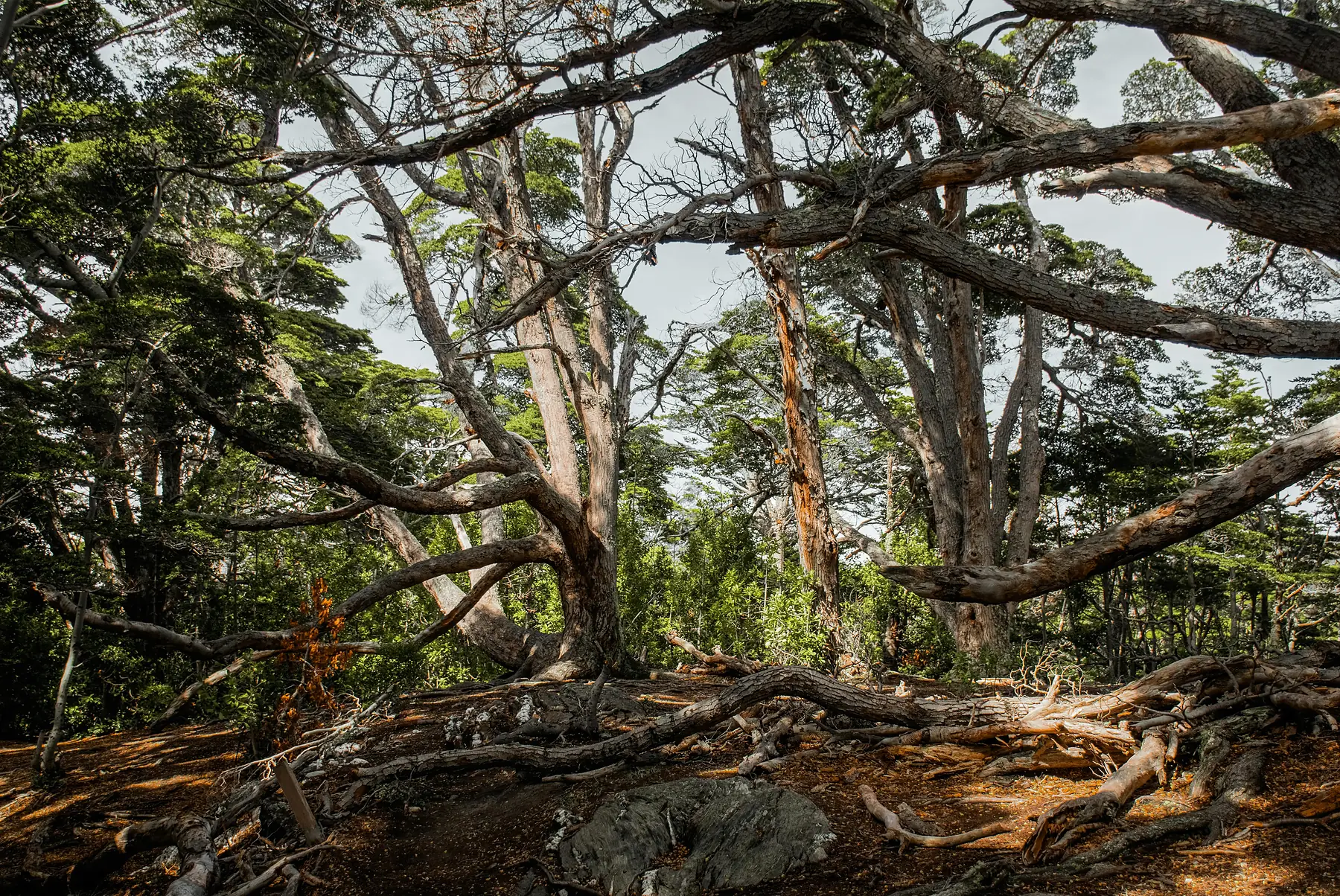
The Eastern Hills represent the most exclusive and isolated lodging in Ushuaia. This area is dominated by the Cerro Alarkén Natural Reserve, a private forest and mountain park that sits high above the city’s eastern outskirts.
The vibe here is one of total immersion. If you stay at a property like Arakur Ushuaia, you are entering a “resort bubble.” The hotel is designed as a destination in itself, with heated infinity pools overlooking the channel and a network of private hiking trails within the reserve that are open to guests and the public.
The trade-off is distance. You are a 15-20 minute drive from town. While the resorts provide high-end shuttle transfers (Arakur typically runs an hourly shuttle until 10:00 PM), you will likely find yourself eating most meals on-site. This is the choice for travellers who want to experience the dramatic scale of Tierra del Fuego in luxury and don’t mind being separated from the town’s daily bustle.
To compare these high-end mountain retreats with other premium options in the region, see our dedicated luxury guide.
Bahía Golondrina: Airport Proximity & Residential Stays
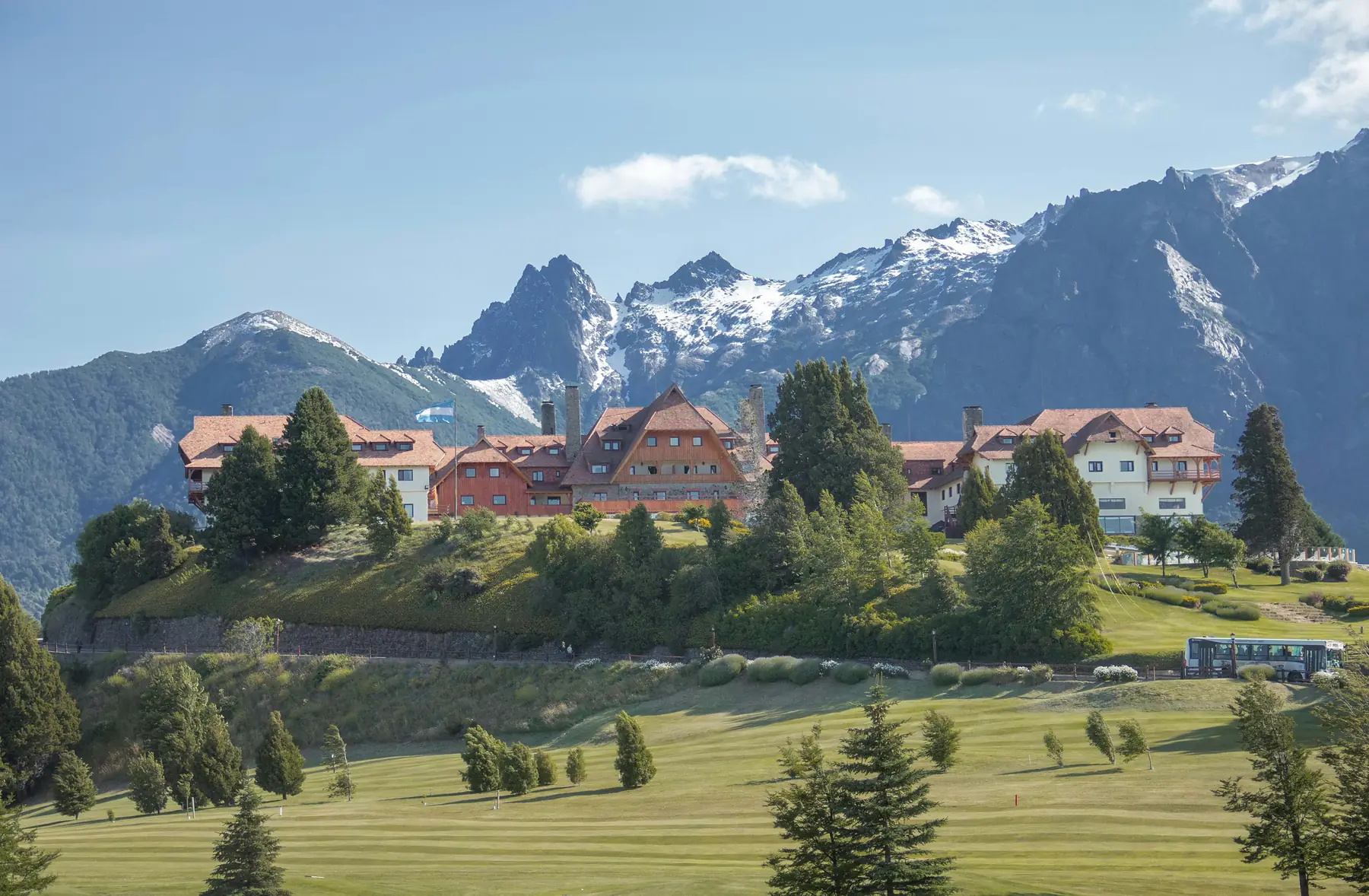
Located near the Ushuaia International Airport (USH) on the western edge of the city, Bahía Golondrina is a windswept, residential area. It is the first neighborhood you see when arriving by plane, characterized by low-slung buildings and wide-open views of the bay.
This area is primarily functional. It is the best place to stay if you have a very early flight or arrive late at night and want to avoid a long transfer. It is also the closest residential area to the entrance of Tierra del Fuego National Park, making it a strategic base for those planning to spend multiple days in the park with a rental car.
This area is highly exposed to the prevailing westerly winds. Expect sustained gusts that can make walking along the waterfront challenging, even in the summer months.
While it lacks the charm of the downtown center or the forest of the hills, Bahía Golondrina offers a more authentic, local feel. It is quiet, safe, and generally offers lower price points than the central hotels. A taxi from the airport to hotels in this area typically costs between $8 - $12 USD and takes less than 10 minutes.
If you are choosing this area specifically for its proximity to transport hubs, our arrival guide provides more detail on the local logistics.
Las Margaritas: Residential Charm & Local Life
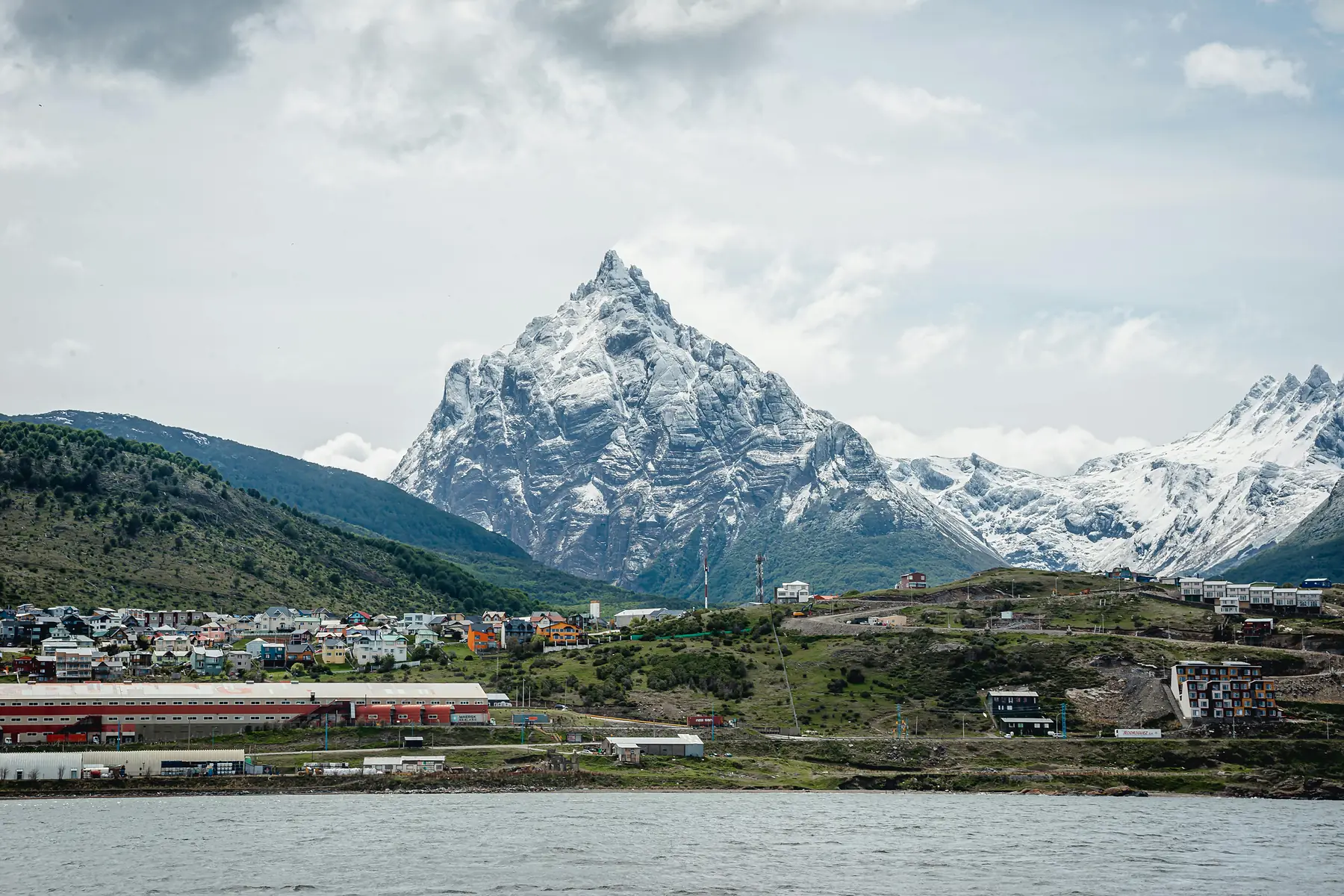
Las Margaritas is a hillside neighborhood located directly above the downtown core. It offers some of the most spectacular sunset views in the city, as it looks directly down over the harbor and the lighthouse in the distance.
This is the best area for travellers seeking a non-touristy experience or those planning a longer stay. You will find more apartment rentals and locally-owned guesthouses here than in the center. While the major supermarket chains (like La Anónima) are located on the lower avenues, this neighborhood features several “almacenes” and “panaderías” (bakeries) that serve the resident population, providing an authentic slice of Fuegian life.
However, the “Steepness Warning” applies here more than anywhere else. To get from a restaurant on San Martín back to a guesthouse in Las Margaritas, you will be climbing several blocks of stairs or very steep pavement. It is a fantastic workout, but it is not for everyone.
For those travelling on a tighter budget, this neighborhood often provides the best value-for-money outside of the main hostel hub.
Accommodation Logistics: Booking Tips for the 2026/27 Season
Ushuaia’s hotel market is driven by the “Antarctica Effect.” Because nearly 90% of all Antarctica cruises depart from this port, the city experiences massive surges in demand that don’t always align with standard Patagonian tourism patterns.
Currency and Payment
As of 2026, Argentina’s currency situation remains a key factor for travellers. International travellers are eligible for an automatic VAT (IVA) refund of 21% on the room rate. To qualify, you must pay with a foreign credit or debit card and present a valid foreign passport or ID.
Always check if the hotel quotes prices in USD or Argentine Pesos. In 2026, many high-end hotels prefer USD payments, while smaller guesthouses may offer better rates if you pay in cash pesos (potentially utilizing the “MEP” exchange rate available via foreign cards).
Camping Options
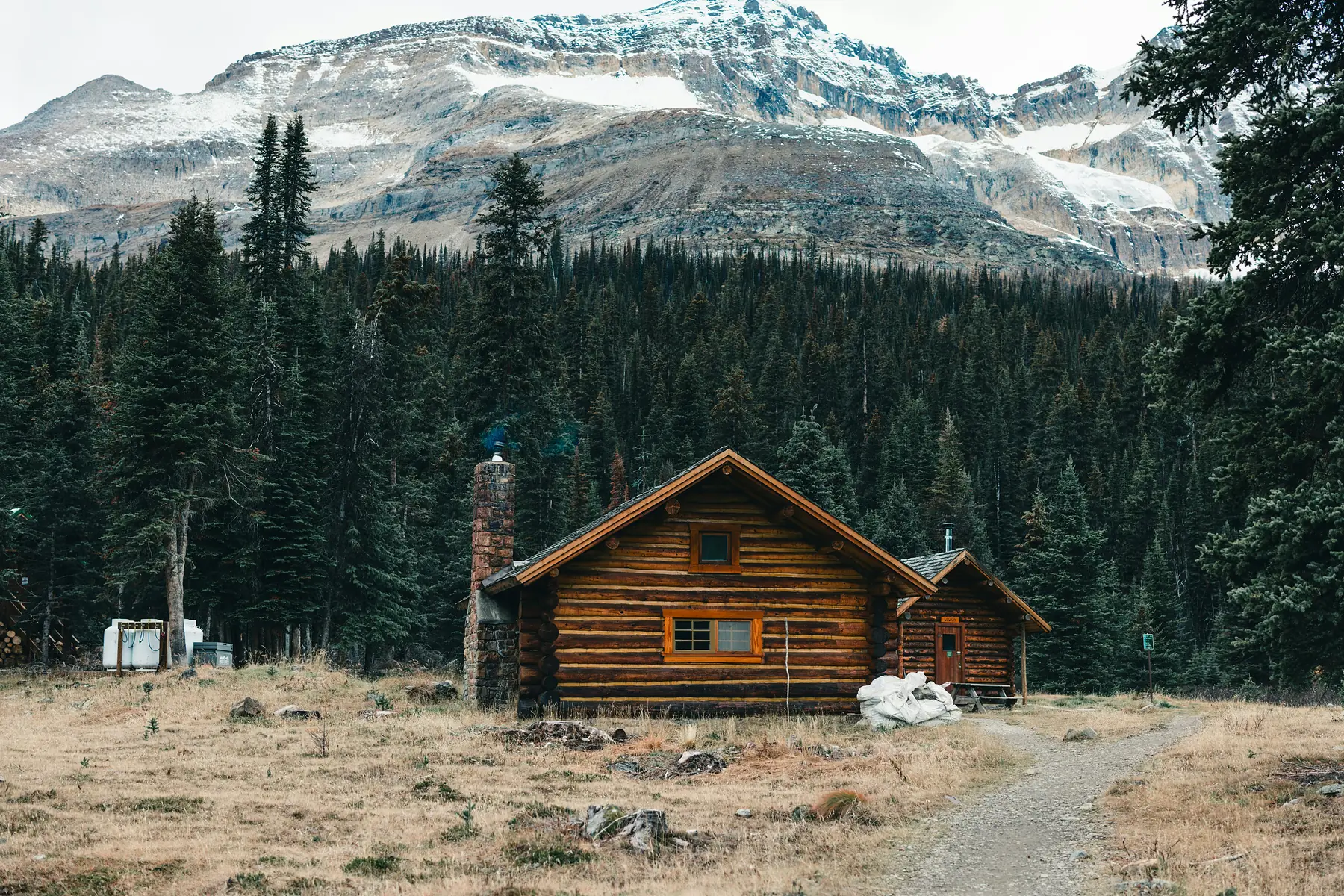
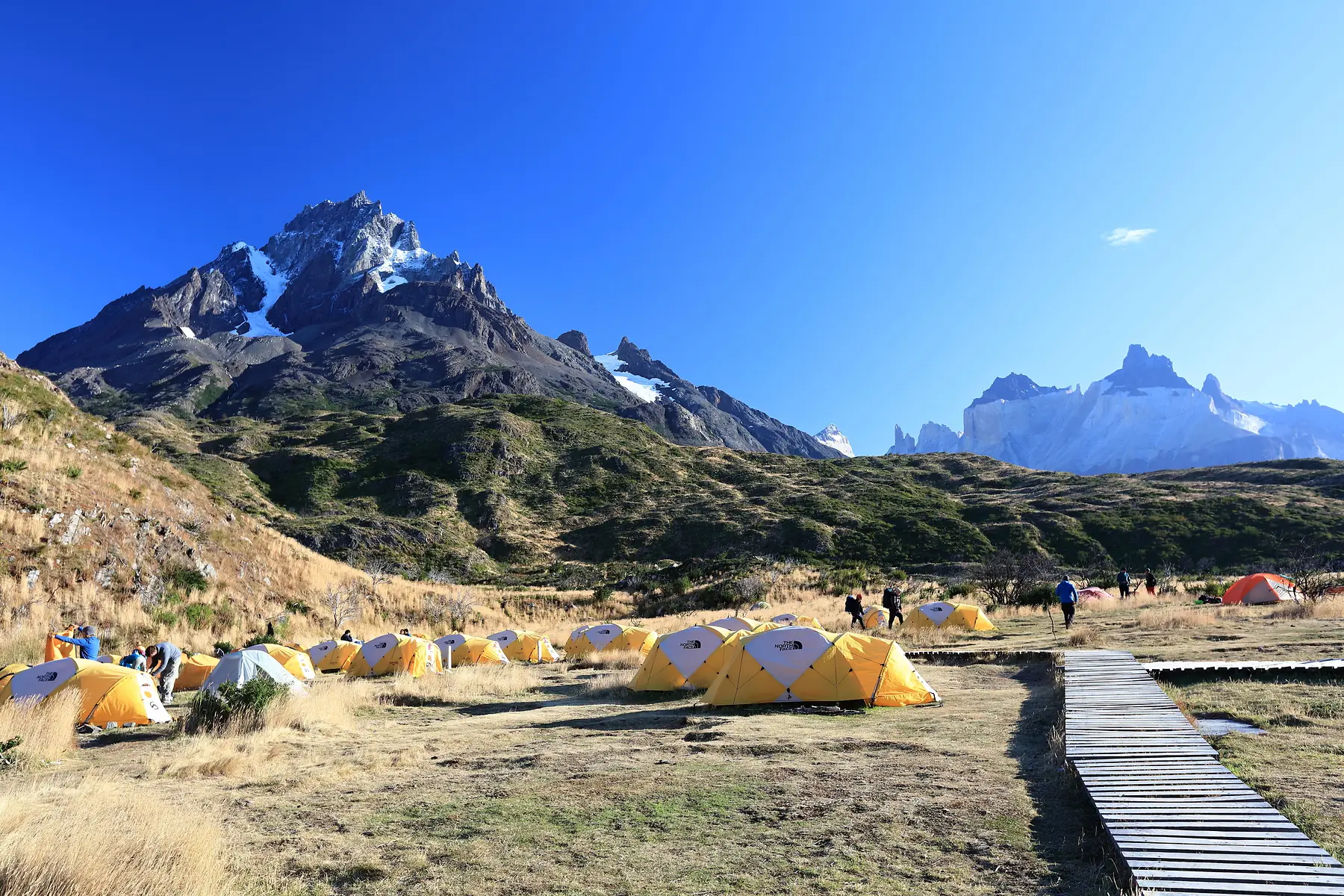
Note that there is very little formal camping within the city limits of Ushuaia. If you are looking to pitch a tent, you will need to head toward the municipal campsites on the road to the National Park or the more rugged sites within the park itself.
FAQ
-
What is the best area to stay in Ushuaia for first-time visitors? Downtown Centro is the best area for first-timers as it places you within walking distance of the port, the best restaurants on Avenida San Martín, and all major tour operators.
-
Where should I stay in Ushuaia if I am going on an Antarctica cruise? Look for hotels in the Downtown Centro or Waterfront areas, specifically those near the Ushuaia Port, to ensure a short and flat walk to your ship’s embarkation point.
-
Are there any hotels in Ushuaia with a view of the Beagle Channel? Most hotels on the Road to Glacier Martial and in the Eastern Hills offer panoramic views of the Beagle Channel, while several downtown hotels like Hotel Albatros offer waterfront-facing rooms.
-
Is it easy to get a taxi from out-of-town hotels to the Ushuaia city center? Yes, most high-end hotels on the outskirts of Ushuaia provide free shuttle services, and local taxis are plentiful and relatively affordable for the 10-minute drive into town.
-
Can I stay near the Tierra del Fuego National Park entrance? While there is no accommodation inside the park itself, the hotels in Bahía Golondrina are the closest to the park entrance, located about a 15-minute drive away.
-
Where can I find budget accommodation in Ushuaia? Budget-friendly hostels and guesthouses are primarily clustered in the upper streets of Downtown Centro and the residential Las Margaritas neighborhood. You can find a full list in our budget accommodation guide.