
Best Multi-Day Treks in Patagonia: 2026 Ranking
Go deep into the wilderness. Read our ranking of the best multi-day backpacking circuits, including route logistics, highlights, and trail maps.
The best multi-day trek in Patagonia depends on your appetite for logistics versus isolation: the W Trek remains the premier choice for first-time visitors seeking infrastructure, while the Huemul Circuit and Dientes de Navarino offer the ultimate challenge for self-sufficient backpackers. While Torres del Paine National Park attracts the majority of the region’s foot traffic, the most rewarding experiences in 2026 are often found in the “W-Trek alternatives” located along the Carretera Austral and near El Chaltén.
Patagonia is a vast, wind-scoured wilderness that spans two countries and nearly 300,000 square miles. Navigating this hiking directory requires a clear understanding of what you want from the trail. Whether you are looking for the social atmosphere of a mountain refugio or the profound silence of a sub-Antarctic forest, this guide ranks the top routes to help you decide where to lace up your boots.
Patagonia Trekking at a Glance
- Peak Season: Late November to early March
- Most Iconic: The W Trek (Torres del Paine)
- Hardest Trek: Huemul Circuit (El Chaltén)
- Best for Solitude: Dientes de Navarino (Isla Navarino)
- Best W-Trek Alternative: Cerro Castillo Circuit
- Booking Window: 6 months ahead for Torres del Paine; spontaneous for most others
The Iconic Choices: Torres del Paine’s W and O Circuits
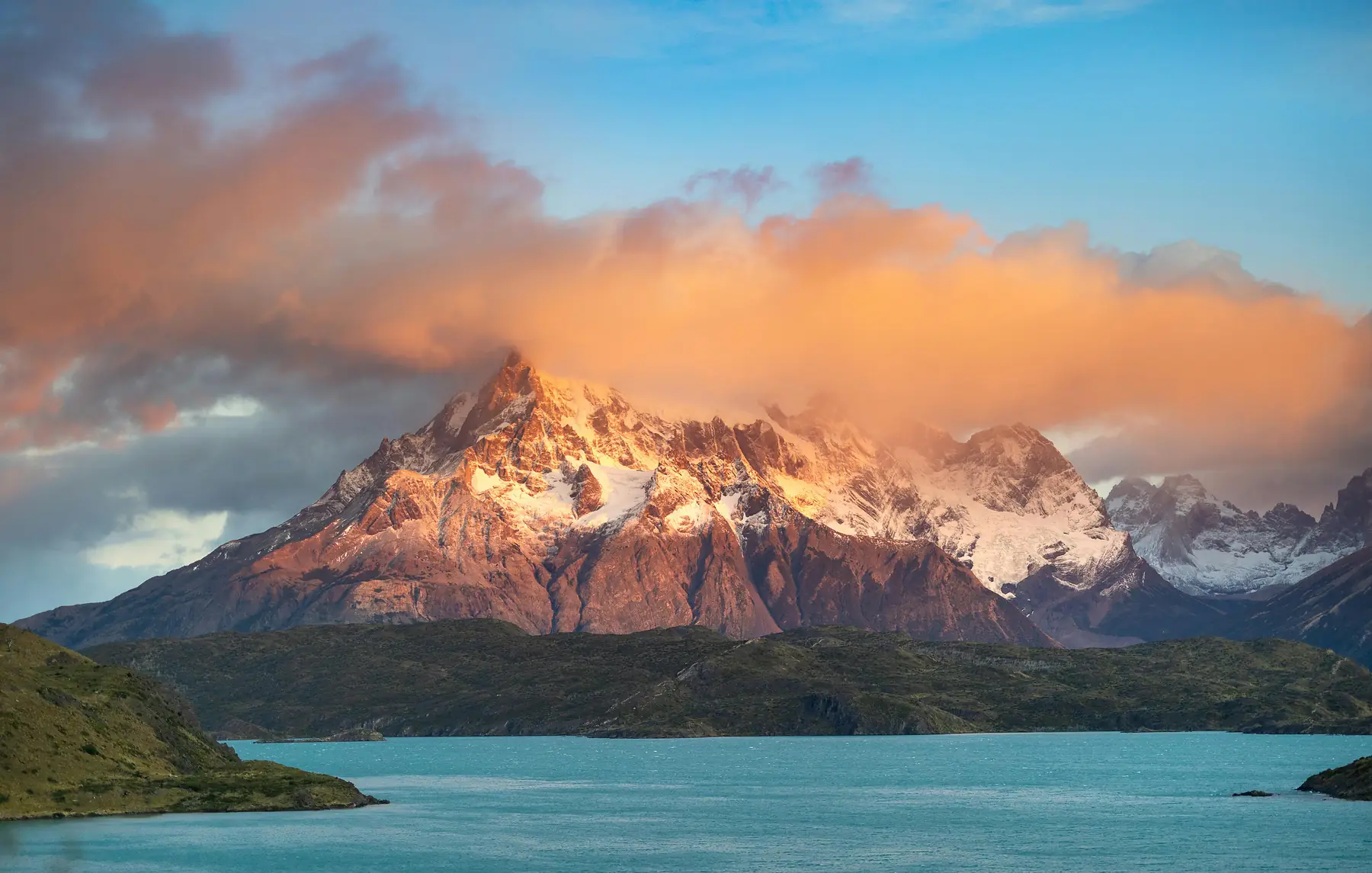
The W Trek and the O Circuit are the benchmarks against which all other Patagonian hikes are measured. Located in Chile’s Torres del Paine National Park, these routes offer the most dramatic “granite-and-glacier” scenery on the continent, supported by a level of infrastructure found nowhere else in the region.
The W Trek is a 4-5 day journey that hits the park’s three major highlights: the Base de las Torres, the French Valley, and Grey Glacier. It is the most accessible multi-day hike in Patagonia because of its network of refugios (mountain hostels), which allow you to hike without a tent, stove, or heavy food supplies if you book in advance. This convenience makes it the best choice for first-time trekkers or those who prefer a bed and a hot meal at the end of the day.
For those who find the W too crowded, the O Circuit provides the solution. This is a full 7-9 day loop that encompasses the entire W Trek but adds a remote “back side” where visitor numbers are strictly limited. The highlight is the crossing of the John Garner Pass, where the Southern Patagonia Ice Field suddenly reveals itself in a sprawling, jagged expanse of white.
The Best W-Trek Alternative: Cerro Castillo Circuit
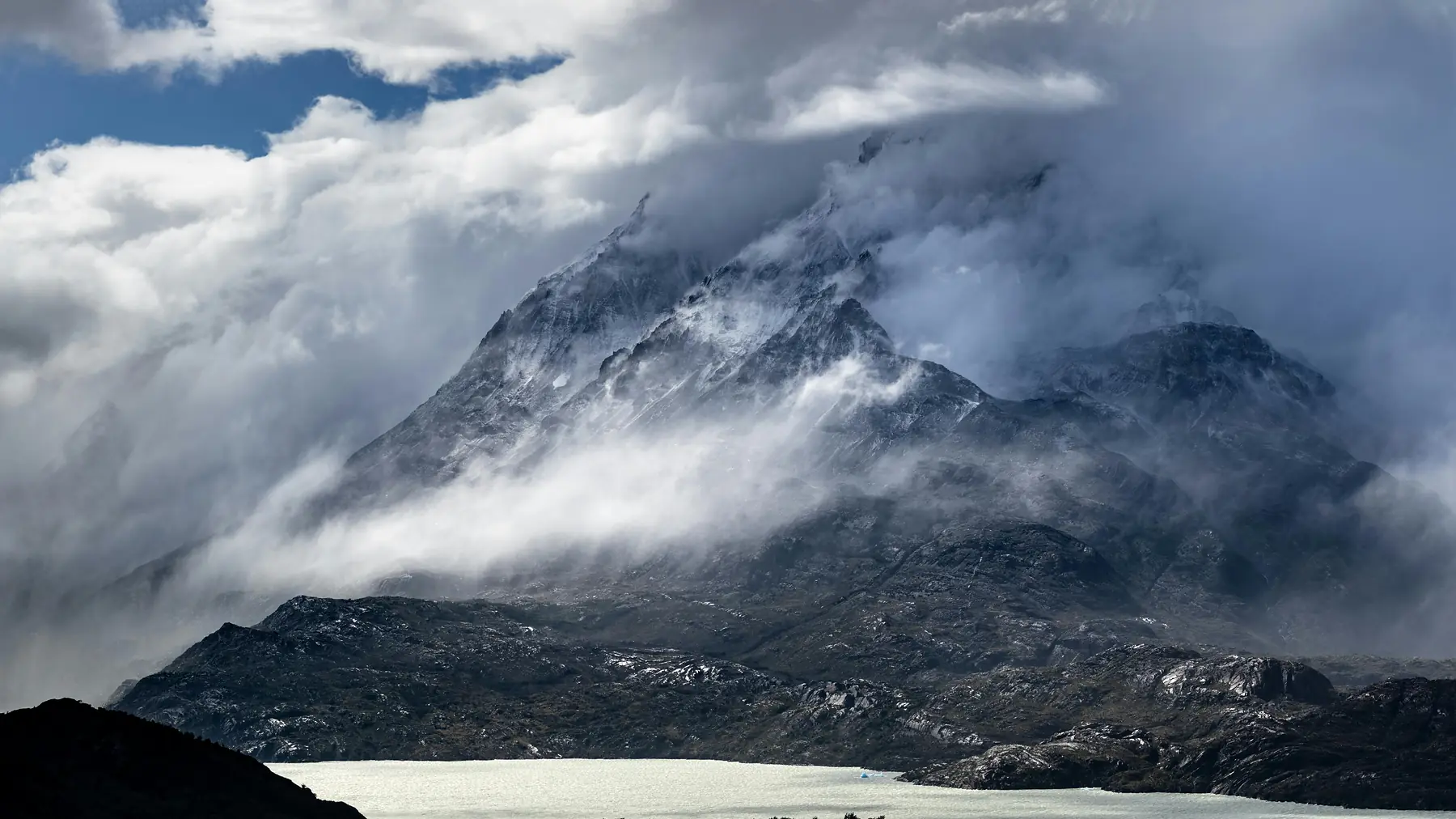
If you want the jagged basalt spires and turquoise lagoons of Torres del Paine without the frantic competition for campsites, the Cerro Castillo Circuit is the superior choice. Located along the Carretera Austral in central Patagonia, this 3-4 day trek is often called the “next Torres del Paine,” yet it remains a fraction as busy.
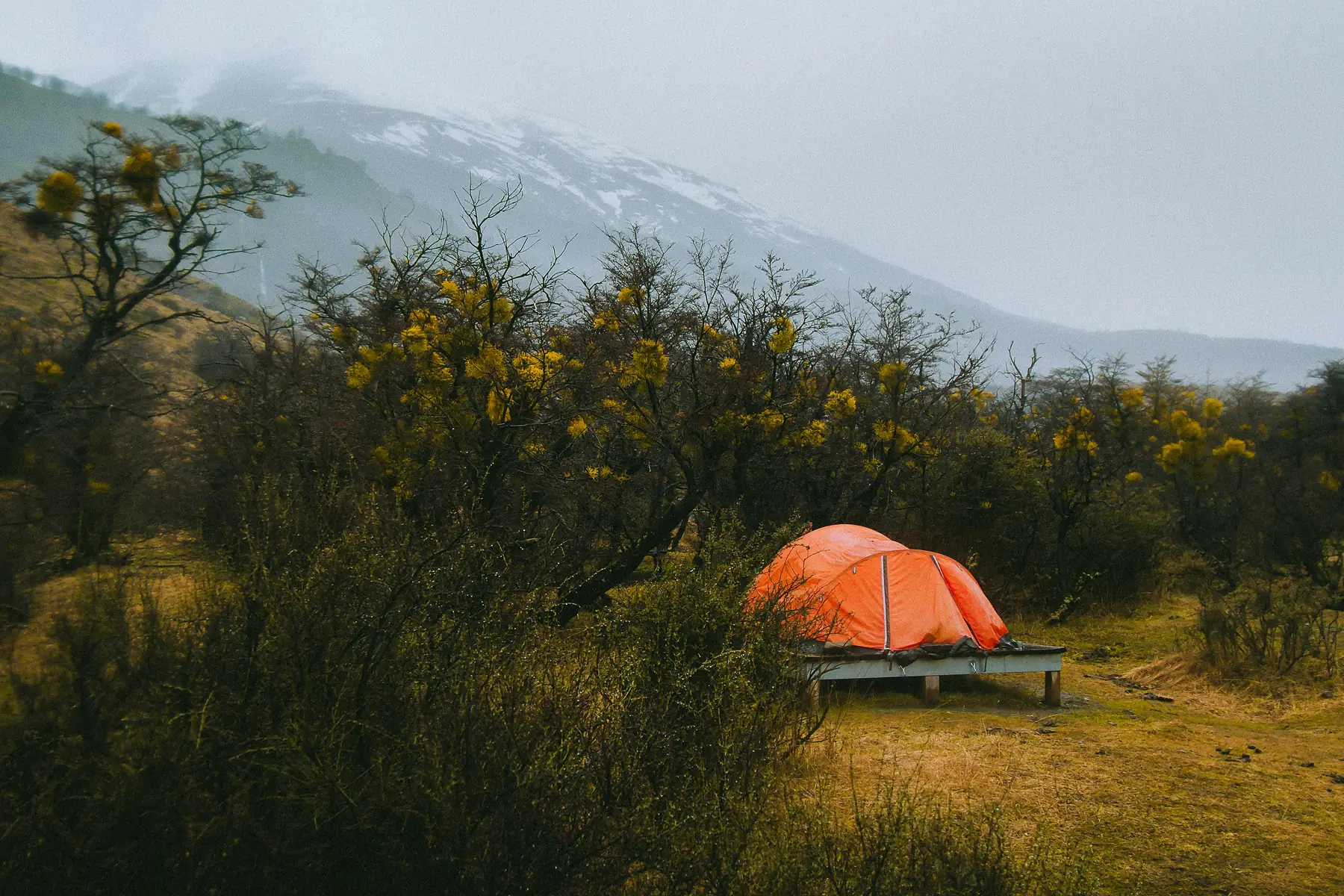
The experience here is decidedly wilder. There are no refugios; you must be prepared to carry your own gear and camp in designated areas. The trail winds through ancient Lenga forests and over high alpine passes where you have a genuine chance of spotting the endangered Huemul deer.
The logistical barrier to Cerro Castillo is lower than the W Trek because no advance reservations are currently required for the campsites as of 2025. However, hikers must pay a park entry fee (approximately 19,000 CLP for foreigners as of the 2024/25 season) and register at the CONAF visitor center in Villa Cerro Castillo or at the Laguna Conde trailhead before starting. This makes it the perfect centerpiece for a spontaneous road trip through Chilean Patagonia.
The Technical Challenge: The Huemul Circuit
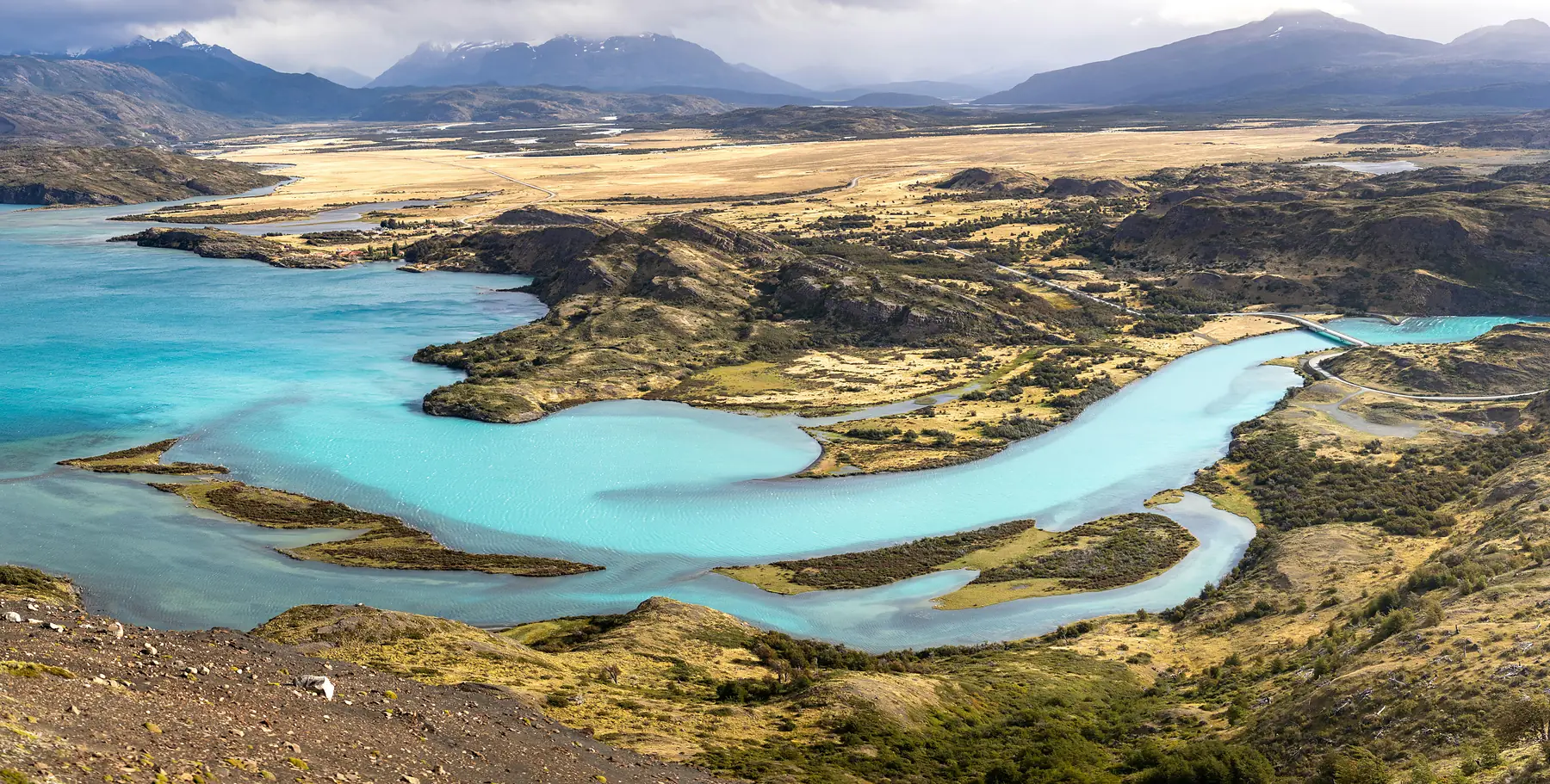
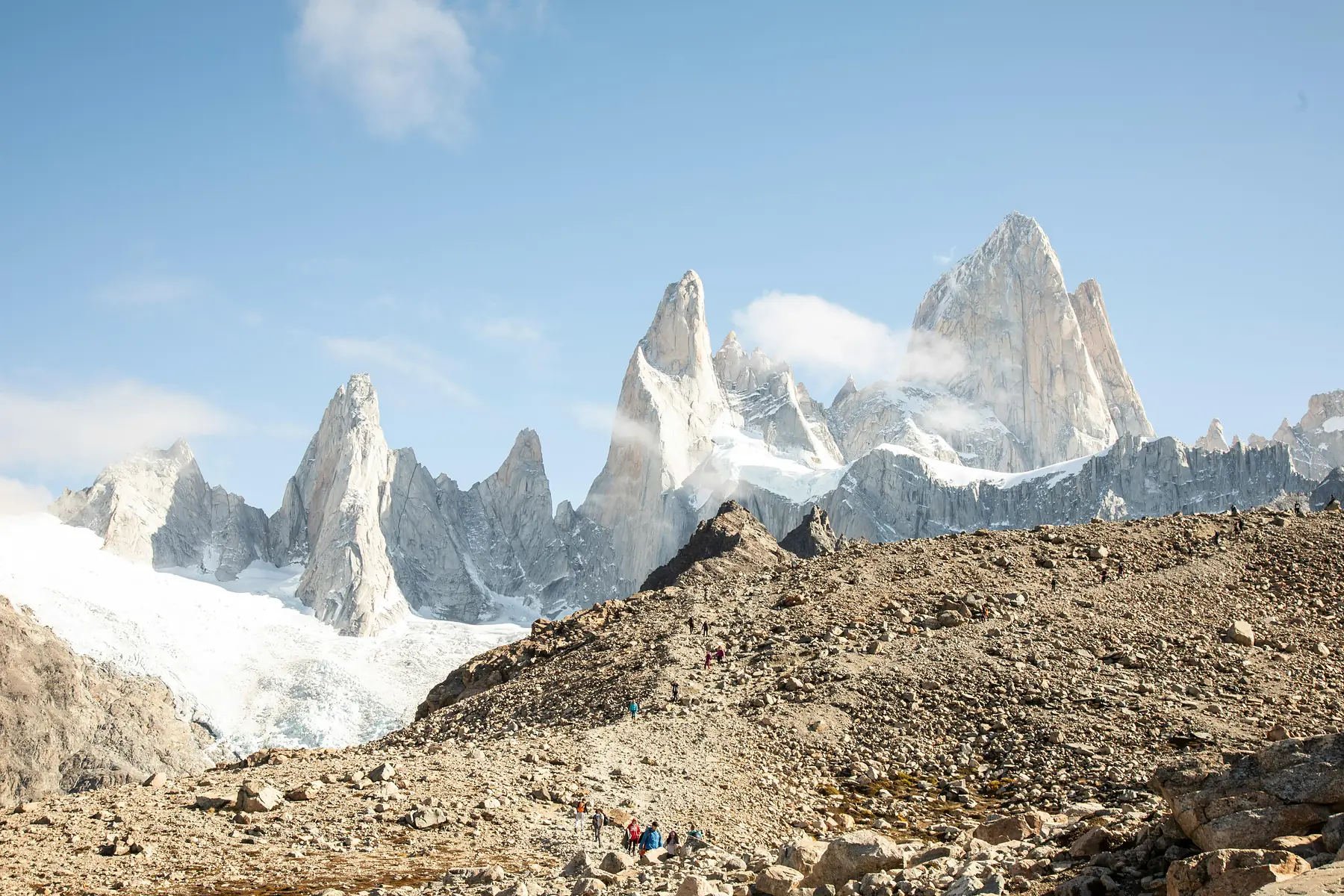
For experienced trekkers who find the W Trek too manicured, the Huemul Circuit near El Chaltén offers a significant step up in difficulty and reward. This 4-day loop is famous for providing the most expansive views of the Southern Patagonia Ice Field available to any hiker on the continent.
This is not a trek for beginners. The route involves two river crossings that require a harness and a Tyrolean traverse (zip-lining) across a steel cable with your backpack. Much of the trail is unmarked, requiring navigation through steep scree slopes and over the wind-blasted Wind Pass (Paso del Viento).
The beauty of the Huemul is its freedom. Like most trails in the El Chaltén region, there are no booking fees or rigid schedules. You are free to move at your own pace, provided you have the skills to handle the technical terrain and the legendary 100 km/h winds that often roar off the ice field.
Trekking at the Edge of the World: Dientes de Navarino
The Dientes de Navarino is officially the southernmost multi-day trek in the world. Located on Isla Navarino, south of the Beagle Channel, this 4-5 day circuit is as remote as Patagonia gets. The trail starts from the tiny settlement of Puerto Williams, a town that feels like a frontier outpost at the end of the earth.
The terrain is rugged, rocky, and often boggy. There are no permanent trails for much of the route - only stone cairns and GPS coordinates to guide you through a landscape of jagged peaks and sub-Antarctic tundra. The reward is a level of isolation that is increasingly rare; it is common to spend four days on the trail without seeing another human soul.
The weather here is the primary protagonist. Even in mid-summer, you should expect snow, sleet, and gale-force winds. This is a “choose your own adventure” trek for those who are comfortable with backcountry navigation and the knowledge that rescue is many hours, if not days, away.
The Remote Frontier: Jeinimeni to Avilés (Patagonia National Park)
Located in the heart of the former Tompkins conservation lands, the trek from Jeinimeni to the Avilés Valley represents the “New Patagonia.” This 4-5 day route showcases a stunning landscape transition that few other treks can match.
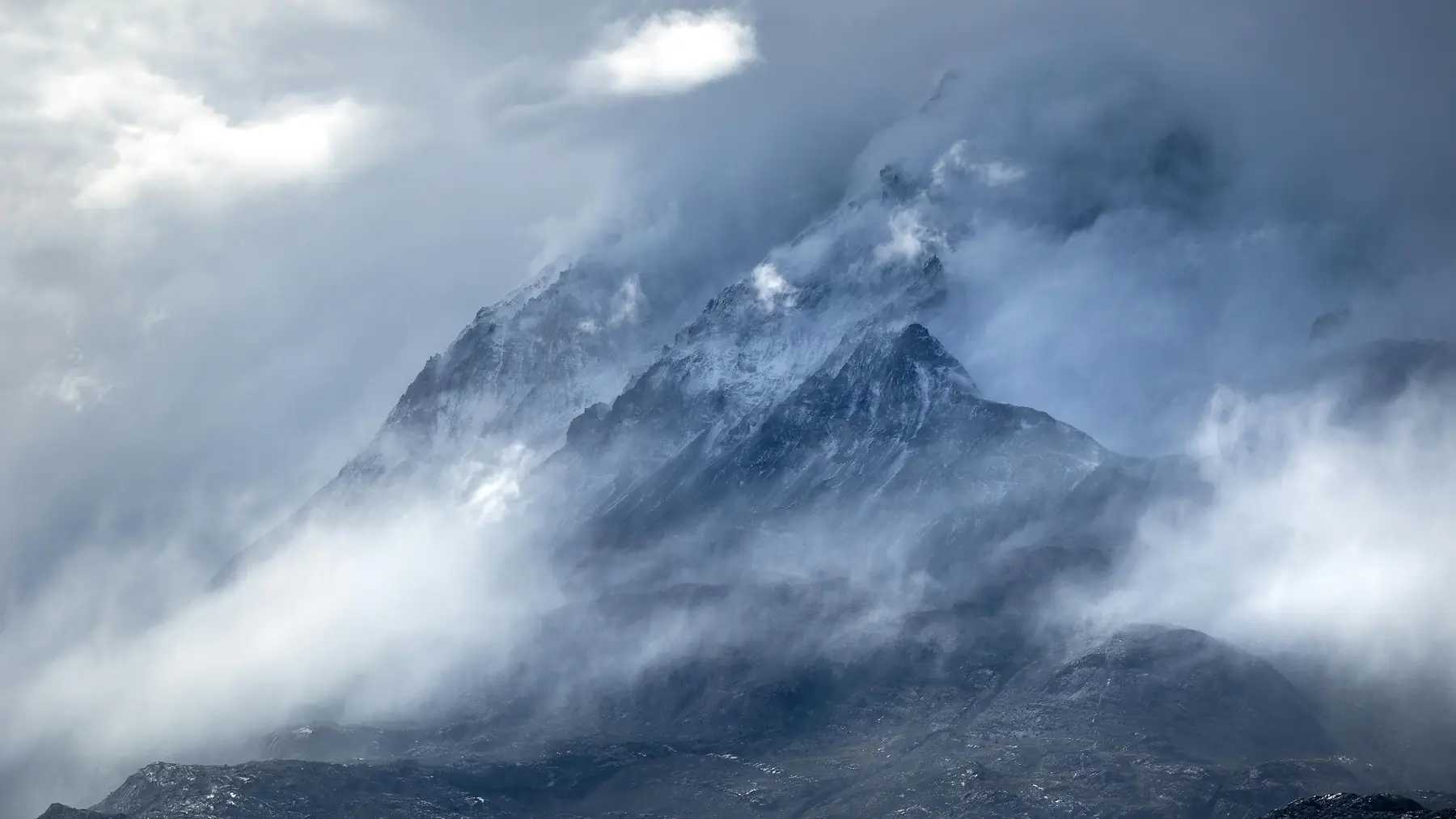
You begin in the arid, “Martian” landscapes of the Jeinimeni Mountains, where the soil is stained in shades of red and yellow. As you move south toward the Chacabuco Valley, the environment transforms into lush forests and vast grasslands. This is arguably the best trek in the region for wildlife enthusiasts; the recovery of the ecosystem in Patagonia National Park has led to thriving populations of guanacos, flamingos, and pumas.
The main challenge is the shuttle. The start and end points are several hours apart by road, requiring a pre-arranged transport or a very lucky hitchhike. As of 2025, the suspension bridges in the Avilés Valley are operational, but hikers should check with the Cochrane or Chile Chico CONAF offices for the latest trail conditions. Private shuttles can be arranged through operators in Chile Chico.
The Trans-Border Adventure: Villa O’Higgins to El Chaltén
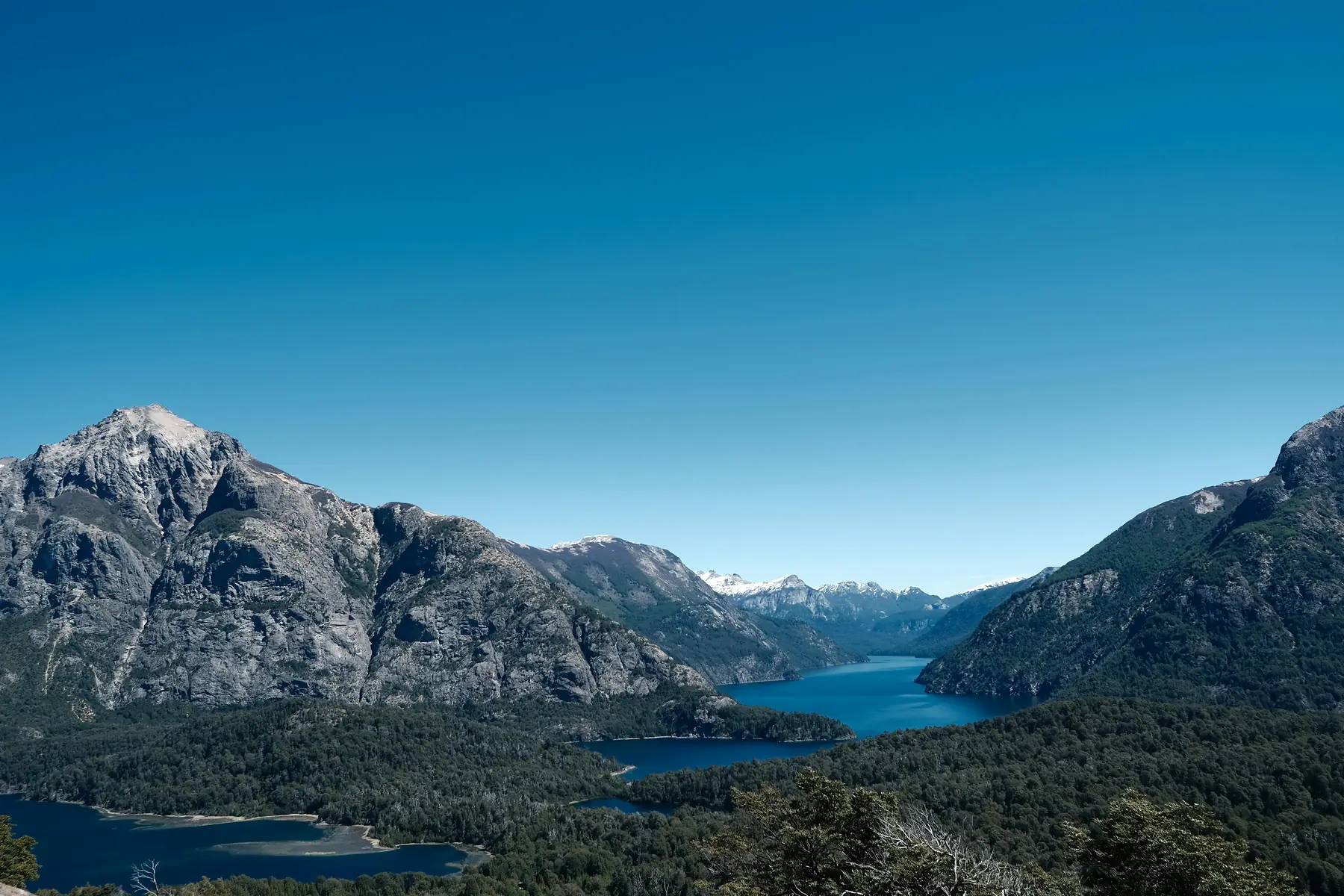
This is less a traditional trekking circuit and more a legendary journey of transit. The route connects the end of Chile’s Carretera Austral at Villa O’Higgins with the trekking capital of Argentina, El Chaltén.
The journey involves:
- A ferry across Lago O’Higgins to the Chilean police outpost (Candelario Mancilla).
- A 22 km walk through a remote “no-man’s-land” across the international border.
- A second ferry across Lago del Desierto or a further 15 km hike along the lake shore.
This route offers a unique perspective on the “hidden” side of Mount Fitz Roy and the remote O’Higgins Glacier. However, it is highly weather-dependent. The ferries on Lago O’Higgins are frequently cancelled for days at a time due to high winds, so your itinerary must be flexible.
Selection Framework: Which Patagonia Trek is Right for You?
Choosing between these routes requires an honest assessment of your experience and your planning horizon. Use the following criteria to narrow down your 2026 trekking list.
Infrastructure vs. Isolation
If you want a hot shower and a glass of Malbec at the end of the day, the W Trek is your only real option. If you want to feel like the last person on earth and are comfortable carrying 15kg of gear, Dientes de Navarino or the Jeinimeni route will serve you better.
The Planning Window
- 6 Months Out: This is the time to book the W or O Circuits. Availability becomes fragmented inside 9 months. Doing it yourself across both operator sites is manageable early on, but inside that window you end up juggling tabs trying to line up consecutive nights. Torres Hike (torreshike.com) consolidates bookings for a fee and is worth considering at that point.
- 6 Days Out: You can decide to hike the Huemul Circuit or Cerro Castillo almost on a whim, provided you have the gear and the fitness.
Fitness and Skill
- Trail Walkers: The W Trek and the trans-border crossing follow well-established, clear paths.
- Backcountry Navigators: The Huemul Circuit and Dientes de Navarino require the ability to read a topographic map and use a GPS, as the “trail” often disappears entirely.
Before you head out, ensure you are familiar with the specific packing requirements for the southern Andes, where gear weight and wind resistance are the two most important factors.
Essential Logistics for Multi-Day Trekking
Regardless of which trek you choose, certain “Patagonia Rules” apply to every long-distance route in the region.
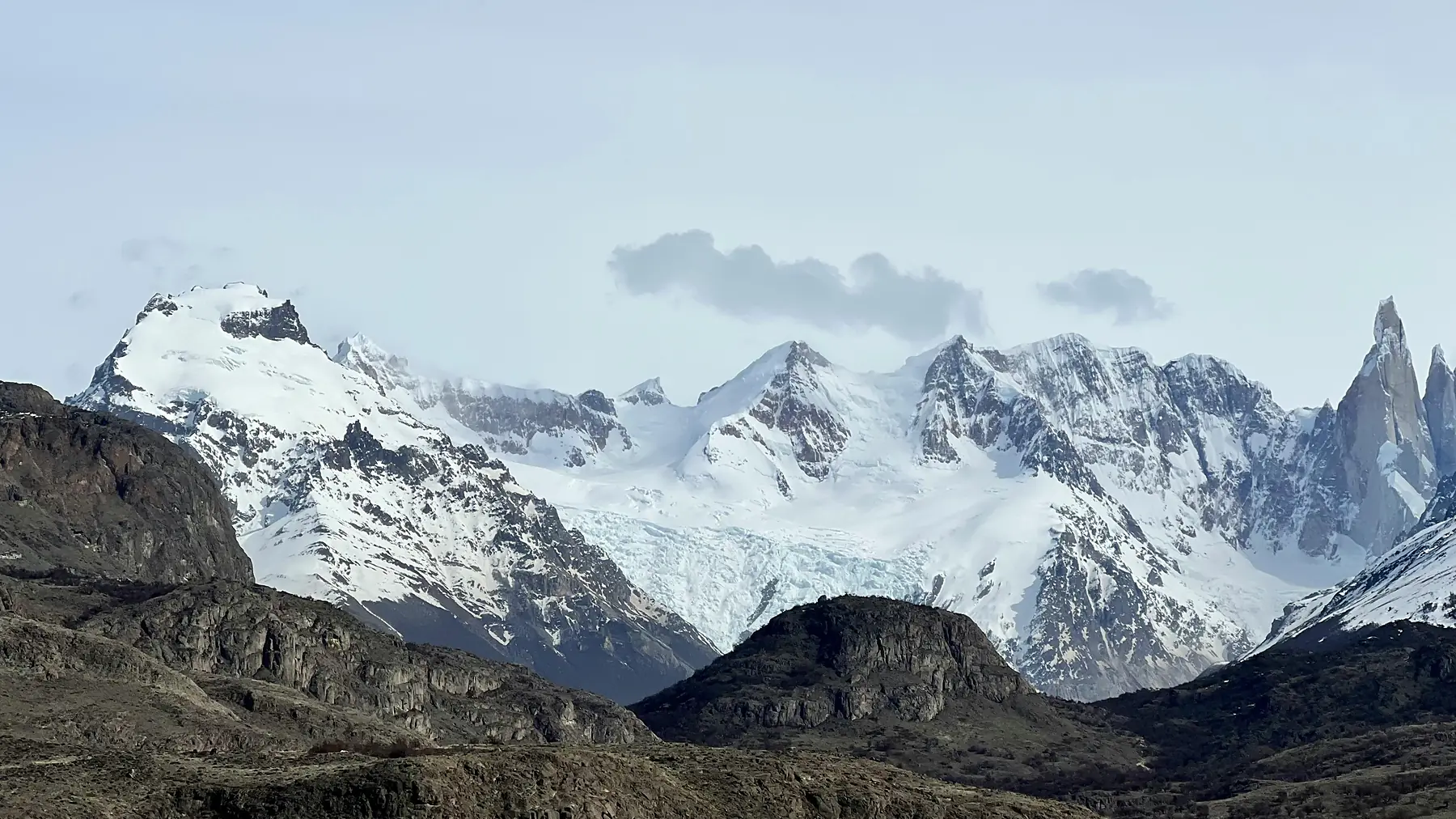
Seasonality: The window for multi-day trekking is narrow. While day hikes can be done in October or April, the high passes on the O Circuit, Huemul, and Dientes are typically only safe from late November through March. Outside of this window, you are looking at technical winter mountaineering.
Gear Philosophy: For multi-day trips, your gear must be “bomb-proof” but light. A tent that survives a gusty night in the suburbs will likely snap a pole in the 80-100 km/h winds of the Avilés Valley. Focus on a high weight-to-warmth ratio and ensure every item of clothing is part of a versatile layering system.
Leave No Trace: Fire is the greatest threat to Patagonia’s national parks. Open fires are strictly prohibited in all Chilean and Argentine national parks. You must use a gas stove for cooking, and this is restricted to specific designated areas within campsites. Violation of these rules often results in immediate expulsion from the park and heavy fines.
QUESTION: What is the best multi-day trek in Patagonia for a first-time visitor?
ANSWER: The W Trek in Torres del Paine is the best choice for beginners due to its well-marked trails, abundant refugio (hut) accommodation, and stunning “greatest hits” scenery.
QUESTION: Which multi-day hike in Patagonia offers the most solitude?
ANSWER: The Dientes de Navarino trek on Isla Navarino is widely considered the most isolated, often seeing fewer than a dozen hikers per day even in peak season.
QUESTION: Do I need a guide for multi-day trekking in Patagonia?
ANSWER: Most major treks like the W, O, and Cerro Castillo can be done independently, though technical routes like the Huemul Circuit or remote sections of Patagonia National Park are better suited for experienced navigators or those with a guide.
QUESTION: What is the hardest multi-day trek in Patagonia?
ANSWER: The Huemul Circuit in El Chaltén is considered the most difficult due to technical river crossings, steep unmarked terrain, and the physical demand of carrying all gear and food.
QUESTION: Are there multi-day treks in Patagonia with mountain huts?
ANSWER: The W and O Circuits in Torres del Paine are the only major treks with a full network of refugios; most other treks, like Cerro Castillo or Huemul, require full camping gear.
QUESTION: How far in advance should I book a multi-day trek in Patagonia?
ANSWER: For the W or O Trek in Torres del Paine, book as soon as operator windows open (staggered between March and June); however, treks in El Chaltén or the Carretera Austral generally require no advance permits or reservations.